






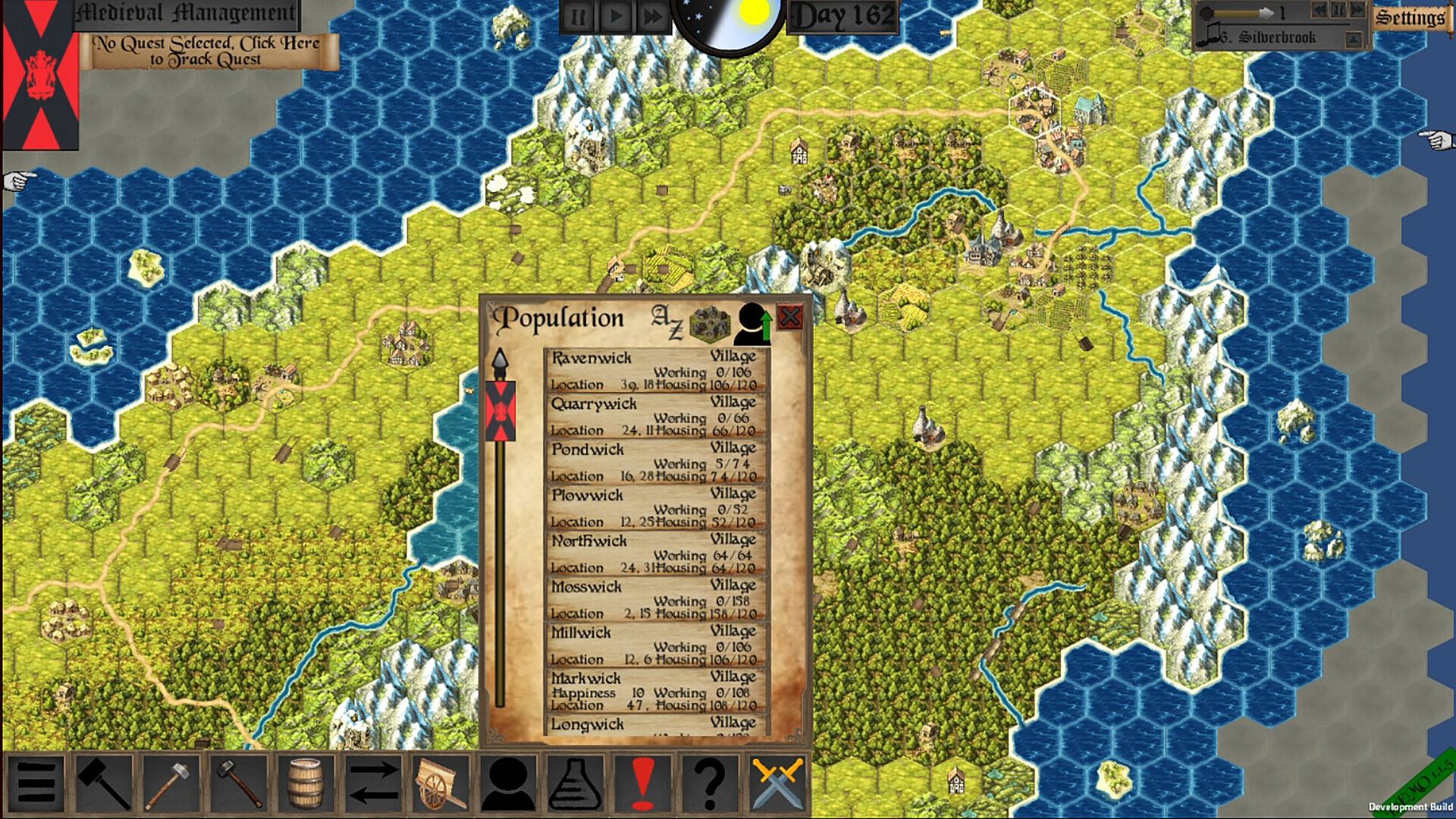
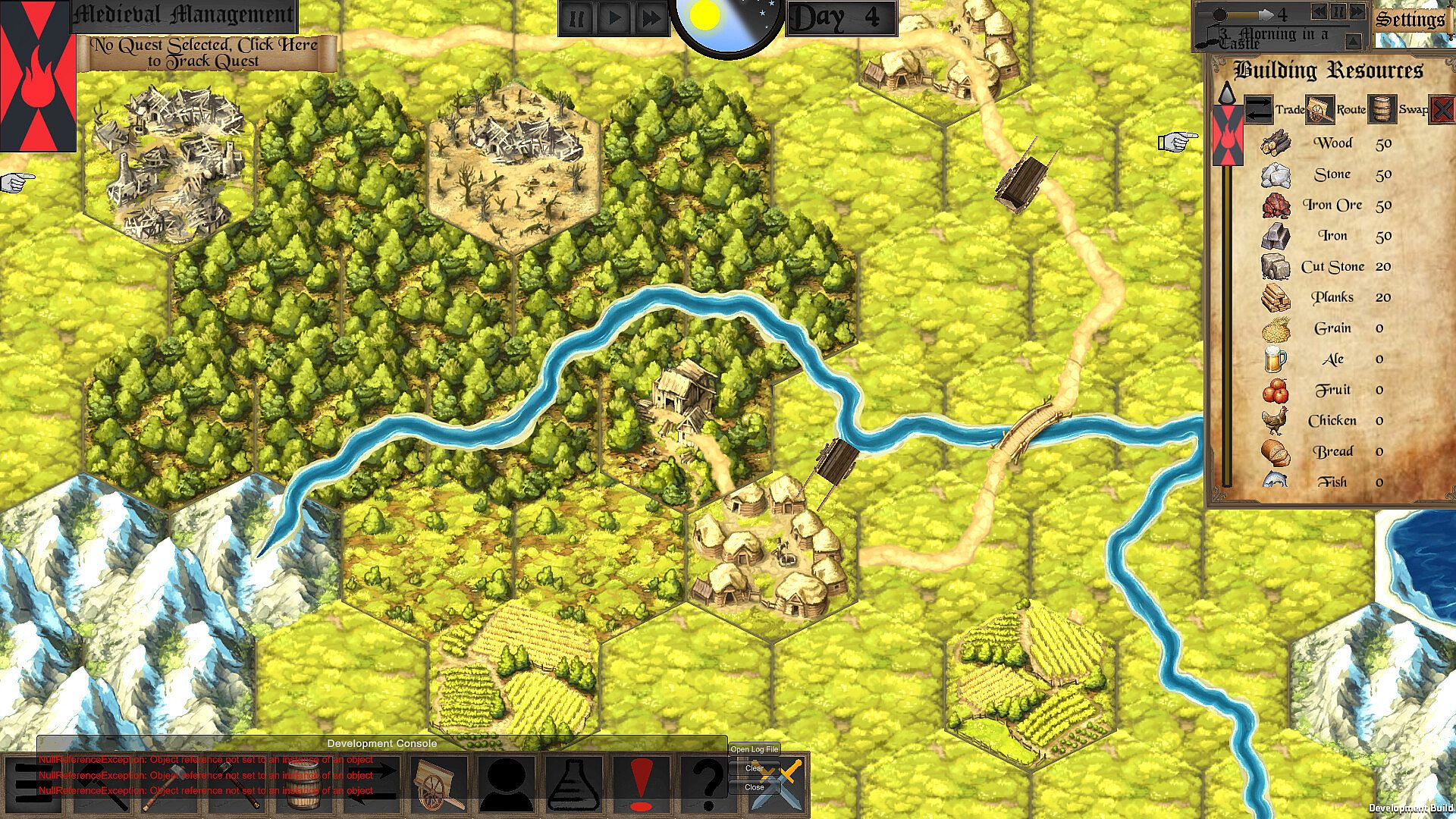
Medieval Management is a single-player strategy and simulation game focused on real-time resource and economy management in a medieval setting. Players take on the role of steward and architect, founding villages that expand into towns and cities while overseeing the logistics of construction, production, and population needs across a growing kingdom.
Gameplay
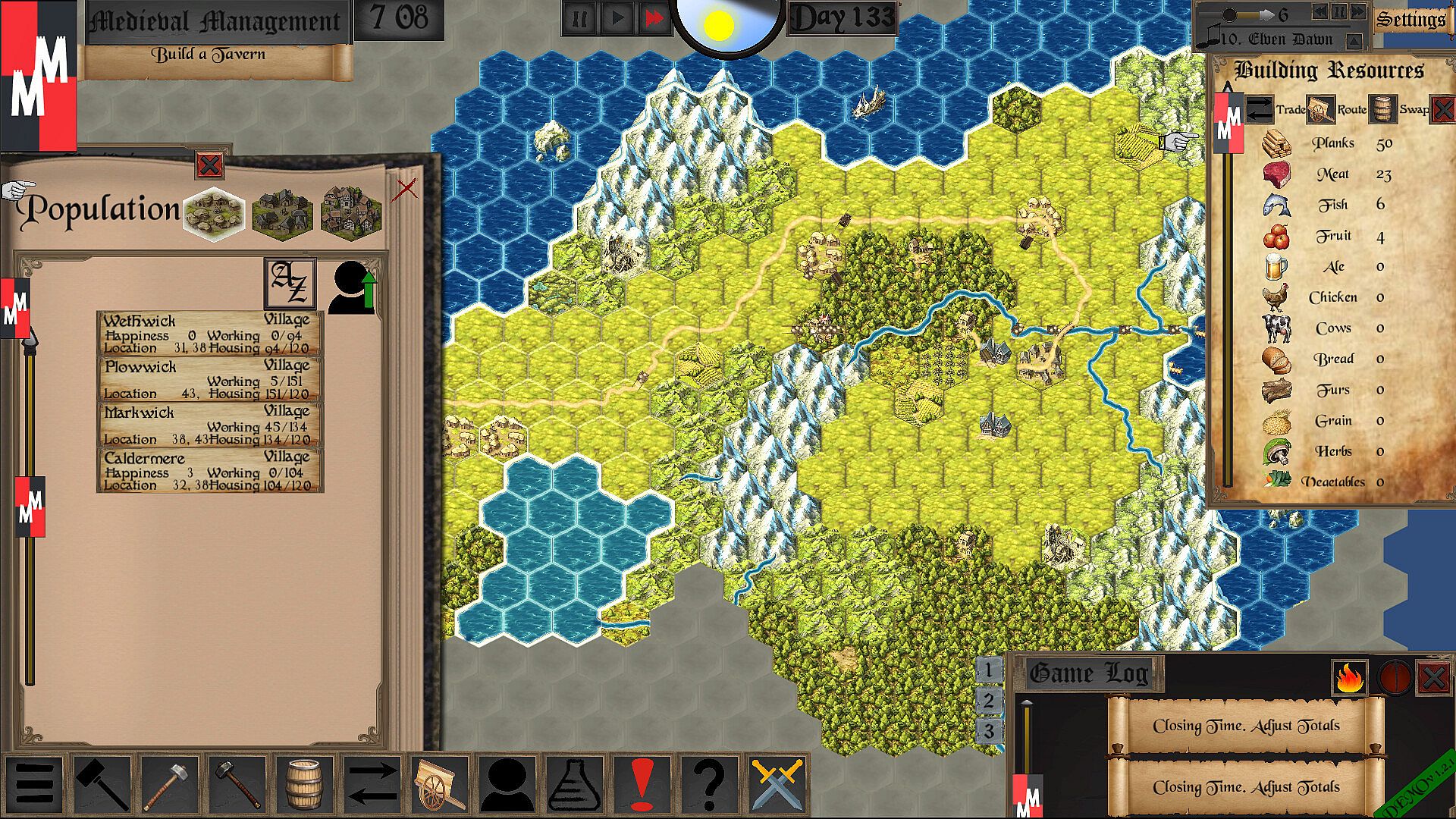
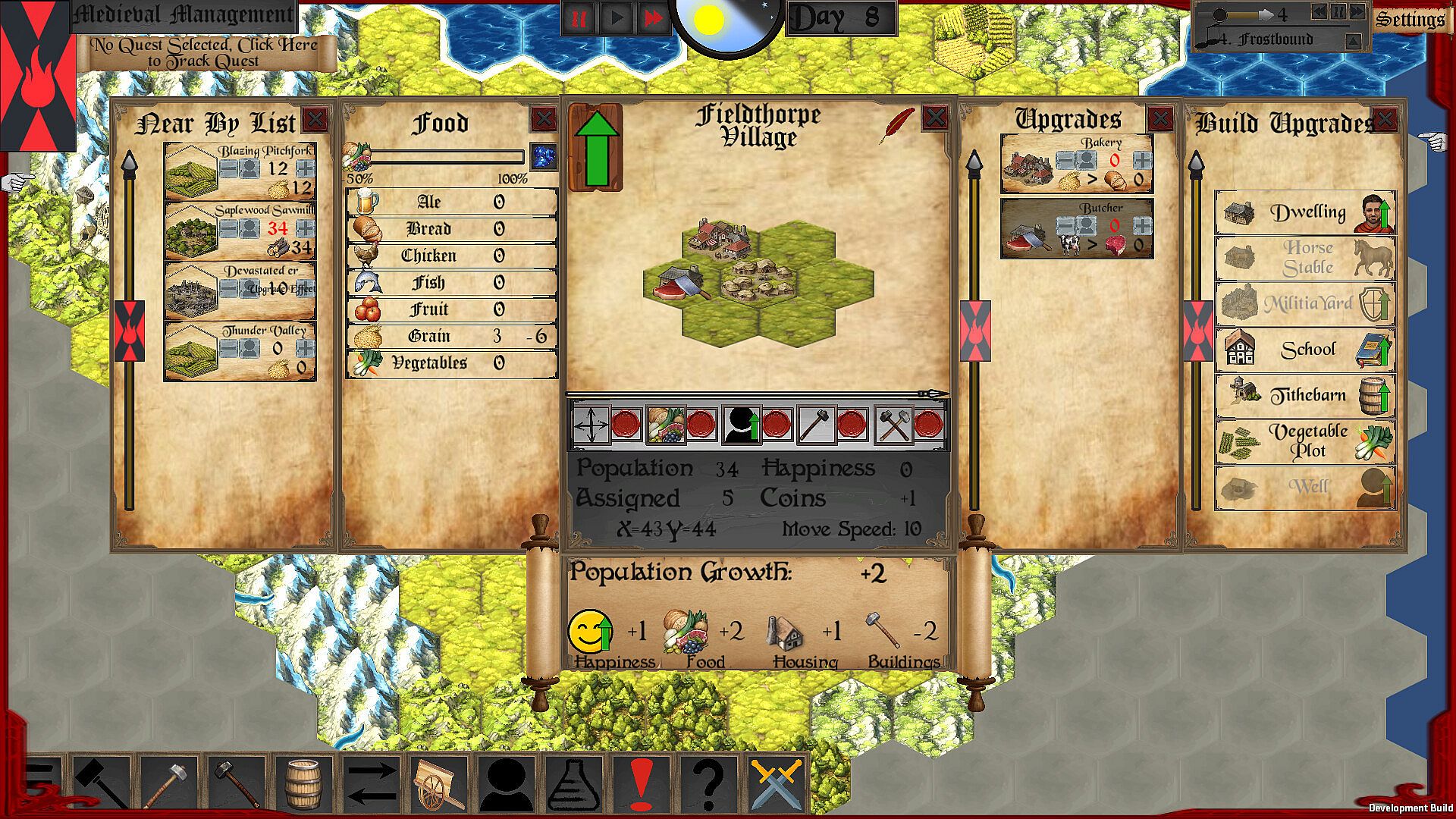
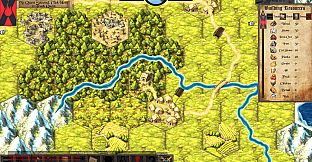
The core loop revolves around placing buildings anywhere on the map to support settlement growth. Each structure requires resources such as wood, stone, and one of nine different foods to construct and operate. Workers must be assigned to buildings for production to begin, and carts handle the delivery of goods from distant locations to keep operations running smoothly. Most buildings start with six upgrade slots and offer multiple options that can boost output, add capacity, or introduce entirely new products while also providing benefits like increased happiness or housing space.
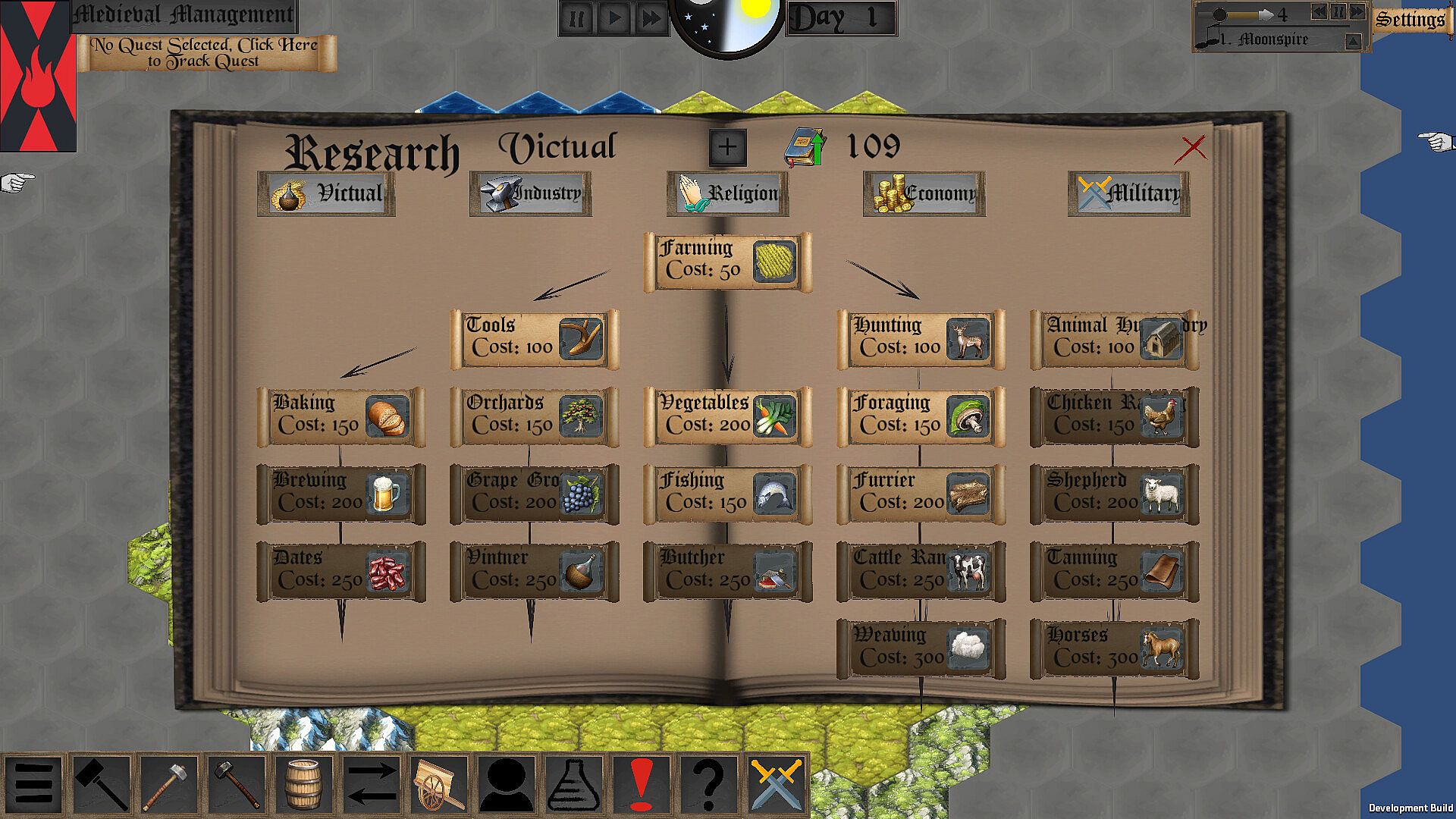
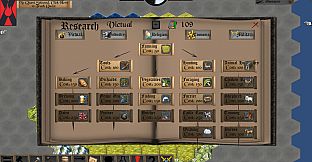
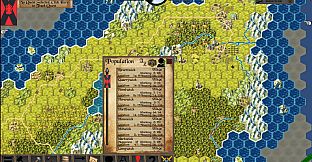
Population management forms a central challenge. Settlements need enough residents to staff all active buildings and upgrades without leaving key facilities understaffed. Research progresses through four distinct trees-Victual, Industry, Religion, and Economy-unlocking 68 unique technologies that expand available buildings, upgrades, and evolutions. Quests guide progress by directing players to construct specific structures or complete research milestones that open further options. Trade occurs via a dedicated port, where routes can be established to export surplus goods or import food to prevent shortages.
The medieval theme extends to the user interface, events, and mechanics, with period-appropriate music supporting the atmosphere. Buildings evolve over time, allowing a basic village to scale into a larger town or city as infrastructure improves and production chains lengthen.
Game Modes
Medieval Management operates exclusively in a single-player real-time format. There are no separate named modes or multiplayer options at this stage. The experience centers on open-ended kingdom building where players balance construction, resource allocation, worker assignments, research, and trade to sustain and expand settlements. Progression follows a quest-driven structure that encourages steady development through building requirements and technology unlocks, with the full military and naval systems reserved for later updates.
Key Mechanics and Systems
Logistics play a prominent role, as resources must physically travel via carts to reach their destinations, creating dependencies between distant production sites and consumption points. Upgrades not only enhance efficiency but also allow buildings to shift focus, such as converting output from one resource type to another. The research system provides clear advancement paths across the four trees, each tied to different aspects of settlement life from food production to economic expansion. Quests serve as structured objectives that integrate with these systems, rewarding completion with new construction and research opportunities.
Current early access content includes the foundational building, upgrading, trading, and research elements, with chapters one through three playable. Military buildings, units, and combat remain locked, as do naval logistics features planned for the complete release.
Is It Worth Playing?
Medieval Management suits players who enjoy deliberate, logistics-heavy management simulations where planning resource flows and population distribution drives long-term growth. The emphasis on evolving buildings, multi-option upgrades, and interconnected trade routes offers depth for those who appreciate optimizing production chains in a single-player environment. As the game remains in early access with no released version or player reviews available yet, its appeal depends on tolerance for ongoing development and the promise of future additions like military systems. Those drawn to pure economy and building mechanics without combat may find the current scope engaging once it launches, while others might prefer waiting for the expanded full version. The title targets fans of strategy simulations centered on medieval empire logistics rather than action or narrative elements.











