


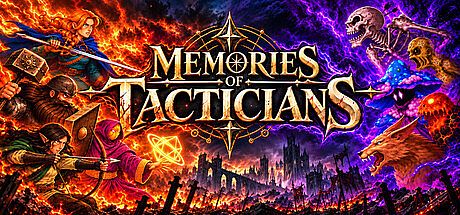


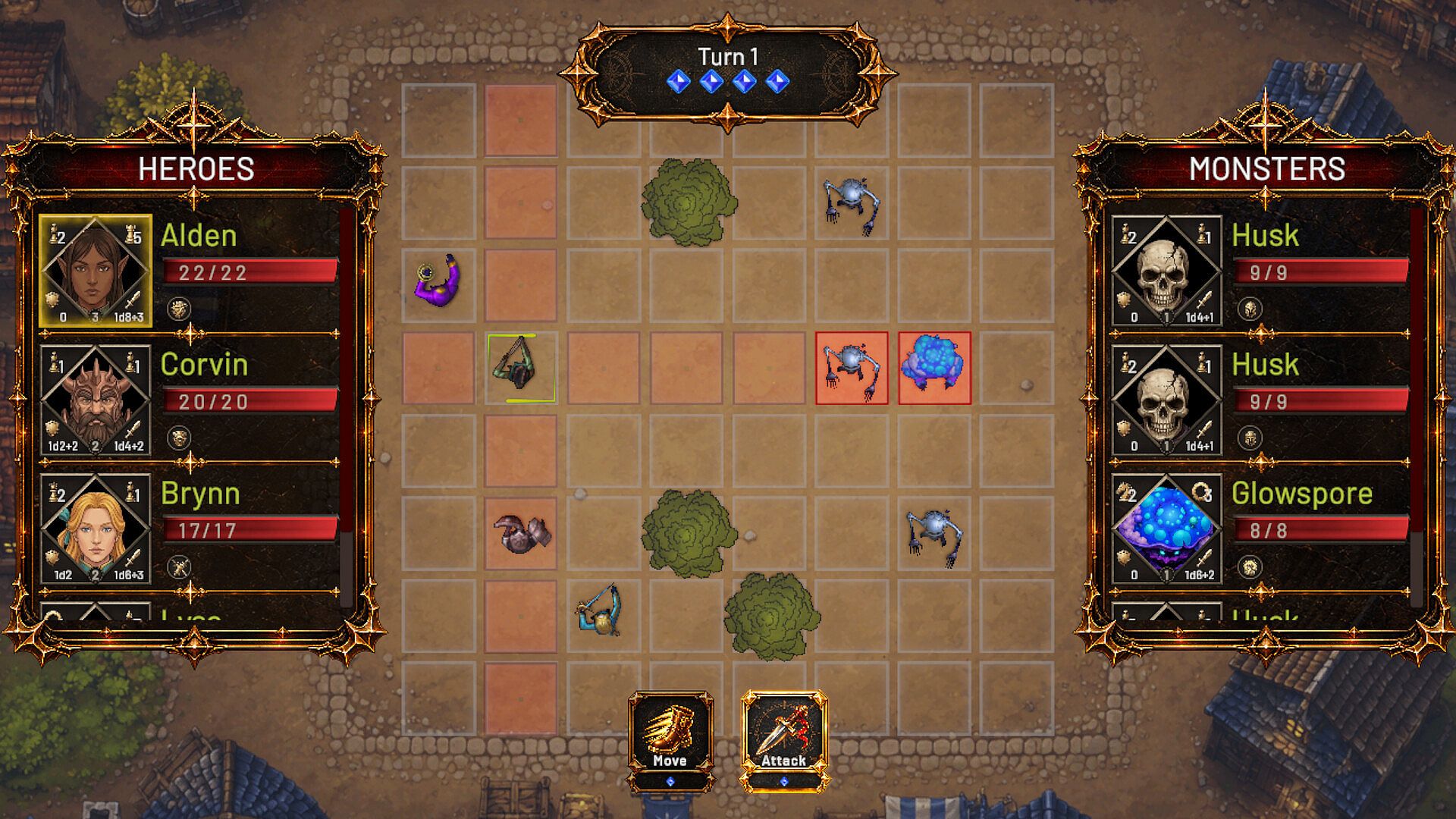
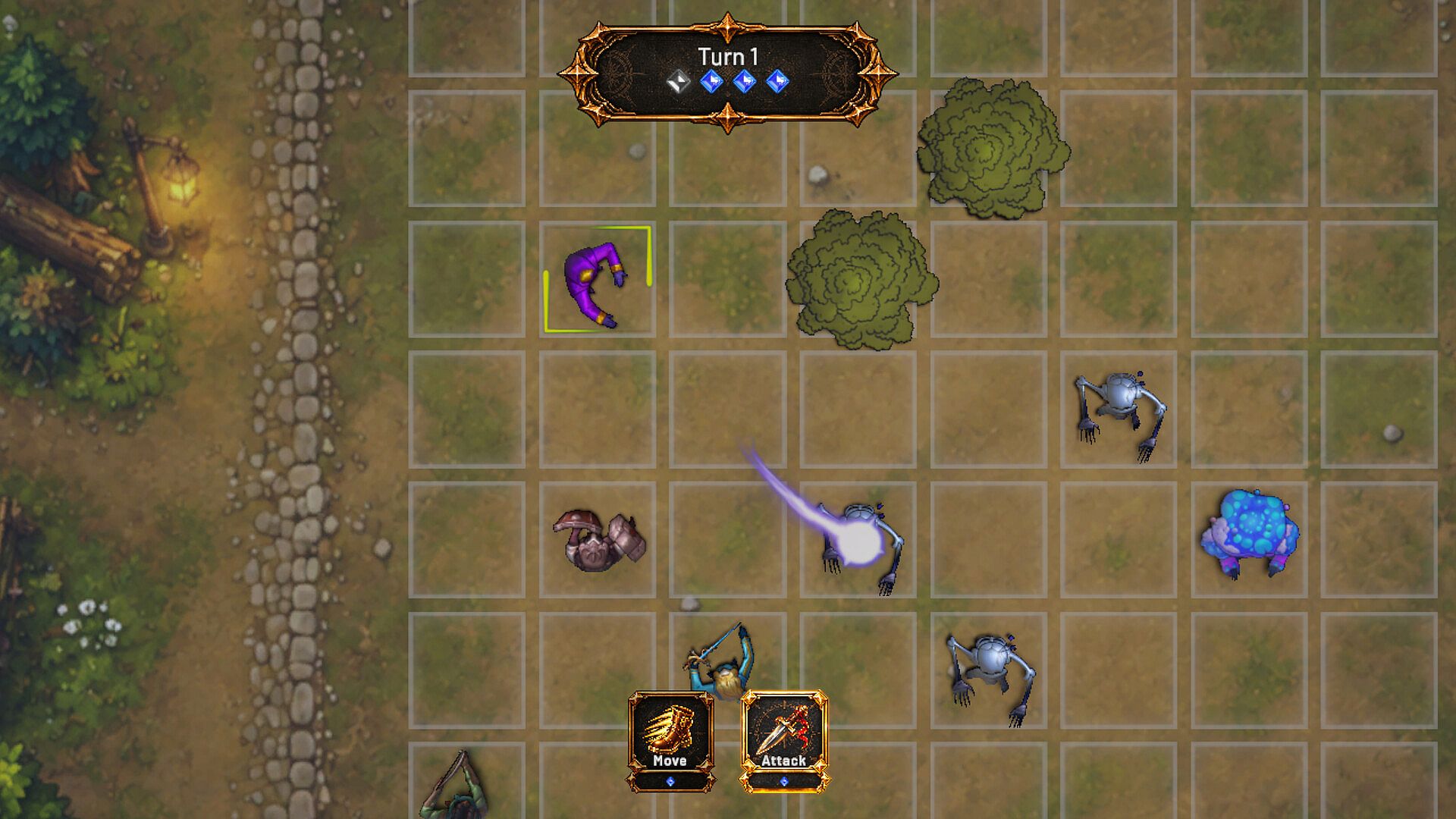
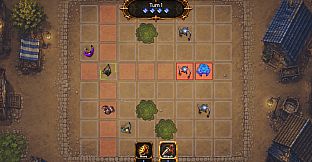
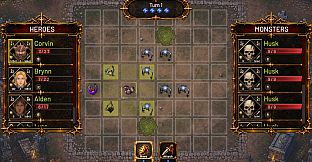
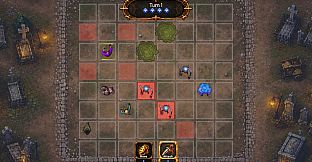
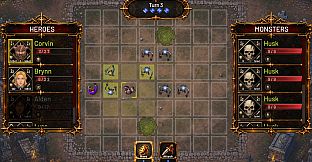
Memories of Tacticians is a turn-based tactics RPG for PC that blends strategic combat on a compact 8x8 board with party-building elements and permadeath consequences. Players command a small group of heroes through generated encounters where every decision carries forward, shaping both the immediate fight and the long-term survival of the team.
Gameplay
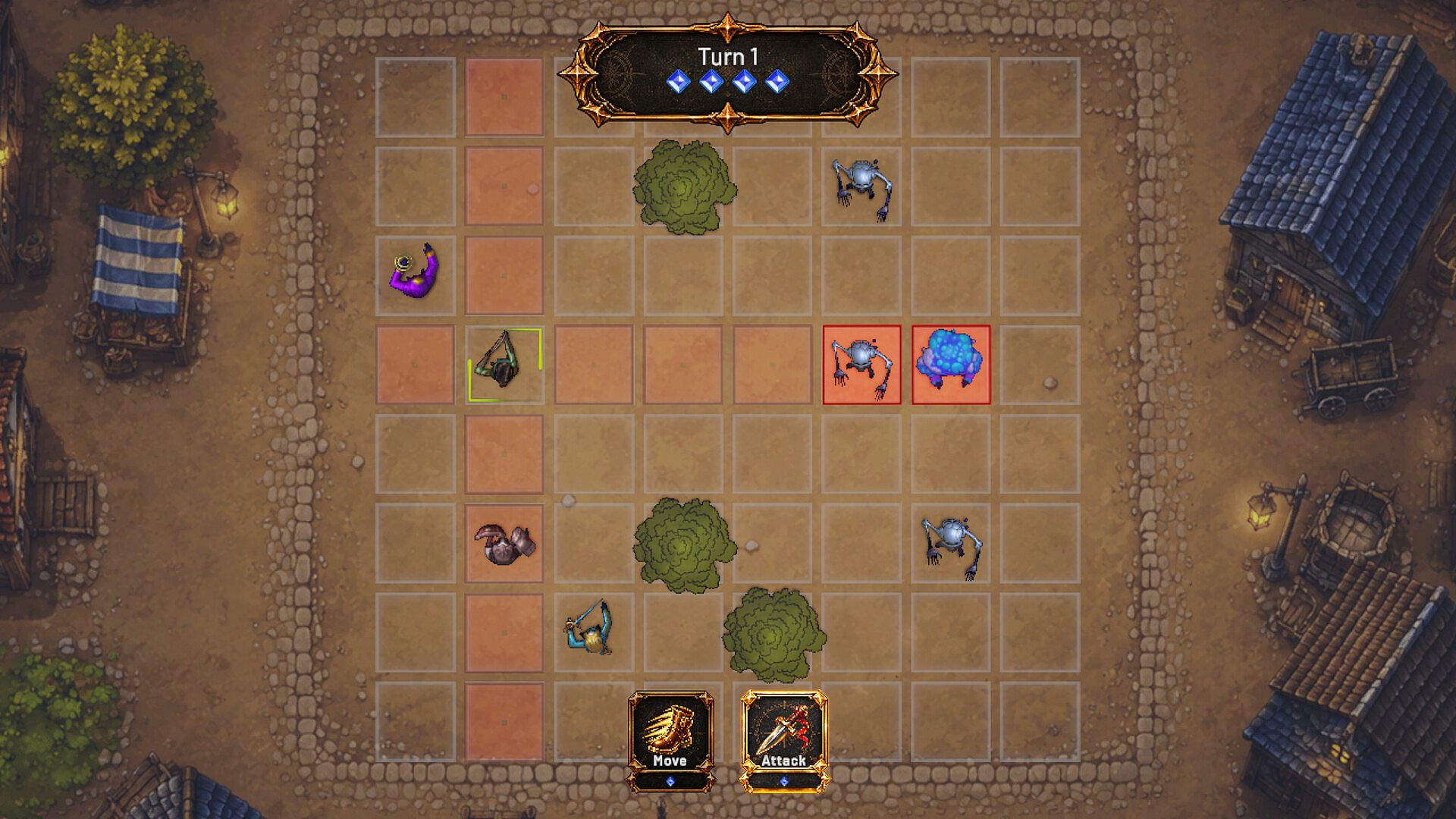
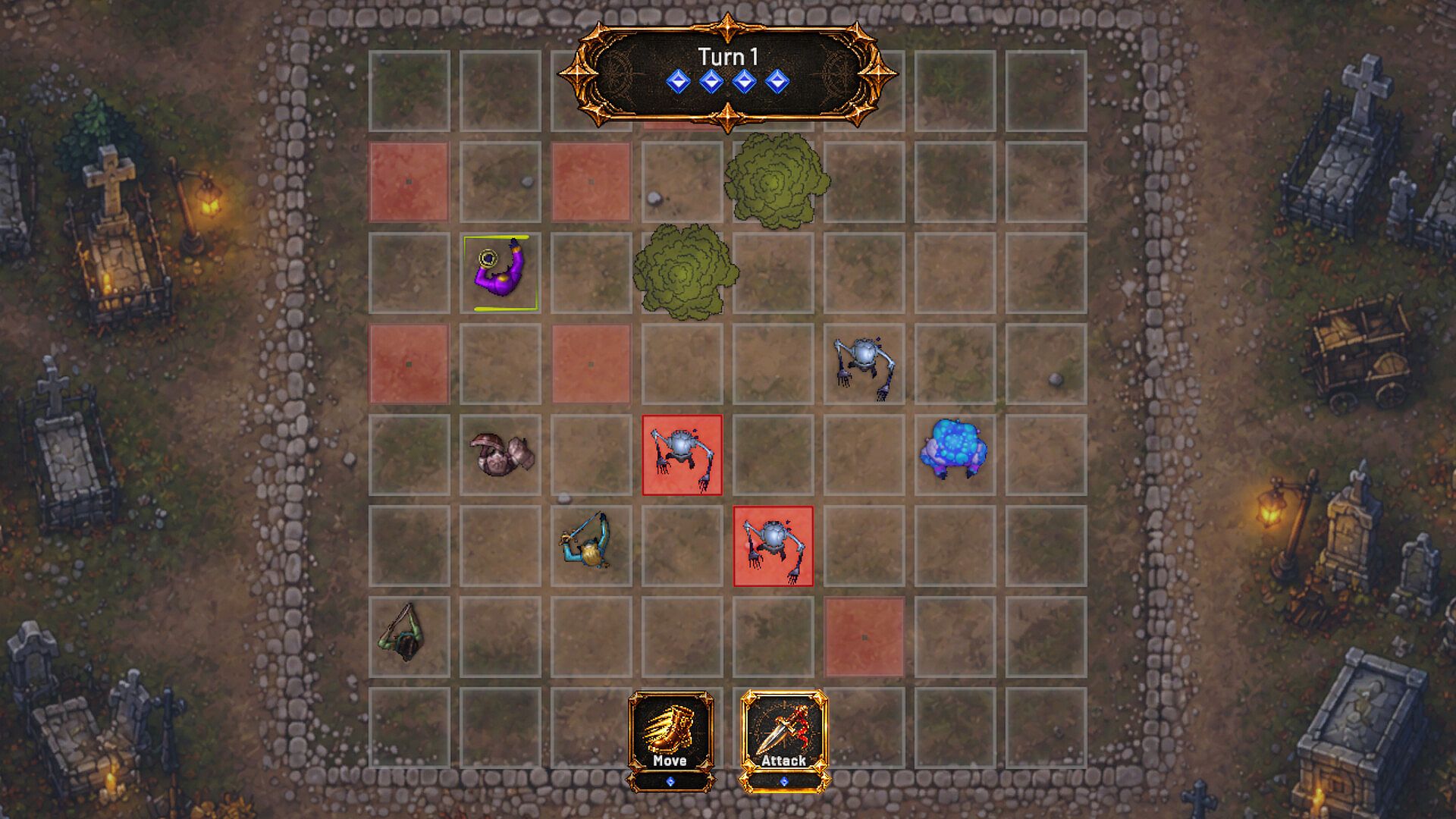
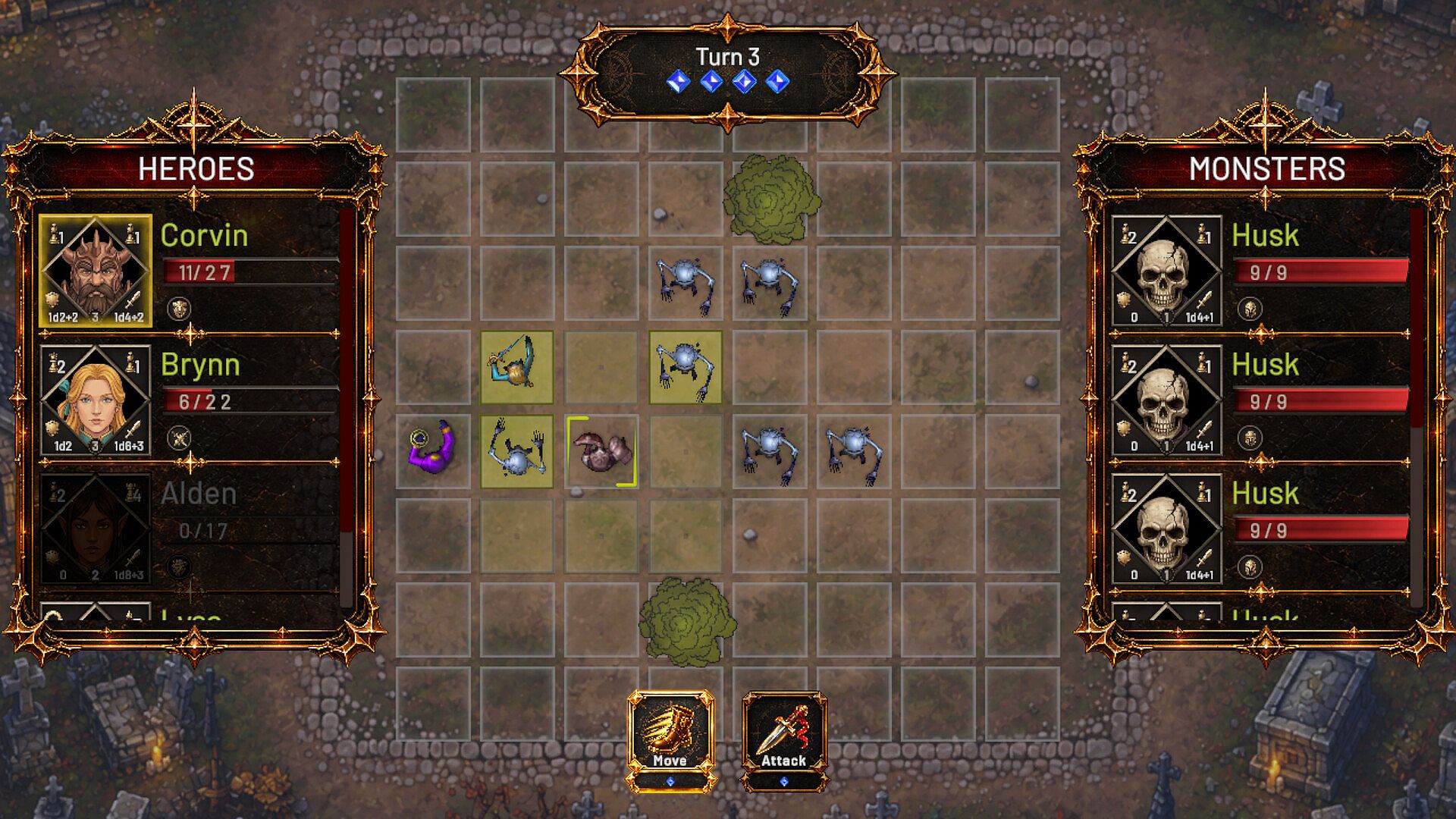
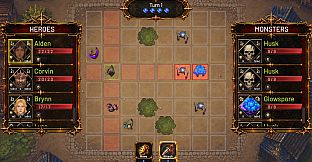
The core loop centers on shared command resources. Four commands are available each turn, and any hero can spend them to move or attack. The same limit applies to enemy groups, creating tight resource management across both sides. Heroes belong to one of four archetypes with distinct movement and attack patterns. The Guardian steps one square in any direction and excels at blocking. The Duelist dashes up to two squares to reach key targets. The Sharpshooter fires in straight lines up to four squares away. The Prophet attacks along diagonals up to three squares but remains the most vulnerable.
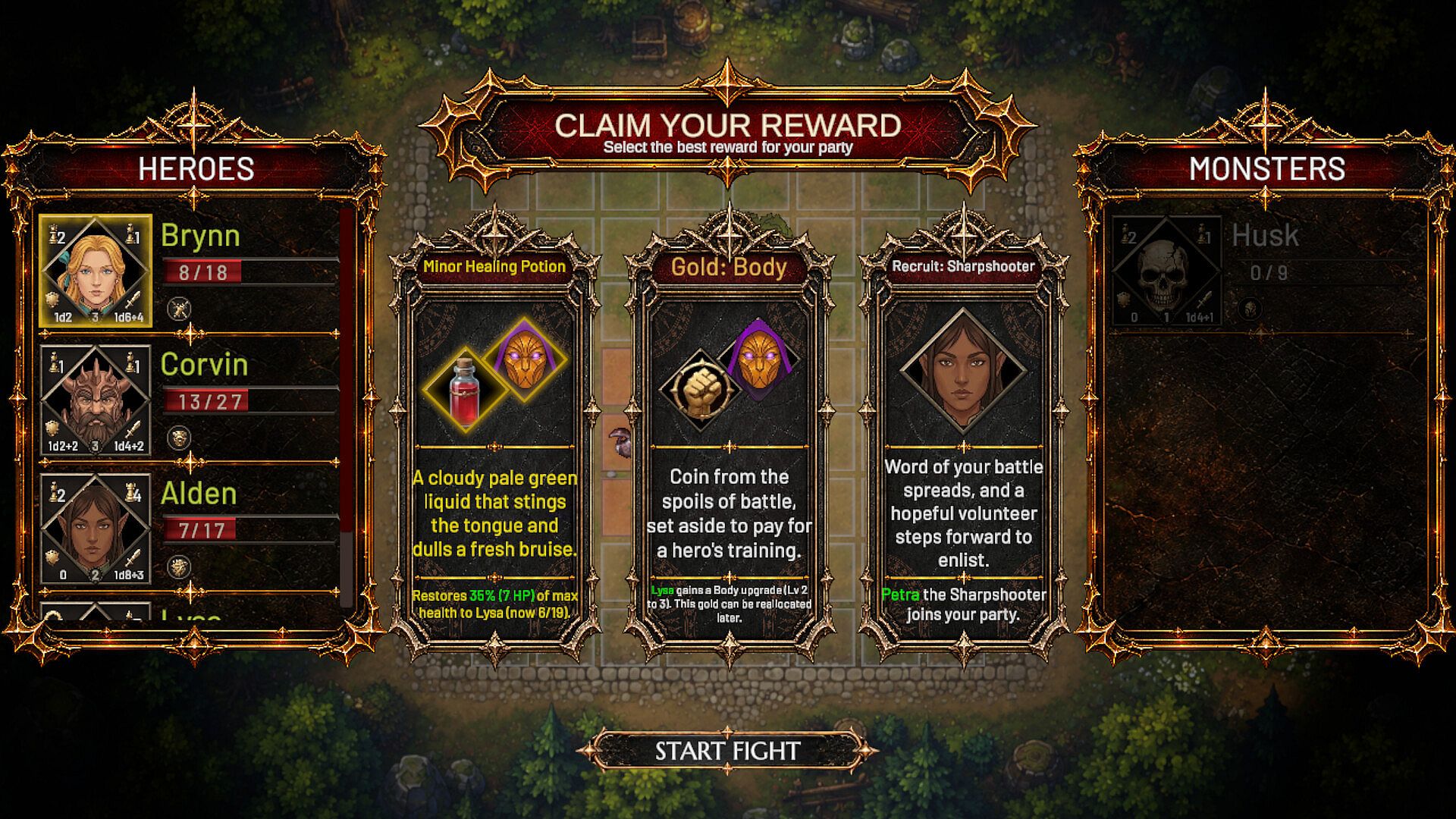
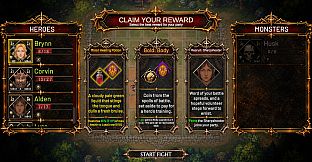
Attacks always connect. Damage results from a roll compared against the target's Block value, so outcomes depend on positioning and upgrades rather than random misses. Wounds persist between fights, and any fallen hero stays dead. After each victory, players choose one of three rewards: heal the party, upgrade a hero, or occasionally recruit a newcomer. This system rewards careful play while punishing overextension.
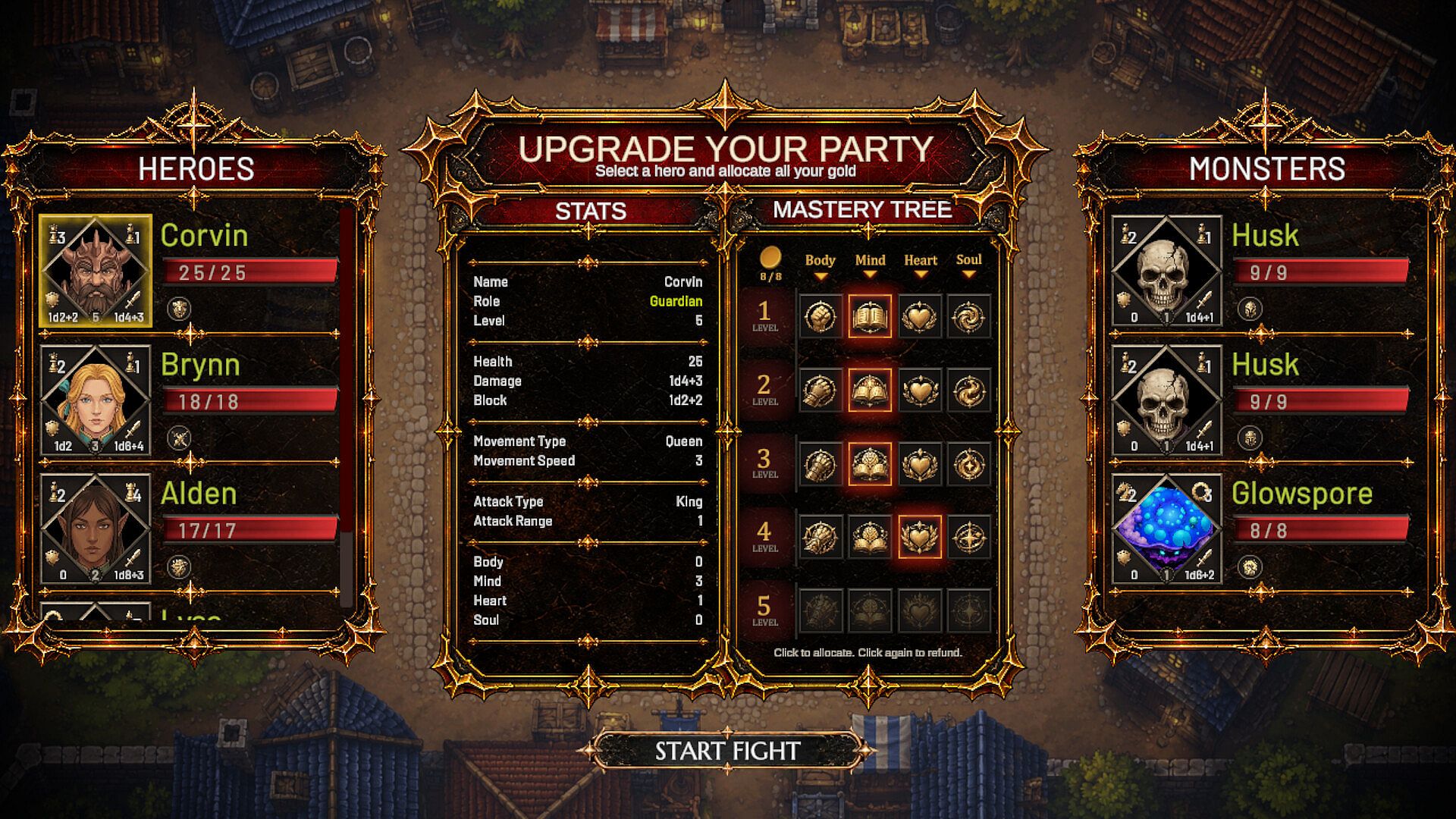
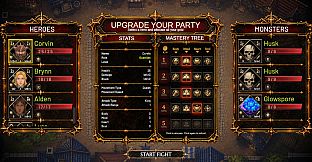
Each hero follows one of four upgrade paths-Body, Mind, Heart, or Soul-with room for five total upgrades. Some choices alter movement entirely, such as allowing the Guardian to charge farther after investing in Mind. Respec options before every fight encourage experimentation without permanent lock-in. Encounters adapt to the party composition, spawning swarms, ambushes, artillery setups, or single champions that exploit weaknesses.
Game Modes
Memories of Tacticians operates through repeated runs where each attempt starts with a fresh party. Fights occur in sequence, with persistent damage and losses carrying over until the run ends. The structure emphasizes planning across multiple battles rather than isolated matches. No separate multiplayer or versus modes exist; the focus remains on single-player progression through generated content that reacts to the heroes brought into each fight.
Future development plans include expanded story elements that reflect specific hero survival choices and losses, turning each run into a unique narrative record. Signature skills per hero and additional upgrade depth are also listed as upcoming features.
Hero Archetypes and Combat Systems
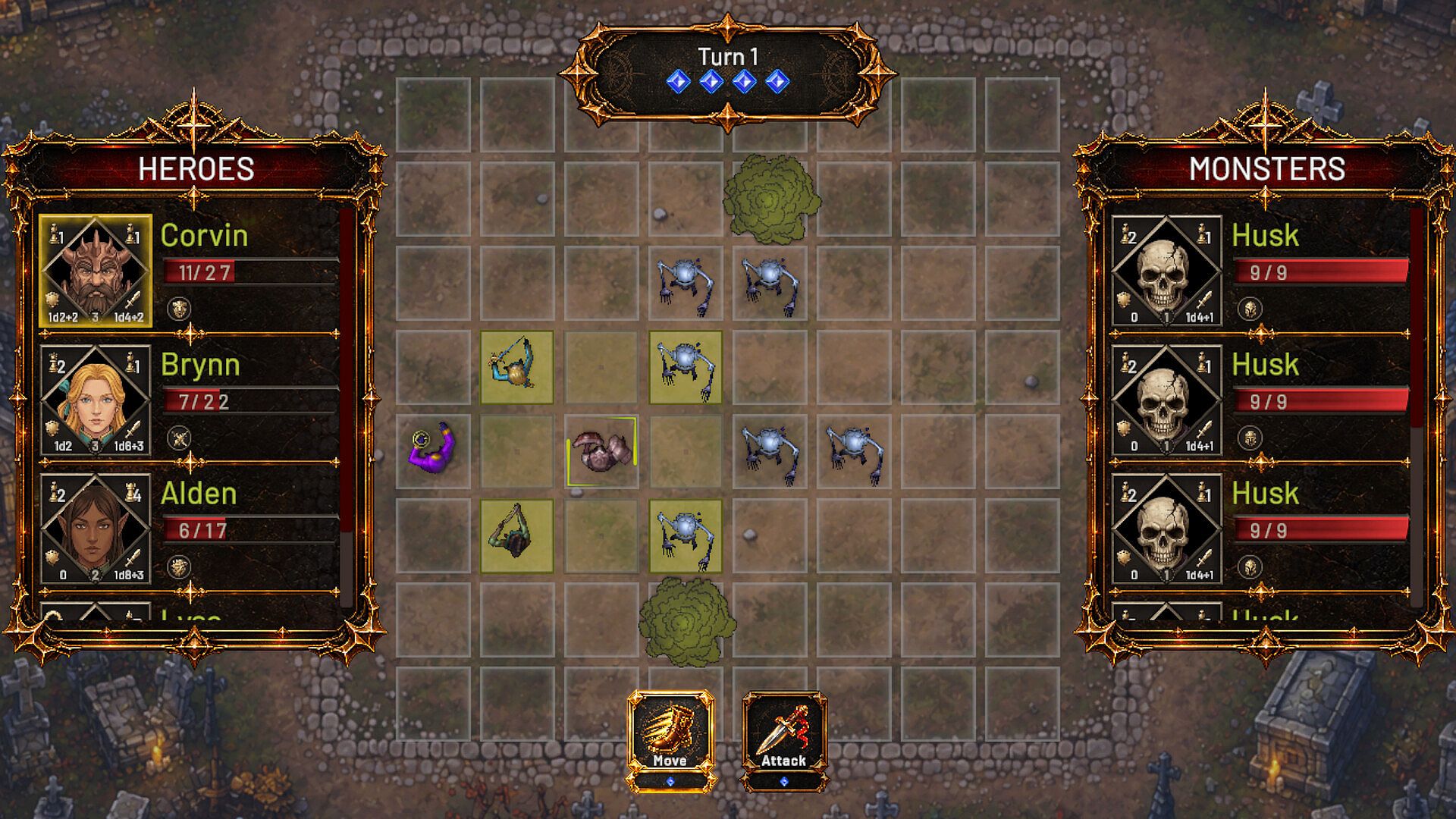
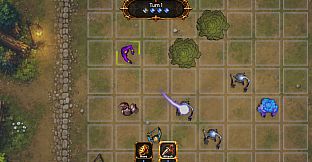
Before committing to a move, the board highlights exact reachable squares and attack ranges for the selected hero. This visual feedback supports precise positioning on the small grid. Monsters mirror the four-command limit and actively target wounded heroes or retreat when threatened with elimination. The dice system separates hit chance from damage calculation, letting players focus on numerical planning and formation rather than evasion rolls.
Party composition directly influences encounter design. Swarms pressure multiple fronts at once, while champions demand focused fire. Upgrades that rewrite movement patterns add variety, turning standard archetypes into specialized roles over time. The limited upgrade slots force meaningful trade-offs between offense, defense, and utility.
Is It Worth Playing?
Memories of Tacticians suits players who enjoy turn-based tactics combined with party management and permadeath. The shared command system and persistent wounds create tension across fights, while the always-hit attack model keeps attention on positioning and resource allocation. A free demo is scheduled for release soon, allowing direct testing of the core mechanics before full commitment. The game remains in active development with planned additions to upgrades, heroes, monsters, and narrative layers built around individual run histories. Those drawn to compact grid tactics and the weight of irreversible losses will find the systems align closely with that preference.












