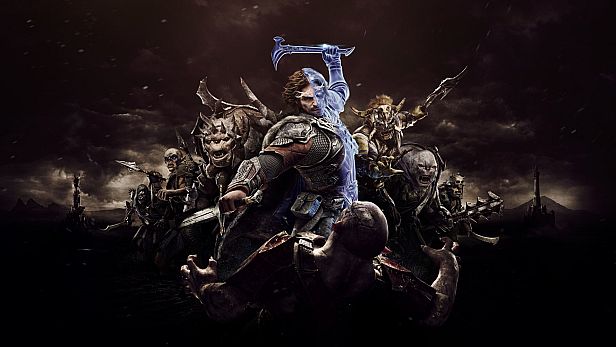










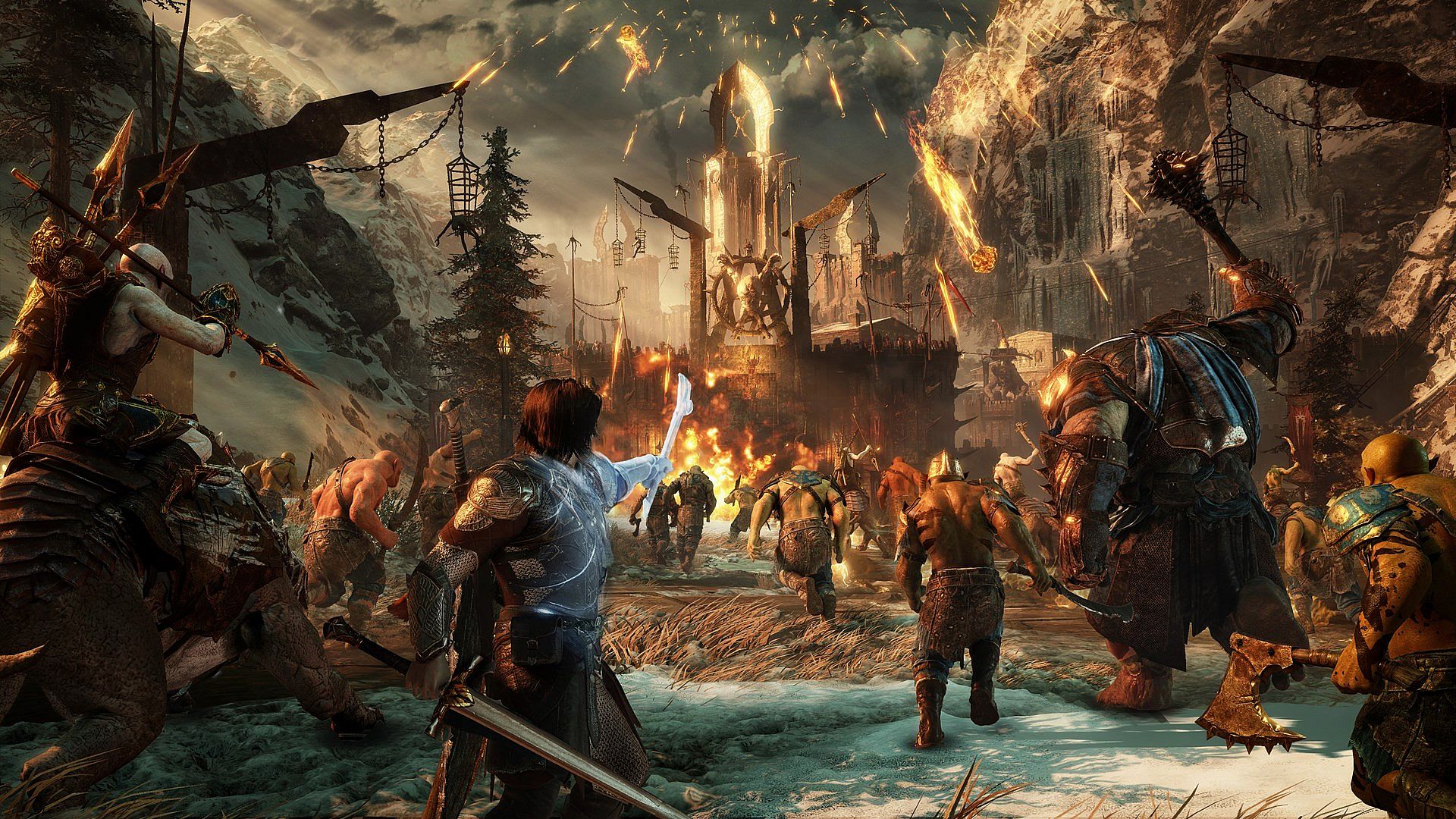
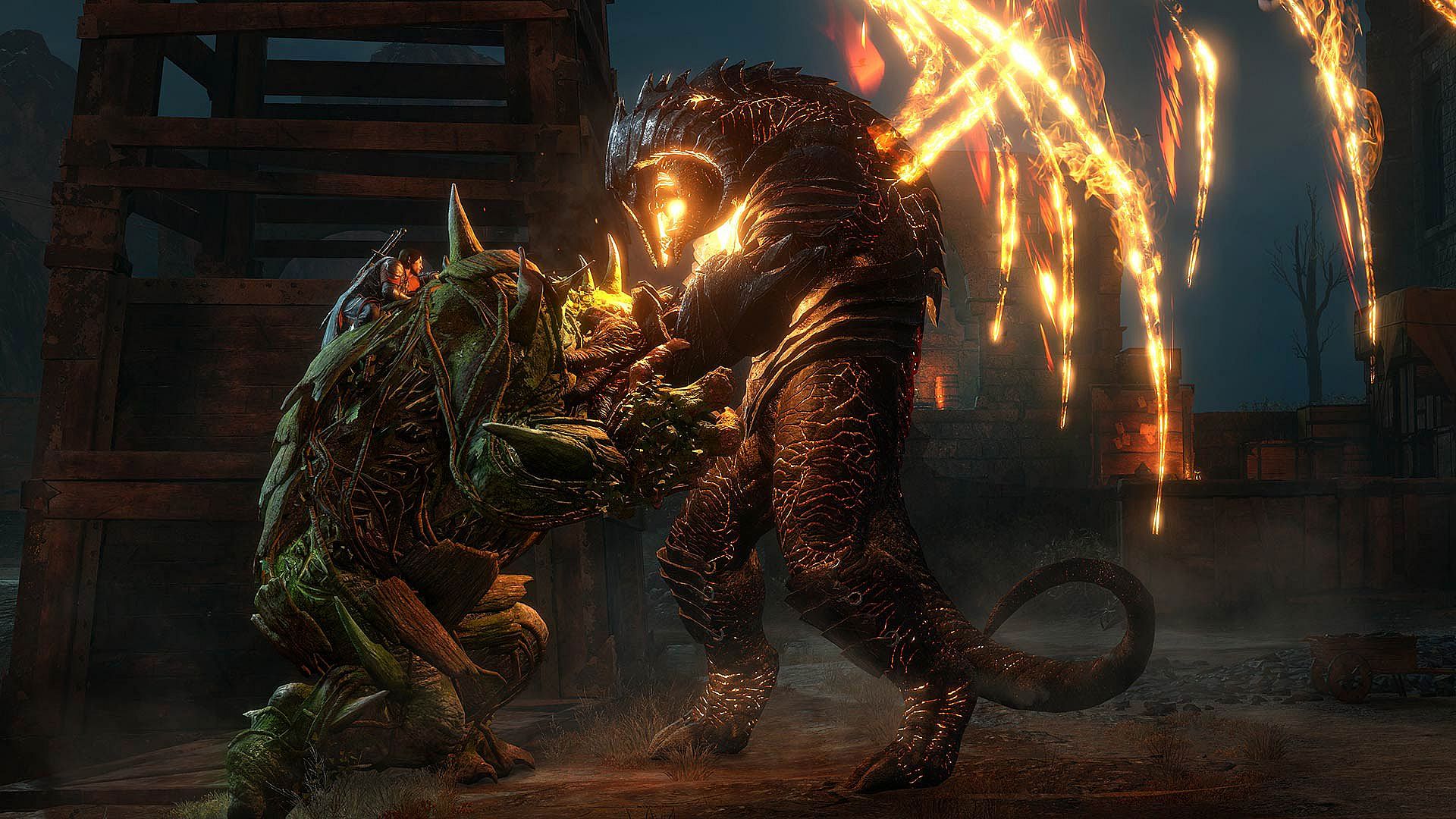
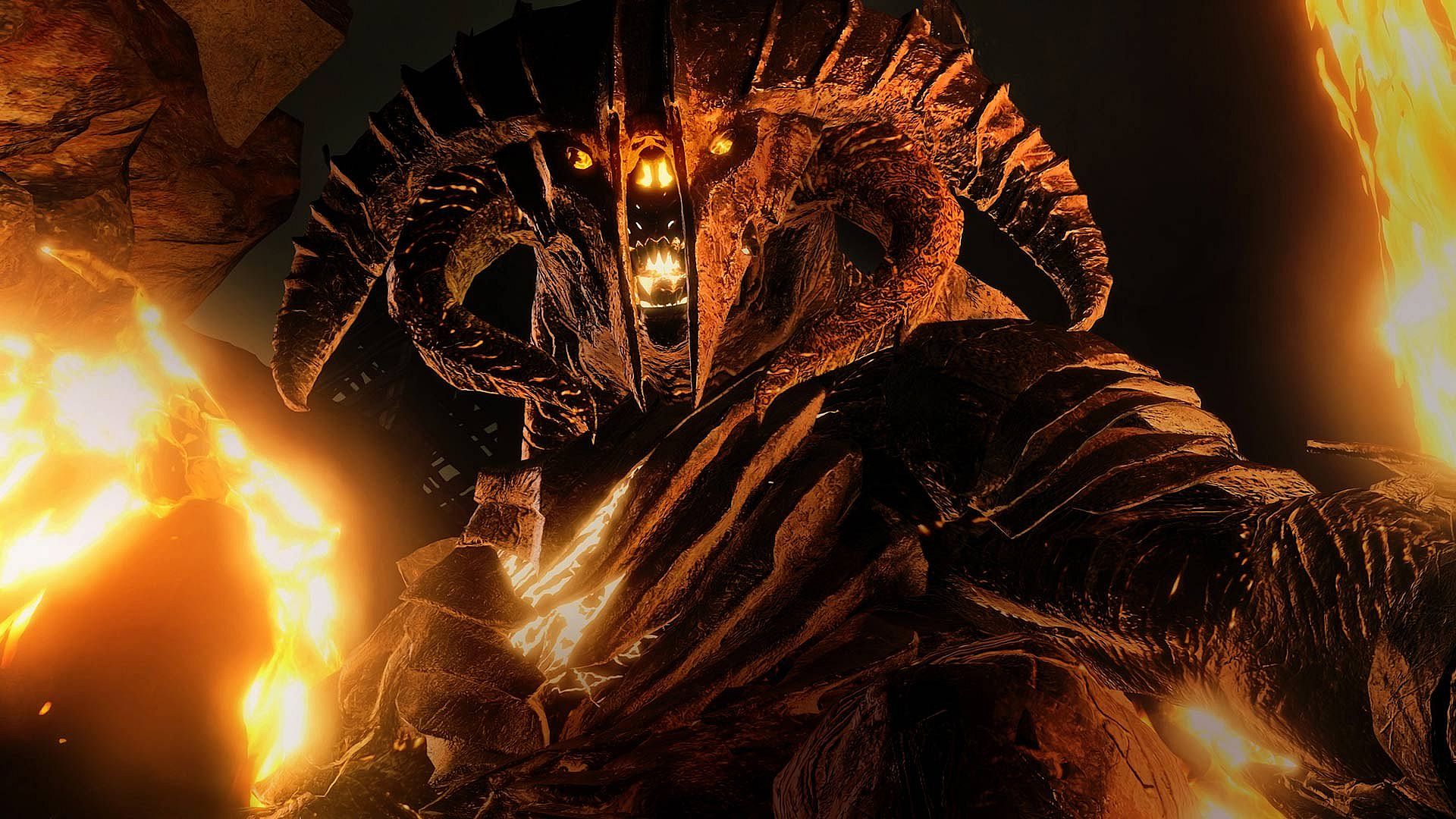
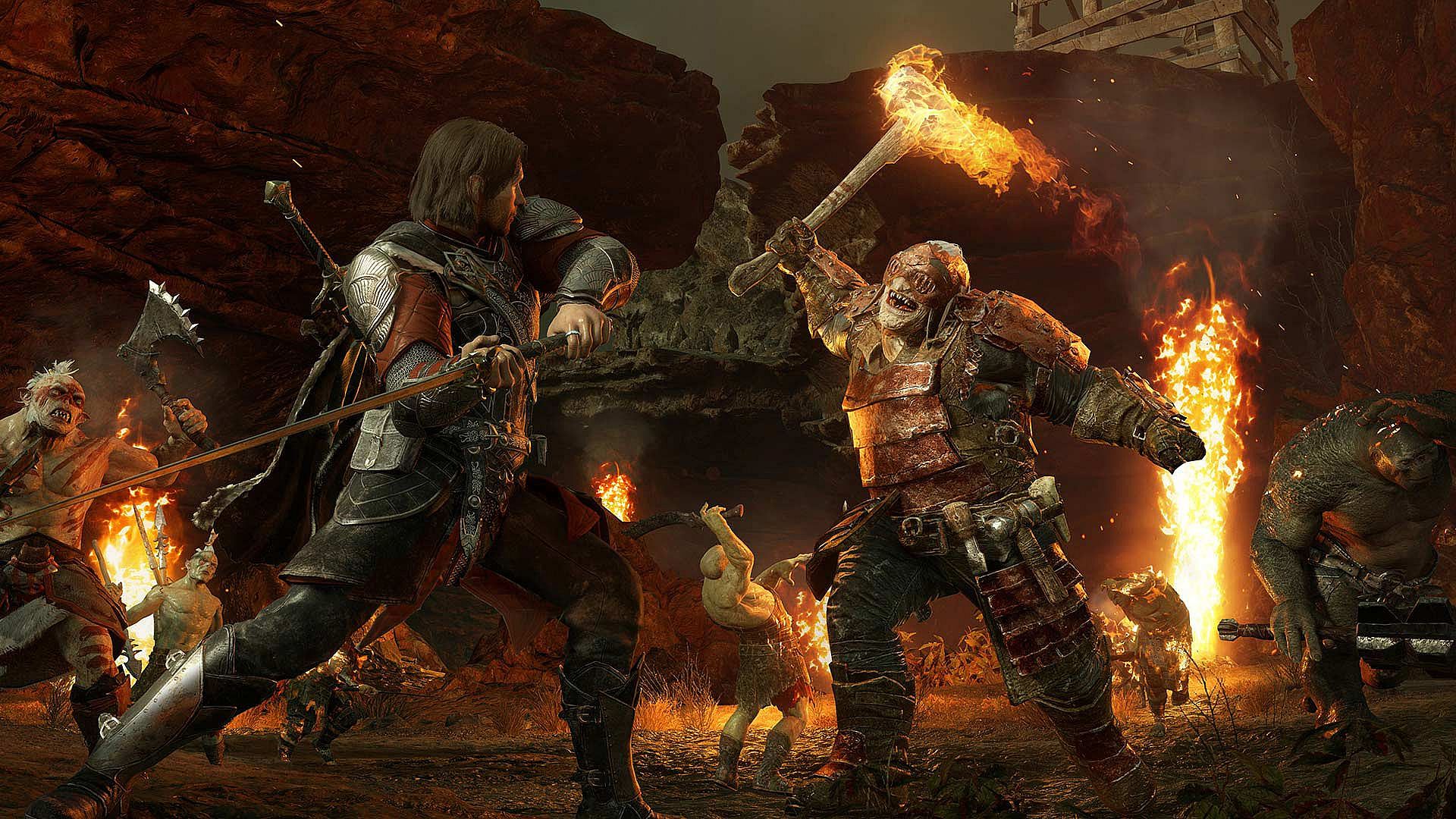
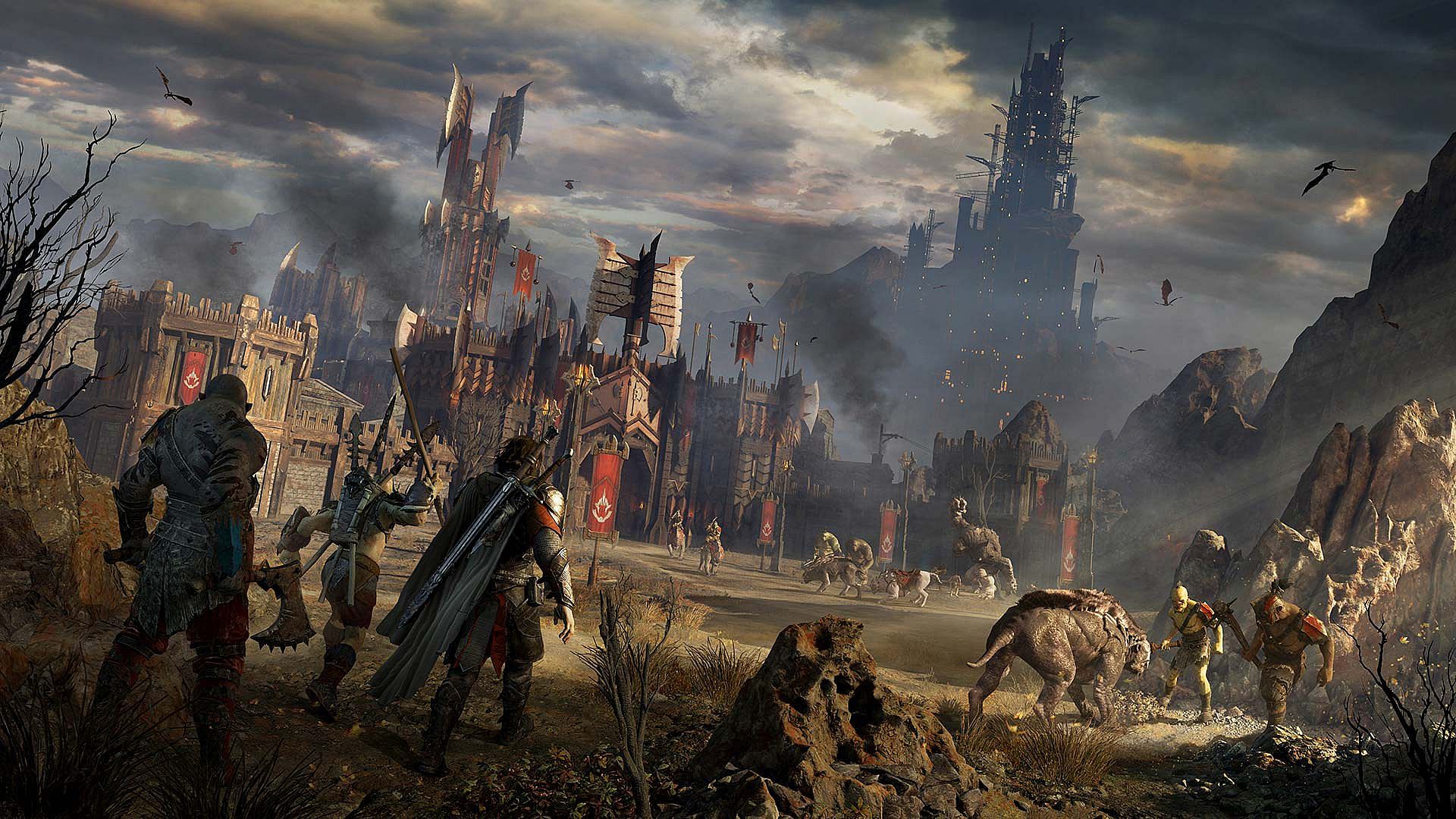
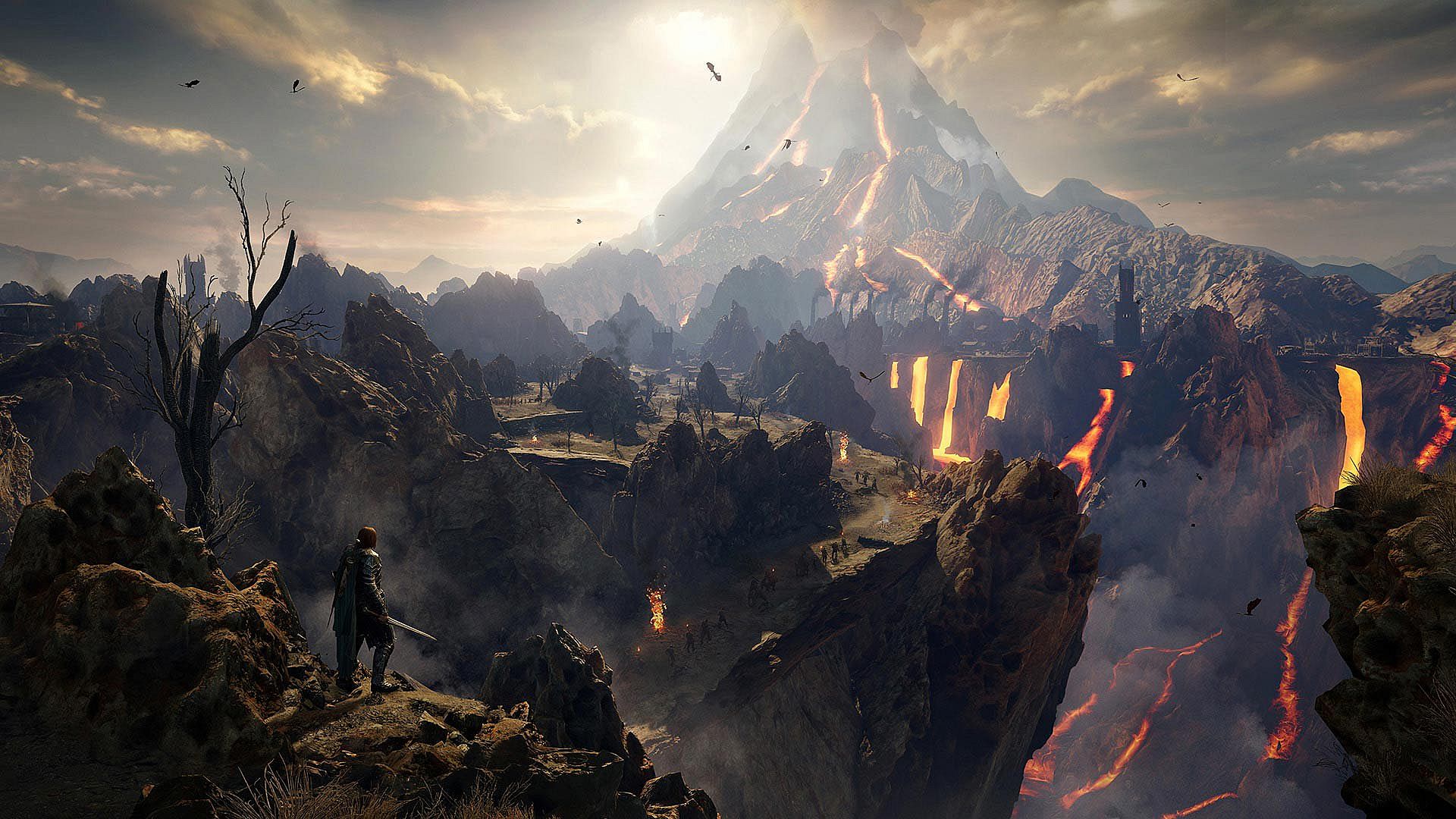
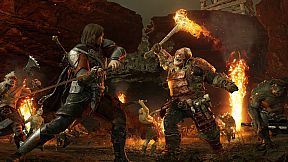
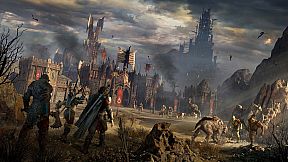
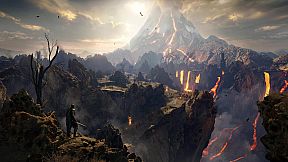
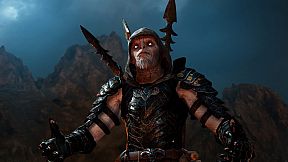
Middle-earth: Shadow of War to gra akcji osadzona w uniwersum J.R.R. Tolkiena, w której gracz wciela się w Taliona - strażnika powiązanego z duchem Celebrimbora. Tytuł rozwija otwartą eksplorację i walki z siłami Saurona na rozległych terenach Mordoru. Główną mechaniką jest budowanie i dowodzenie armią orków oraz zarządzanie dynamiczną hierarchią wrogów, która reaguje na poczynania gracza.
Rozgrywka
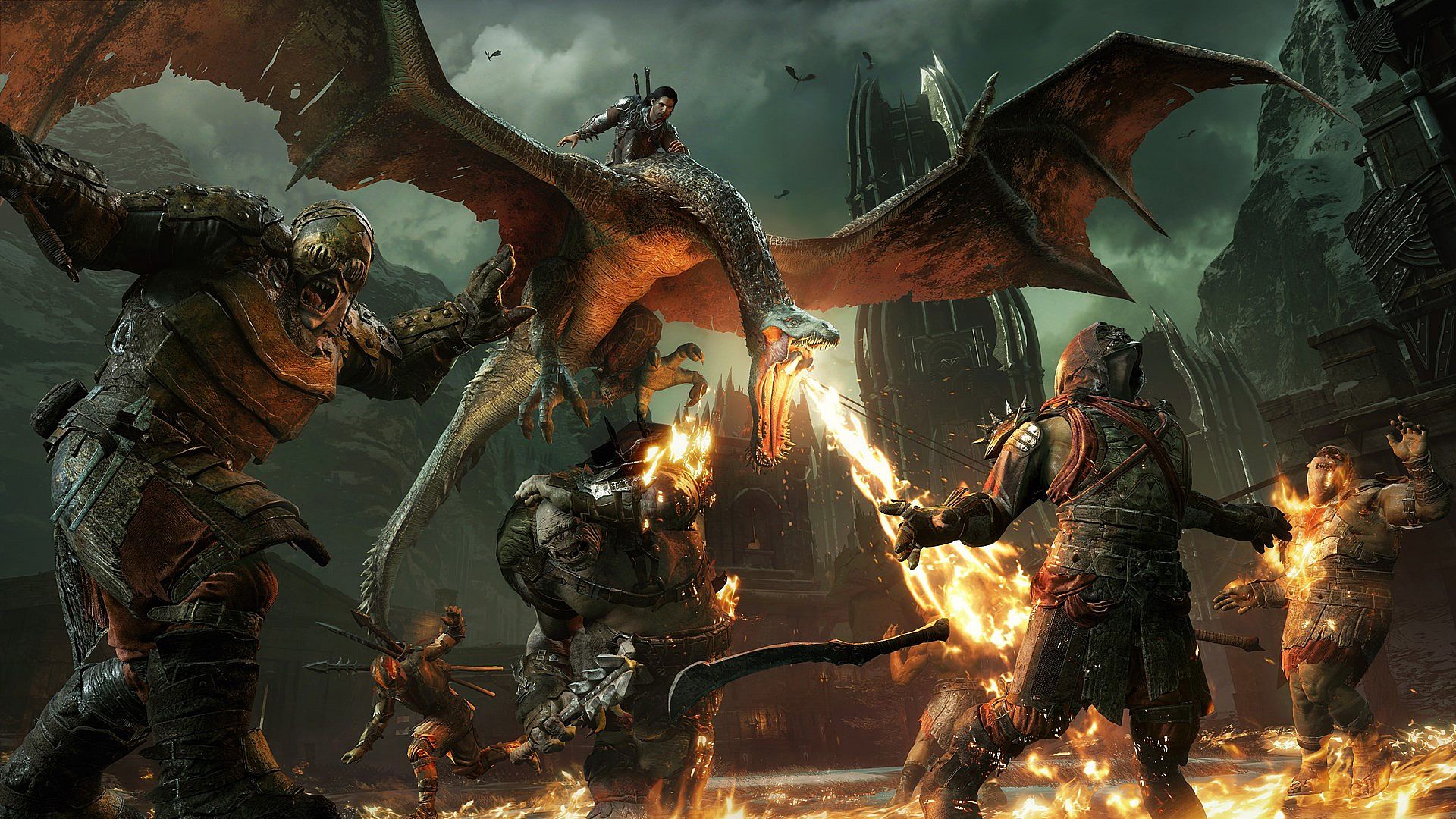
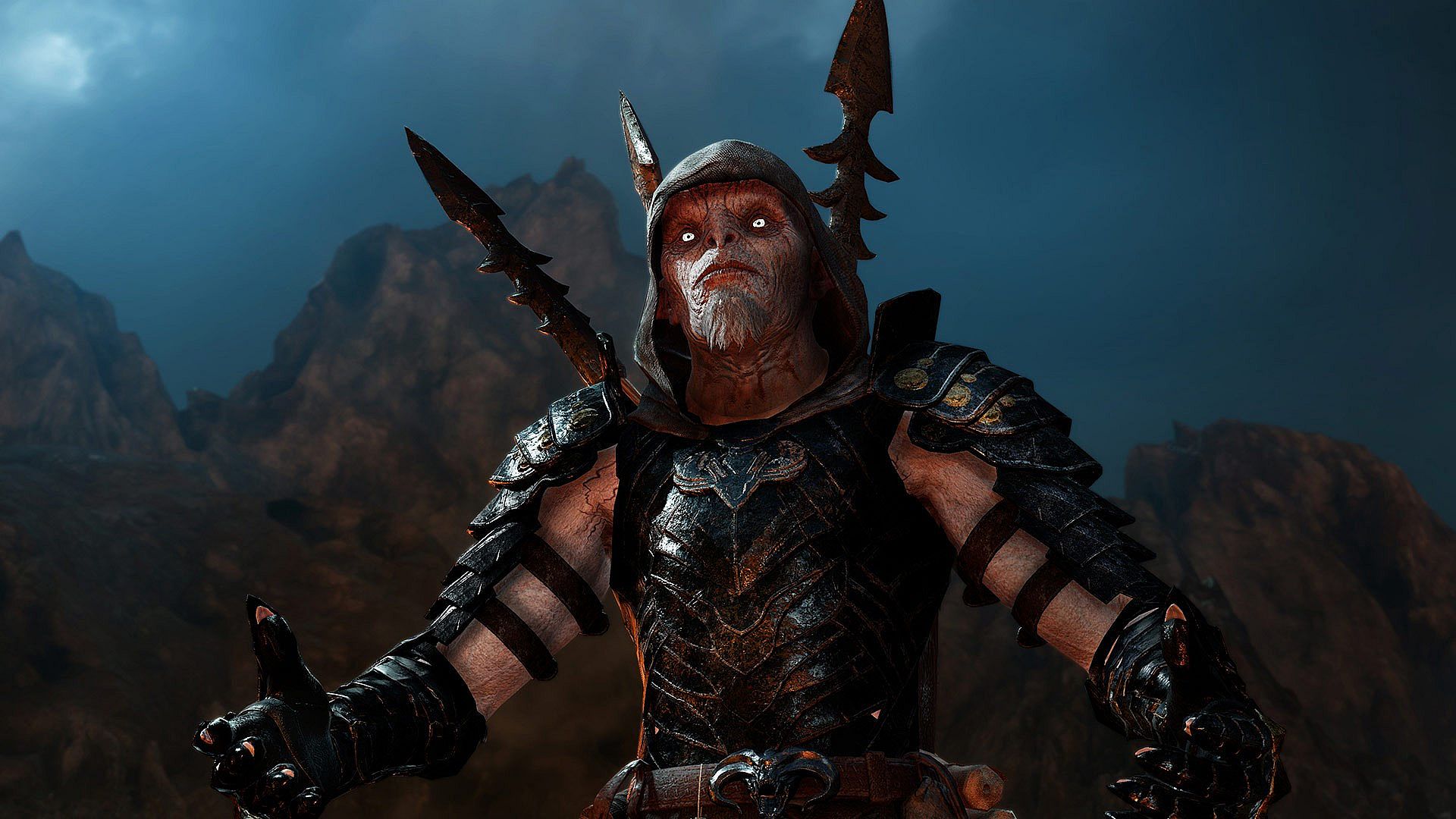
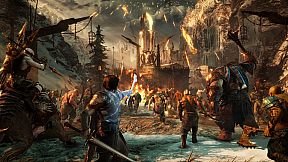
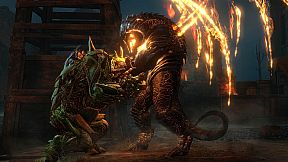
Walka łączy bezpośrednie starcia, skradanie się i moce ducha, pozwalające wpływać na przeciwników oraz otoczenie. Gracz przemierza rozległe lokacje pieszo lub dosiadając oswojonych stworzeń, takich jak draki. Najważniejszym elementem pozostaje system Nemezis, który generuje unikalnych kapitanów orków i dowódców z indywidualnymi cechami, mocnymi i słabymi stronami. Orki zapamiętują wcześniejsze spotkania, co prowadzi do powstawania rywalizacji i sojuszy rozwijających się w kolejnych sesjach.
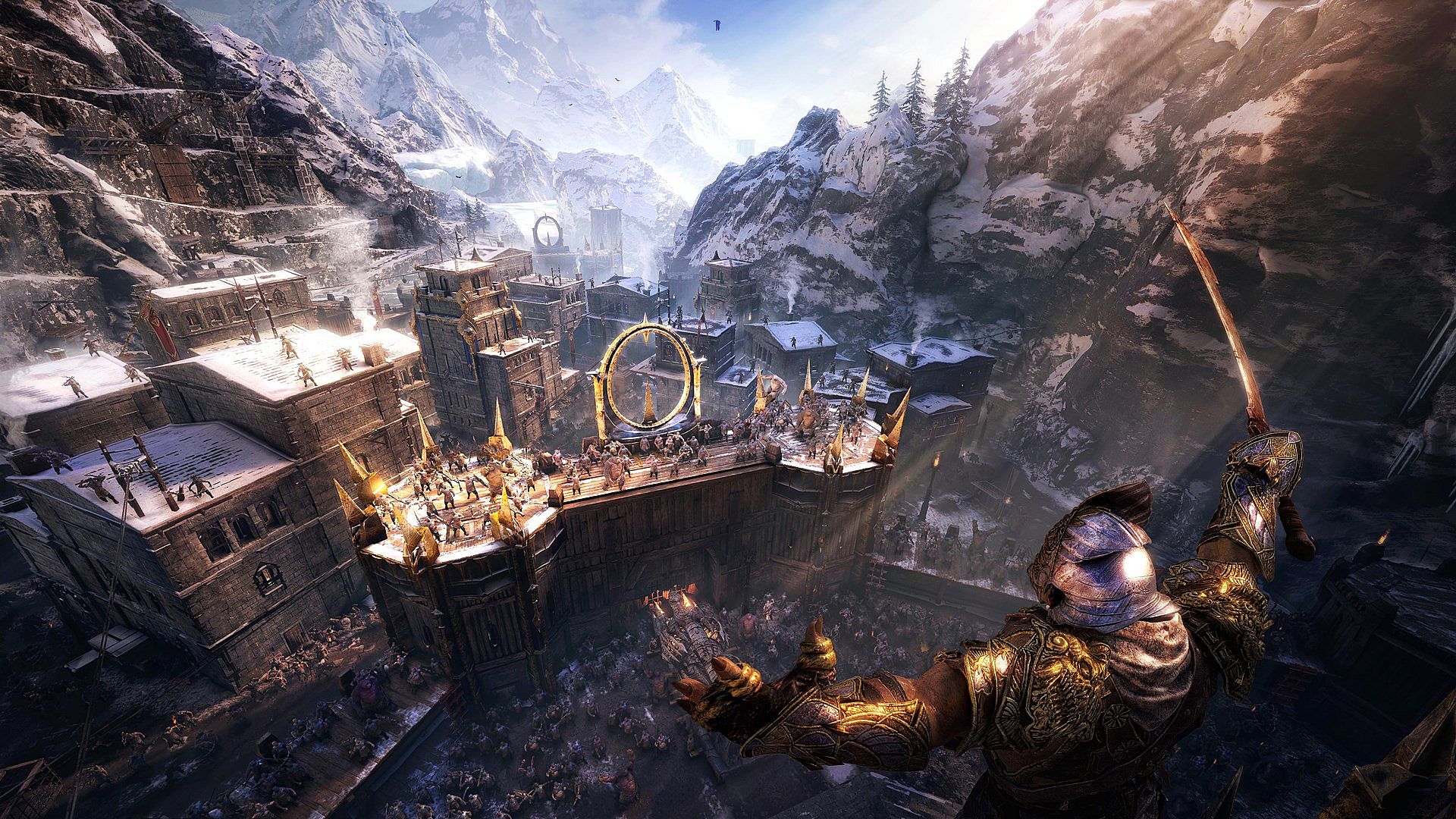
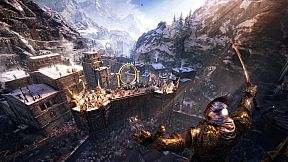
Dzięki mechanice dominacji pokonani orki mogą zostać pozyskani jako sojusznicy. Można ich przydzielać do szturmów lub wykorzystywać do obrony twierdz. Zdobywanie fortec stanowi kluczowy element progresji. Każda warownia ma władcę wspieranego przez dowódców, a gracz przygotowuje atak, osłabiając wcześniej wrogie szeregi. Po udanym zdobyciu można mianować nowego władcę ze swojej armii i ulepszać fortyfikacje. Kolejne misje obronne sprawdzają skuteczność tych ulepszeń.
Tryby gry
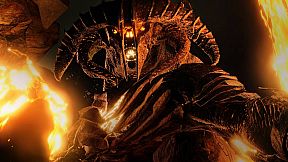
Podstawową formą rozgrywki jest kampania dla jednego gracza, w której śledzimy starcia z Sauronem i jego Nazgûlami. Eksploracja obejmuje zadania poboczne, takie jak oczyszczanie wież umożliwiających szybką podróż oraz zbieranie artefaktów. Po zakończeniu głównej fabuły tryb endgame skupia się na powtarzalnych obronach fortec w ramach Wojen Cienia, wymagających odparcia określonej liczby ataków, by uzyskać dodatkowe zakończenie.
Tryby asynchroniczne obejmują misje Online Vendetta, w których gracz może wkroczyć w nemezis innego użytkownika i zdobyć nagrody, oraz Social Conquest - inwazje na twierdze w trybie towarzyskim lub rankingowym. Wariant rankingowy niesie ryzyko utraty własnych orków. Wszystkie te tryby łączą się bezpośrednio z systemem Nemezis i nie wymagają meczów na żywo.
Mechaniki i progresja
Rozwój umiejętności odbywa się w jednym drzewku, które ulepsza zdolności Taliona w walce, poruszaniu się i dominacji. Ekwipunek oraz runy pozyskiwane od pokonanych nemezis umożliwiają dalszą personalizację. Hierarchia orków działa dynamicznie - awanse, walki o władzę i zdrady mogą zachodzić także pod nieobecność gracza, tworząc unikalne historie w każdej rozgrywce. Poszczególne regiony różnią się układem i gęstością wrogów, zachęcając do powrotów w celu doskonalenia armii i zarządzania twierdzami.
Czy warto zagrać?
Gra oferuje charakterystyczną pętlę rozgrywki opartą na systemie Nemezis i oblężeniach twierdz, która nadal przyciąga graczy wiele lat po premierze. Walka jest responsywna, a warstwa budowania armii dodaje głębi starciom, które w przeciwnym razie mogłyby się powtarzać. Recenzje podkreślają zdolność systemu do tworzenia pamiętnych rywalizacji oraz satysfakcję z utrzymywania zdobytych warowni. Mikrotransakcje usunięto kilka lat temu, pozostawiając kompletny pakiet dla jednego gracza z opcjonalnymi elementami asynchronicznymi. Tytuł przypadnie do gustu osobom ceniącym metodyczną akcję w otwartym świecie, silny nacisk na sztuczną inteligencję wrogów i długoterminową progresję, a nie szybkie sesje wieloosobowe. Middle-earth: Shadow of War pozostaje w pełni grywalny na Xboxie i PC bez potrzeby śledzenia sezonowych aktualizacji.