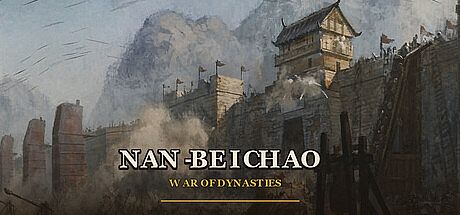


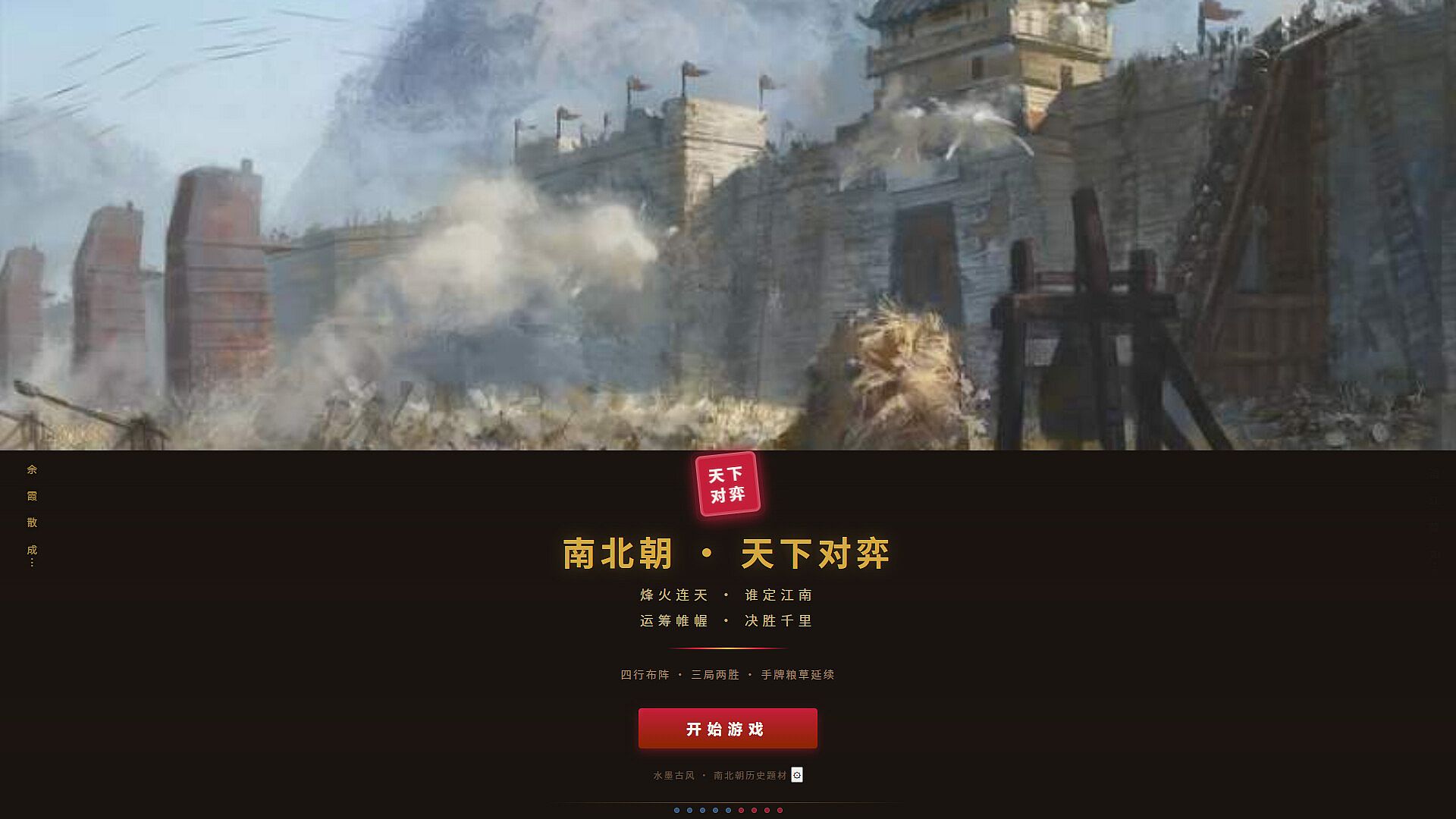

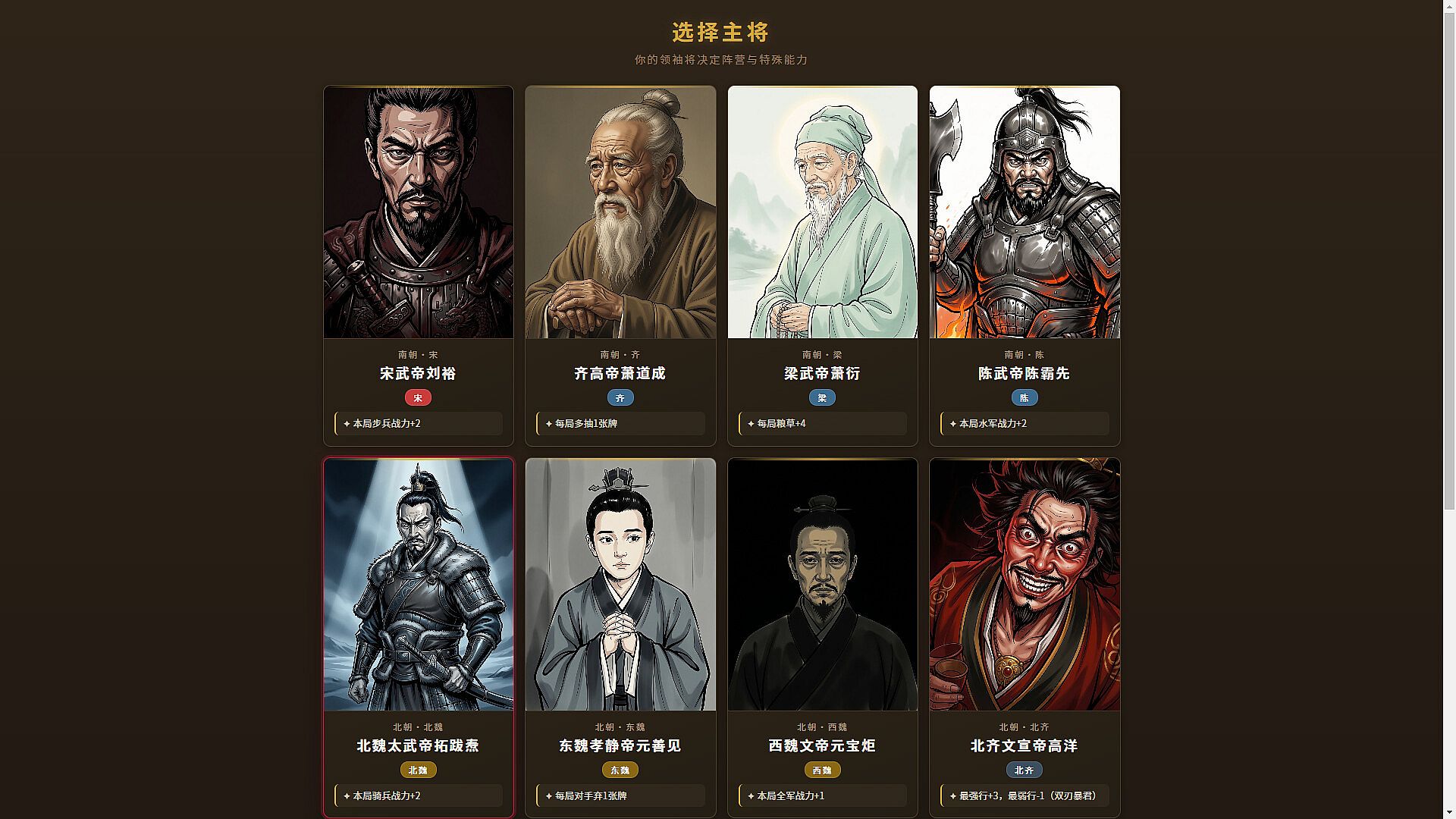
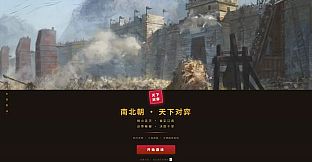

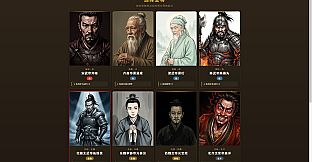
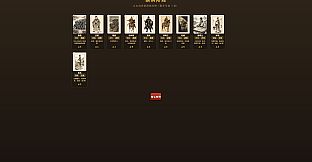
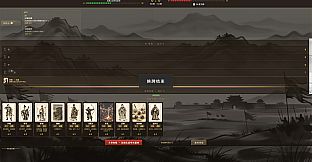
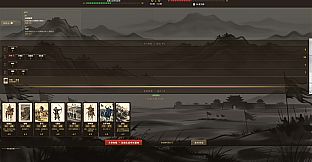
Nan-Bei Chao: War of Dynasties is a strategy card game set during China's Northern and Southern Dynasties period from 420 to 589 AD. Players select one of nine historical rulers and compete using a deck of 120 cards drawn from generals, ministers, poets, monks, crafts, formations, items, and stratagems. The game emphasizes resource management, hand retention across rounds, and asymmetric information through hidden traps and counters.
Gameplay
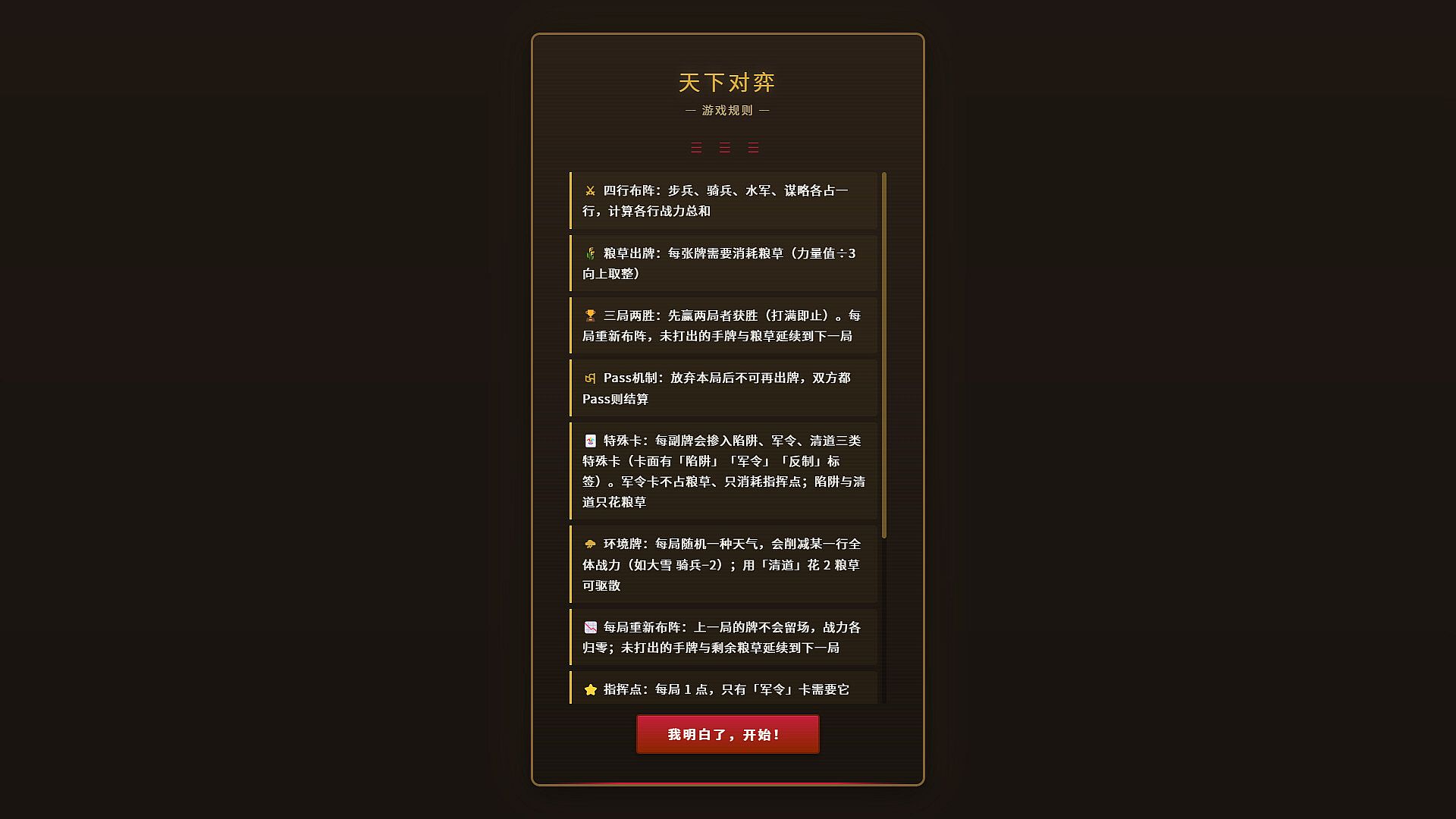
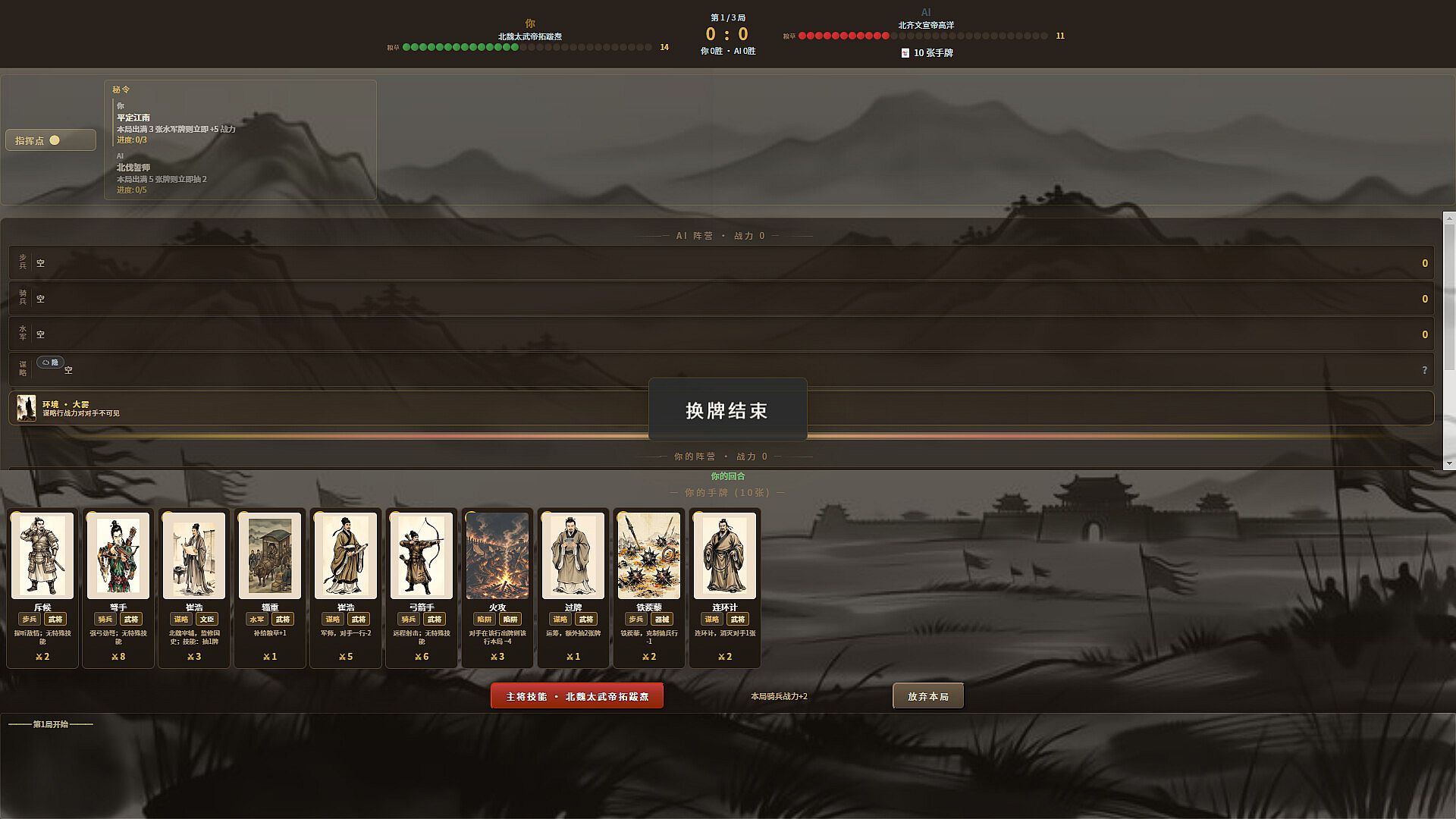
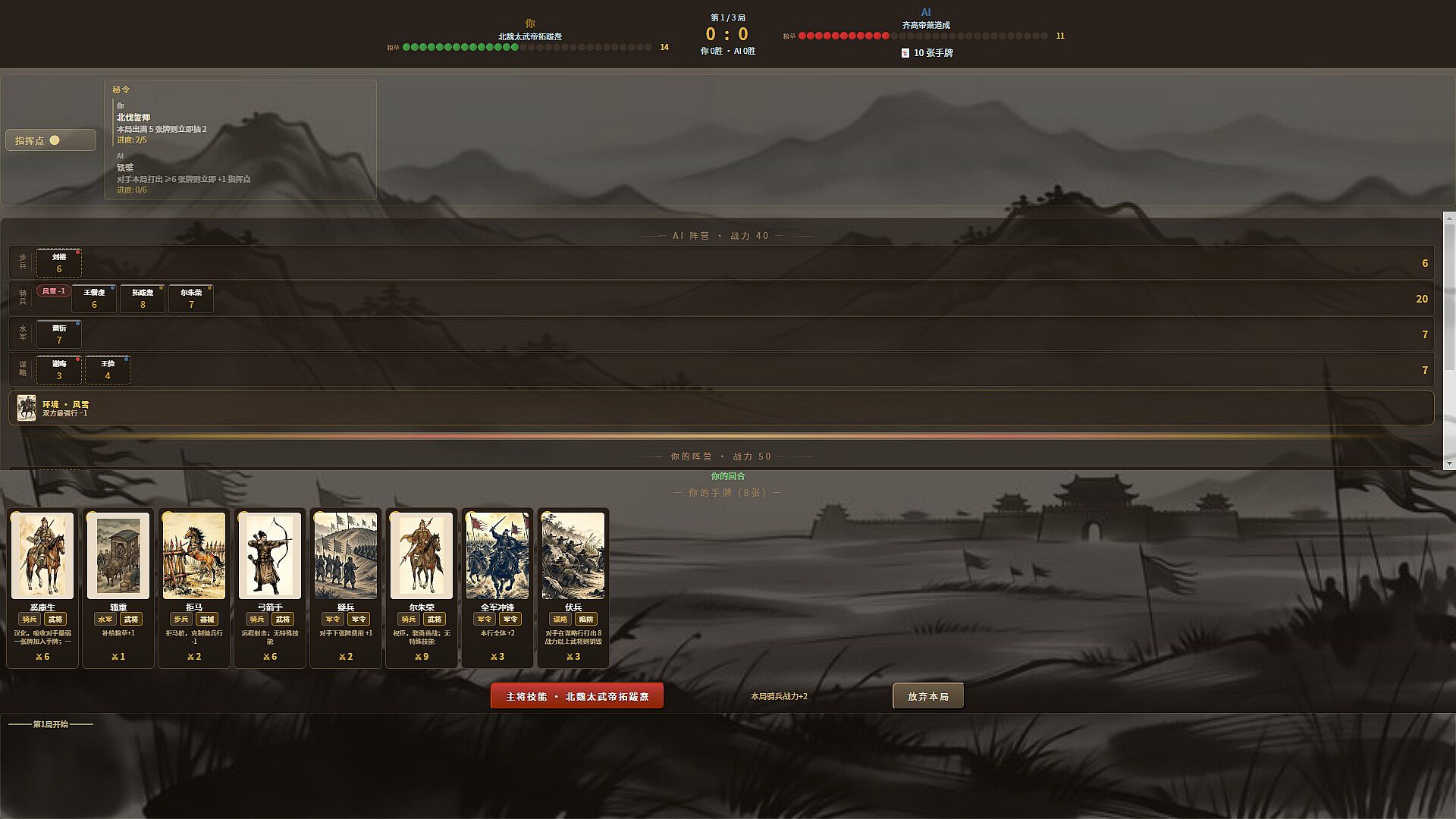
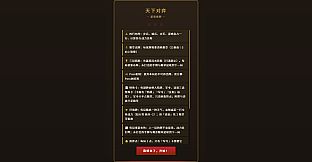
The core loop revolves around three rounds in a best-of-three match. Each round features four independent battle lines: infantry for sieges and close combat, cavalry for raids and charges, navy for river and fire attacks, and strategy for schemes and supply. Cards are played into these lines using provisions as the primary resource, starting at 20 per side with automatic additions from round two onward. Unspent provisions carry over, creating tension around spending versus saving.
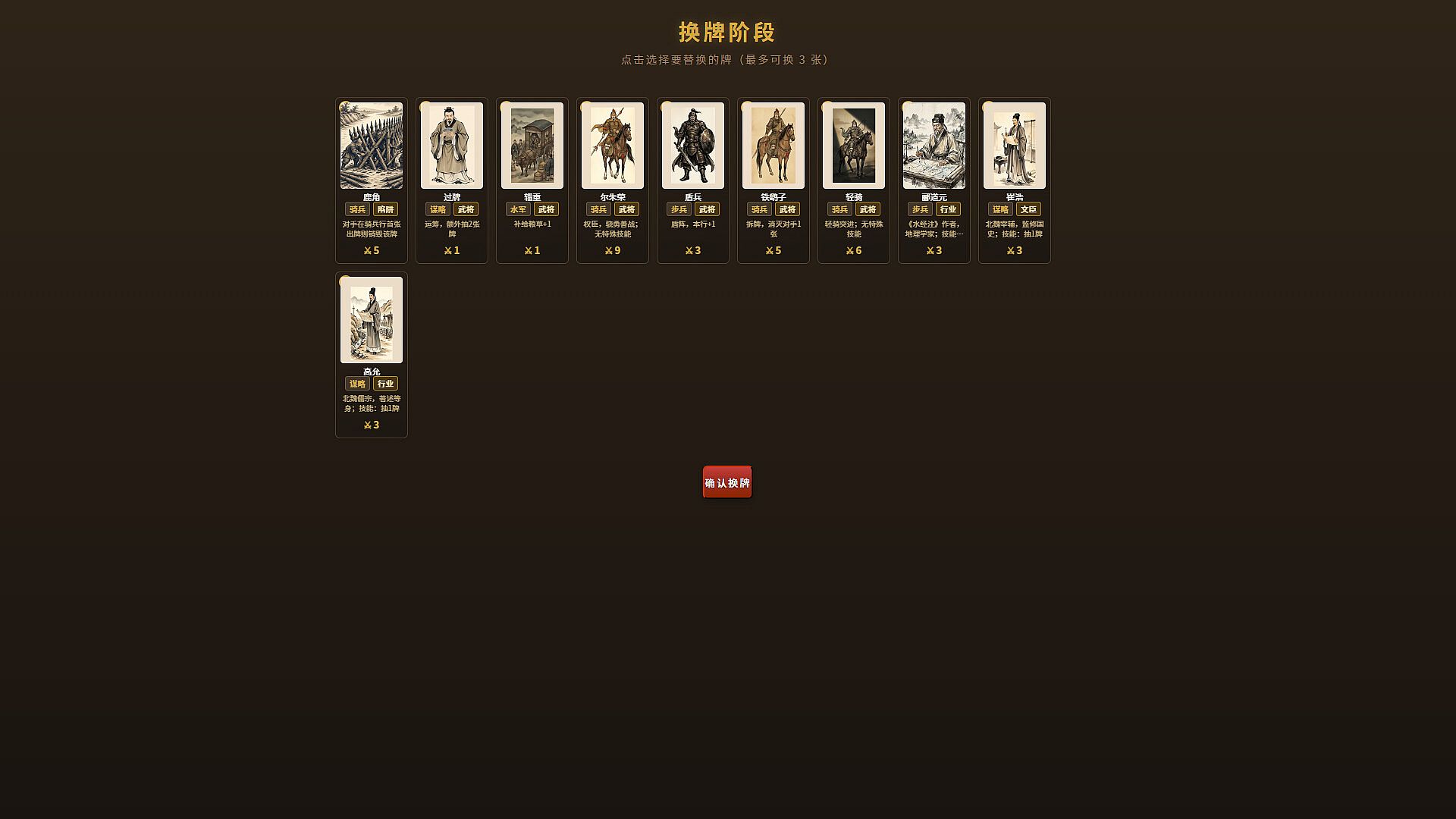
Hands persist between rounds while the board resets, so players receive six new cards each subsequent round but must plan which cards to hold for later. Only the opening round allows a mulligan of up to three cards. Trap cards can be buried secretly into lines for effects like destroying cavalry or capping card count, visible only to the player who placed them. Weather cards drawn each round modify rules such as power adjustments or hidden information. Command points enable off-line tactical plays like redeployment.
Each ruler brings a unique passive ability, such as infantry power boosts or extra card draws. Many generals include counter skills that interact with faction matchups or specific lines. Secret decrees provide shared objectives that both players progress toward for bonuses. The eight card types support varied strategies, from direct power through generals to disruption via ministers and stratagems.
Game Modes
Three modes support different play styles. Versus AI pits players against randomized rulers that manage provisions and cards intelligently. Hot-seat allows two players to alternate turns on a single PC. Multiplayer connects two participants over a direct connection for remote sessions. All modes follow the same best-of-three structure with row-by-row scoring visible after each round.
Single-player and hot-seat function entirely offline. The design focuses on repeated matches against the same or different rulers to explore faction identities and card interactions.
Visual and Audio Presentation
The game uses an ink-wash aesthetic with a palette centered on deep browns, gold highlights, and ink blacks, accented by faction colors. Card art features AI-assisted illustrations of warriors in historical style. Audio includes original tracks with guzheng, drums, bamboo flute, and chimes, plus unique themes tied to each ruler's faction color. Text employs seal and clerical scripts for headings alongside Song typeface for body content.
Is It Worth Playing?
This title suits players who enjoy deliberate strategy card games with heavy emphasis on resource timing, hidden information, and historical theming. The hand-carry mechanic and trap asymmetry reward long-term planning over single-round power spikes. Those drawn to asymmetric ruler abilities and counterplay will find depth in matching factions and predicting opponent lines. The absence of in-app purchases or ads keeps the focus on core matches. As an independent release with offline options, it appeals to fans of compact, replayable historical strategy experiences on PC.