







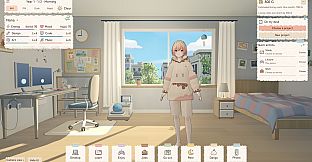



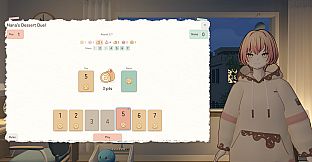
Nana's Game Dev Diary is an indie casual simulation game set on PC. Players step into the role of Nana, a game developer navigating the daily rhythms of creating games while balancing personal well-being and finances in a cozy home environment.
Gameplay
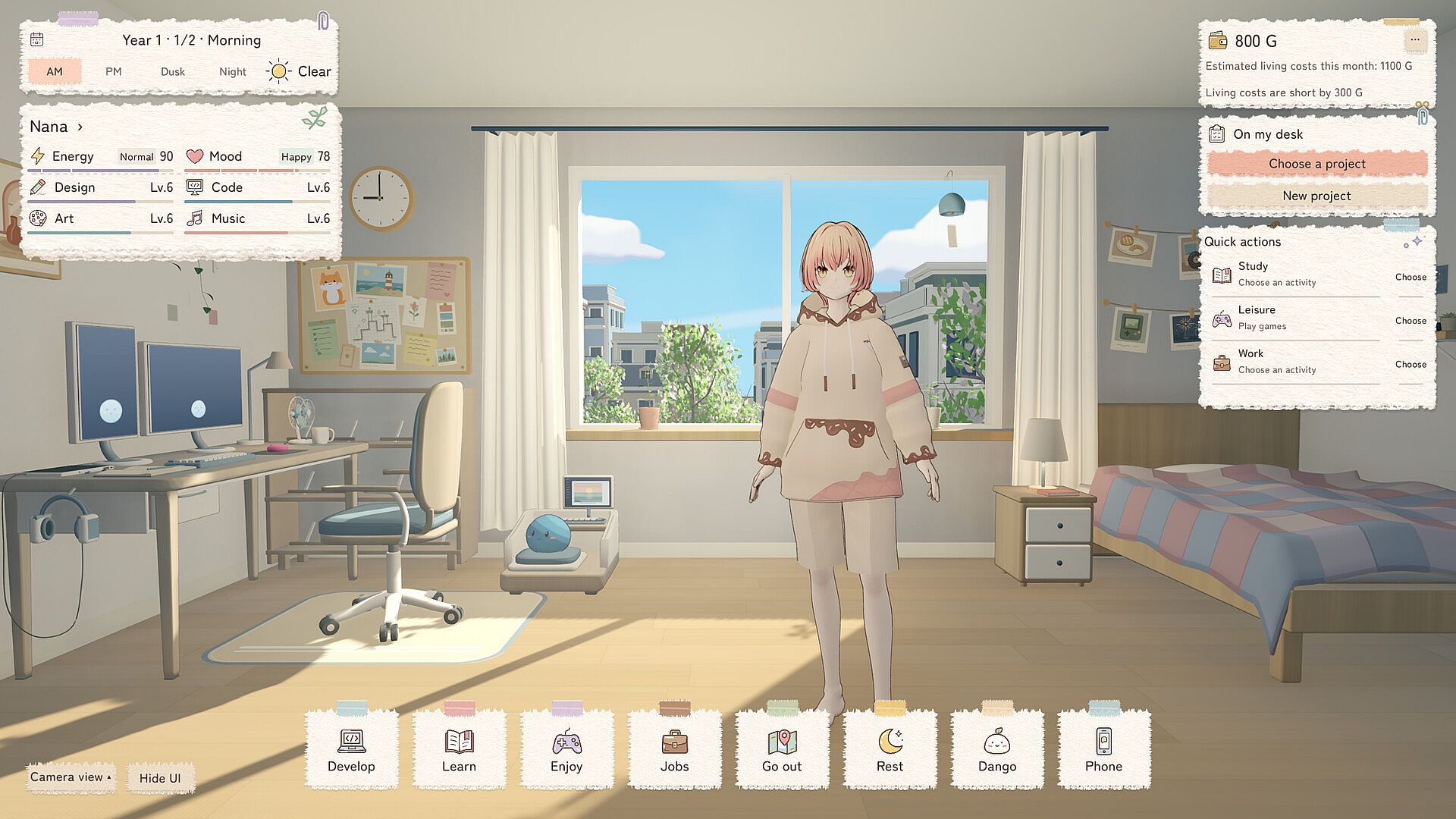
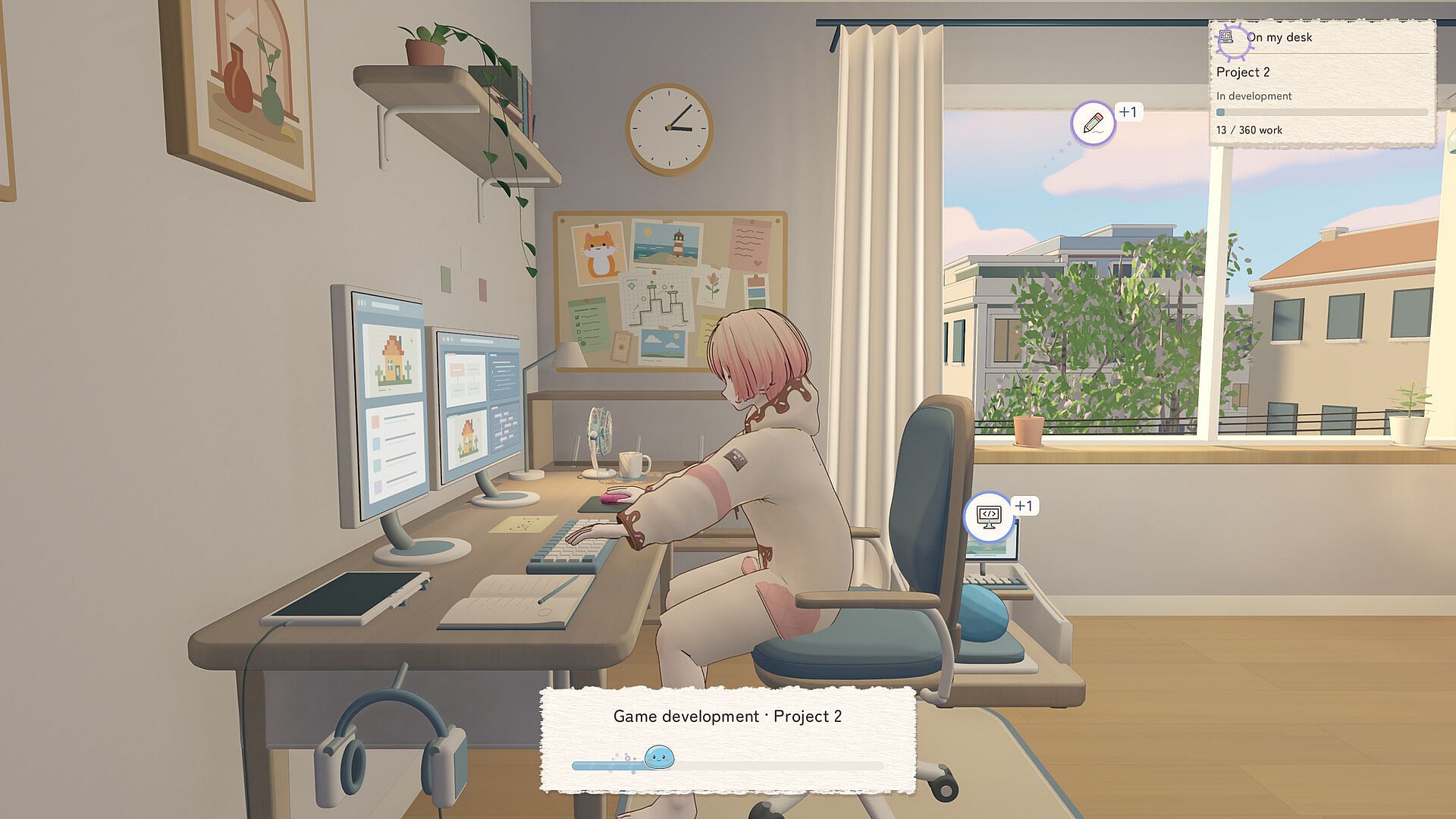
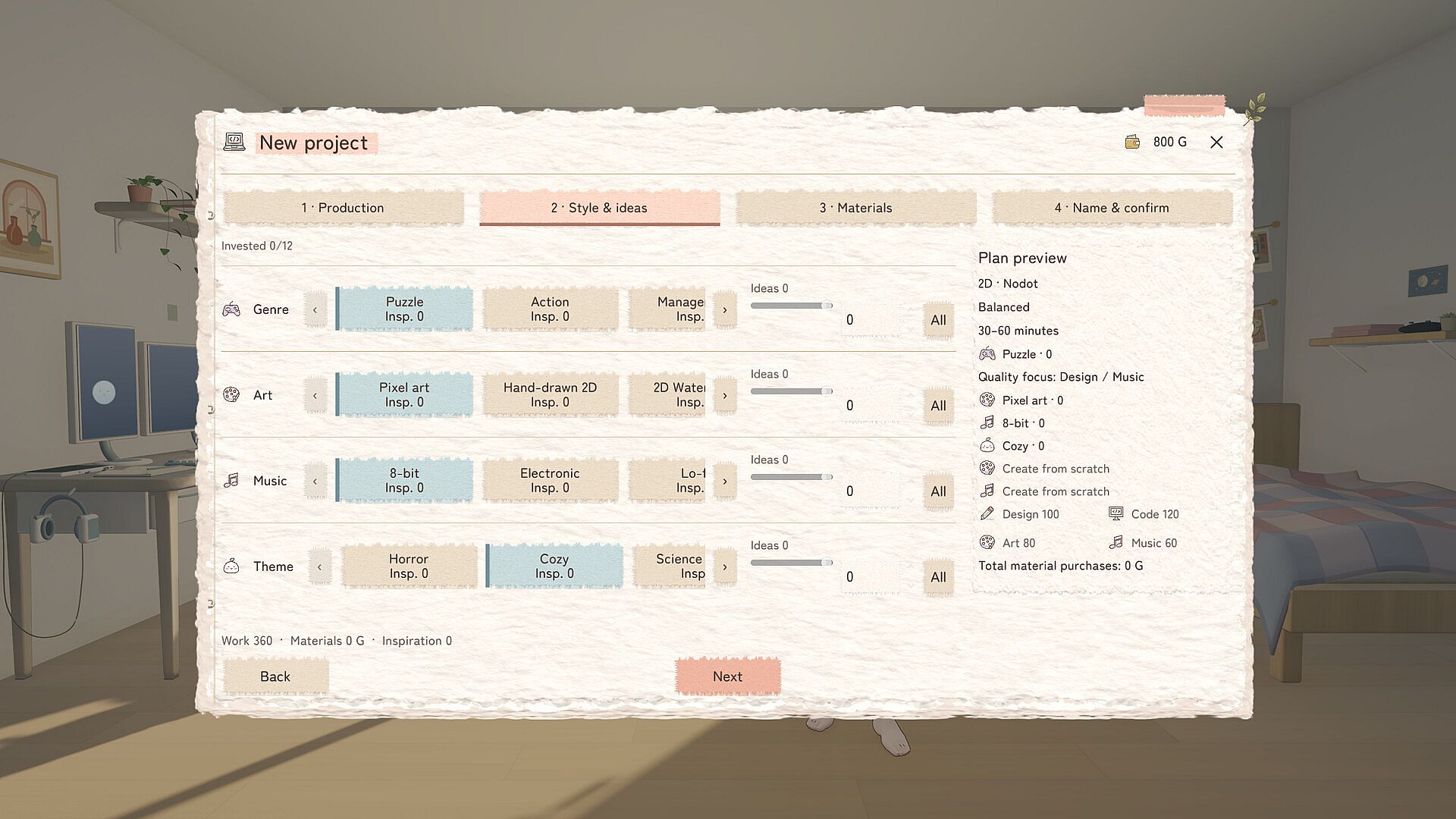
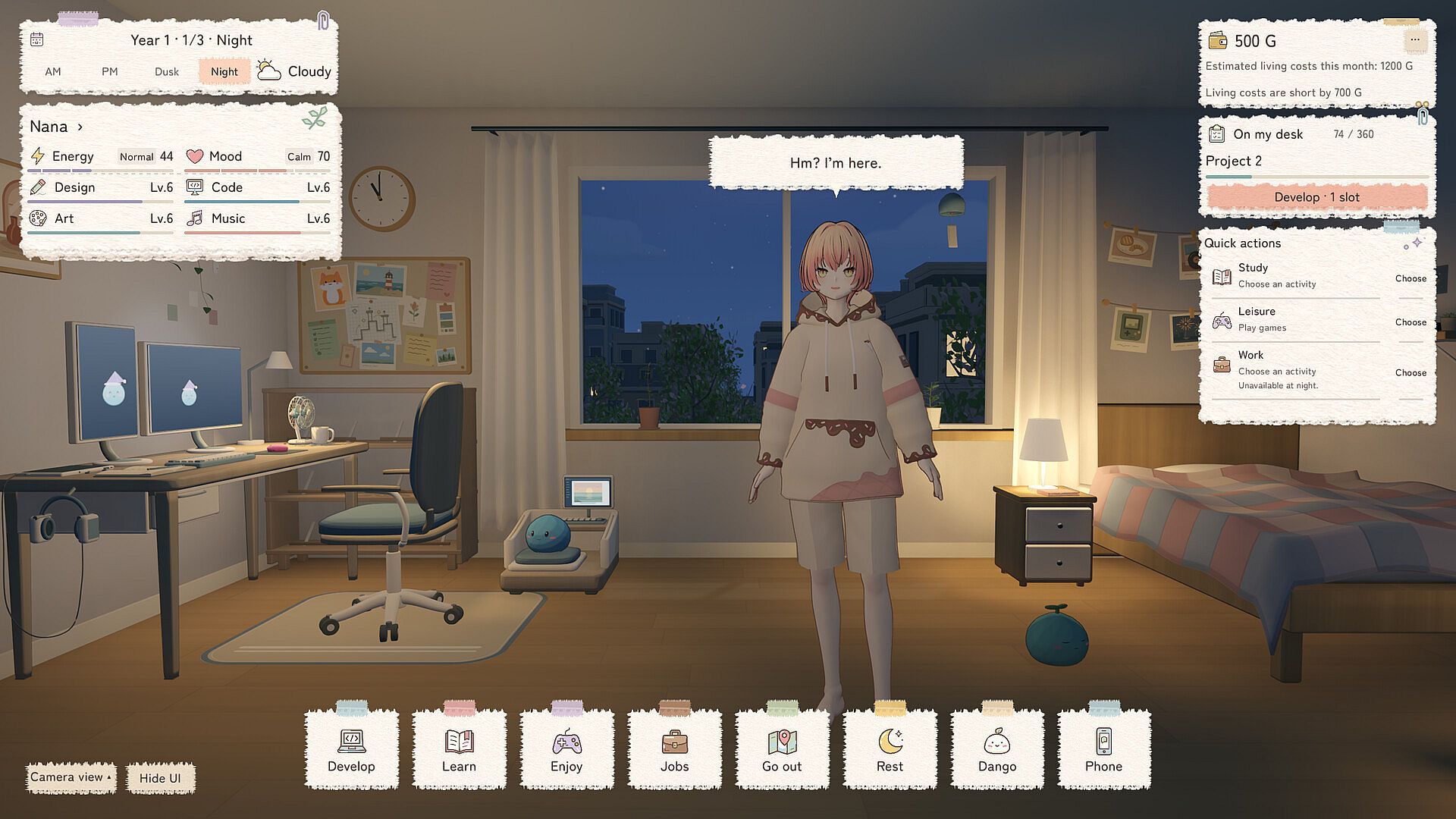
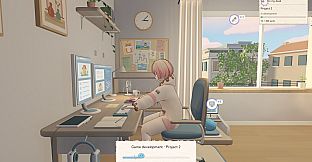
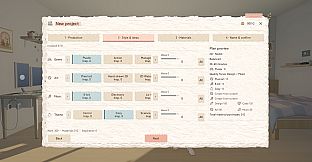
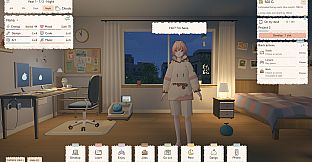
The core loop revolves around managing four distinct time slots each day: morning, afternoon, evening, and night. Choices in each slot affect energy levels, mood, and wallet balance, creating a steady rhythm of decisions that shape progress. Time spent working on games involves gathering inspiration, planning projects, developing features step by step, and purchasing assets to streamline the process. Later stages include building demos, collecting player feedback, promoting the title, and preparing for release, with the option to partner with a publisher for broader reach.
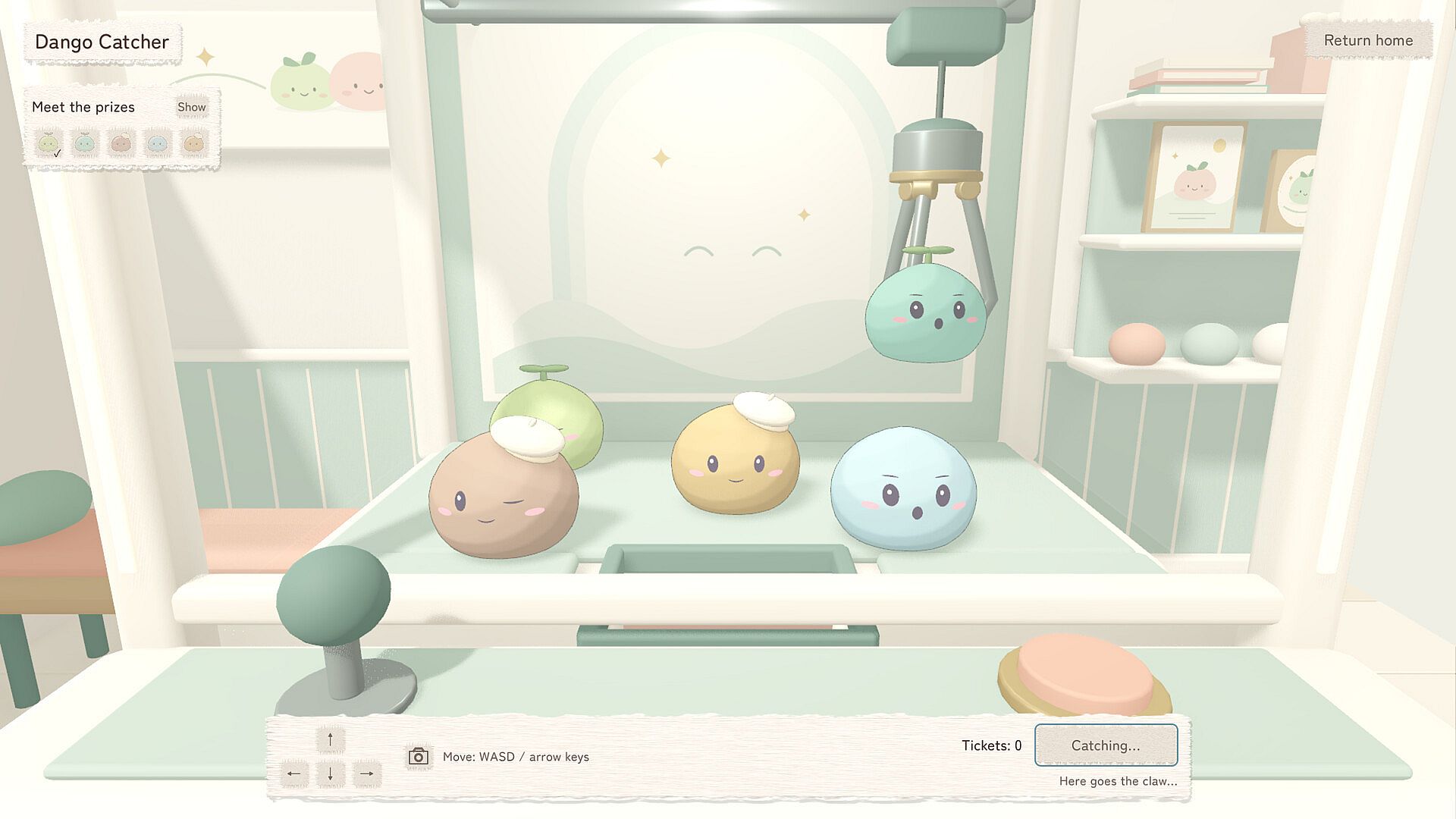
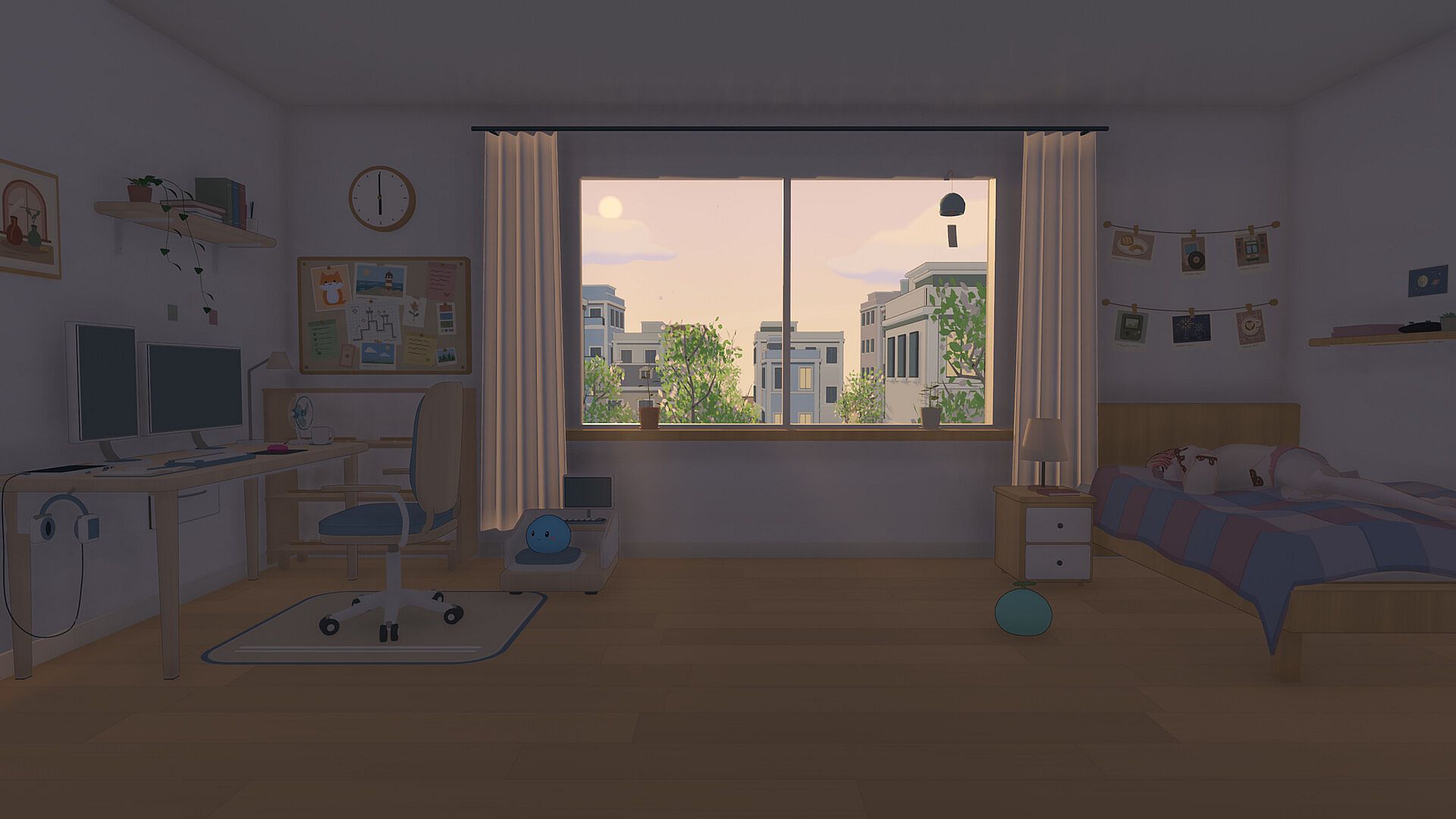
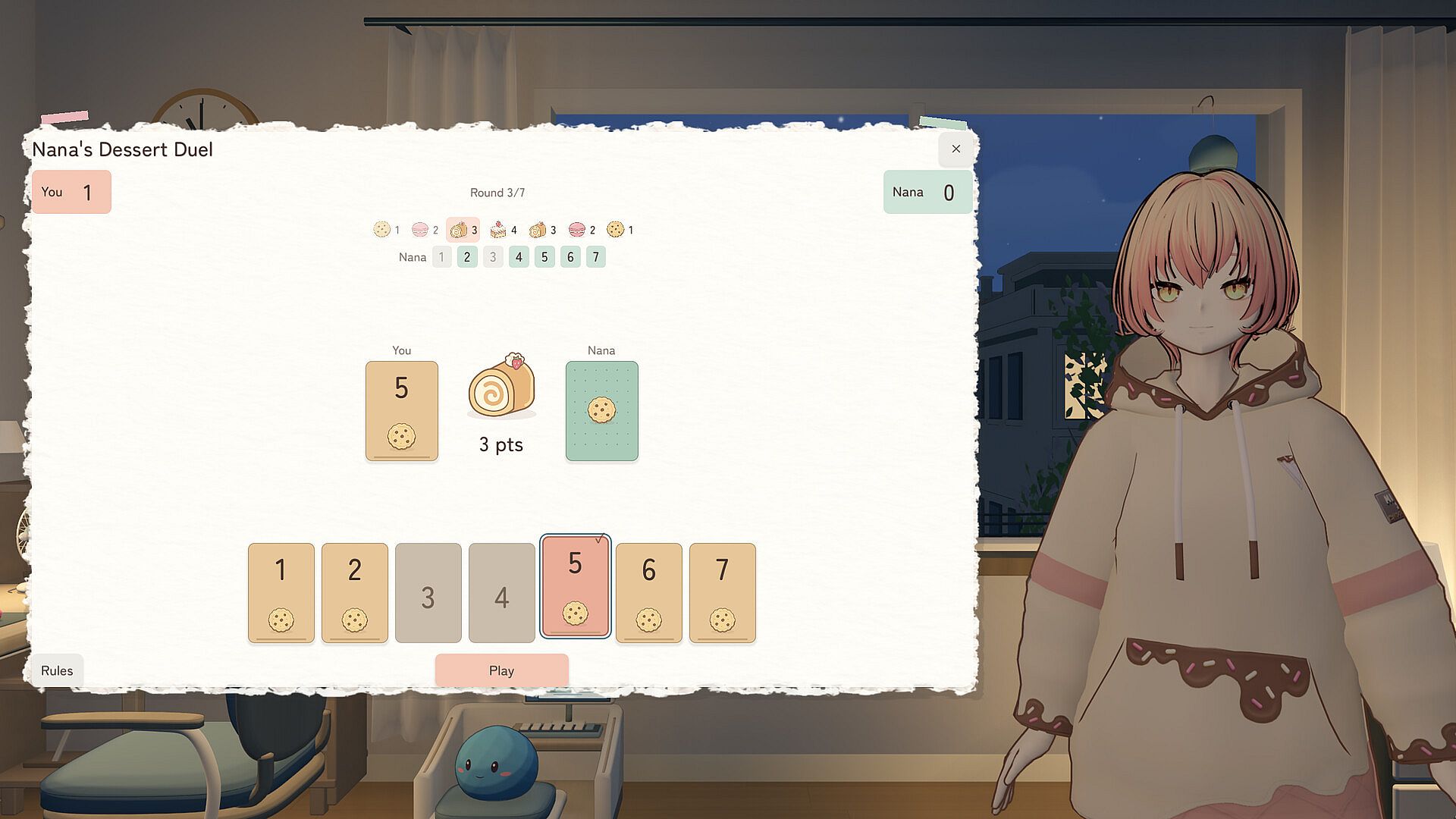
Relaxation periods allow for unwinding through light activities or stepping outside for fresh air, which can spark new ideas or lead to meeting new friends. The dango companions serve as helpful assistants when placed at workstations, contributing to development efforts with their steady presence. Additional touches include collecting various keyboards for the workspace and adjusting the room's overall theme to suit different moods. The home itself offers a comforting atmosphere, particularly during rainy weather when the view from the window adds to the sense of calm.
Game Modes
This title operates as a singleplayer experience focused on personal routine management and creative progression. There are no separate competitive or multiplayer modes, keeping the emphasis on the steady, reflective pace of daily life as a developer.
Daily Life and Development
Progress comes through consistent small actions across the time slots rather than large set pieces. Early games may not reach perfection, but the satisfaction builds with each release as more players potentially enjoy the results. The dango add a layer of companionship during work sessions, while personal moments like switching room themes or enjoying the cozy interior provide breaks that keep the overall experience grounded and relatable.
Is It Worth Playing?
Players who enjoy relaxed simulation games centered on creative work and life balance will find a fitting match here. The structure encourages thoughtful planning around energy and resources while celebrating the small wins of game development. Those drawn to cozy, introspective titles without high-pressure elements or competitive systems may appreciate the steady, personal focus. Availability centers on a standard PC release, with the experience unfolding through repeated daily cycles that reward patience and consistent engagement.











