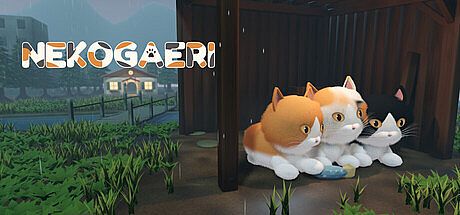


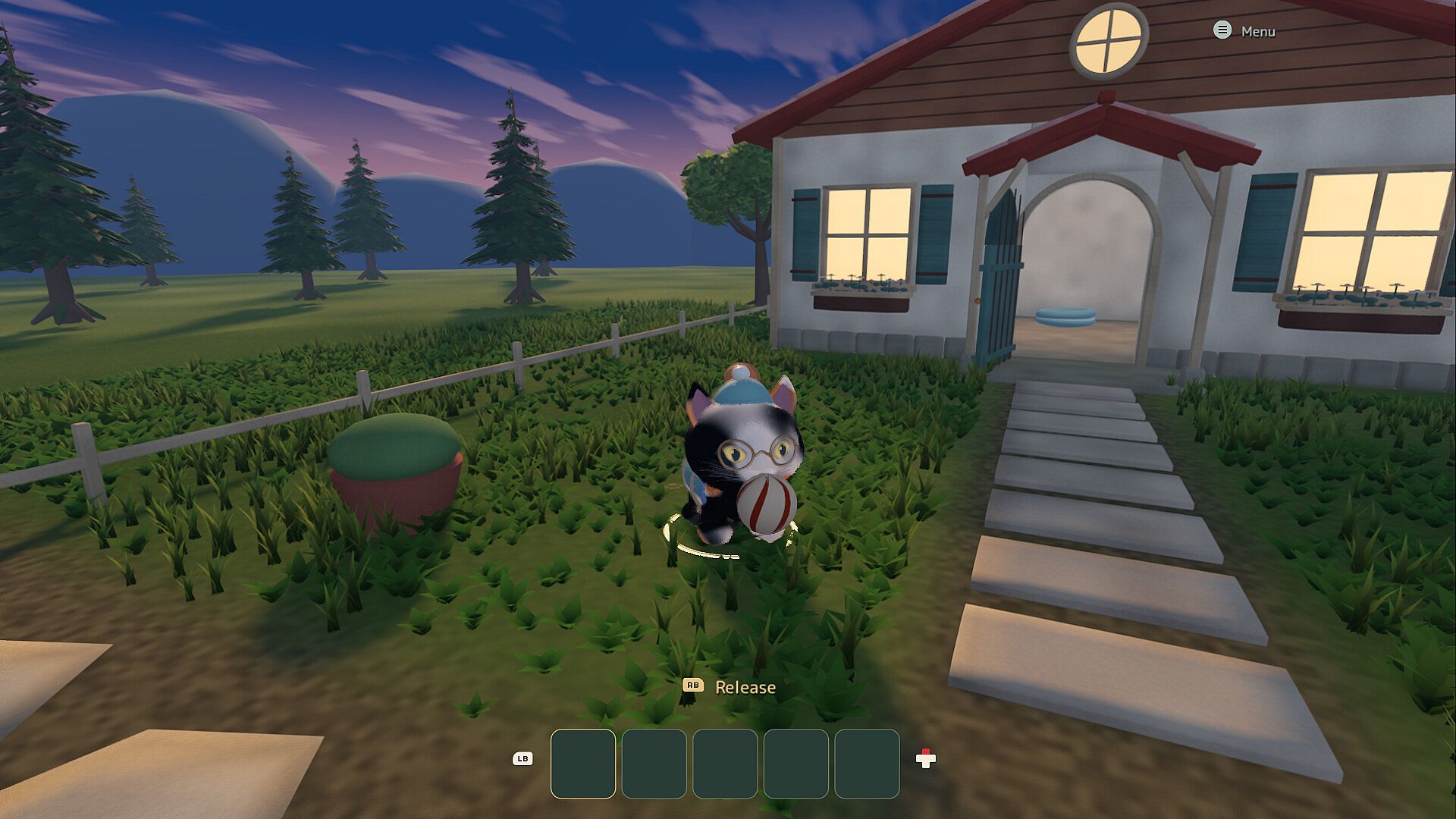
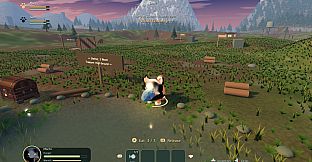
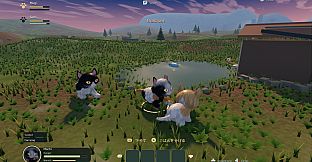
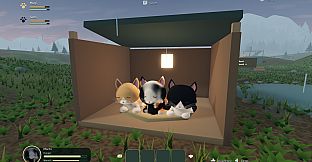
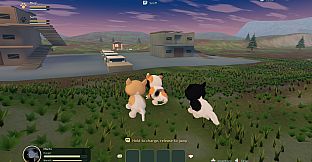
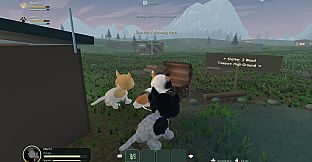
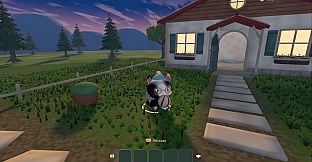
NEKOGAERI is a third-person survival adventure game set in a world of cats navigating a journey home after being swept away by a tornado. Players control customizable cats that rely on scent detection, physical actions like pouncing, and group cooperation to manage hunger, weather, and travel across procedurally generated landscapes. The title combines indie adventure elements with survival mechanics focused on resource sharing and mutual support, available on PC in early access with options for solo play or online co-op.
Gameplay
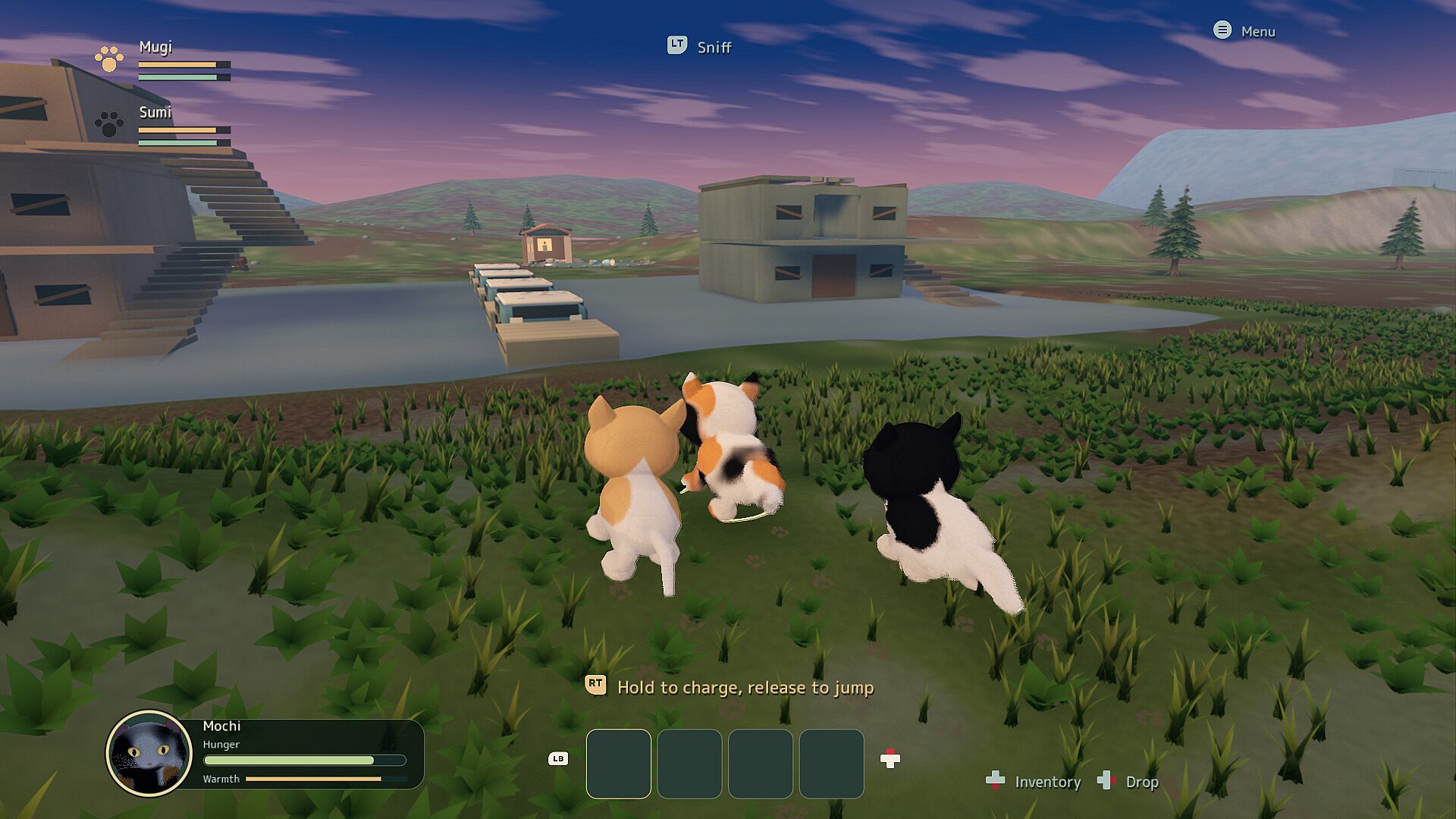
The core loop centers on exploration and daily survival tasks performed as a cat. Movement involves sniffing the air to locate food, companions, or the path home while traversing forests, grasslands, mountain trails, snowy peaks, rivers, and flooded towns. Procedural generation ensures each journey presents fresh terrain and encounters, with hunger and weather conditions shifting over time to influence decisions.
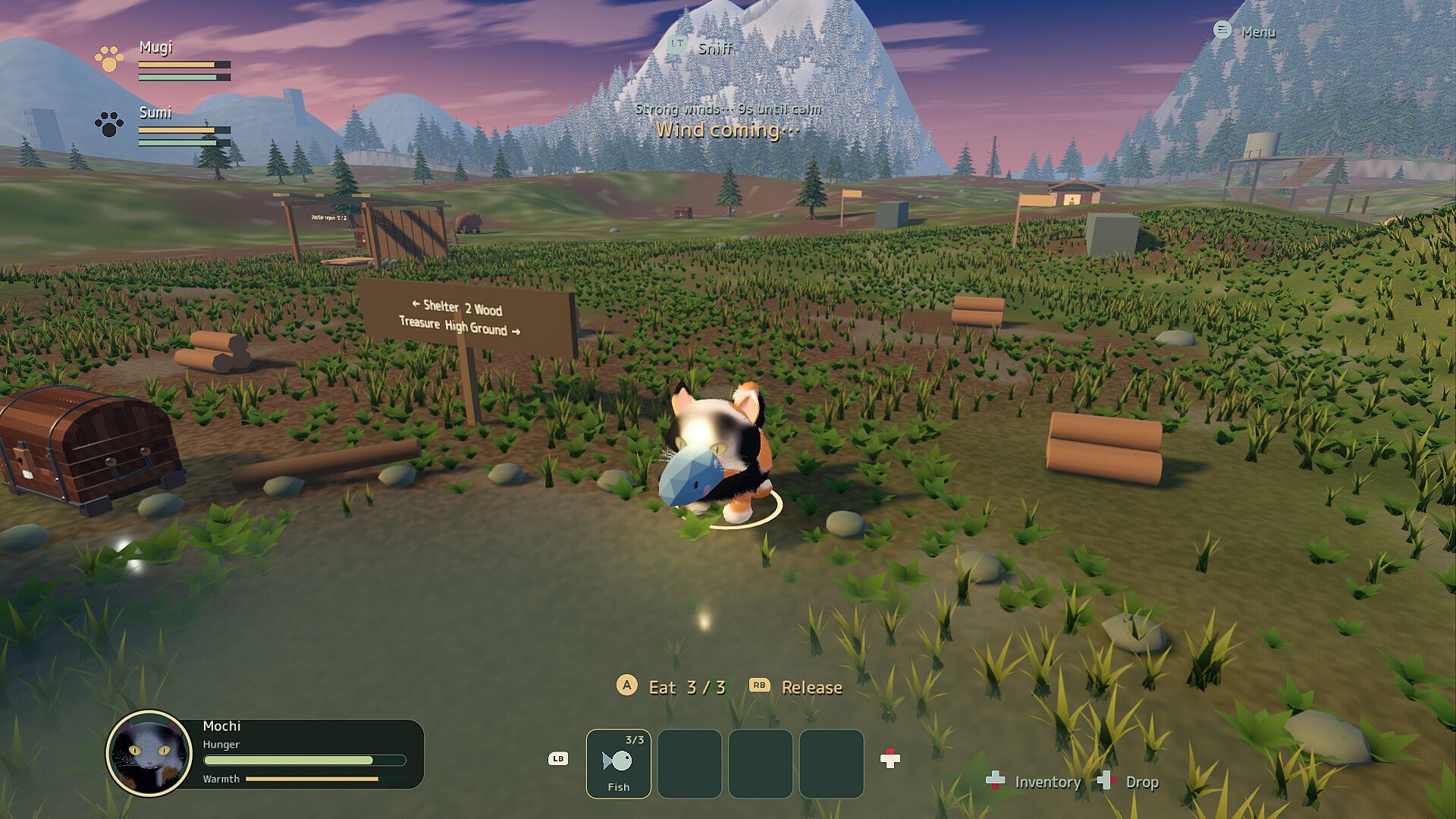
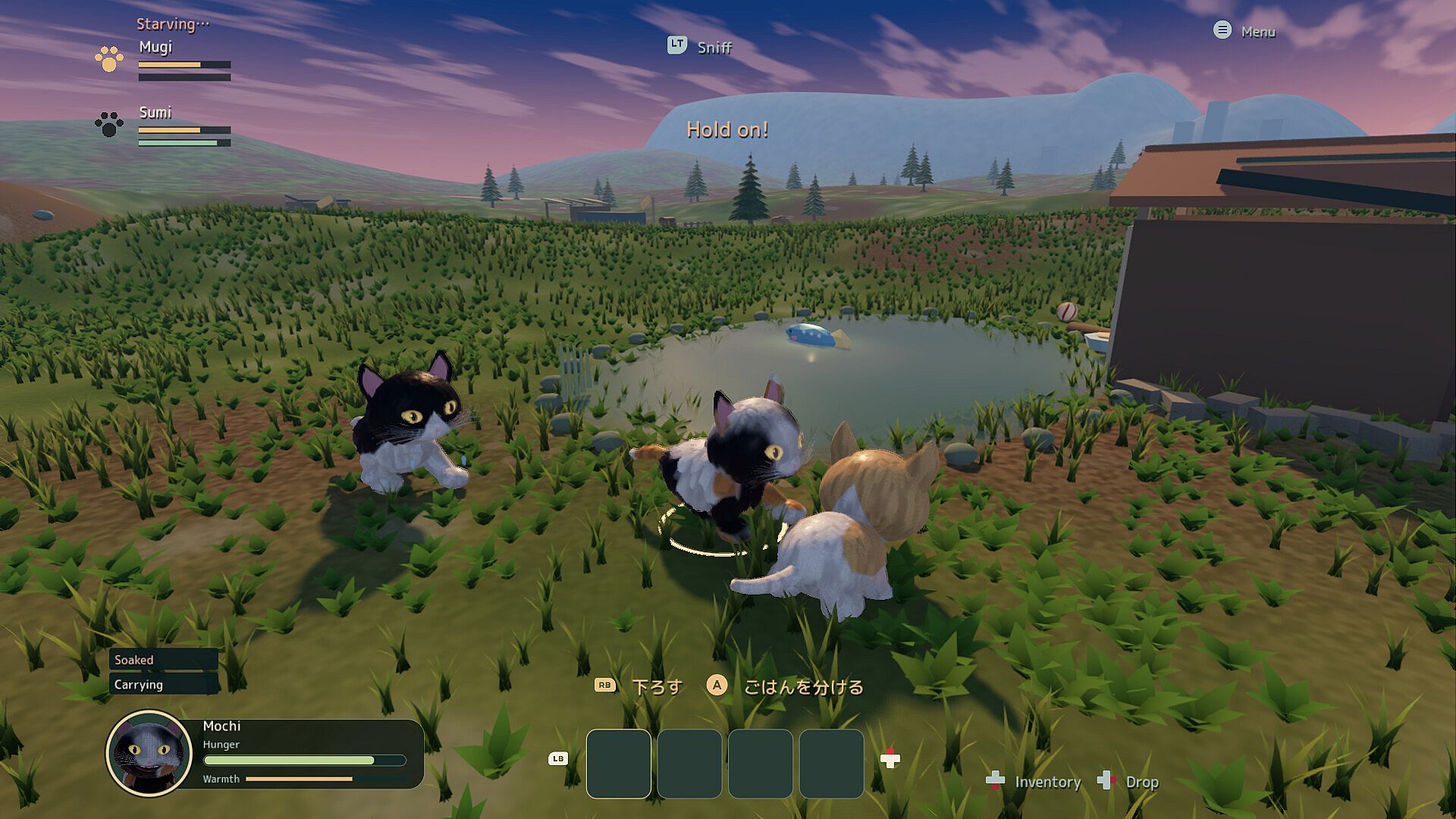
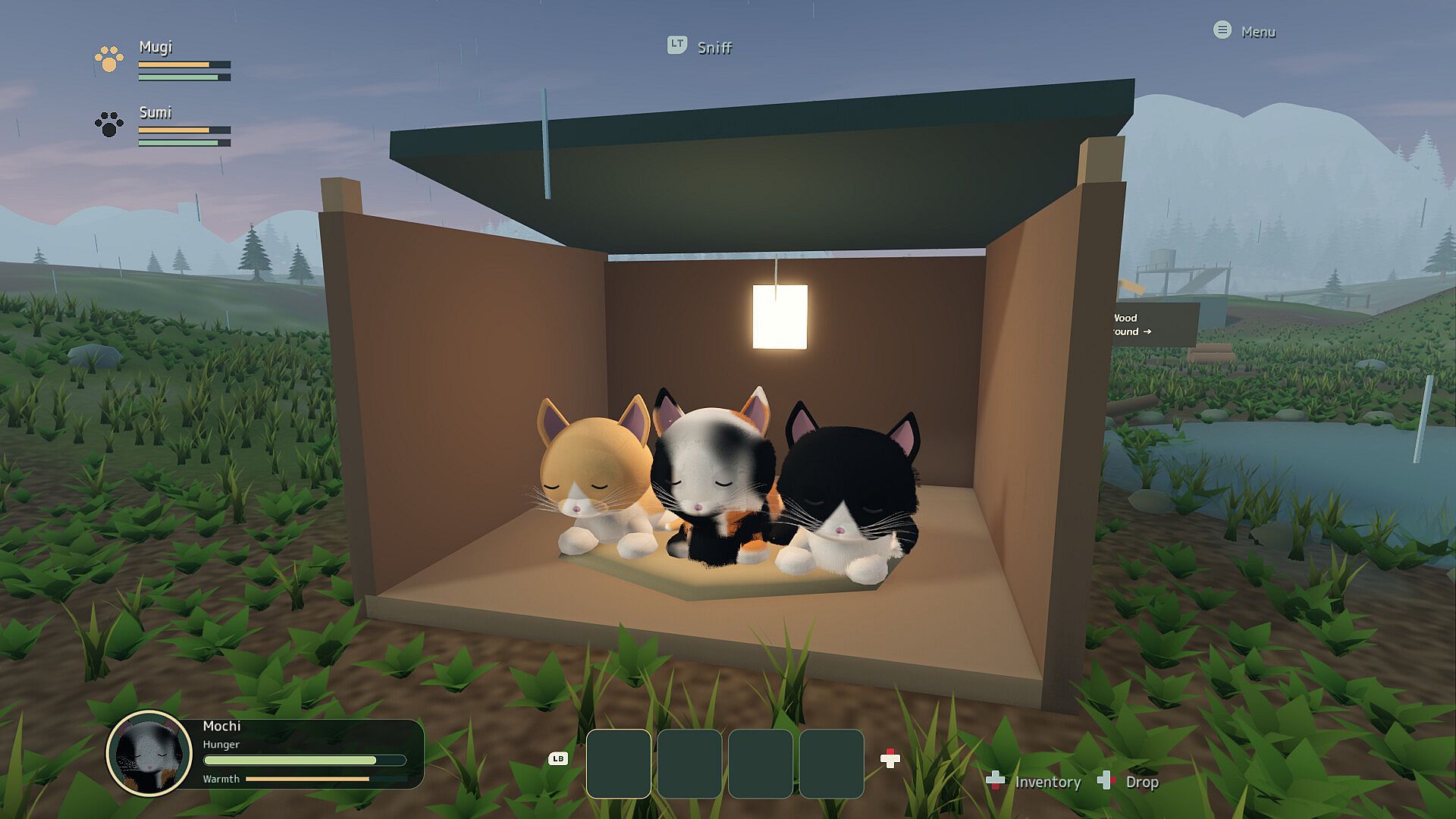
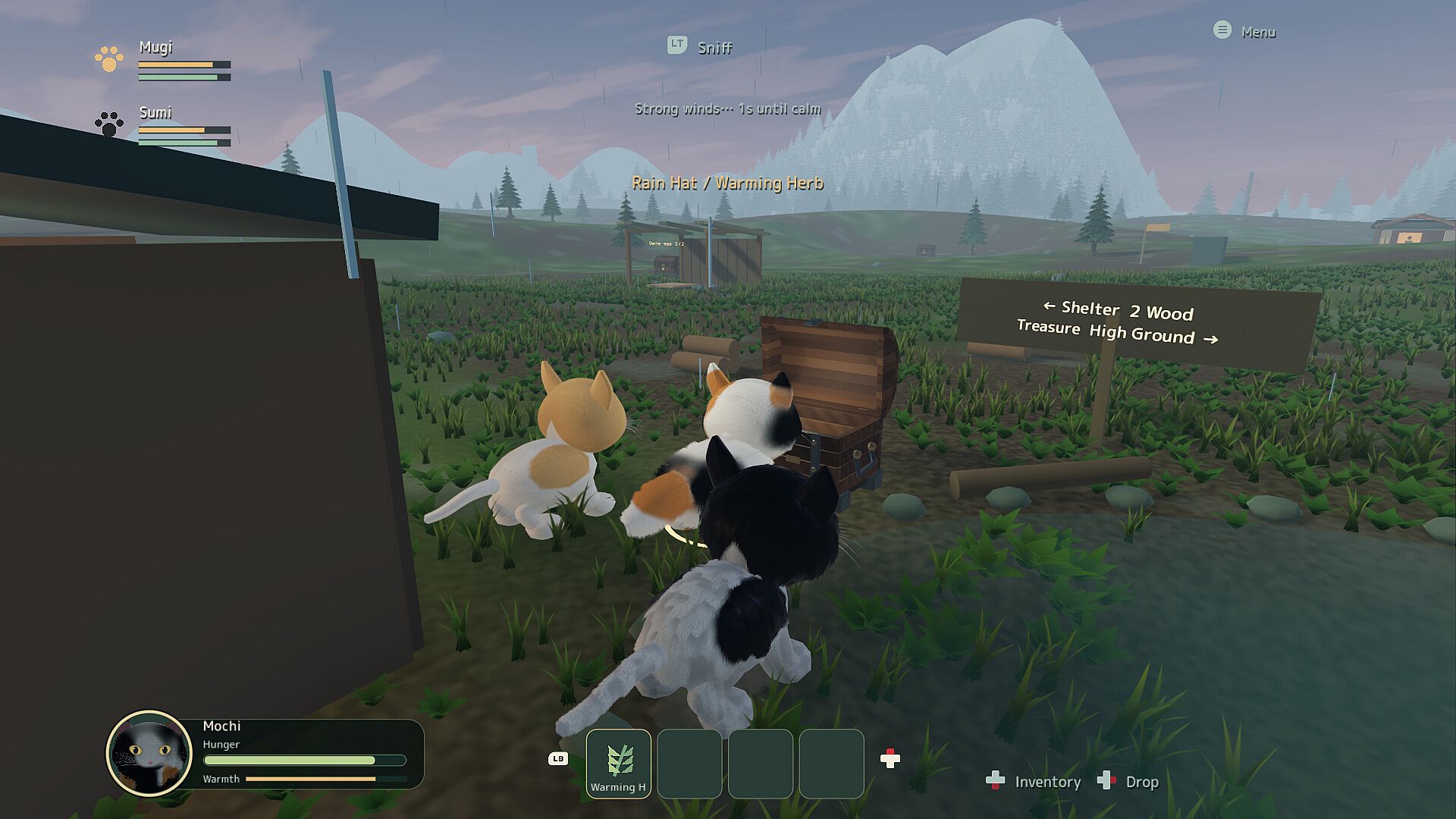
Physical interactions include wiggling to aim pounces at fish in water, catching them with kicks, and carrying catches in the mouth for consumption or sharing. When conditions turn harsh, cats huddle together for warmth or carry exhausted companions until they recover through shared meals. Failure occurs only when the entire group becomes immobilized, after which players can restart the trip together. Bridge repairs offer shortcuts, while alternatives like detours around obstacles encourage weighing risks against rewards during travel.
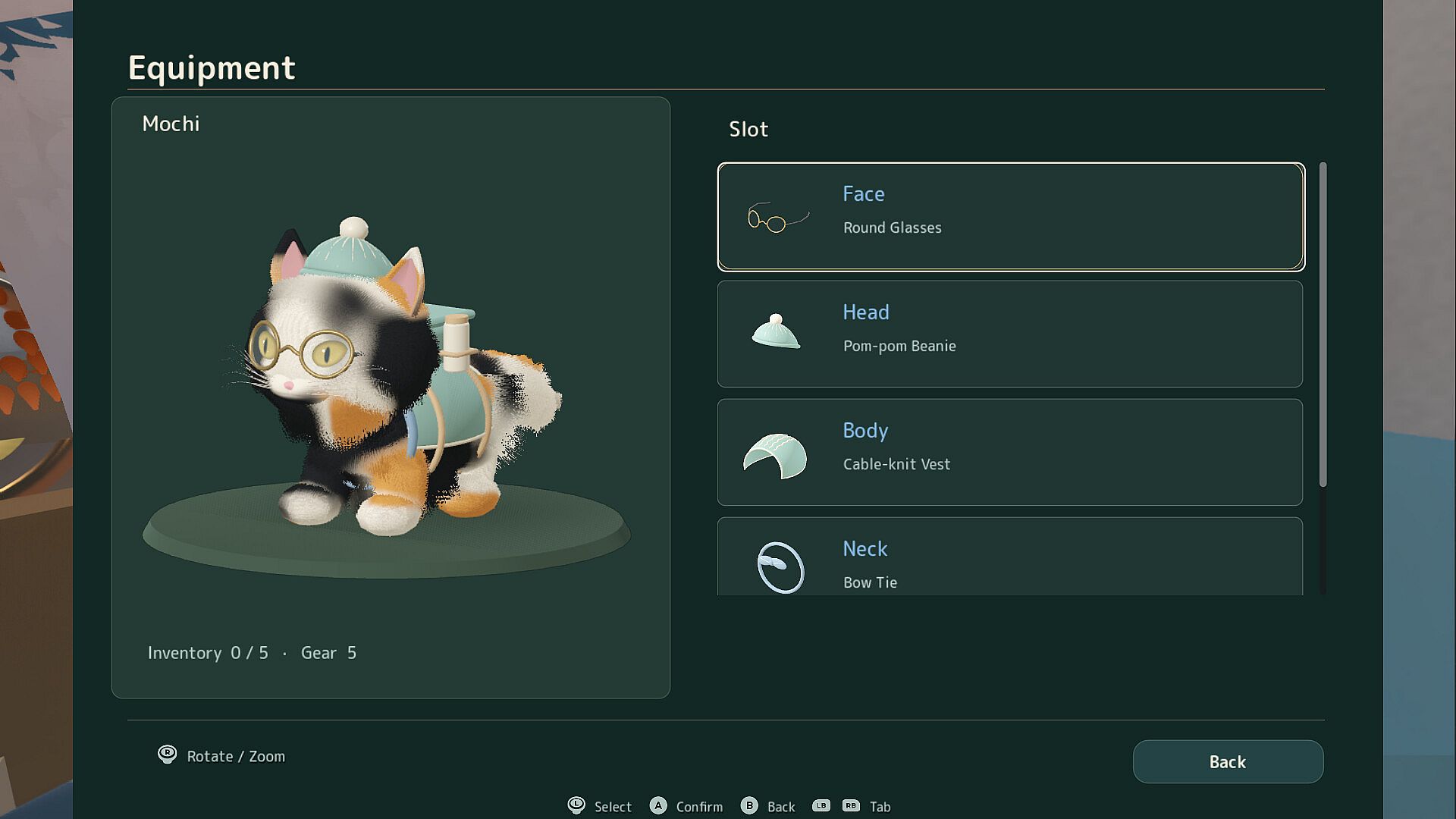
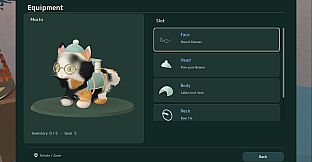
Equipment such as glasses, ribbons, hats, clothes, and backpacks provides functional benefits during journeys, with the option to toggle their visual appearance. These systems emphasize careful resource management and teamwork without introducing unrelated combat or progression layers.
Game Modes
NEKOGAERI supports solo play where NPC cats join as companions to assist with tasks like herding fish or providing warmth. Online co-op allows up to four players to control their own cats simultaneously, coordinating actions such as sharing food or carrying one another across challenging sections. Both modes operate within the same randomized journey structure, where success depends on collective progress toward home rather than competitive scoring.
No separate competitive or versus modes exist. The focus remains on cooperative survival across repeated attempts, with failure states resetting the group for another shared outing. This setup suits players seeking relaxed group sessions or independent exploration with AI support.
Exploration and Survival Systems
Procedural landscapes drive variety, featuring distinct biomes that affect movement and needs. Players sniff for clues leading to resources or shortcuts, then decide on actions like repairing structures for efficiency or searching buildings for useful items. Weather changes add pressure, requiring timely shelter or group huddling to maintain mobility.
Food management ties directly into group dynamics, with partial eating and sharing mechanics ensuring companions stay active. These elements create a loop of discovery, risk assessment, and recovery that repeats across different generated paths without fixed levels or linear storytelling.
Customization and Home Building
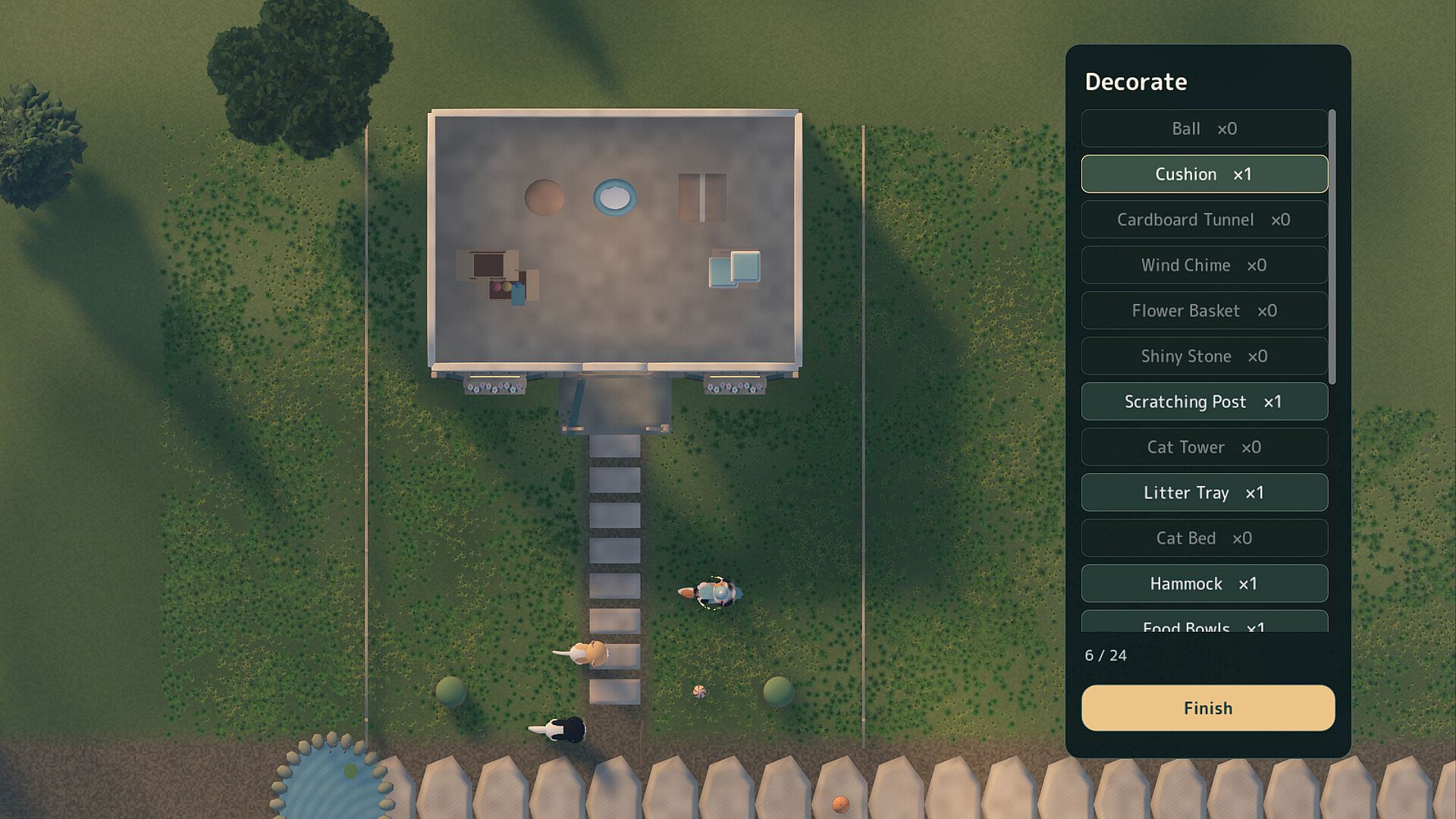
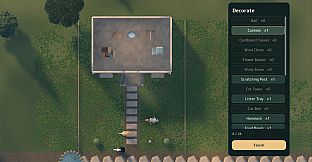
Cat creation begins with breed presets, followed by adjustments to coat color, fur length, facial features, and custom patterns. Accessories enhance journey utility while remaining optional for display. Upon returning with collected items, players decorate a house and garden from an overhead view, arranging furniture freely or engaging in simple play activities with balls and yarn.
This system provides a tangible reward loop, turning successful trips into personalized spaces that players can revisit before setting out again. Effects from gear persist regardless of visual toggles, keeping focus on functional choices during travel.
Is It Worth Playing?
NEKOGAERI targets players interested in cooperative survival adventures with a lighthearted cat theme and procedural exploration. The described mechanics of scent-based navigation, group support actions, and home customization offer a distinctive loop centered on shared journeys rather than high-stakes conflict. As an early access title with no user reviews available yet, it remains in active development, with planned refinements to balance, controls, and content variety based on feedback.
Those who enjoy managing resources and coordinating with others in relaxed, repeatable outings may find the core systems engaging once the game launches. Solo players benefit from NPC companions that mirror co-op interactions. Potential buyers should monitor progress during early access to assess stability and added features before committing, as the experience prioritizes atmospheric travel and companionship over polished narrative depth or extensive endgame systems.