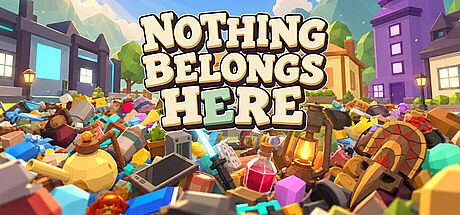



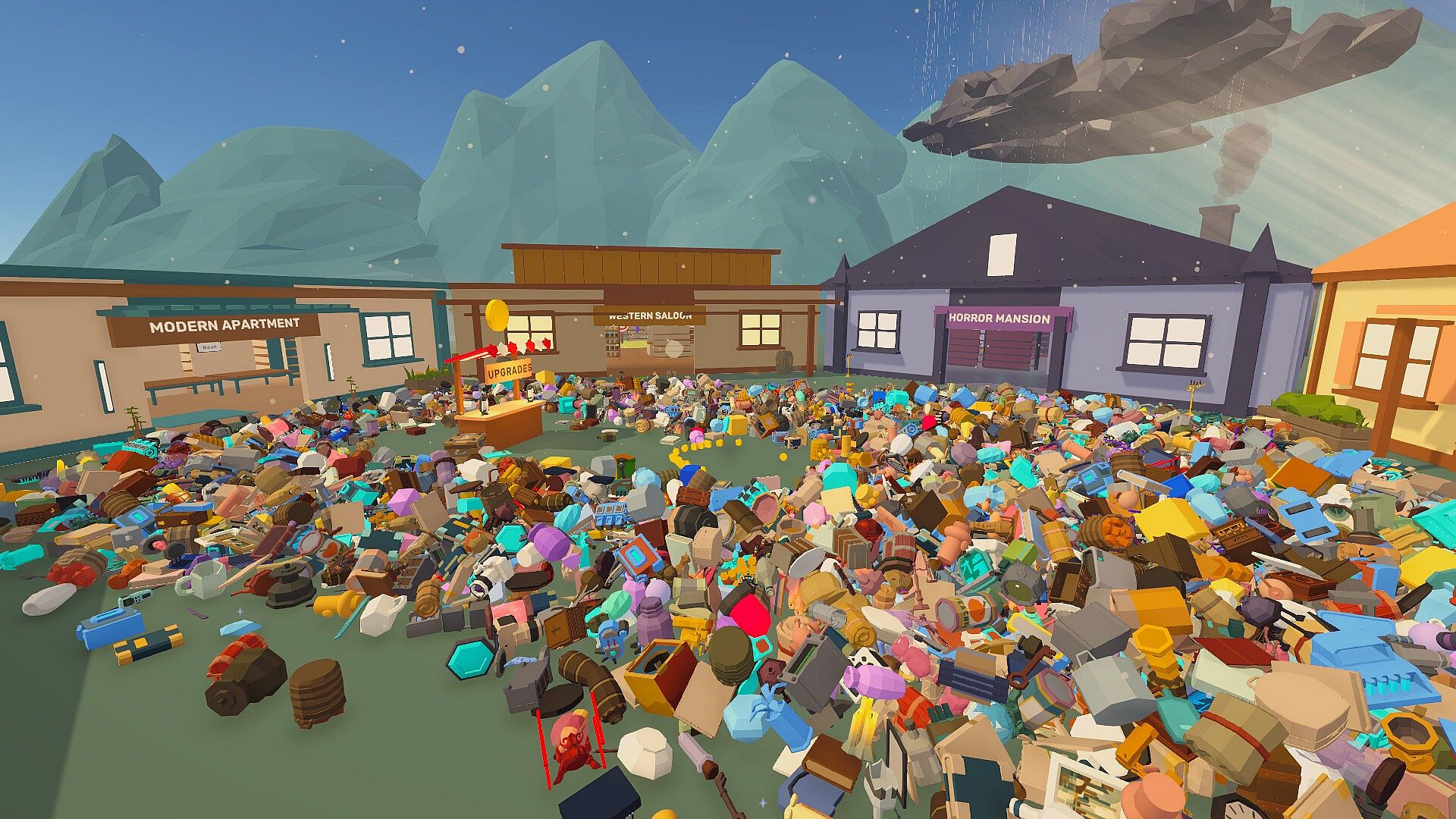
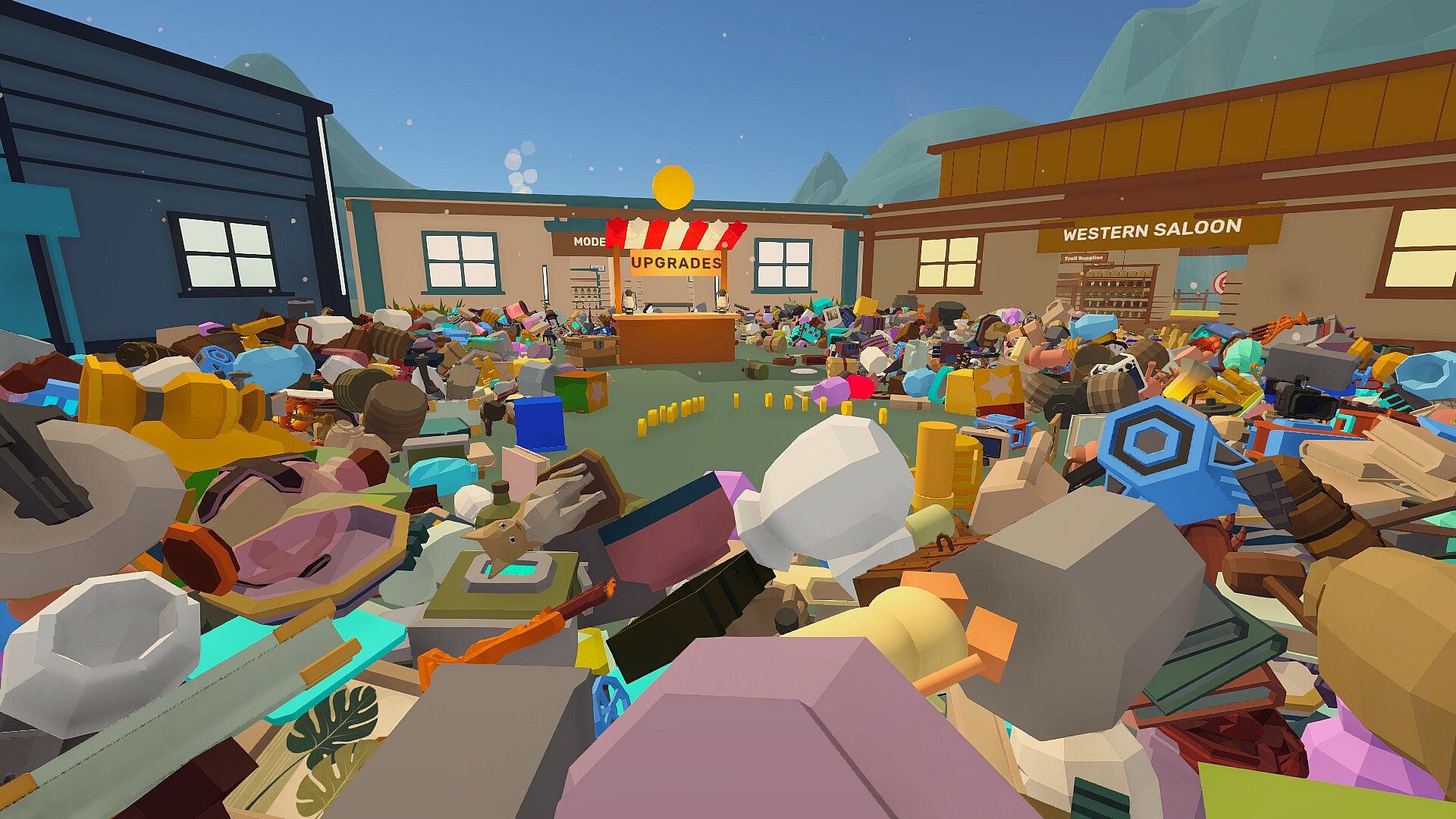
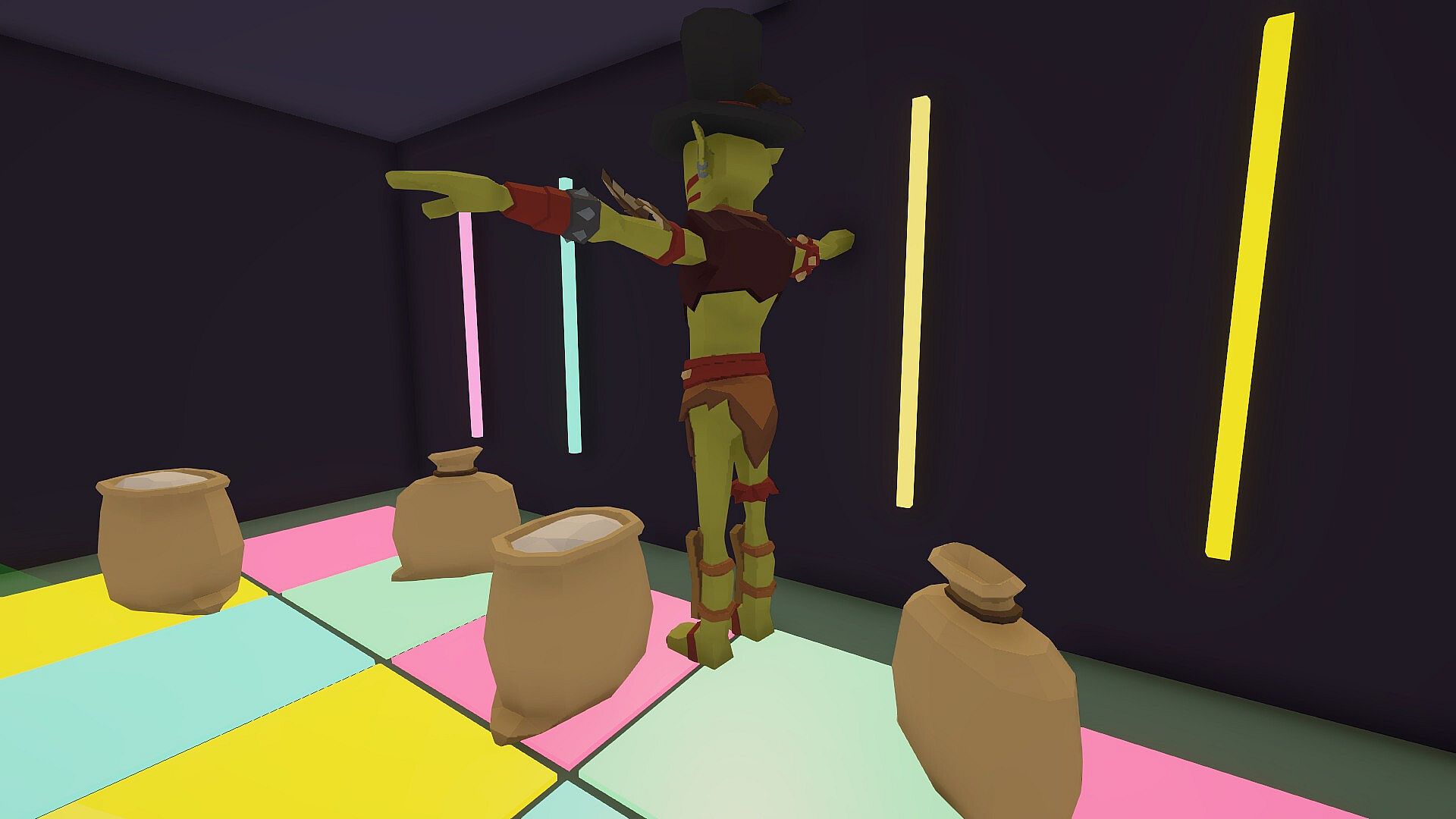
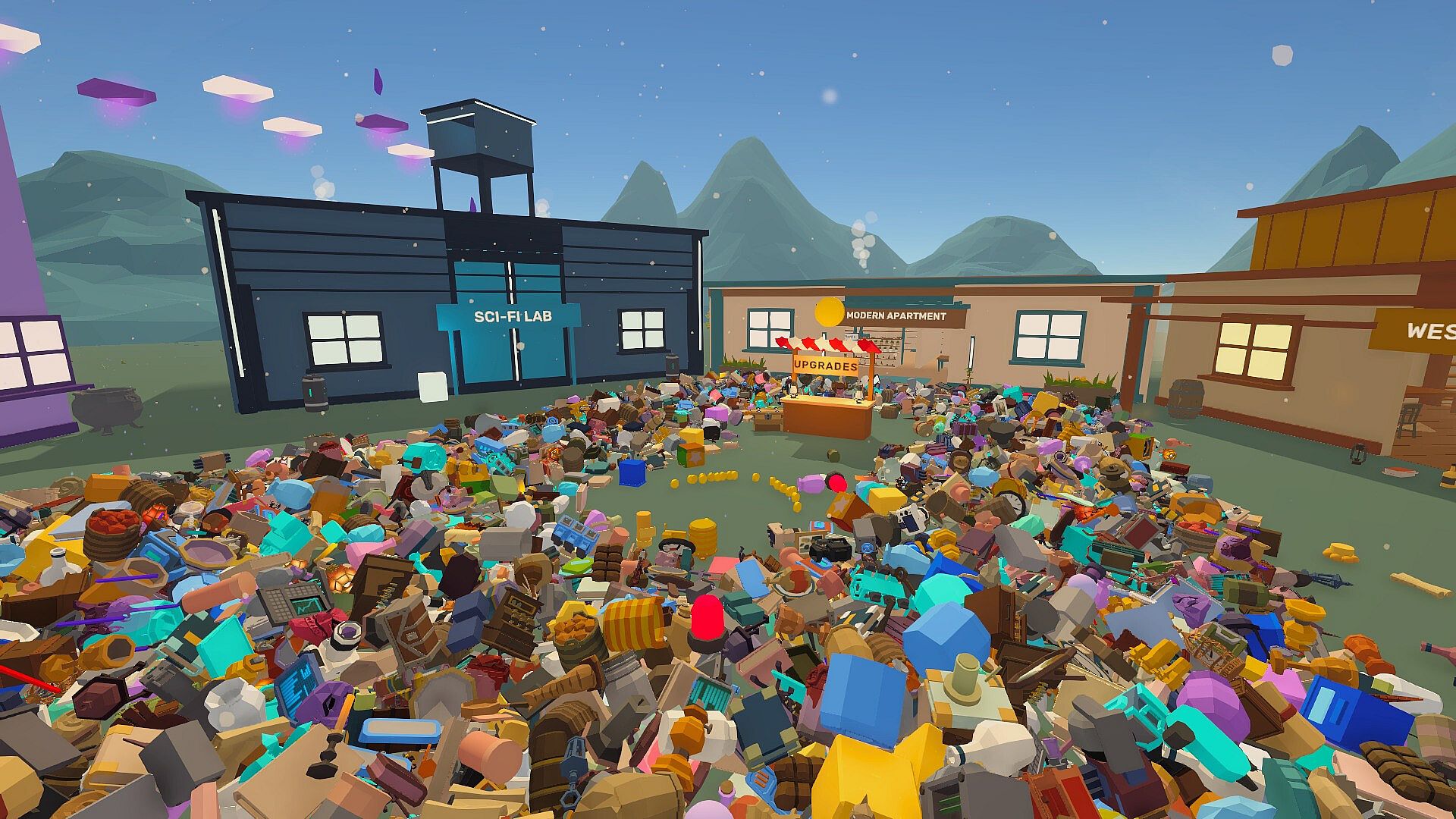
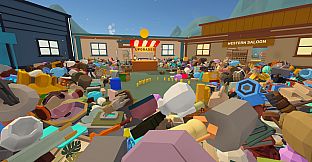
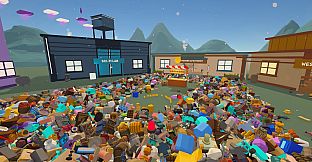
Nothing Belongs Here is a casual simulation game for PC in which players restore order to a town square after six distinct worlds collide and scatter thousands of objects across the ground. The experience centers on methodical sorting in a relaxed first-person perspective, with no timers or competitive pressure to interrupt the process.
Gameplay
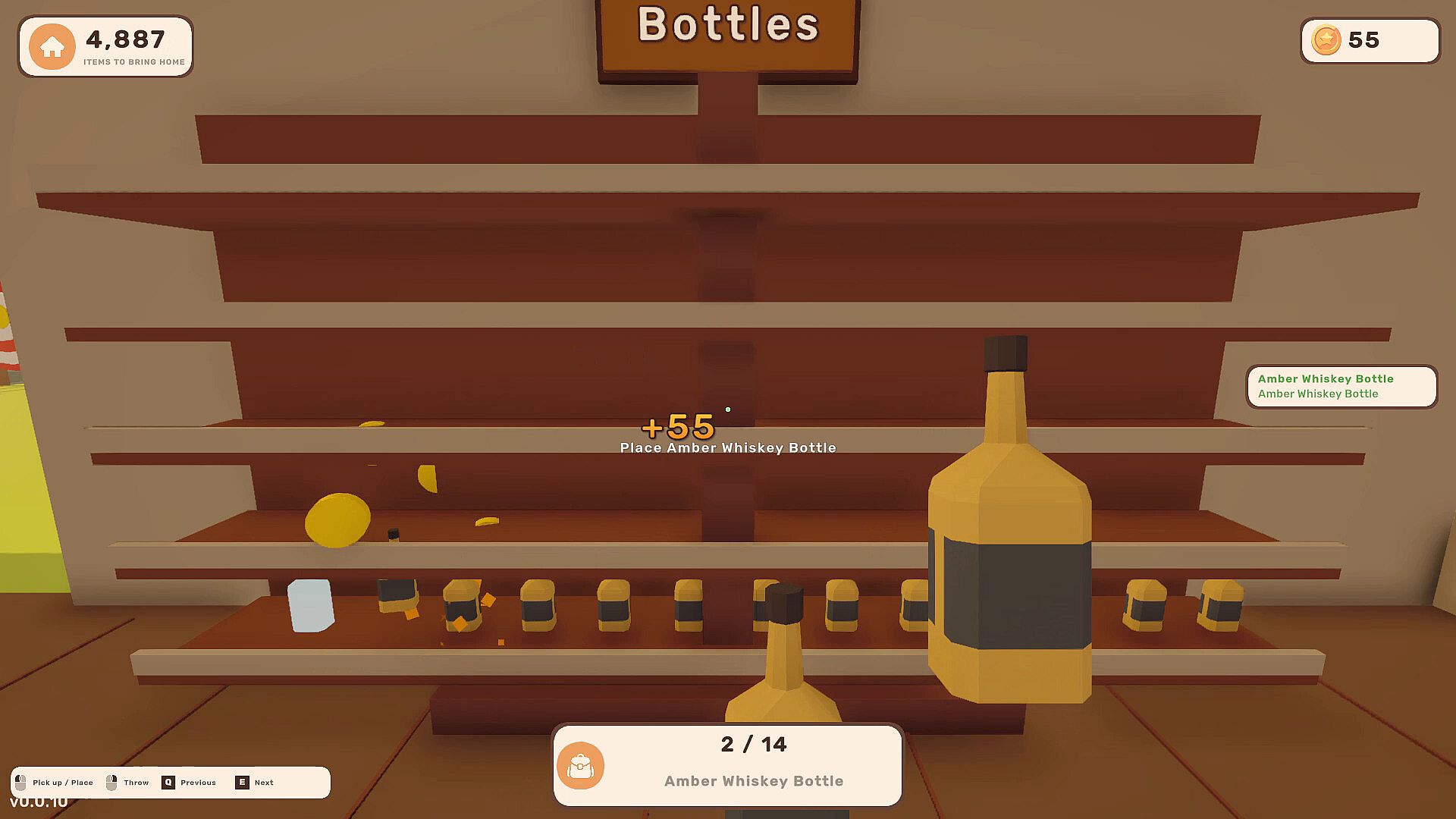
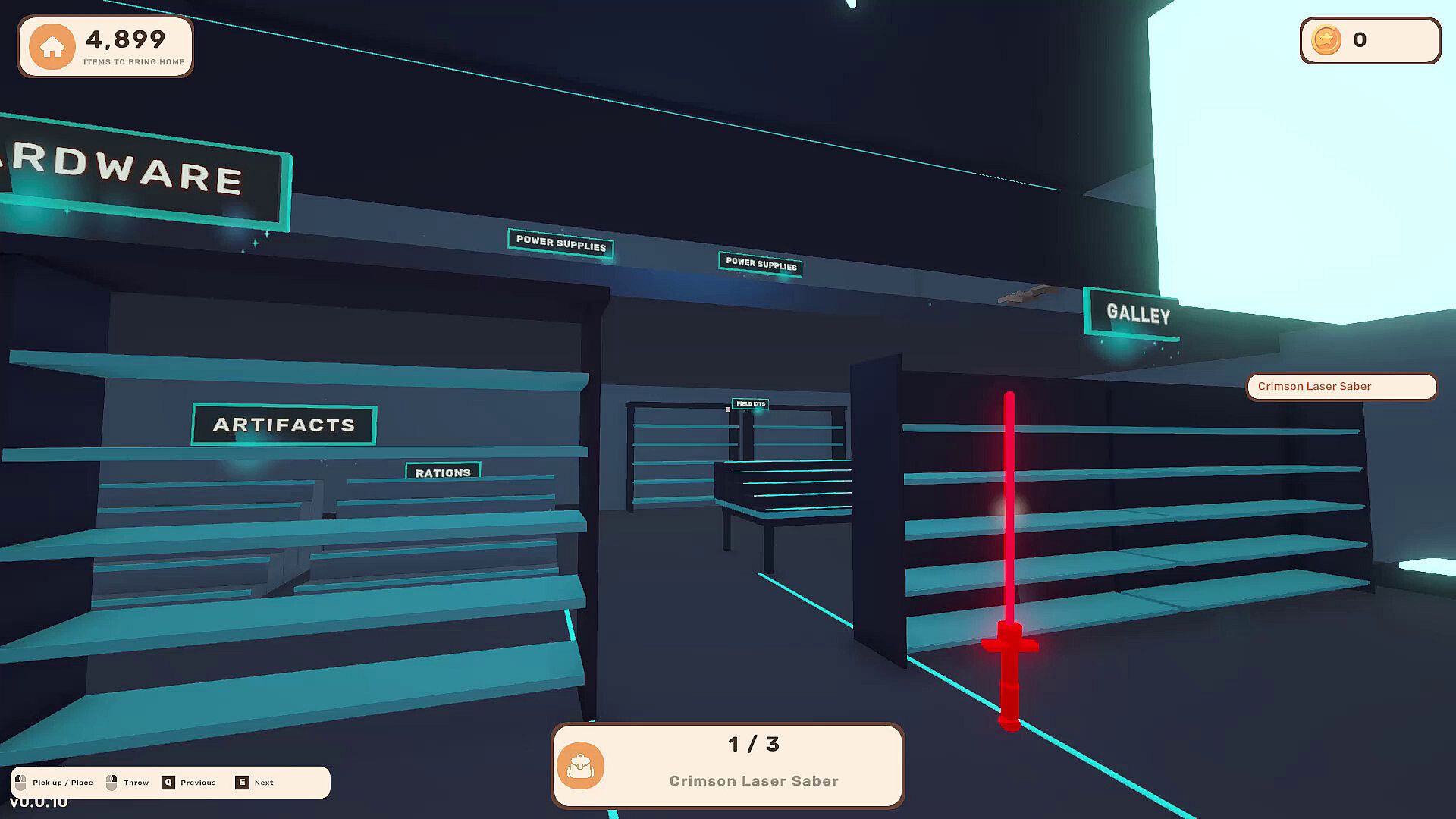
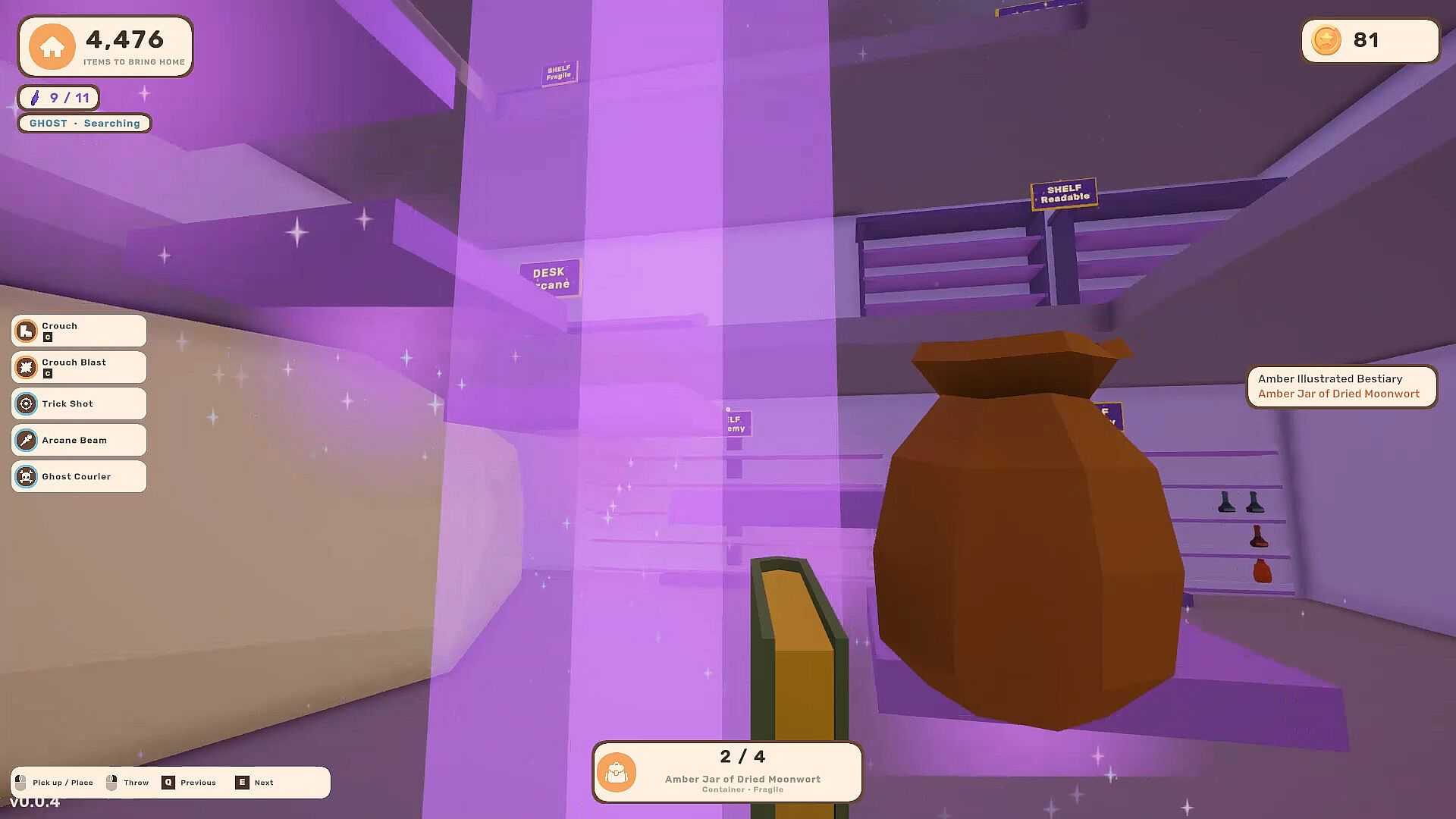
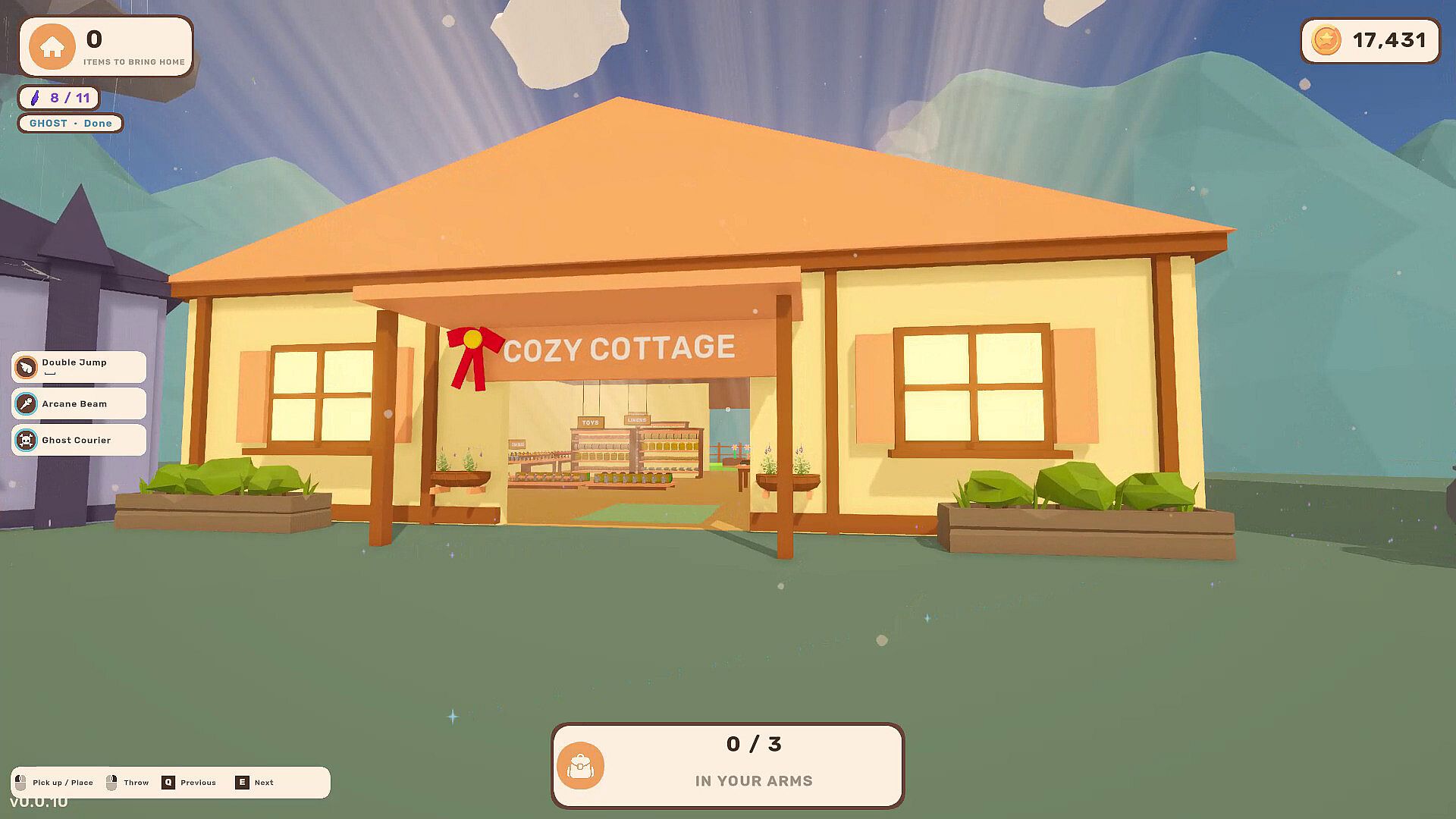
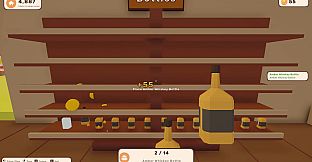
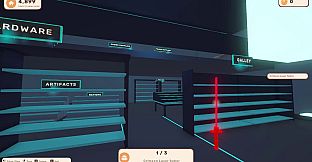
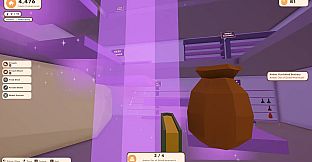
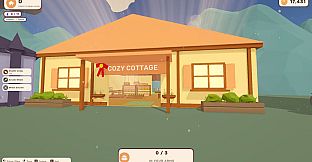
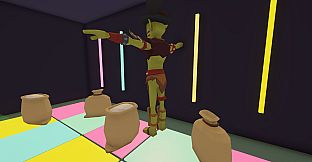
Players begin by identifying scattered items among the debris in the central square. Each object carries clues that point toward one of six buildings: a cozy cottage, a wizard tower, a sci-fi lab, a modern apartment, a western saloon, or a haunted mansion. Once inside the correct structure, shelf signs and existing arrangements guide placement into the precise row designed for that item. Carrying several objects at once and setting them down produces satisfying audio feedback as shelves fill row by row.
Progression ties directly to these placements. Every successful item earns coins, and completing an entire row triggers a larger payout. These earnings fund upgrades that increase carrying capacity, movement speed, and the ability to highlight matching items from a distance. As the visible pile diminishes, the buildings regain their original character through filled shelves and restored interiors.
Game Modes
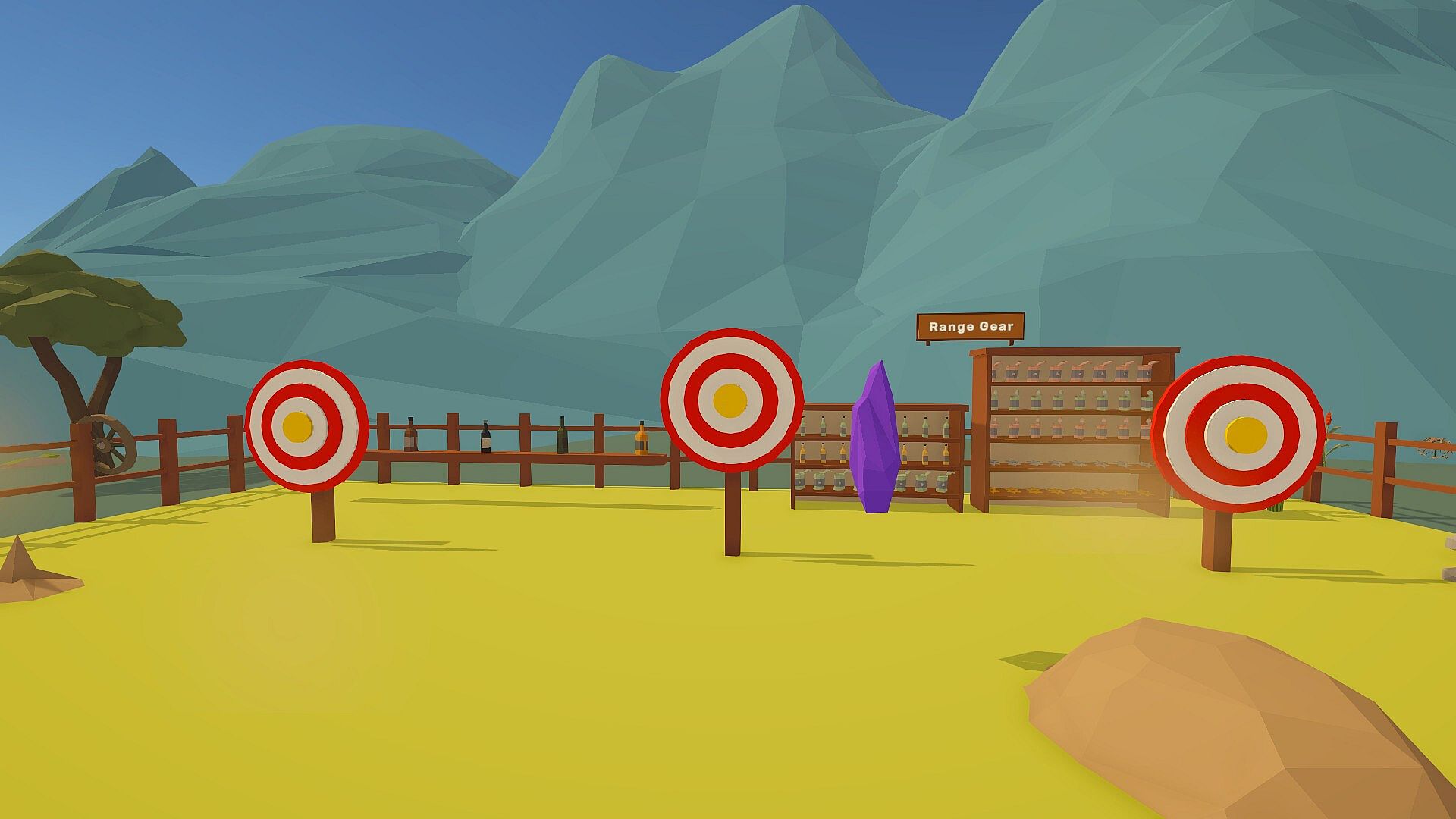
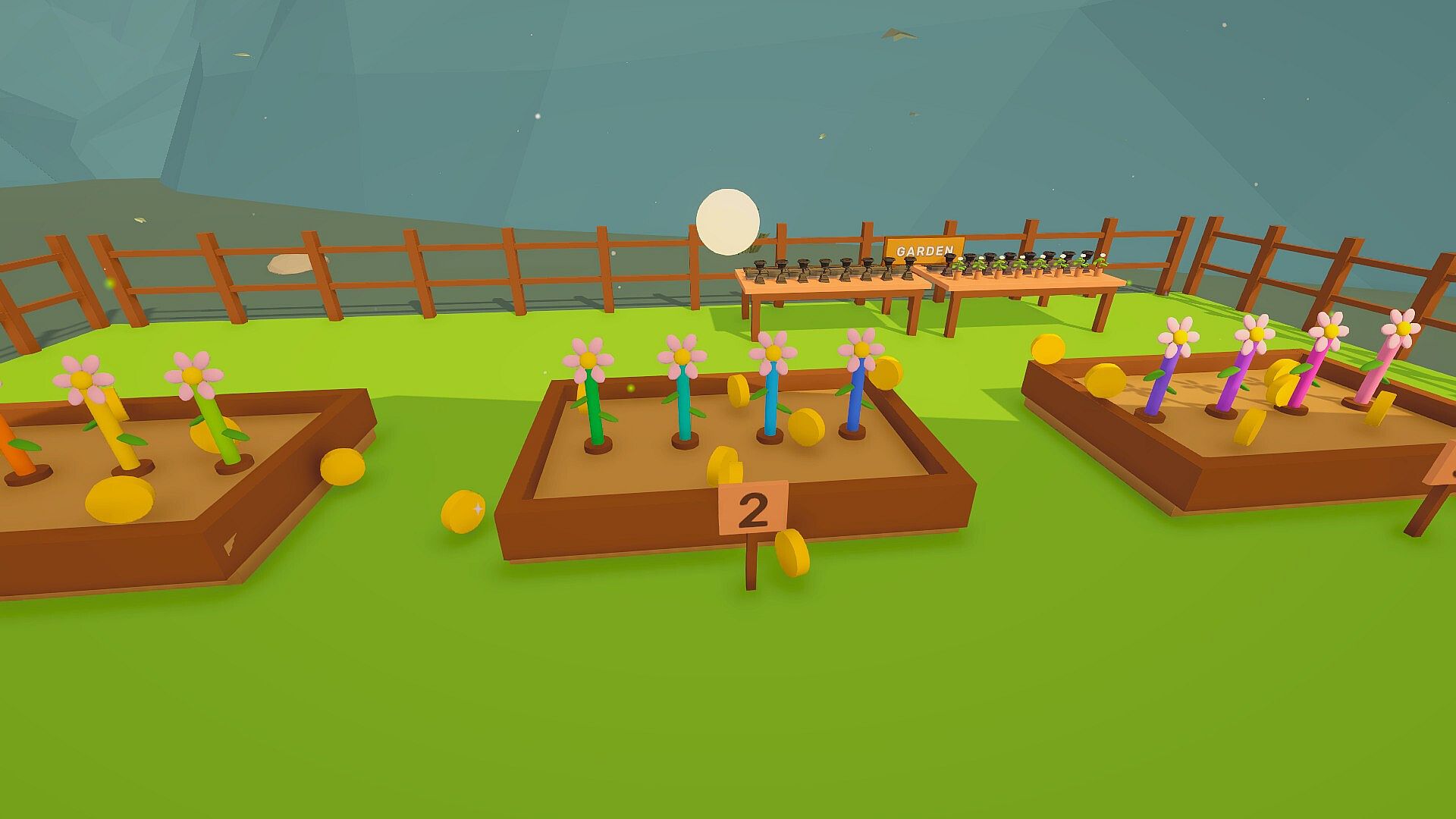
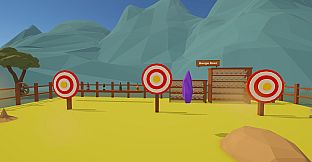
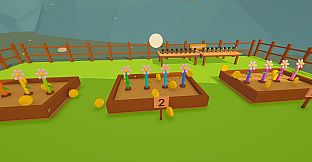
The core experience remains a single-player simulation with complete freedom over the order of cleanup. Players decide which buildings to tackle first and how thoroughly to explore each area. Optional side activities appear along the way, such as arranging flowers near the cottage or testing aim-based tasks at the saloon, each providing additional coins or tools without altering the main sorting loop.
Because the game lacks structured levels or separate playlists, the entire session functions as one continuous mode. The absence of a timer or failure states allows sessions of any length, from short focused bursts to extended sessions that gradually empty the square.
Exploration and Hidden Details
Beyond the six main doors, the town square contains additional paths and odd clues that lead to further discoveries. Following these threads can reveal extra items or small environmental changes that reward careful observation. The design encourages players to move at their own pace, returning to previously visited areas once upgrades make navigation easier.
Each building maintains its own visual and thematic identity, so the process of matching objects reinforces the distinct atmosphere of every location. The total of 4,899 belongings provides a substantial but finite task that scales naturally with player upgrades.
Progression and Rewards
Upgrades form the primary long-term system. Early purchases focus on practical improvements like larger handfuls or faster movement, while later options refine the ability to spot correct placements quickly. Coin showers from completed rows create satisfying feedback loops that encourage continued play without external deadlines.
The game tracks completion through filled shelves and restored buildings rather than numerical scores. Steam achievements recognize milestones such as specific row completions or thorough exploration of side paths.
Is It Worth Playing?
Nothing Belongs Here suits players who enjoy methodical, low-pressure simulation games focused on organization and gradual transformation. The single-player format and lack of multiplayer elements keep the focus entirely on personal pacing and satisfaction from visible progress. With a planned release in late 2026 and an active playtest available, interested players can form an early impression of the core loop before launch. Those seeking relaxing object-sorting mechanics with light exploration will find the verified systems align closely with that preference, while anyone expecting action, competition, or narrative depth may want to wait for additional details closer to release.