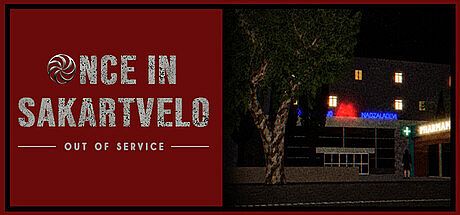


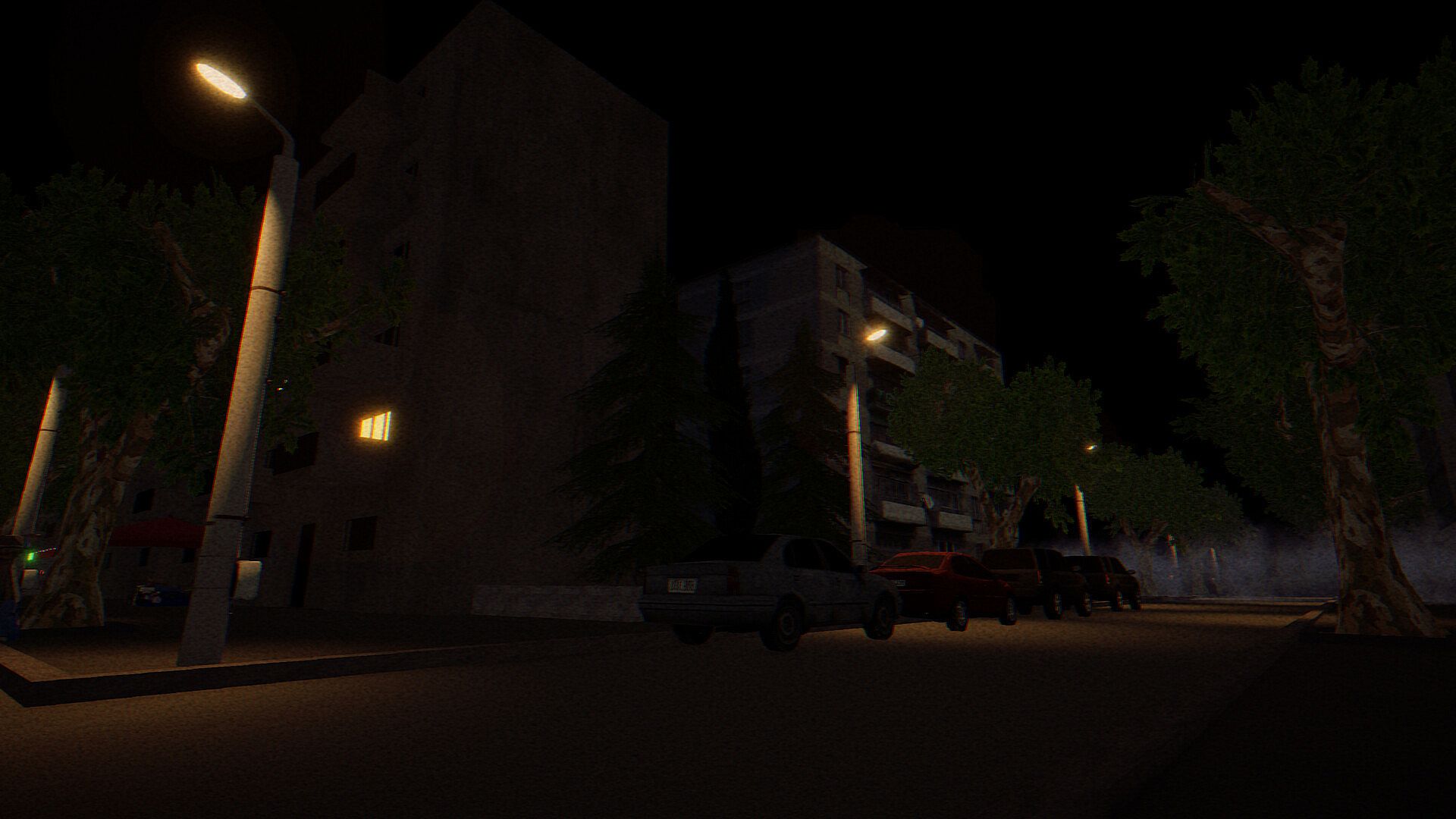
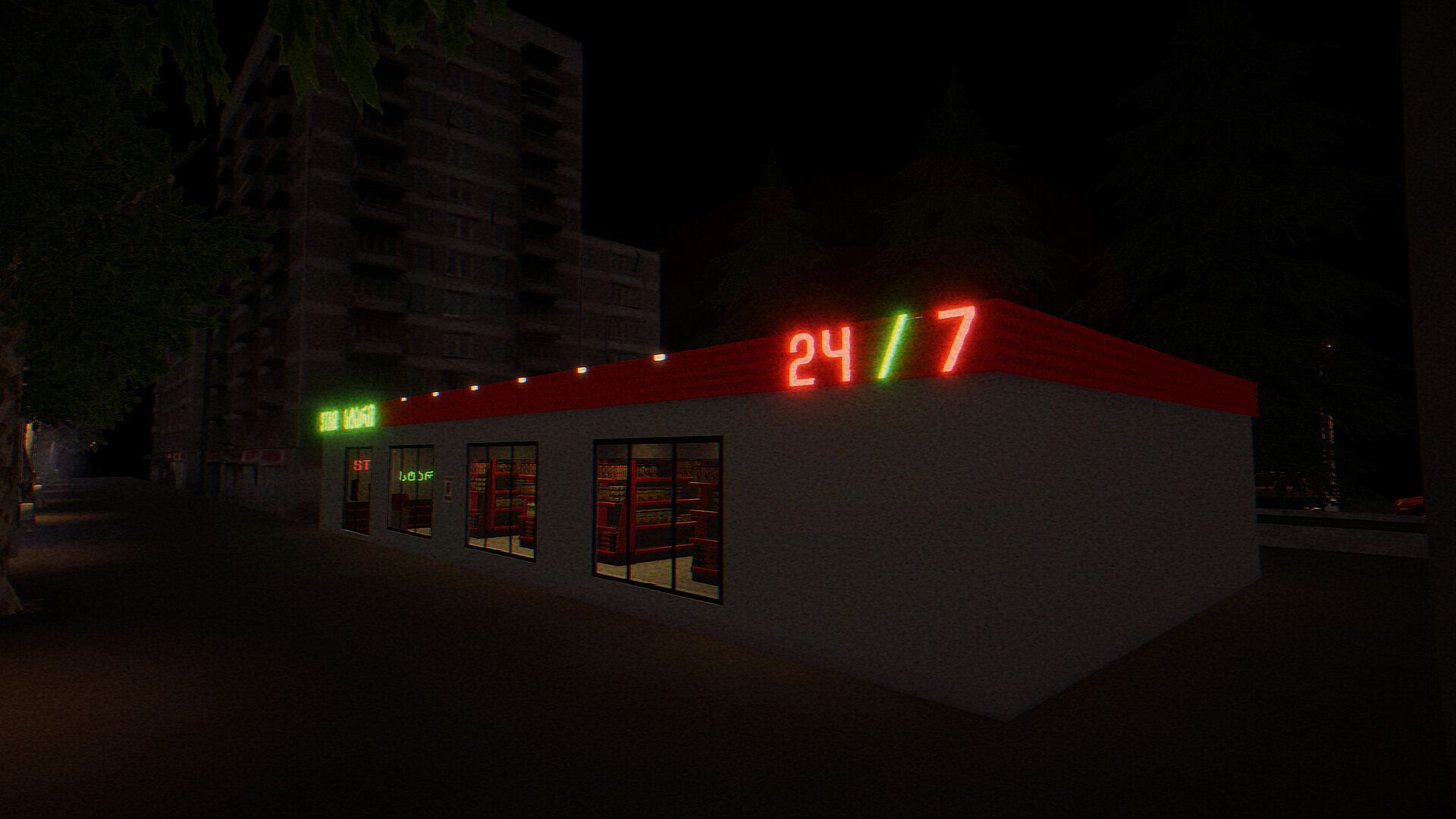
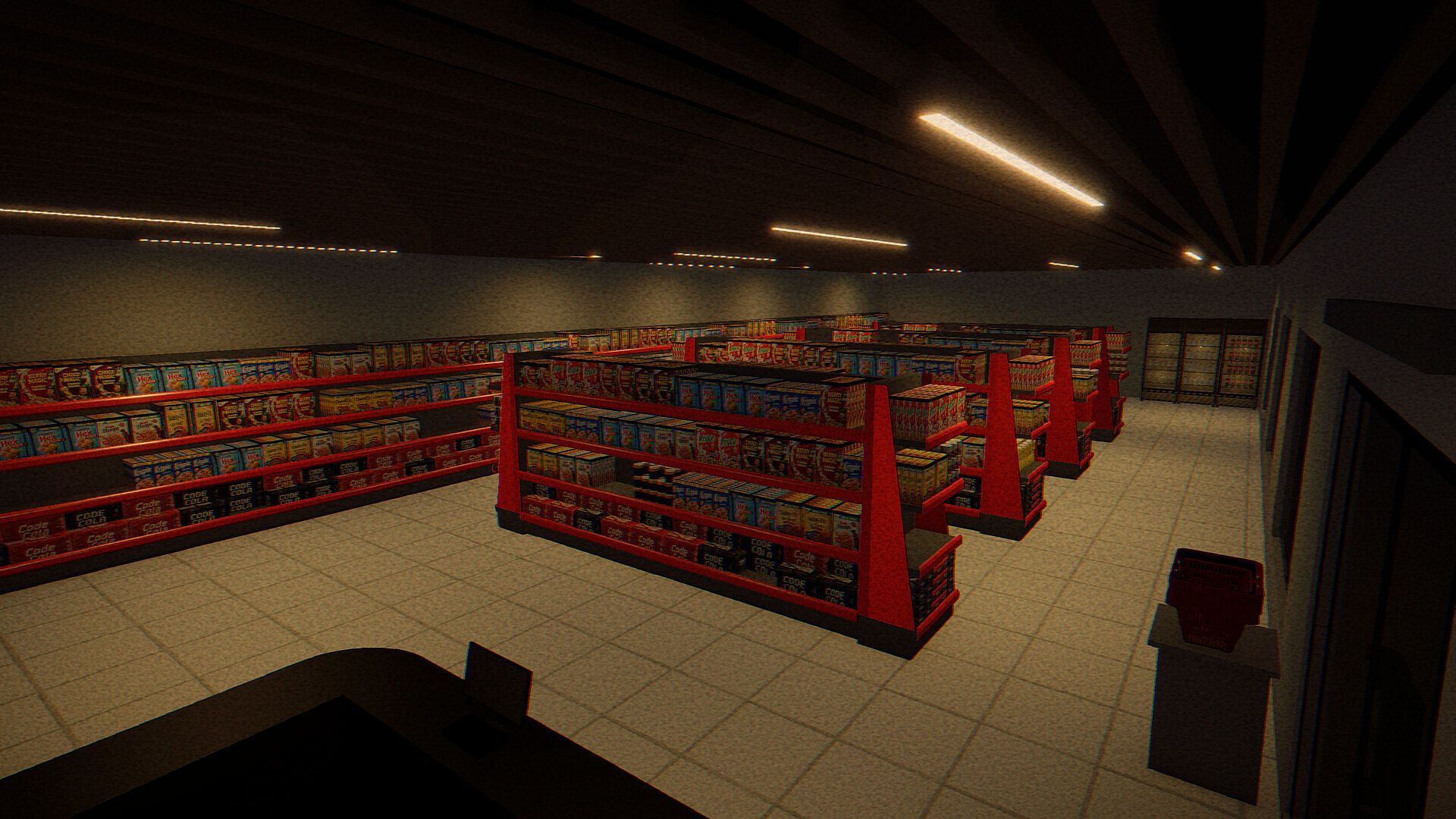
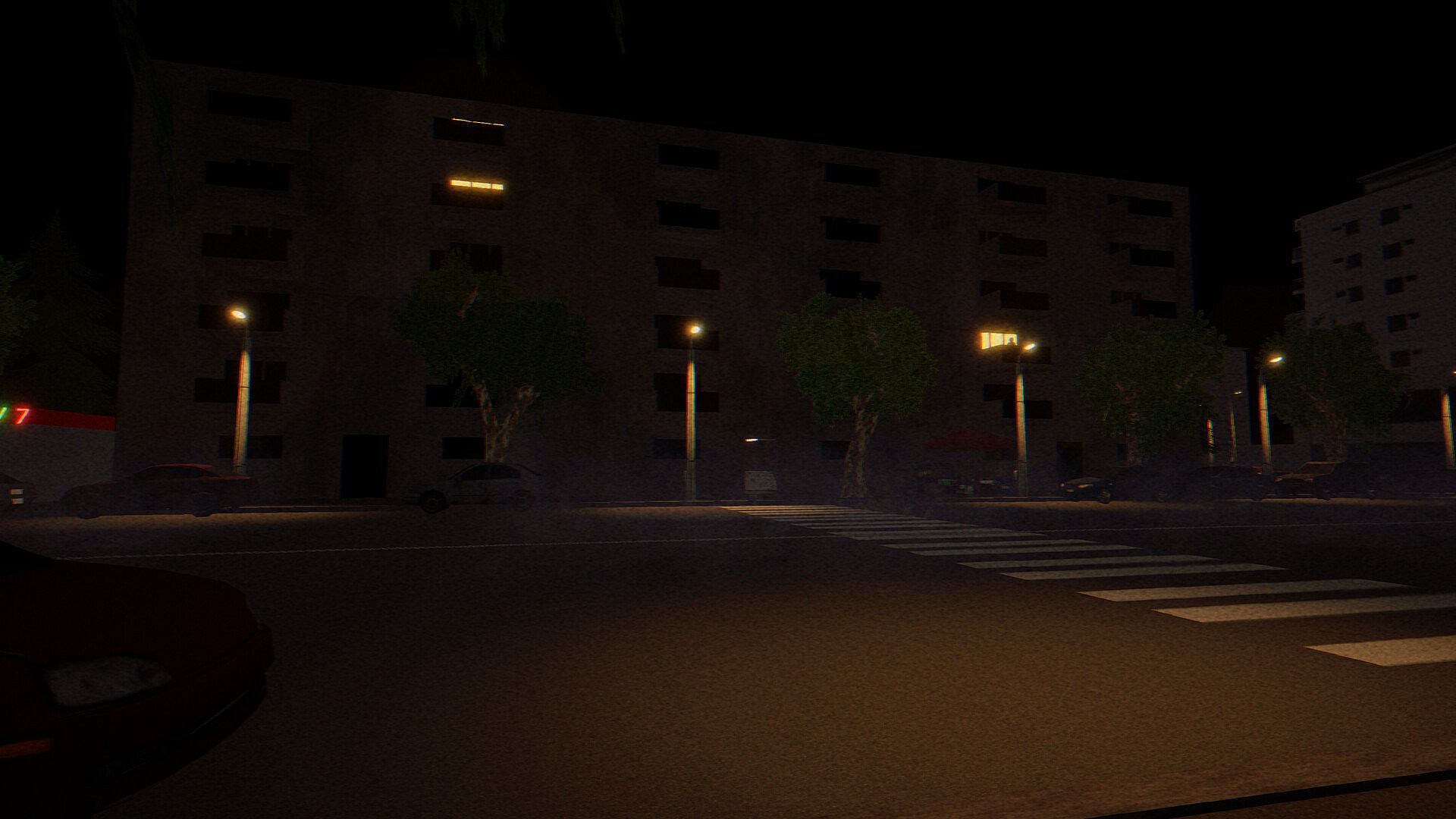
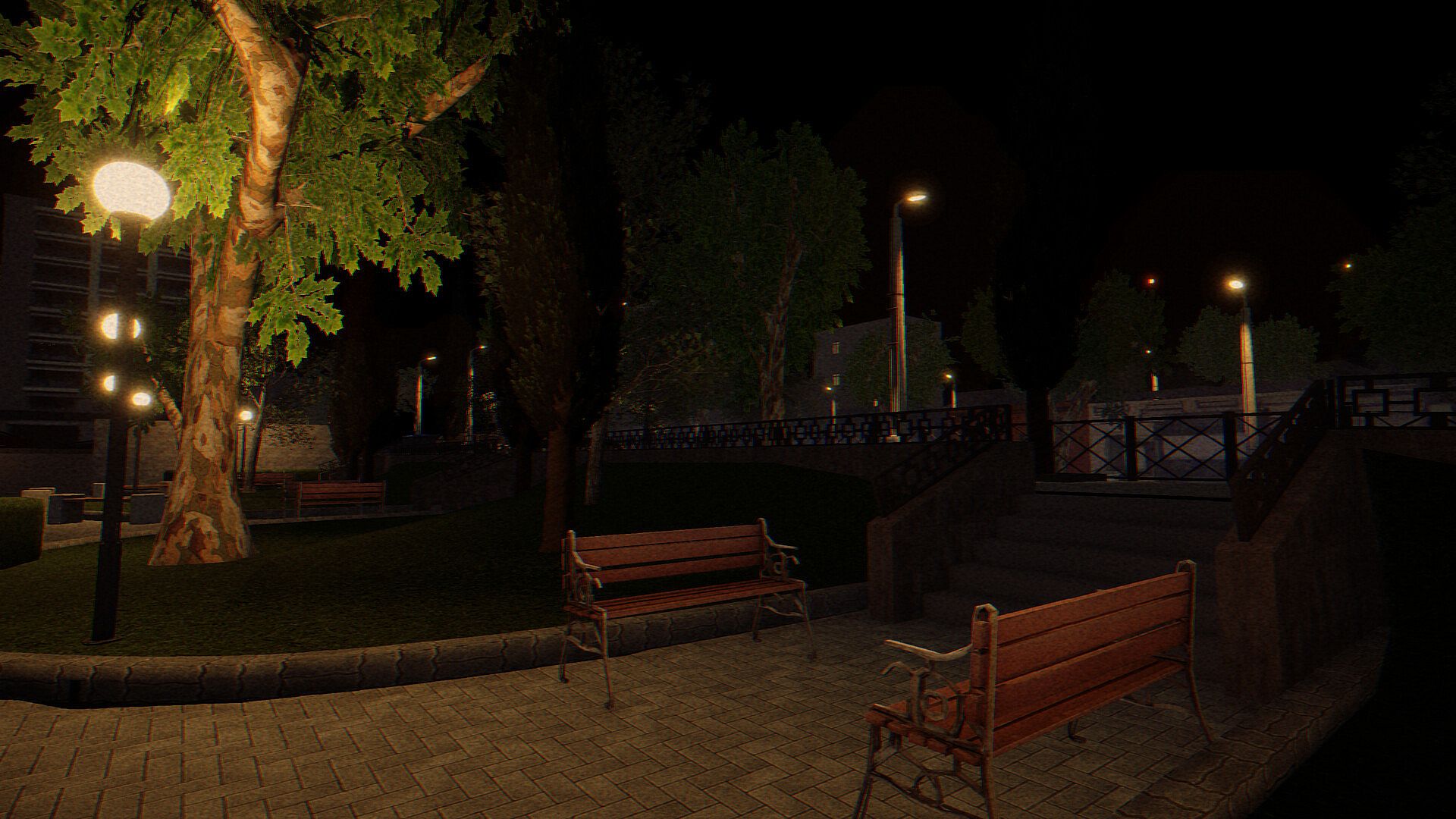
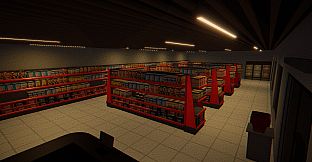
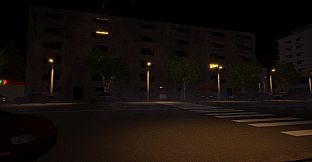
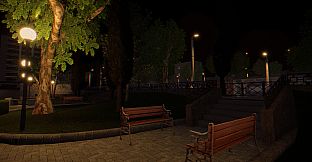
Once In Sakartvelo: Out Of Service is a first-person indie horror experience built around a single tense night in the real city of Tbilisi. Developed as the opening episode of an anthology series, the game places players on Tsotne Dadiani Street in the Nadzaladevi district after missing the last train. The premise stays grounded in ordinary circumstances that quickly turn unsettling when an unseen figure begins trailing the protagonist at a consistent distance.
Gameplay
The core loop centers on navigating a short but high-pressure walk through a faithfully recreated urban environment. Movement stays deliberate, with survival hinging on awareness rather than direct confrontation. Players manage their pace, listen for cues, and respond to environmental details that signal the follower's position. Quick-time events appear at critical moments, demanding precise timing under stress while the character attempts to maintain composure.
Story delivery relies entirely on the protagonist's phone. Text messages, incoming calls, and automated replies advance the narrative and provide context without any voice acting. These interactions feel integrated into the moment-to-moment tension, as checking the device can both reveal information and increase risk if done at the wrong time. The setting uses actual street names and landmarks, giving the short journey a sense of place that avoids generic horror tropes.
Game Modes
The experience unfolds as a linear single-player episode focused on one continuous sequence. There are no separate competitive or cooperative modes. Instead, the design emphasizes replayability through branching results that stem from choices made during the walk. A single true ending exists alongside multiple failure states that reflect different mistakes or moments of panic.
One distinctive system involves real-world microphone input. During certain encounters the follower reacts to ambient noise, so players must control their breathing and surroundings to avoid detection. An optional toggle allows this feature to be disabled for those who prefer a purely visual and timing-based challenge. This mechanic ties directly into the phone-based storytelling, creating layered pressure without adding combat or resource management layers.
Setting and Atmosphere
Every location draws from documented streets and buildings in Tbilisi, turning the familiar geography into the primary source of unease. The time of night, the quiet residential feel of Nadzaladevi, and the mundane details of walking home after visiting a friend all contribute to the grounded tone. The game avoids supernatural elements or elaborate backstories, keeping attention on the immediate threat and the small decisions that determine whether the night ends safely.
Sound design plays a supporting role through environmental audio and the phone interface rather than traditional scoring. Silence becomes a tool, and the absence of voice lines keeps the focus on the player's own actions and reactions. This approach suits the casual indie label while delivering a focused horror scenario that lasts roughly the length of the real walk it depicts.
Is It Worth Playing?
Once In Sakartvelo: Out Of Service appeals to players who enjoy short, narrative-driven horror that prioritizes tension and decision-making over action or puzzles. The real-world location and phone-centric storytelling create a distinct identity within the indie horror space. Multiple outcomes encourage additional playthroughs to explore different paths, while the microphone feature adds an optional layer of immersion for those comfortable with it.
The absence of combat and the emphasis on staying calm make it accessible to a broader audience than many horror titles, though the quick-time sequences and noise sensitivity still demand focus. As the first episode in a planned anthology, it serves as an introduction to the series' approach of grounding each story in actual Georgian settings. Those seeking a concise, atmospheric single-player experience set in a genuine urban environment will find the core loop rewarding without requiring a large time commitment.