




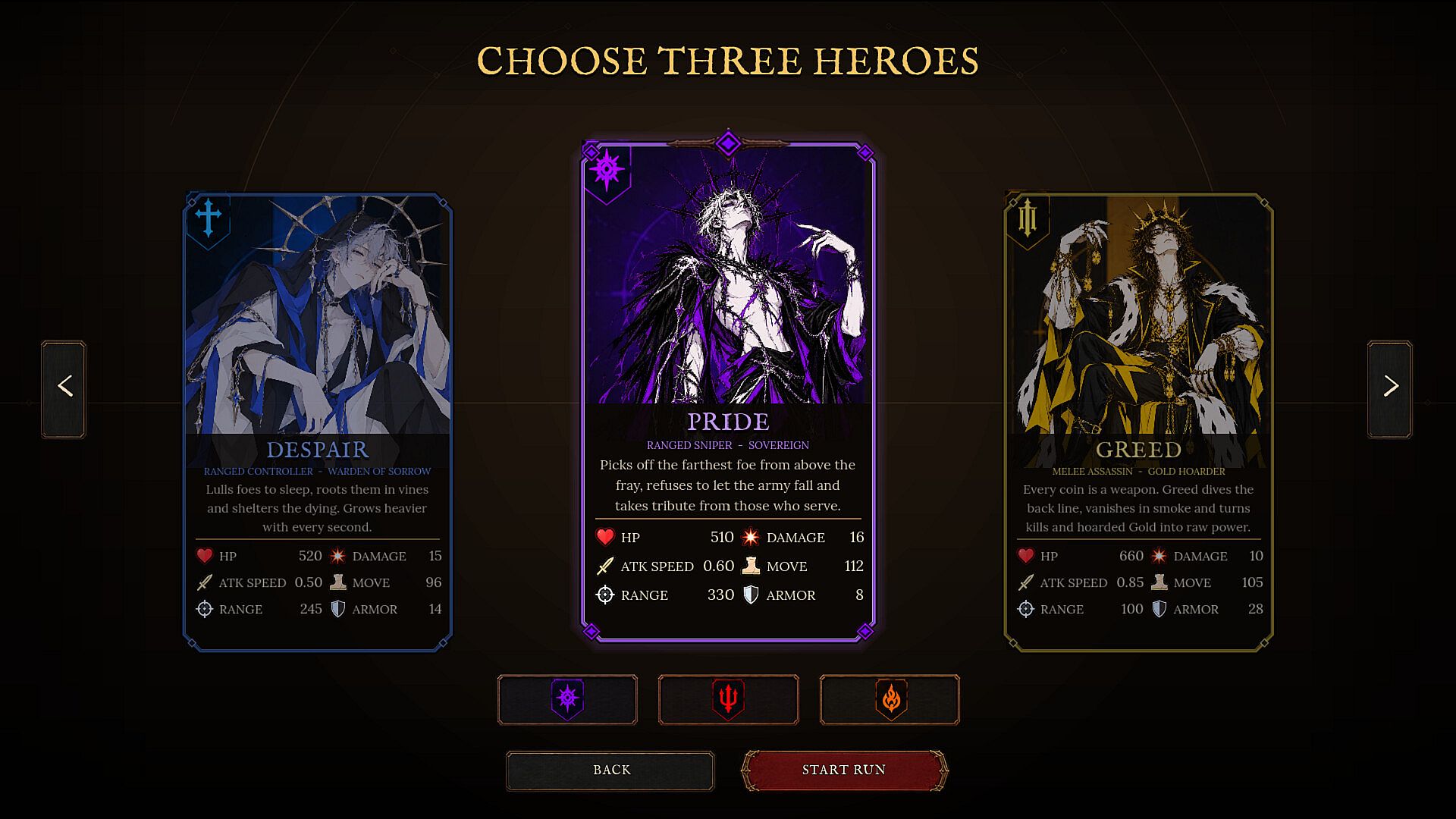
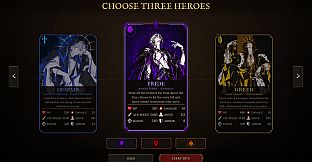
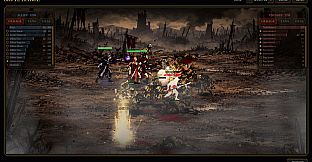
Only One Hero is a single-player dark fantasy roguelite autobattler for PC that blends action, strategy, indie, RPG, simulation, and adventure elements into one cohesive experience. Players lead three heroes and a growing company of soldiers through dangerous encounters where every choice shapes the army and determines who survives the journey.
Gameplay
The core loop centers on building and managing a company rather than focusing on a single character. Soldiers receive job assignments, abilities, and equipment that carry over to future recruits through shared skills and gear tied to each profession. Heroes receive targeted investment while the broader army benefits from upgrades that strengthen entire job classes. This system encourages experimentation with focused hero builds, balanced army compositions, or hybrid approaches where both elements support each other.
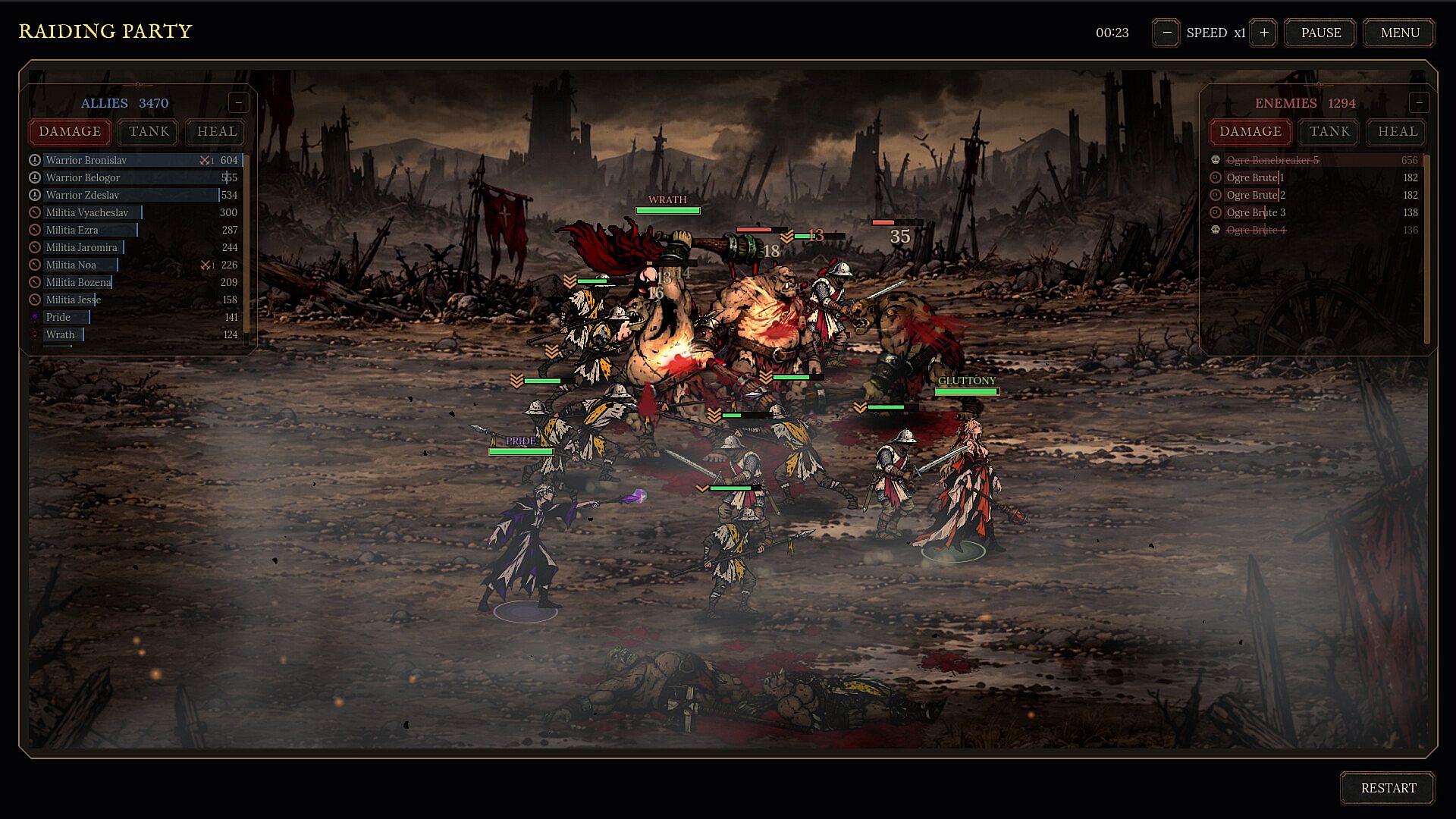
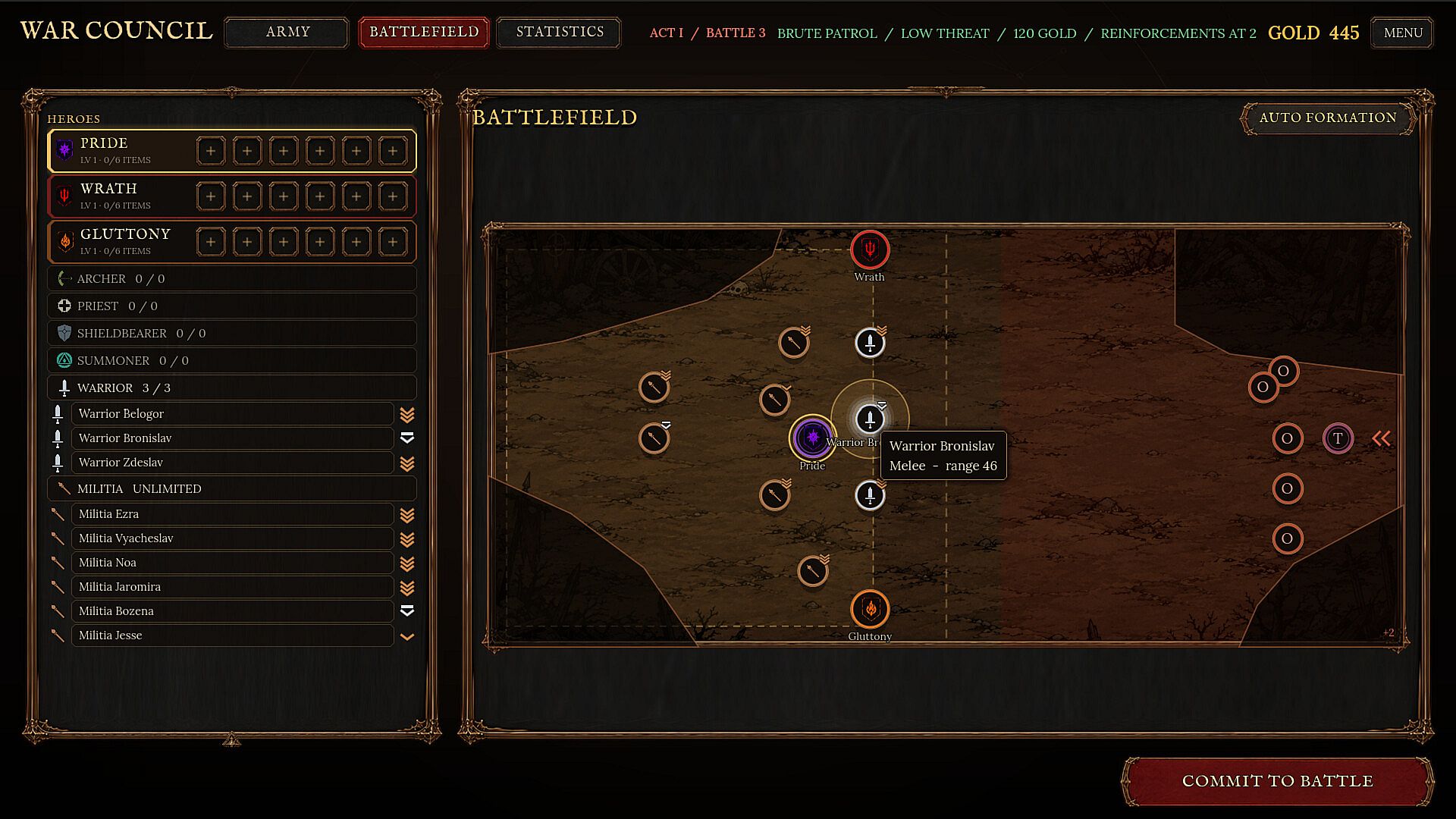
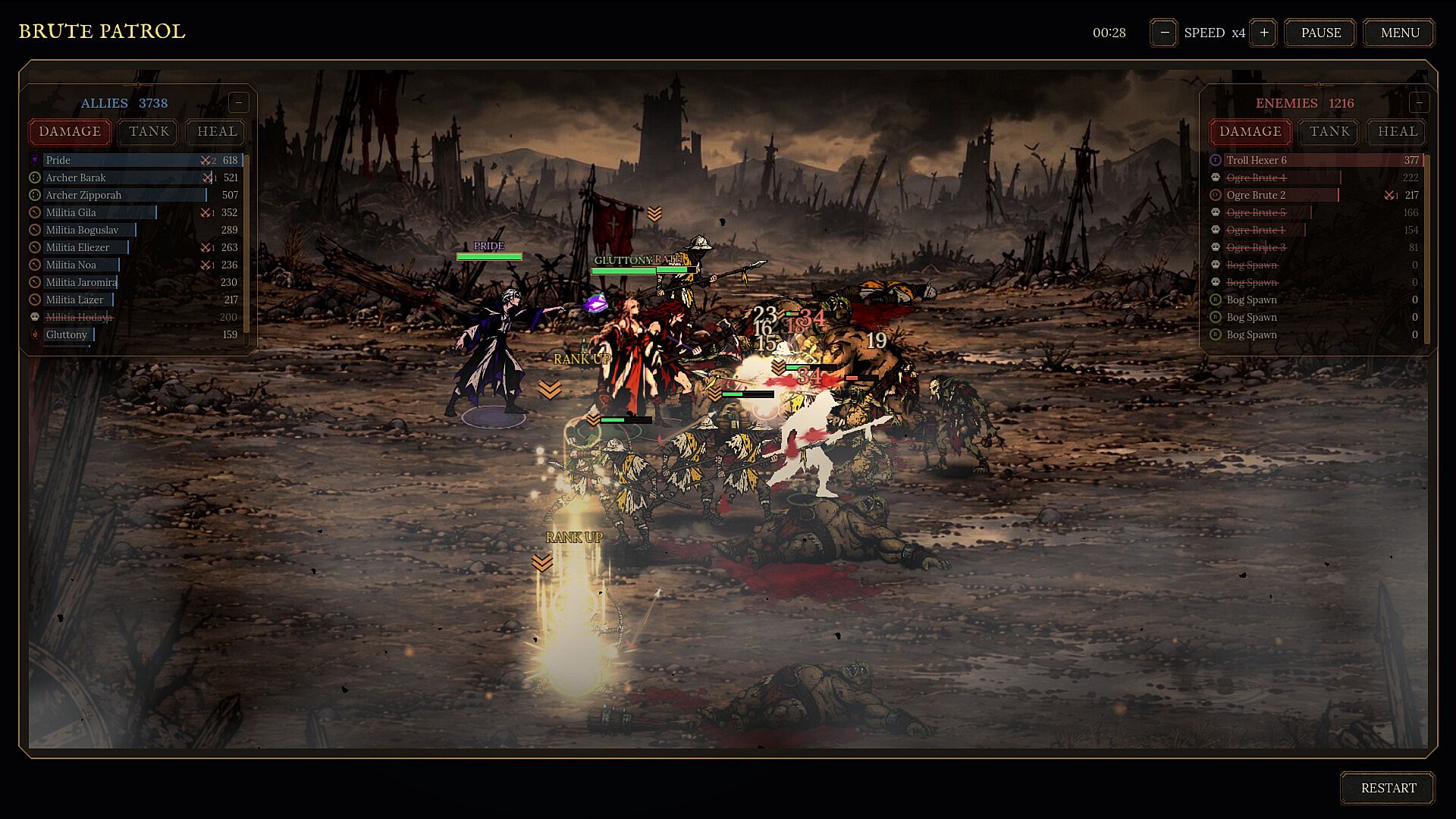
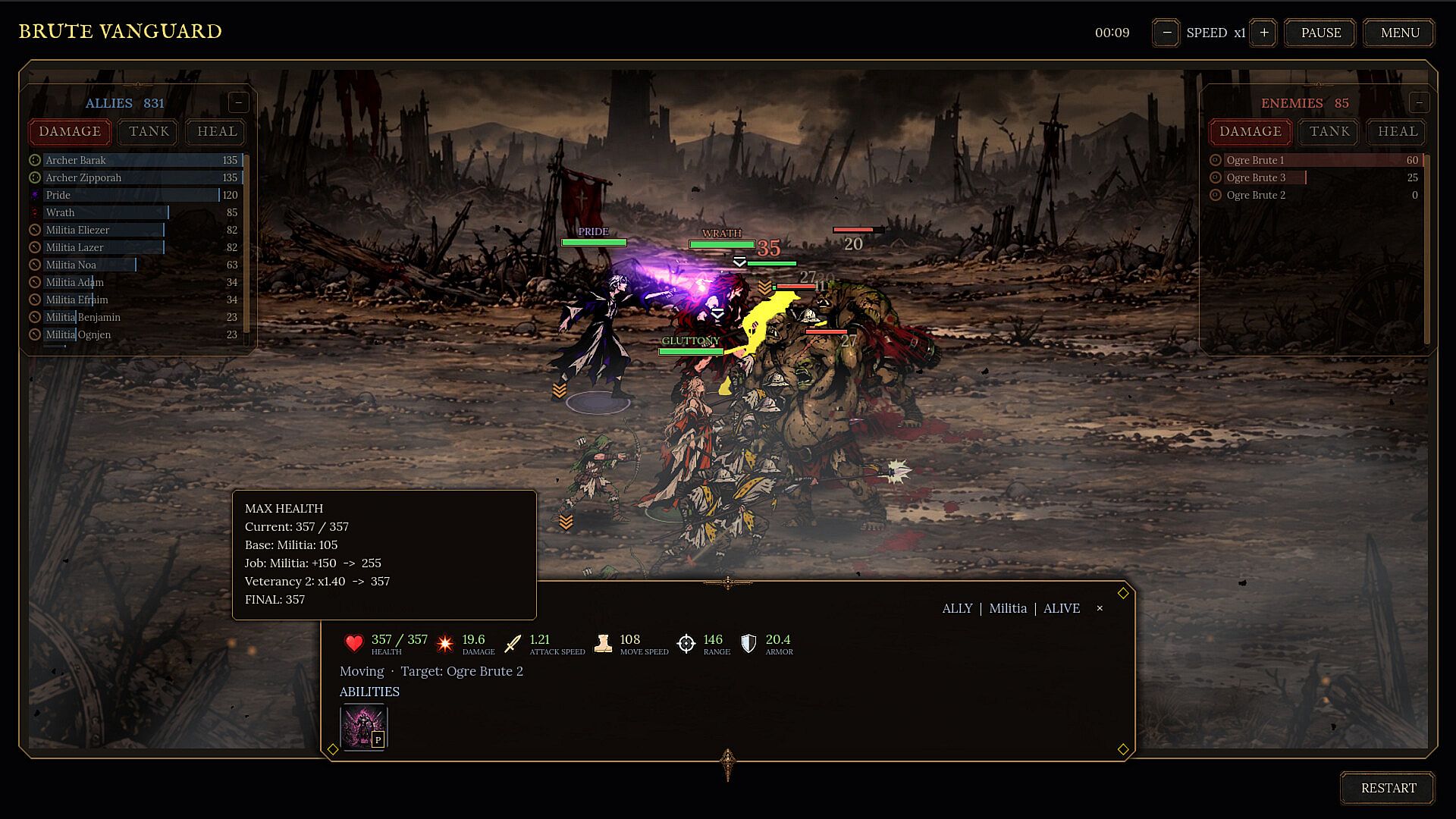
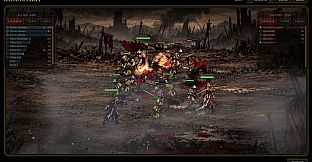
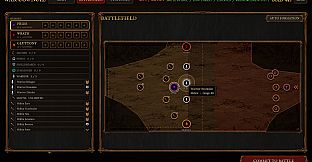
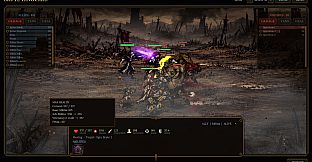
Before each fight, players inspect upcoming encounters to assess threats and rewards, then arrange formations to protect vulnerable units and counter expected enemy abilities. Once combat starts, units act autonomously in real time, selecting targets, moving, attacking, and triggering abilities without player intervention. This removes any option for manual control during battle and places full emphasis on pre-fight preparation and long-term company development.
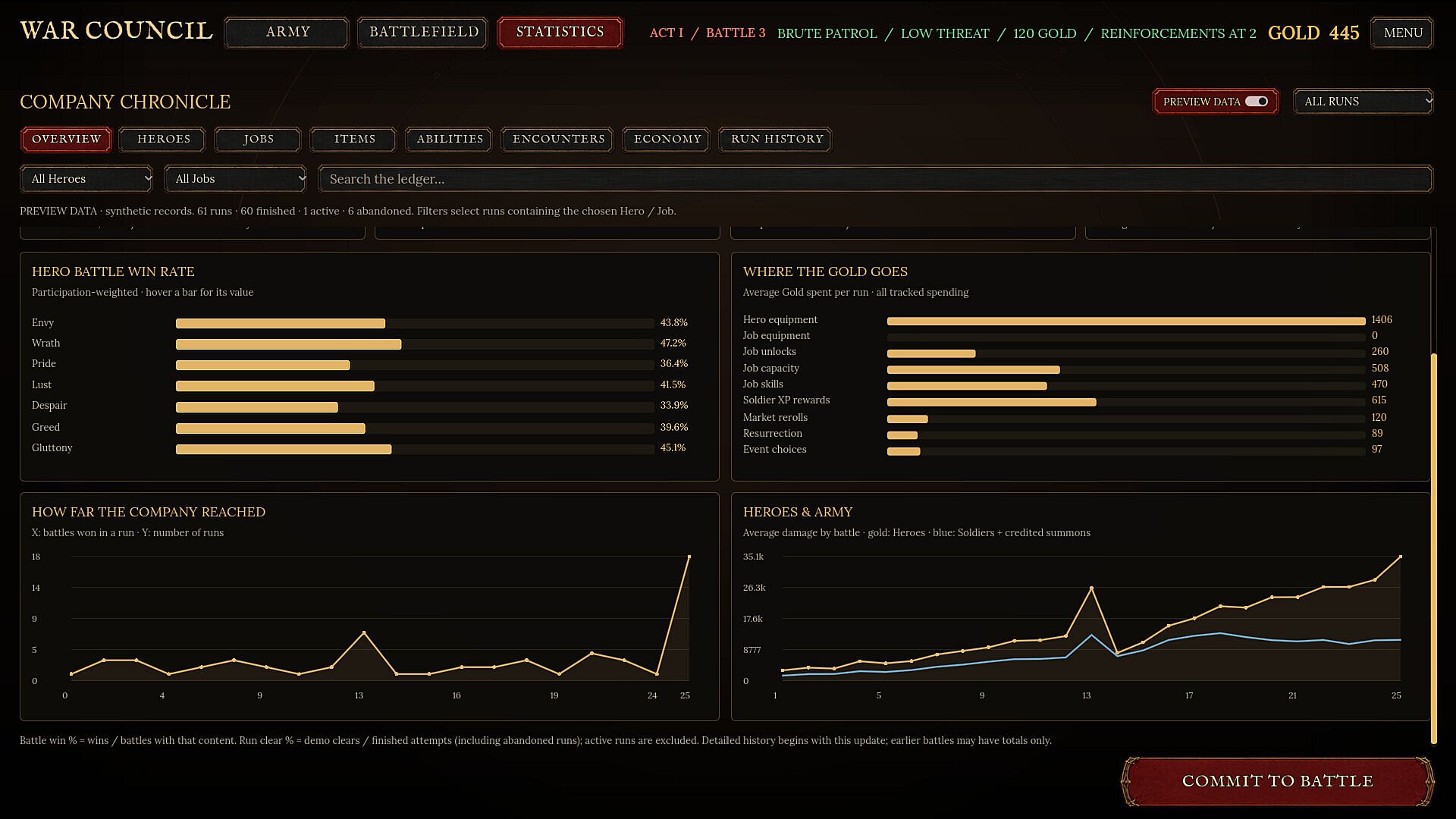
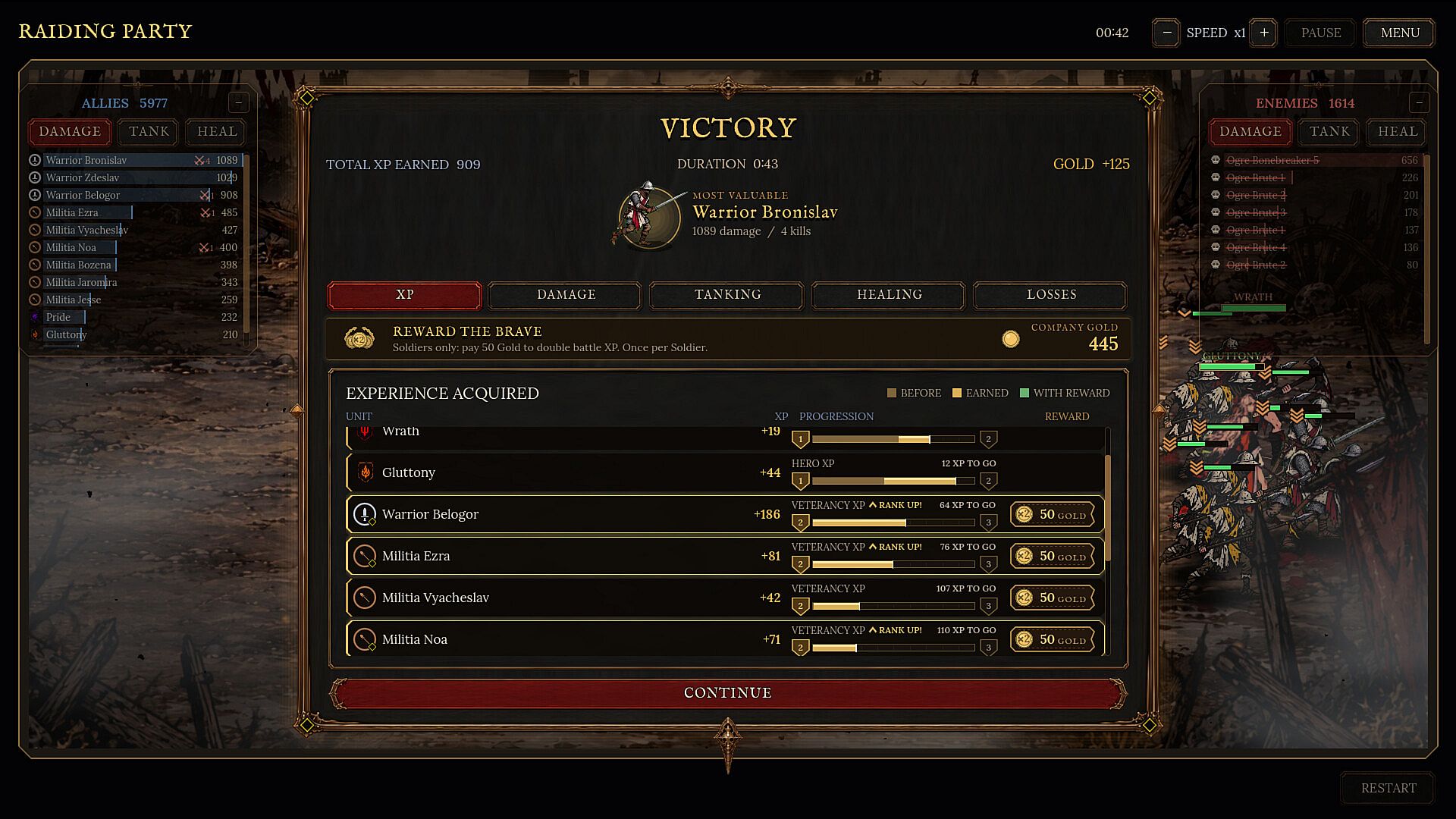
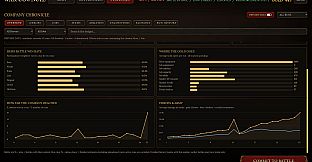
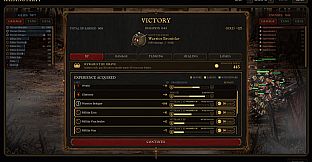
After battles, detailed reports break down damage dealt, damage taken, and survival contributions. Soldiers who endure gain experience and veterancy that improves their performance, while gold spent on rewards can accelerate their growth. Permanent soldier deaths mean every loss permanently alters available options, forcing ongoing adaptation.
Game Modes
The experience unfolds as a single-player PvE roguelite campaign structured around a series of increasingly difficult encounters. Progression moves through major acts where the player must execute the strongest hero after each one, leaving only survivors to continue. This mandatory reduction continues until a single hero remains, reshaping strategy around the remaining forces and their supporting army.
Encounter selection adds layers of decision-making, as players weigh risks against potential gains before committing to a fight. The autonomous combat means outcomes depend entirely on prior planning, formation choices, and the accumulated strength of the company rather than in-the-moment adjustments.
Company Building and Progression
Recruitment, equipment purchases, and ability unlocks all draw from the same limited treasury. Heroes can be revived at a cost, but that expense competes directly with needs for new soldiers, better gear, and job-wide upgrades. Shared skills and equipment across a job mean investments in one recruit benefit every future member of that profession, creating long-term value even after individual losses.
Veterancy earned by surviving soldiers provides a persistent edge, rewarding careful management and protection of key units. The market offers competing options for gold, requiring players to prioritize what best supports their current roster and anticipated challenges.
Is It Worth Playing?
Only One Hero suits players who enjoy roguelite progression combined with autobattler mechanics and permanent consequences. The emphasis on pre-battle planning, formation strategy, and adapting to losses creates a thoughtful loop where each run feels distinct based on which heroes and soldiers endure. Those drawn to dark fantasy themes and systems that punish over-reliance on any single unit will find the mandatory hero executions and mortal soldier deaths add meaningful tension to every decision.
The autonomous real-time combat rewards careful study of enemy encounters and detailed post-battle analysis rather than reflex-based play. Availability on PC makes it accessible for those seeking a focused single-player experience without multiplayer elements. If the described blend of army management, roguelite structure, and strategic preparation aligns with preferred gameplay styles, the title offers a distinctive take on the genre worth considering.












