


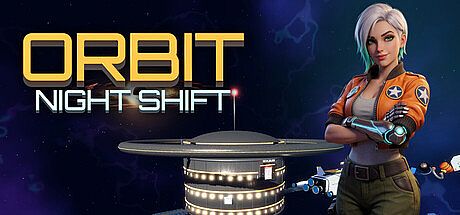


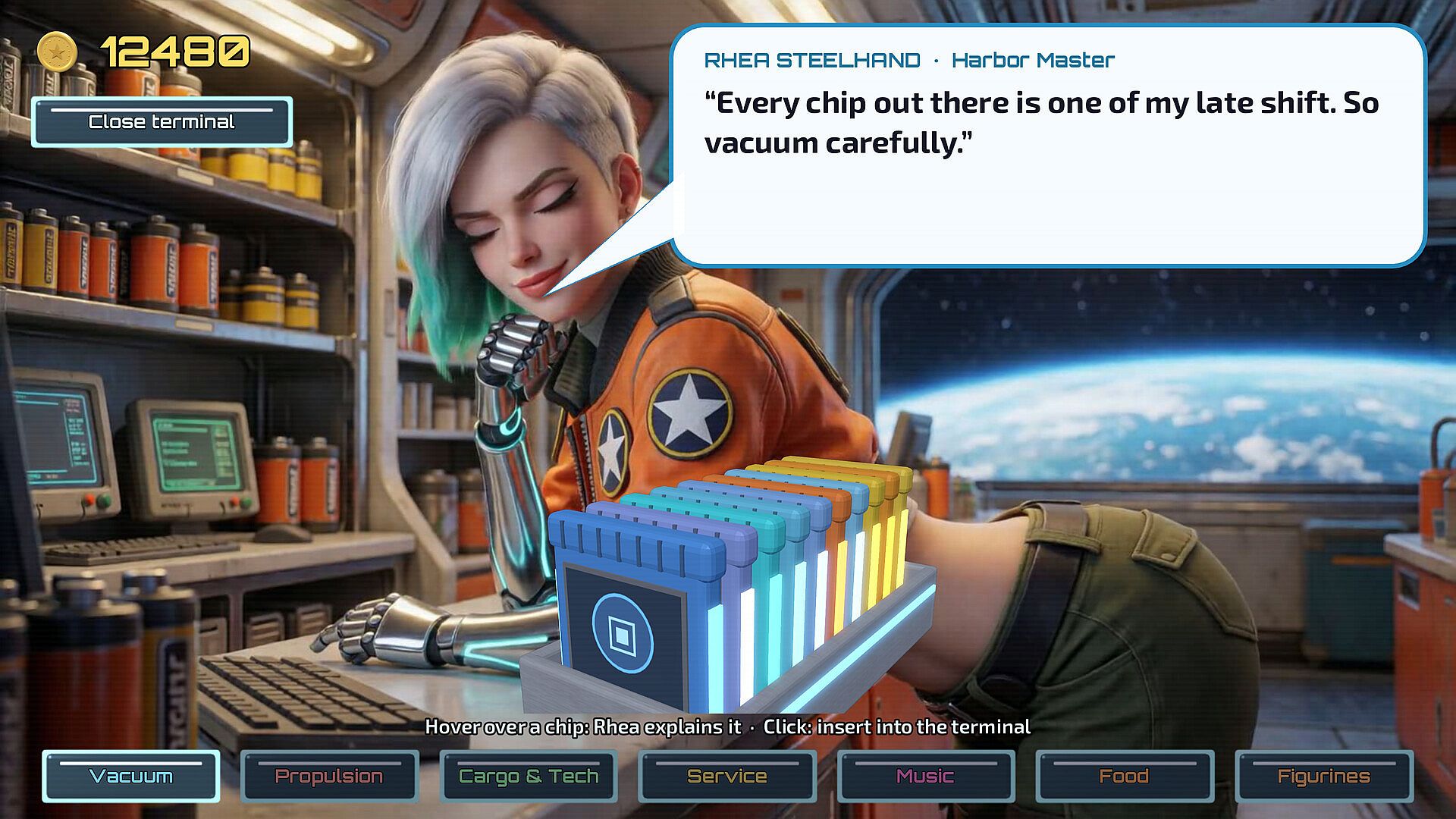
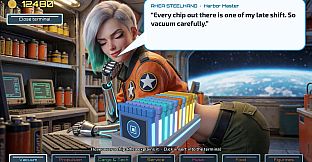
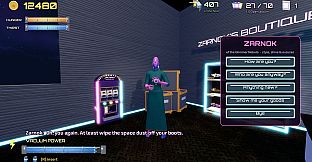
Orbit: Night Shift is an indie casual simulation game set in a fractured space station where players collect scrap and restore lost crew members. The story begins with the Great Rift that split the Star Harbor during a shift change, scattering seventy night shift workers across three galaxies inside gate-pass chips. As the scrap collector working for former harbor master Rhea Steelhand, the player gathers wreckage to fund the recovery effort while gradually bringing each character back online.
Gameplay
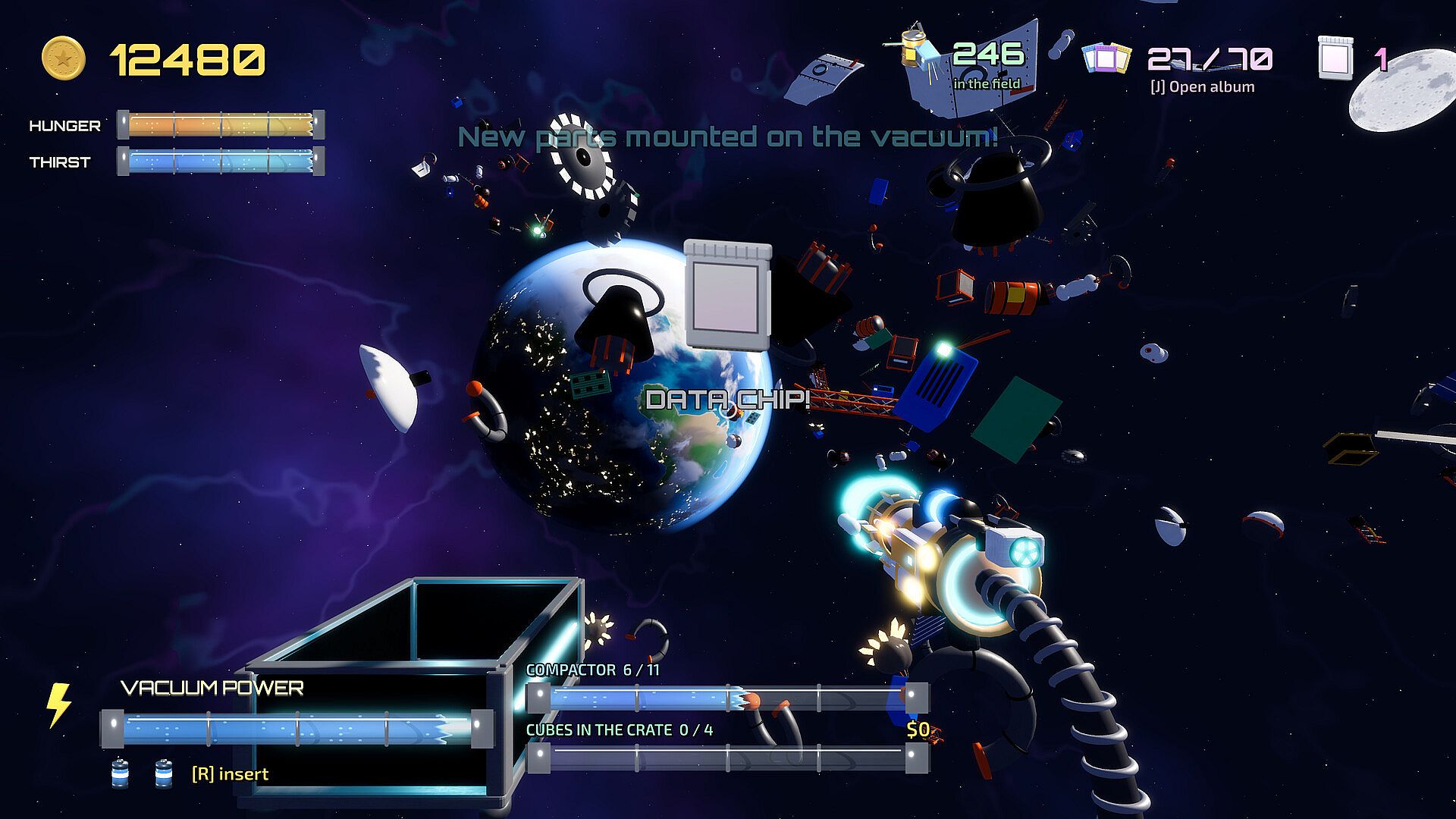
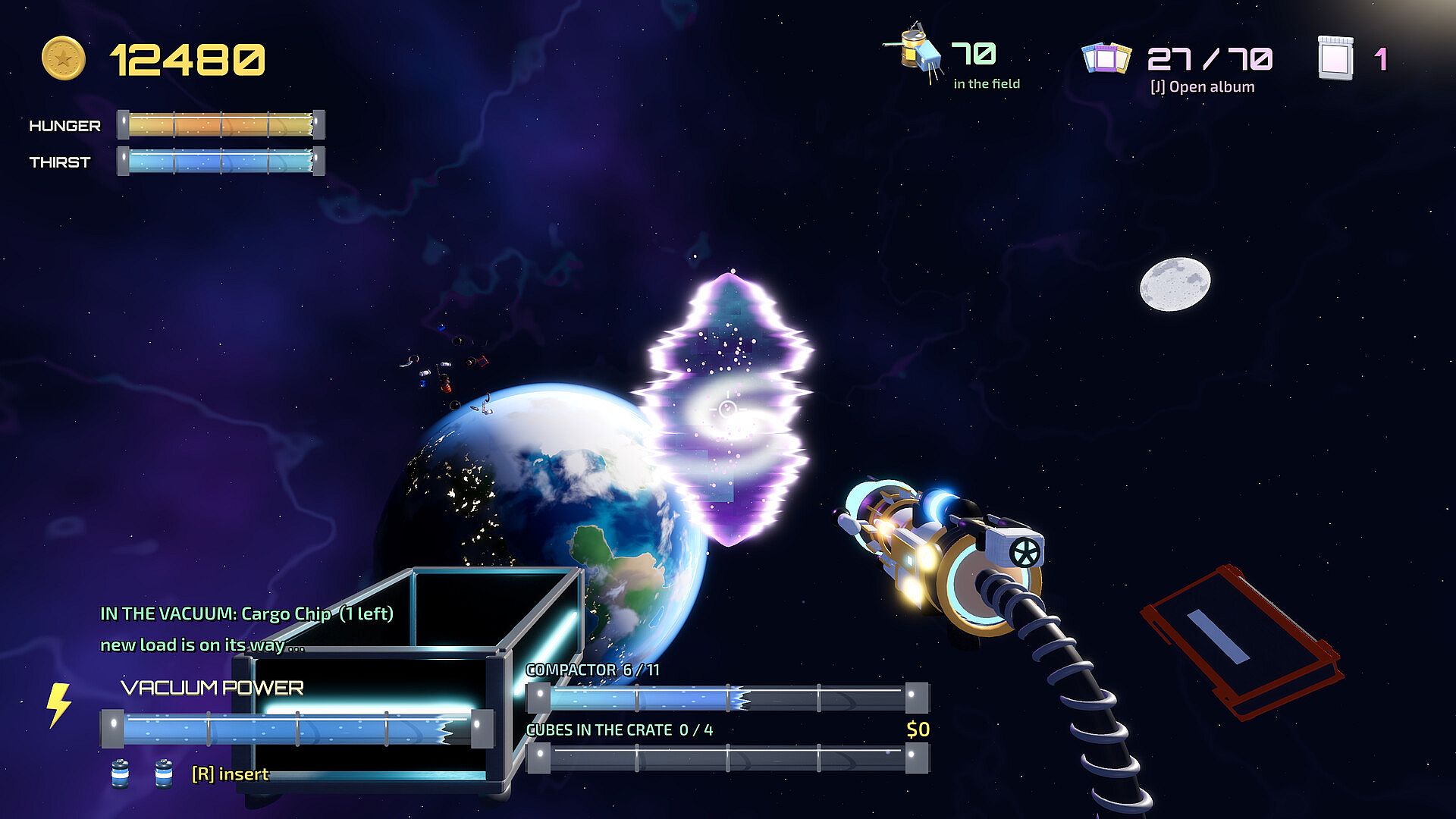
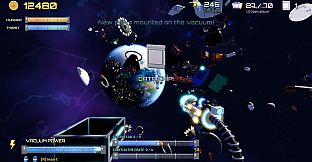
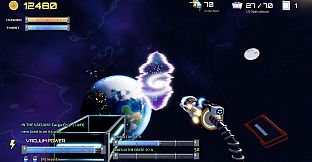
The core loop centers on vacuuming floating scrap with a specialized gun, compressing it into compact cubes, and loading those cubes into a cargo crate for delivery to a freighter. This process repeats across sessions as players explore debris fields pulled from open rifts. Each rift brings material from different galaxies, yielding higher-quality scrap, rarer chips, and occasionally new species that appear in the collected items.
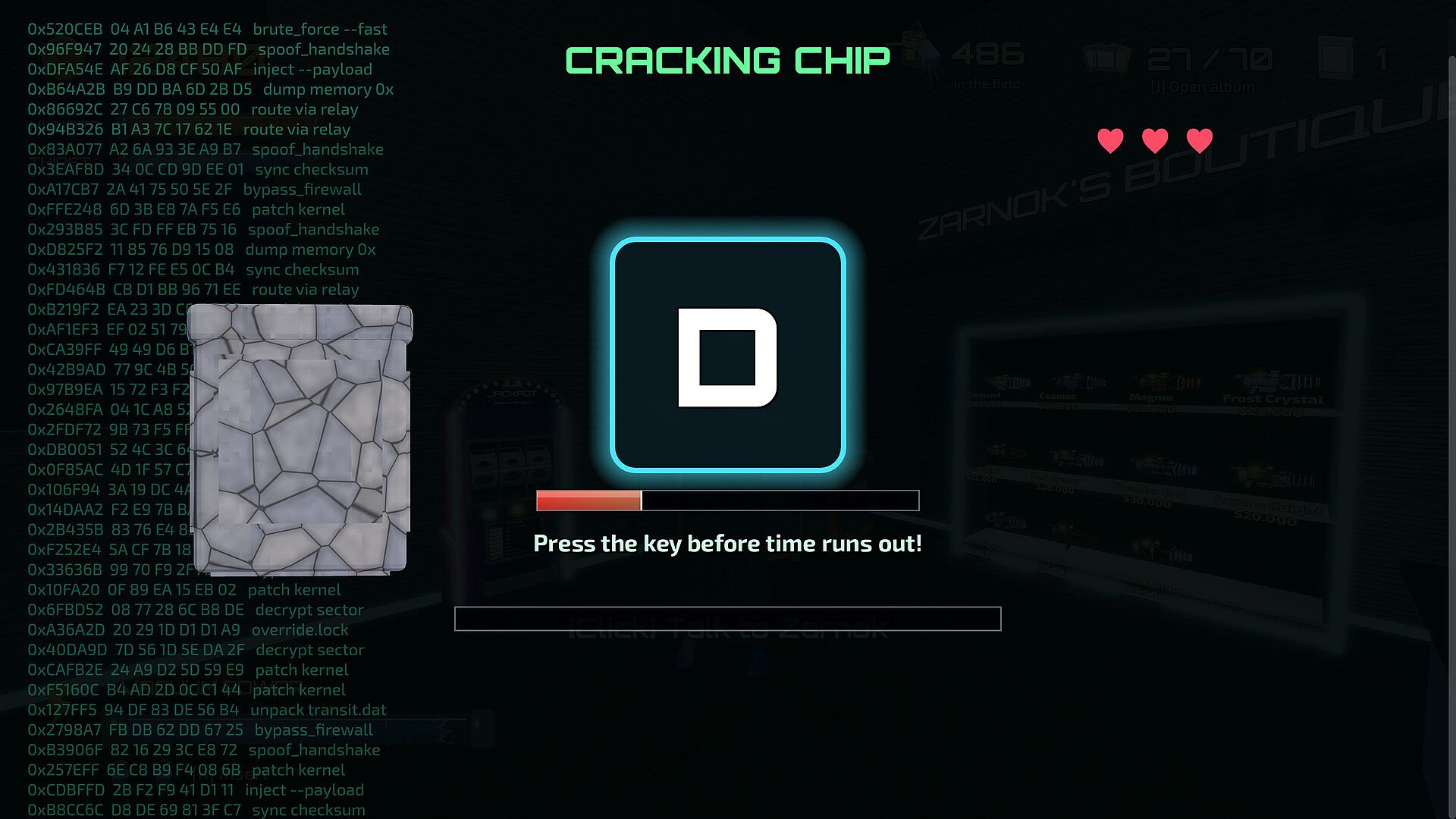
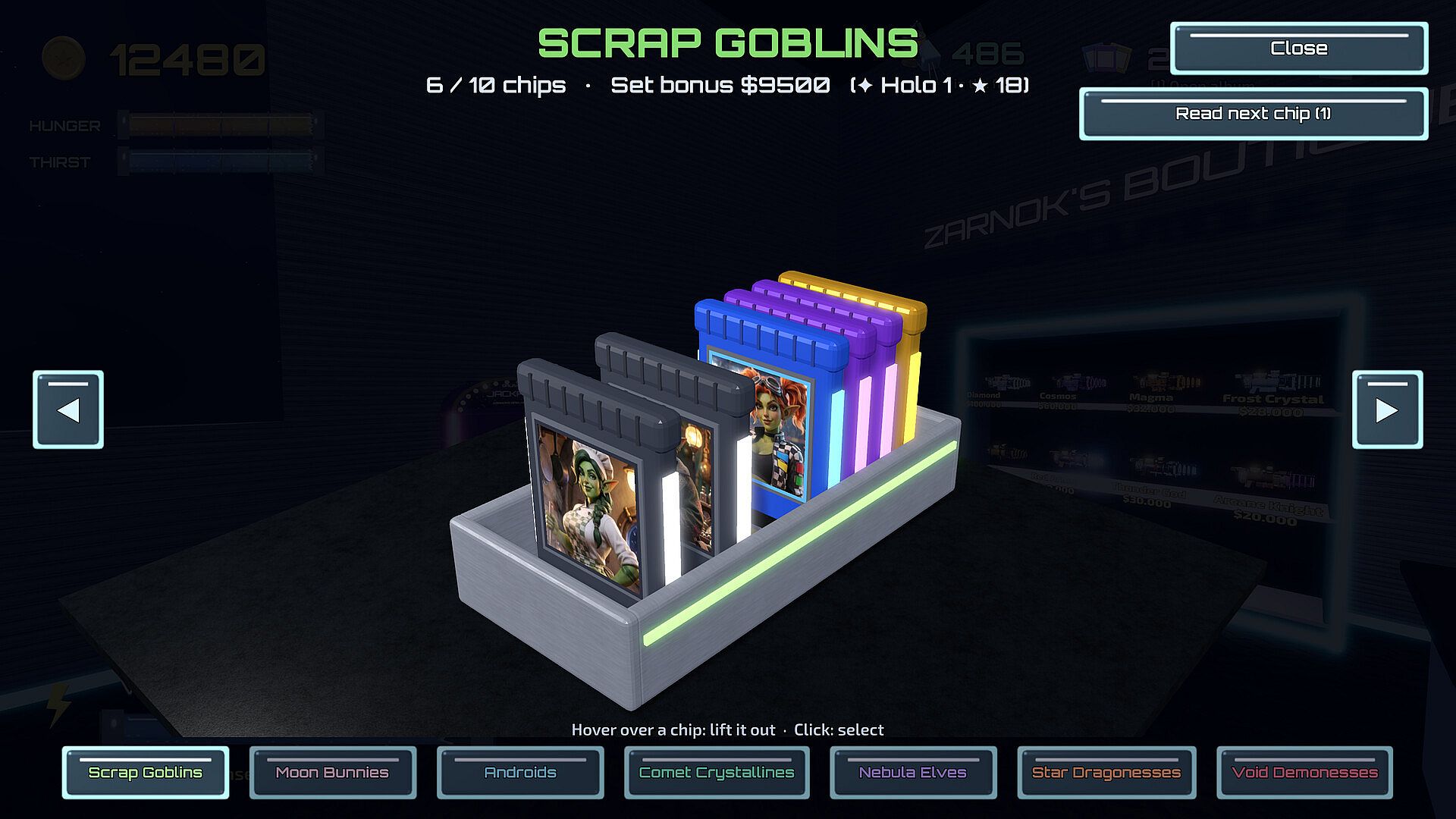
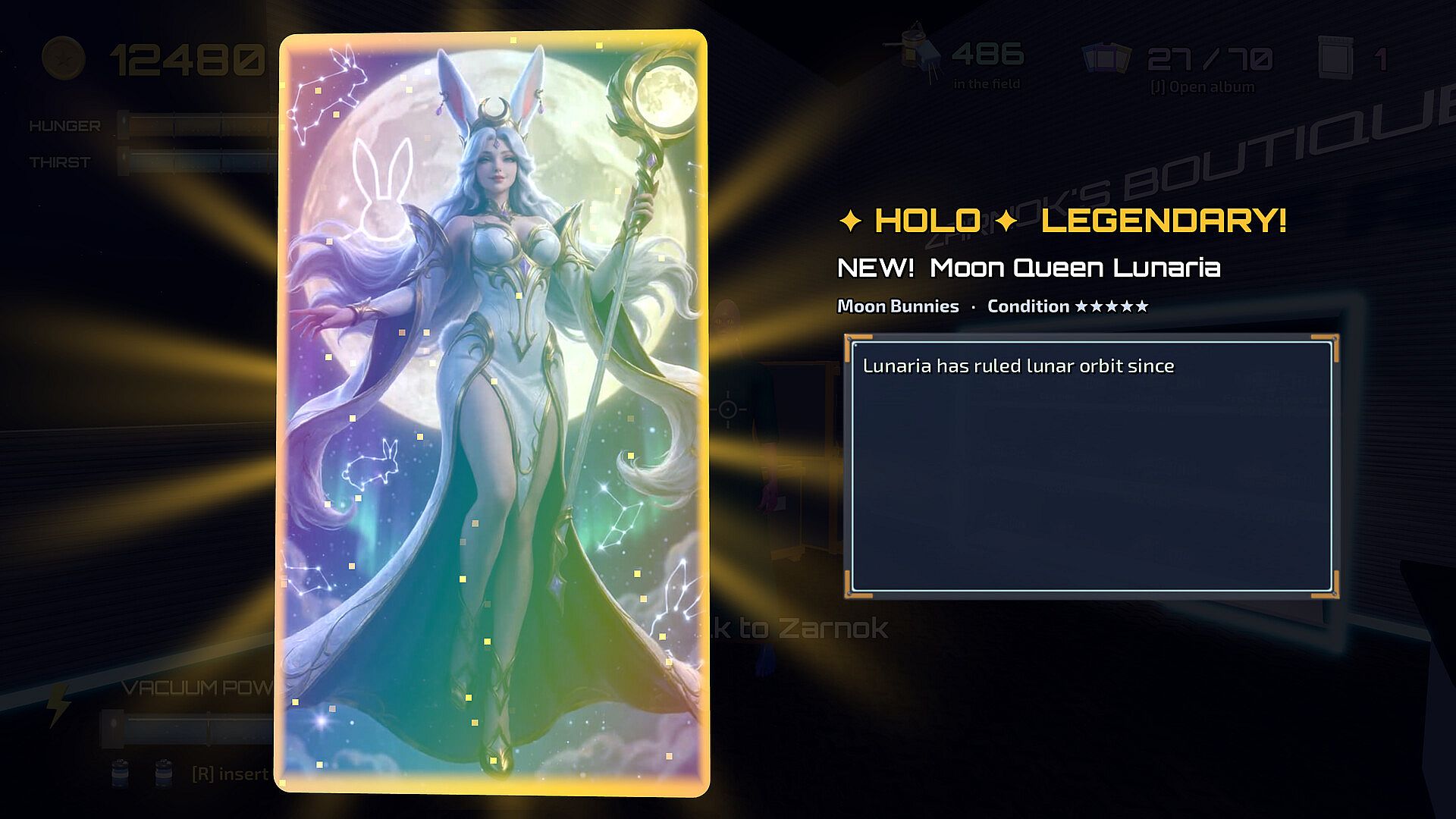
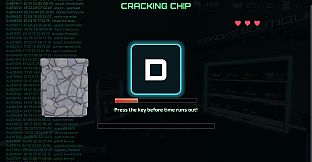
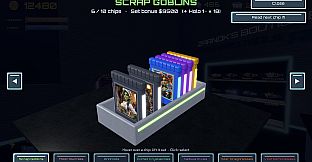
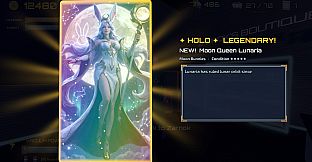
Scattered among the debris are gate-pass chips that require a short hacking minigame to activate. Once cracked, each of the seventy characters reveals an individual story, voice lines, and an animated portrait. These recoveries form the main progression goal and add narrative depth to the otherwise methodical collection work.
Players can invest collected resources into a wide range of upgrades. Available improvements include extended vacuum range, stronger suction, the ability to pull multiple items at once, larger batteries, a helper collector drone, a magnet orb, and temporary overdrive modes. These upgrades directly affect efficiency during scrap runs and encourage repeated play to optimize the collection process.
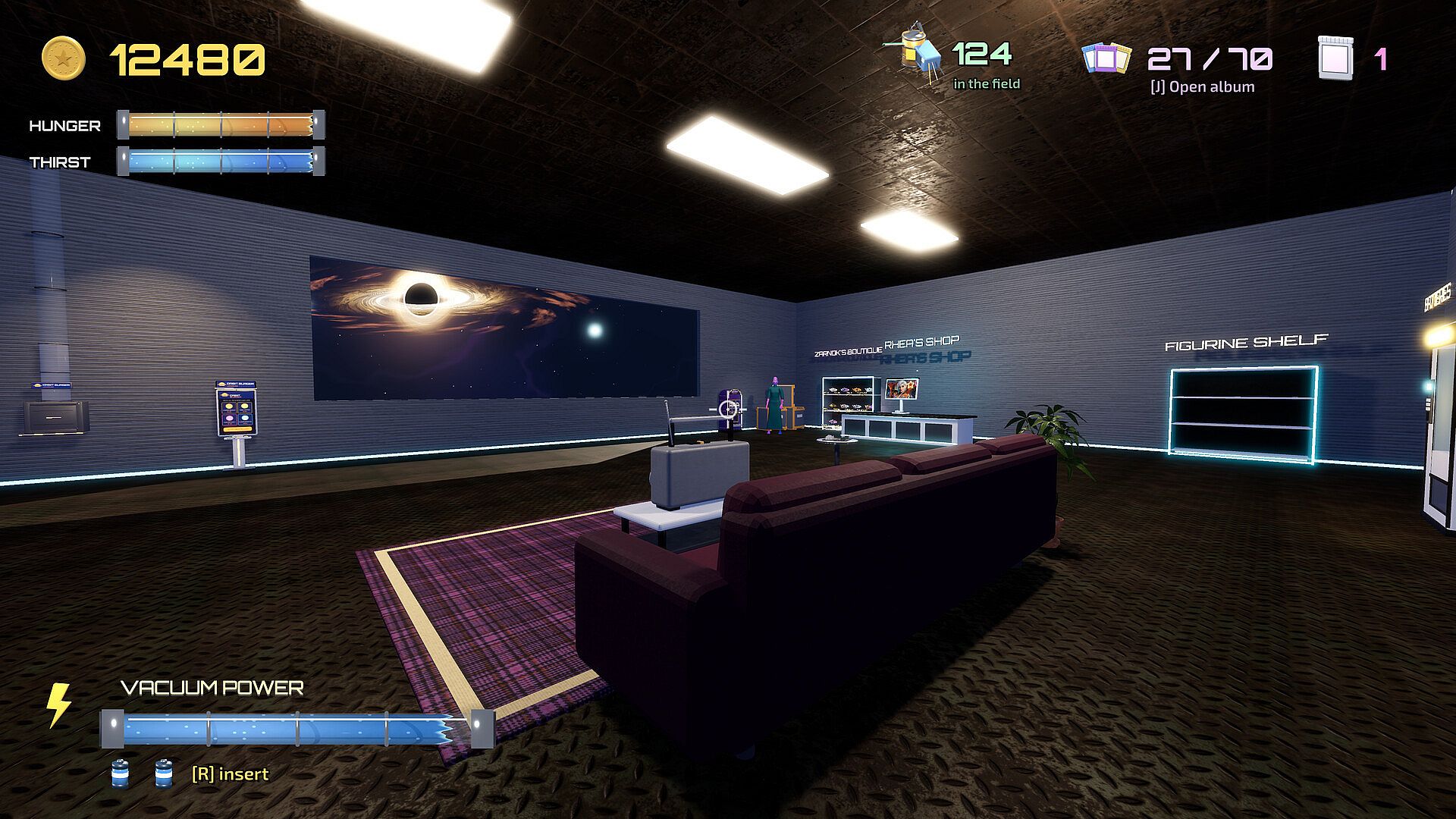
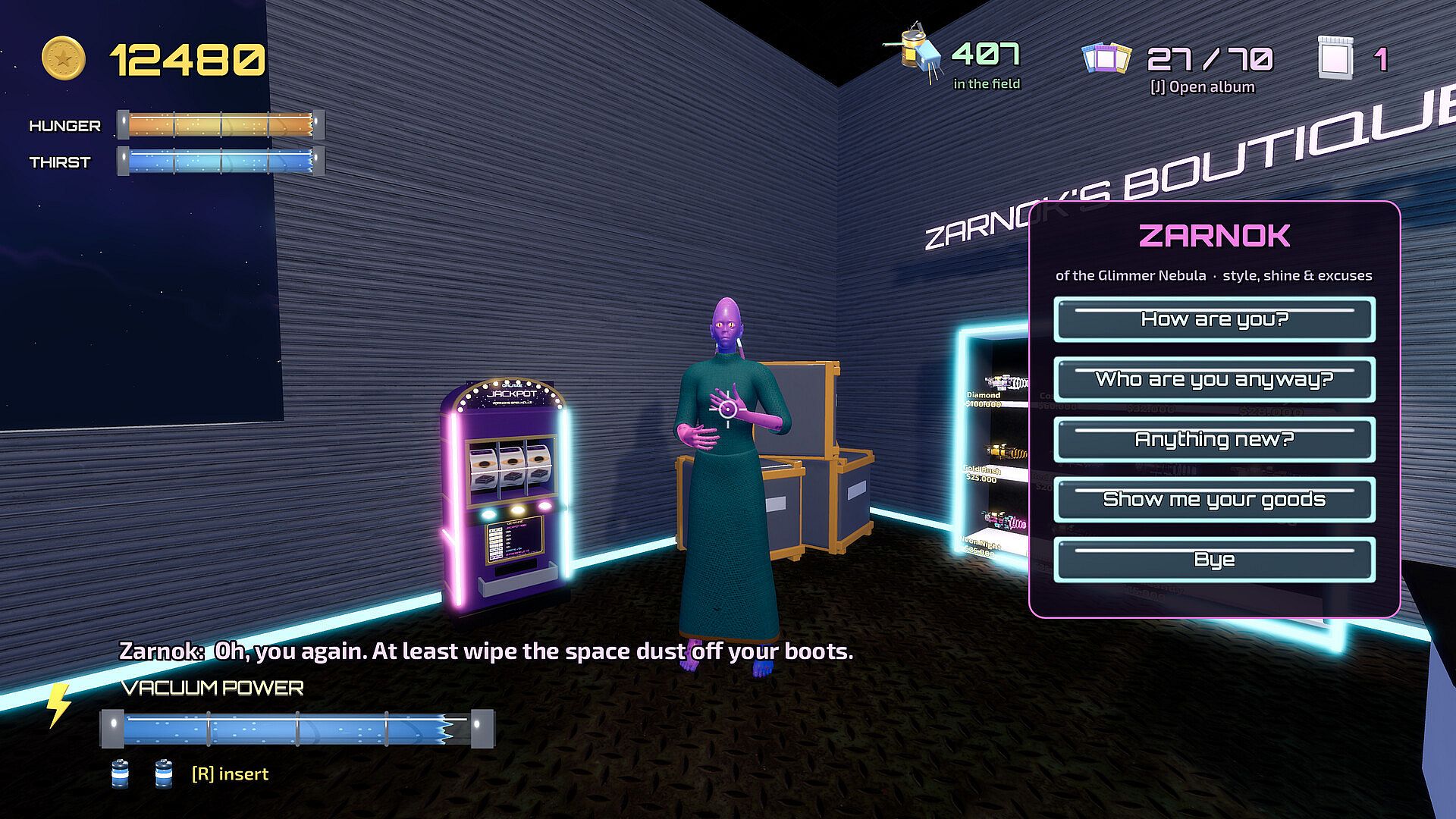
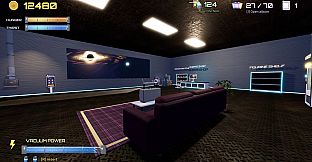
Between runs, the space station serves as a customizable hub. Players can furnish rooms, acquire pets, apply new skins to the vacuum tool, and play lo-fi beats from cassettes on a boombox. These personalization options provide a steady sense of progression outside the main collection cycle.
Game Modes
Orbit: Night Shift operates as a single-player experience with no separate multiplayer or competitive modes. The primary activity revolves around the scrap collection loop combined with chip recovery. Players open rifts to access new cargo pools, then return to the station to process and upgrade equipment before heading out again.
Progression follows a clear sequence: gather scrap, crack chips to wake crew members, apply upgrades, and expand the station. After the main objective of recovering all seventy characters is complete, the game supports continued play through ongoing rift exploration and station customization. Lootboxes appear naturally inside collected scrap and contain only in-game rewards, with no option for real-money purchases.
Station Customization and Progression
The station functions as both a functional base and a personal space. Furniture, room layouts, pets, and cosmetic items for the vacuum tool accumulate over time. Cassette tapes provide background audio that players can select during downtime. These elements reward consistent play without altering the core collection mechanics.
Resource management stays straightforward. Scrap converts into upgrade currency and station items, while rarer finds from advanced rifts accelerate progress. The three-galaxy rift system introduces variety by changing the quality and type of available cargo on each run.
Is It Worth Playing?
Orbit: Night Shift suits players who enjoy methodical collection loops, incremental upgrades, and light narrative elements delivered through character portraits and voice lines. The single-player casual simulation structure emphasizes steady advancement over fifteen to twenty hours of focused play to recover the full crew, with additional hours available afterward through continued rift runs and station building.
Because the game contains no real-money transactions and keeps all rewards inside the in-game economy, it appeals to those seeking a self-contained experience. The combination of vacuum-based collection, simple hacking puzzles, and station personalization creates a relaxed pace that fits short or extended sessions. Players interested in indie simulation titles with a space theme and no competitive pressure will find the described systems align with that preference. The title remains scheduled for release in Q2 2027, so final reception will depend on how the full implementation delivers on these core features.












