

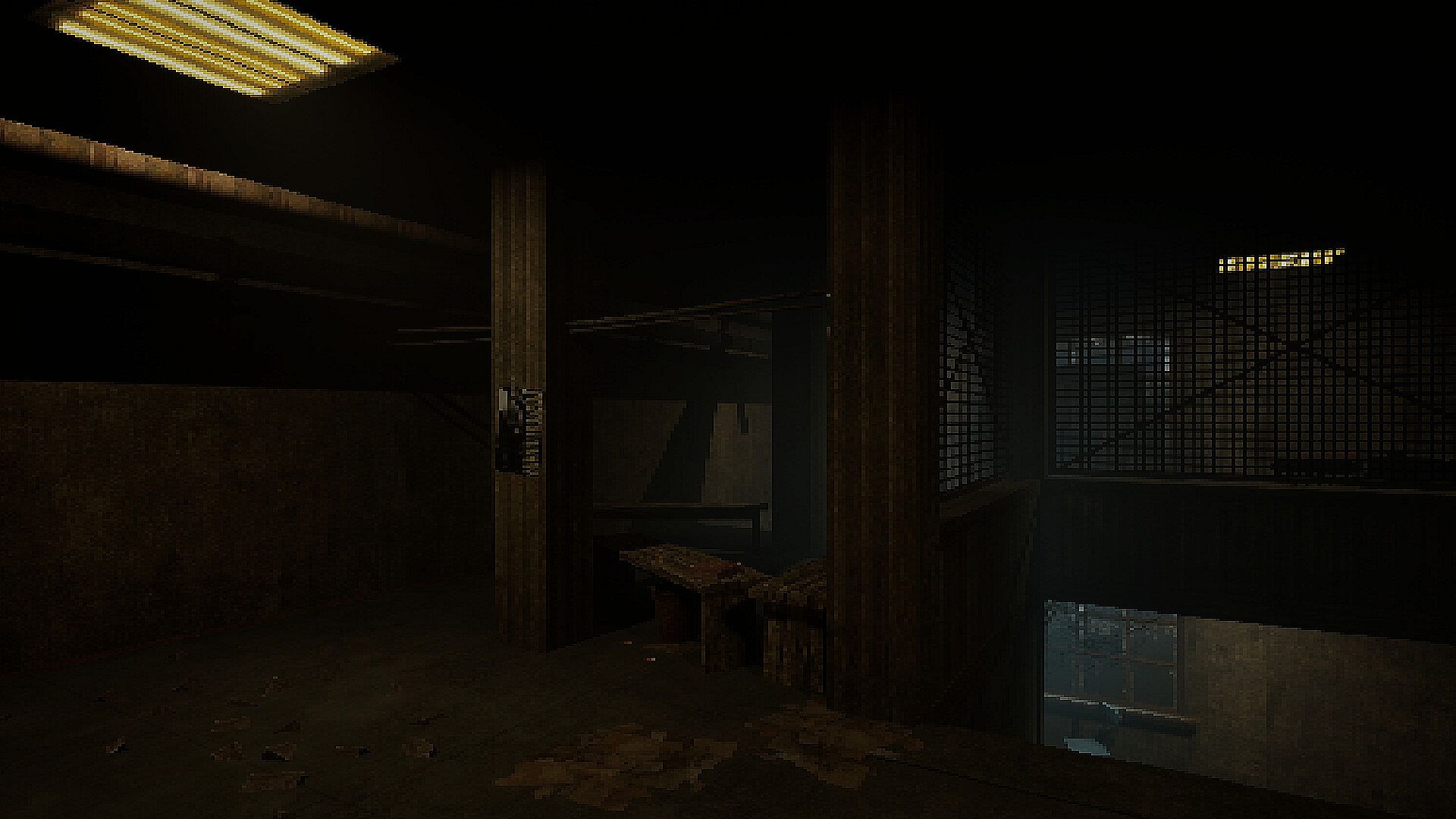
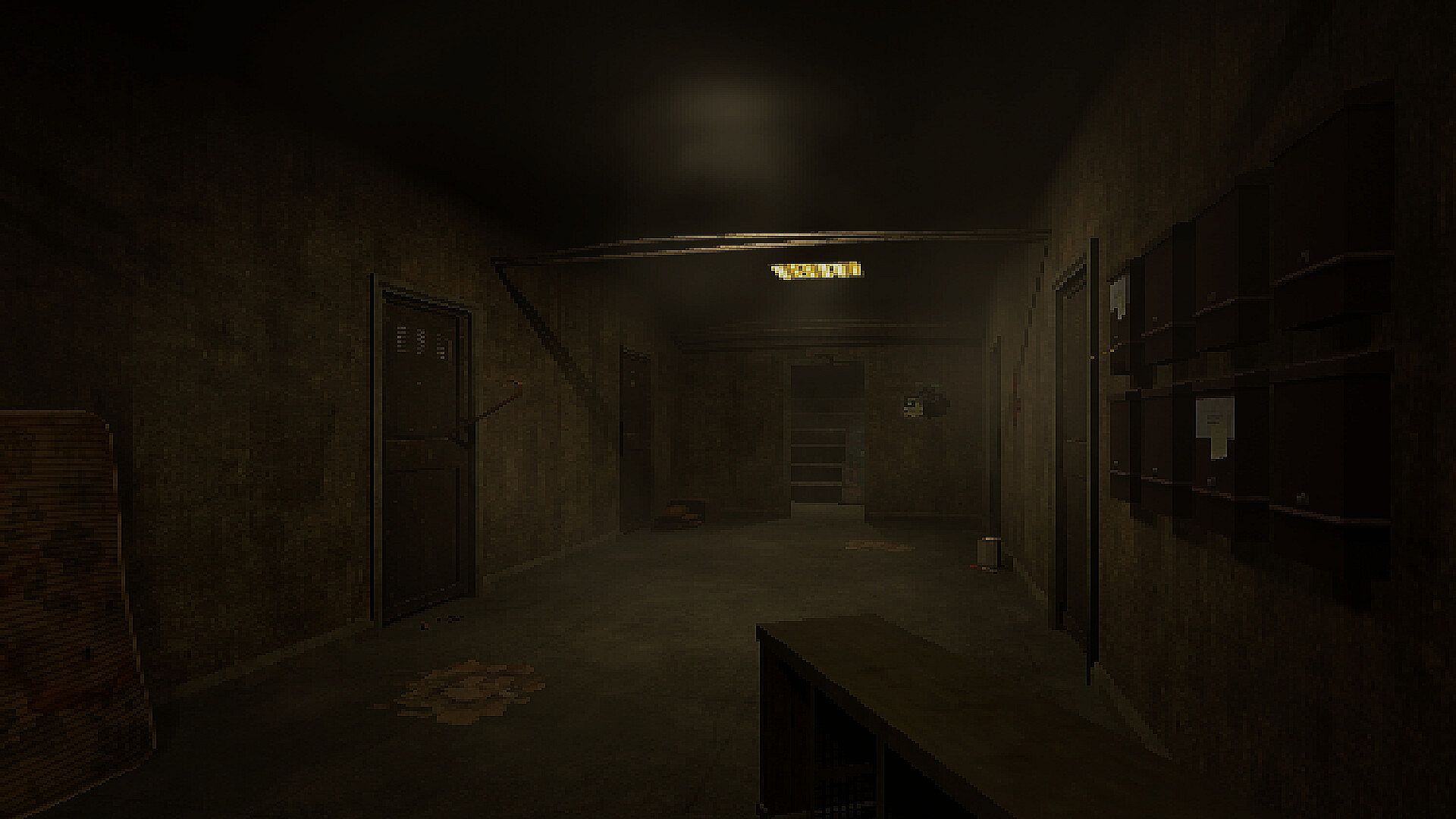
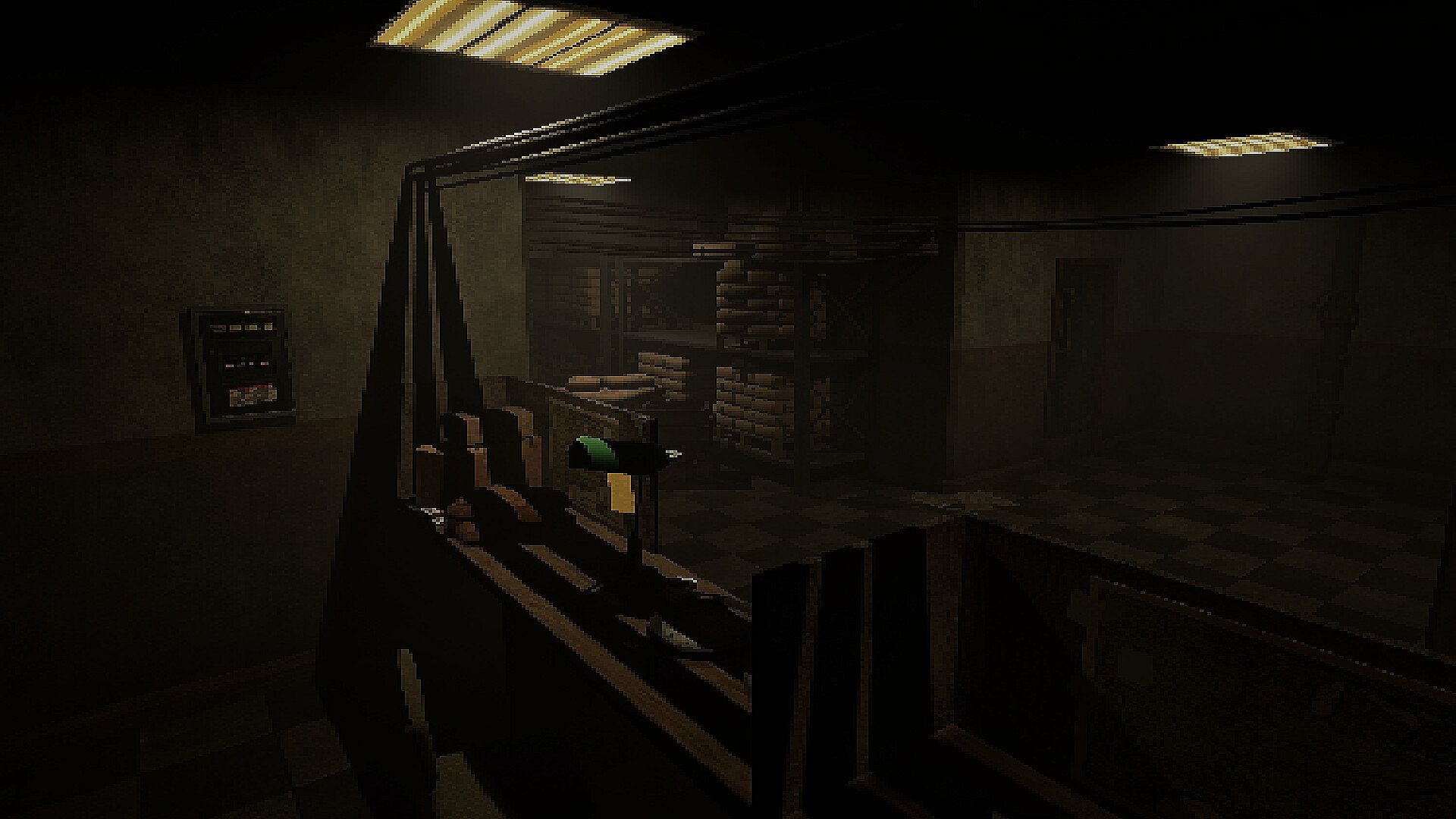
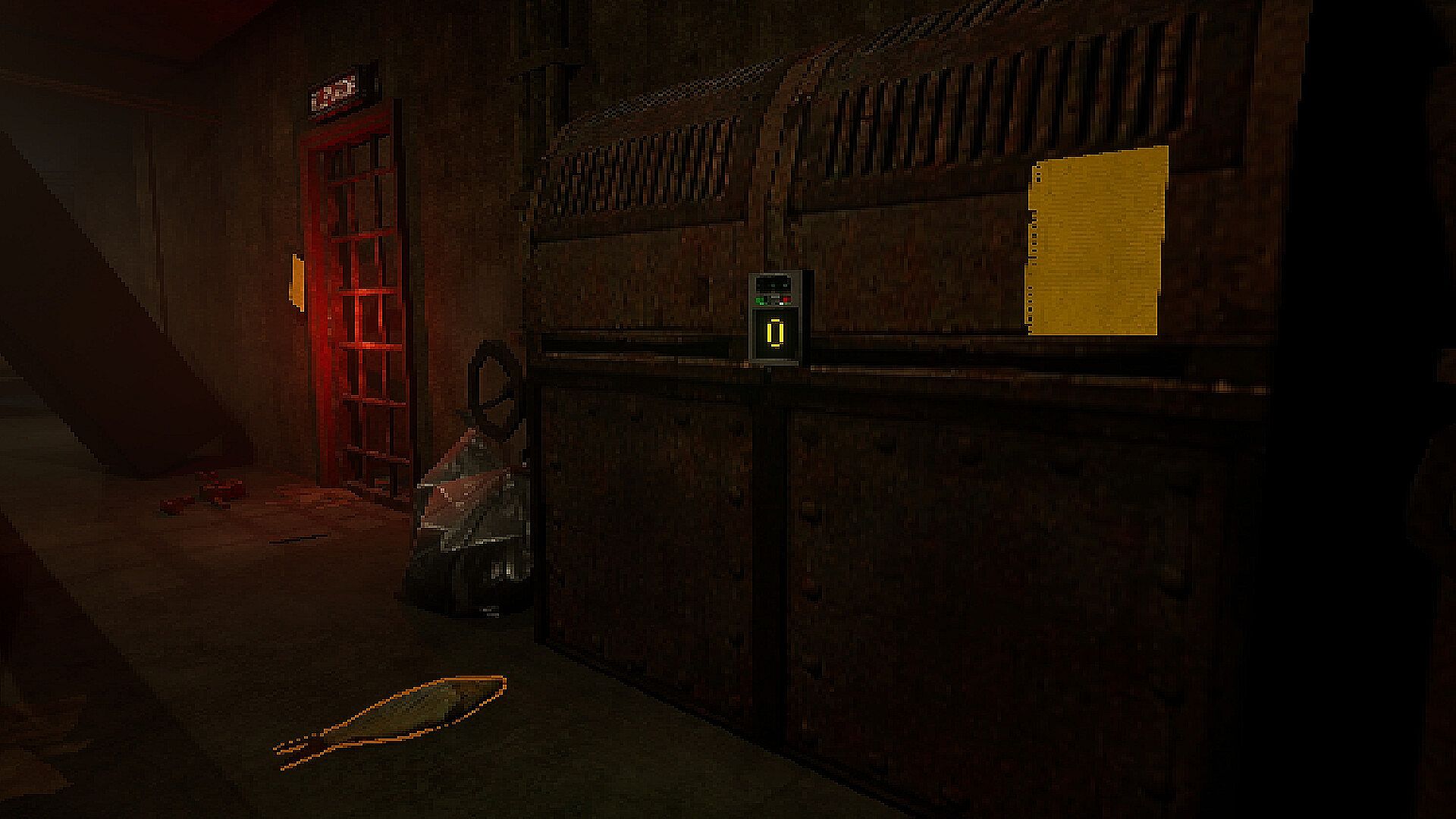
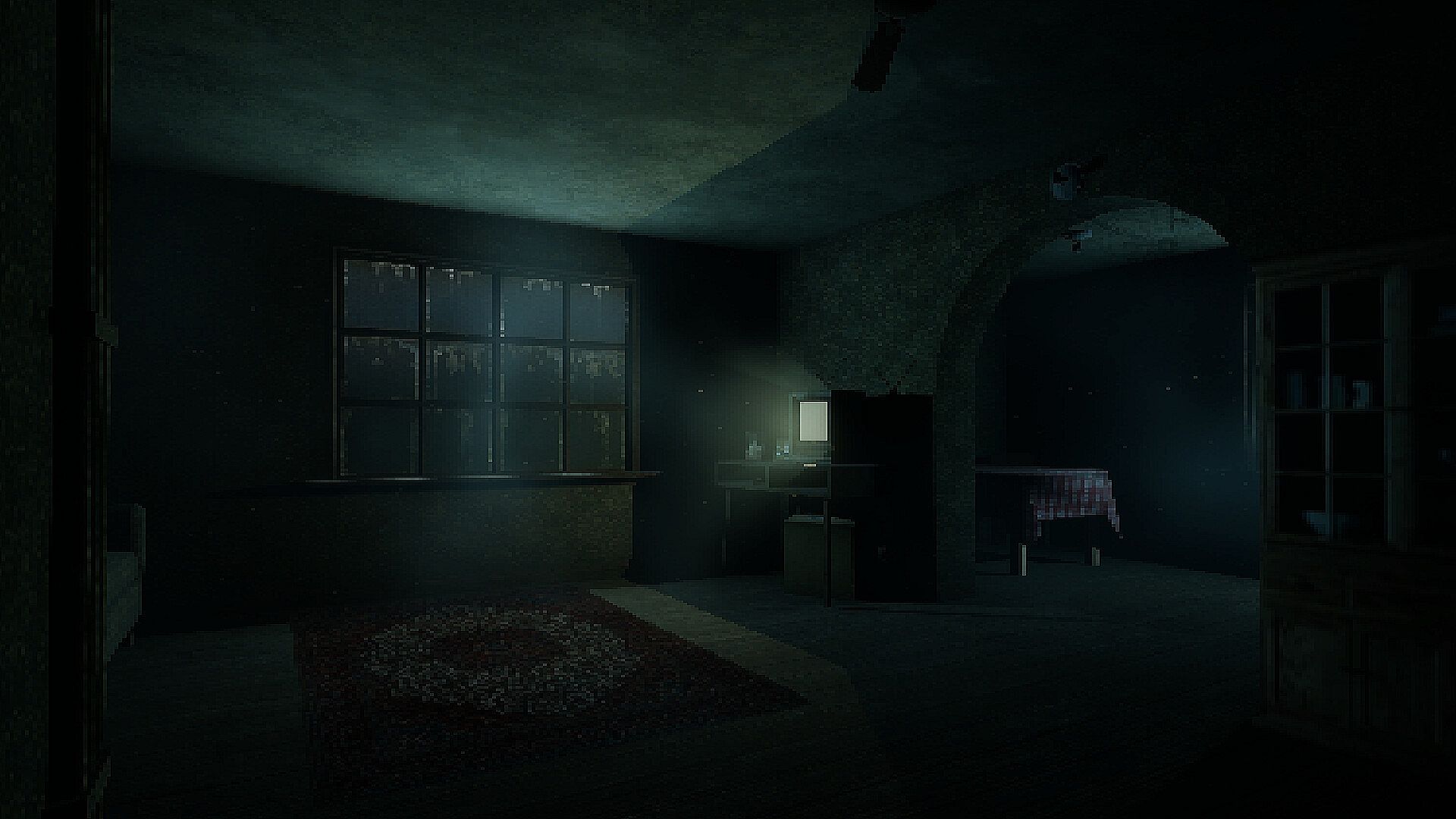
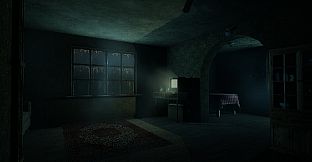
OSAD is an indie adventure game developed for PC that unfolds in an alternate history where global catastrophe looms and Poland has sealed its borders. Players step into the shoes of a solitary garbage collector navigating the final hours of ordinary life amid extraordinary circumstances. The experience centers on routine tasks set against a backdrop of isolation and impending change, blending everyday mundanity with subtle narrative tension.
Gameplay
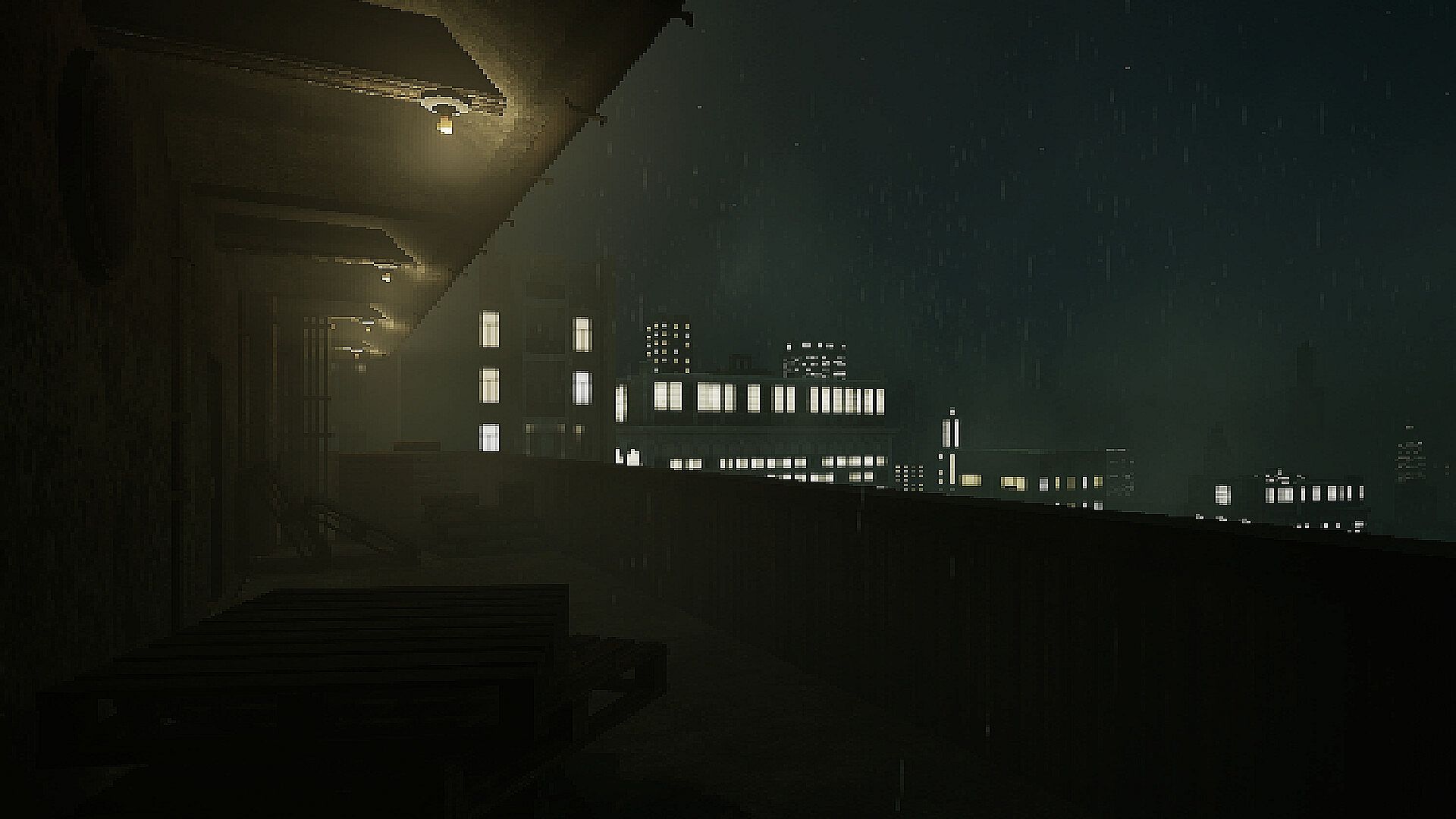
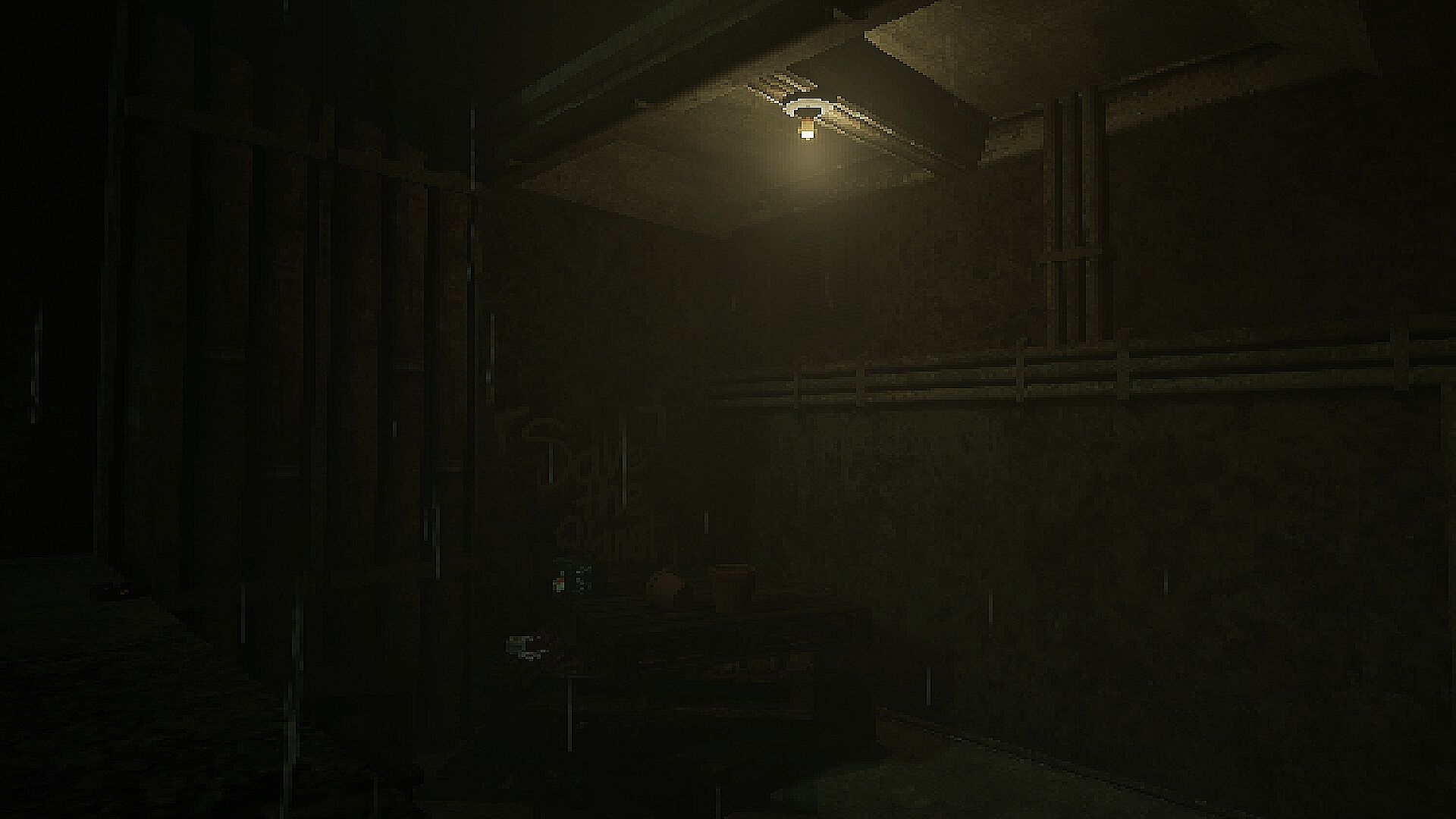
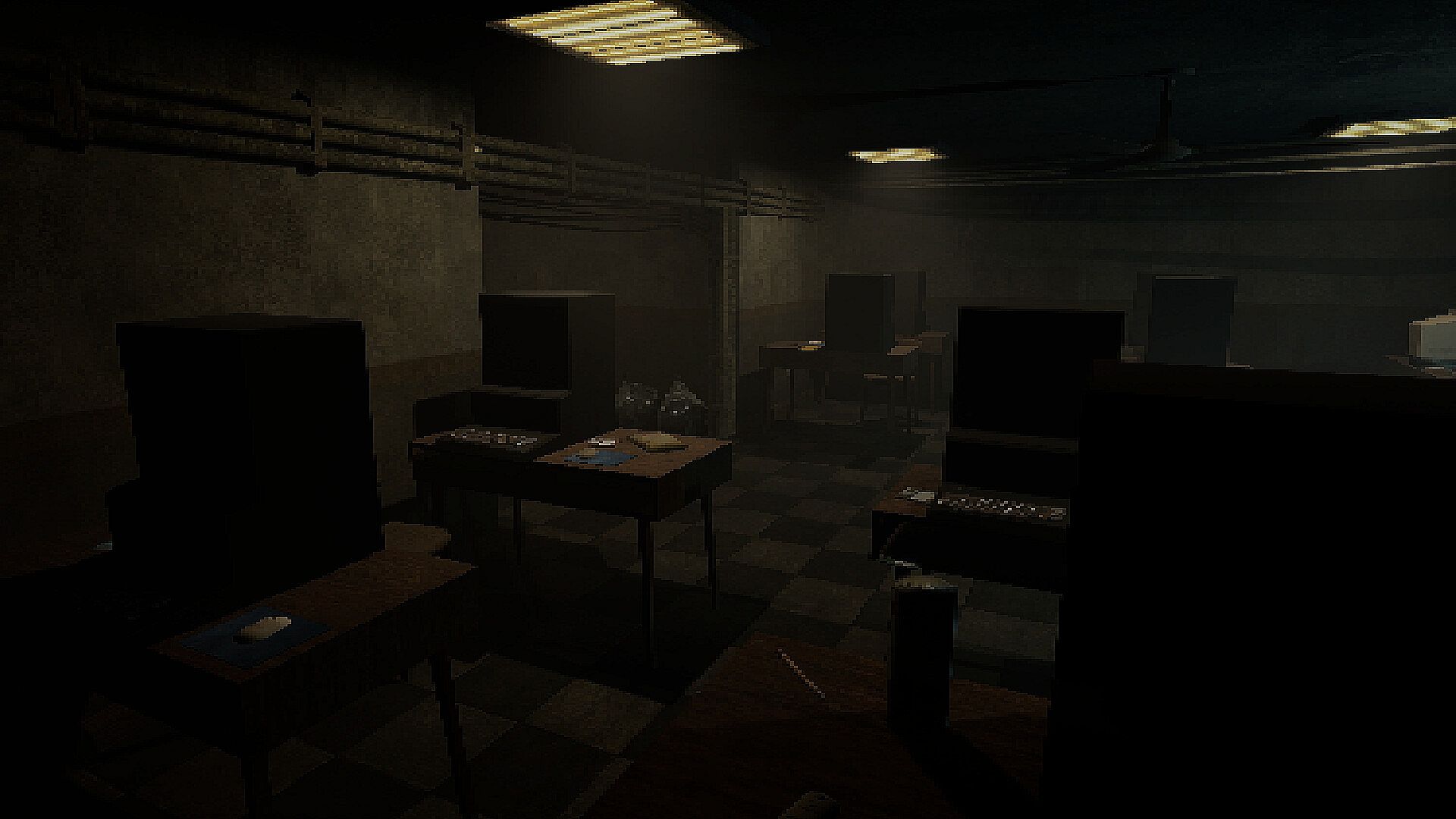
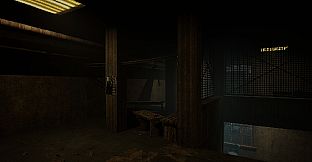
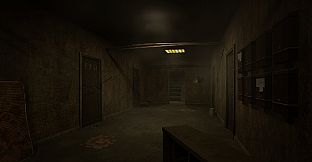
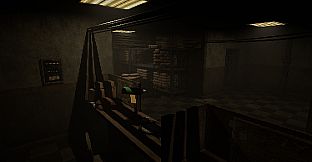
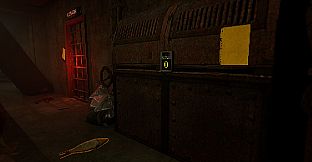
The core loop revolves around collecting and disposing of trash in a detailed urban environment. Players move through stairwells, apartments, and public spaces while managing practical obstacles such as a malfunctioning elevator, damaged infrastructure, and tools that pose real risks during use. Each action follows a deliberate pace, emphasizing observation and repetition as the character performs his job without fanfare. Environmental details like steep stairs or vandalized areas require careful navigation, turning simple errands into a grounded simulation of physical labor and personal endurance. The mechanics highlight the beauty and hardship of daily existence, with interactions focused on finding discarded items, handling them safely, and progressing through the day in a consistent rhythm.
Game Modes
OSAD operates as a single-player adventure without distinct multiplayer components or named game modes. The entire experience unfolds through one continuous narrative thread that follows the protagonist's workday. Progression relies on completing the sequence of collection tasks and environmental encounters in sequence, allowing players to absorb the setting at their own pace. There are no competitive, cooperative, or branching mode options confirmed in the game's design, keeping the focus squarely on the solitary routine and its atmospheric context.
Setting and Atmosphere
The world of OSAD presents an unknown year in which international alliances form to confront an existential threat, yet Poland's sudden closure creates a mystery isolated from outside view. This alternate history frames the garbage collector's ordinary path through familiar Polish urban spaces now tinged with uncertainty. Details emerge through environmental storytelling rather than exposition, revealing layers of social and personal strain without overt explanation. The atmosphere balances quiet resignation with moments of reflection, underscoring themes of routine persistence even as larger events unfold beyond the character's immediate reach.
Narrative Focus
Story elements surface through the protagonist's interactions with his surroundings and the repetitive nature of his work. Phone calls from the office, encounters with hazardous conditions, and the simple act of clearing debris all contribute to a portrait of life continuing amid decline. The narrative avoids high-stakes action in favor of introspective moments that capture both the sorrow and quiet dignity of the situation. Players witness the end of the world through the lens of one man's unchanging responsibilities, creating a personal perspective on broader events.
Is It Worth Playing?
OSAD suits players drawn to atmospheric indie adventures that prioritize mood, routine simulation, and subtle storytelling over conventional action or progression systems. Its single-player structure and emphasis on grounded tasks offer a distinctive take on dystopian themes, appealing to those interested in alternate-history settings and the human side of crisis. With a planned release in Q1 2027 and no user reviews available yet, the game remains in a pre-release state where wishlist interest can track future updates. Those who value deliberate pacing and environmental detail may find the experience rewarding once it launches, particularly if the premise of everyday life in isolation resonates with their preferences for thoughtful, non-action-oriented adventures.