


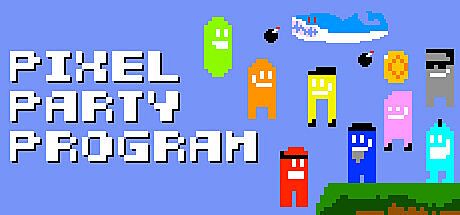



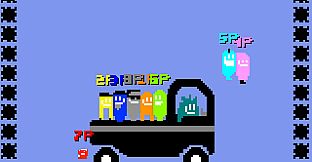
Pixel Party Program delivers a fast paced local multiplayer experience built around short chaotic rounds on a single screen. This action indie casual title supports two to eight players sharing one PC with gamepads or a keyboard for one participant. Matches unfold without any single player option or online components, keeping the focus entirely on couch or desk side group play.
Gameplay
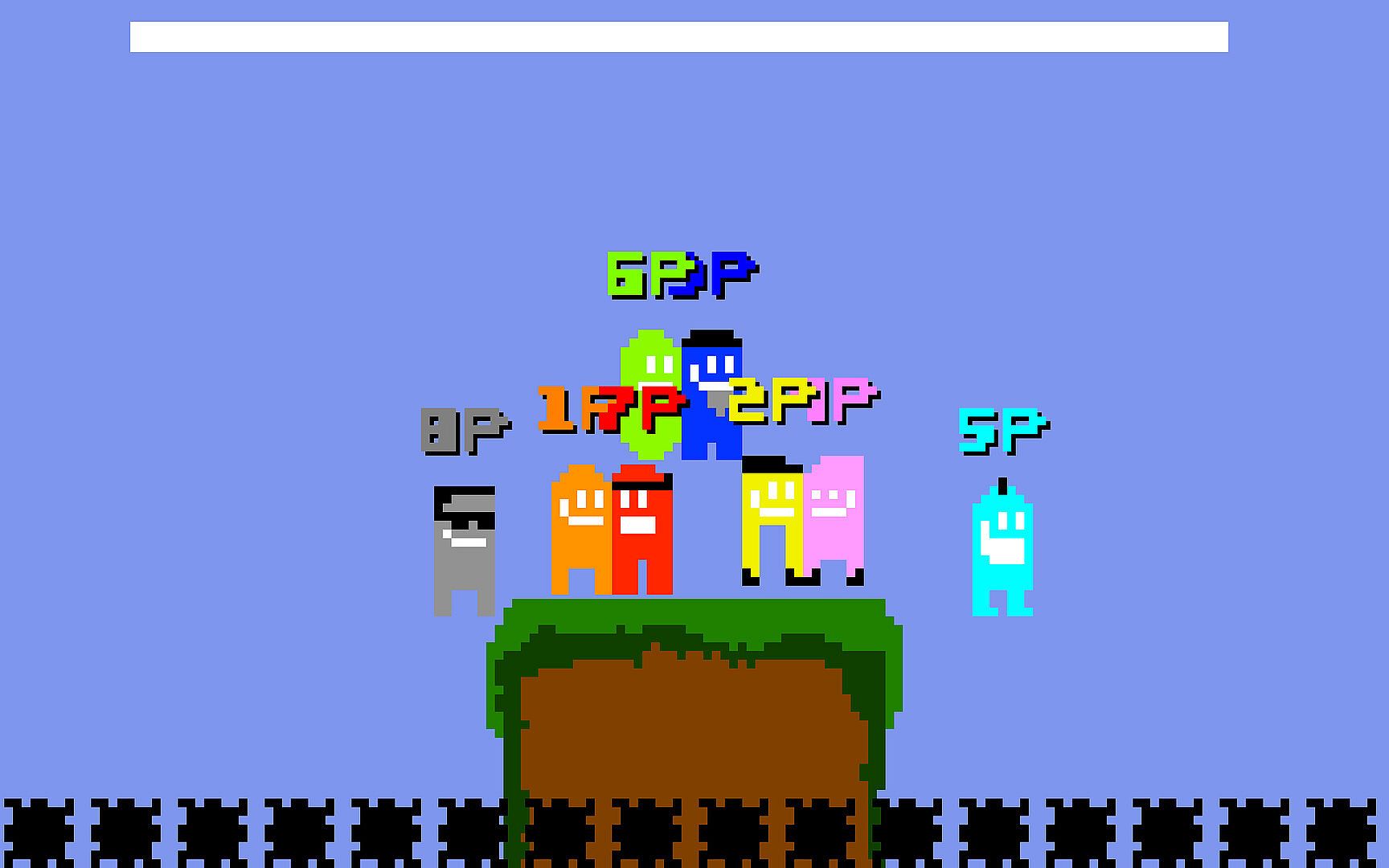
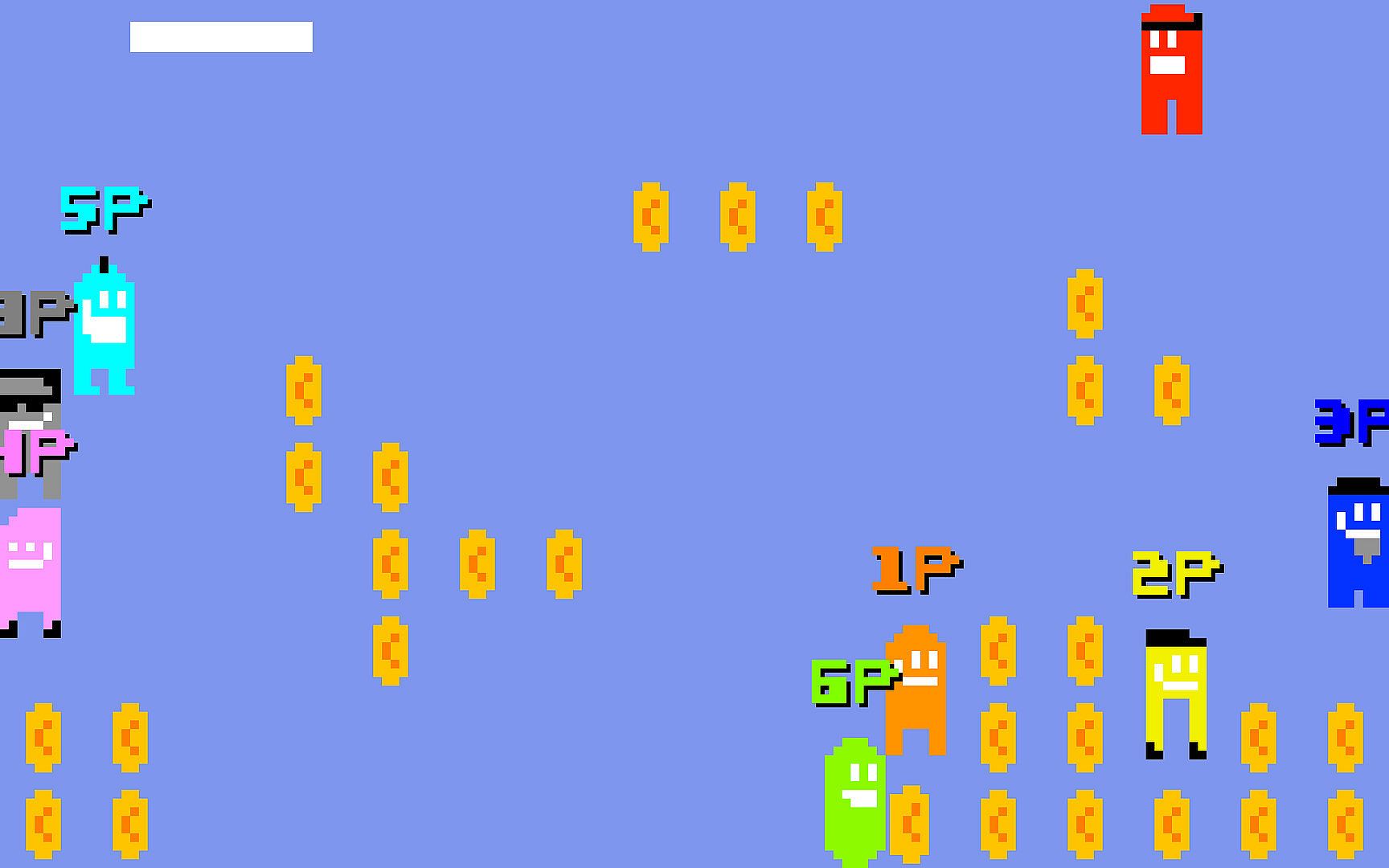
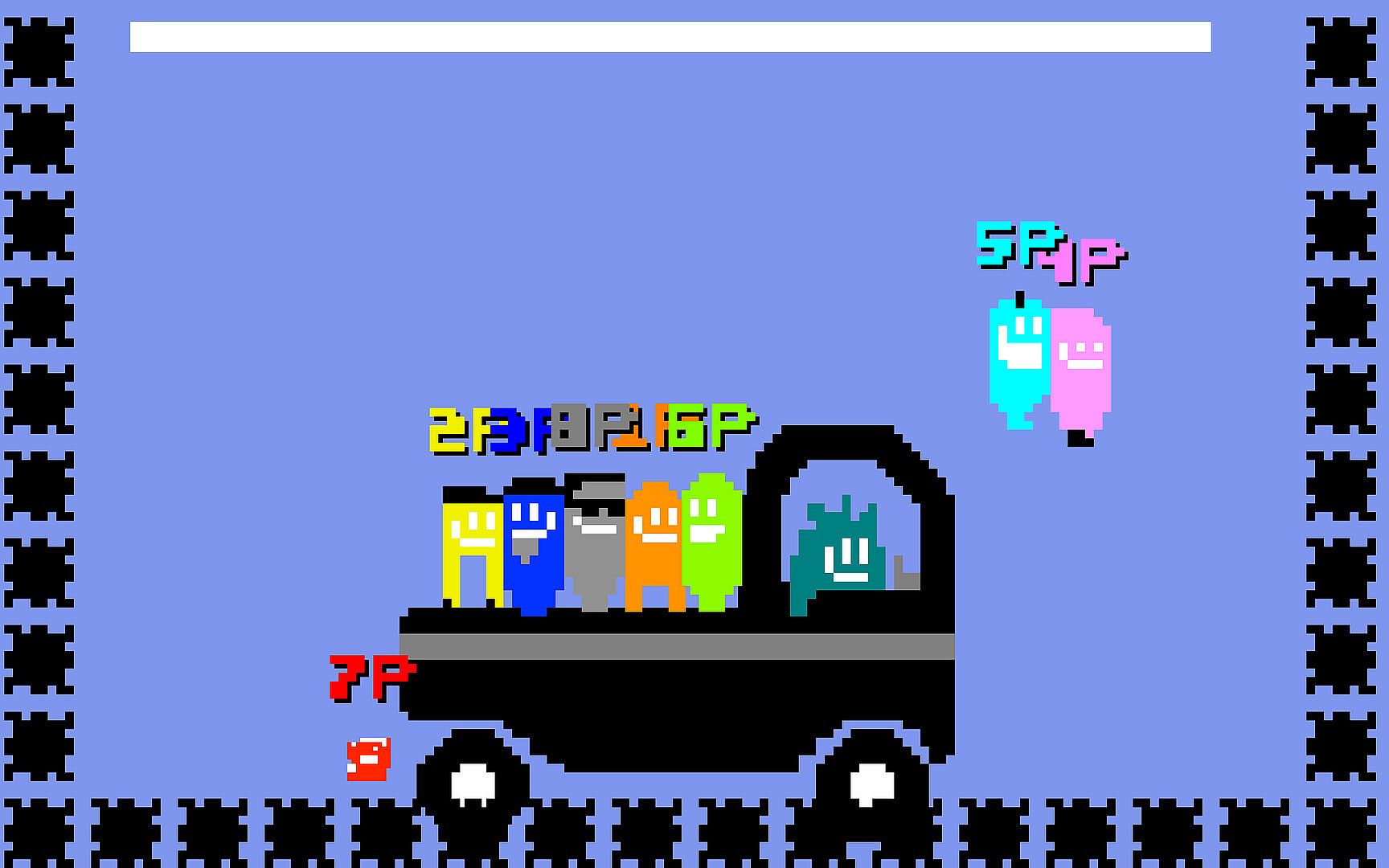
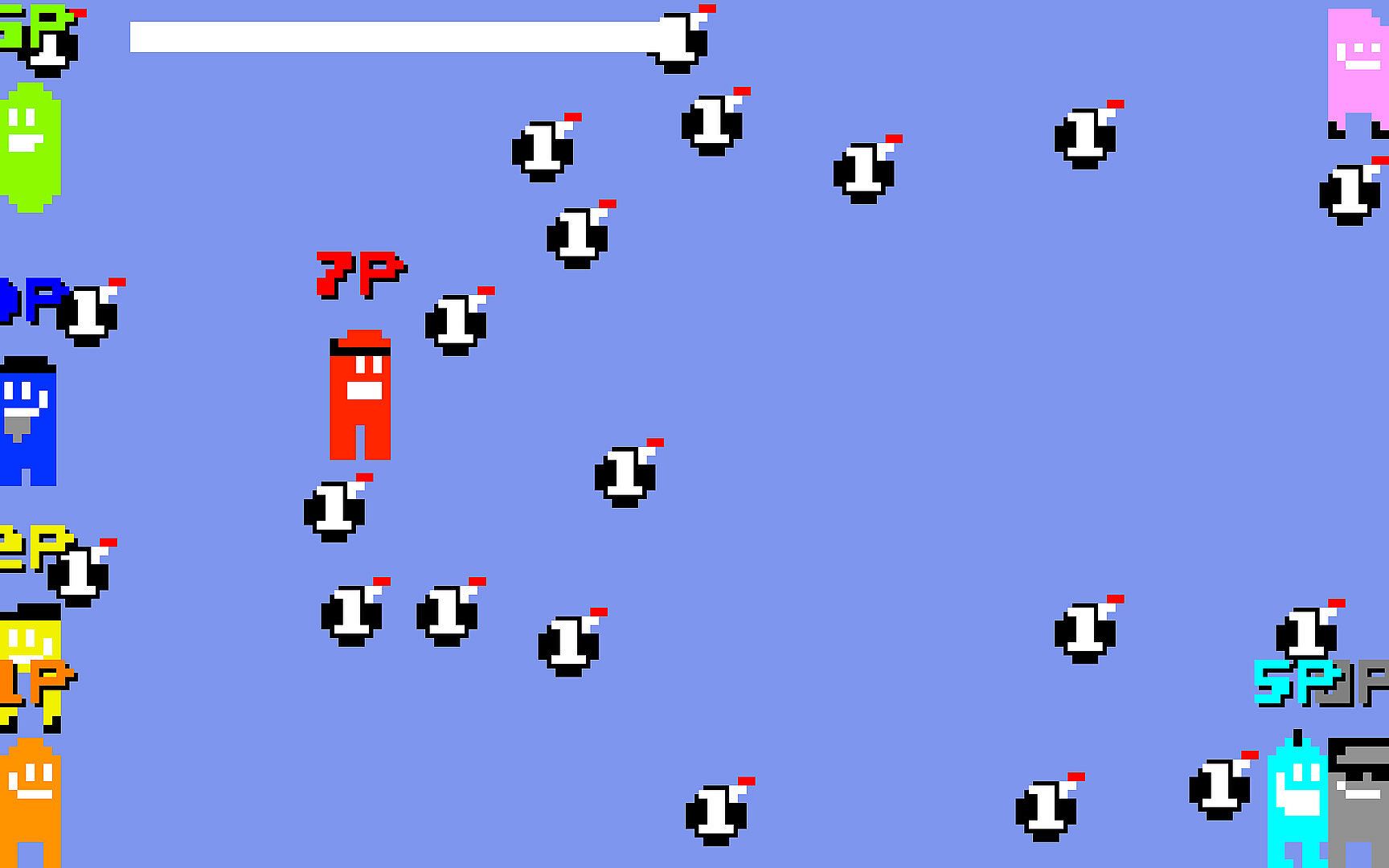
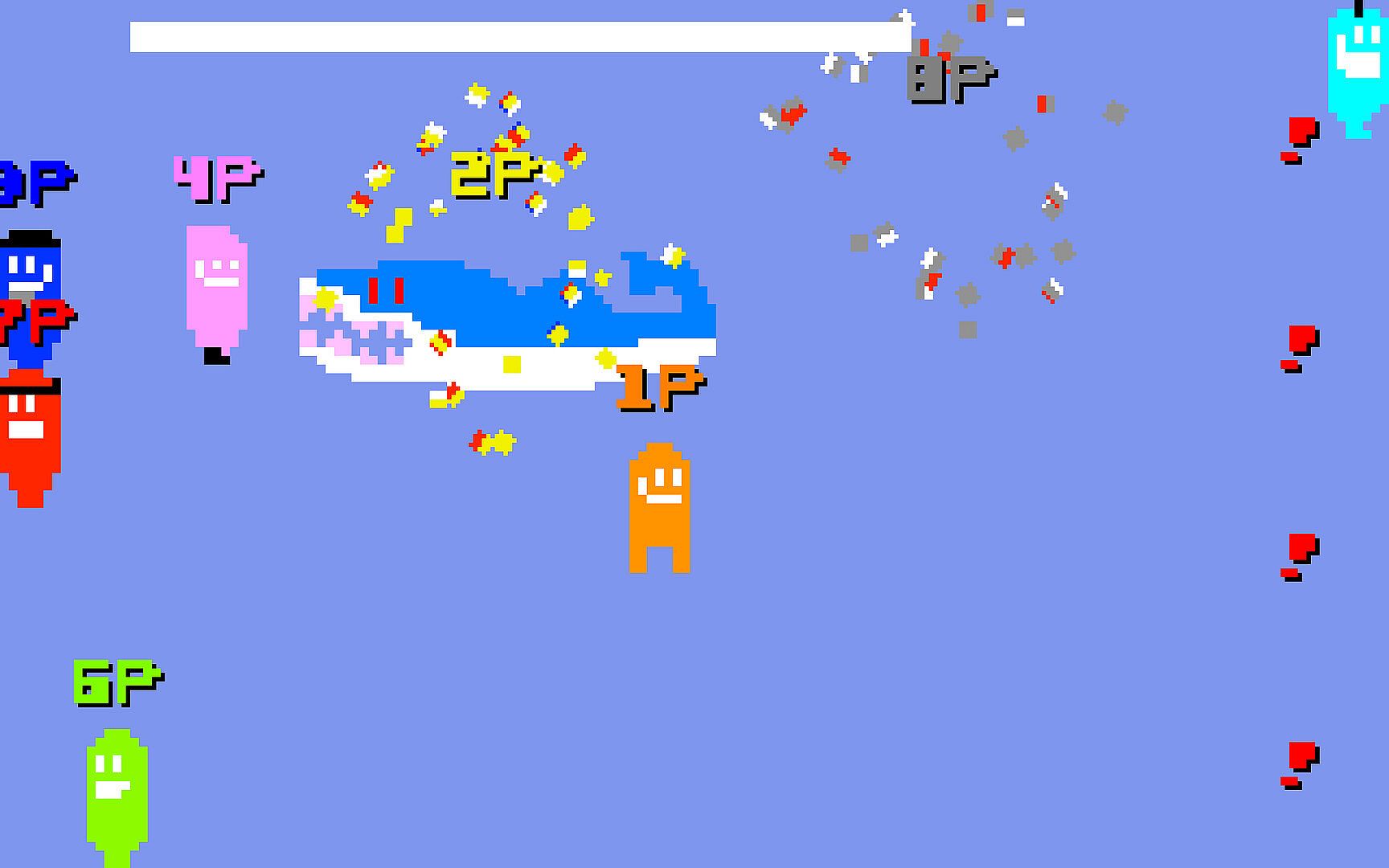
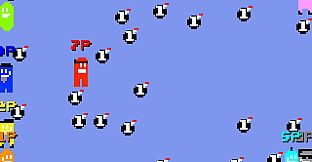
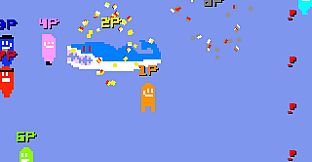
The core loop revolves around five quick rounds where participants compete for the highest cumulative score. Each round lasts roughly ten seconds and transitions immediately into the next, eliminating downtime or strategy pauses. Players navigate simple move and jump controls across platforming challenges that include dodging bombs, collecting coins, avoiding falls, and evading incoming sharks. Some minigames emphasize timing and positioning while others lean heavily on chance, creating a mix that rewards quick reactions without demanding mastery.
Every session draws five minigames at random from a pool of sixteen available options. No selection menu appears, so groups jump straight into whatever combination loads. With fewer players the action stays relatively orderly, yet larger groups turn each round into a scramble of collisions and near misses. The emphasis stays on lighthearted competition rather than complex systems or progression tracks.
Game Modes
Pixel Party Program features a single consistent format across all matches. Five randomly selected minigames run back to back, and the player with the top total score at the end claims victory. This structure repeats identically each time a new match begins, removing any need to choose variants or adjust settings mid session. The random element ensures variety without requiring players to learn separate rule sets or prepare different strategies.
Local shared screen play defines the entire experience. Everyone views the same display while using individual controllers, which supports immediate setup for spontaneous gatherings. No additional modes such as tournaments, survival variants, or team based formats appear in the design.
Visuals and Sound
Retro pixel art defines the presentation with bright, simple sprites that keep the focus on readable action during crowded rounds. A chiptune soundtrack accompanies the gameplay, delivering short looping tracks that match the quick pace of each minigame. The overall style stays consistent with classic party games that prioritize clarity over detailed environments.
Is It Worth Playing?
Pixel Party Program suits groups seeking brief, low commitment sessions that fit between other activities. Its random minigame selection and short round length make it ideal for casual gatherings where participants want immediate starts and frequent laughs from mishaps. The requirement for multiple controllers and one shared screen positions it best for households or events already equipped for local play. Because the game remains in a pre release state with no published player feedback available, potential buyers can evaluate it primarily through the described mechanics and the promise of straightforward chaotic fun. Those who enjoy quick competitive rounds without long learning curves or online requirements will find the format matches that preference directly.











