







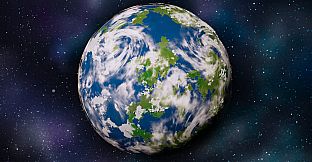

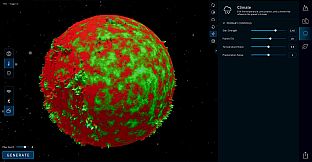
Planet Architect is an indie simulation game focused on building and shaping entire planets in a detailed sandbox environment. Available on PC, the title puts players in control of procedural world creation from initial generation through advanced simulation tweaks and surface exploration. It emphasizes realistic processes drawn from astronomy and geology, allowing fine adjustments to systems that influence the final landscape and ecosystems.
Gameplay
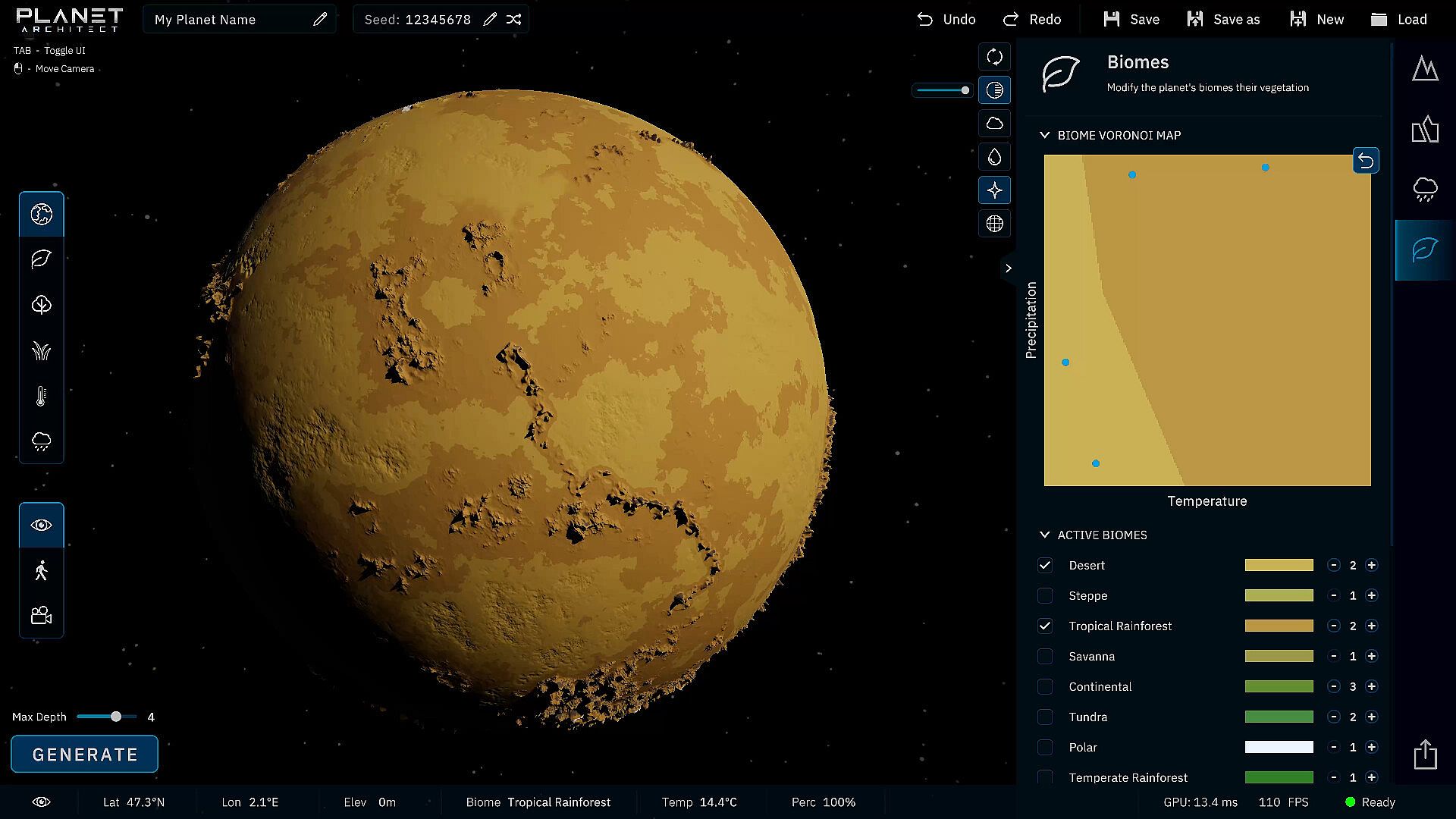
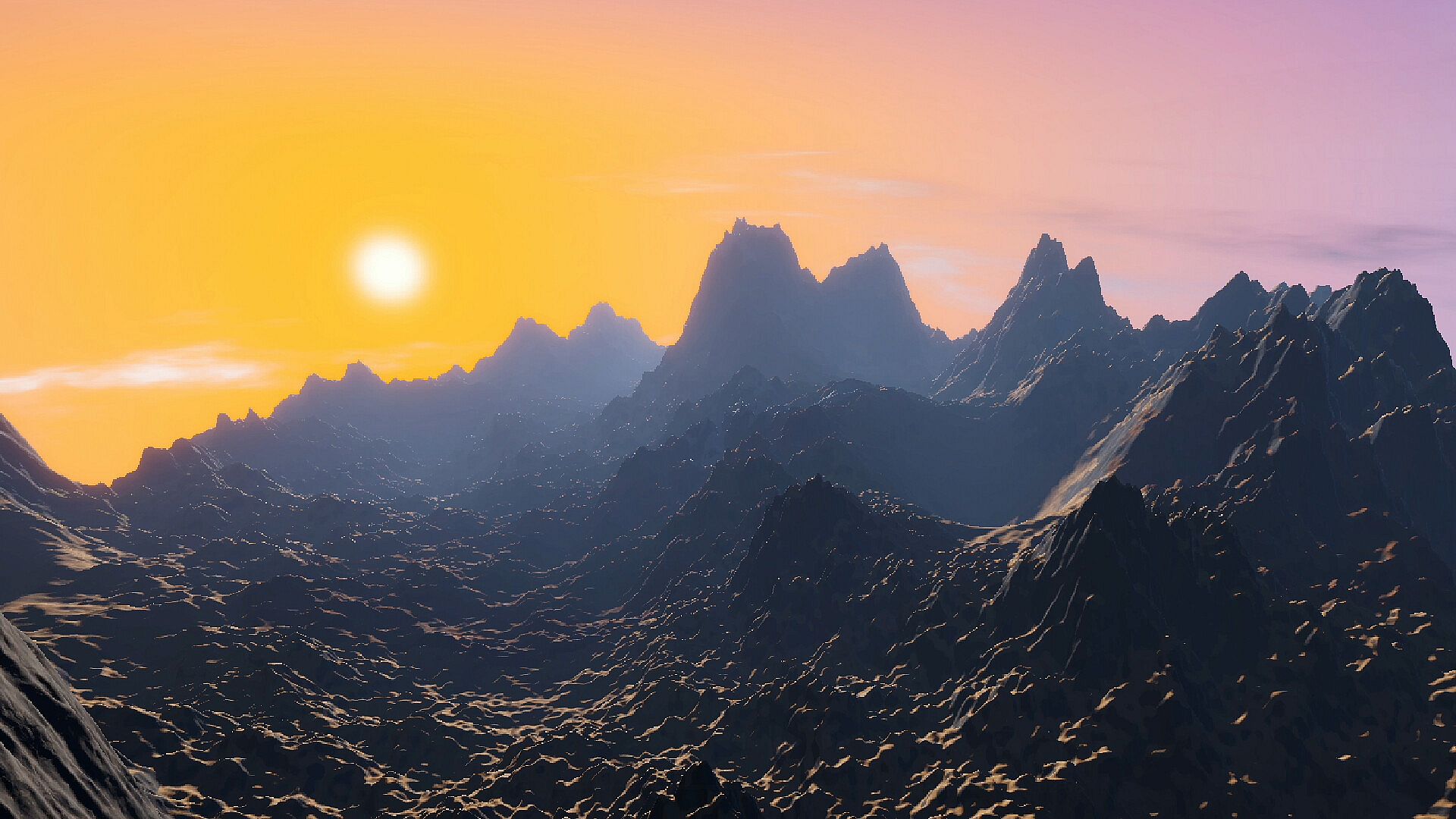
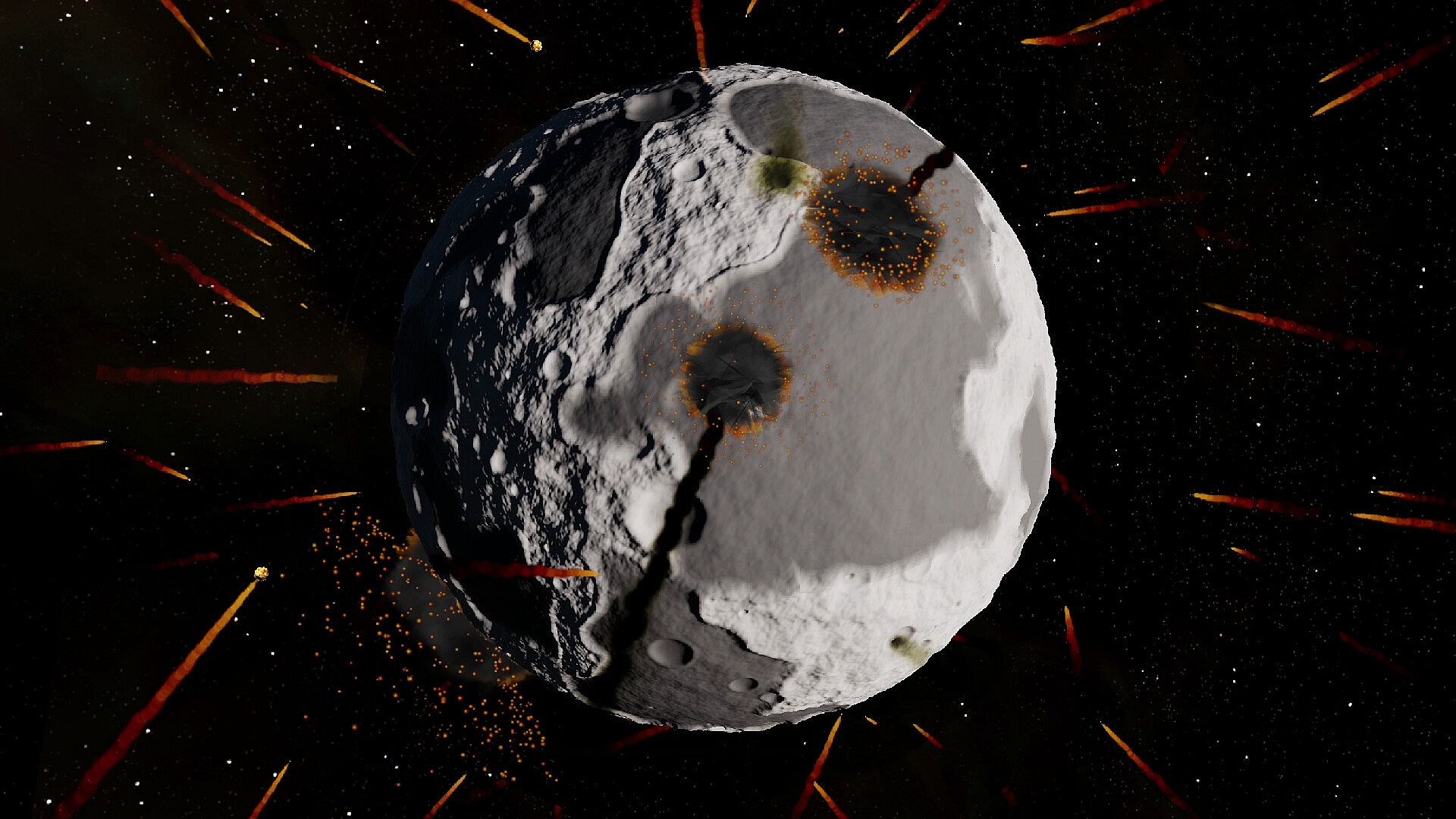
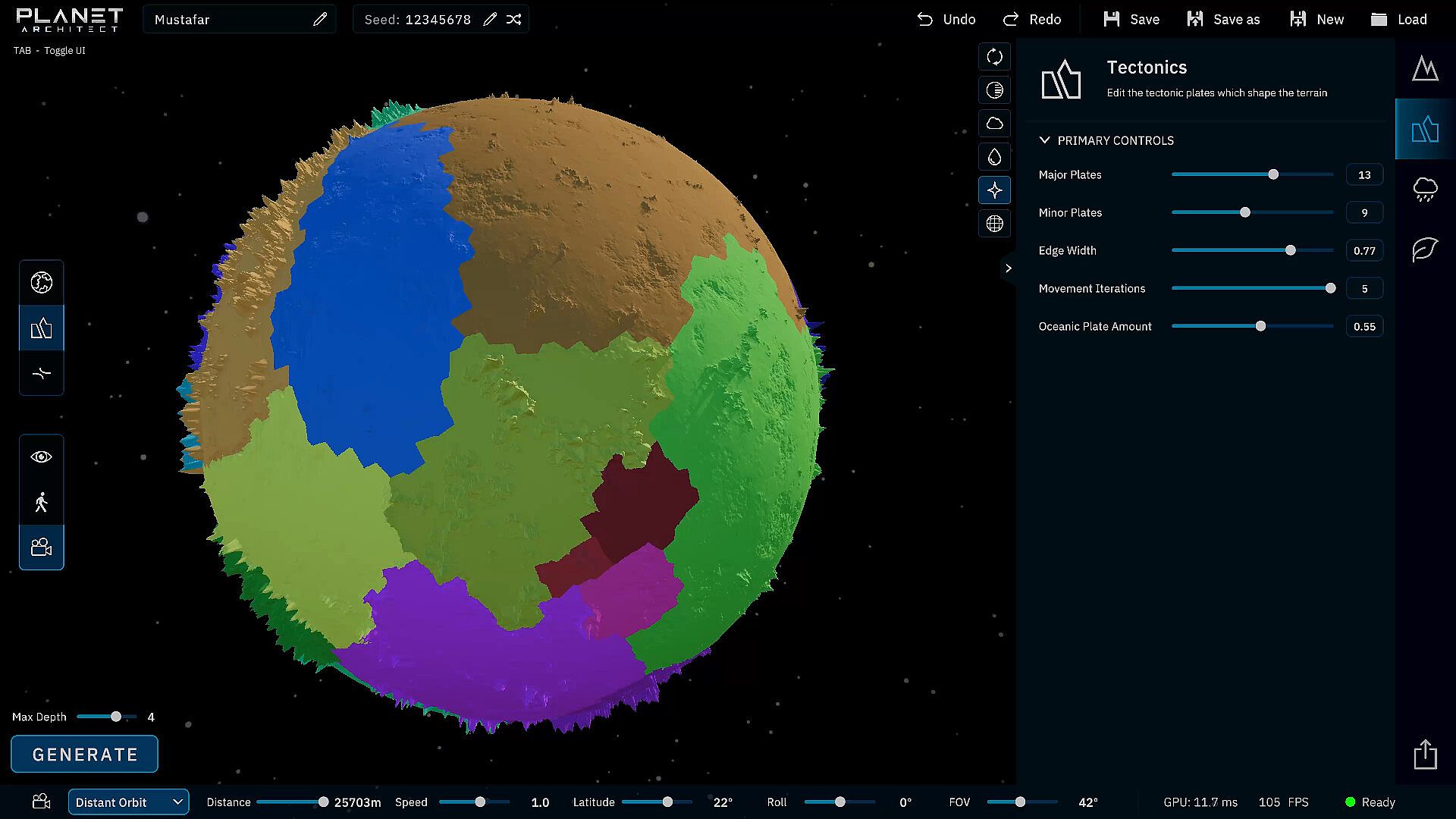
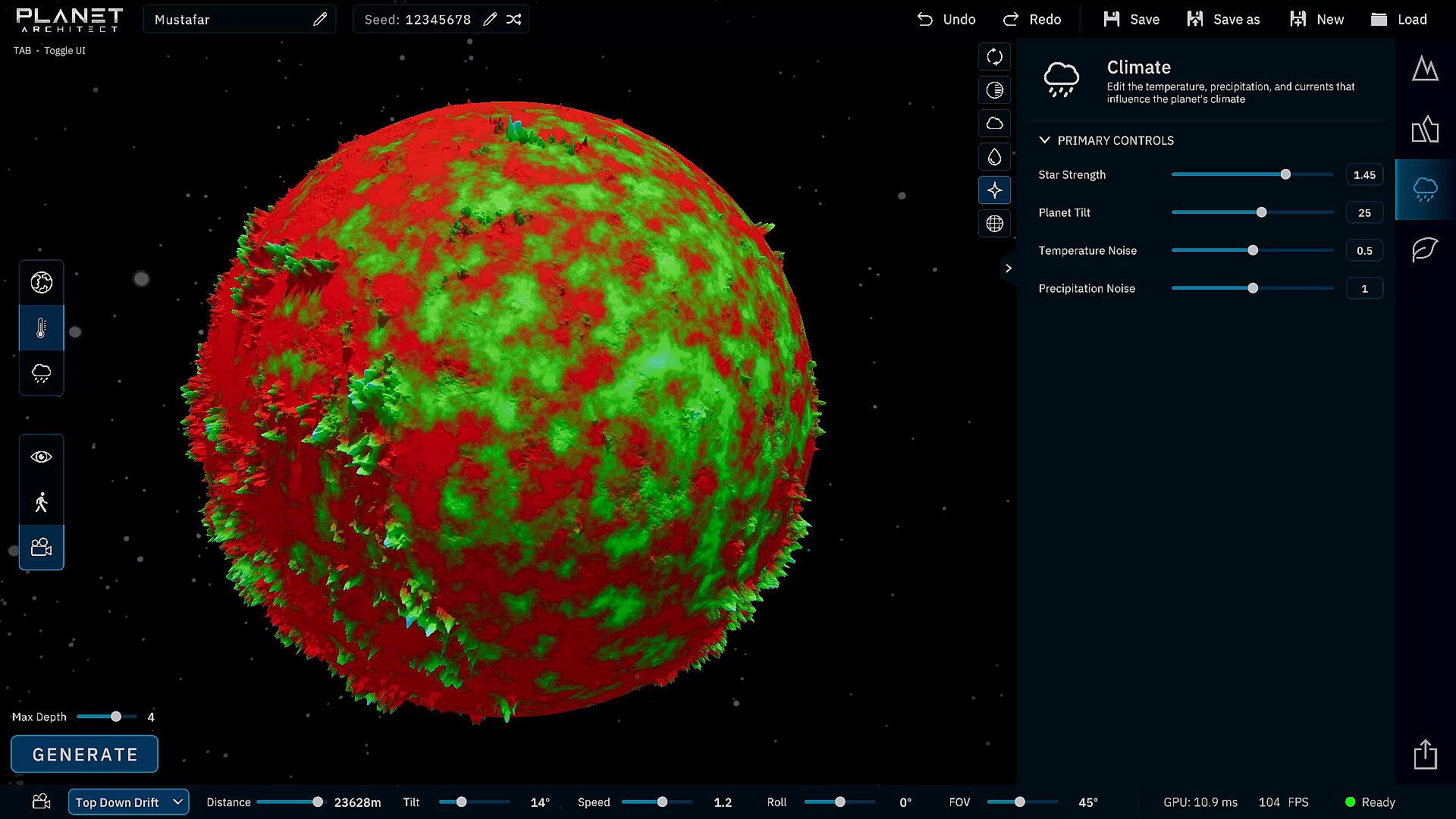
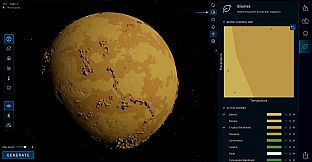
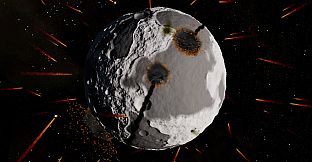
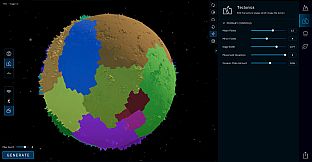
The core loop centers on generating a base planet and then refining it through interconnected simulations. Players start by creating an initial world seed, after which they access parameters governing climate patterns, biome distribution, plate tectonics, and impact events. Each system includes multiple adjustable values that interact to produce varied outcomes, such as mountain ranges forming from tectonic activity or vegetation zones shifting with temperature and precipitation changes.
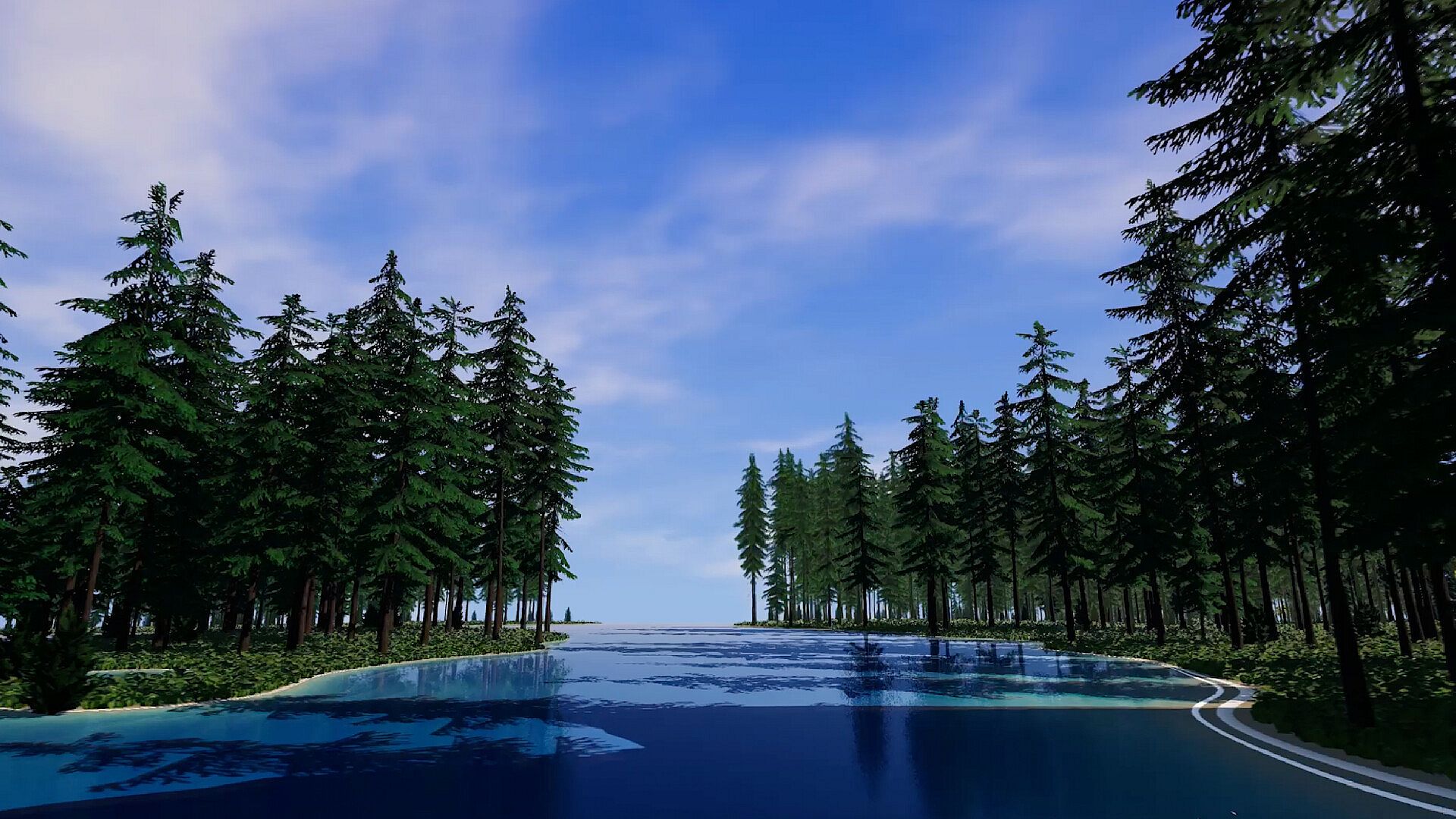
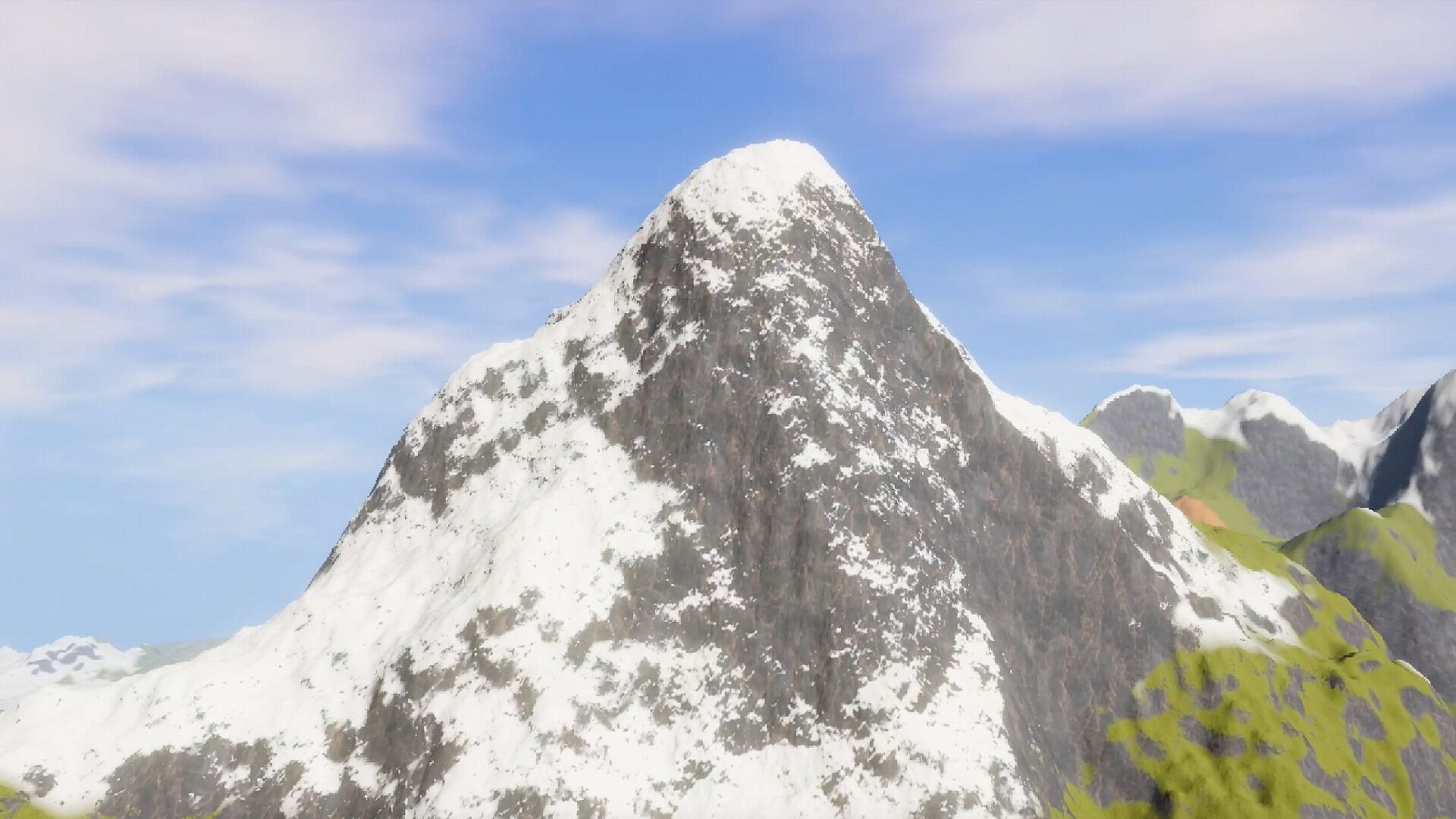
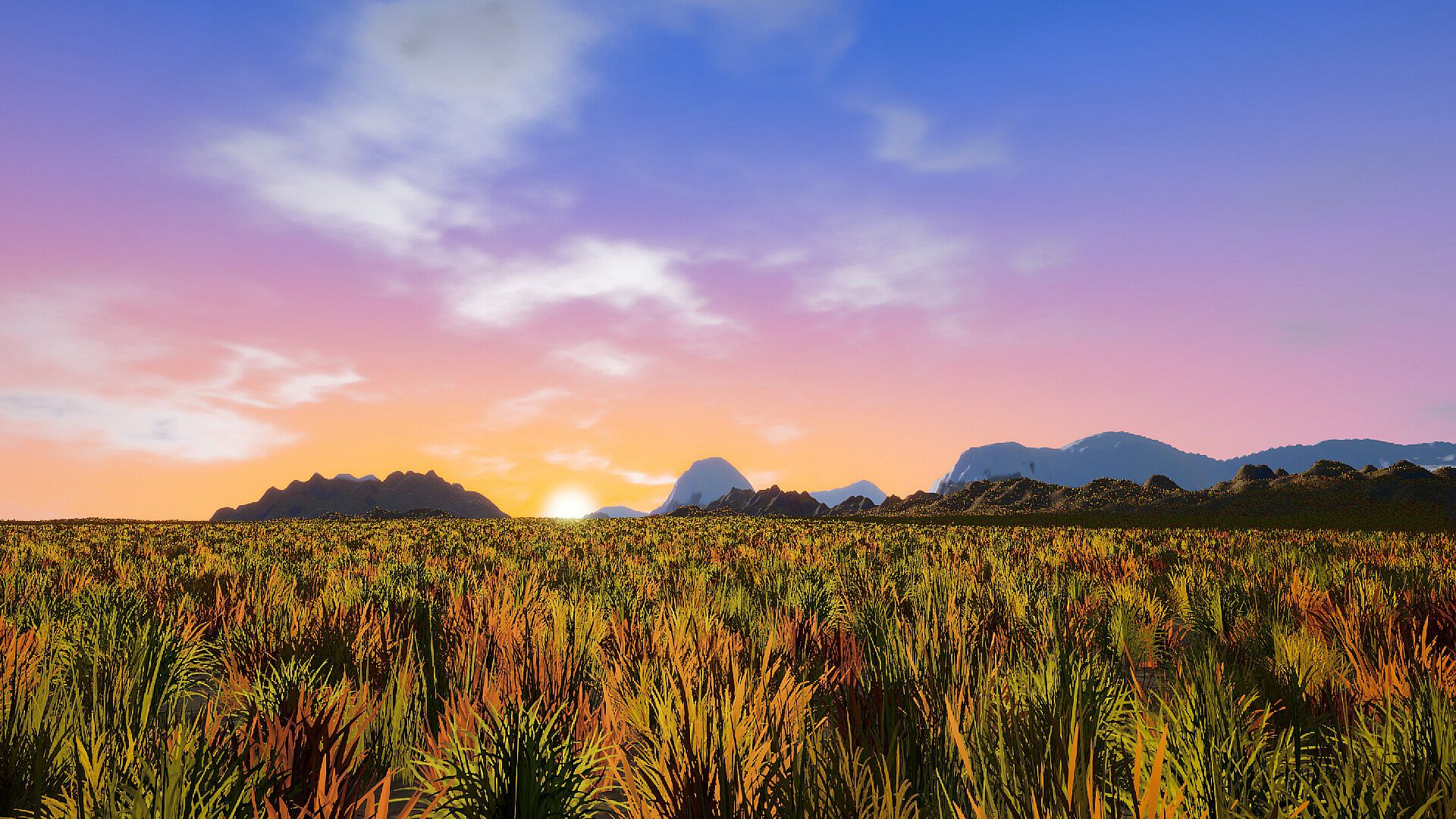
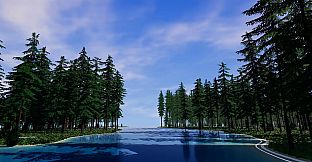
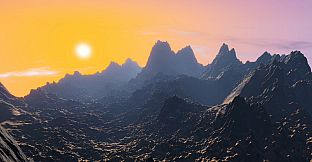
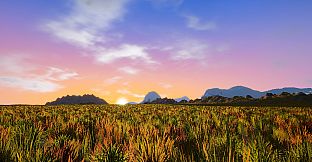
Procedural generation handles the heavy lifting once parameters are set, populating the planet with consistent features across large scales. After shaping the global structure, the experience shifts to ground-level interaction. Players can roam the resulting terrain indefinitely, observing how small-scale details align with the overarching rules established earlier. This progression encourages iterative experimentation, where changes at the simulation level visibly alter explorable areas without requiring manual placement of individual elements.
Single-player design keeps the focus on personal creative control rather than competition or collaboration. The included level editor supports further customization of worlds, extending the sandbox potential for those who want to build upon the procedural foundation with targeted modifications.
Game Modes
Planet Architect operates as a unified sandbox experience rather than offering distinct named modes. The primary activities break down into sequential stages that function as flexible play styles. World generation serves as the entry point, providing a quick starting canvas that can be regenerated or modified at any time.
Shaping the creation forms the main creative phase, where simulation parameters become the primary tools. Dozens of settings per system allow for targeted experimentation, from broad climate controls to specific impact frequencies. This stage rewards methodical adjustments and observation of cascading effects across biomes and geology.
Exploration acts as the testing and appreciation phase. Roaming the surface reveals the results of prior decisions in real time, with endless procedural terrain supporting long sessions of discovery. The seamless transition between these stages supports both quick tests of new parameter combinations and extended refinement of a single world.
Development and Features
The game remains in active development, with the developer planning to expand displayed systems as they reach readiness. Current capabilities already include climate and biome modeling alongside tectonic and impact simulations, all powered by procedural techniques that scale to full planetary sizes. System requirements support a range of hardware, from mid-tier GPUs upward, ensuring accessibility for simulation enthusiasts running standard PC setups.
Exploration mechanics rely on a chunk-based approach that maintains performance while allowing high-resolution detail at ground level. This technical foundation aligns with the goal of creating geographically plausible worlds that feel cohesive from orbit to surface. Future updates are expected to introduce additional simulation layers, though the existing framework already delivers substantial depth for planet-building focused play.
Is It Worth Playing?
Planet Architect suits players who enjoy methodical simulation sandboxes and procedural world-building without reliance on combat, story, or multiplayer elements. Its single-player structure and level editor provide tools for extended creative sessions centered on parameter tuning and terrain observation. Because the title is still coming soon with no user reviews available yet, reception remains untested in practice.
Those drawn to games involving climate systems, geological processes, and free-form exploration will find the core concept aligned with their interests. The active development status means new features will continue to appear, making it a project worth following for anyone seeking an evolving planet creation tool. Early interest can be expressed through wishlist addition on the platform where it is listed.











