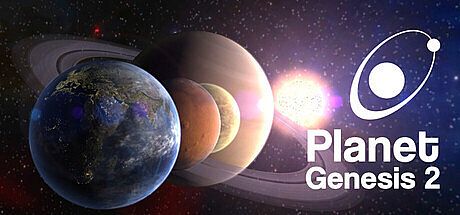



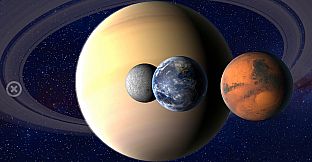
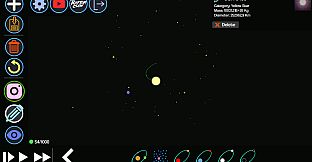
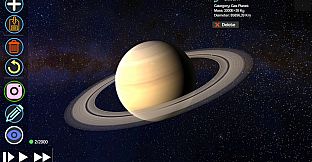
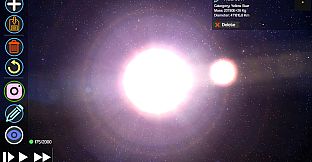
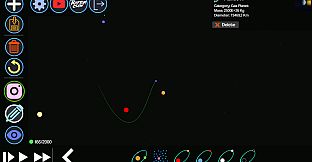
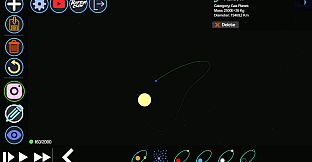
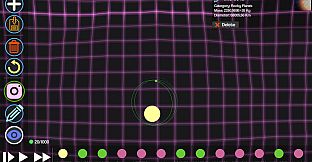
Planet Genesis 2 to darmowa gra symulacyjna na PC, w której gracze tworzą i obserwują własne układy słoneczne. Zaczynają od pustej przestrzeni, a następnie dodają ciała niebieskie, tworząc układy stabilne lub chaotyczne, rządzone prawami grawitacji Newtona. Główny nacisk położono na wizualne efekty oraz mechanikę orbitalną w czasie rzeczywistym, a nie na fabułę czy rywalizację.
Rozgrywka
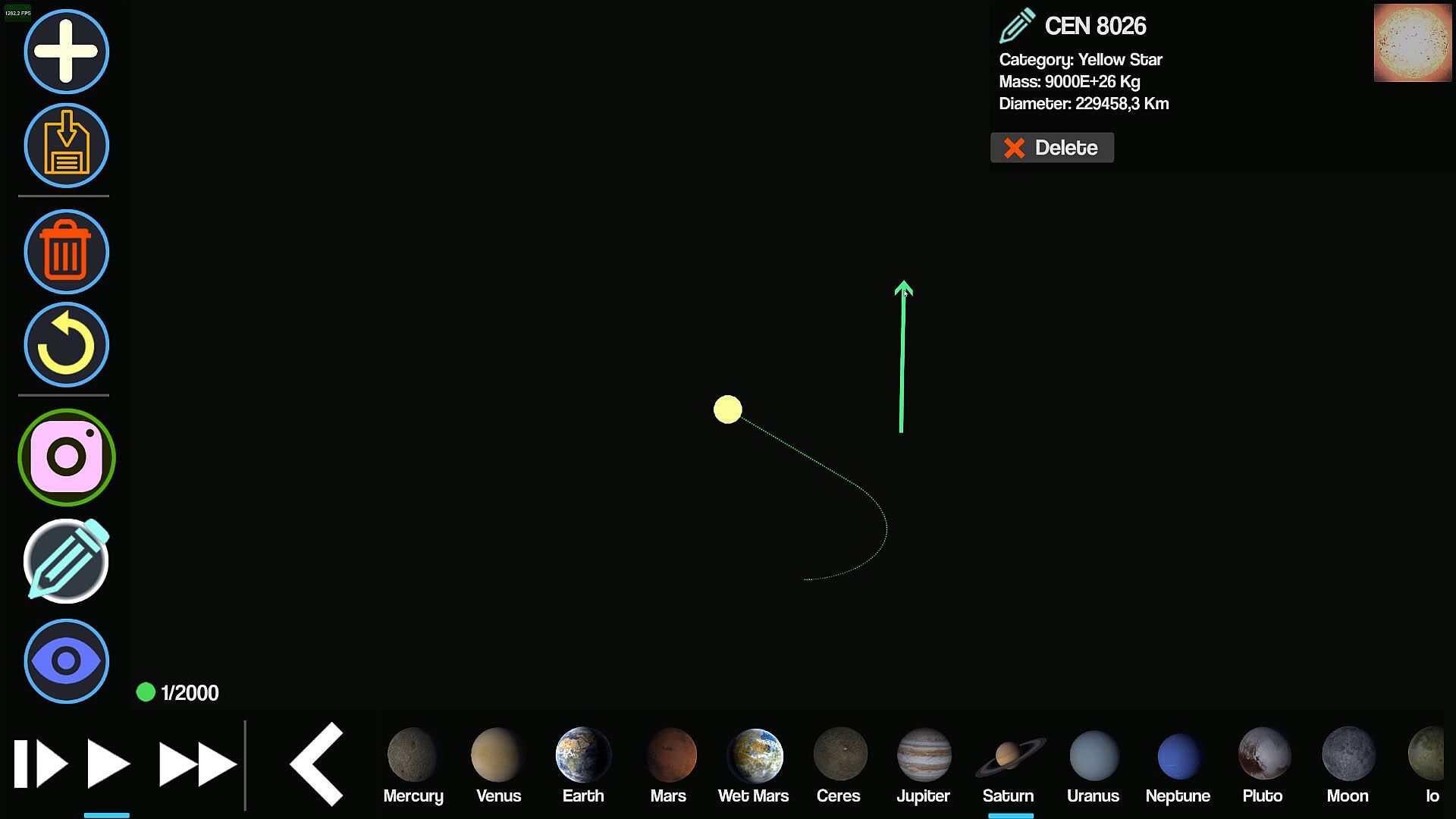
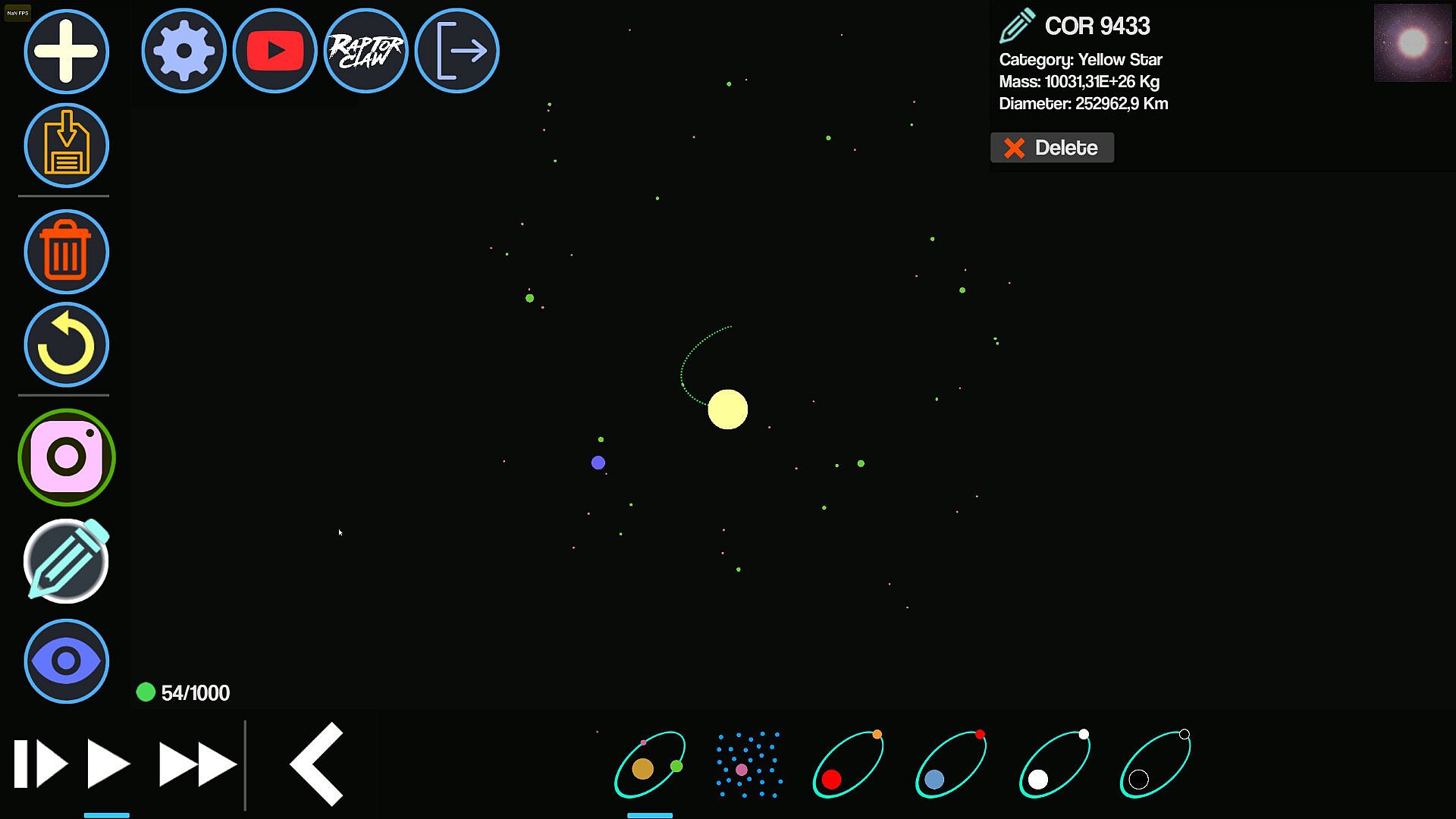
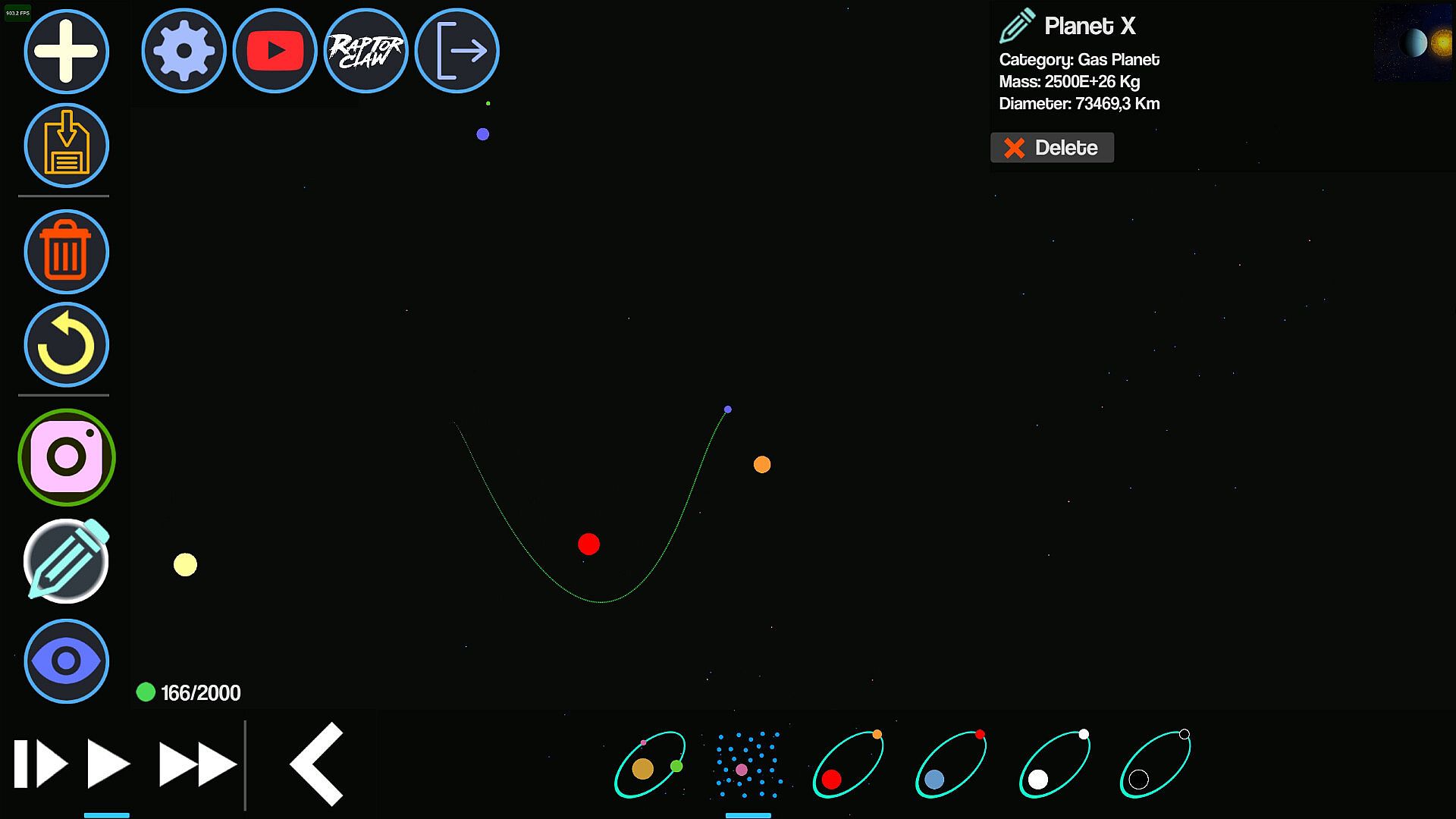
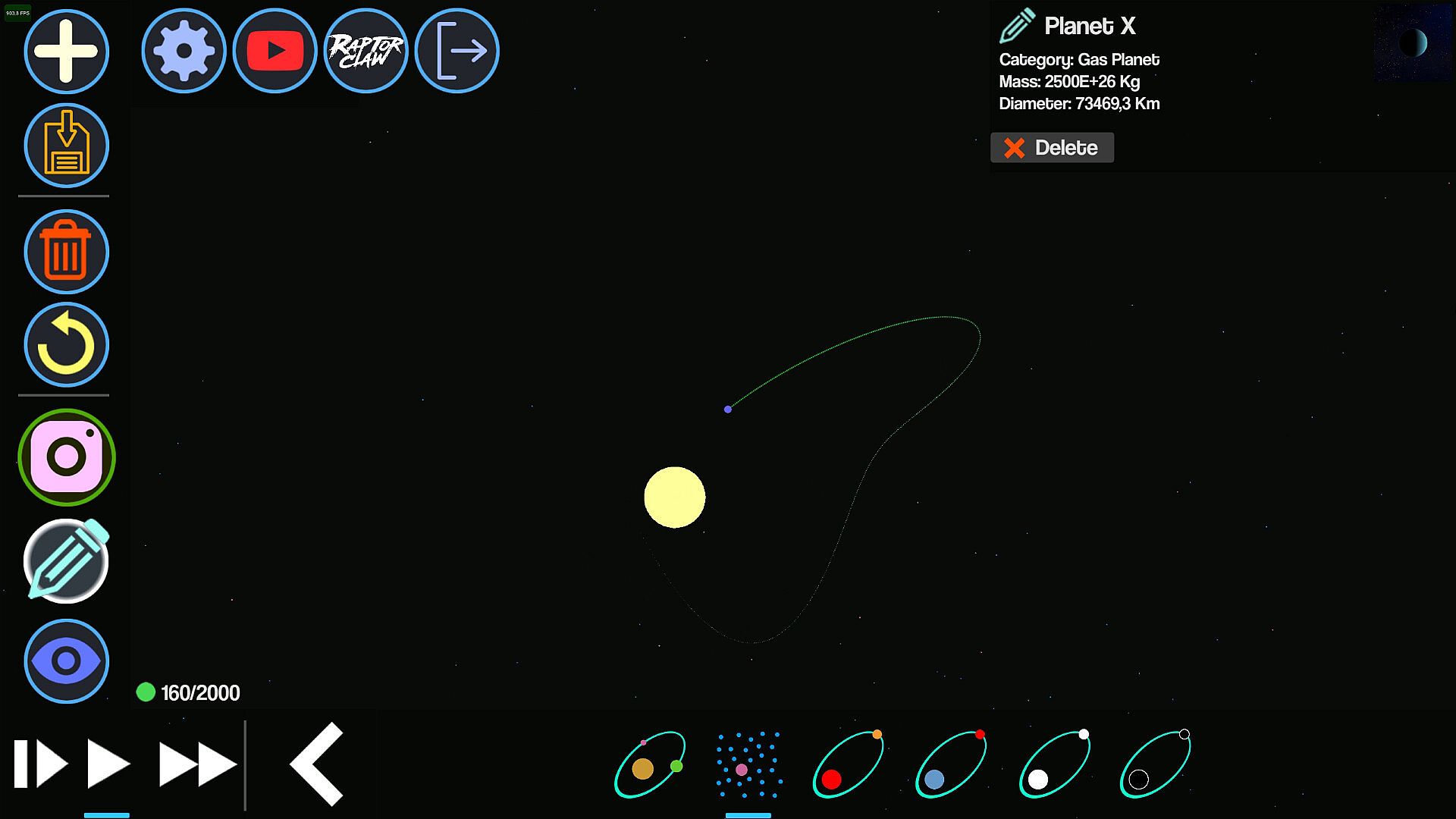
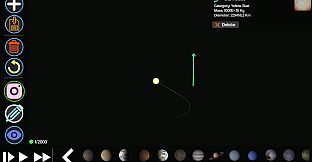
Podstawą zabawy jest umieszczanie obiektów - asteroid, planet, gwiazd i czarnych dziur - w trójwymiarowej przestrzeni. Każde dodane ciało od razu wpływa na ruch pozostałych poprzez obliczane siły grawitacyjne. Gdy masy i prędkości są odpowiednio dobrane, powstają naturalne orbity, a kolizje prowadzą do widocznych interakcji, które z czasem mogą całkowicie zmienić układ. Gracz może modyfikować parametry takie jak rozmiar, gęstość czy początkowa prędkość, testując różne konfiguracje i obserwując ich skutki bez przerw.
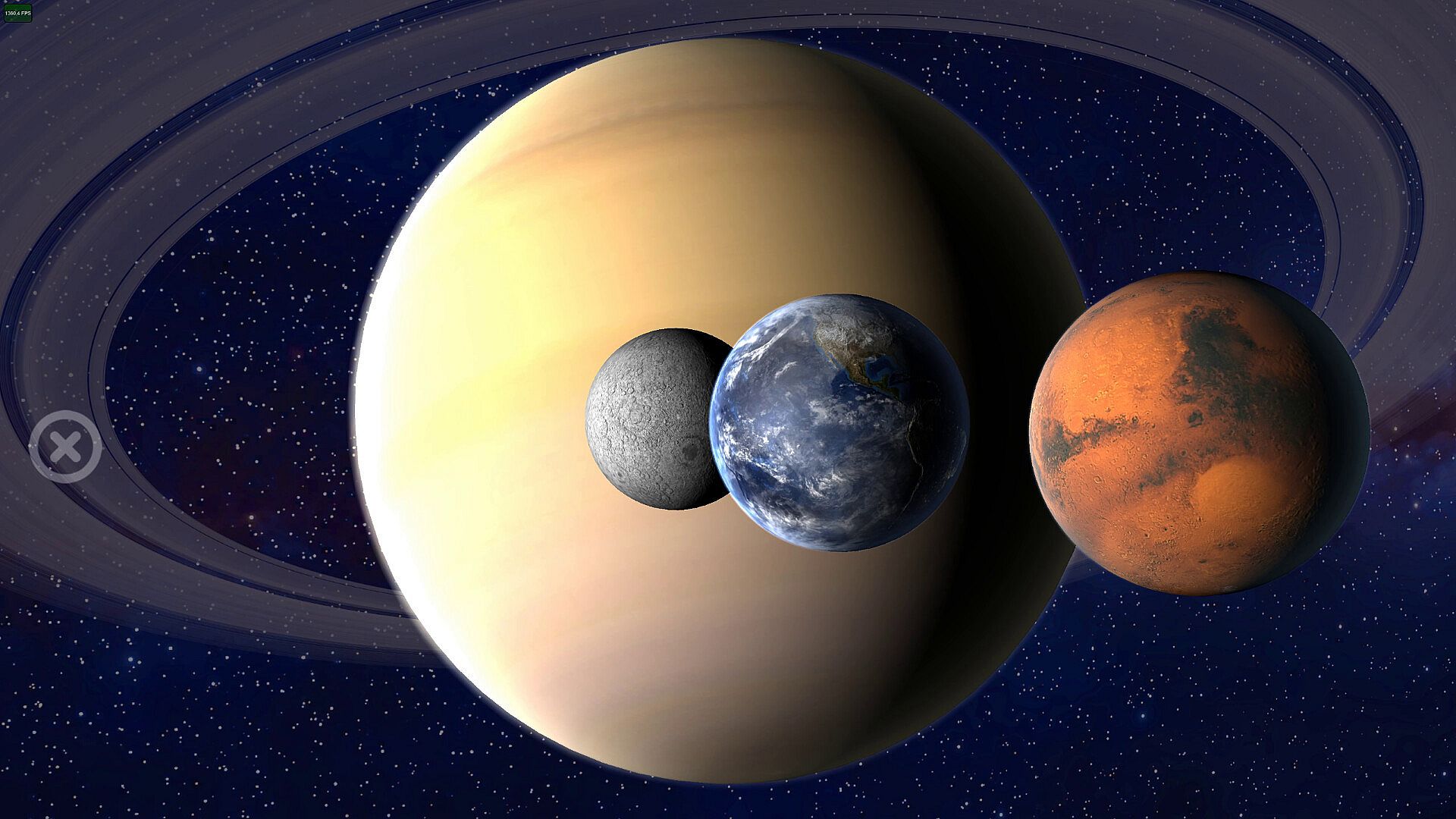
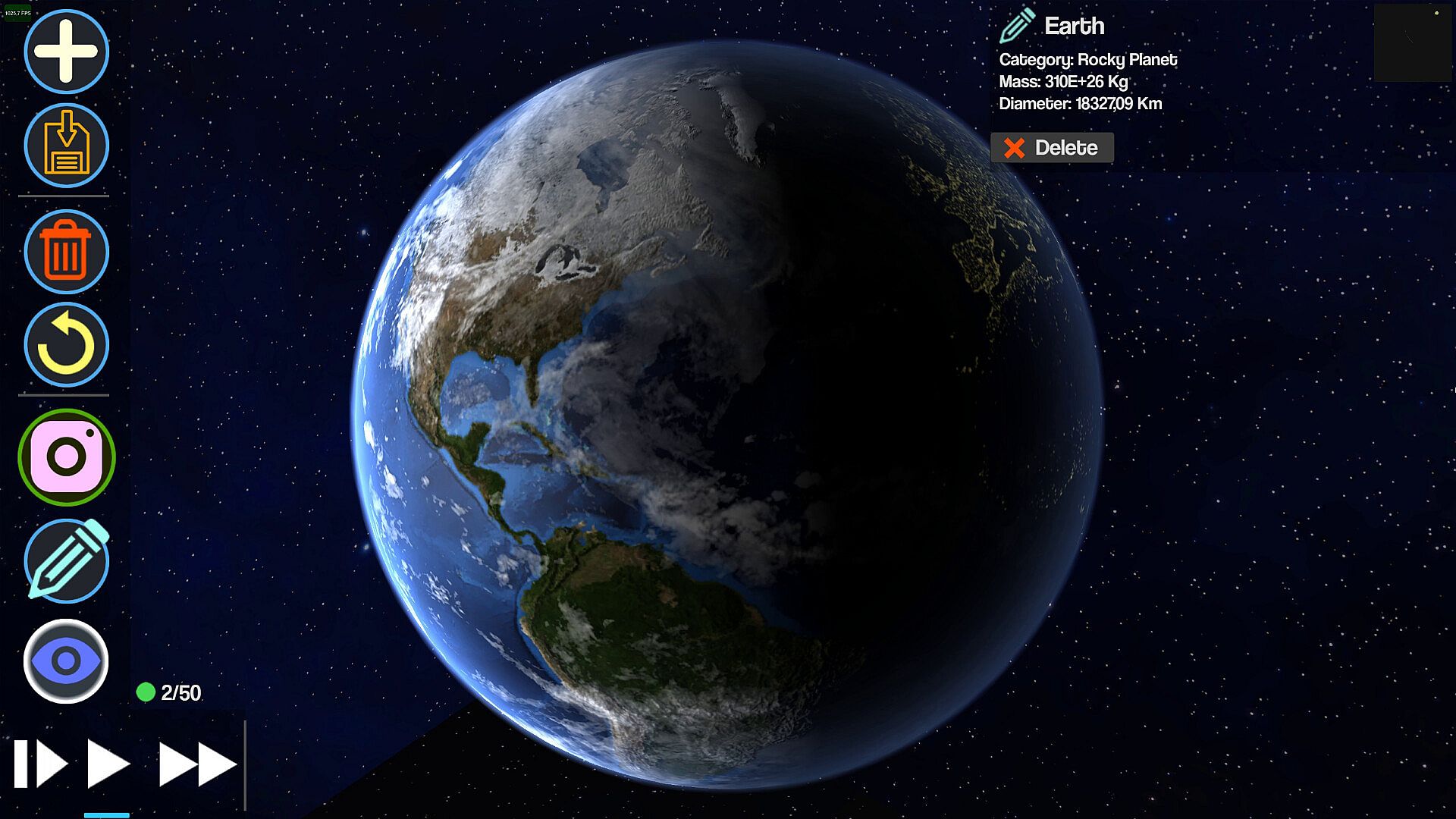
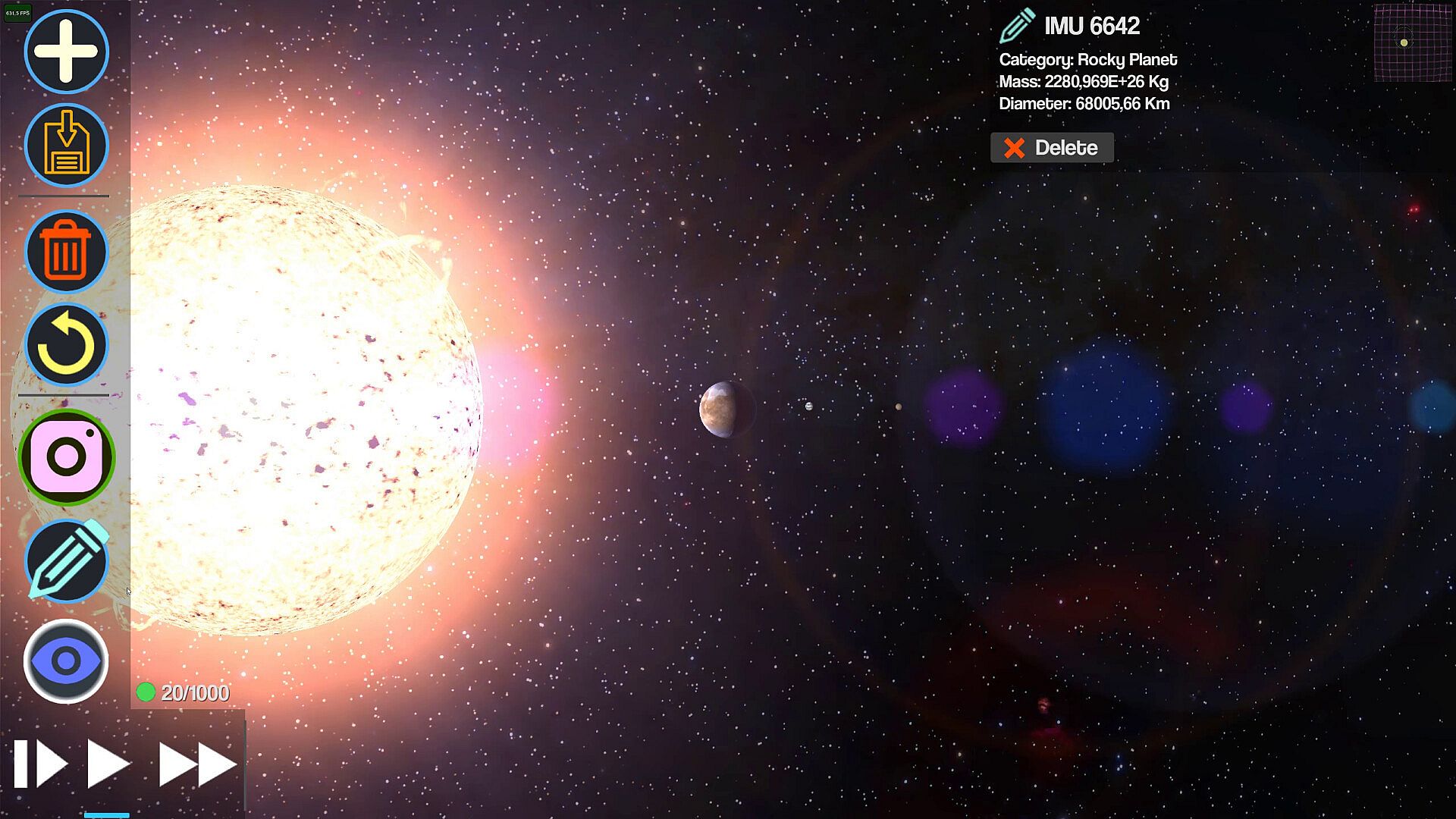
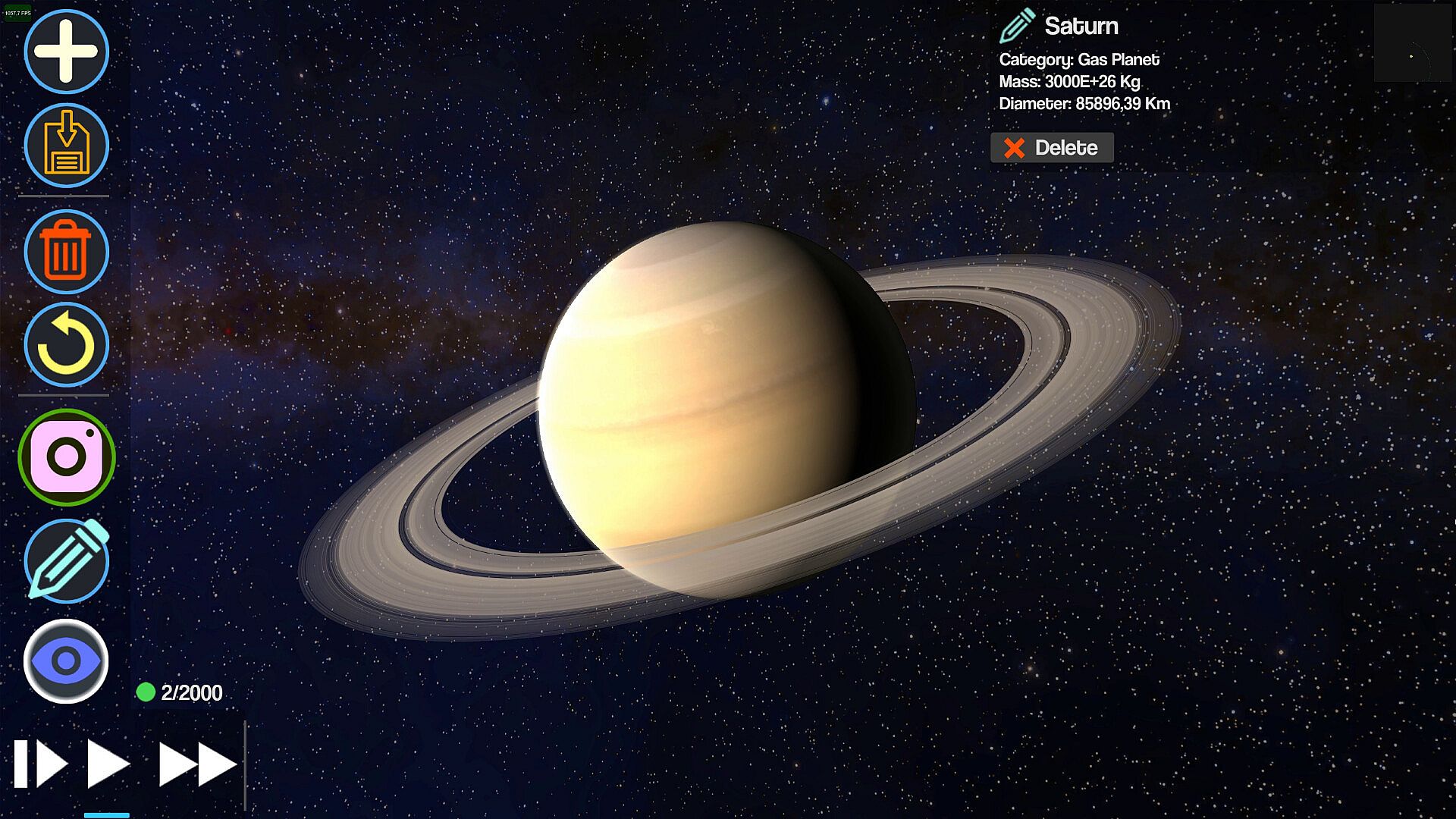
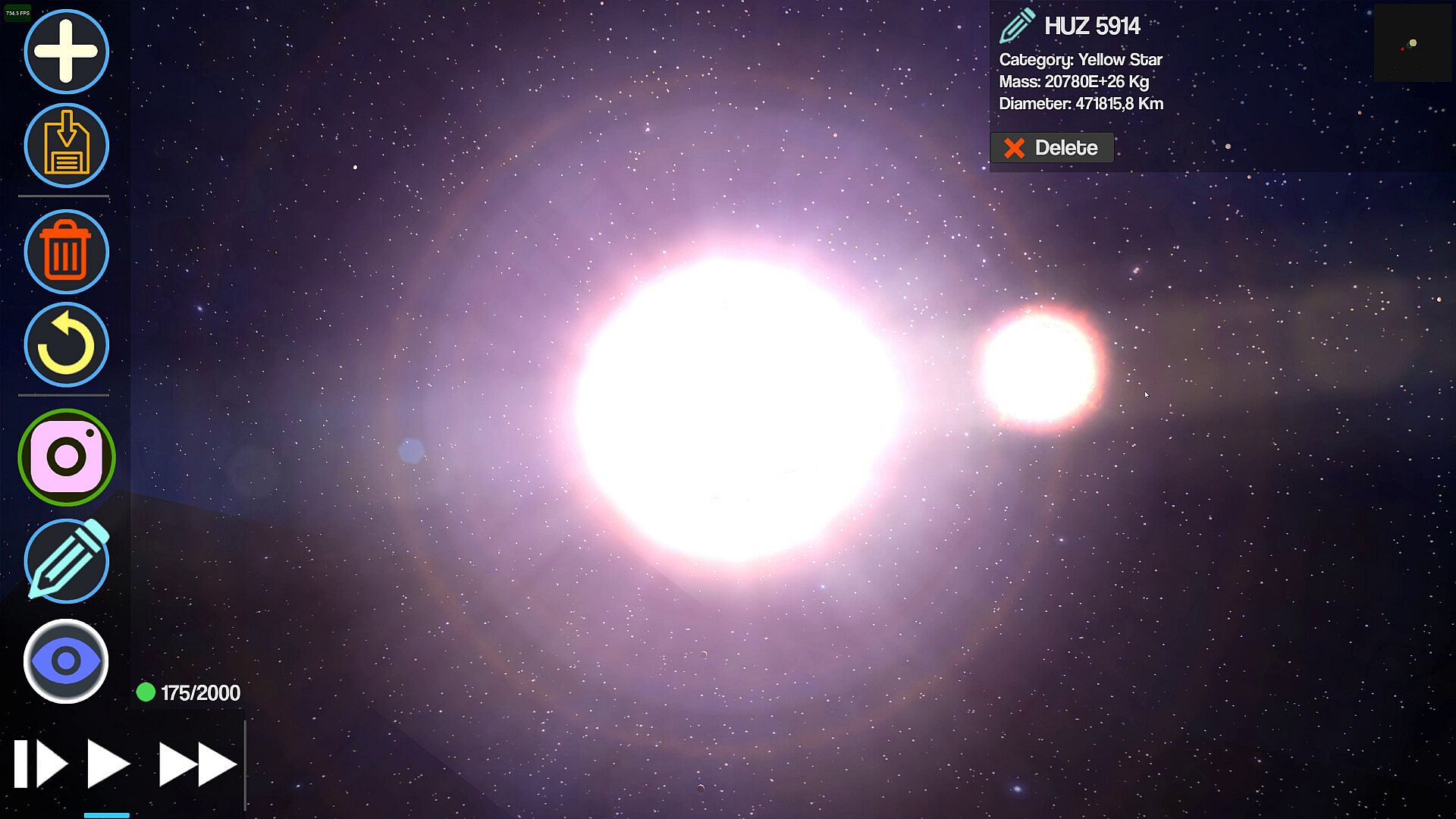
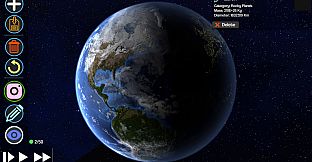
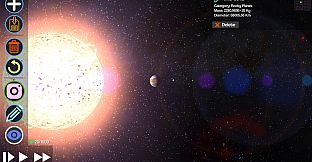
Oprawa graficzna podkreśla szczegóły powierzchni planet oraz horyzonty zdarzeń wokół czarnych dziur, umożliwiając zarówno przybliżenie, jak i widok całego układu. Symulacja działa bez przerwy, dzięki czemu nawet drobne zmiany mogą prowadzić do większych zdarzeń, takich jak wyrzuty ciał czy ich zderzenia. Taki model sprawdza się zarówno przy krótkich sesjach eksperymentalnych, jak i przy dłuższej pracy nad jednym układem.
Tryby gry
Planet Genesis 2 działa jako jeden ciągły sandbox bez osobnych trybów czy ścieżek rozwoju. Cała aktywność odbywa się w jednej przestrzeni, gdzie w dowolnym momencie można dodawać, usuwać lub modyfikować ciała niebieskie. Nie ma tu wyzwań, poziomów ani elementów wieloosobowych - wszystko skupia się na swobodnym projektowaniu i obserwacji.
Mechaniki
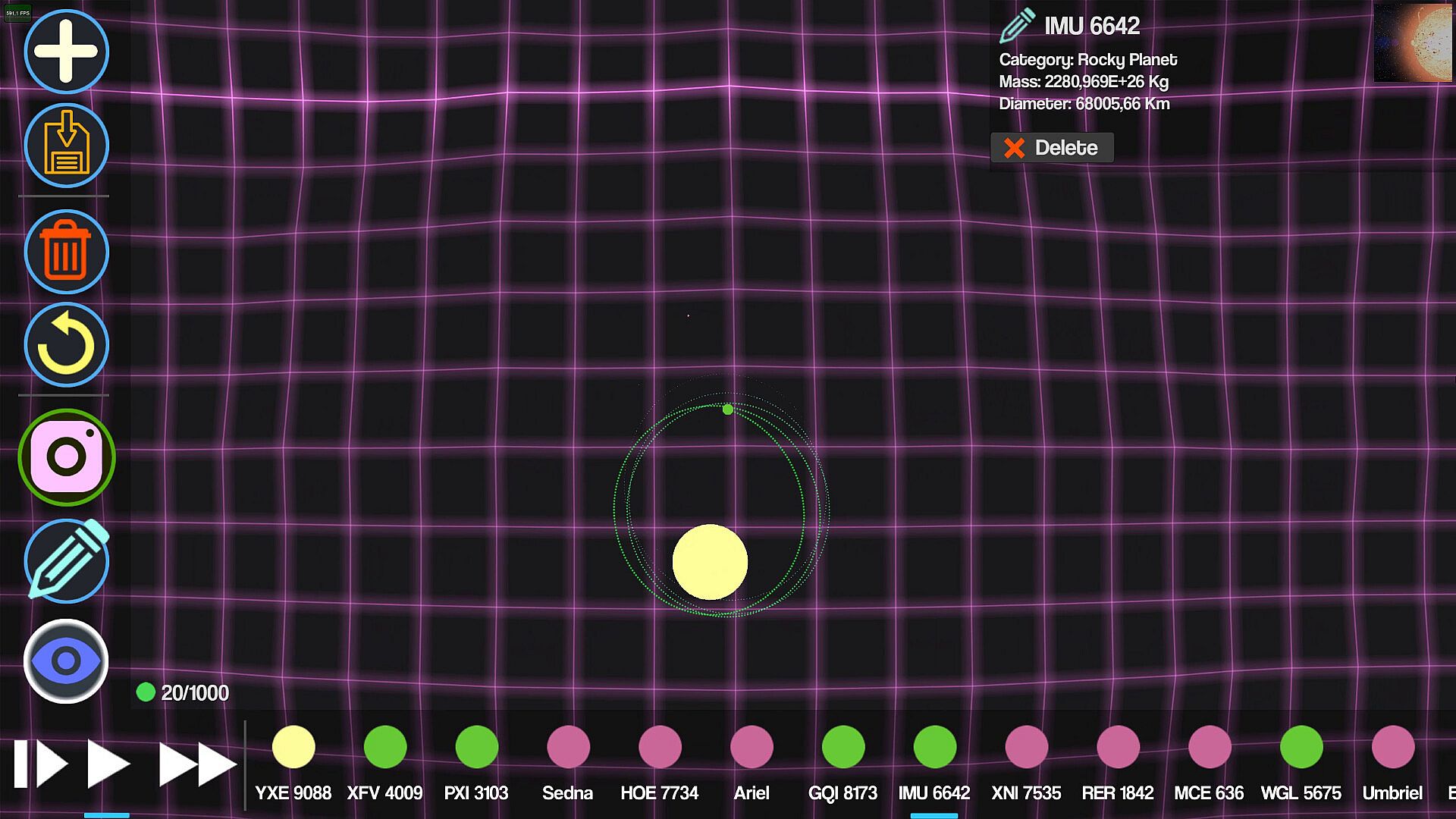
Obliczenia fizyki Newtona odpowiadają za przyciąganie, prędkość i pęd każdego obiektu. Czarne dziury tworzą silne studnie grawitacyjne, zdolne przechwytywać lub destabilizować pobliskie ciała, natomiast gwiazdy pełnią rolę centralnych punktów masy, wokół których mogą krążyć planety. Asteroidy służą jako mniejsze masy testowe, pozwalające dostrzec subtelne interakcje przed wprowadzeniem większych planet. Pozycje obiektów są aktualizowane w czasie rzeczywistym, co sprawia, że skutki każdej zmiany są natychmiast widoczne.
Gracz może wstrzymać lub spowolnić symulację, aby precyzyjnie dopasować położenie ciał przed powrotem do normalnej prędkości. Taka kontrola ułatwia budowanie złożonych układów wielociałowych, które w innym przypadku wymagałyby wielu prób i błędów.
Czy warto zagrać?
Planet Genesis 2 zainteresuje osoby pasjonujące się fizyką kosmiczną lub kreatywnym budowaniem, bez potrzeby angażowania się w walkę, zarządzanie zasobami czy interakcje społeczne. Model free-to-play eliminuje bariery finansowe, a intuicyjny interfejs pozwala szybko rozpocząć tworzenie układów. Osoby szukające edukacyjnych demonstracji mechaniki orbitalnej lub prostych eksperymentów wizualnych znajdą w symulacji stałą wartość. Gracze preferujący wyraźne cele lub rozgrywkę wieloosobową mogą uznać otwartą formułę za mniej angażującą w dłuższej perspektywie. Tytuł zachowuje pierwotny charakter sandboxu opartego na grawitacji, jaki wypracował na platformach mobilnych, bez istotnych zmian w zakresie dla wersji na PC.