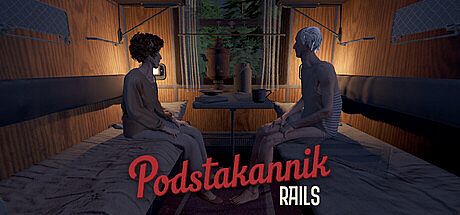


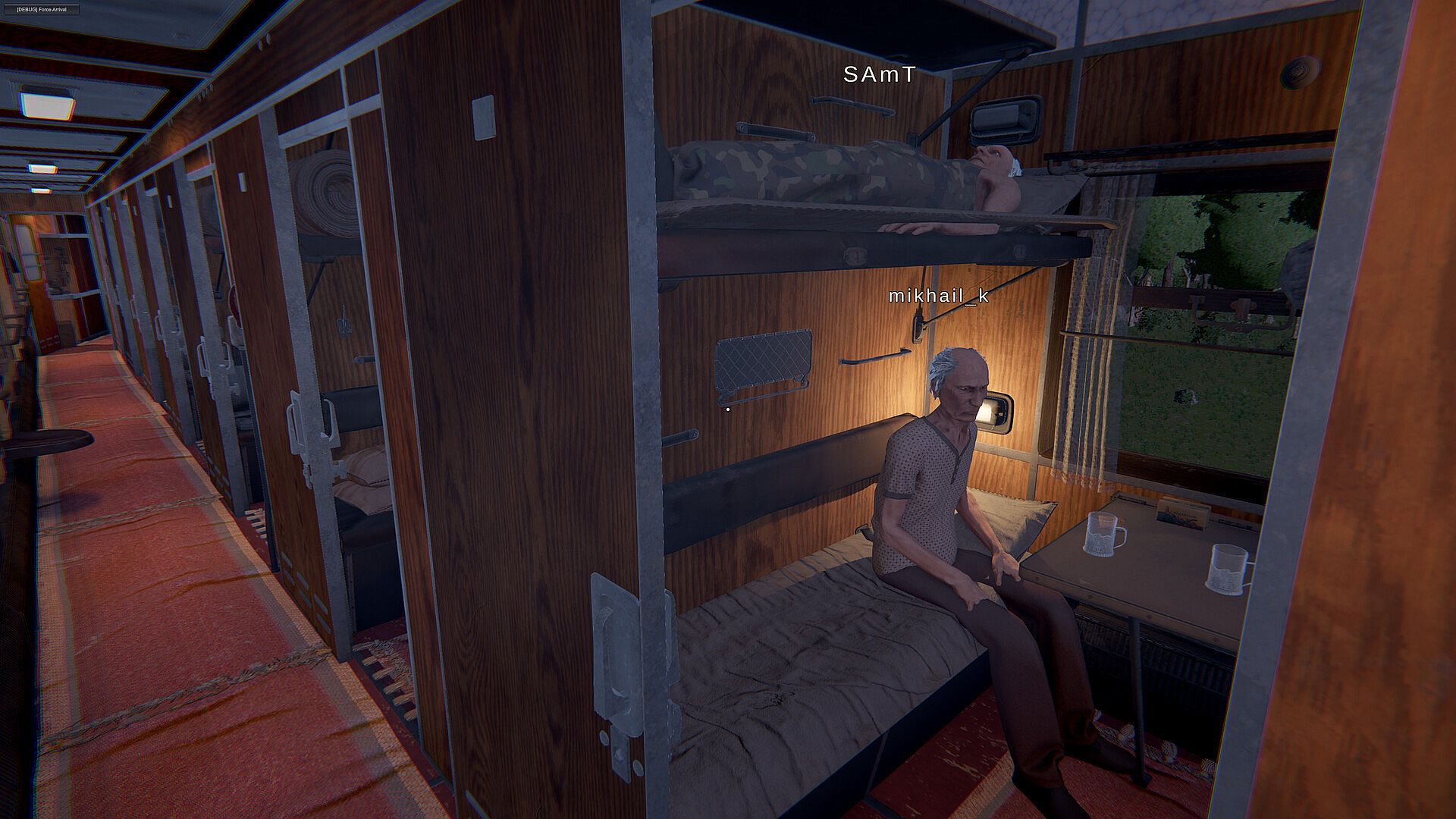
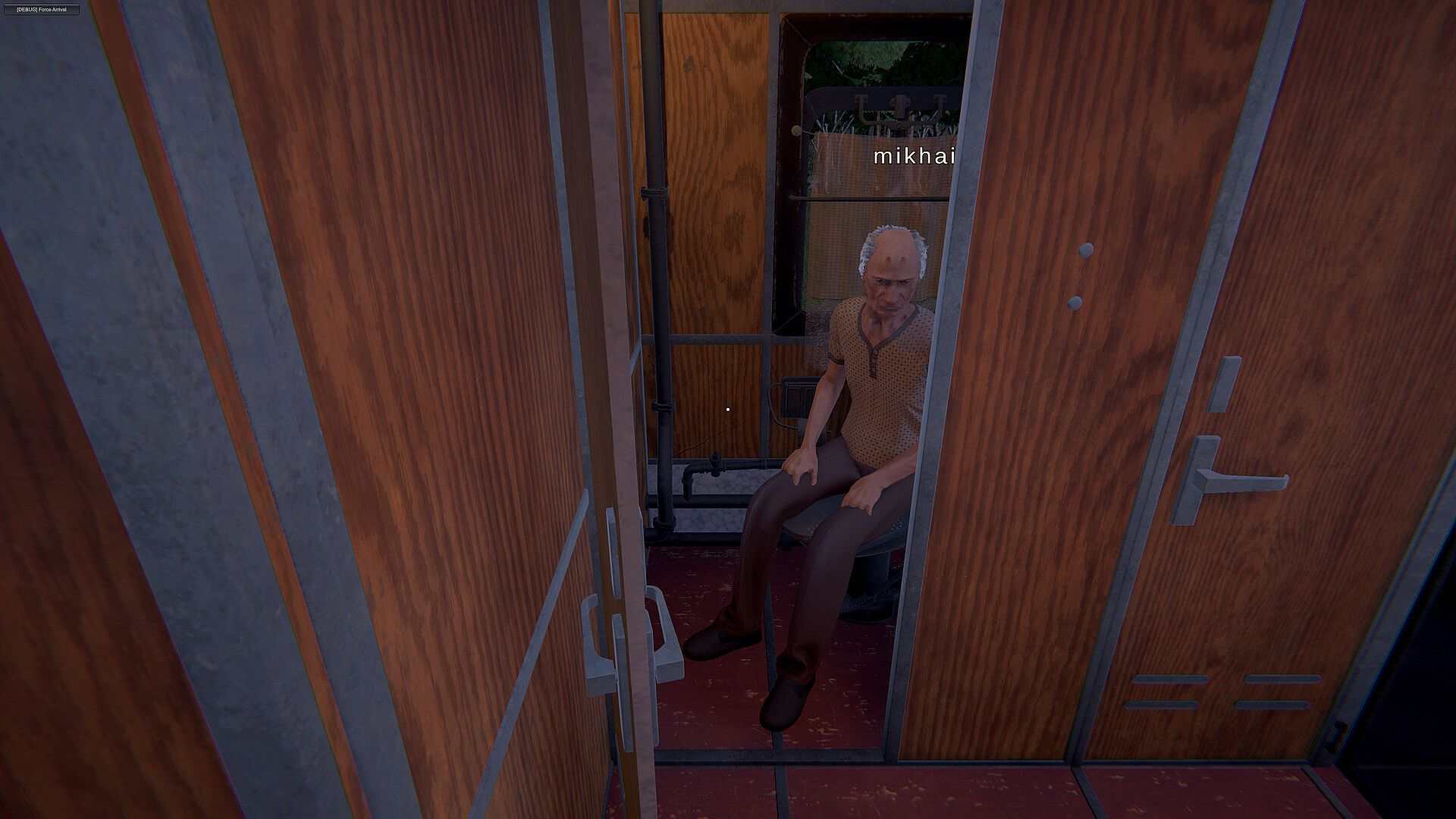
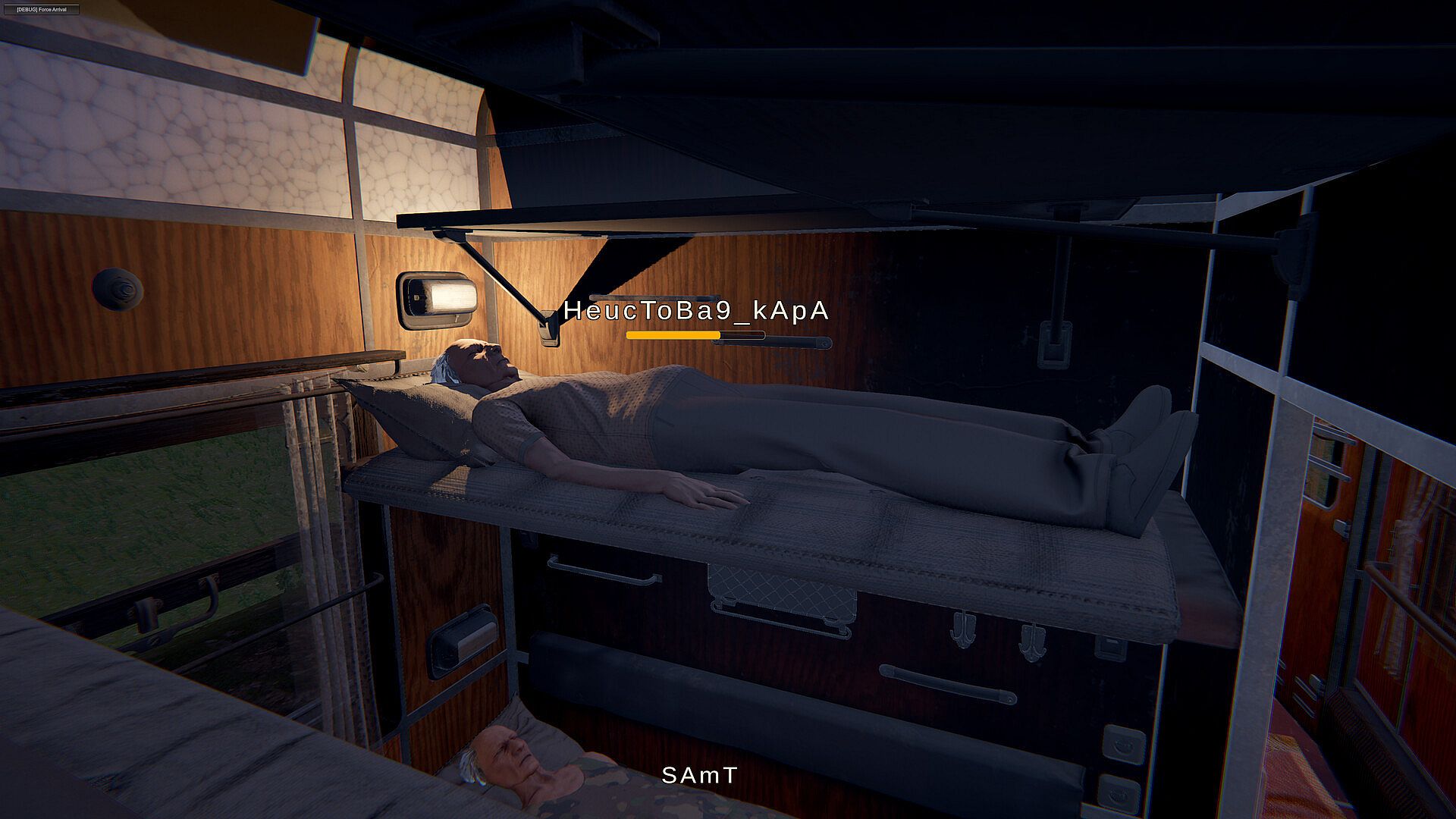
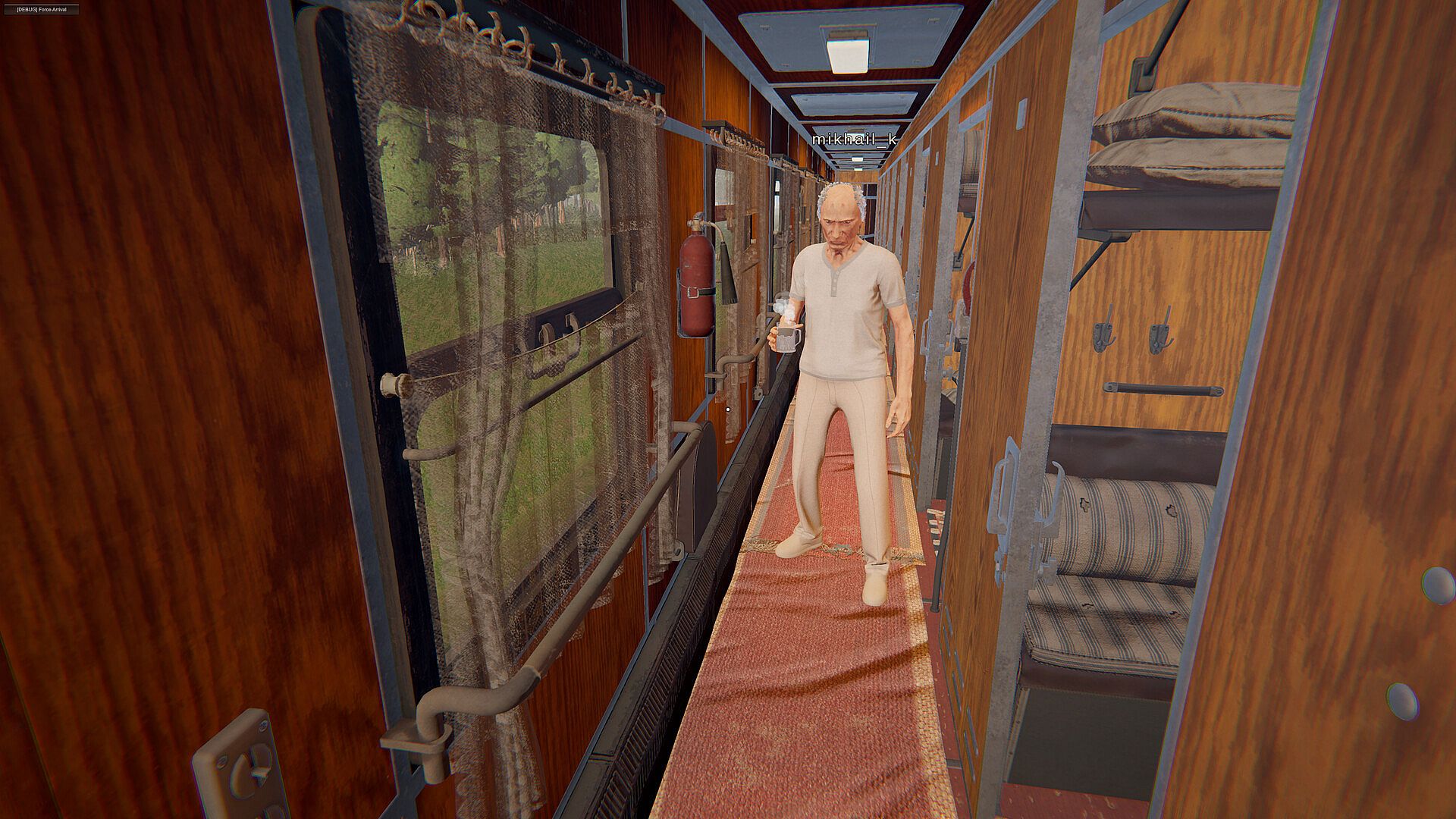
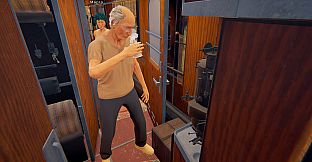
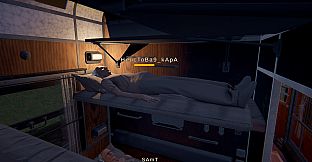
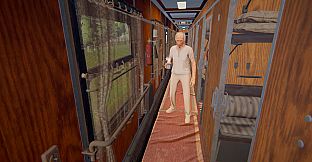
Podstakannik Rails is an indie casual simulation adventure game set on an overnight sleeper train. Players board a carriage with up to three others for a relaxed co-op experience focused on conversation and small interactions rather than objectives or progression.
Gameplay
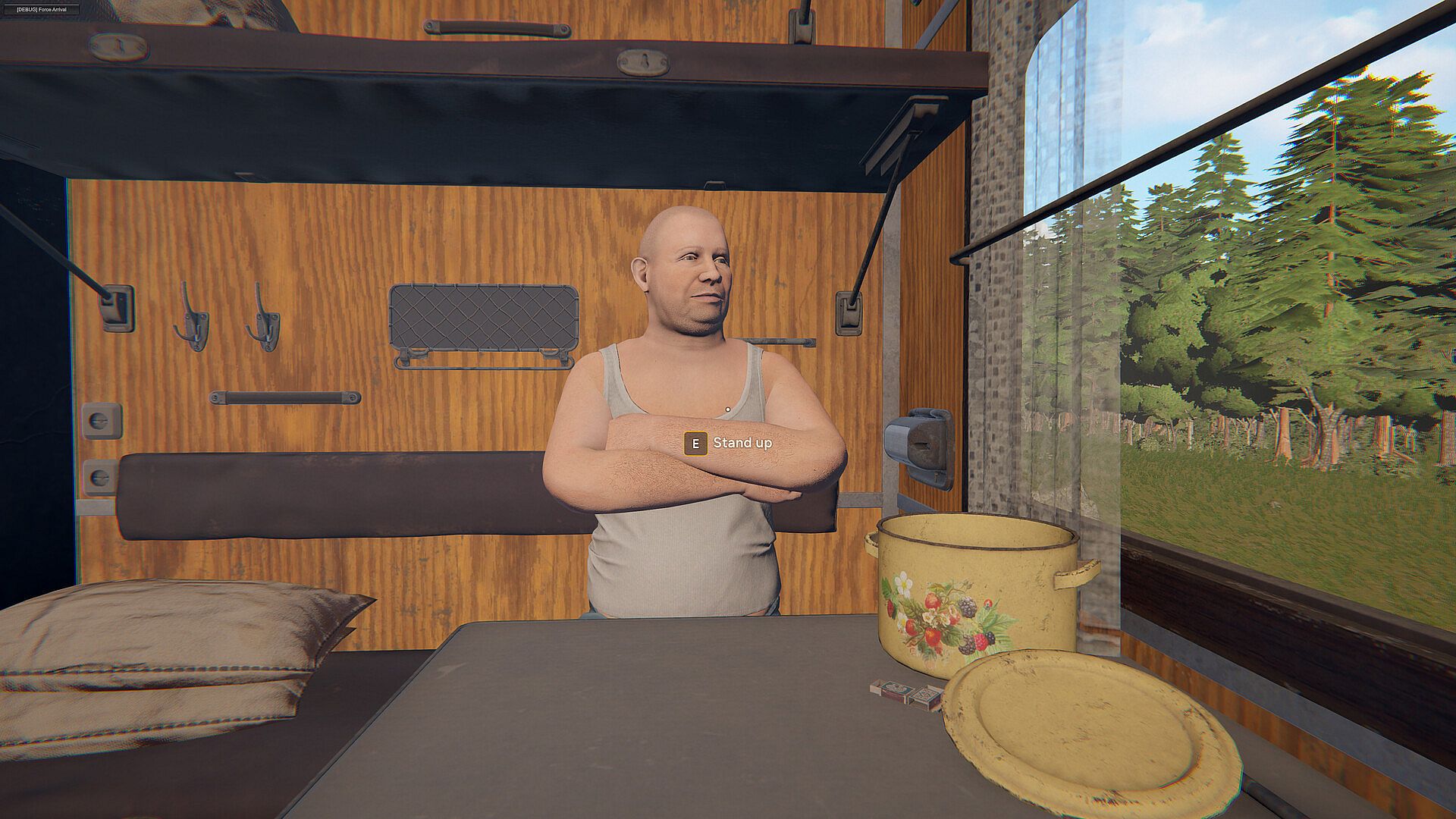
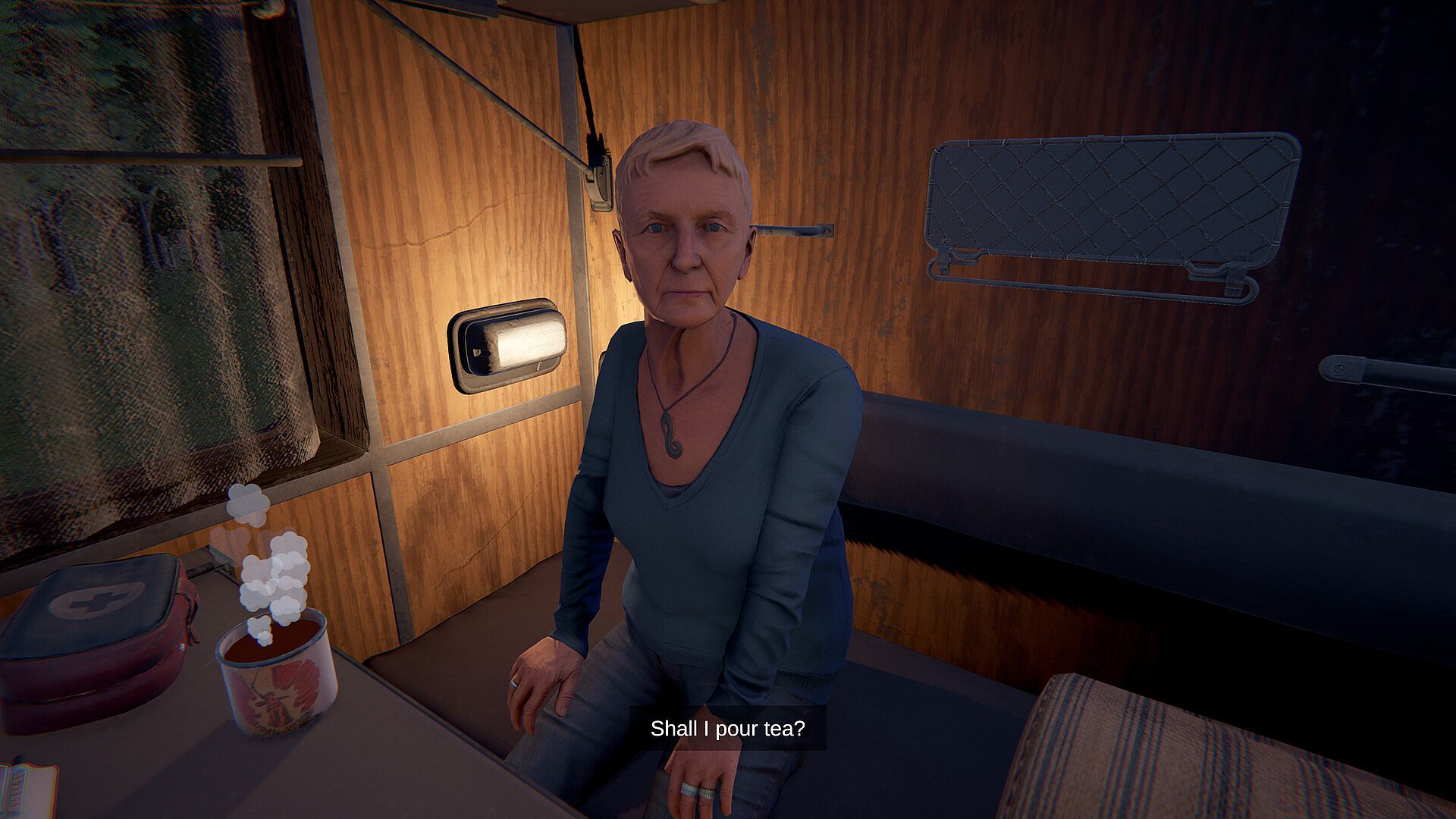
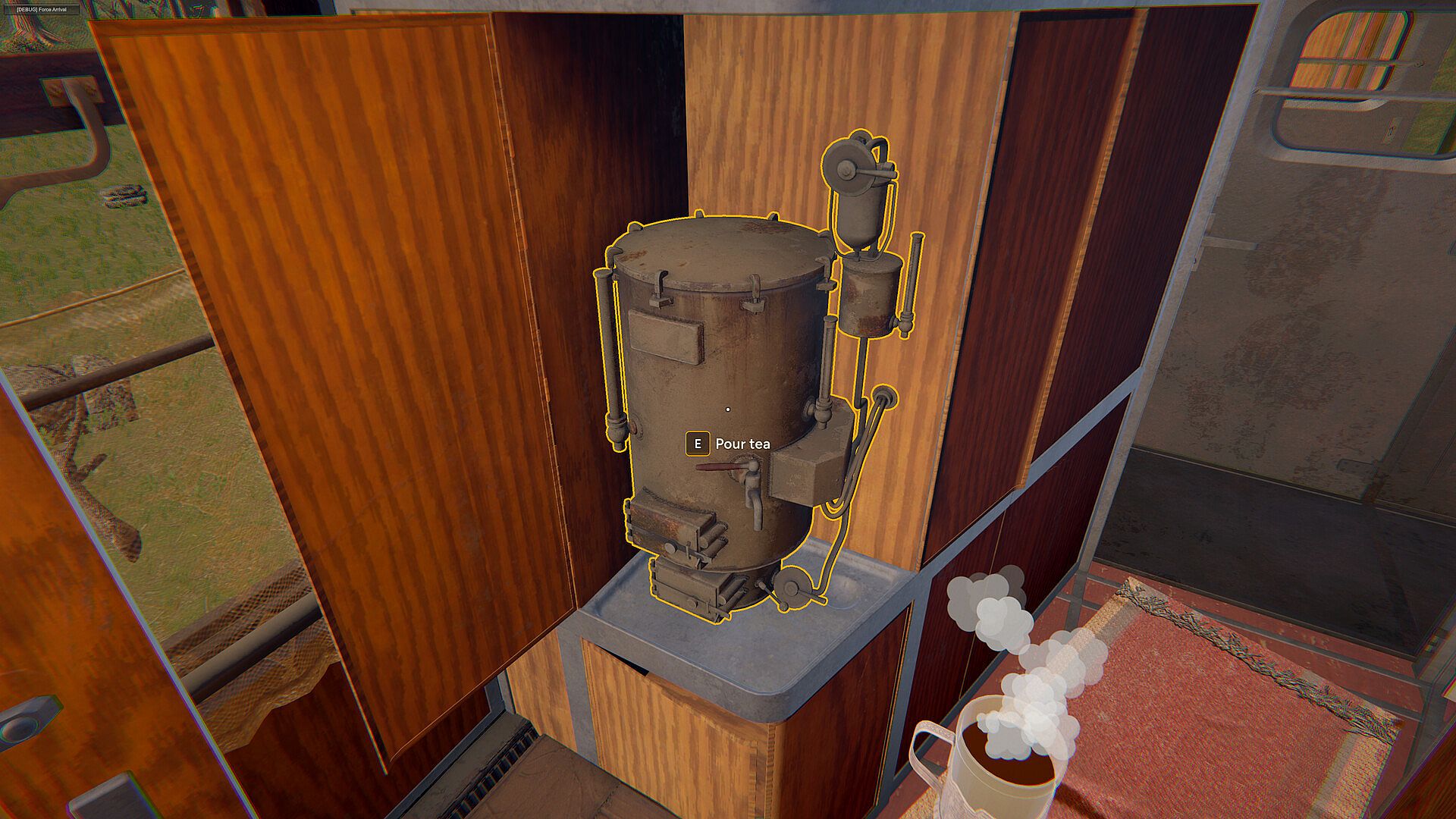
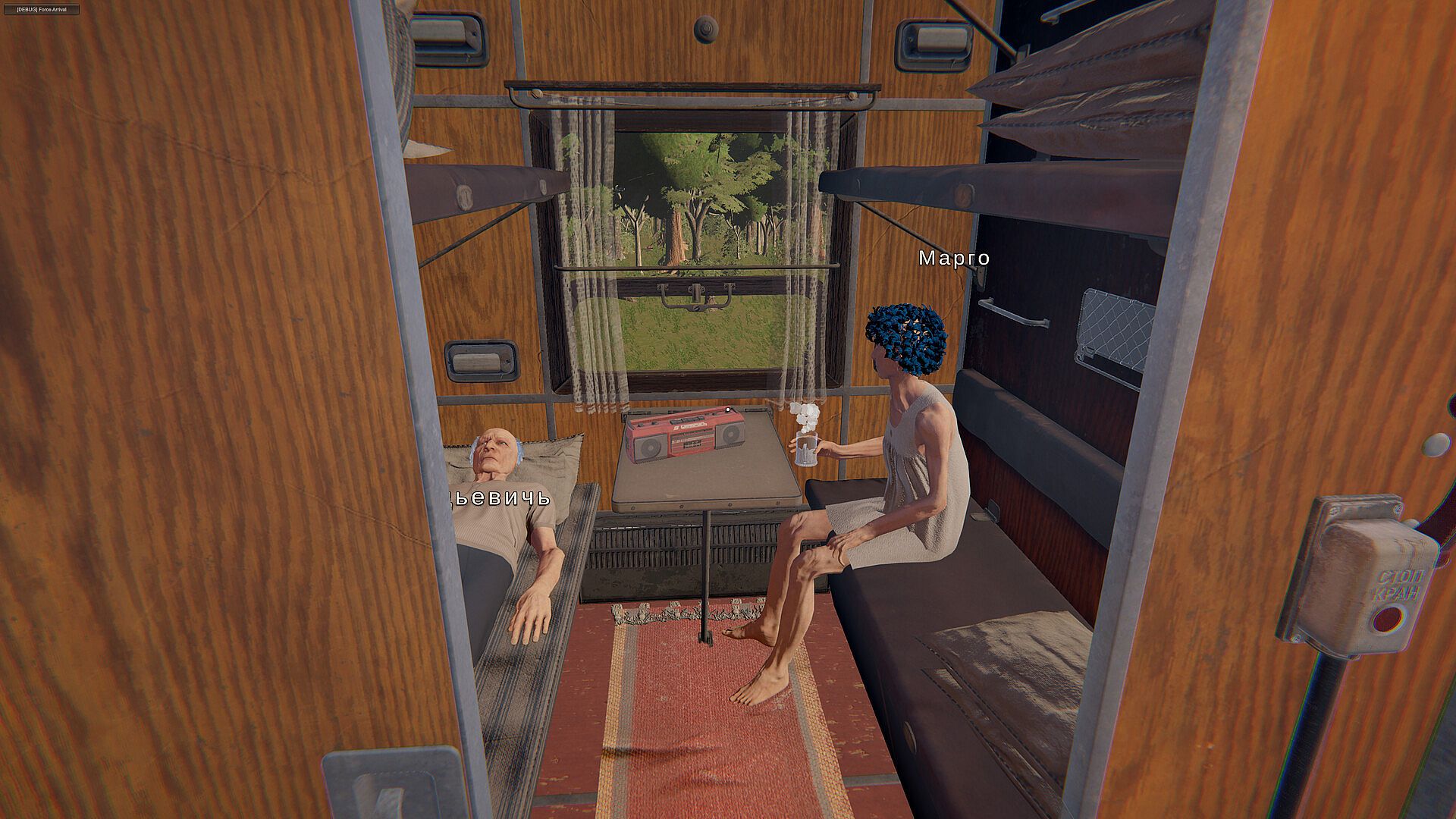
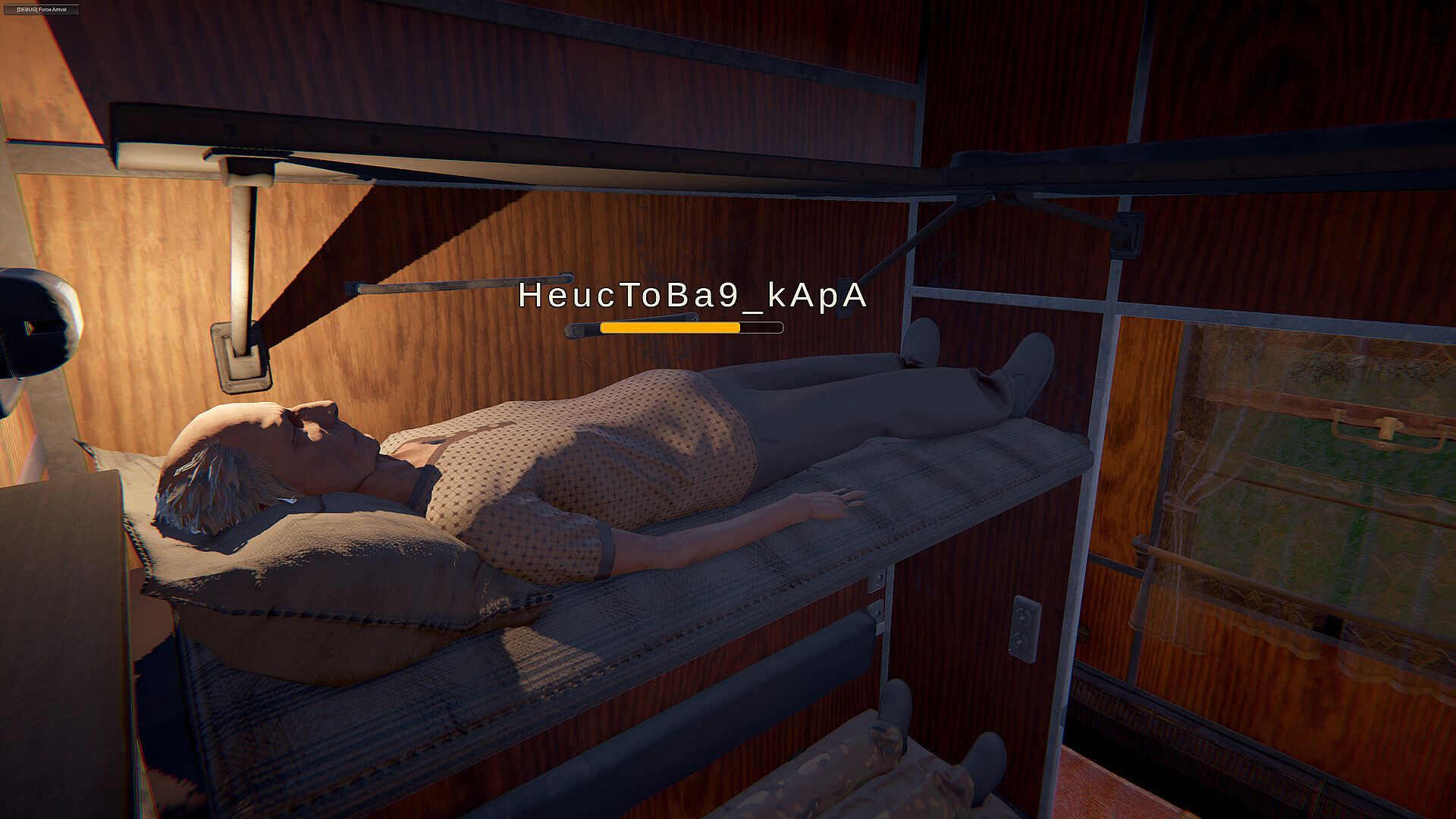
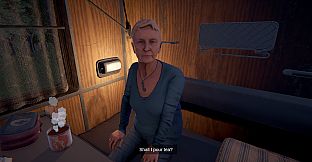
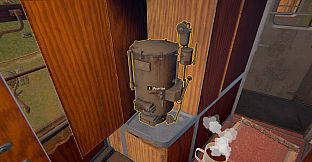
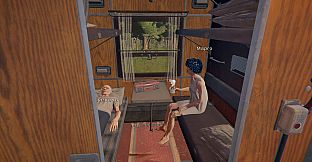
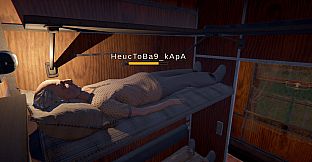
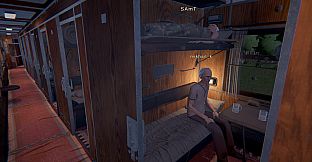
The core loop centers on sharing a compartment during a short journey. Participants claim berths, prepare tea from the samovar in its podstakannik, adjust the radio dial to catch signals through static, and handle everyday train details like making up beds or operating switches for lamps and doors. Proximity voice chat keeps talk clear within the compartment while fading for those farther away, turning the ride into a natural setting for discussion. Scenery passes outside the window by day or night, and occasional fellow passengers share brief stories when approached. Every interactive element functions as expected, from lights to compartment doors, creating a lived-in atmosphere without any scoring or unlocks.
Keyboard and mouse controls handle all actions on PC. The experience supports solo play but emphasizes group sessions where the train itself serves mainly as a backdrop for social time. Subtitles and interface appear in English, Russian, Ukrainian, Polish, and German to accommodate different players.
Game Modes
No traditional game modes exist. The host selects a trip length of 10, 15, or 20 minutes, after which the train reaches its destination and the session ends. Each run resets completely with stripped berths and cold tea, so nothing carries forward between trips. This structure keeps every outing self-contained and repeatable for an evening of several short sessions.
The design avoids campaigns, upgrades, or competitive elements. Instead, the variable durations let groups tailor the length to their available time while maintaining the same focus on compartment life and proximity chat.
Atmosphere and Interactions
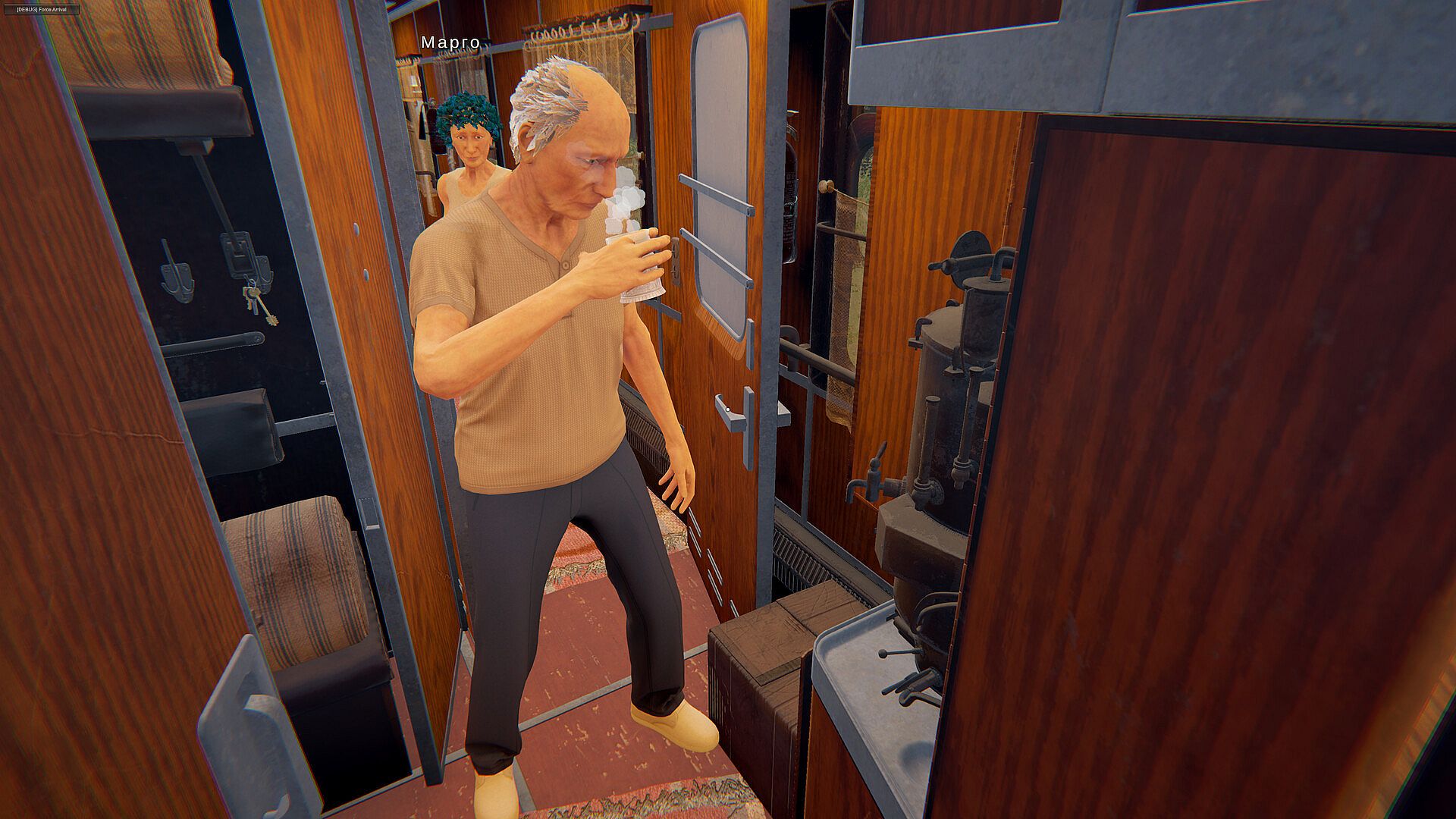
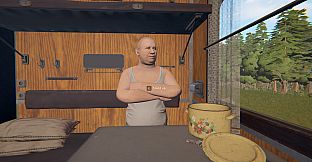
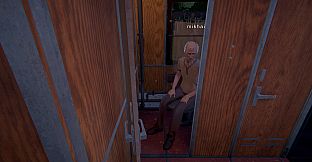
Details like filling and carrying tea glasses, tuning the radio, or lying down for a nap while others converse build a quiet, realistic train environment. A conductor, policeman, and other passengers populate the carriage and respond when players sit nearby. These encounters remain optional and story-light, adding flavor without directing the experience. The window view changes with the time of day, reinforcing the sense of travel without requiring active engagement.
Everything stays grounded in the carriage setting. No external quests or systems pull attention away from the immediate space and the people sharing it.
Is It Worth Playing?
This title suits players who enjoy low-pressure co-op hangouts built around conversation. It works well for groups of friends or family looking to spend an evening on several short trips without learning complex rules or chasing long-term goals. Solo players can explore the carriage alone, though the proximity voice system and social focus make it less engaging without others. Those seeking progression systems, scores, or extended campaigns will find the short, reset structure limiting. The game requires each participant to own a copy and runs on keyboard and mouse with no controller support at launch. Its appeal lies in the authentic train compartment details and the way the journey creates space for talk rather than in any competitive or narrative depth.