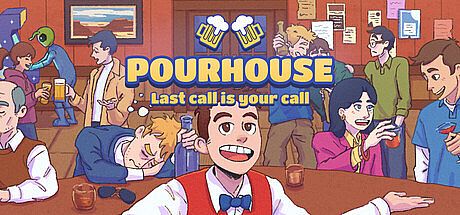


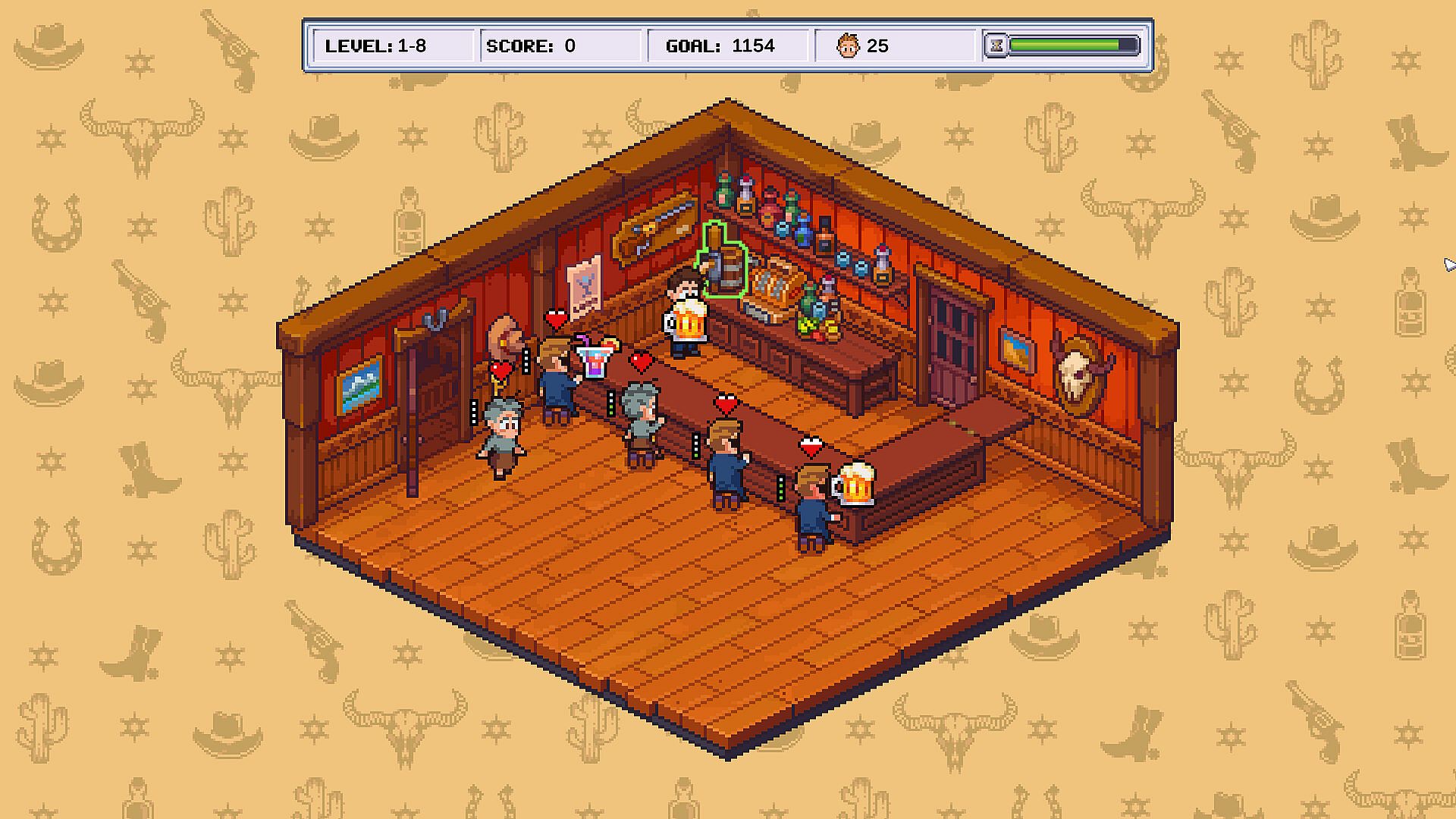
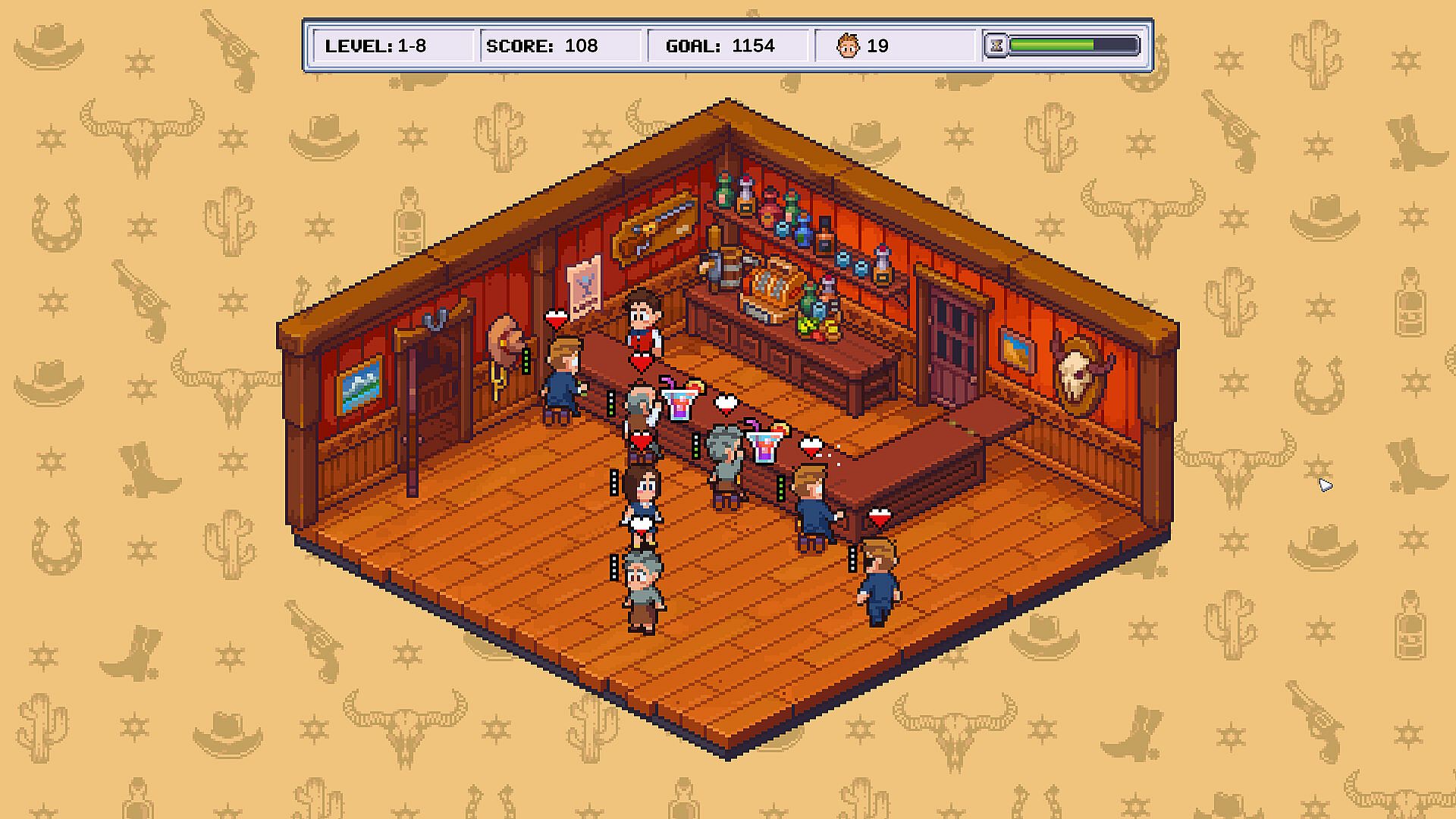
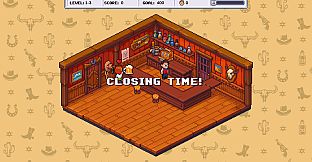
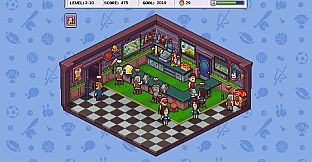
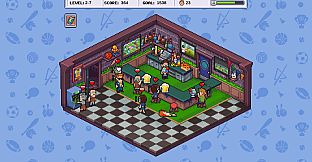
Pourhouse: Last Call Is Your Call is a 2D pixel-art time-management simulation game built around the demands of running a busy bar. Players take on the role of a bartender who must serve drinks, monitor customer intoxication levels, and cut people off before problems arise, all while preventing anyone from collapsing on the floor. The experience emphasizes quick decisions and escalating pressure across a series of shifts that grow steadily more intense.
Gameplay
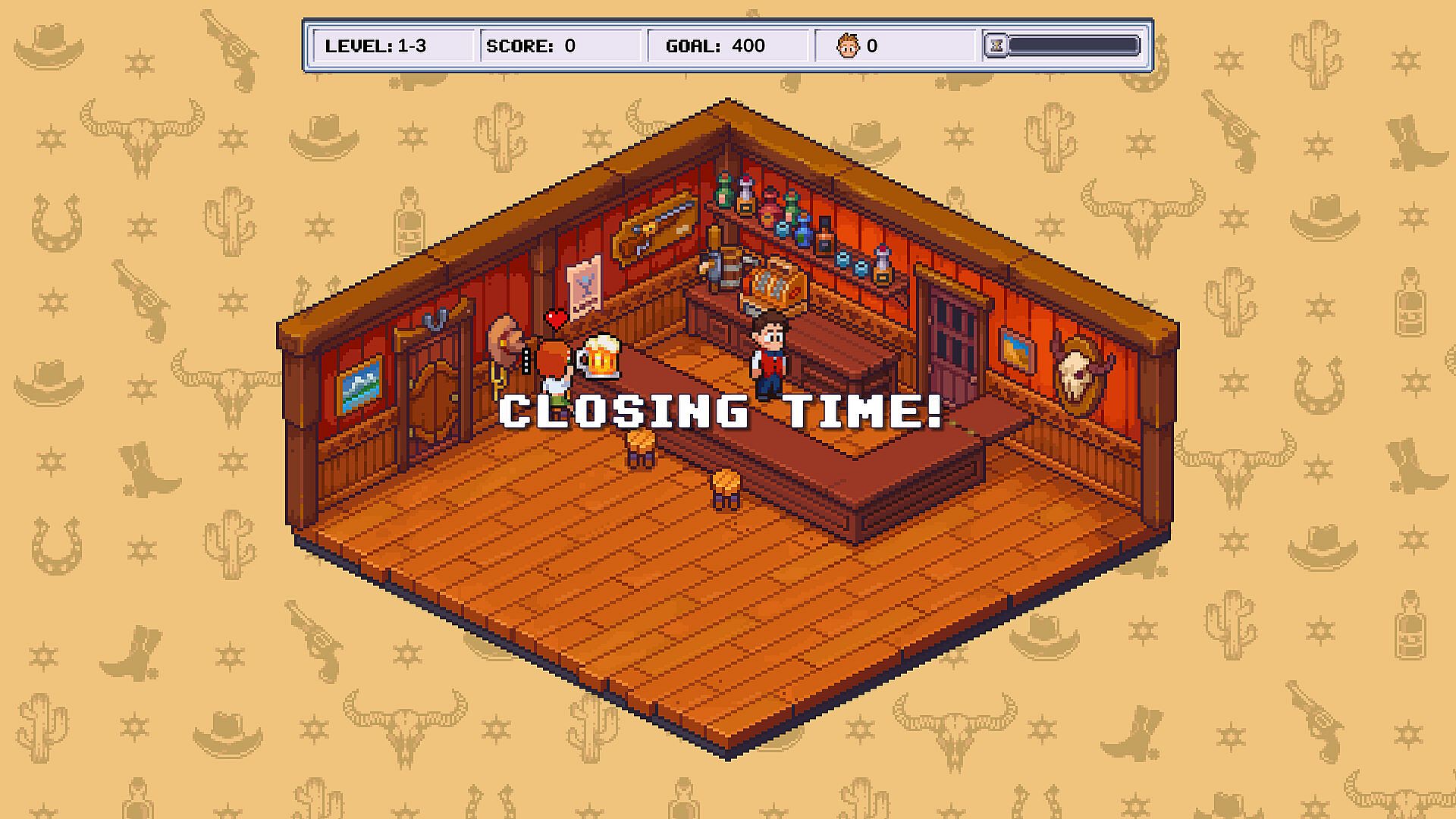
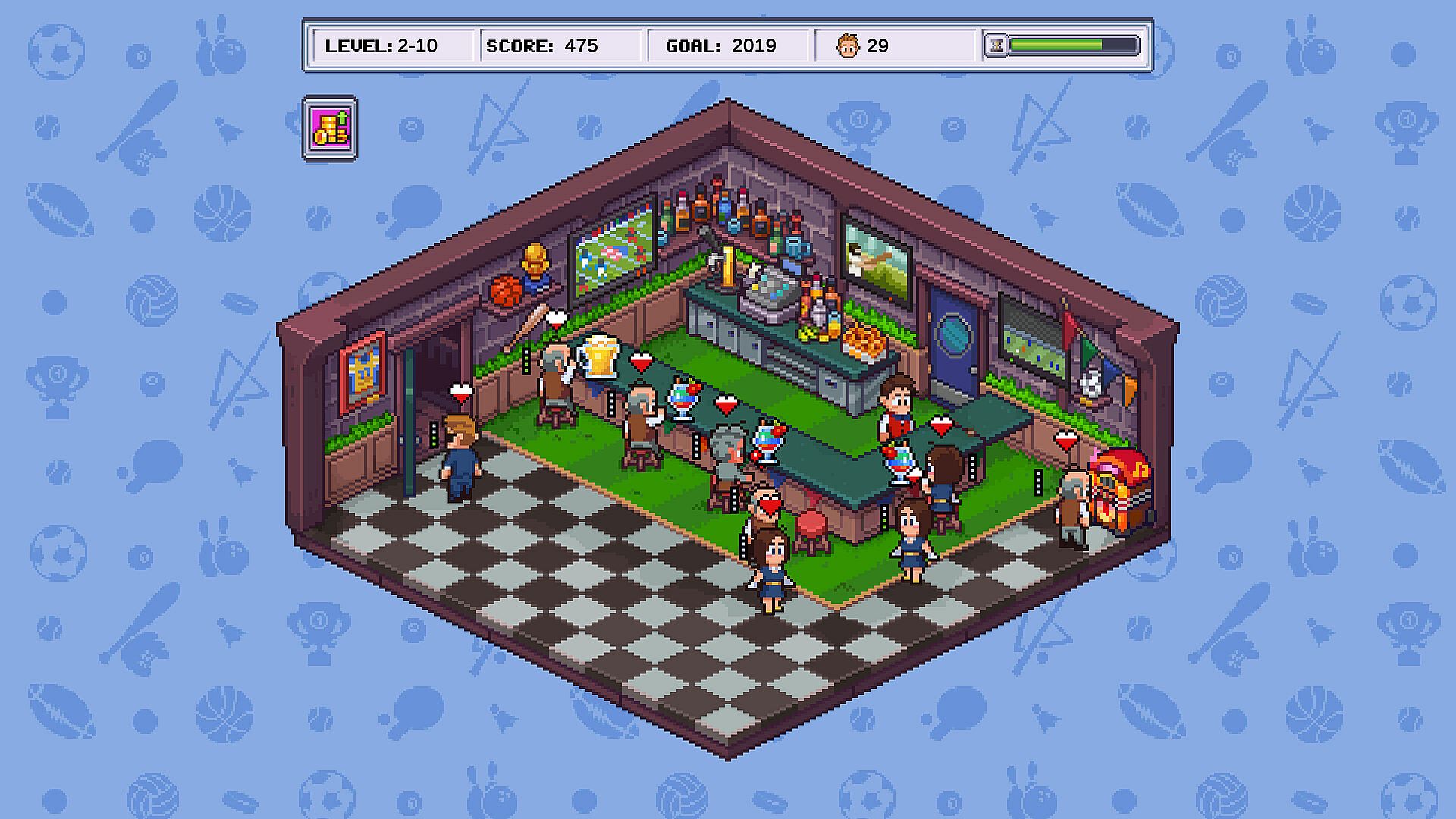
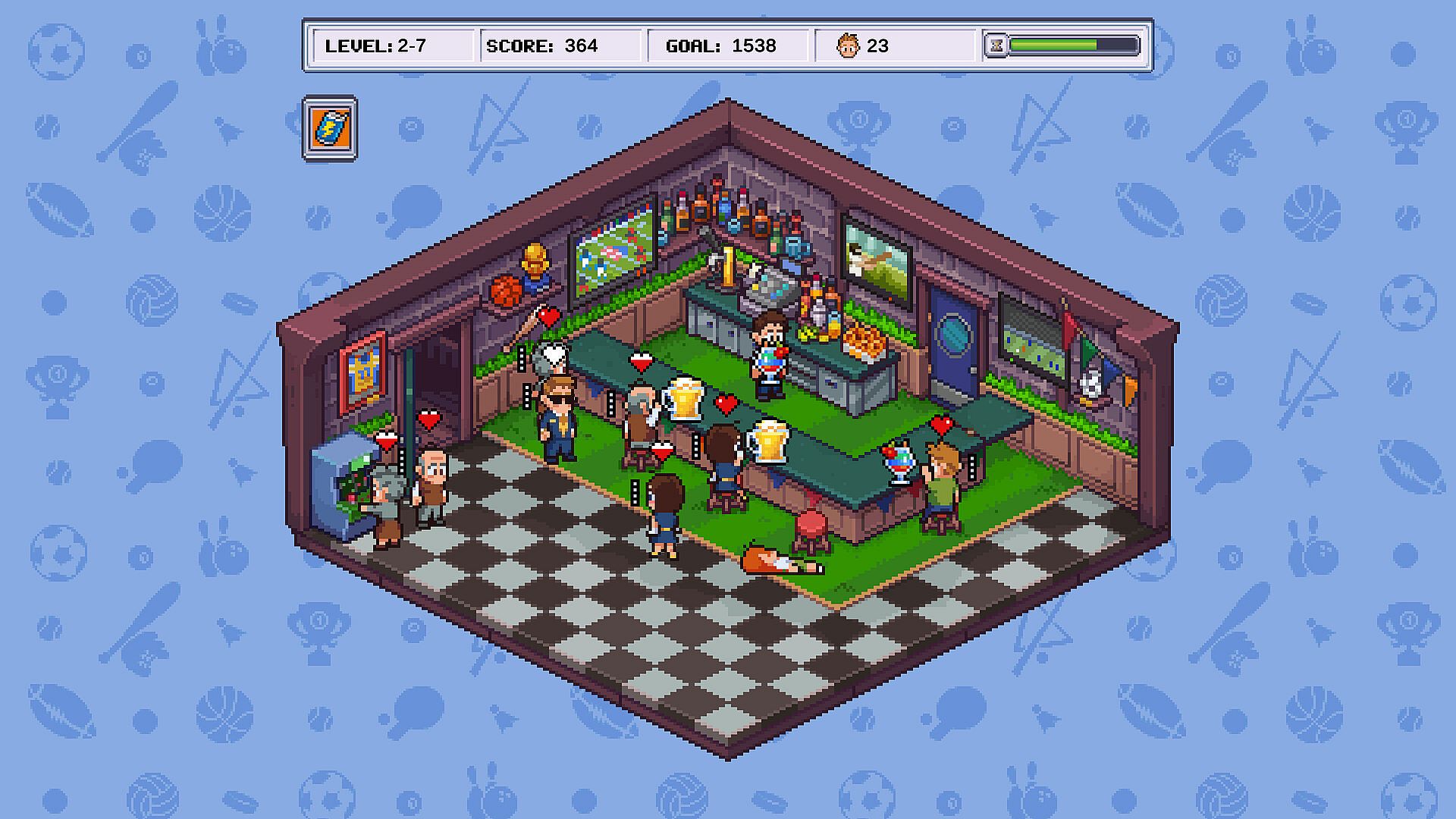
The core loop centers on seating customers who arrive and place orders, then fulfilling those requests before they grow impatient and leave. An intoxication meter tracks how much each patron has consumed, forcing players to decide when to stop serving a particular person to avoid negative outcomes. Movement and service happen in real time, with the pace quickening as more customers enter and existing ones demand attention. The pixel-art style keeps the focus on clear visual feedback for orders, meters, and bar layout rather than realistic graphics.
Power-ups provide temporary advantages during busy moments. An energy drink increases movement speed for a short duration, while a multiplier boosts points earned from successful serves. Additional upgrades purchased between shifts, such as a jukebox or arcade machine, help manage waiting customers by keeping them occupied and less likely to exit frustrated. These systems encourage strategic planning alongside the immediate demands of the bar floor.
Game Modes
The game operates as a single-player experience focused on progression through 40 levels. Each level increases the number of customers, the speed of service required, and the variety of challenges presented by different crowds. There are no separate multiplayer options or alternate modes listed, so the structure relies on replaying and improving performance across these escalating shifts to unlock new content.
Four distinct bars become available as players advance. Each location features its own visual theme, customer types, and specific complications that alter how orders and intoxication must be handled. Completing levels in earlier bars grants access to these new environments, extending the campaign while introducing fresh variables to the time-management demands.
Key Mechanics and Progression
Success depends on balancing speed with restraint. Serving too slowly causes customers to depart annoyed, while over-serving leads to intoxication issues that can disrupt the shift. The system rewards efficient routing around the bar, accurate drink fulfillment, and timely interventions with the cut-off mechanic. Bar upgrades and power-ups integrate directly into this loop, offering ways to mitigate chaos without removing the core pressure of the time limit.
Levels build on one another, with later stages combining higher customer volume, stricter intoxication thresholds, and the unique traits of unlocked bars. This creates a steady climb in difficulty that tests both reaction time and forward planning. The pixel-art presentation supports quick recognition of customer states and bar elements, keeping gameplay readable even during peak moments.
Is It Worth Playing?
Pourhouse: Last Call Is Your Call targets players who enjoy fast-paced time-management simulations and casual indie titles centered on service and resource juggling. Its single-player structure and level-based progression suit short sessions or longer attempts at high scores and efficient clears. The mechanics around intoxication management and customer flow provide a distinct angle compared to slower or first-person bar simulations.
Because the game remains unreleased with a planned launch in April 2027 and currently shows no user reviews, any assessment rests on the described systems rather than widespread player feedback. Those drawn to arcade-style escalation, pixel-art presentation, and the specific challenge of deciding when to cut off patrons will likely find the 40 levels and four bars engaging. Others seeking multiplayer features or slower narrative-driven experiences may prefer different options in the simulation genre.