

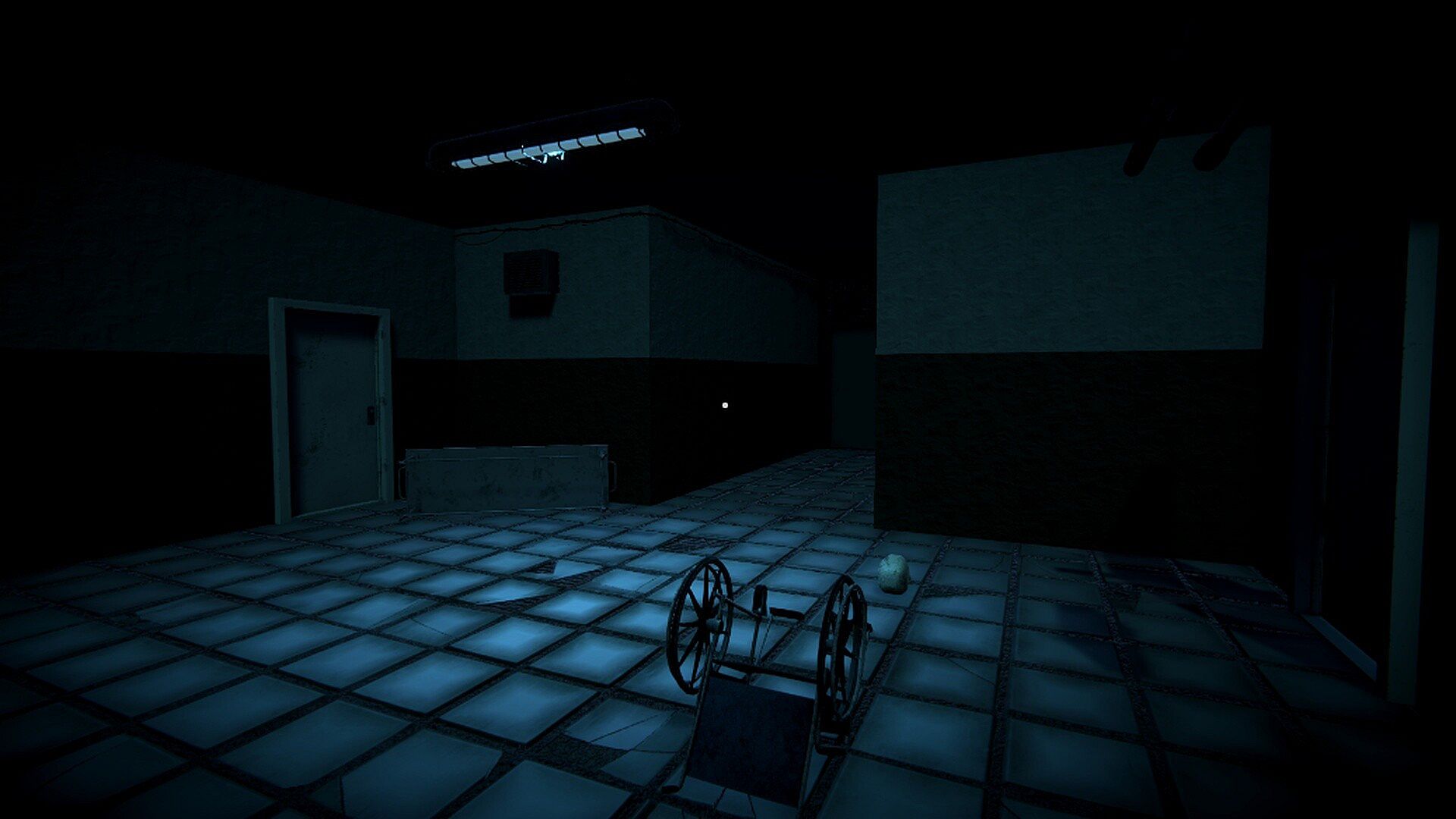
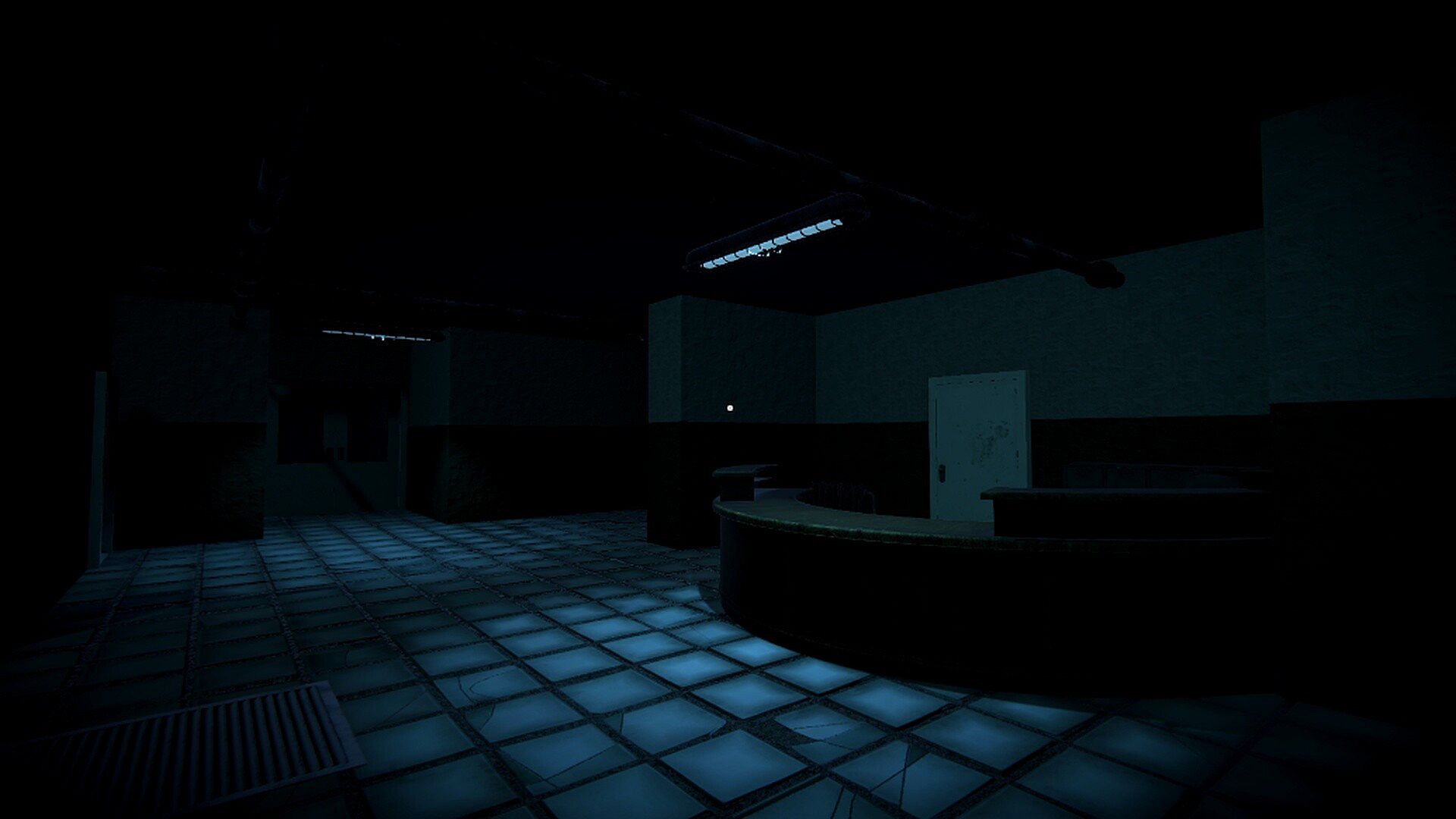
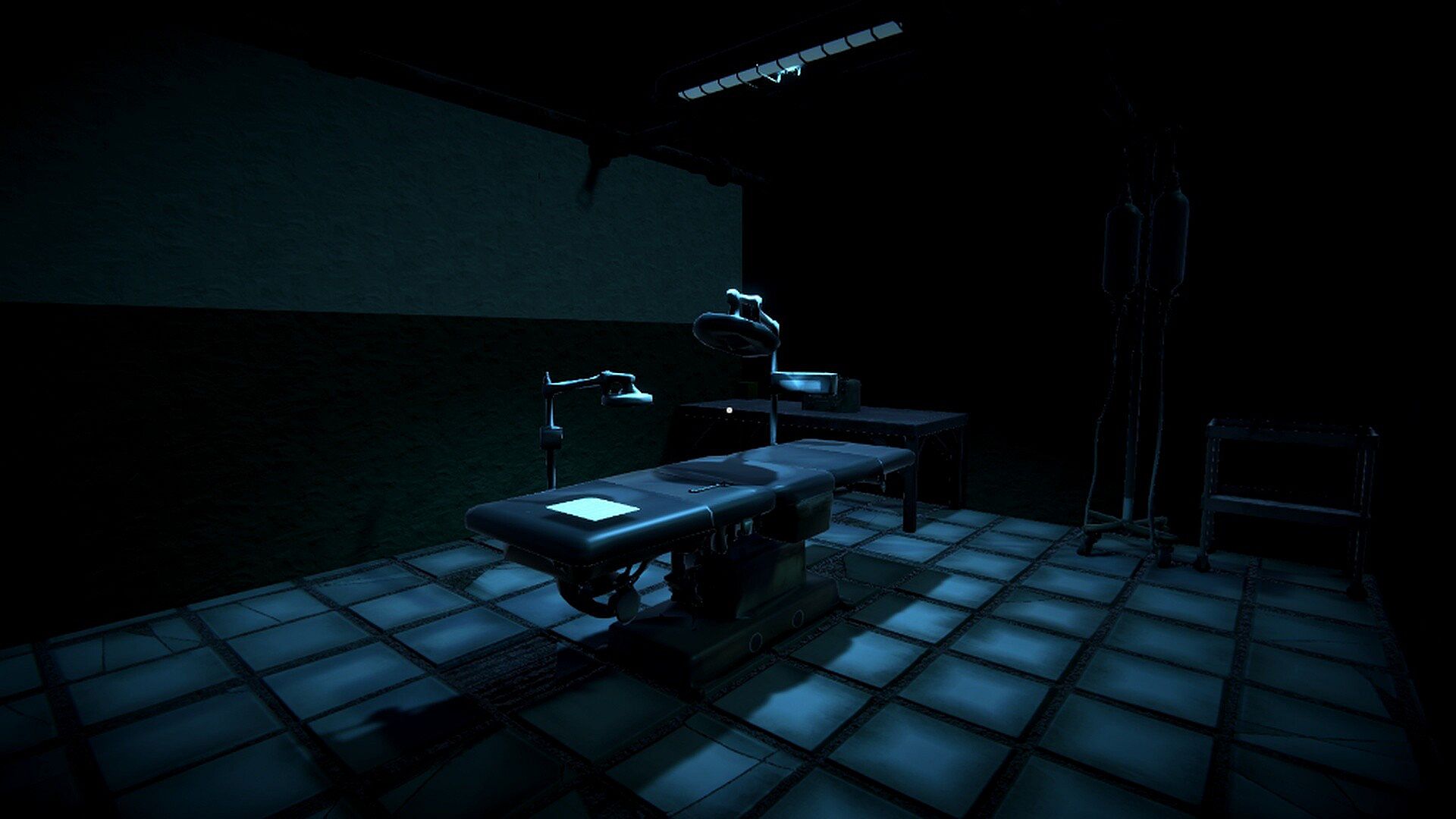
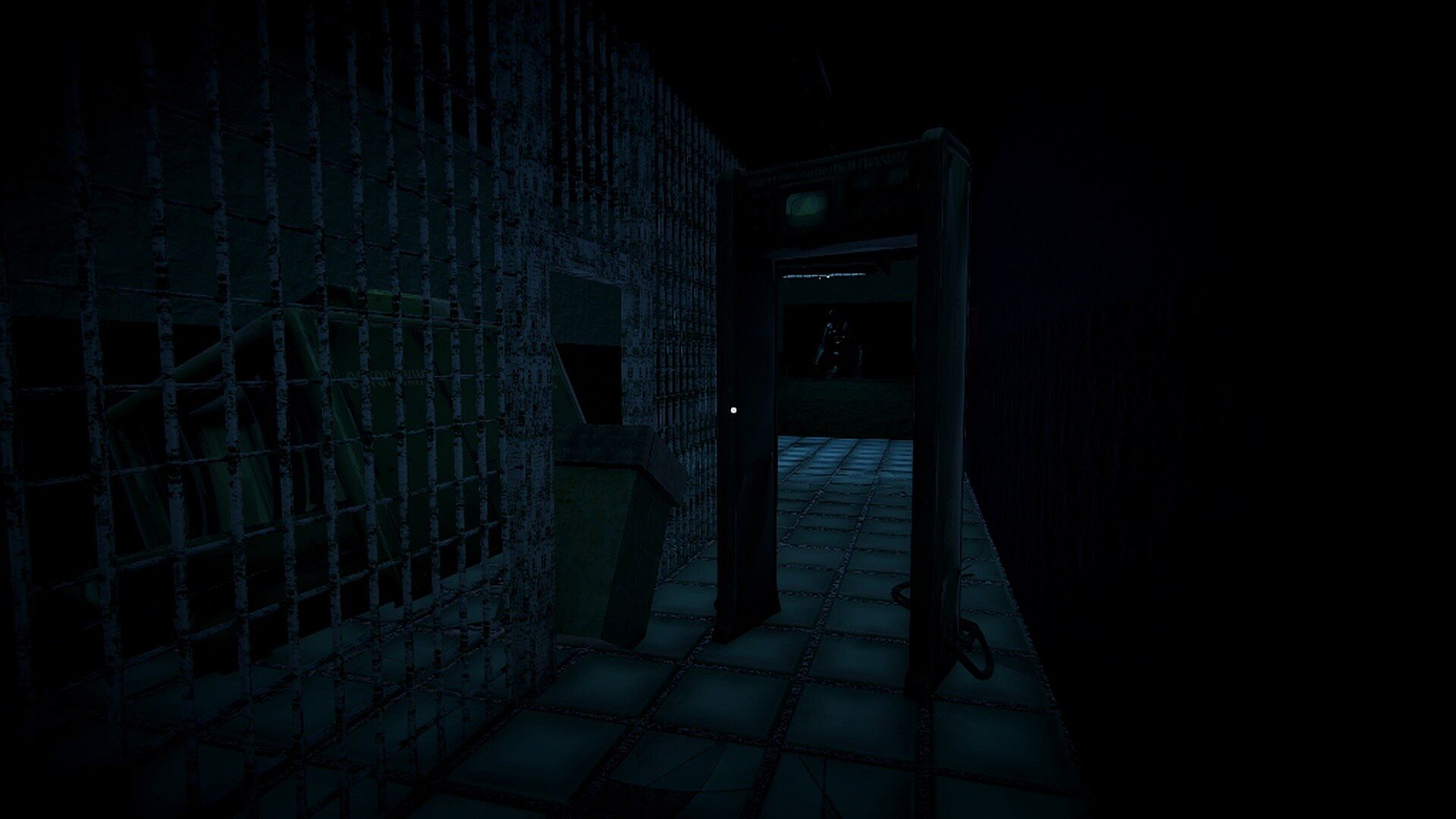
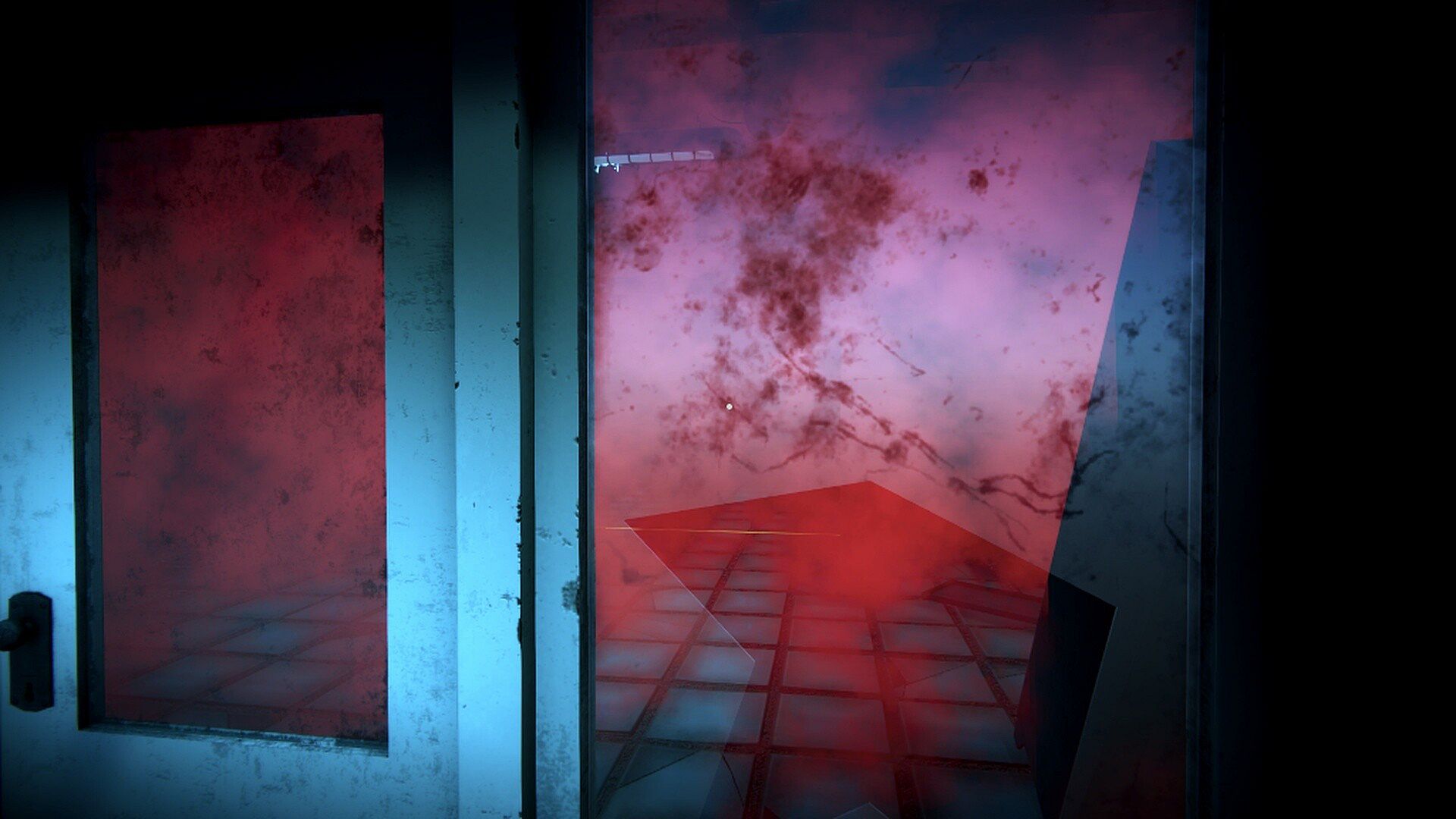
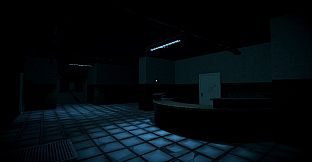
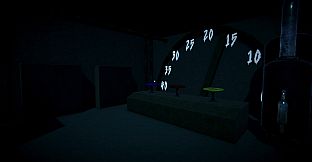
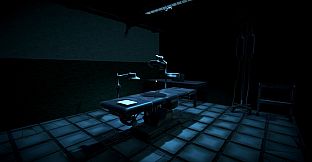
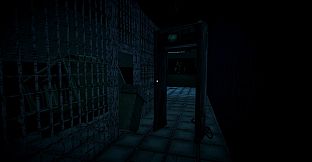
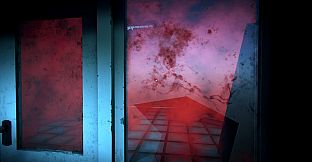
Protocol - Chapter 1: Limbo is an indie adventure game centered on atmospheric horror, exploration, and mystery. Players navigate the decaying corridors of a long-abandoned hospital, piecing together fragments of a forgotten past through environmental storytelling and careful observation.
Gameplay
The core loop revolves around waking up disoriented in the hospital with partial memory loss. Movement through the facility reveals layers of its history via scattered notes, documents, and other clues left behind. These items gradually expose details about secret experiments conducted on the site years earlier, building a sense of unease as the narrative unfolds.
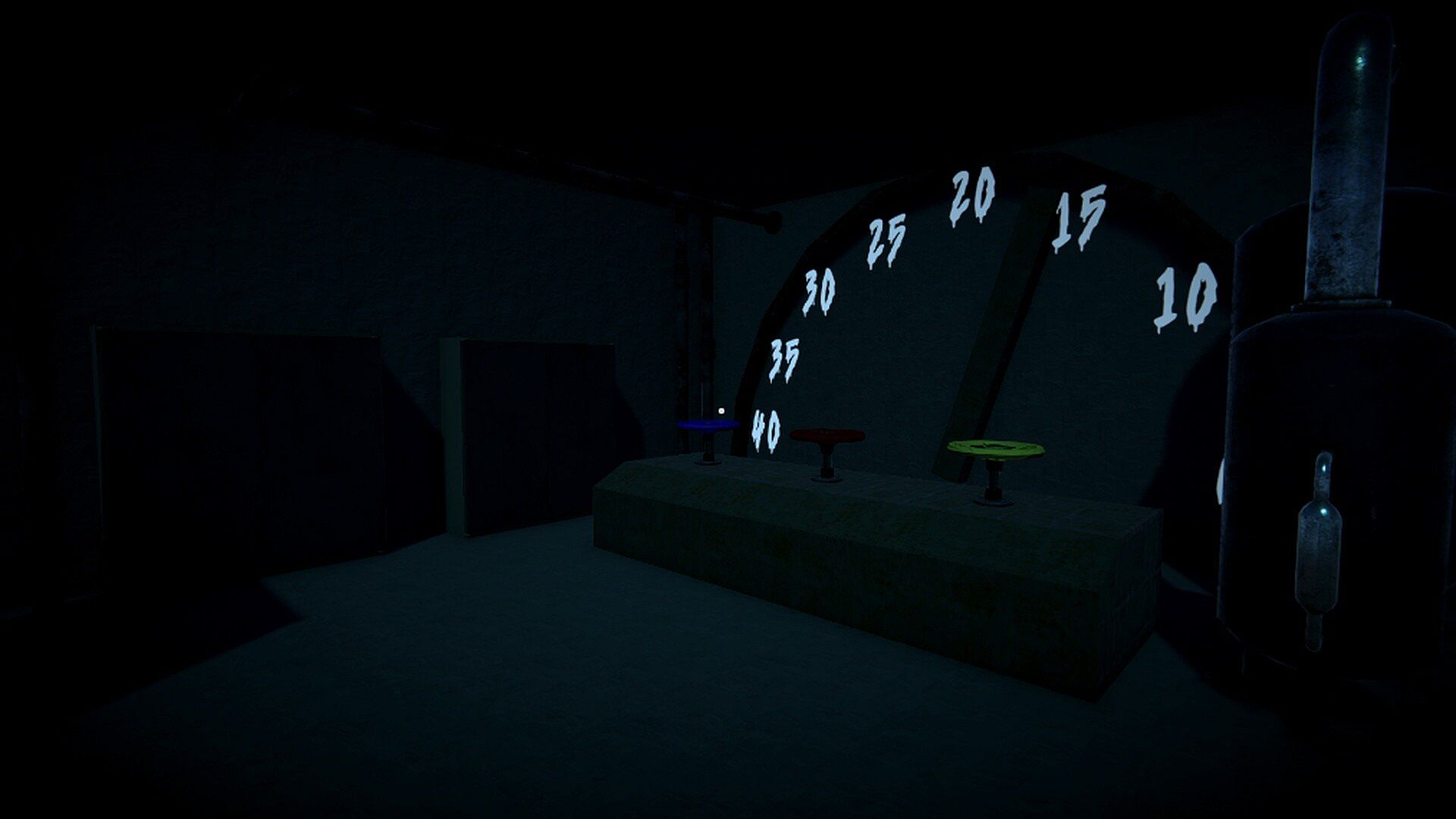
Progression depends on examining surroundings closely. Certain doors remain locked or blocked until players interact with nearby objects or solve straightforward environmental puzzles. This process encourages thorough searching rather than rushing forward, rewarding attention to detail with new information and access to previously restricted areas.
The experience emphasizes tension through isolation and the unknown. The hospital's forgotten state creates a quiet, oppressive setting where every discovery adds to questions about the player's own connection to the location.
Game Modes
Protocol - Chapter 1: Limbo operates as a single-player narrative adventure without separate multiplayer or competitive modes. The focus remains on sequential exploration of the hospital's main areas and hidden sections beneath the surface.
Players advance through a linear structure that blends investigation with light puzzle elements. There are no branching paths or alternative play styles beyond the central emphasis on uncovering clues and solving obstacles in the environment.
Story and Setting
The narrative begins with the player character regaining consciousness without knowledge of their identity or purpose. The hospital, abandoned for years, serves as the primary location, its empty halls and rooms holding traces of past activities that were never meant to surface.
Documents and notes scattered throughout provide incremental revelations about the experiments conducted there. These elements tie into the central mystery of why the player has returned after so much time has passed, suggesting prior involvement with the facility.
The setting avoids overt action, instead relying on the atmosphere of neglect and hidden history to drive engagement. Exploration reveals both the physical layout and the darker implications of what occurred within its walls.
Is It Worth Playing?
This title suits players who enjoy deliberate, atmospheric adventures that prioritize mood and discovery over fast-paced action or complex systems. The combination of mystery, simple puzzle-solving, and environmental narrative creates a focused experience for those interested in horror through implication rather than direct confrontation.
Its indie scope means a contained story centered on one chapter of events, making it accessible for shorter play sessions while leaving room for reflection on the themes presented. Fans of exploration-driven games with psychological undertones will find the approach aligns with that preference.
Overall, the game delivers a cohesive package for its intended audience, though those seeking extensive replayability or varied mechanics may find the structure more linear than expansive.