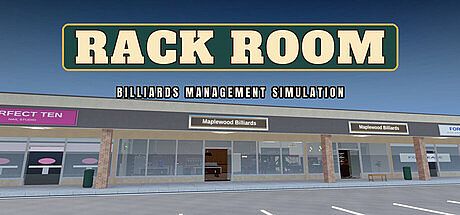


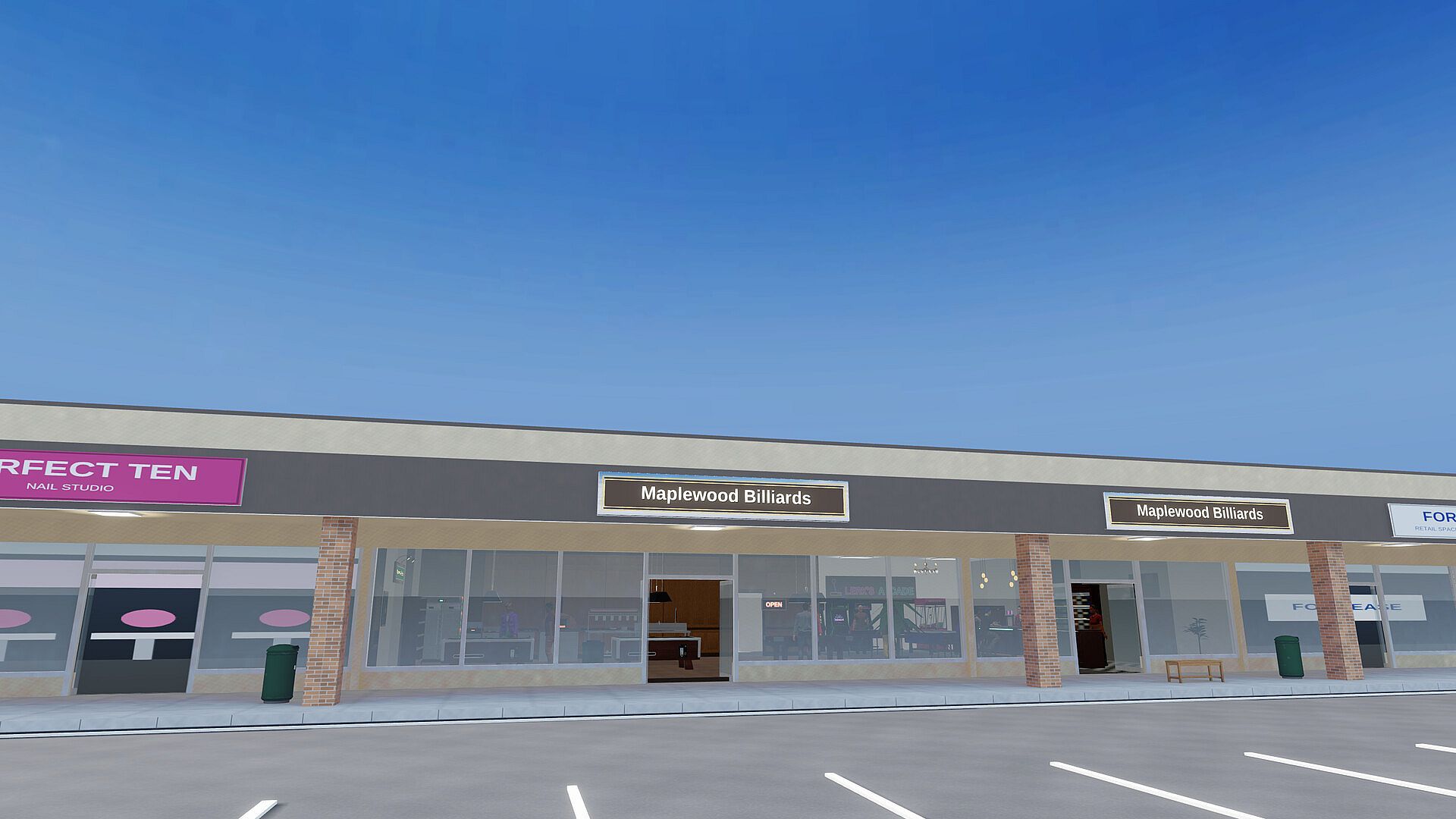
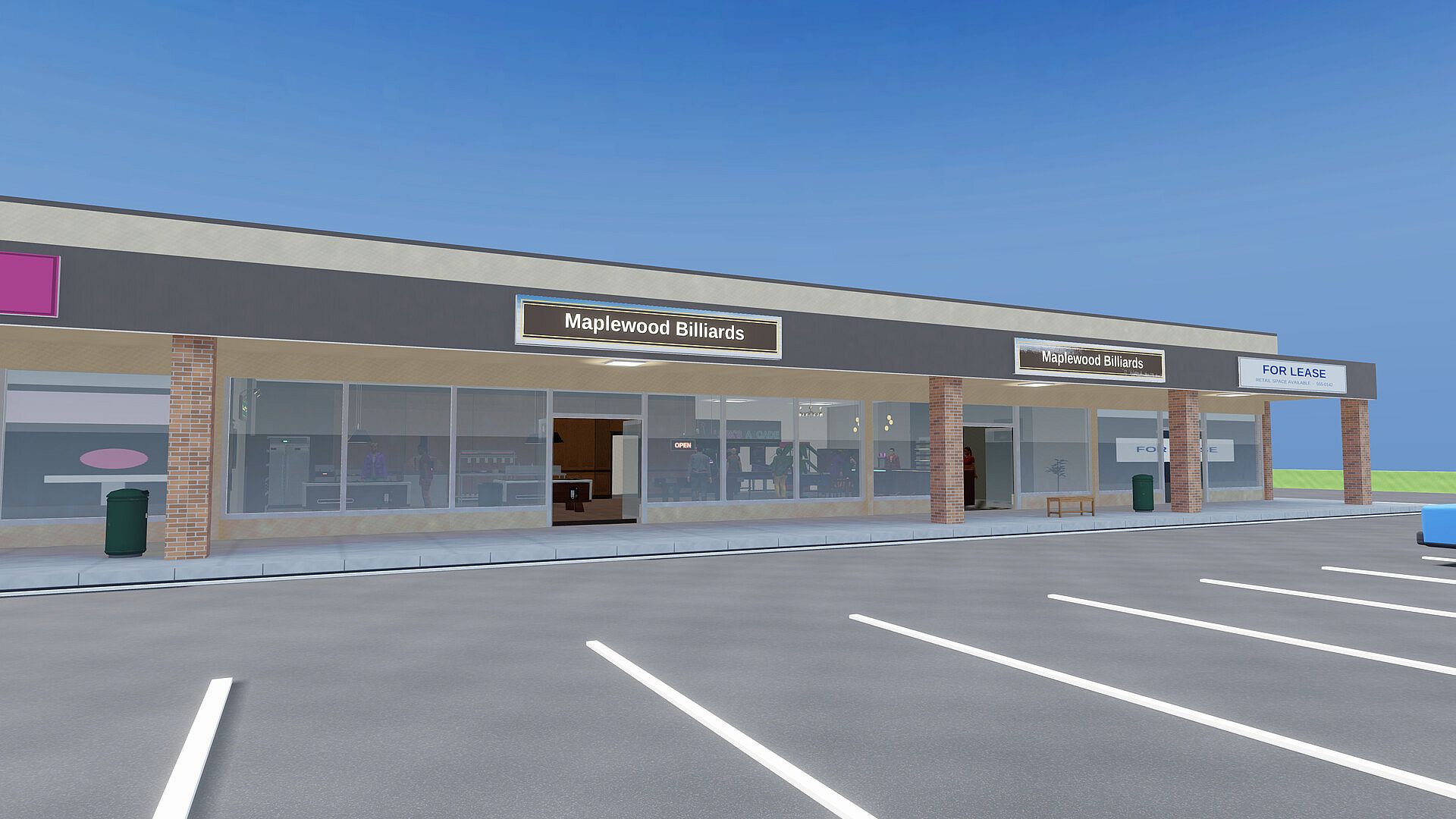
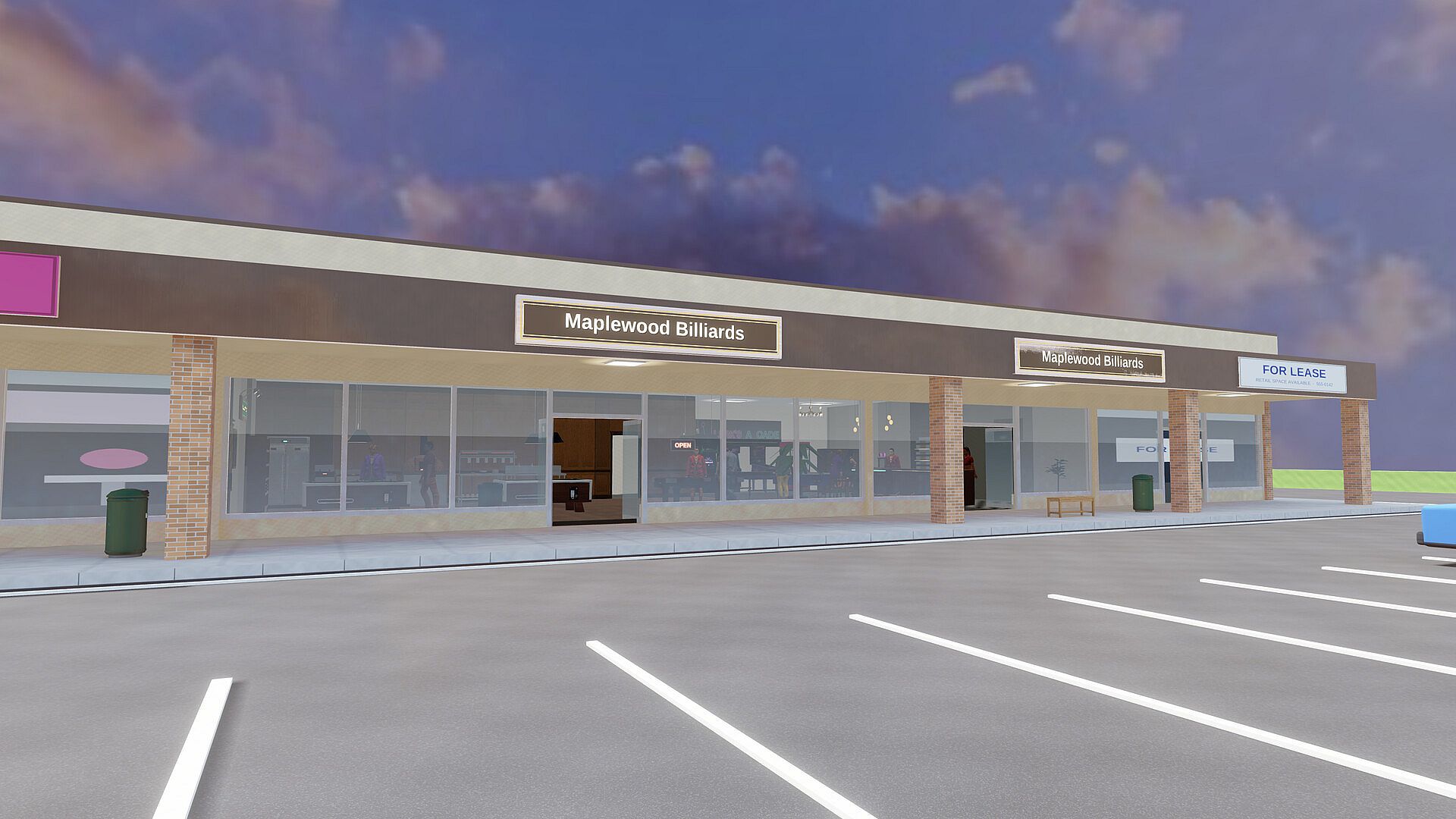

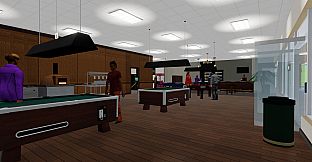
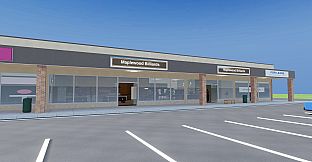
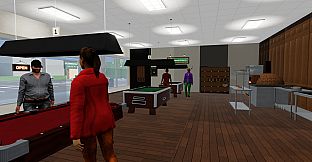
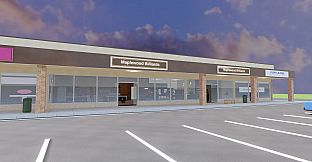
Rack Room: Billiards Management Simulation is an indie casual simulation game focused on sports and business management on PC. Players start with an empty space in a strip mall and turn it into a functioning pool hall through hands-on construction and daily operations.
Gameplay
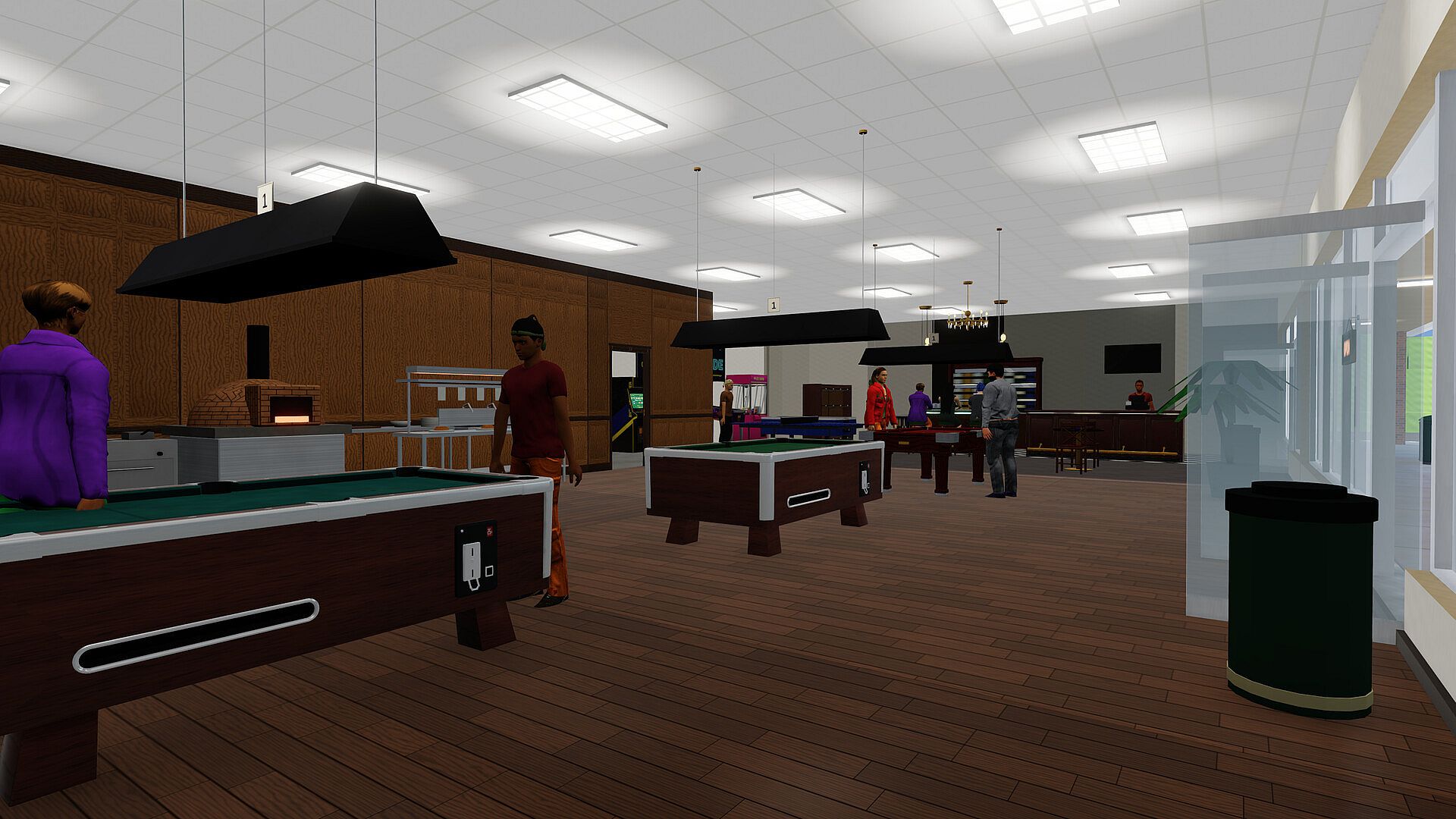
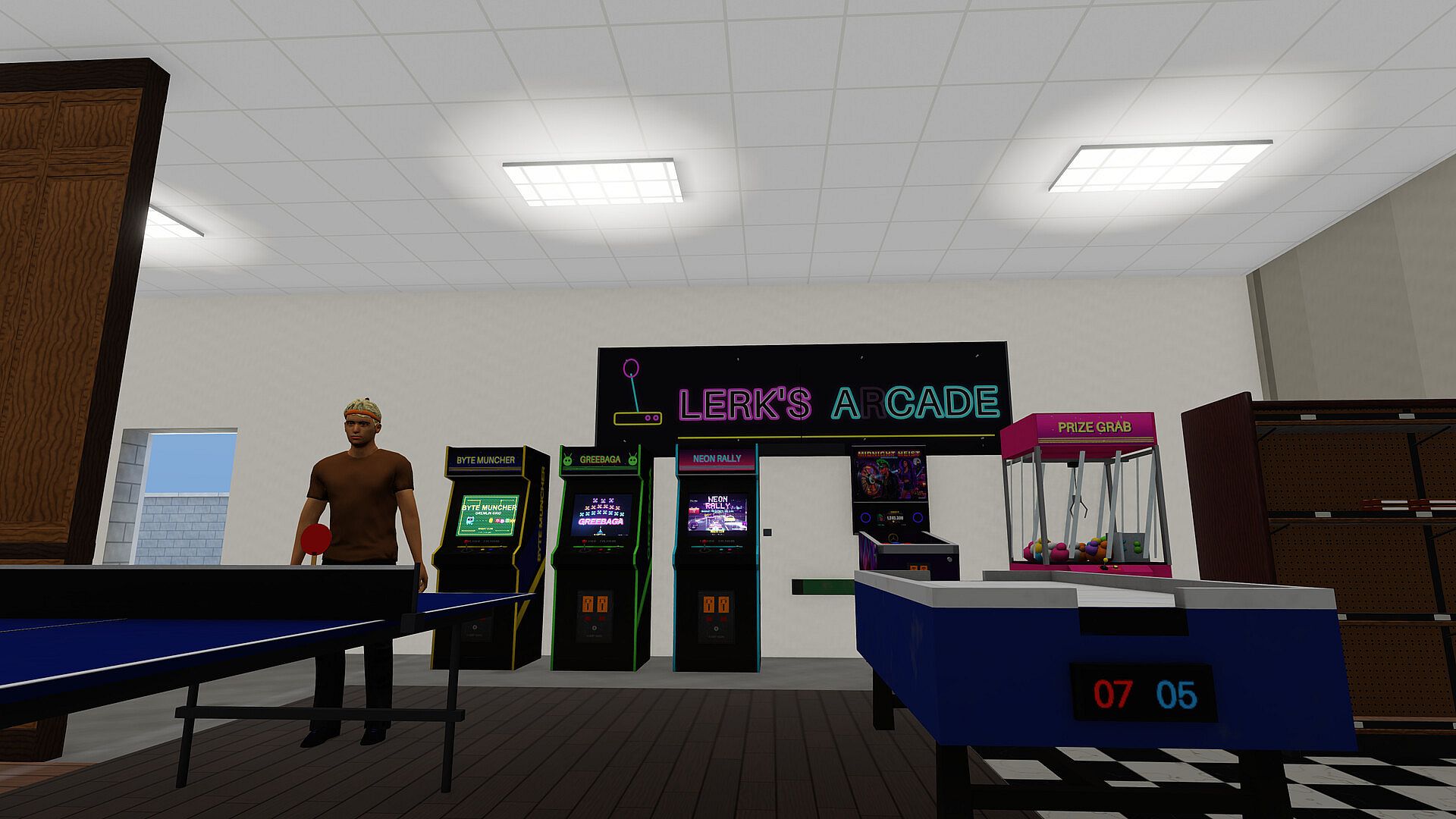
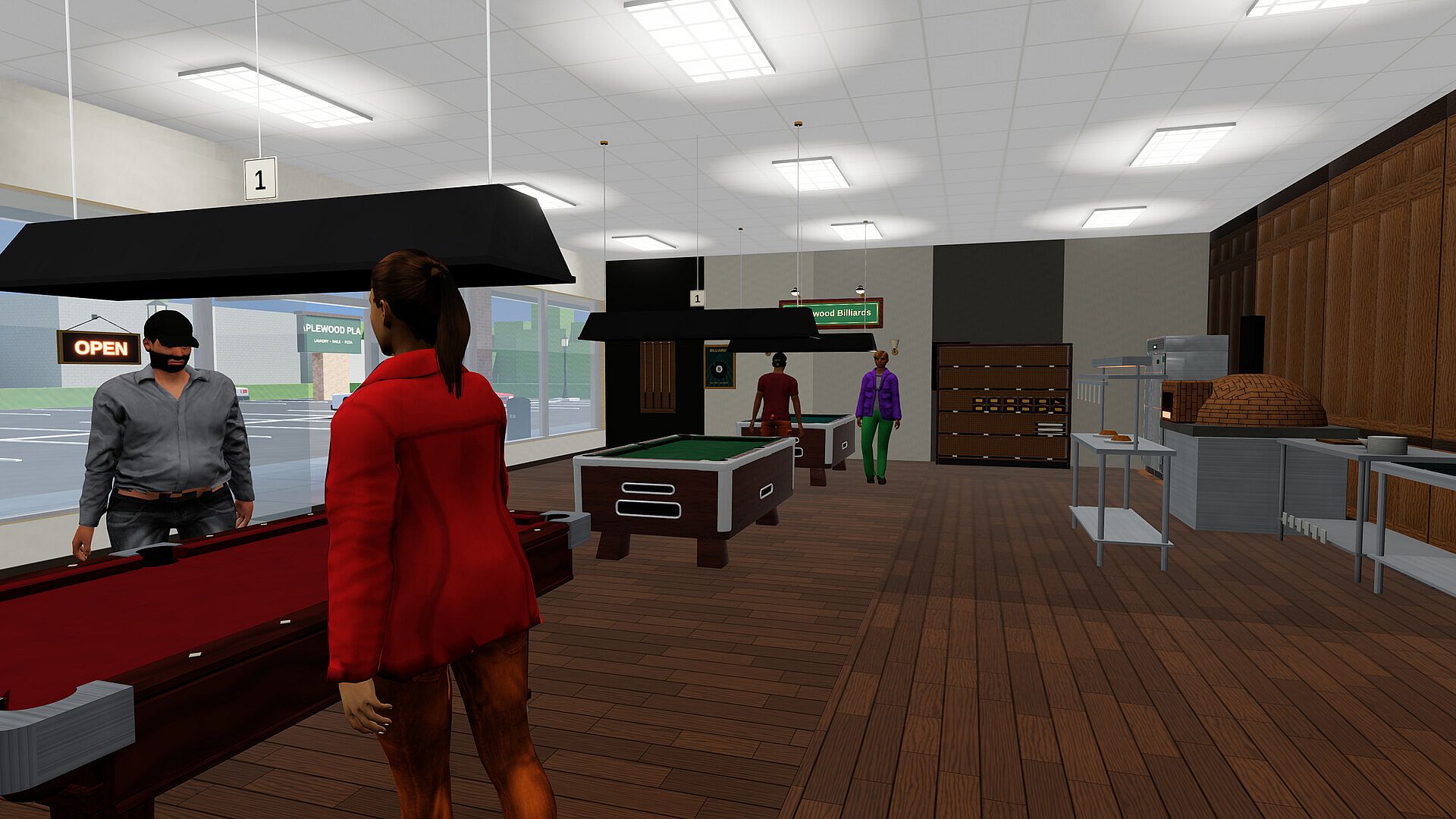
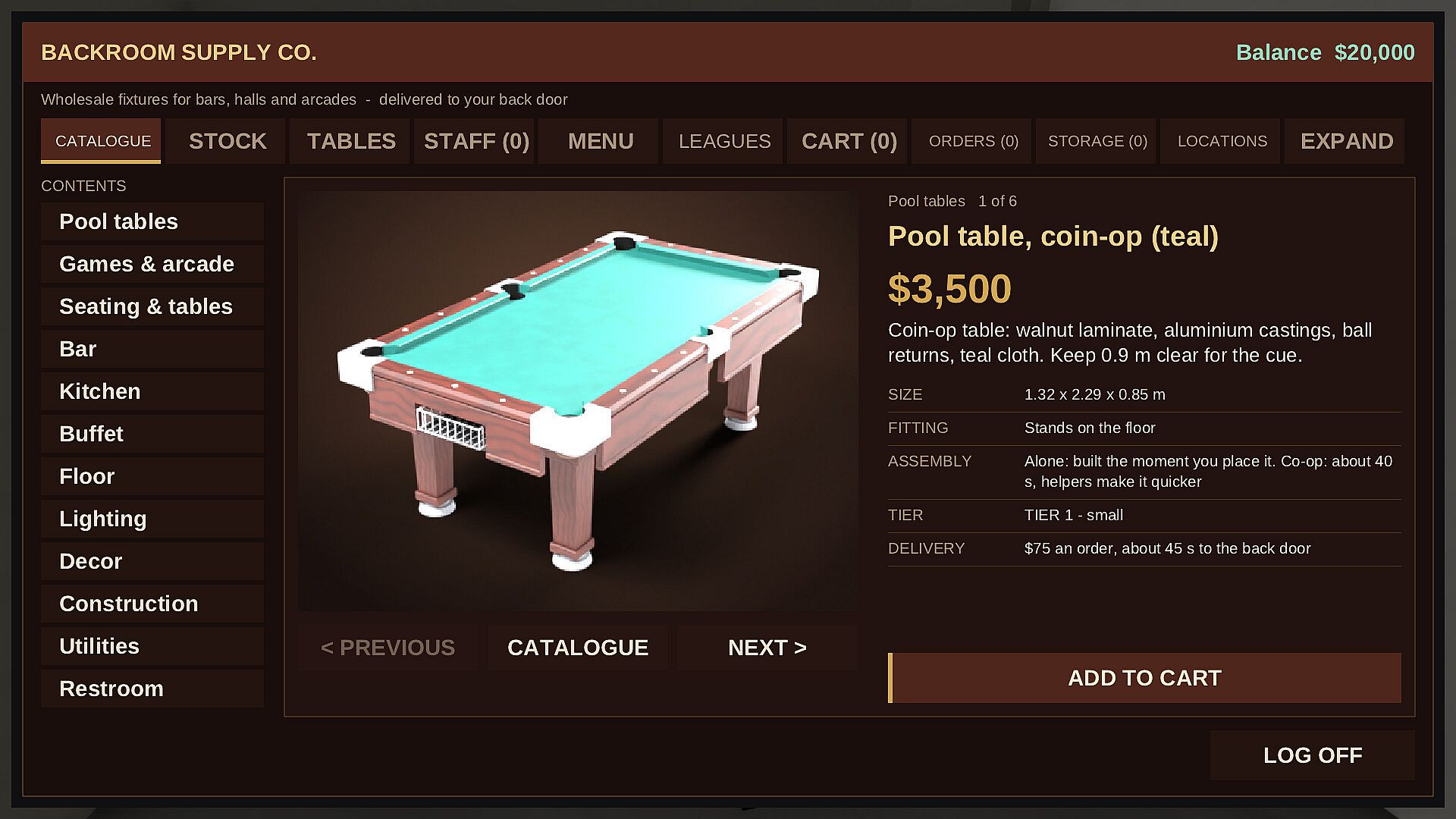
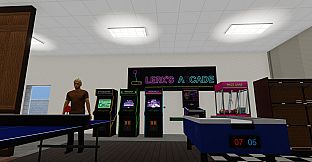
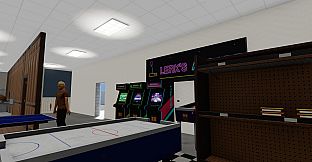
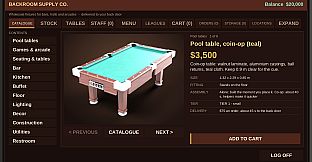
The core loop centers on constructing the hall from the ground up. An initial budget covers purchases made through a back-room computer catalog, with deliveries arriving at the rear door for manual transport inside. Individual items such as pool tables, lamps, bar fixtures, kitchen equipment, seating, arcade cabinets, and flooring can be selected and positioned one by one, with visual guides showing valid placements. Pre-packaged kits allow faster setup of entire sections like a pool corner or dining area at a reduced cost. Customization extends to swapping wall materials, installing wood floors, sectioning off the kitchen, adding restrooms, and hanging a custom sign with the hall's name.
Once open, daily management requires direct interaction across multiple stations. The point-of-sale system handles customer payments by card or cash, including manual change counting. First-person tasks at the bar involve pouring pints, opening bottles, and mixing drinks. The kitchen demands attention to frying, grilling, and baking menu items, with timely service over the counter to avoid burning. Table rentals for pool and table tennis run by the hour. Maintenance includes mopping spills, clearing glasses, emptying trash, and cleaning restrooms to keep the space presentable.
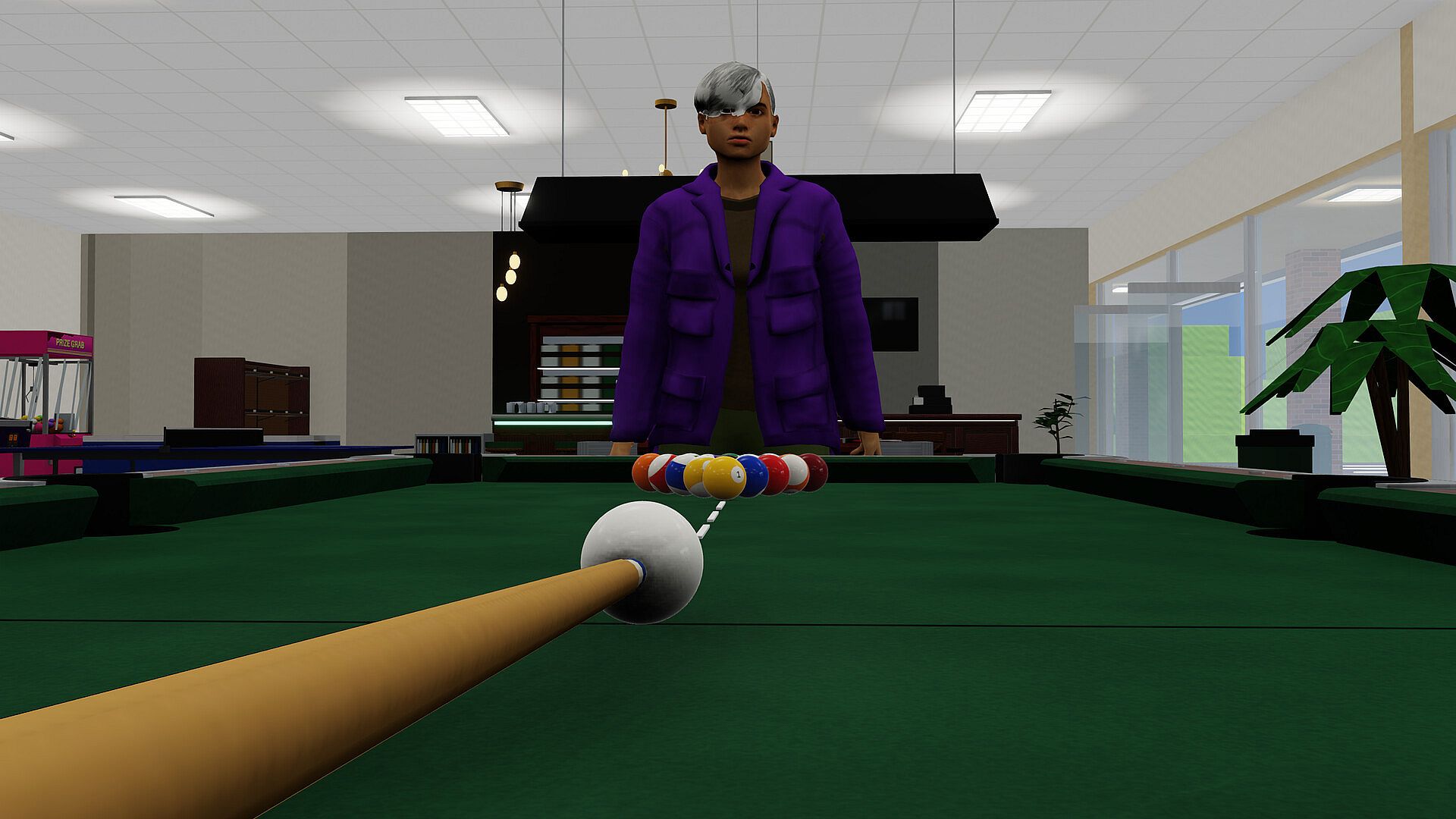
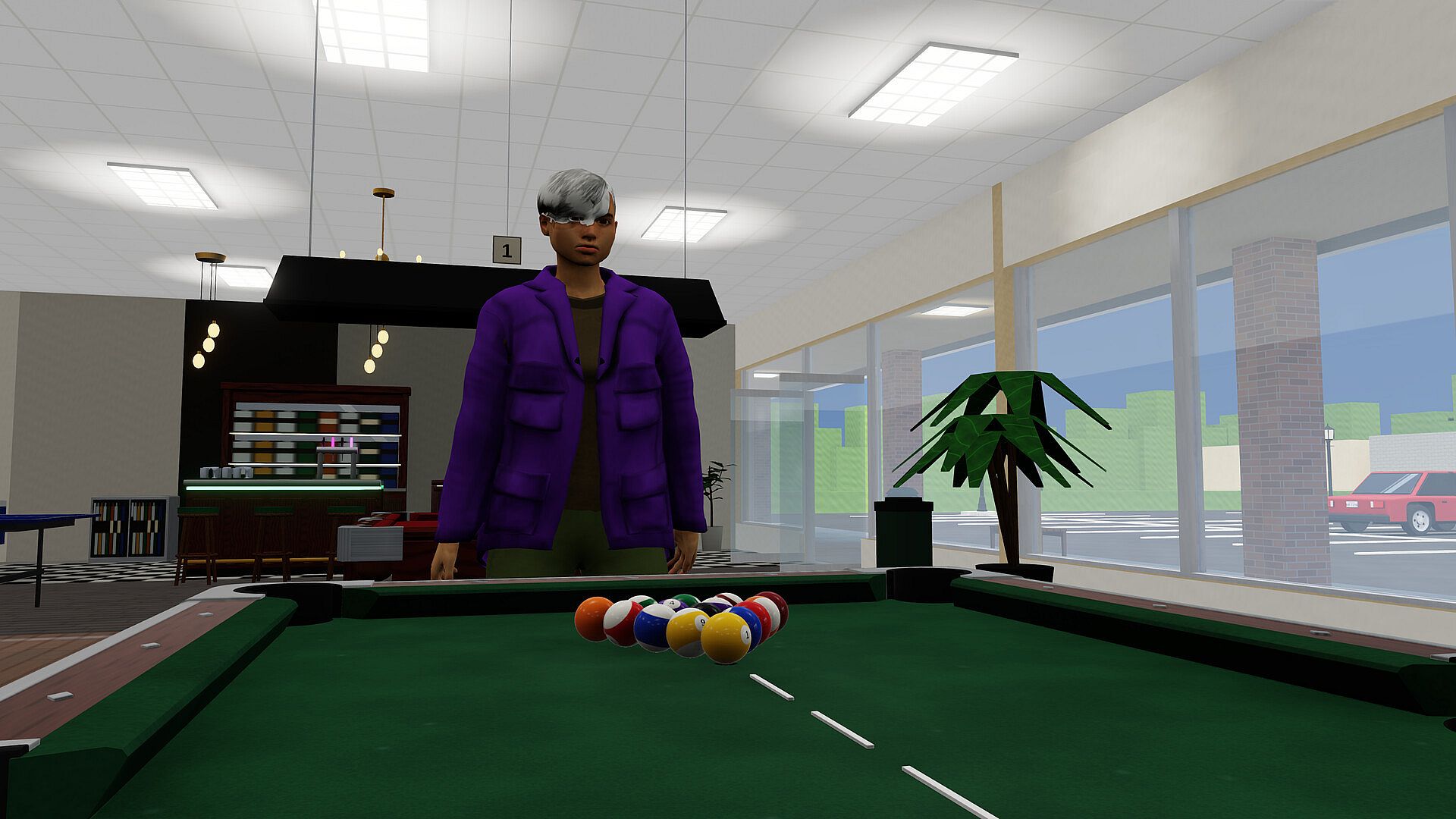
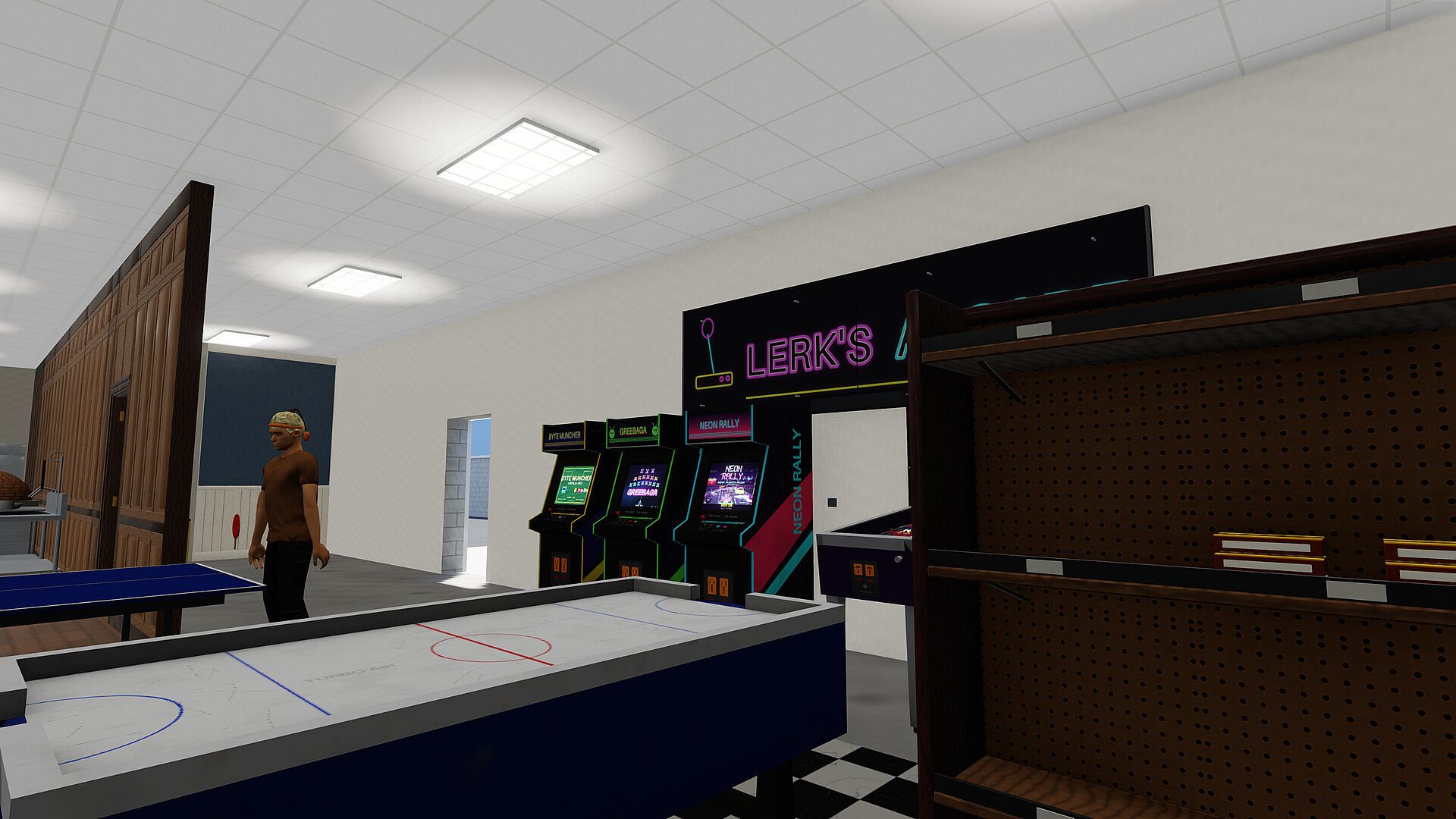
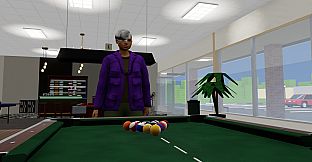
Every installed pool table, ping-pong table, arcade cabinet, and pinball machine functions as a playable game with full physics. Eight-ball and nine-ball matches feature realistic ball behavior, and players can wager against customers while avoiding stronger opponents.
Game Modes
The game supports solo play or online co-op for up to three additional players. In co-op sessions, participants divide responsibilities such as bar service, kitchen duties, checkout operations, and table management. Progression involves adjusting prices, hiring staff for tasks, reviewing daily financials and customer feedback, and expanding the premises by purchasing adjacent space to increase capacity.
Building and Expanding the Business
Early stages focus on basic setup and attracting initial customers from the parking lot. Reputation grows through consistent service and positive reviews, unlocking opportunities to expand into larger facilities. Pricing decisions and staff hires directly influence efficiency and income, while playable games provide additional revenue streams through stakes and hourly rentals.
Is It Worth Playing?
This title suits players who enjoy detailed management simulations combined with direct control over service tasks and embedded playable games. The co-op option encourages group sessions where roles can be shared or rotated. Those interested in methodical building, operational multitasking, and casual sports elements will find a focused experience that rewards careful planning and hands-on involvement. Availability on PC makes it accessible for solo or shared sessions without additional hardware requirements.