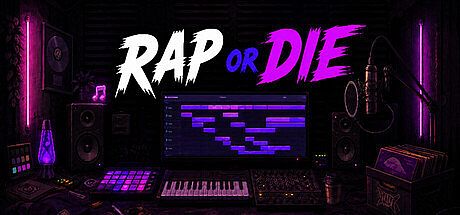


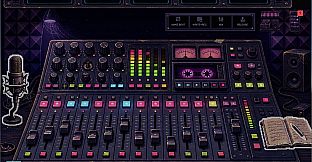
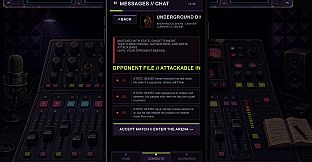
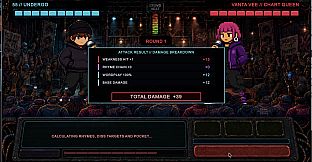
RapOrDie is an indie RPG simulation game centered on building a hip-hop music career from the ground up on PC. Players step into the role of an aspiring rapper who begins in a basic underground studio and works through every stage of music creation while navigating the unpredictable world of online listeners and industry connections.
Gameplay
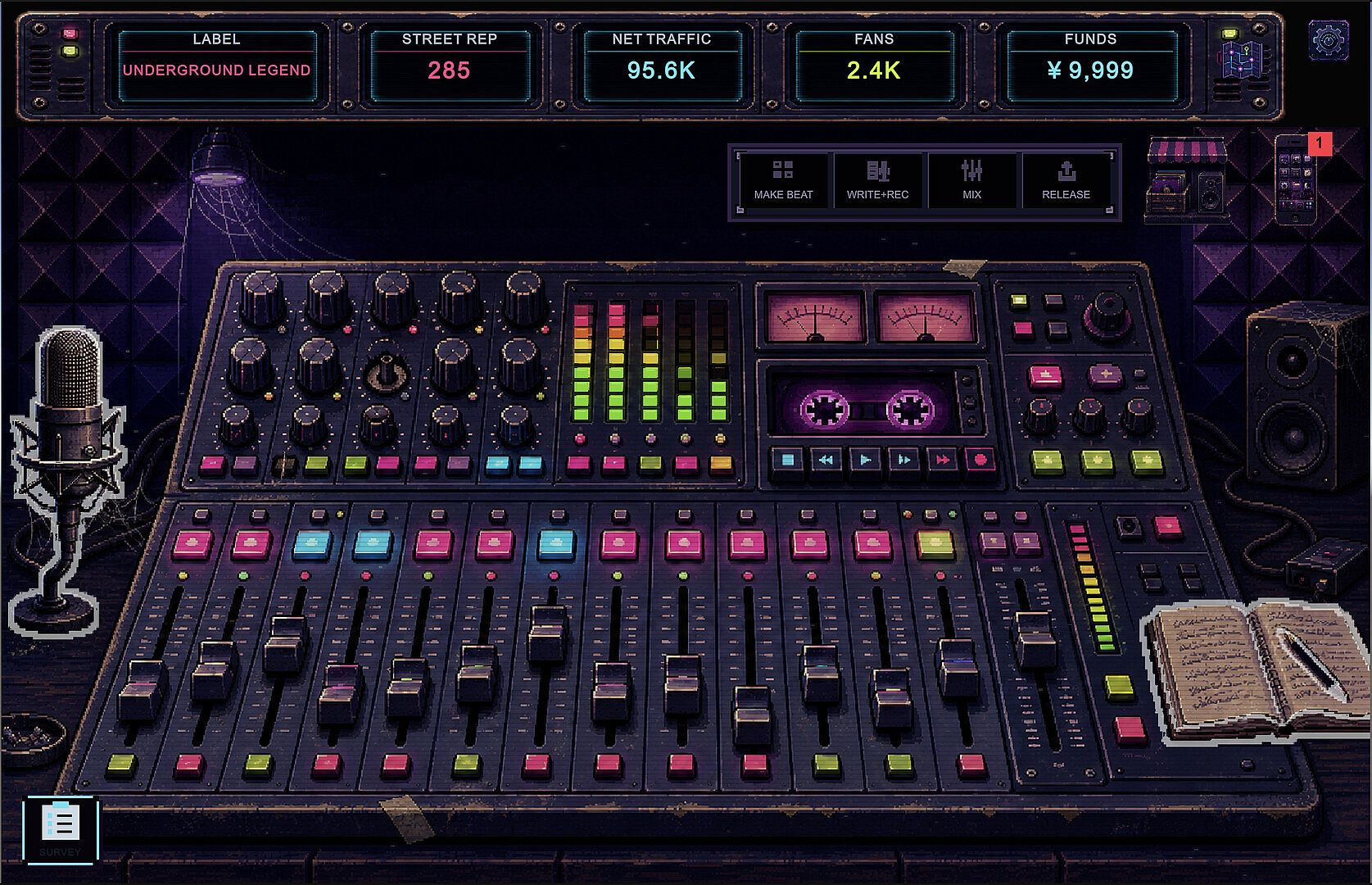
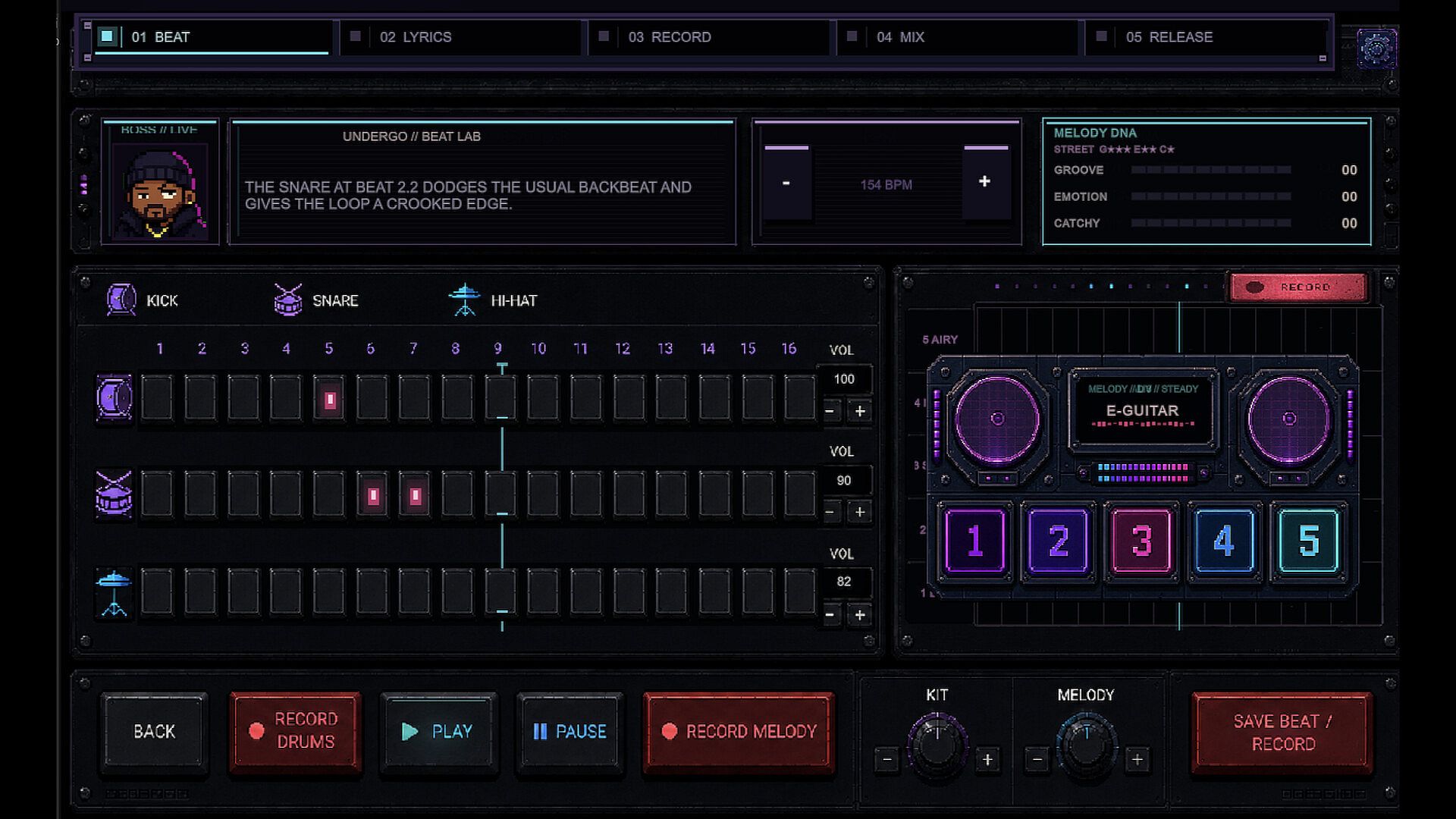
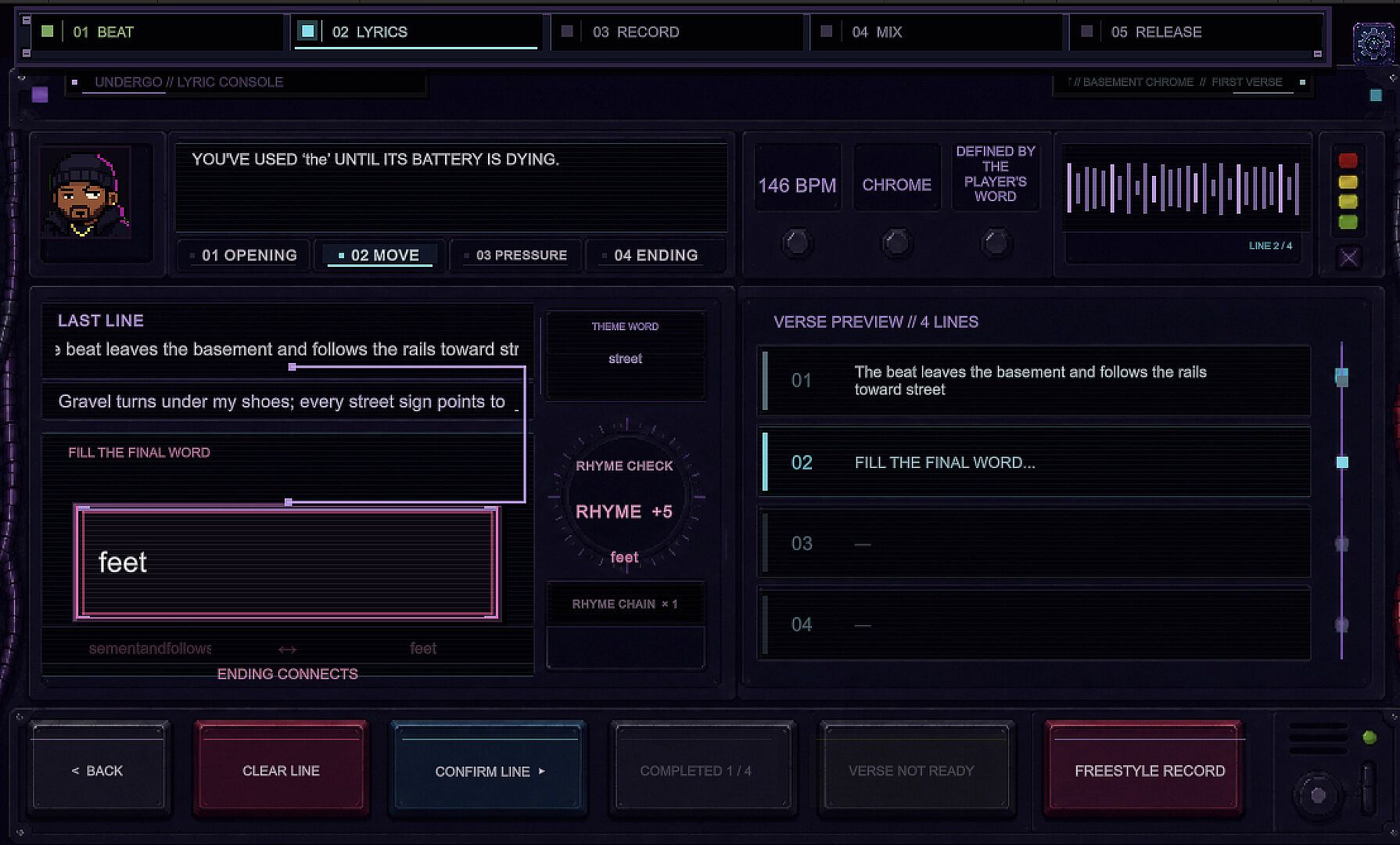
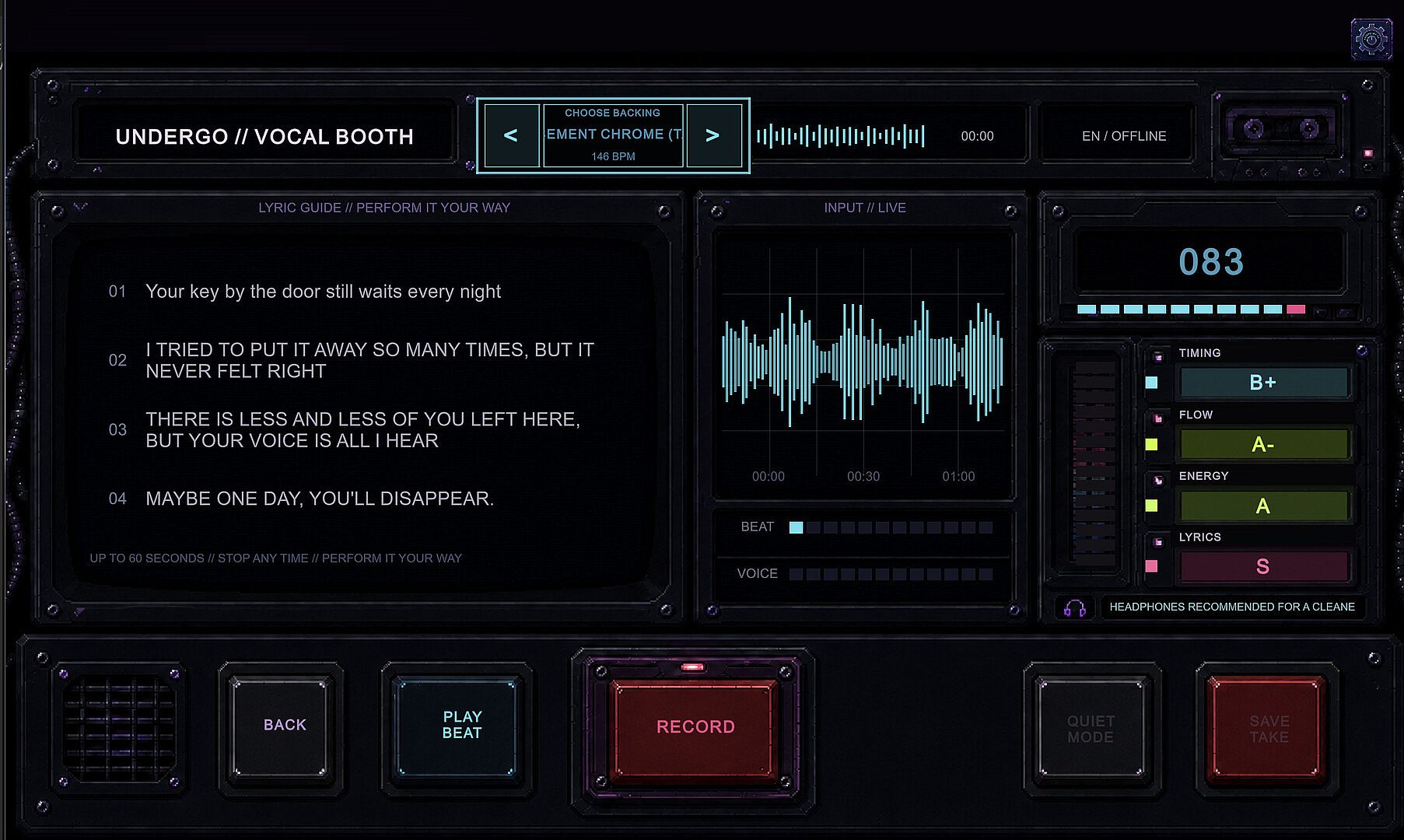
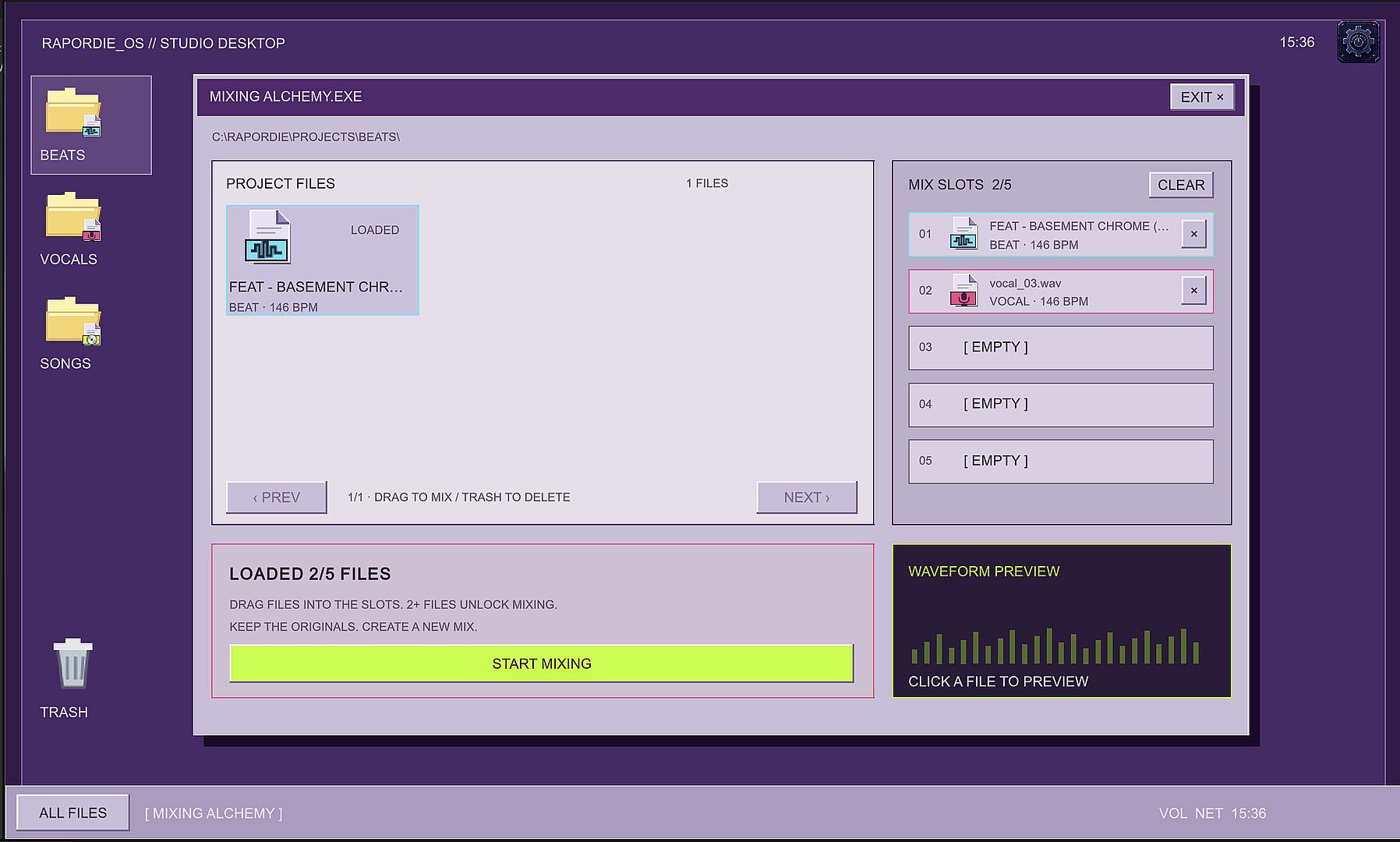
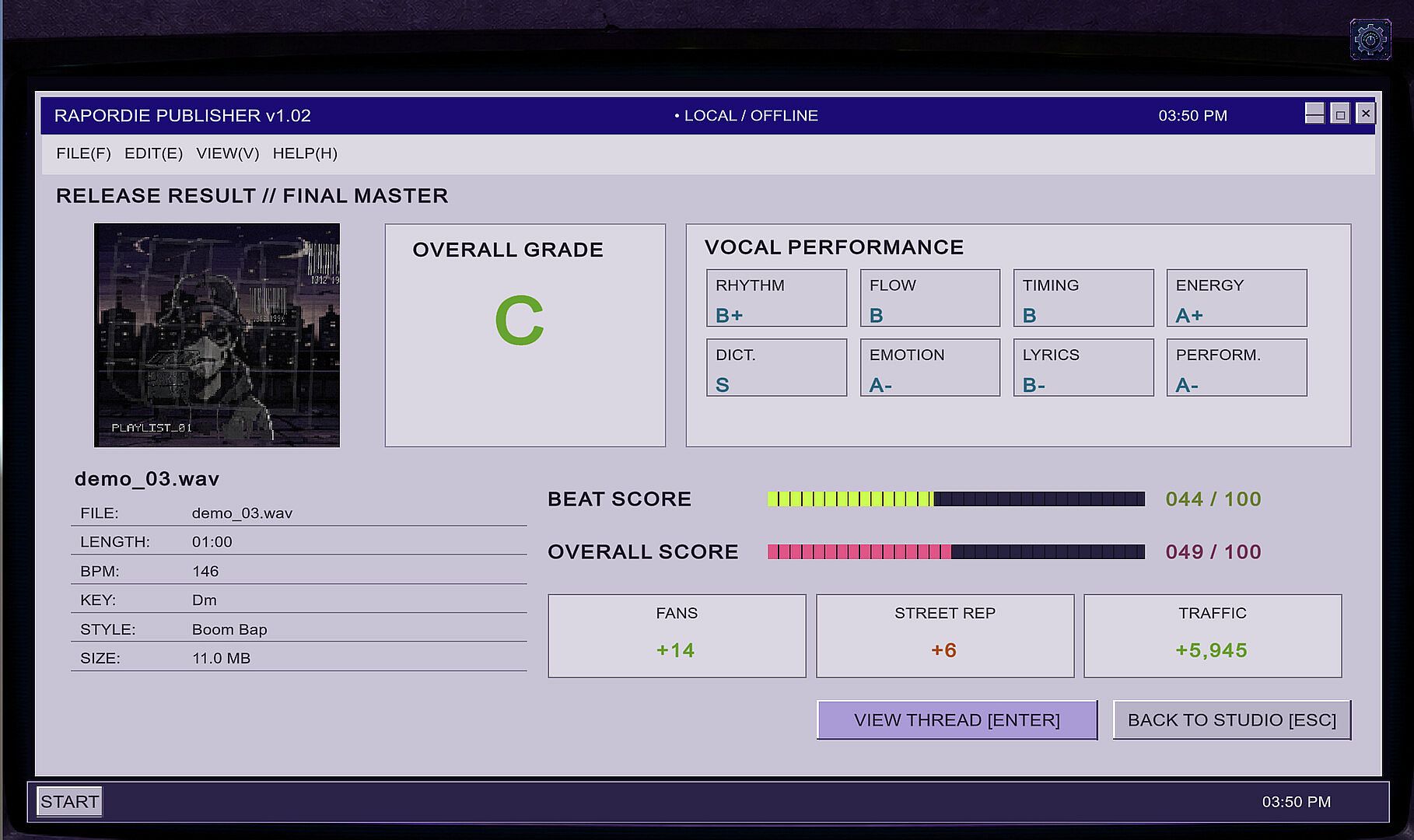
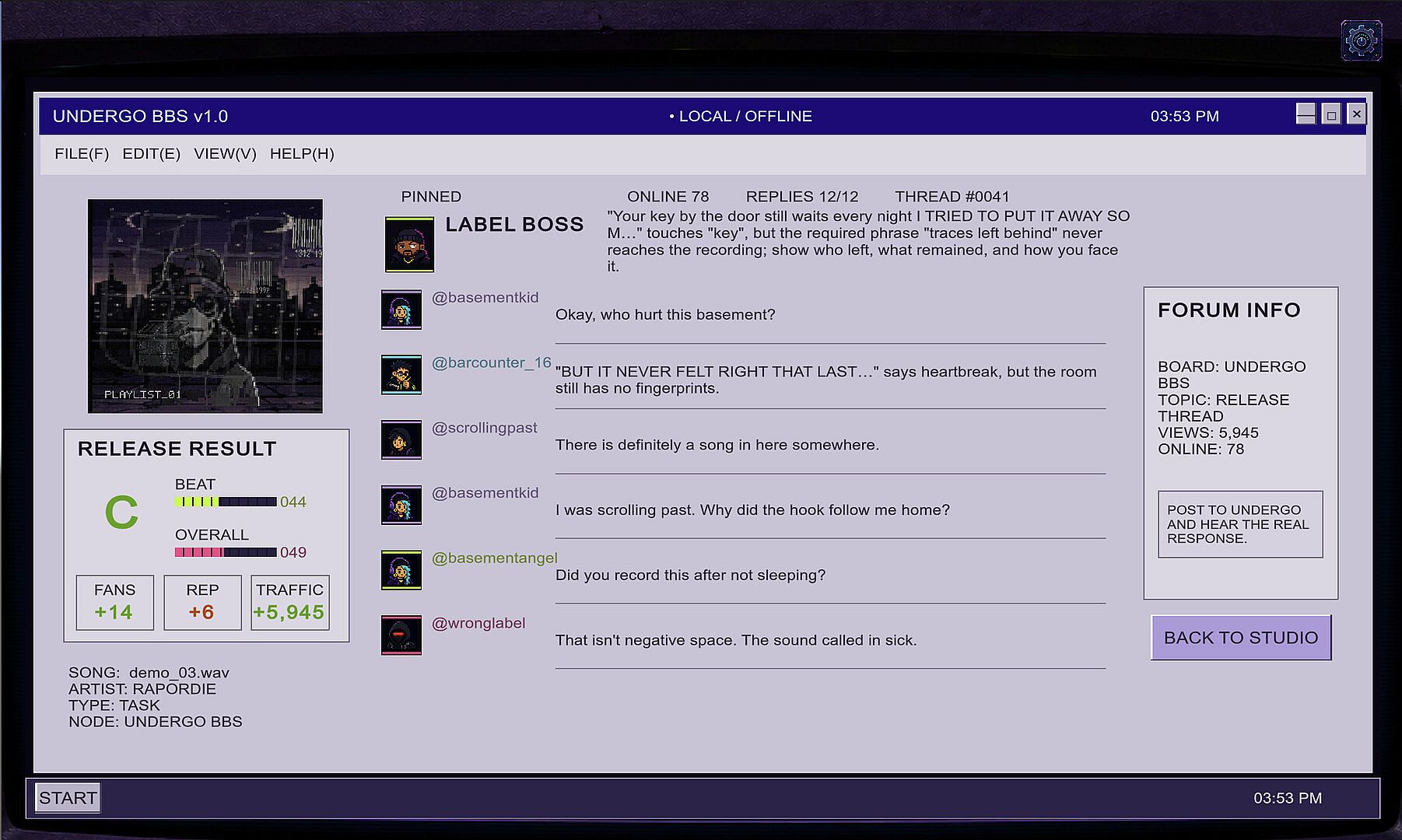
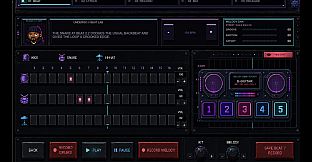
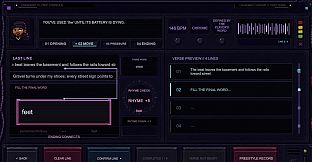
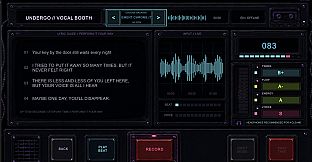
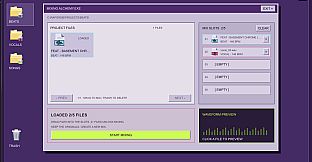
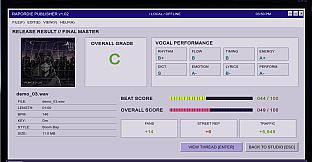
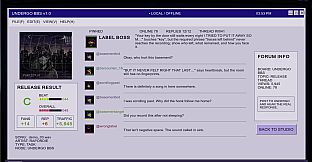
The core loop revolves around the complete music production process. Players write original lyrics tied to specific themes and emotions, then assemble beats using drum kits, melodies, and layered sounds. Melody samples can be purchased from an in-game shop and incorporated into productions. Once the instrumental takes shape, the next step involves entering the recording booth to lay down vocals before mixing everything together. Releases trigger reactions in the form of comments, streaming numbers, and revenue that reflect how the track lands with audiences.
Creative choices carry weight throughout. Selecting particular lyrics, rhythms, melodies, or performance styles determines the genre and mood of each song. These decisions shape listener responses, which can range from underground respect to broader fan loyalty or unexpected viral attention. The simulation emphasizes personal expression, where no two tracks follow the same path because every element remains under player control.
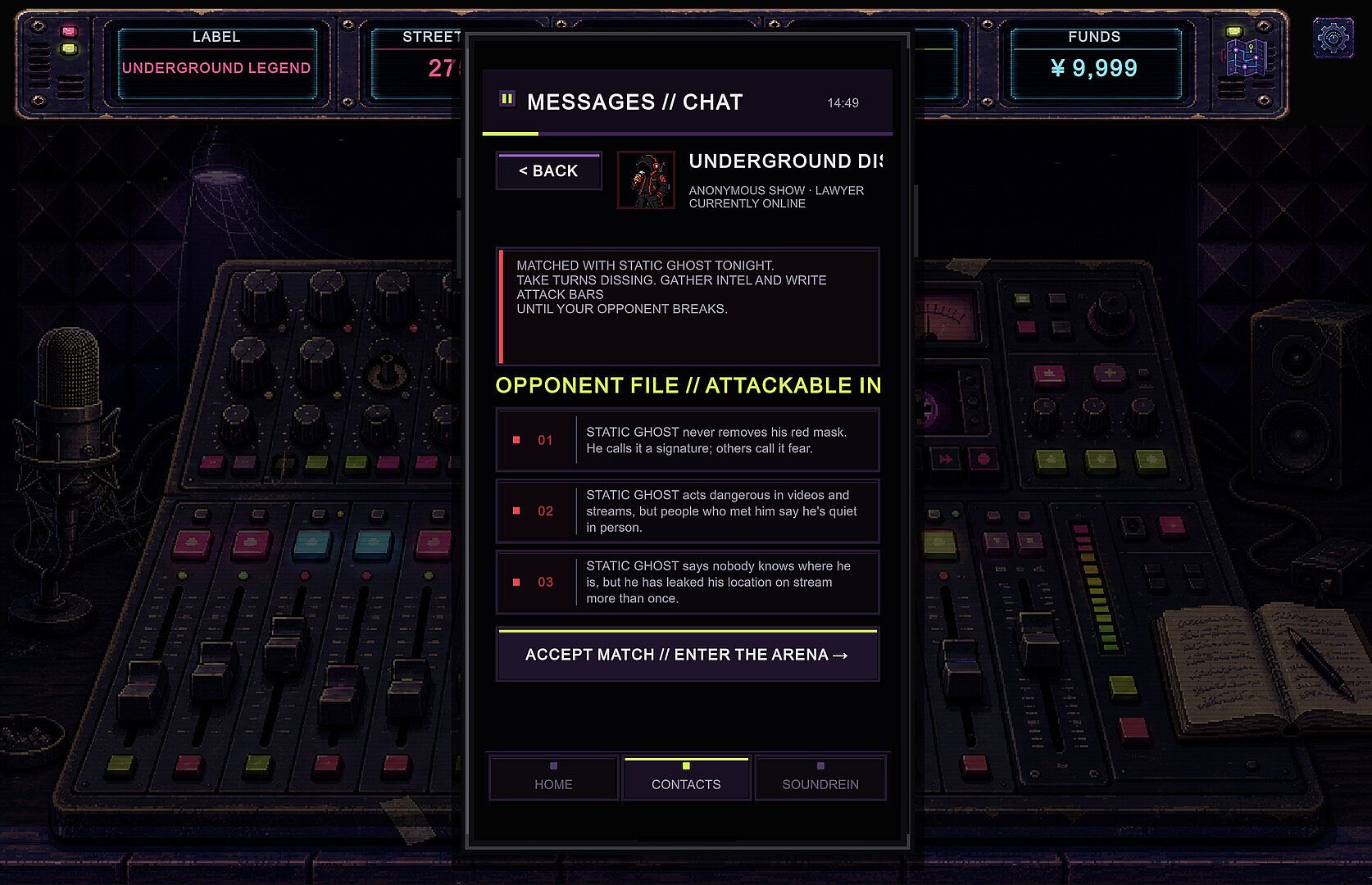
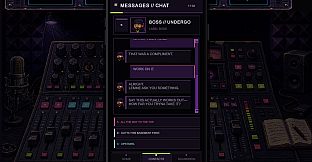
Career progression ties directly into these creative activities. Starting as an unknown artist, players complete challenges that build reputation over time. Interactions with producers, singers, and online personalities open new collaboration options. Success in these areas gradually supports the reconstruction of a personal record label, turning early studio experiments into a sustainable operation.
Game Modes
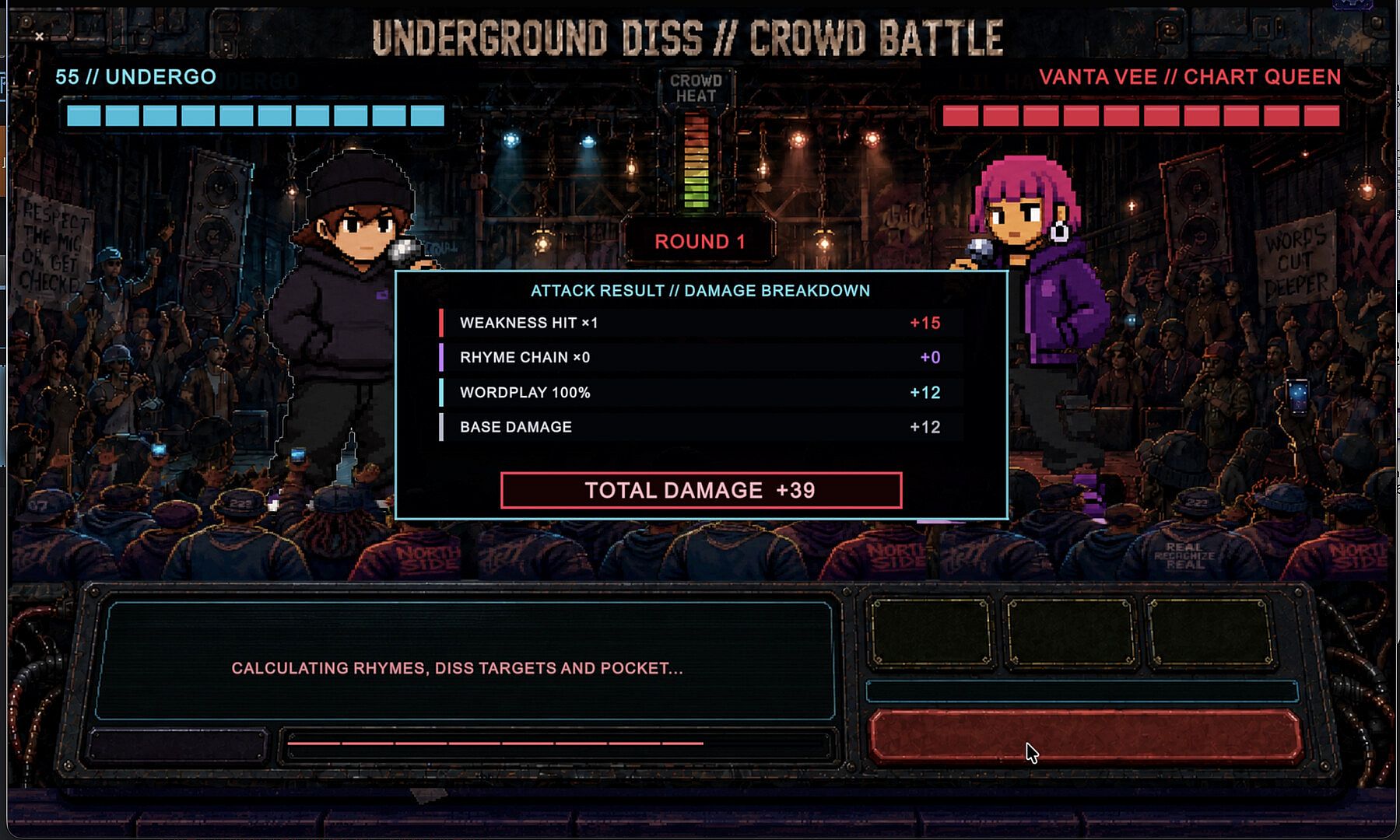
RapOrDie structures its experience around a single-player career simulation without separate named modes. The primary focus remains the iterative cycle of creation, release, and audience feedback. Players move between lyric composition, beat construction, vocal performance, and mixing as part of ongoing career advancement. Reputation growth and label management emerge naturally from consistent releases rather than through distinct game variants.
Within this framework, different creative paths produce varied outcomes. Some tracks emphasize raw underground appeal through specific thematic choices, while others lean toward broader accessibility or experimental sounds. The internet's reaction system serves as the central evaluation mechanic, delivering unpredictable commentary and metrics that influence future opportunities. This approach keeps the simulation focused on personal artistic decisions and their long-term effects on reputation and revenue.
Building Reputation and Collaborations
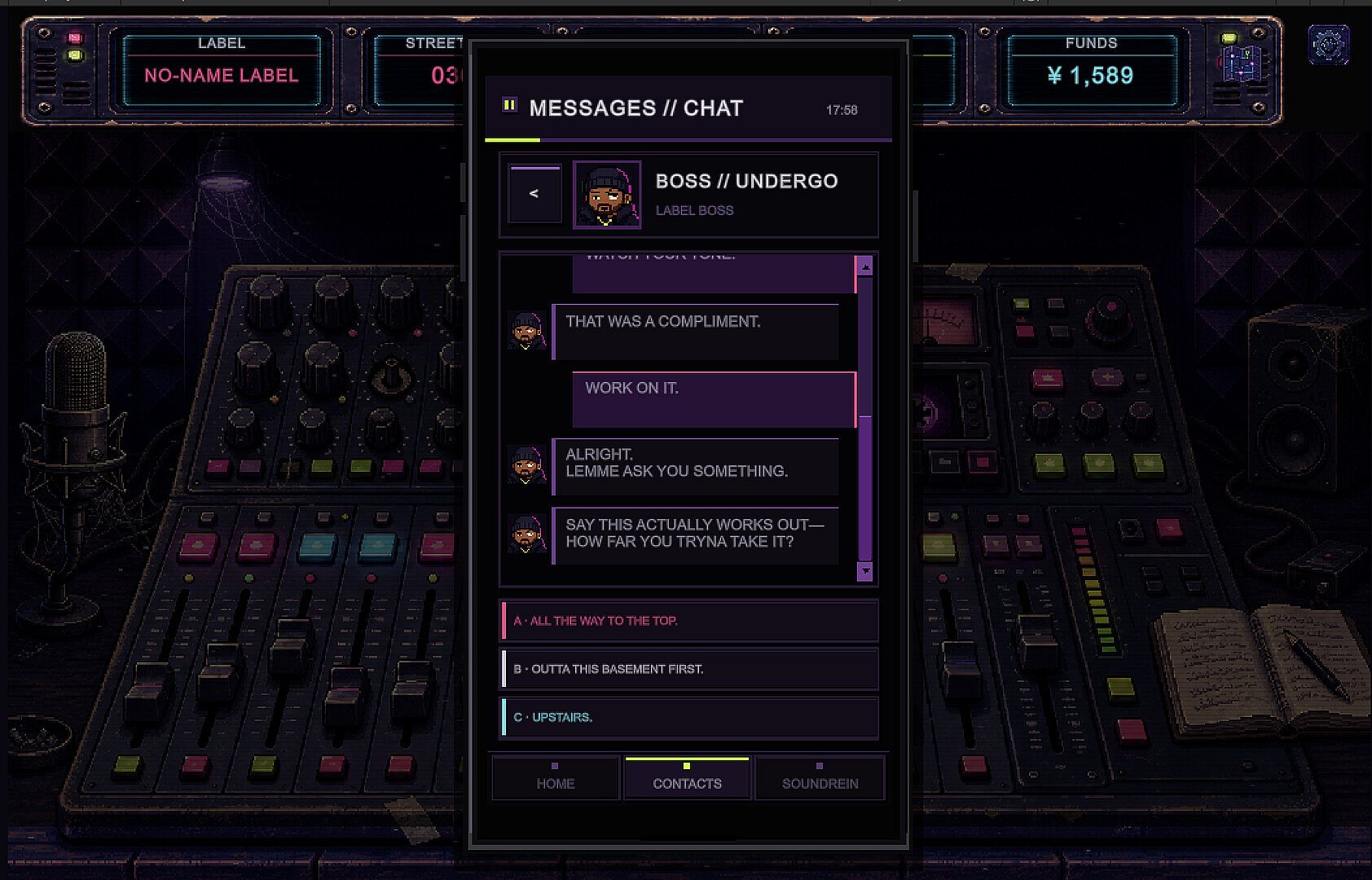
Reputation develops through repeated releases and the responses they generate. Early tracks often test basic production skills in the underground scene, where respect comes from authentic choices rather than mass appeal. As visibility increases, new collaboration opportunities appear with producers and artists who bring additional sounds or vocal styles to future projects. These partnerships expand the range of available tools and themes while advancing the overall career arc.
Internet personalities add another layer to the simulation. Encounters with these figures can lead to promotional boosts or unexpected exposure that accelerates audience growth. The system rewards consistent creative output, where each successful release contributes to label reconstruction goals. Players balance artistic experimentation with strategic decisions about which tracks to prioritize for maximum impact on streams and revenue.
Is It Worth Playing?
RapOrDie suits players who enjoy detailed simulation experiences combined with creative freedom in a music-focused RPG setting. The emphasis on full control over lyrics, beats, and performance styles appeals to those interested in the mechanics of song creation rather than fast-paced action or competitive multiplayer. Career progression through reputation building and label management provides a steady sense of advancement tied directly to player choices.
The unpredictable audience reactions add replay value, as different creative decisions lead to distinct stories with each release. Those drawn to indie simulation titles that simulate real-world creative industries will find the process of starting small and scaling up engaging. The game remains a niche experience best suited for individuals who value thoughtful music-making loops over traditional RPG combat or exploration systems.