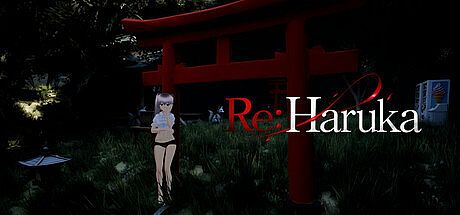



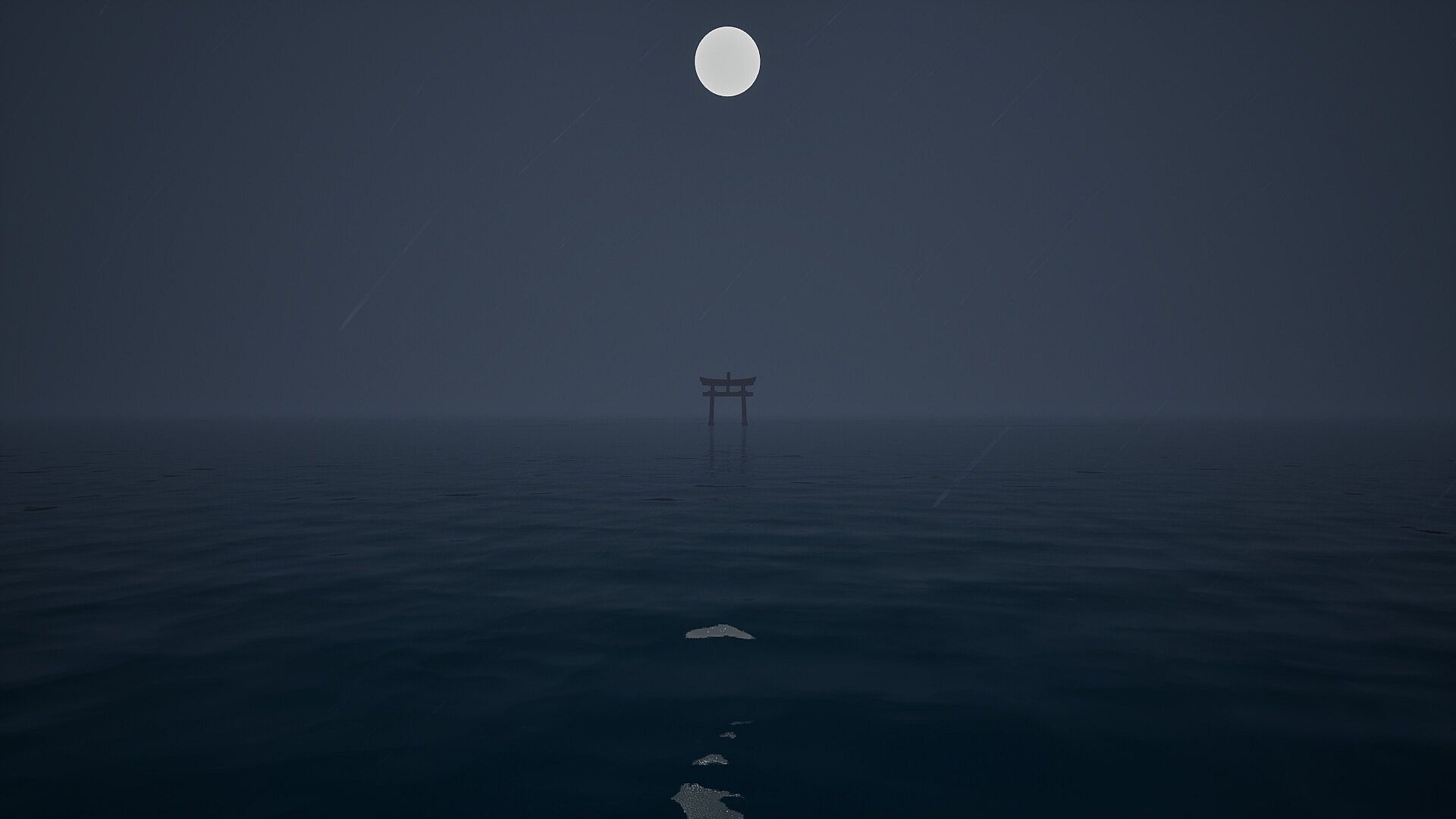
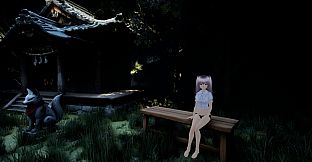


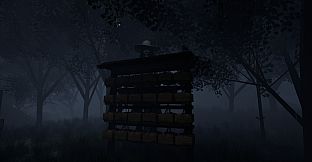

Re: Haruka is a singleplayer adventure game set entirely within the confines of an abandoned shrine. Players take on the role of an unnamed protagonist who becomes trapped inside this location and must endure seven full days to escape. The experience unfolds through careful observation of the environment across repeated time cycles rather than traditional combat or exploration on a large map.
Gameplay
The core loop revolves around managing time in structured blocks. Each of the seven days splits into four distinct periods. During any given period, the player examines the current scene for alterations in objects, lighting, or layout. Spotting a change requires returning to an earlier period to investigate the cause or consequence. Finding no differences allows progression to the next period. This system encourages repeated traversals of the same spaces while the environment and narrative details shift gradually.
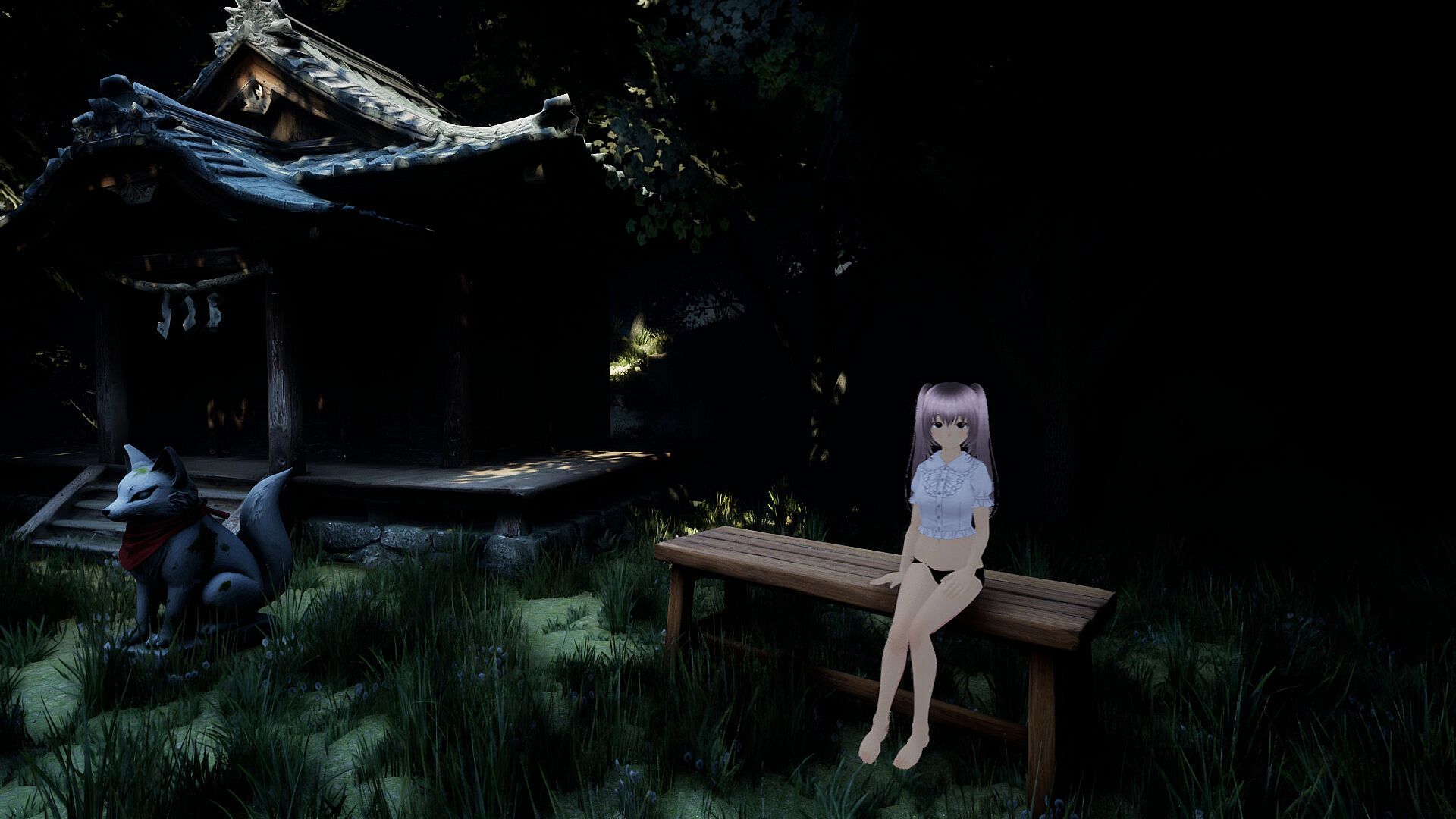
Movement uses standard WASD controls on PC. The ESC key opens a settings menu for adjustments. Haruka appears as the sole other character trapped in the shrine. Interactions with her occur naturally as days advance, revealing fragments of her background and the circumstances that led both characters to this place. The story builds incrementally through these observations and encounters without branching choices or multiple endings indicated in the available description.
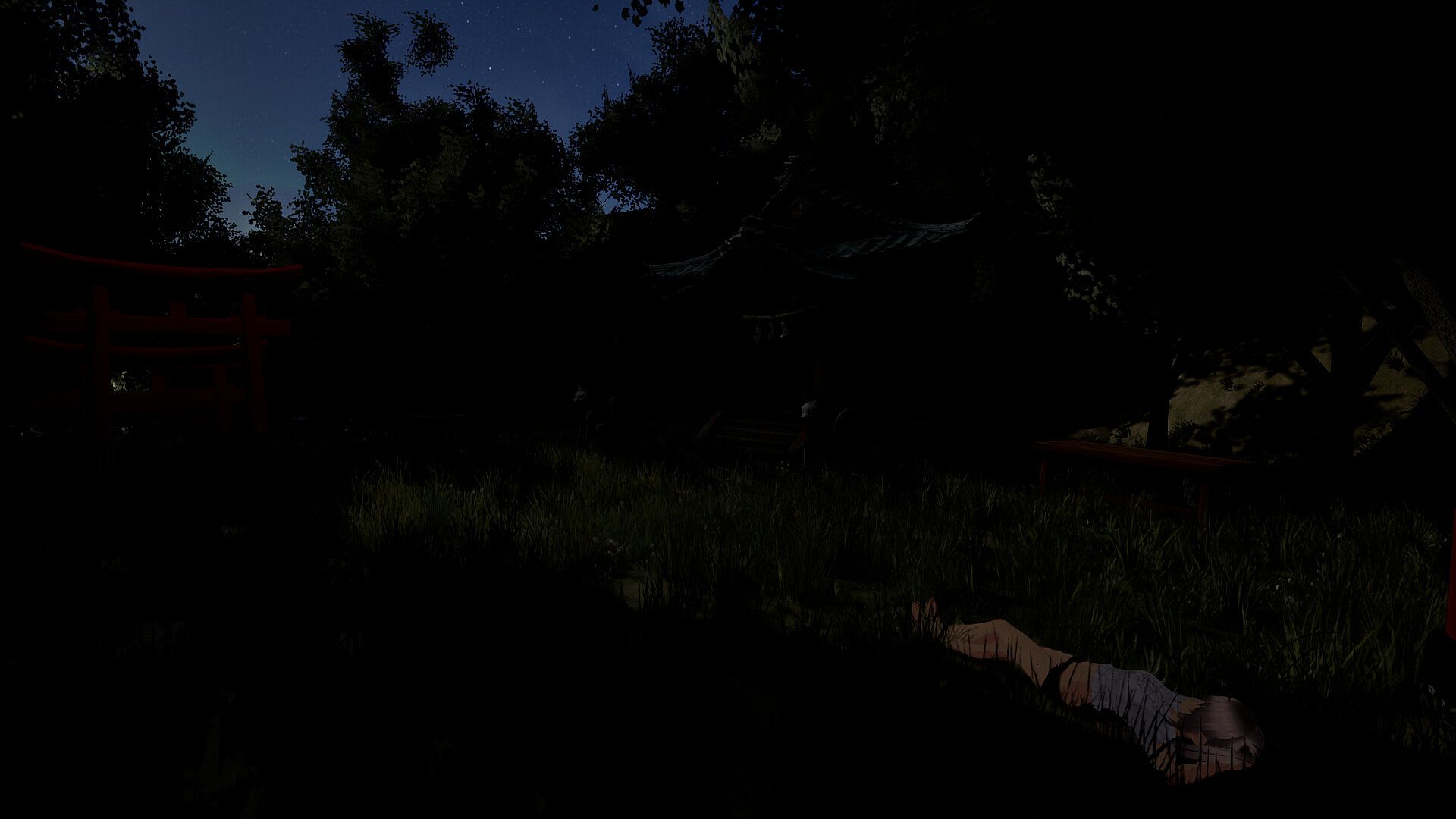
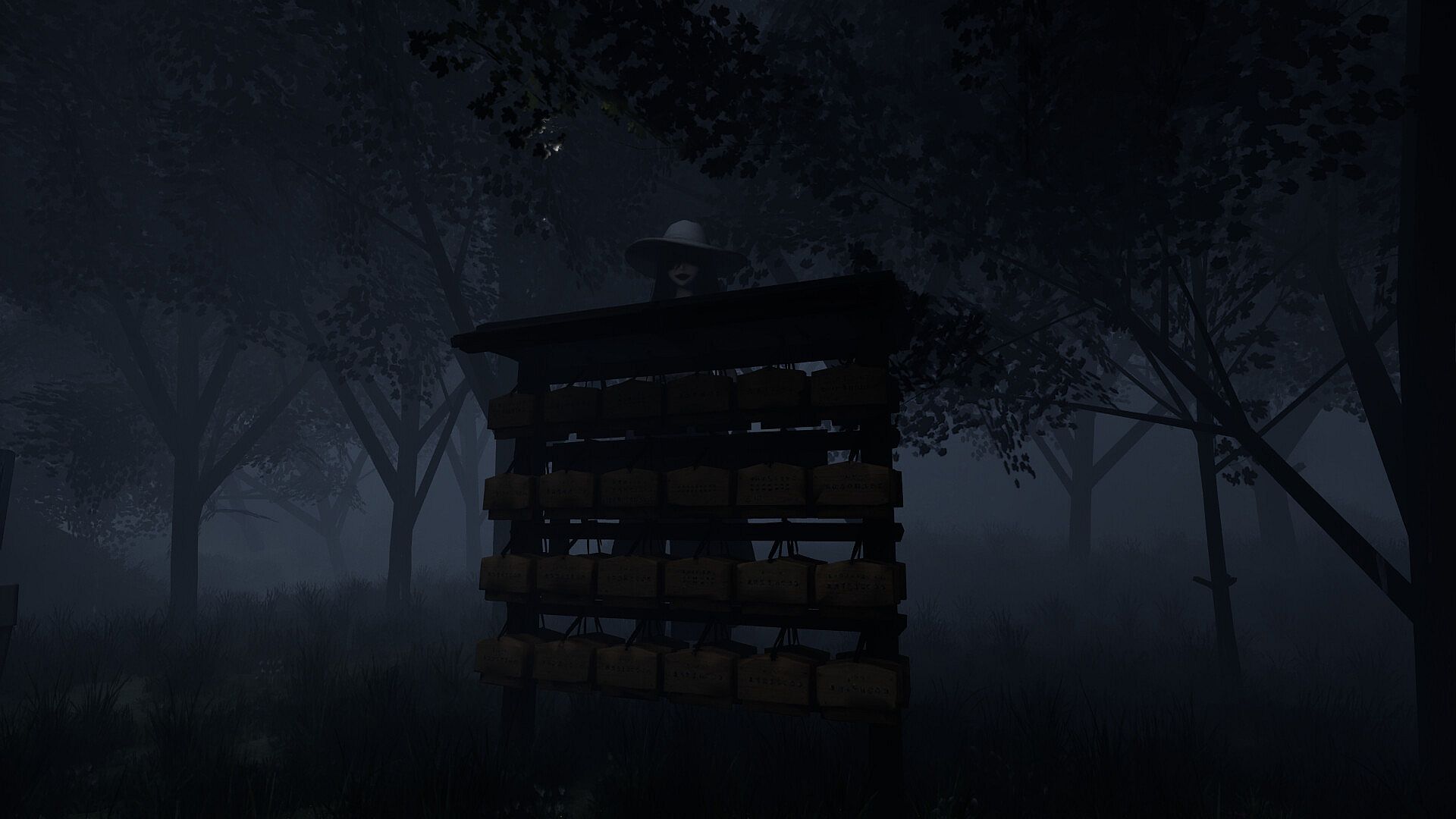
The shrine itself serves as the sole environment. Players must pay close attention to static details that evolve across periods, turning routine navigation into a process of deduction and pattern recognition. The seven-day structure provides a clear endpoint while the four-period division creates manageable checkpoints for tracking changes.
Game Modes
Re: Haruka operates as a single continuous narrative experience with no separate game modes or variants. The time-period system forms the only gameplay framework, applied uniformly across the full seven days. There are no multiplayer options, competitive elements, or alternative play styles confirmed for the title. Progression remains linear, driven by the requirement to notice environmental shifts before advancing through each day.
The absence of additional modes keeps focus on the central survival and mystery elements. Players engage with the shrine and Haruka exclusively through the observation mechanic, without side activities or optional challenges layered on top.
Story and Setting
The narrative centers on the protagonist's confinement alongside Haruka. Details about their shared predicament emerge slowly as time periods pass and scenes change. Haruka functions as both companion and focal point for uncovering the shrine's secrets. The limited cast and isolated location emphasize atmosphere and incremental revelation over expansive world-building or multiple character arcs.
Seven days provide the full scope of events. Each cycle adds context to the situation without requiring external knowledge or prior entries in a series. The setting remains consistent yet transforms subtly, rewarding players who revisit earlier periods with new insights into both characters.
Is It Worth Playing?
Re: Haruka suits players who enjoy deliberate, observation-based adventures that reward patience and attention to detail. The time-period mechanic creates a unique rhythm of checking, backtracking, and advancing that differs from standard point-and-click or walking simulator titles. Those drawn to mystery stories centered on a small cast and confined space may find the gradual unfolding of Haruka's role engaging.
The game runs on PC with straightforward controls and a self-contained seven-day structure. No updates, additional content, or community features appear in current information. Individuals seeking fast-paced action or extensive replayability through varied modes will likely find the focused loop too narrow. For fans of atmospheric singleplayer adventures built around environmental puzzles and character interaction, the title offers a compact experience centered on its core time mechanic and the relationship with Haruka.