


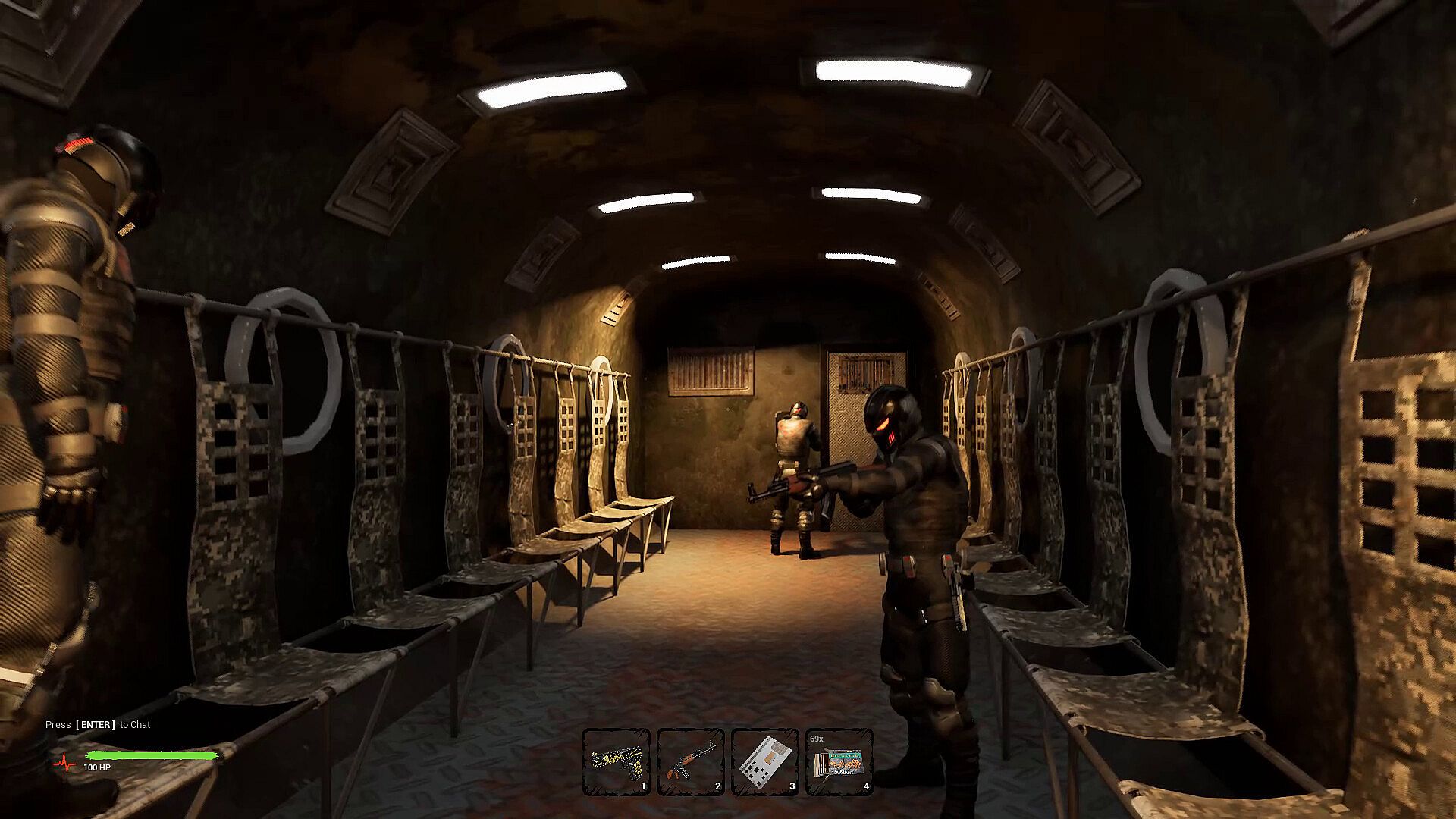
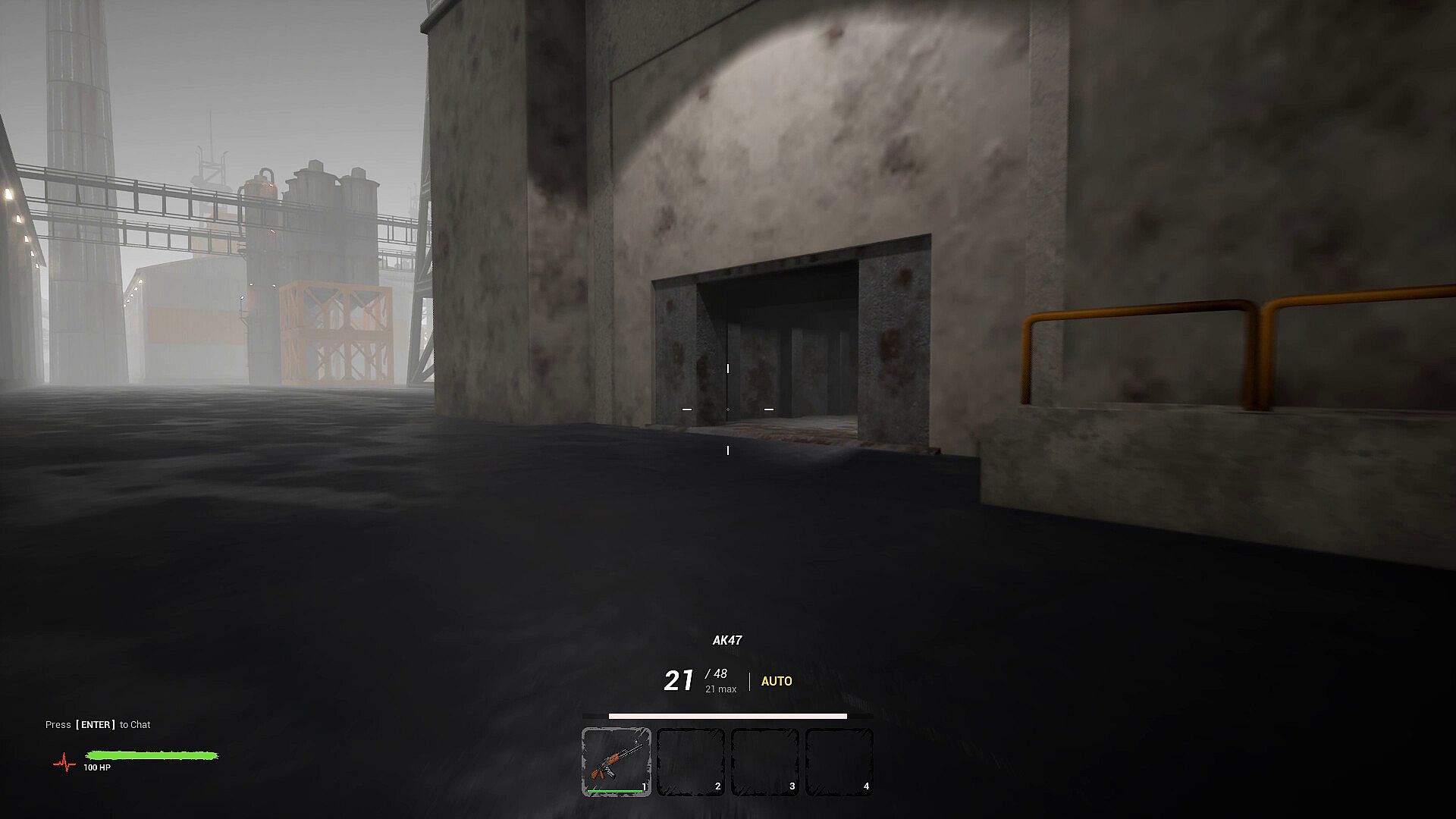
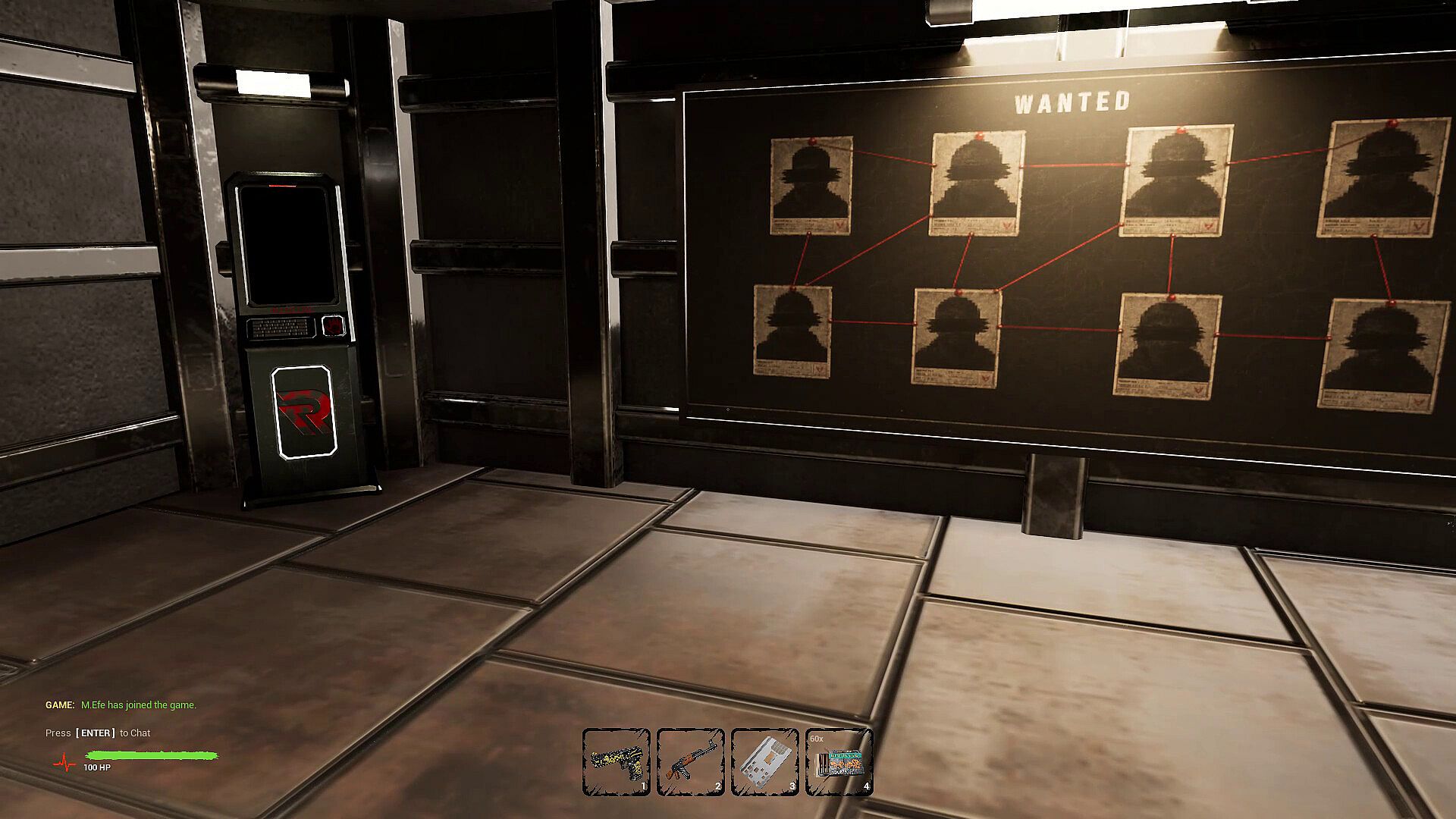

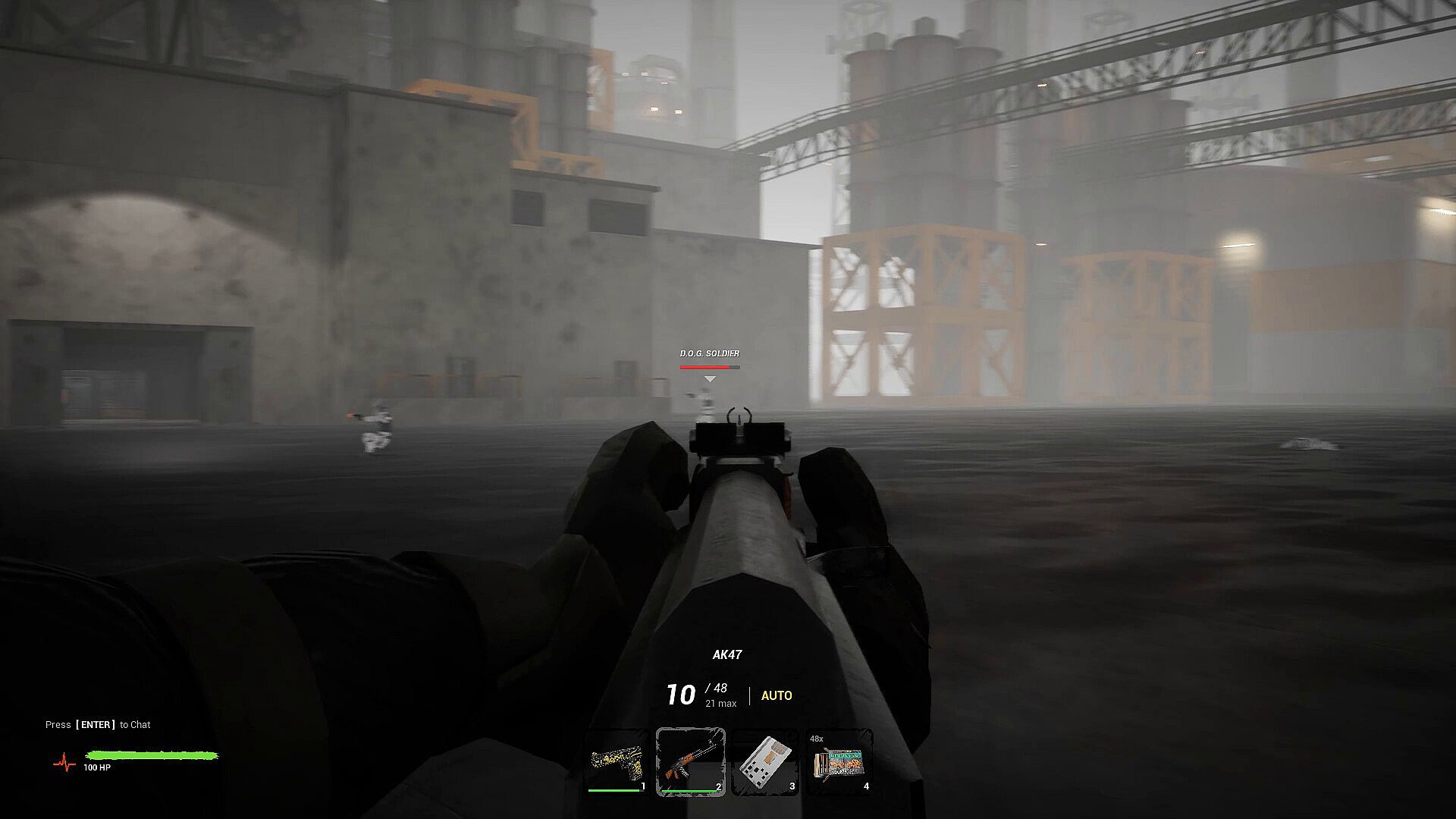
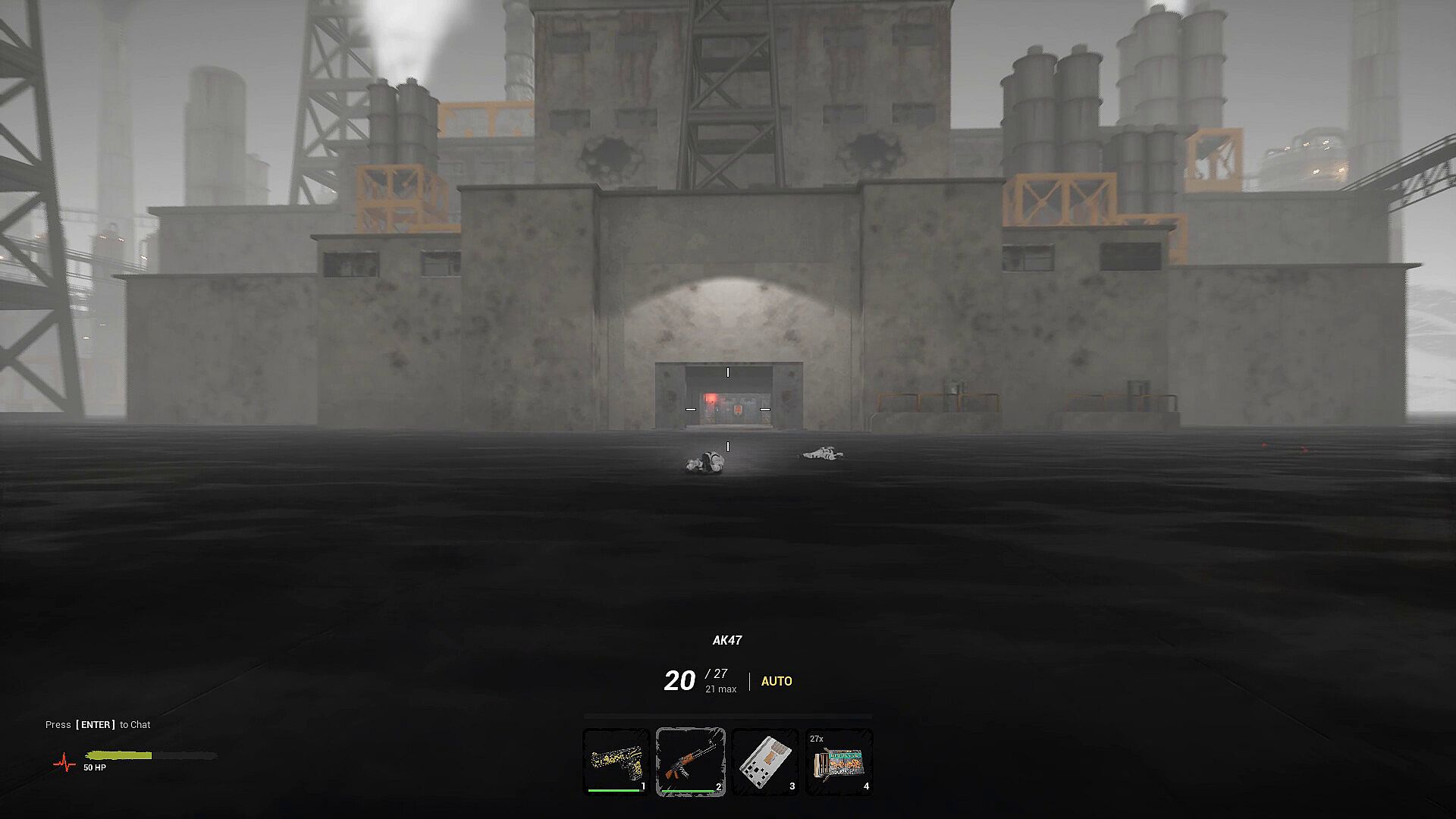
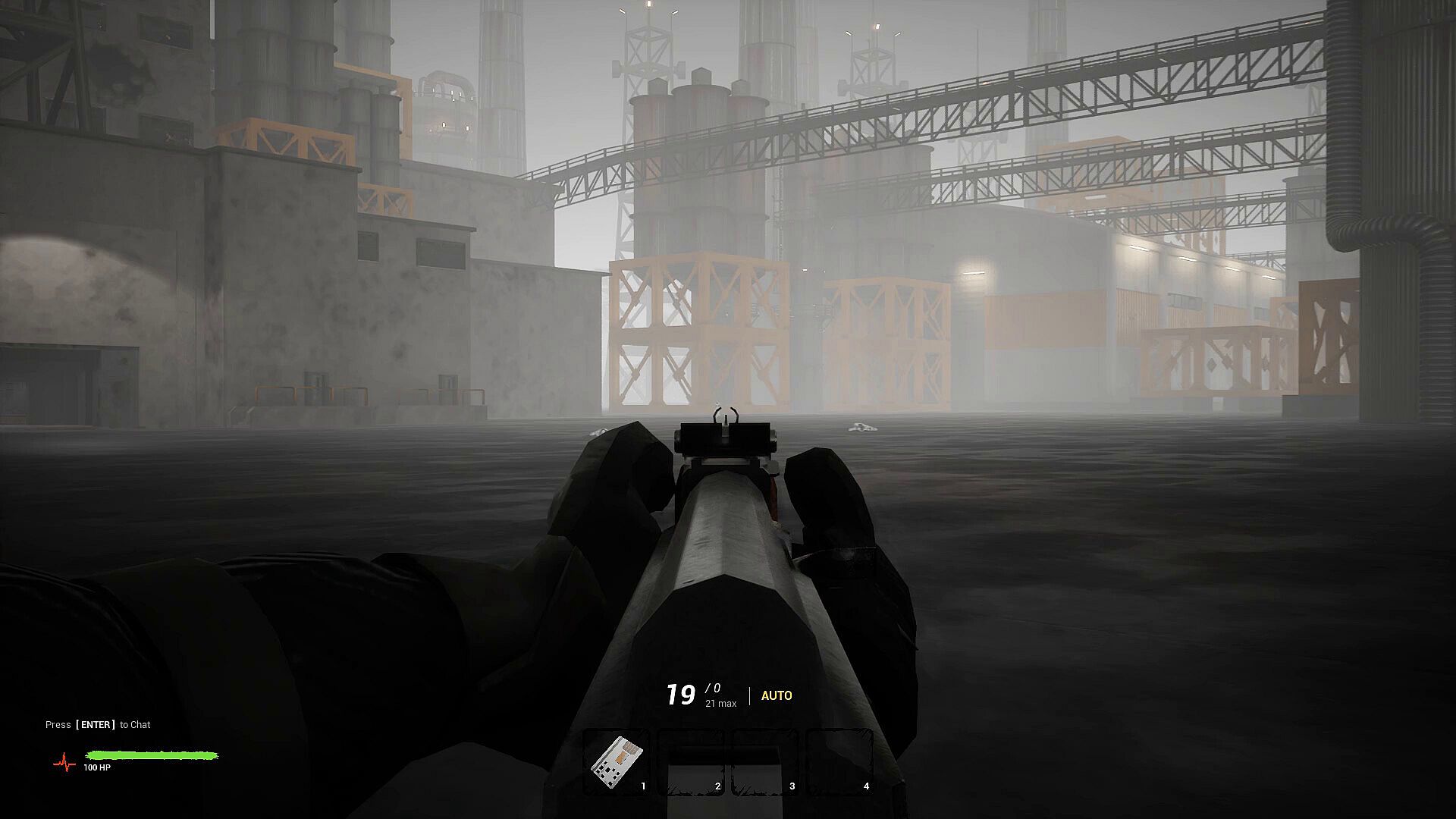
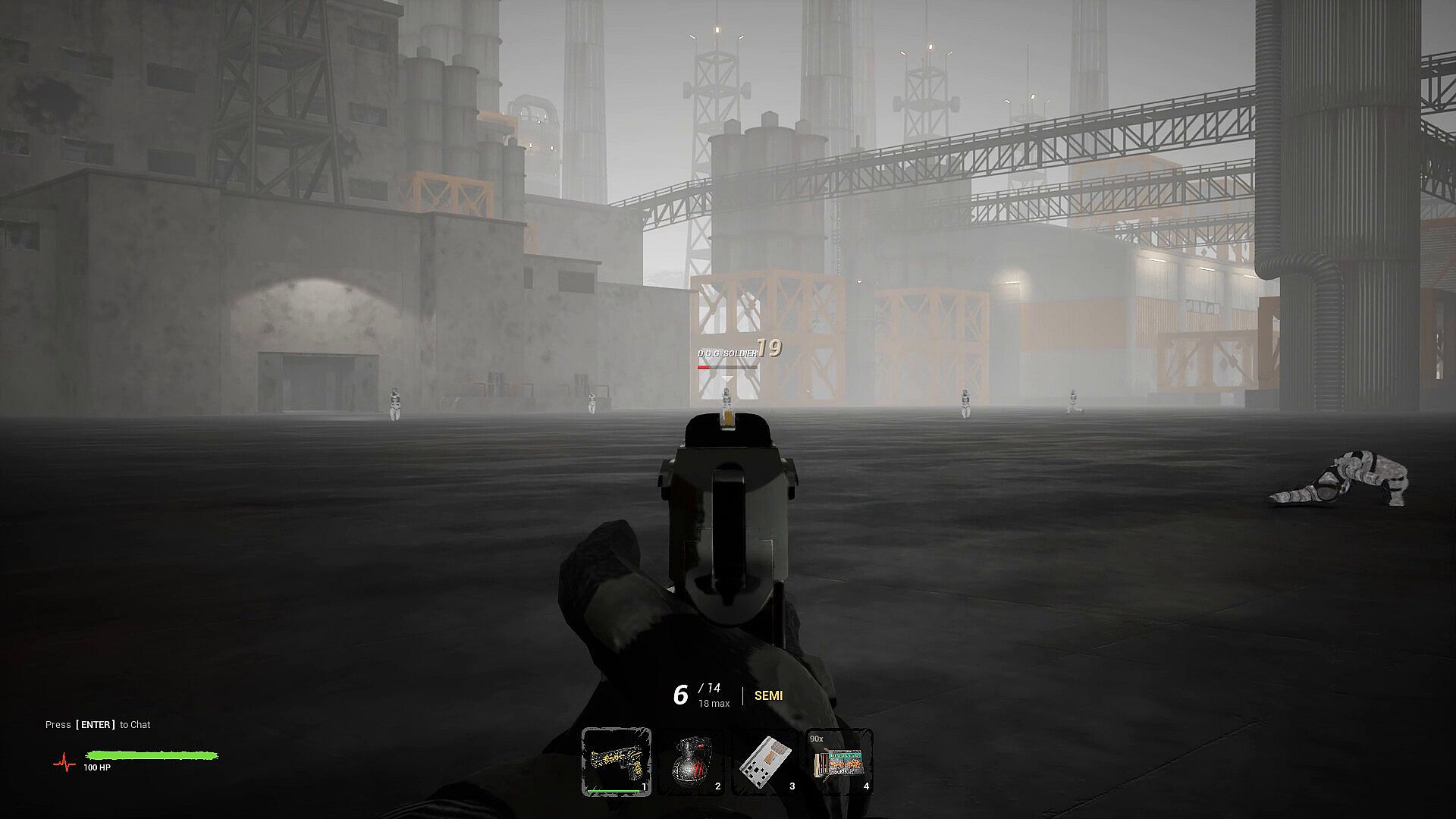

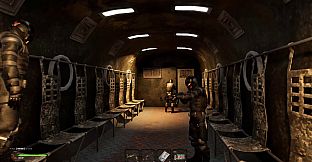
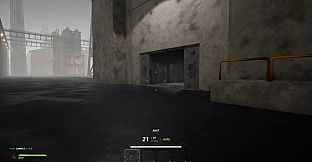
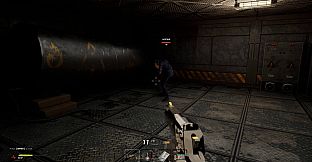







Redline Contract to kooperacyjny extraction FPS w wersji Early Access na PC. Gracze wcielają się w jednorazowe jednostki, które infiltrują ściśle tajne obiekty korporacji Redline, wykonują niebezpieczne zadania i muszą wydostać się żywi. Kluczowe elementy rozgrywki to generowanie proceduralne oraz współpraca zespołu w zmiennych warunkach - każda próba różni się od poprzedniej.
Rozgrywka
Podstawą jest seria infiltracji do dynamicznie zmieniających się obiektów korporacji. Korytarze, rozmieszczenie przeciwników i cele zmieniają się między podejściami, co wymusza ciągłą adaptację zamiast opierania się na zapamiętanych schematach. Drużyna licząca od jednego do czterech graczy wchodzi na teren, zdobywa sprzęt na miejscu i radzi sobie z zagrożeniami, które zmieniają pozycję i zachowanie w każdej próbie.
Wyposażenie zbierane podczas misji naturalnie kształtuje role graczy. Apteczka czyni z operatora wsparcie, a noszenie ładunków wybuchowych kieruje go ku zadaniom saperskim. Nie ma predefiniowanych klas - role wynikają z tego, co gracz zdecyduje się zabrać i jak wykorzysta to w terenie. System progresji śledzi wyniki kolejnych podejść, a warstwa prestiżu resetuje wybrane elementy, zachowując jednocześnie długoterminowe postępy. Zebrany łup zasila gospodarkę, która wspiera kolejne infiltracje, choć porażka niesie trwałe konsekwencje dla całego zespołu.
Wspólny limit niepowodzeń zwiększa napięcie - drużyna ma do dyspozycji tylko trzy próby, po których cała operacja kończy się, a postępy są kasowane. Taka struktura nagradza planowanie i szybkie decyzje pod presją, ponieważ jeden błąd może doprowadzić do niepowodzenia misji lub eliminacji całego zespołu.
Tryby gry
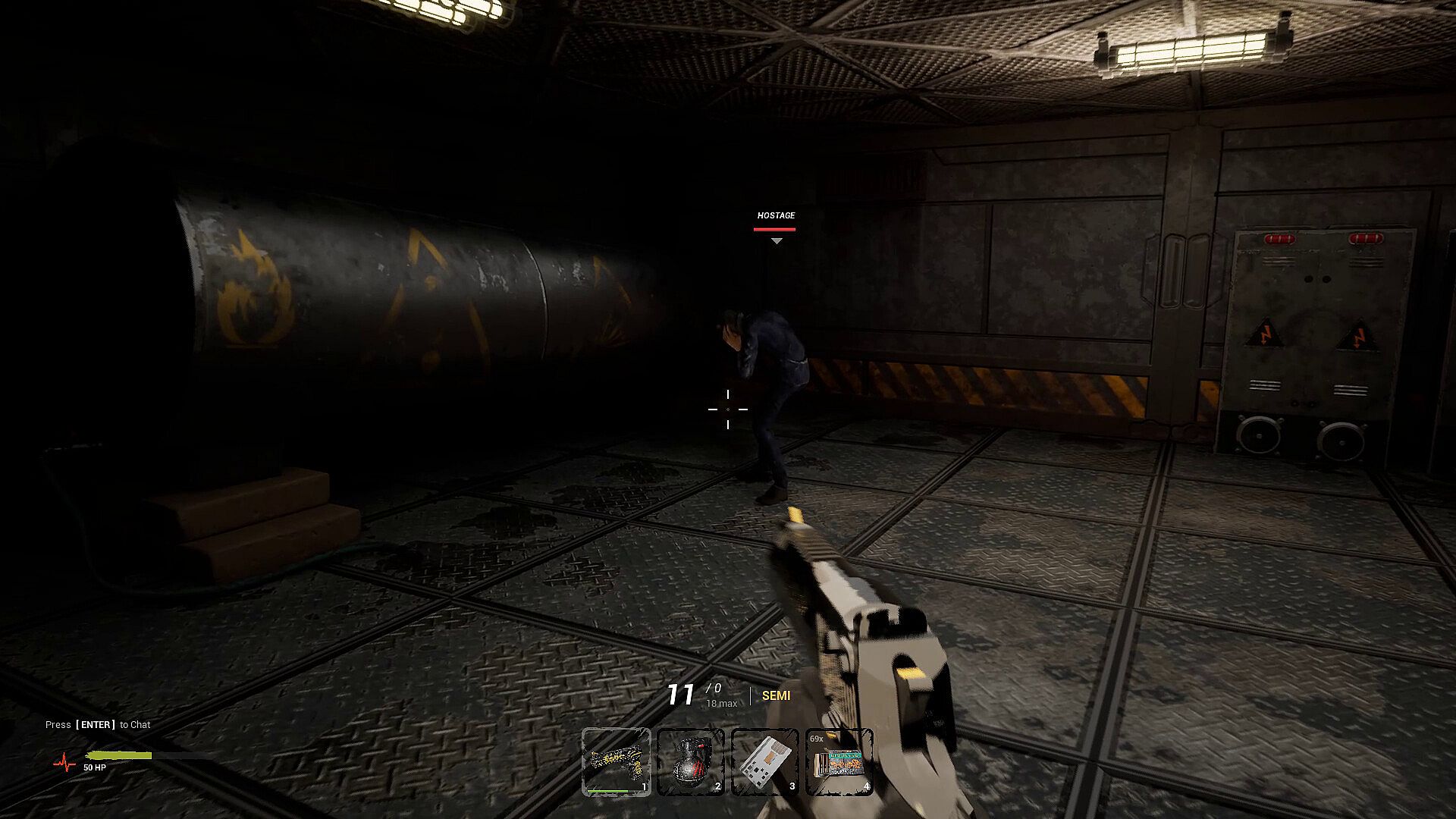
Trzy odrębne tryby operacji określają cele misji. W Hostage Rescue trzeba odnaleźć zakładnika, zapewnić jego współpracę i wydostać go, zanim panika lub reakcja wroga zakończy próbę. Data Recovery stawia na skradanie i pozycjonowanie - gracze docierają do sterowni, uruchamiają transfer danych i bronią stanowiska do zakończenia operacji. Demolition polega na podłożeniu ładunków w kluczowych punktach konstrukcyjnych i ucieczce przed upływem czasu po ostatnim umieszczeniu.
Każdy tryb zmienia priorytety i profil ryzyka. Ratowanie wymaga mechanik eskorty i kontroli tłumu, odzyskanie danych skupia się na czasie i unikaniu blokad, a demolka kładzie nacisk na szybkość i pozycjonowanie po podłożeniu ładunków. Elementy proceduralne sprawiają, że żadne dwa podejścia w tym samym trybie nie przebiegają identycznie - typy przeciwników i układ pomieszczeń dostosowują się, by utrzymać świeżość starć.
Systemy i mechaniki
Nieograniczone generowanie proceduralne obiektów zapewnia różnorodność układów i spotkań. Różne typy wrogów patrolują lub reagują w zależności od działań graczy, zmuszając zespół do bieżącego dostosowywania taktyki. Brak ustalonych ról sprawia, że strategia wynika z ekwipunku i odkryć - każda infiltracja staje się testem zarządzania zasobami i improwizacji.
Mechaniki porażki są bezpośrednio powiązane ze wspólnym systemem prób. Wyczerpanie limitu kończy operację dla całej grupy, kasując zebrane postępy i wymuszając pełny reset. Takie rozwiązanie podkreśla motyw jednorazowych jednostek, gdzie błędy mają trwałe konsekwencje, a nie pozwalają na wielokrotne próby bez ryzyka.
Czy warto zagrać?
Redline Contract przypadnie do gustu fanom extraction shooterów z silnym naciskiem na kooperację i różnorodność proceduralną. Połączenie zmieniających się obiektów, ról wynikających z ekwipunku oraz limitu prób tworzy napiętą pętlę rozgrywki, która nagradza adaptację i pracę zespołową. Osoby preferujące przewidywalne mapy lub łagodniejszą progresję mogą uznać wysoki wskaźnik porażek i resetów za zbyt surowy.
Jako tytuł w Early Access gra nadal otrzymuje aktualizacje, które dopracowują jej systemy. Dostępność na PC ułatwia dołączenie grupom szukającym kooperacyjnych doświadczeń FPS skupionych na infiltracji i ewakuacji. Zweryfikowane mechaniki odpowiadają opisowi, oferując odrębne podejście do gatunku dzięki proceduralnej nieprzewidywalności i konsekwencjom wynikającym z limitu prób.