








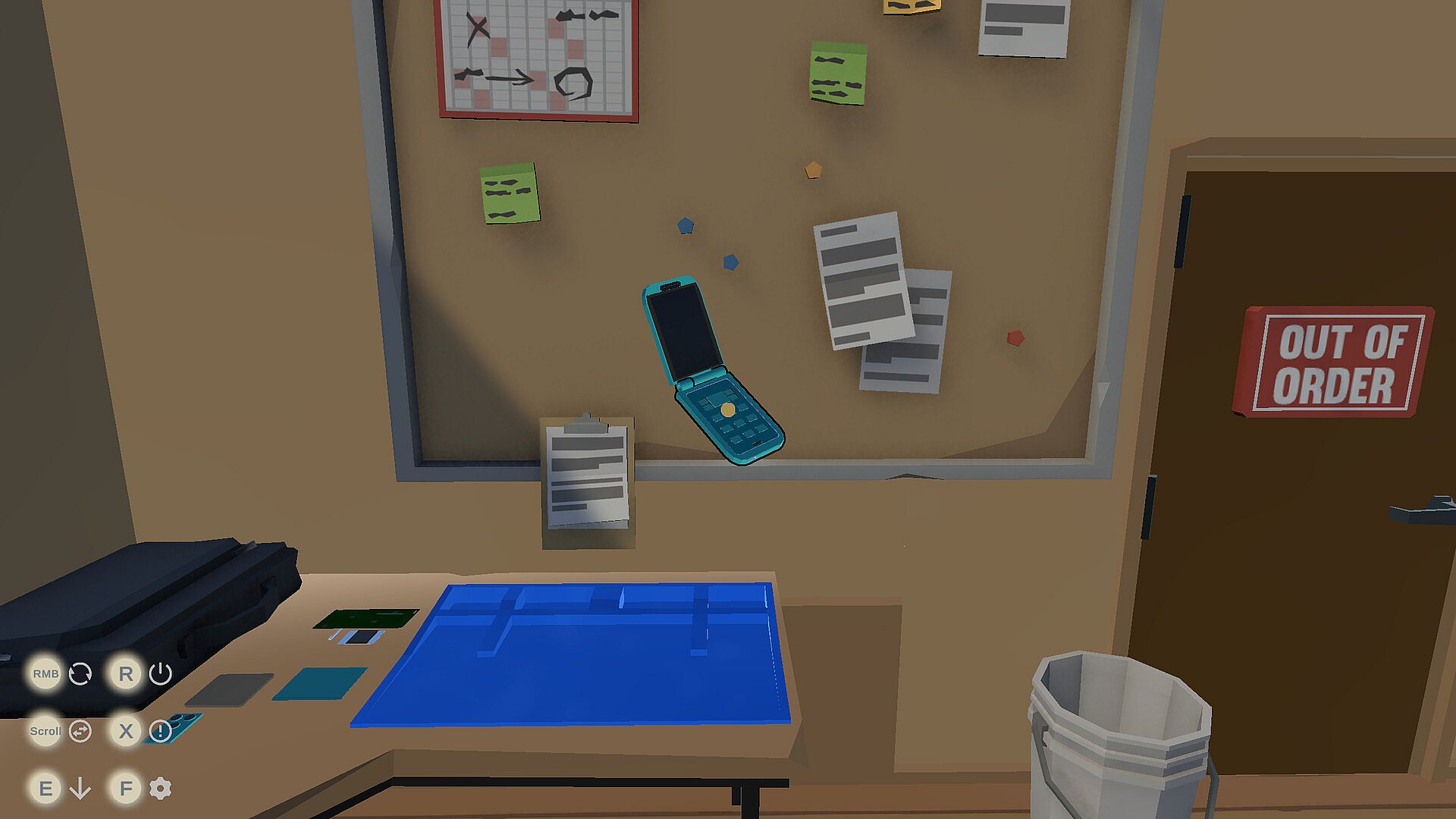
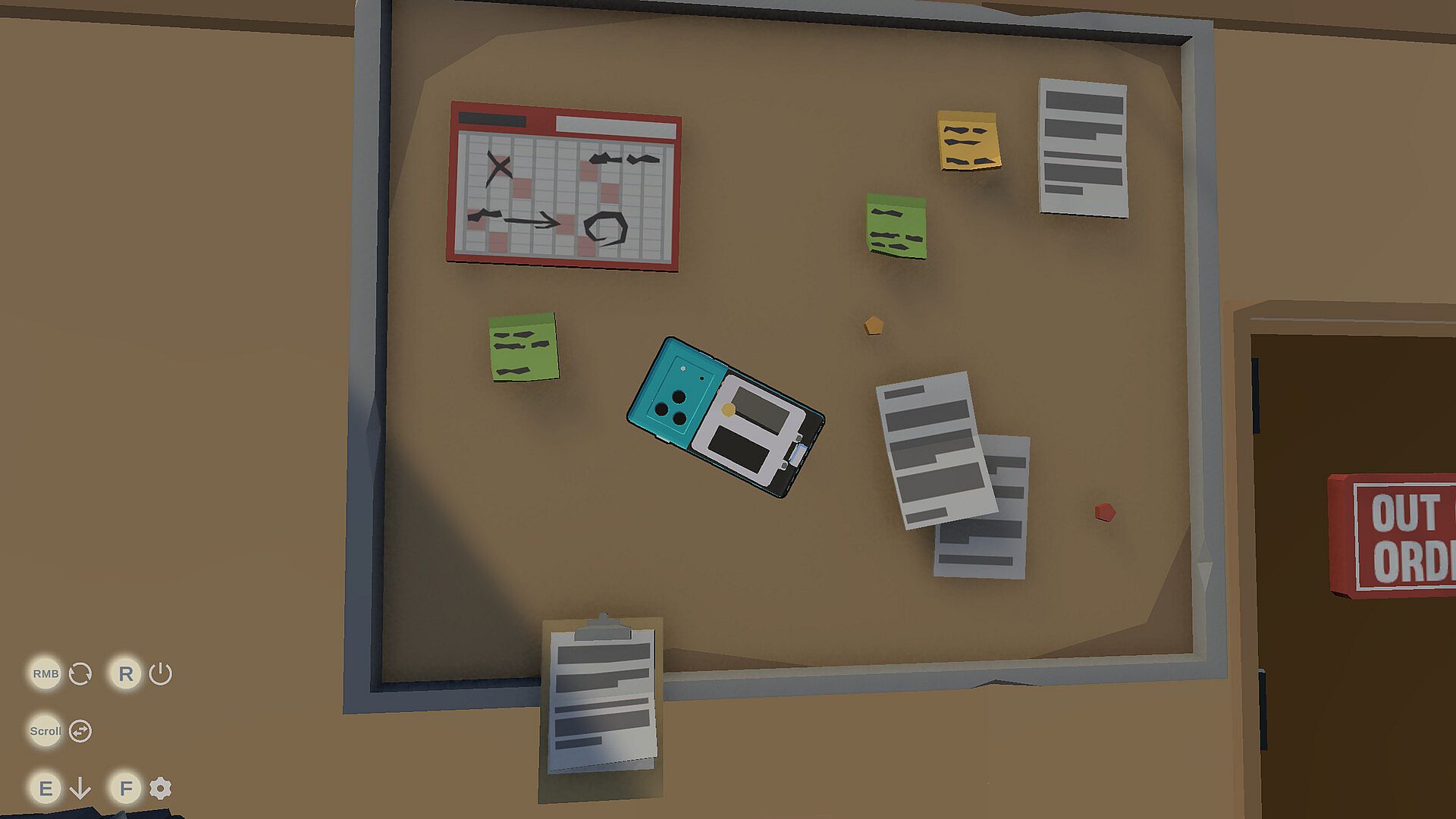






Repair Shop Simulator is a casual simulation game where players operate an electronics repair business on PC. The experience centers on hands-on device fixes that combine diagnosis, disassembly, part replacement, cleaning, and reassembly to restore customer items and generate revenue.
Gameplay
Every job begins with a diagnosis phase. Players examine the device through inspection and testing to identify issues, which range from obvious external damage to hidden internal faults that require opening the unit for closer examination.
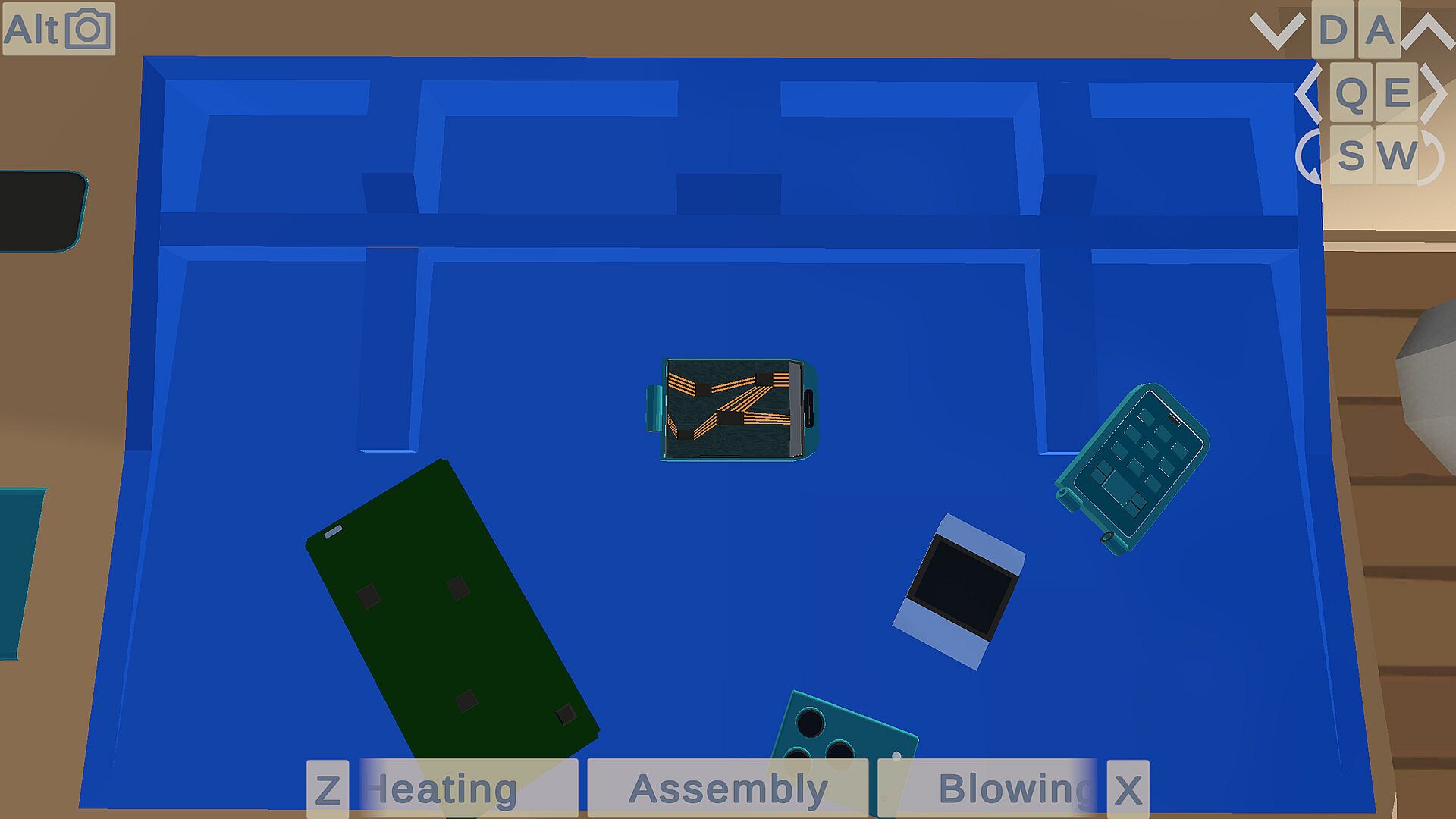
Disassembly follows a deliberate process. Screws, covers, screens, batteries, and internal components come out one piece at a time, with attention paid to their original positions so reassembly can proceed accurately later.
Repairs involve locating damaged parts, swapping in replacements, and removing accumulated dust or debris from electronics. Solutions vary by problem, demanding careful selection of the right approach for each case.
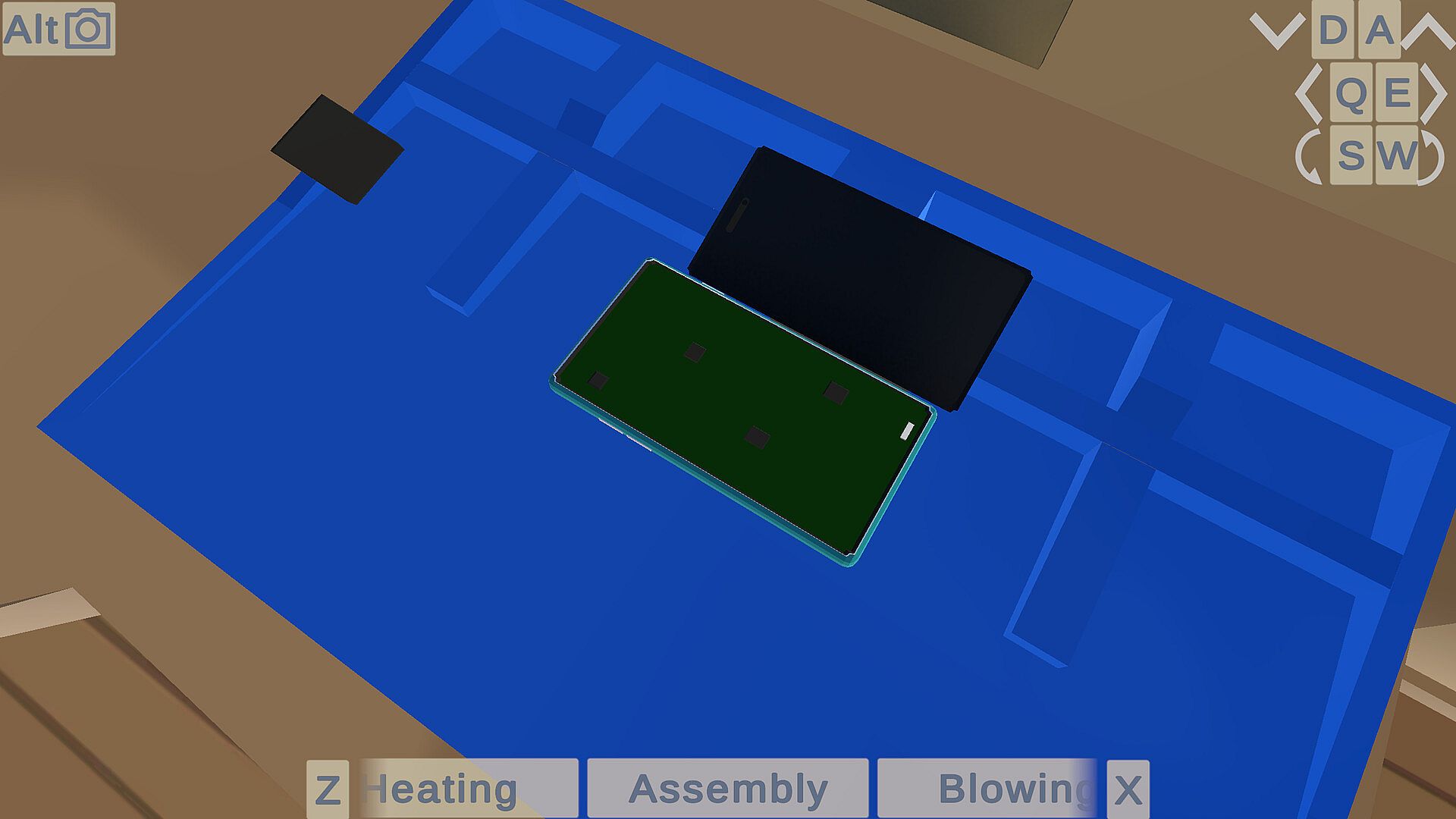
Reassembly completes the cycle. Components return to their proper locations, and the device undergoes a final check to confirm the repair succeeded before returning it to the customer.
Shop management ties directly into the repair work. Completed jobs bring in payment, which supports ongoing operations and expansion of the business through customer satisfaction and repeat visits.
Game Modes
The game operates as a single-player simulation focused on the daily rhythm of running the repair shop. No separate competitive or cooperative modes exist, keeping the emphasis on sequential customer jobs and incremental business growth within one continuous experience.
Progression flows naturally from handling individual repairs to managing a steady stream of devices. Players balance time spent on each fix with the need to serve multiple customers efficiently over the course of a virtual day.
Core Mechanics and Progression
The central loop rewards methodical work and attention to detail. Rushing through steps risks incomplete fixes or misplaced parts, while thorough inspection and careful handling lead to successful outcomes and higher earnings.
Inventory awareness plays a supporting role. Keeping track of tools, replacement components, and workspace organization helps maintain efficiency as the volume of repairs increases.
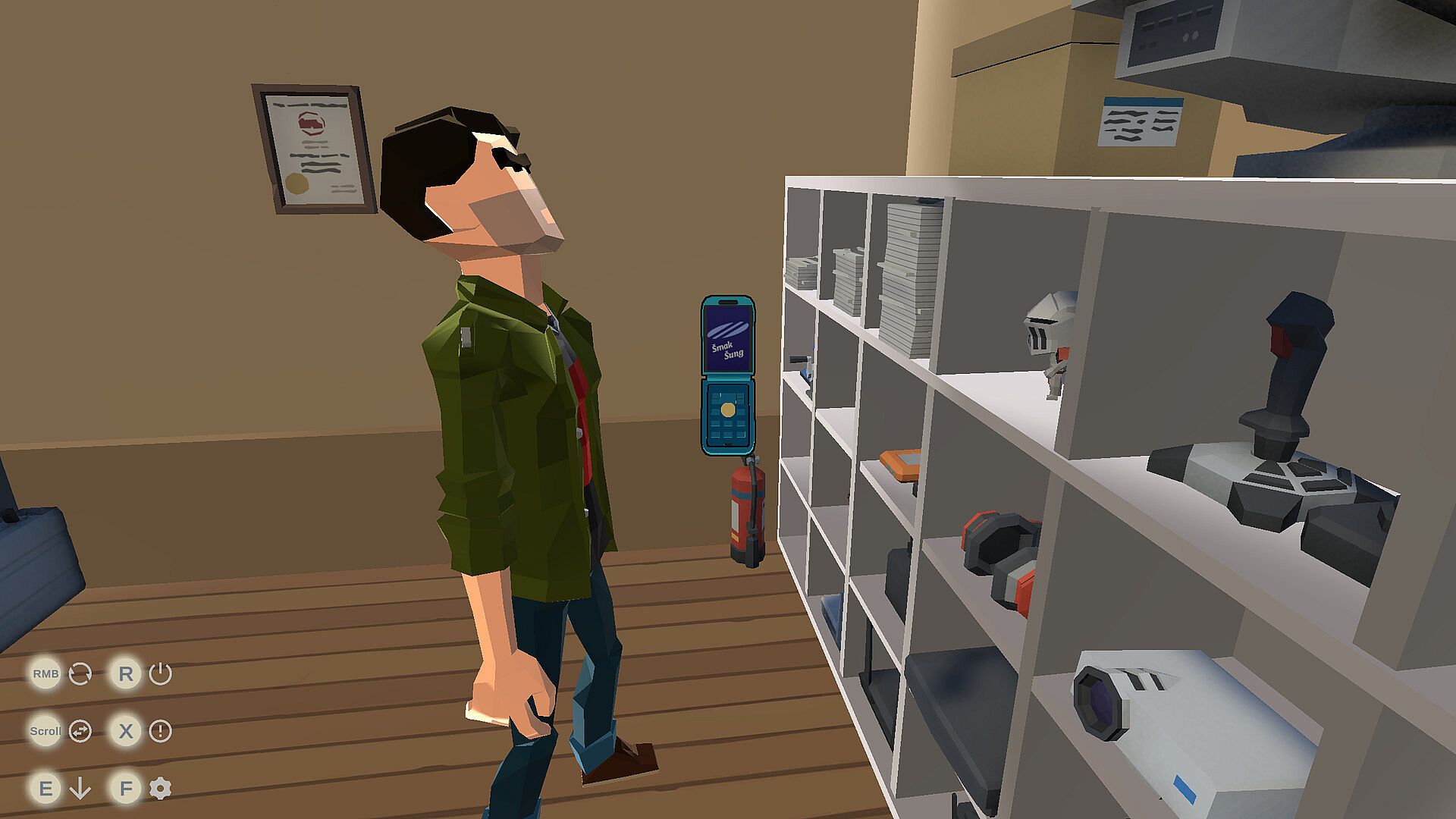
Customer interactions add variety. Each broken device presents unique challenges, encouraging players to adapt their approach rather than repeat identical actions.
Is It Worth Playing?
Repair Shop Simulator suits players who enjoy methodical simulation gameplay and the satisfaction of completing tangible tasks. The hands-on repair sequence provides a clear sense of accomplishment with each restored device, while the shop-running elements add light management depth without overwhelming complexity.
Those drawn to casual indie titles that blend technical processes with business progression will find a focused experience here. The game appeals particularly to fans of realistic tool use and step-by-step problem solving in a relaxed setting.
Its straightforward structure makes it accessible for short sessions or longer play periods, with the core loop remaining engaging through varied device problems and the steady flow of customer work. Overall, it delivers a solid choice for simulation enthusiasts seeking a practical, detail-oriented title on PC.











