


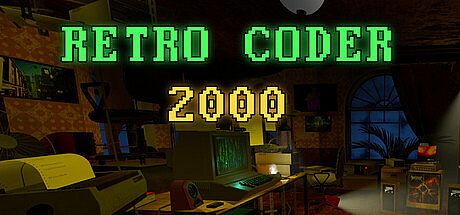


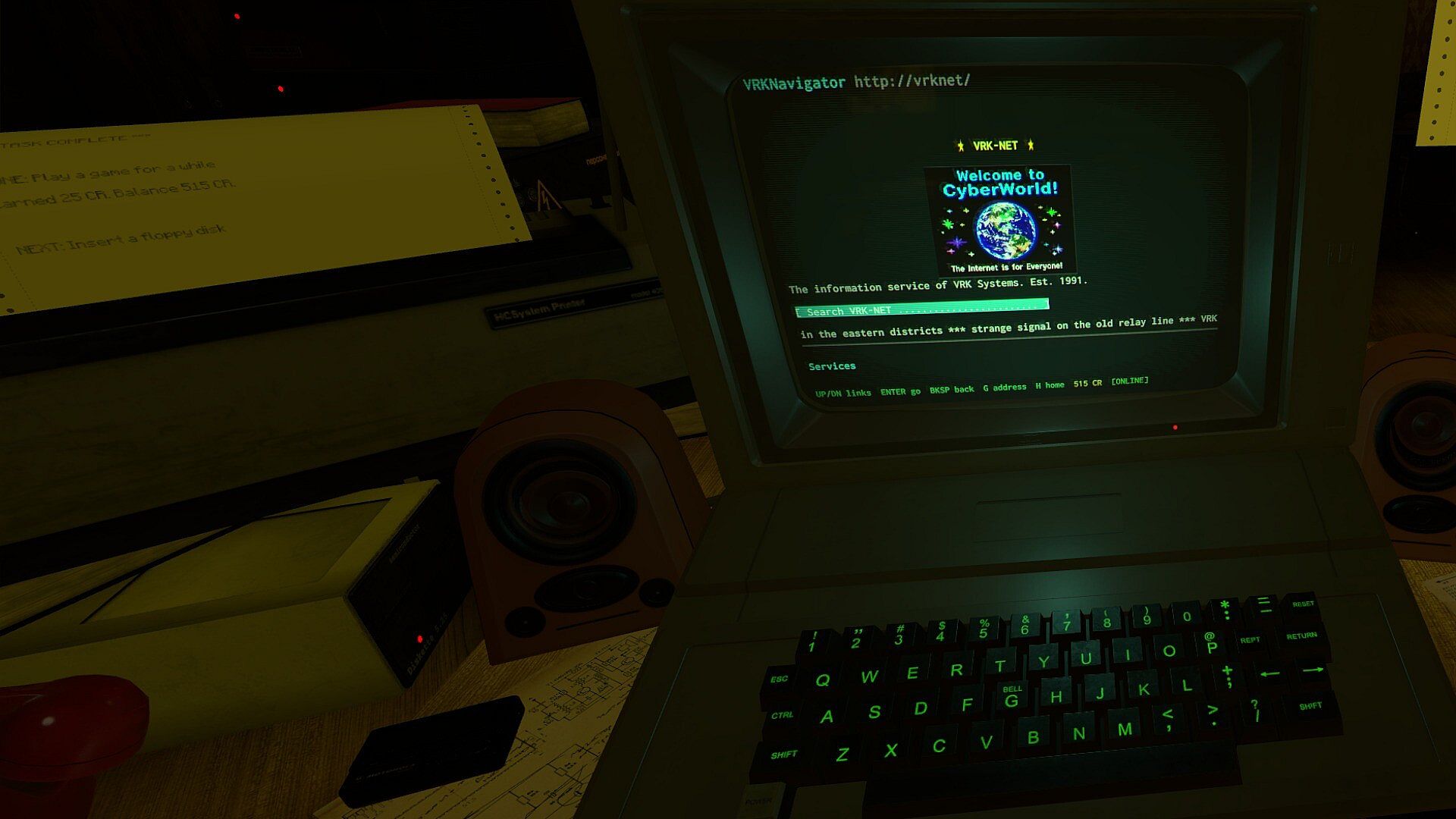
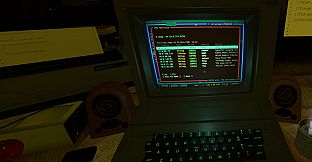
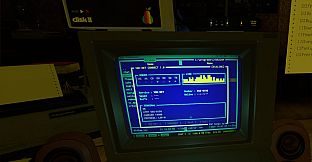
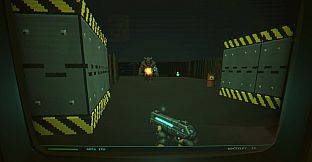
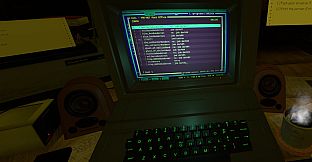
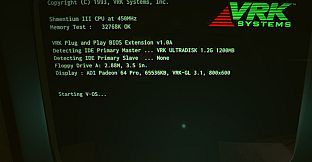
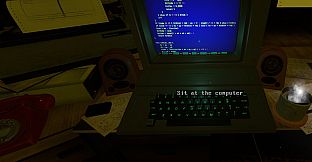
Retro Coder 2000 is an indie simulation adventure game set on a fully functional 1991 personal computer. Players step into the role of someone left behind after a disappearance, managing rent through freelance coding work while exploring what the machine reveals about the missing person. The experience centers on a simulated beige PC complete with grinding floppy drives, a screaming dial-up modem, a dot-matrix printer, and a BIOS screen for hardware tweaks.
Gameplay
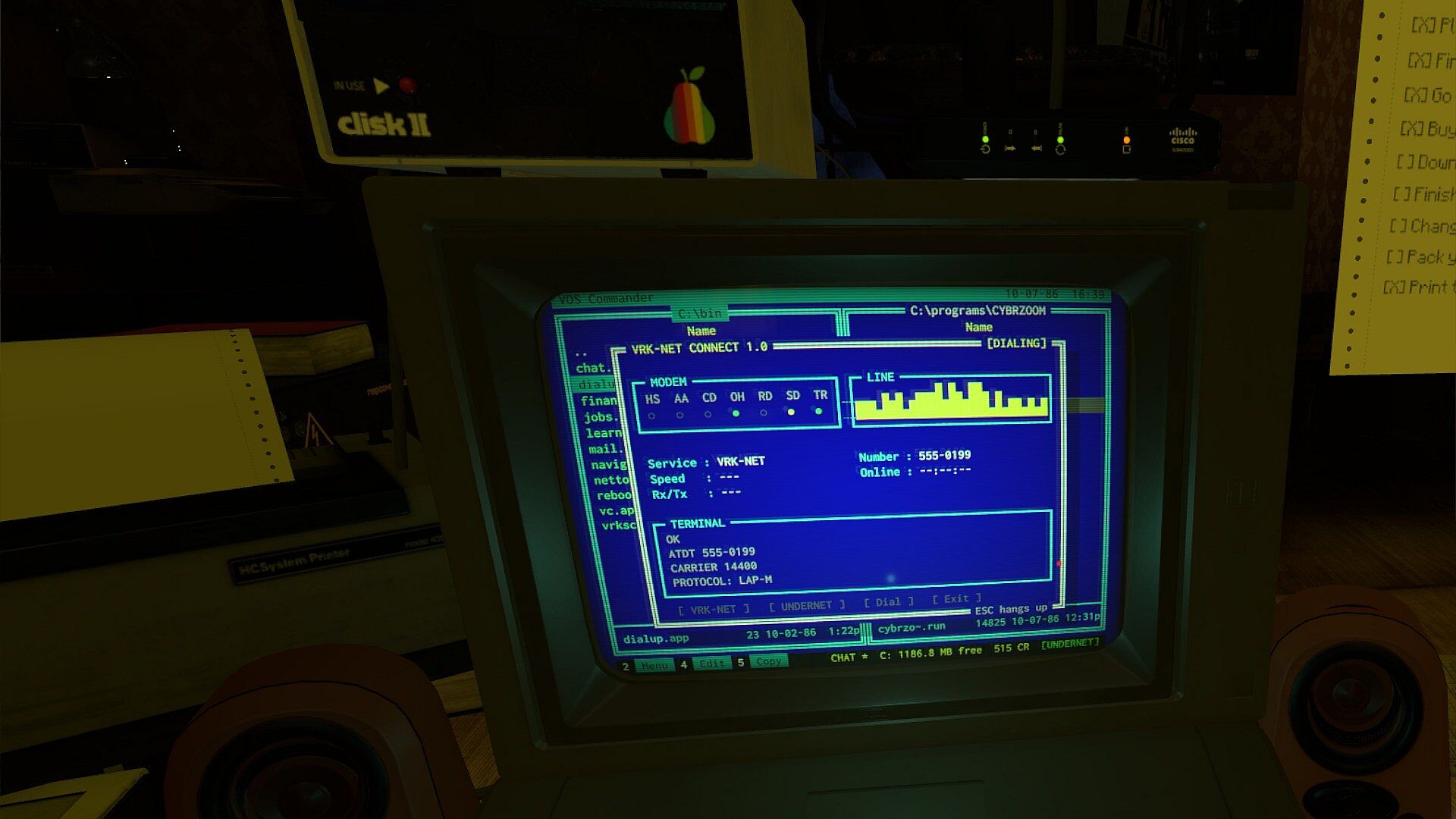
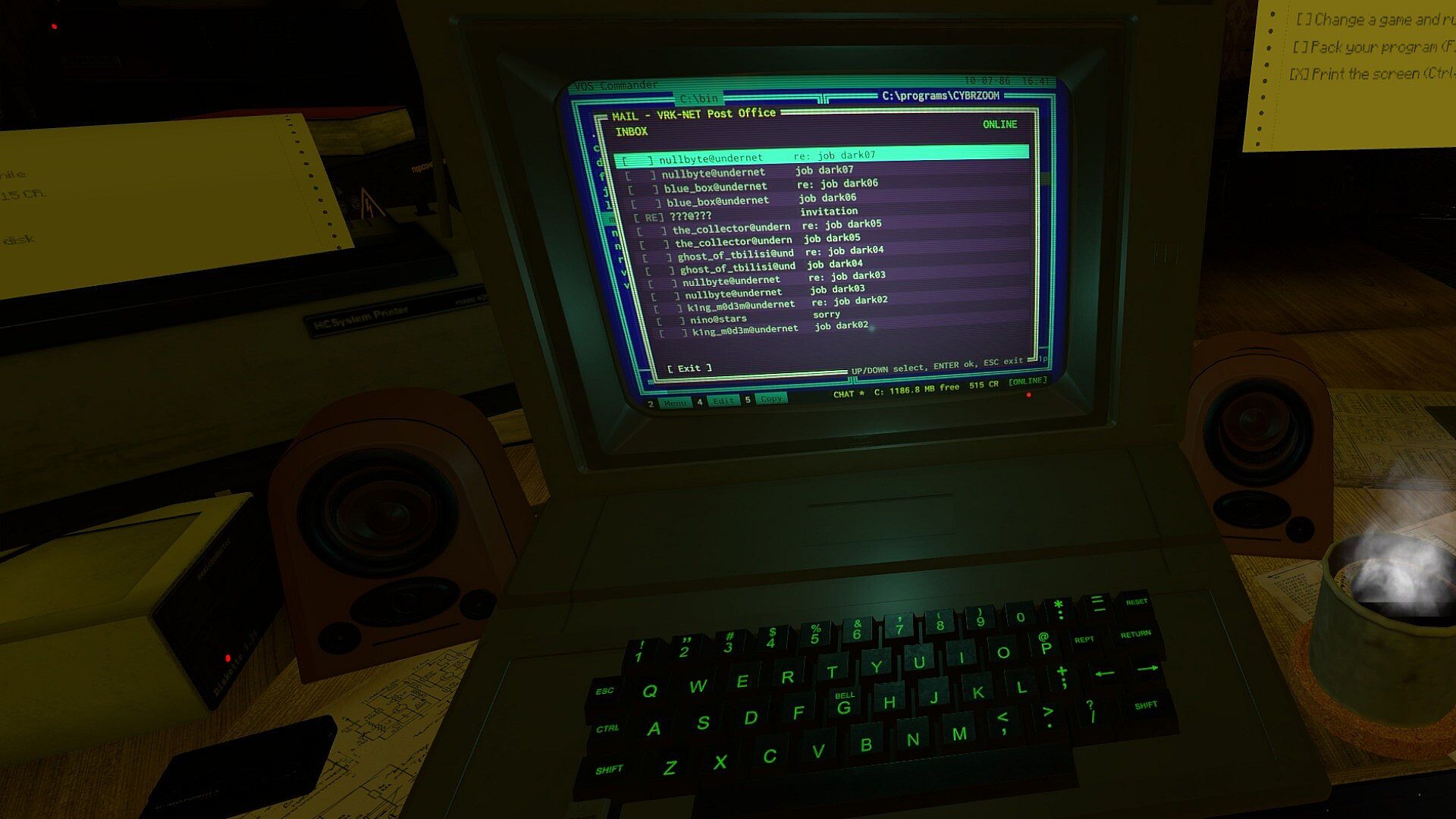
The core loop revolves around booting the machine, handling incoming job offers via the modem, and maintaining enough income to cover living expenses. Jobs arrive as requests to debug client programs written in the game's built-in language, decode ciphers, or repair database issues. Payments arrive late at times, and client feedback can turn rude or odd, which affects reputation over time.
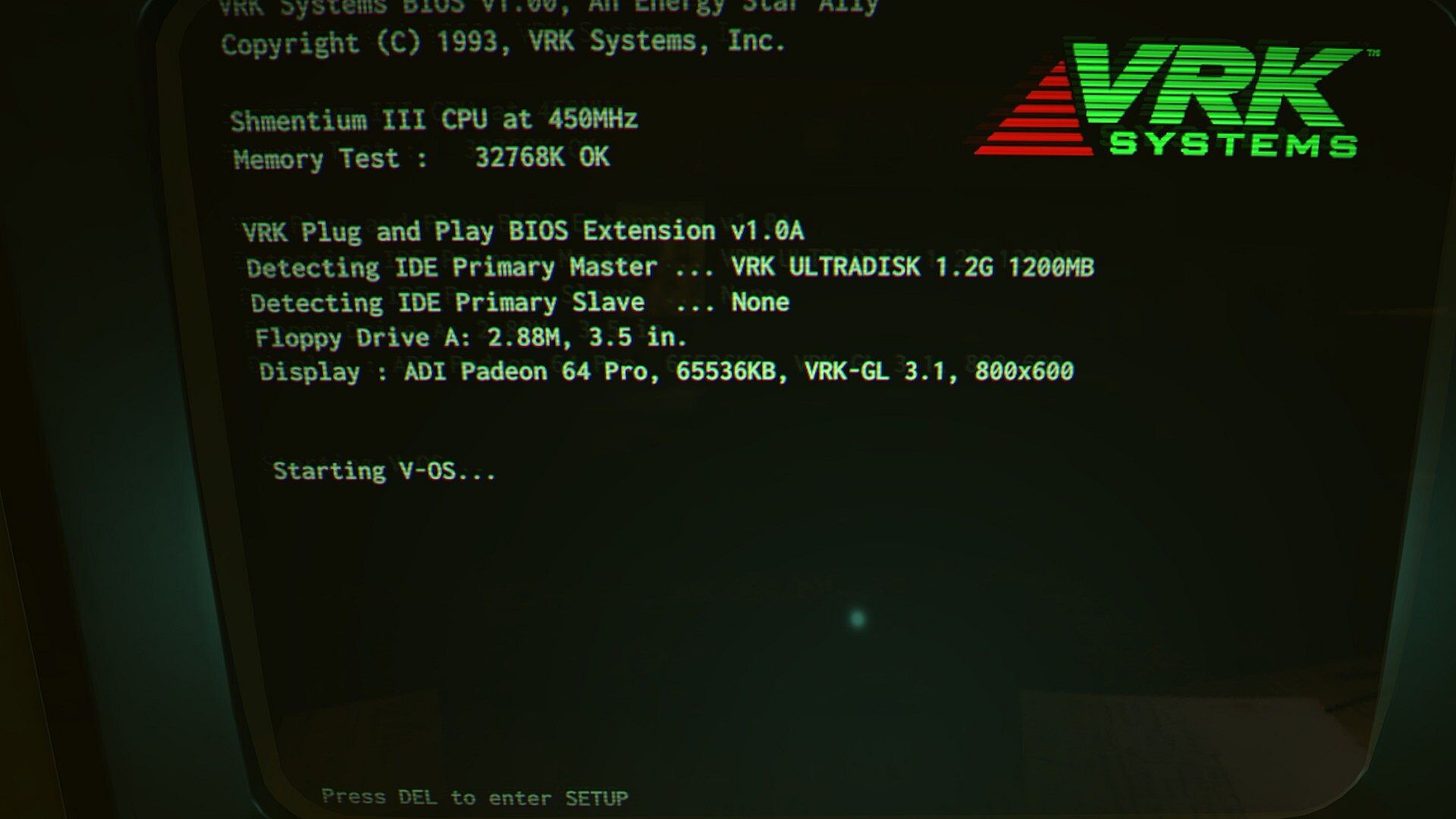
Hardware upgrades form another key system. Players install faster CPUs, improved video cards, and larger hard disks directly in the BIOS, which visibly improves performance such as turning choppy slideshows into smooth displays. The PC runs actual programs that can be opened and edited, and everything stays consistent across updates.
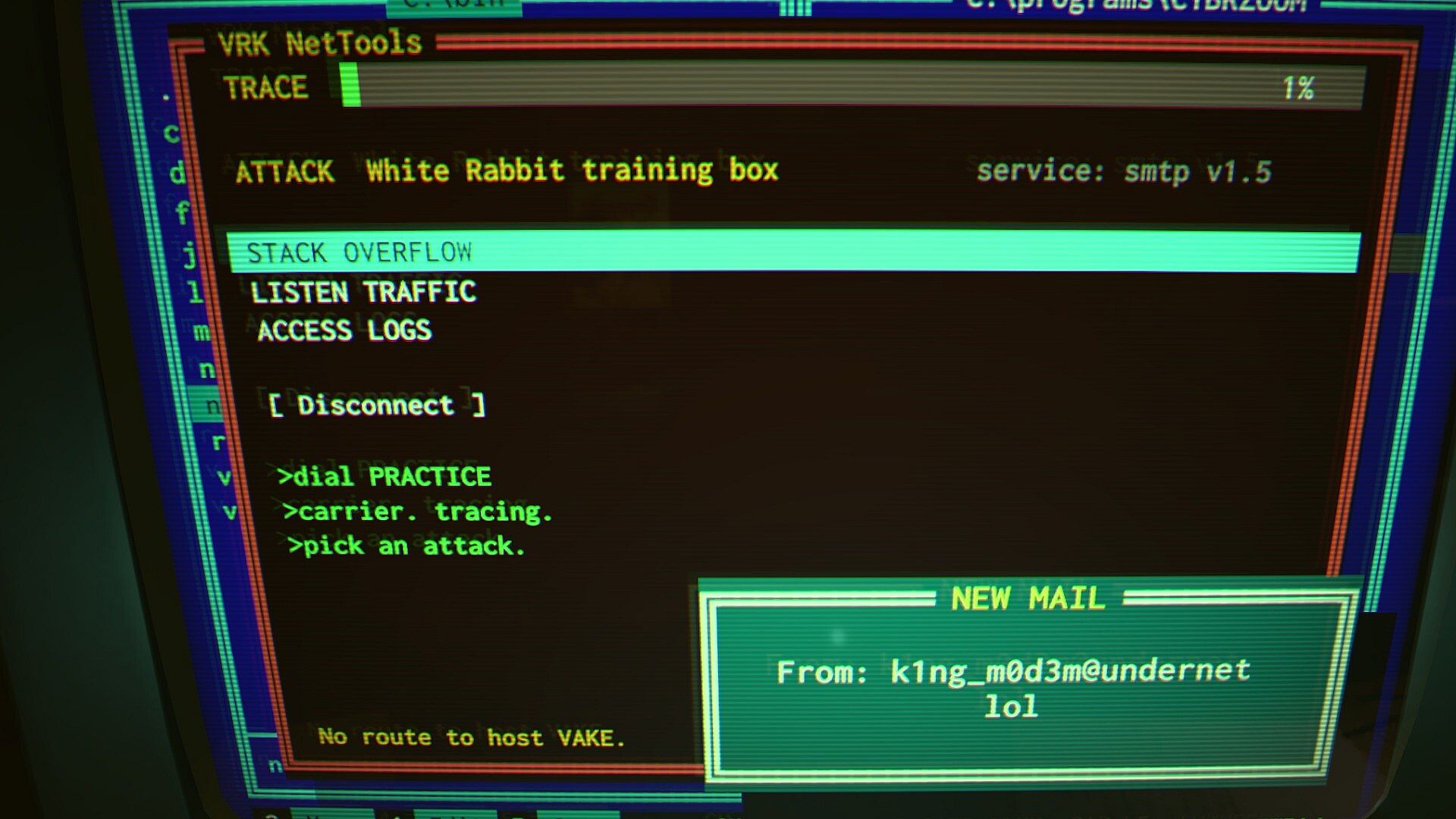
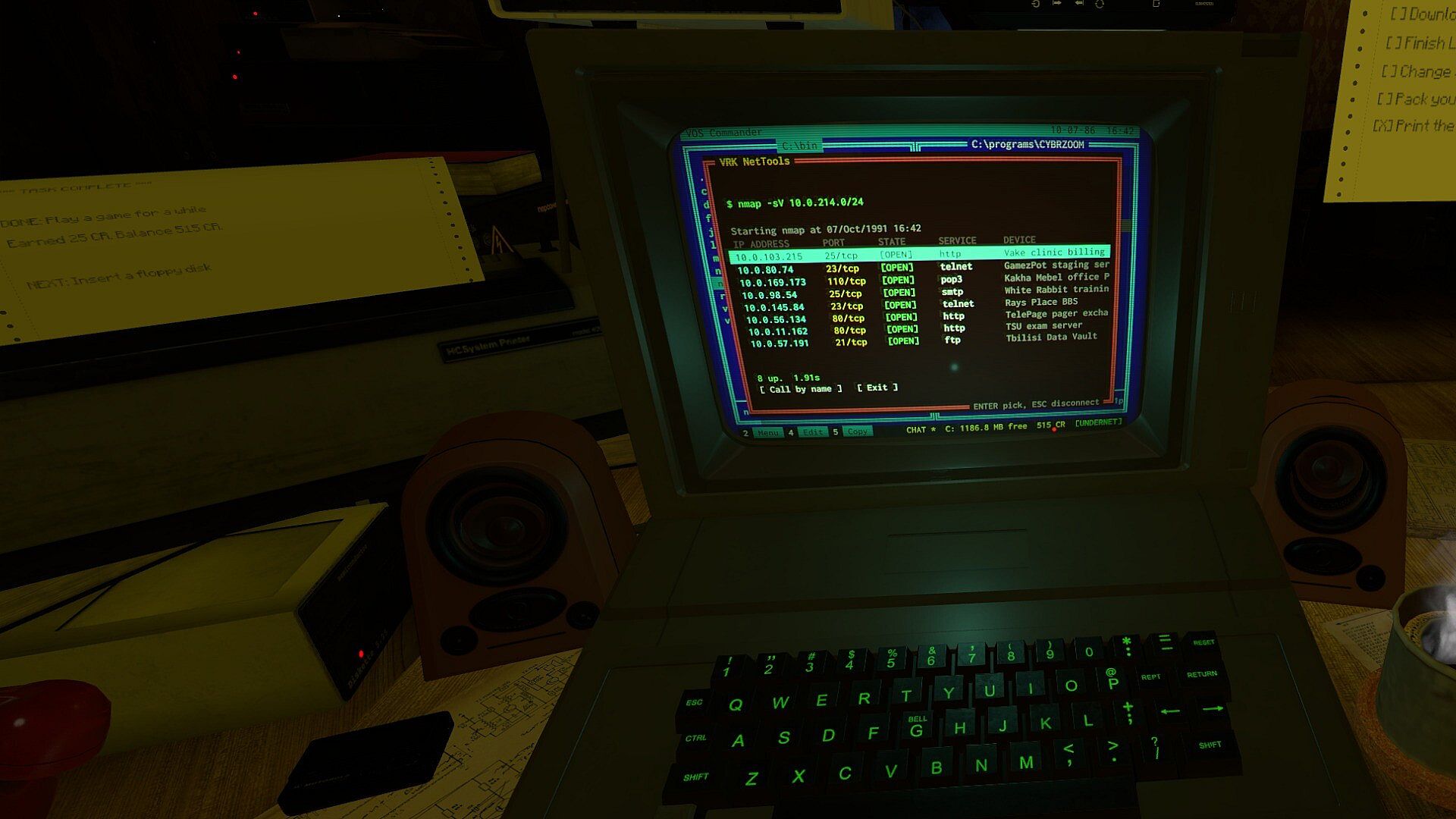
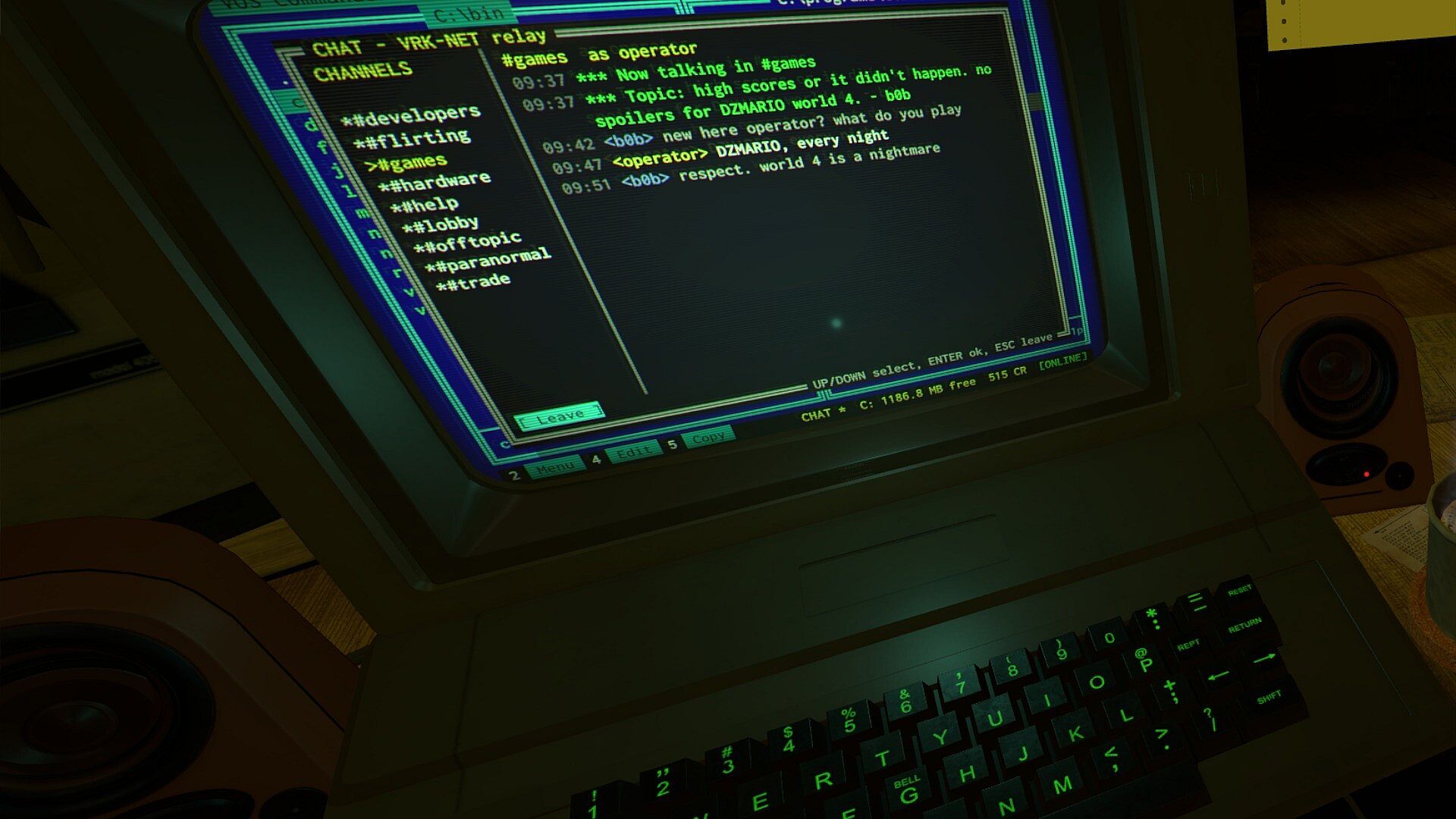
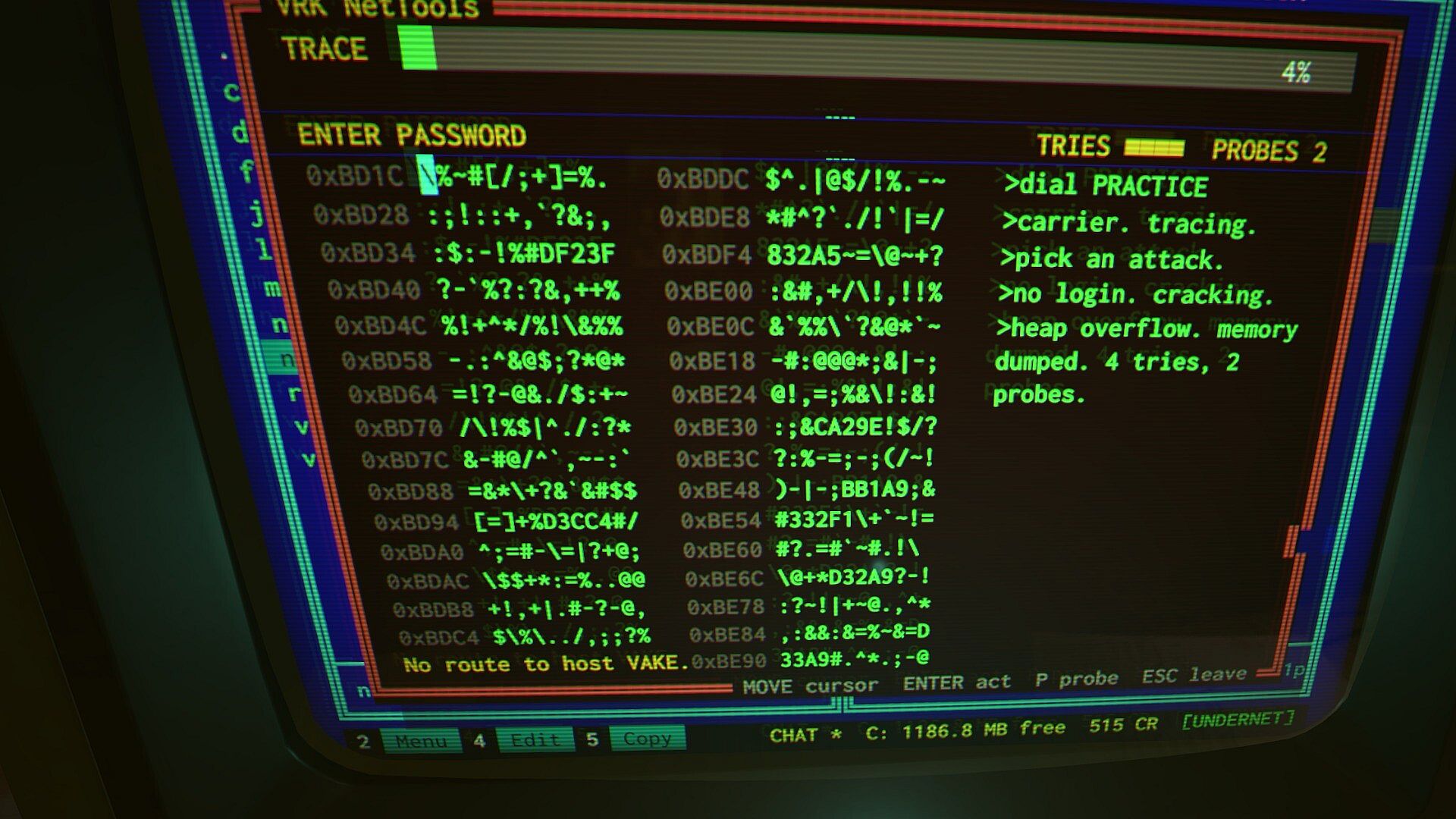
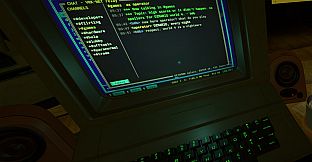
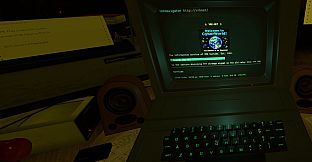
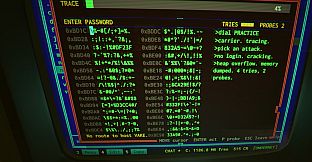
Exploration of the 90s-style network adds depth. Dozens of sites, argumentative chat rooms, newsletters, spam messages, and risky downloads populate the connected world. Some downloads carry viruses that require careful handling. A hidden layer of the net requires deduction-based puzzles: players sniff network traffic, examine logs, and crack passwords to gain access without triggering traces. Tools purchased with earned Cred help in these efforts.
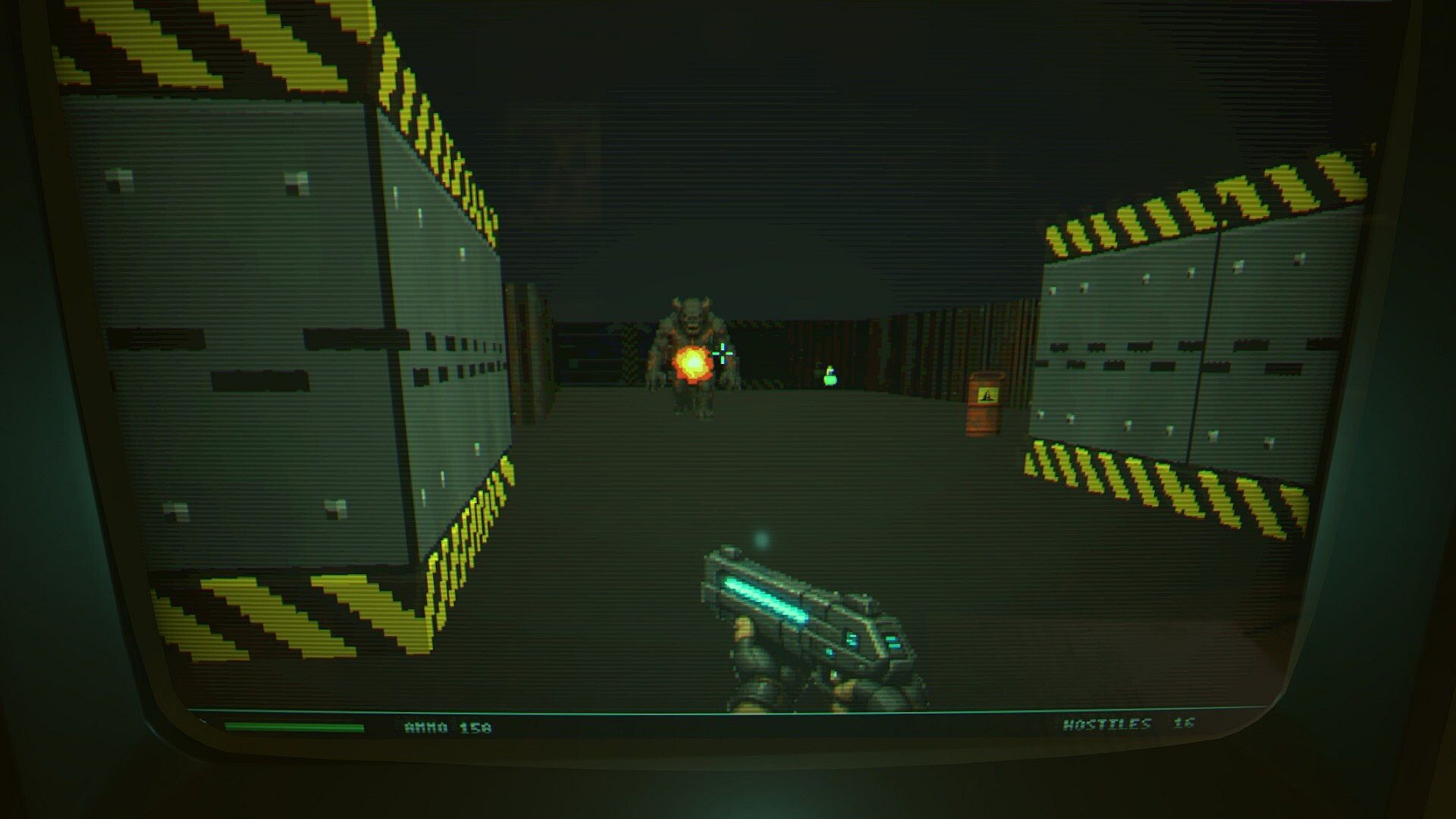
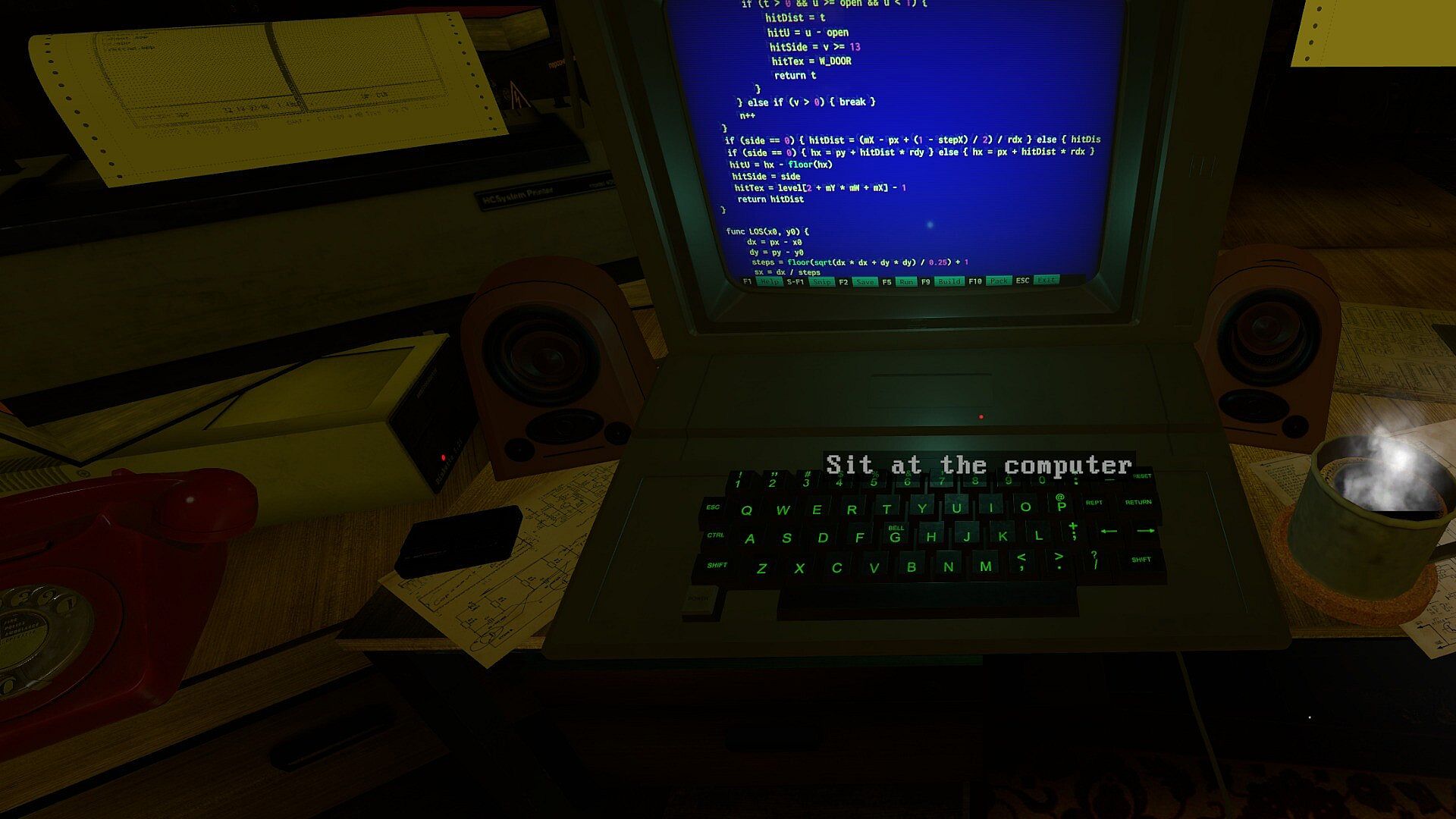
Creative expression comes through game development. The same built-in language supports creation of 2D games, tile-map projects, or full 3D titles. Completed works can be packed onto floppies and shared, remaining compatible with future changes to the system. In-game lessons help players learn the language step by step before experimenting with existing examples on the disks.
Game Modes
Retro Coder 2000 operates entirely in singleplayer. The primary activities break down into distinct loops that players can pursue at their own pace: accepting and completing client jobs for steady income, venturing into the underground network for deeper investigation and rewards, and building original games to distribute. These threads interconnect naturally, as earnings from jobs fund better hardware and tools needed for hacking, while game creation provides another outlet for the same programming skills.
Desktop play uses mouse and keyboard for precise control, especially during coding sessions. VR mode places the player at a virtual desk with the same PC interface, supporting standing, sitting, or room-scale movement. A keyboard remains recommended for writing code in either view. No multiplayer components exist.
Story and Setting
The narrative unfolds through the PC itself. Levan has been missing for nineteen days, leaving behind the machine that still receives work offers and connects to the outside world. Progress comes from following job leads, network discoveries, and any clues left in files or messages. The setting captures a precise 1991 atmosphere with period-appropriate interfaces, sounds, and online culture, including the risks of early internet use such as suspicious downloads and potential tracing during unauthorized access.
Everything stays grounded in the machine's capabilities. Upgrades, program editing, and network interactions all occur within the simulated environment rather than through abstracted menus.
Is It Worth Playing?
Retro Coder 2000 targets players who enjoy detailed simulation, puzzle solving through logic rather than chance, and creative tool use in a retro computing context. The singleplayer structure rewards methodical play, whether focusing on reputation management from jobs, careful deduction in network breaches, or iterative game building and sharing.
As an upcoming release with no user reviews available yet, reception remains to be seen. The game runs on Windows with optional VR support via OpenXR or SteamVR, and it requires a keyboard and mouse for comfortable coding. Those drawn to authentic-feeling 90s PC mechanics, built-in programming challenges, and a mystery revealed through digital exploration will find the systems align closely with those interests. Availability is scheduled for November 5, 2026.












