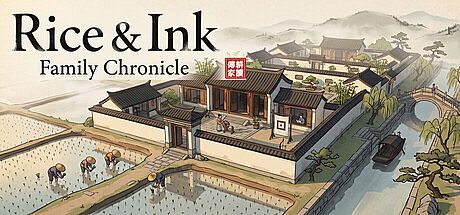




Rice & Ink: Family Chronicle is a strategy RPG simulation adventure game set in the historical region of Jiangnan between 1500 and 1839. Players manage an entire household across generations rather than controlling a single character, guiding family members through farming, scholarly pursuits, business ventures, and social obligations under the changing rules of the late Ming and Qing dynasties.
Gameplay
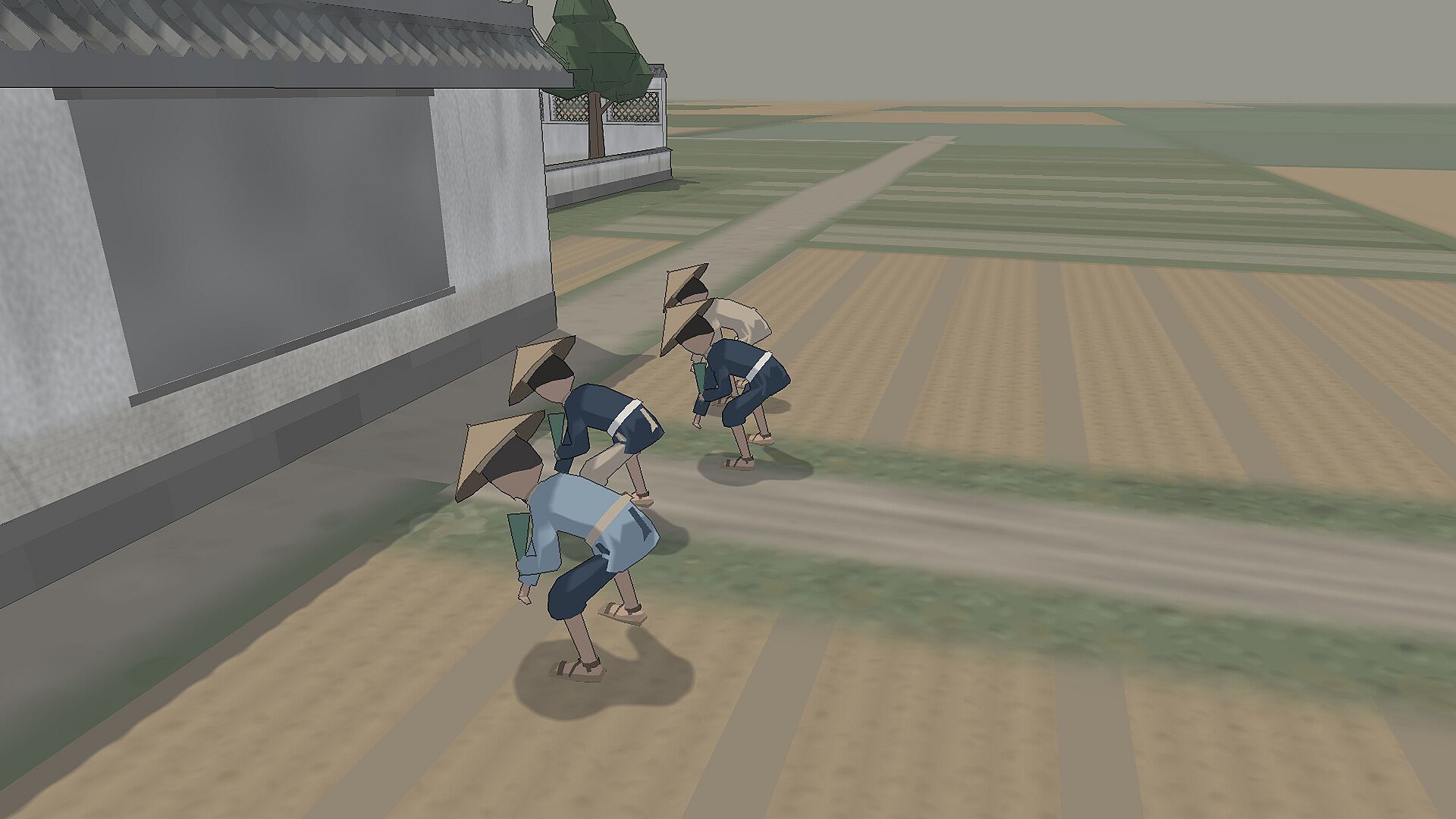
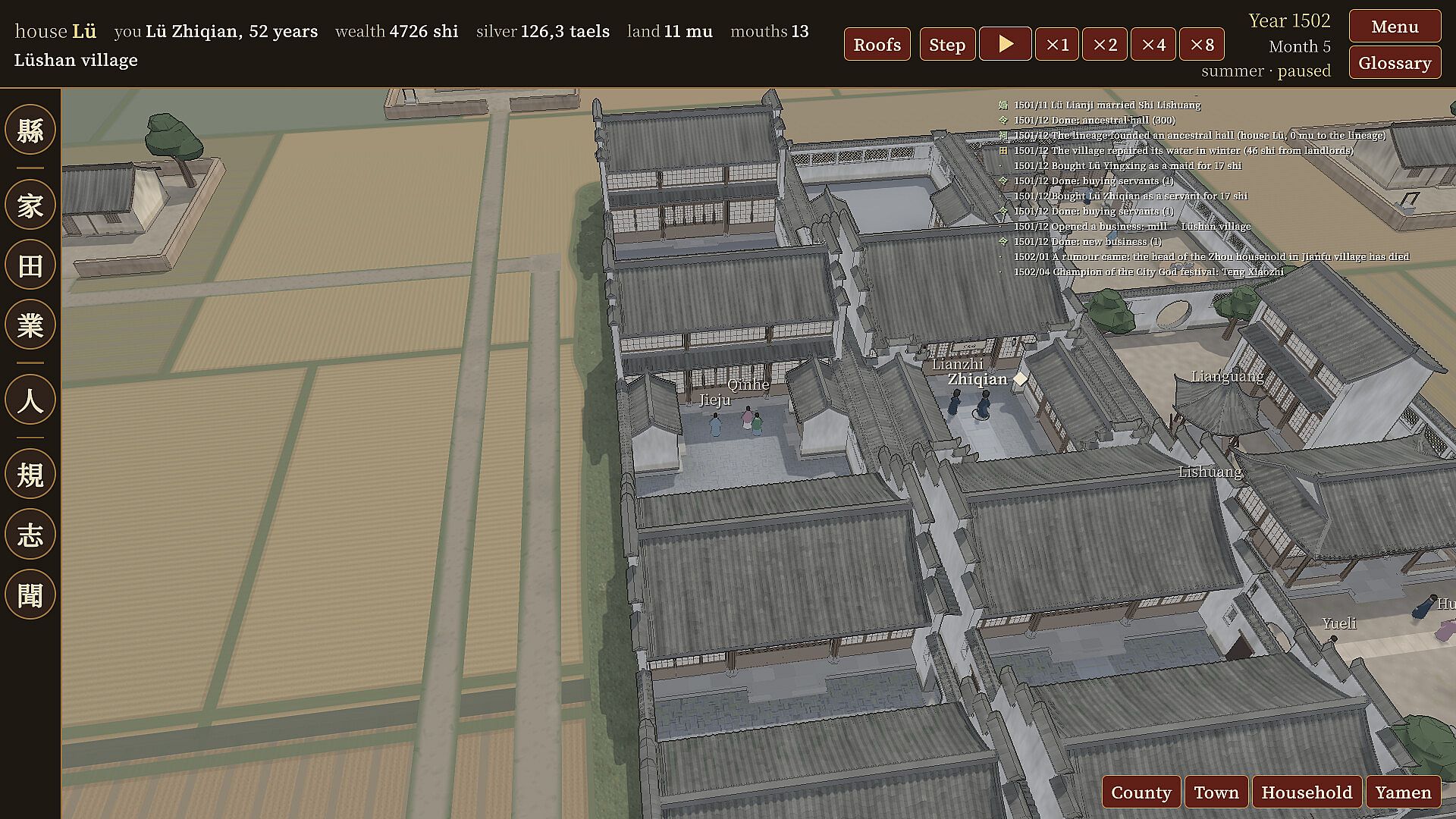
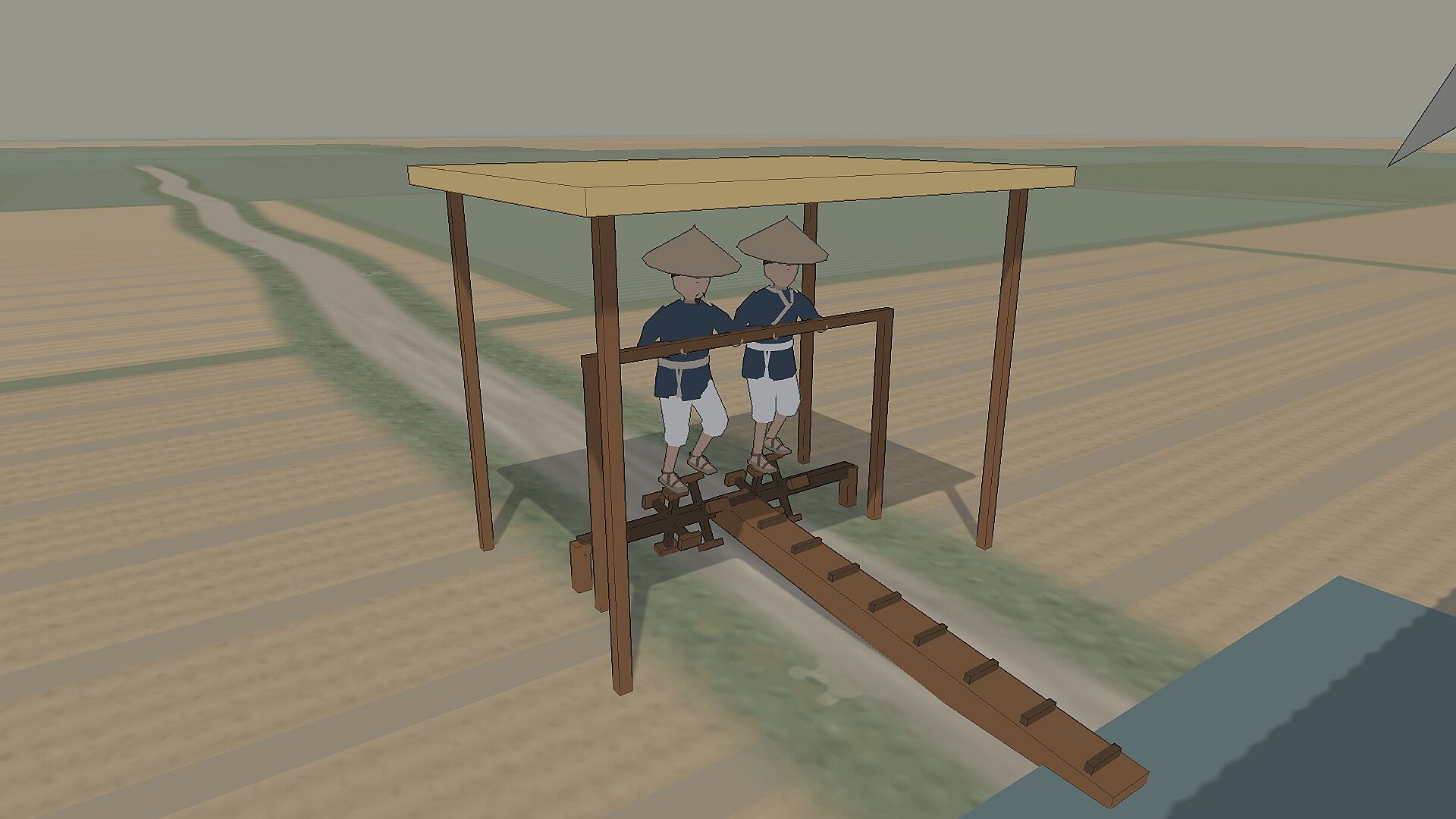
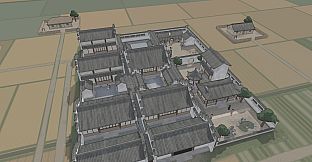
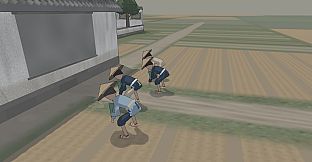
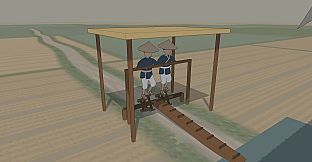
The core loop centers on overseeing daily and seasonal activities within a growing estate modeled after real Jiangnan dwellings. Rice cultivation follows monthly cycles of ploughing, transplanting, irrigation with treadle pumps, reaping, and threshing, with outcomes affected by weather, tenancy arrangements, and grain or silver taxes. Household members age naturally, take on roles such as scholars or managers, and pass leadership to heirs while the broader world continues independently.
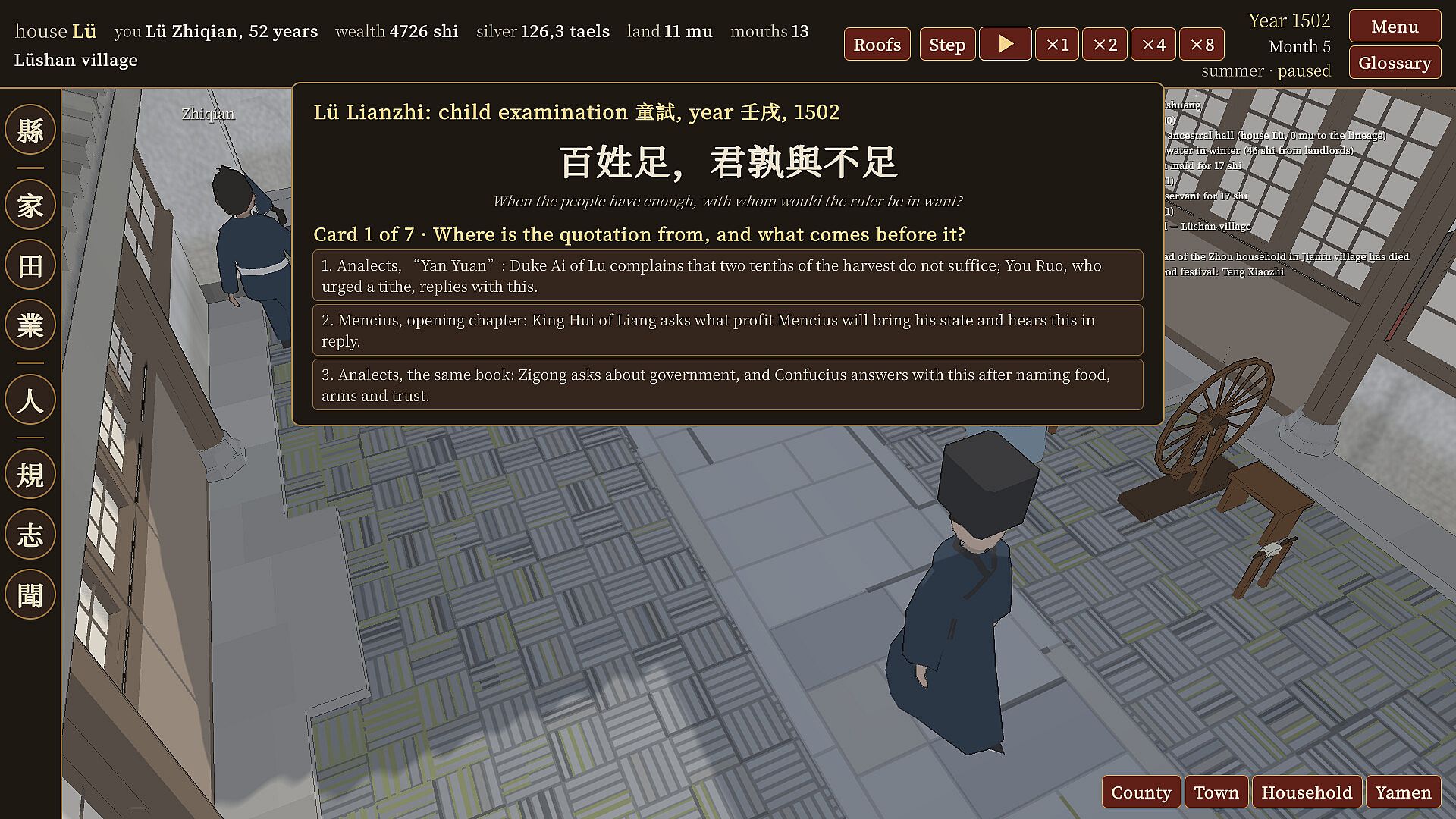
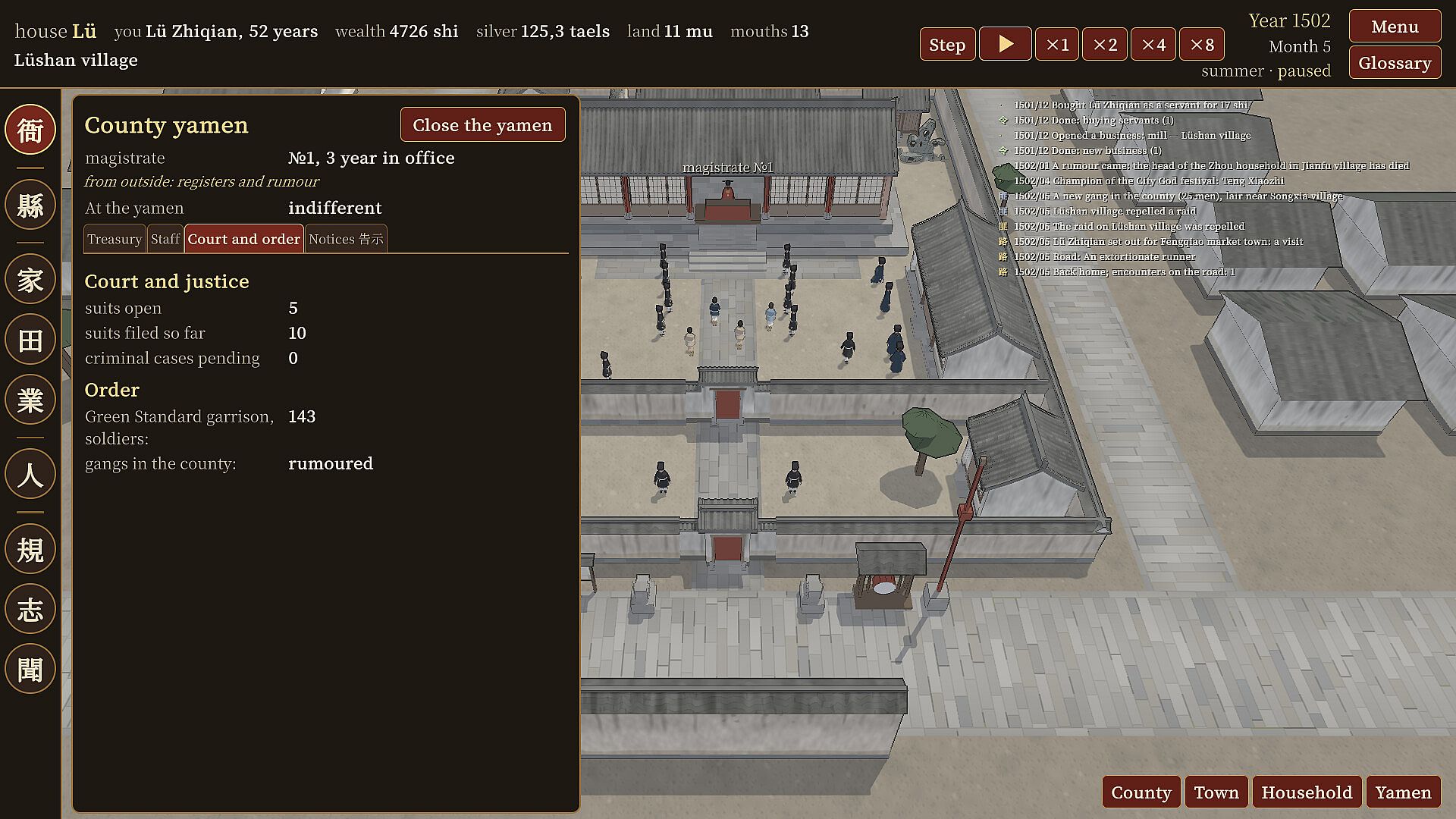
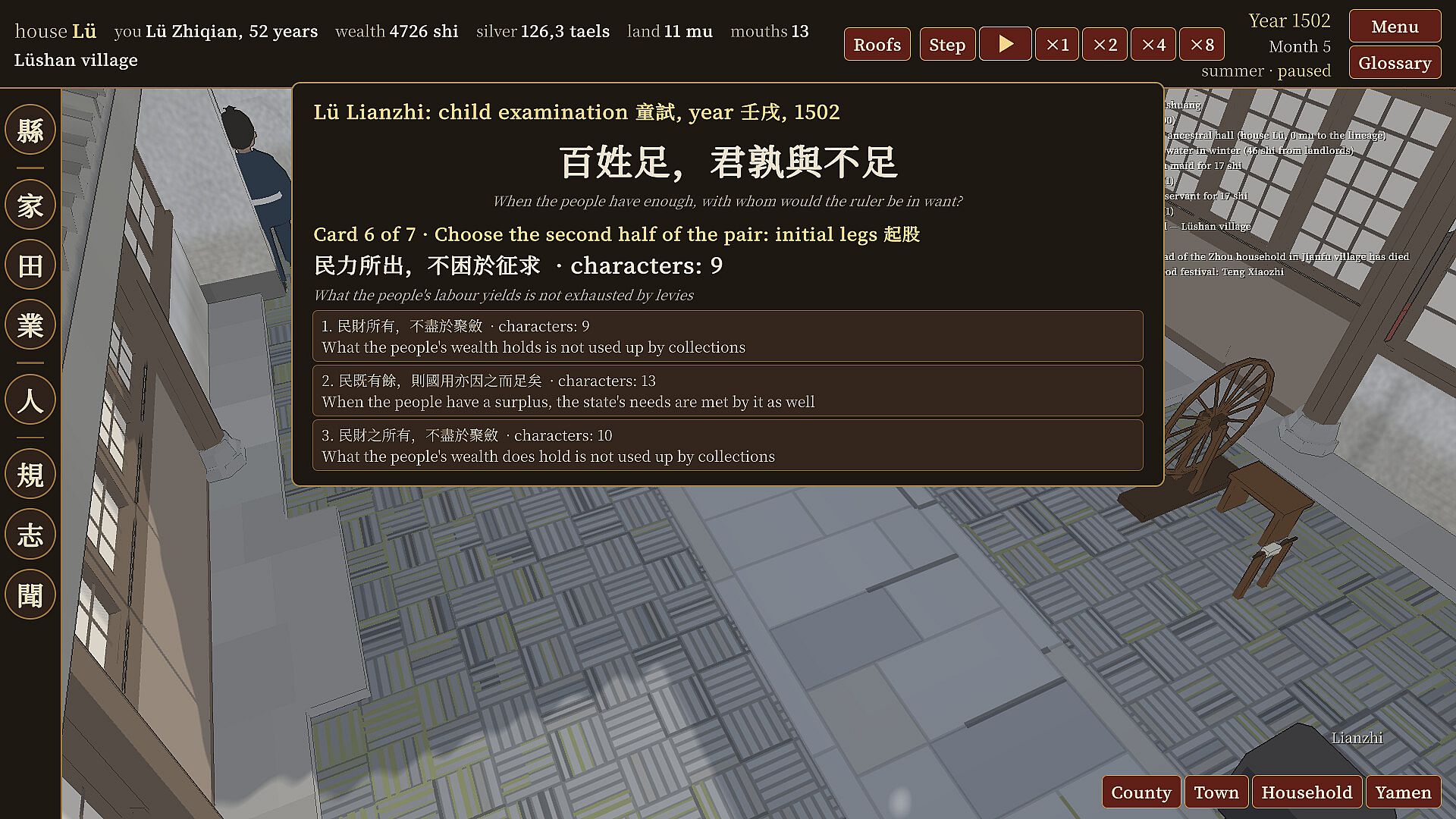
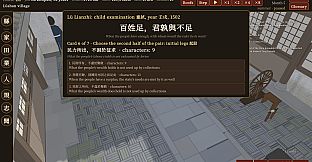
Scholarly advancement involves preparing for civil service examinations through tasks like interpreting examination themes, composing policy essays, eight-legged essays, poems, and fair copies, culminating in palace examinations. Success grants degrees that open official positions, bringing evaluations, yamen correspondence, lawsuits, and administrative duties. Business operations include running shops, mills, and weaving workshops, where profits depend on manager oversight and distant ventures.
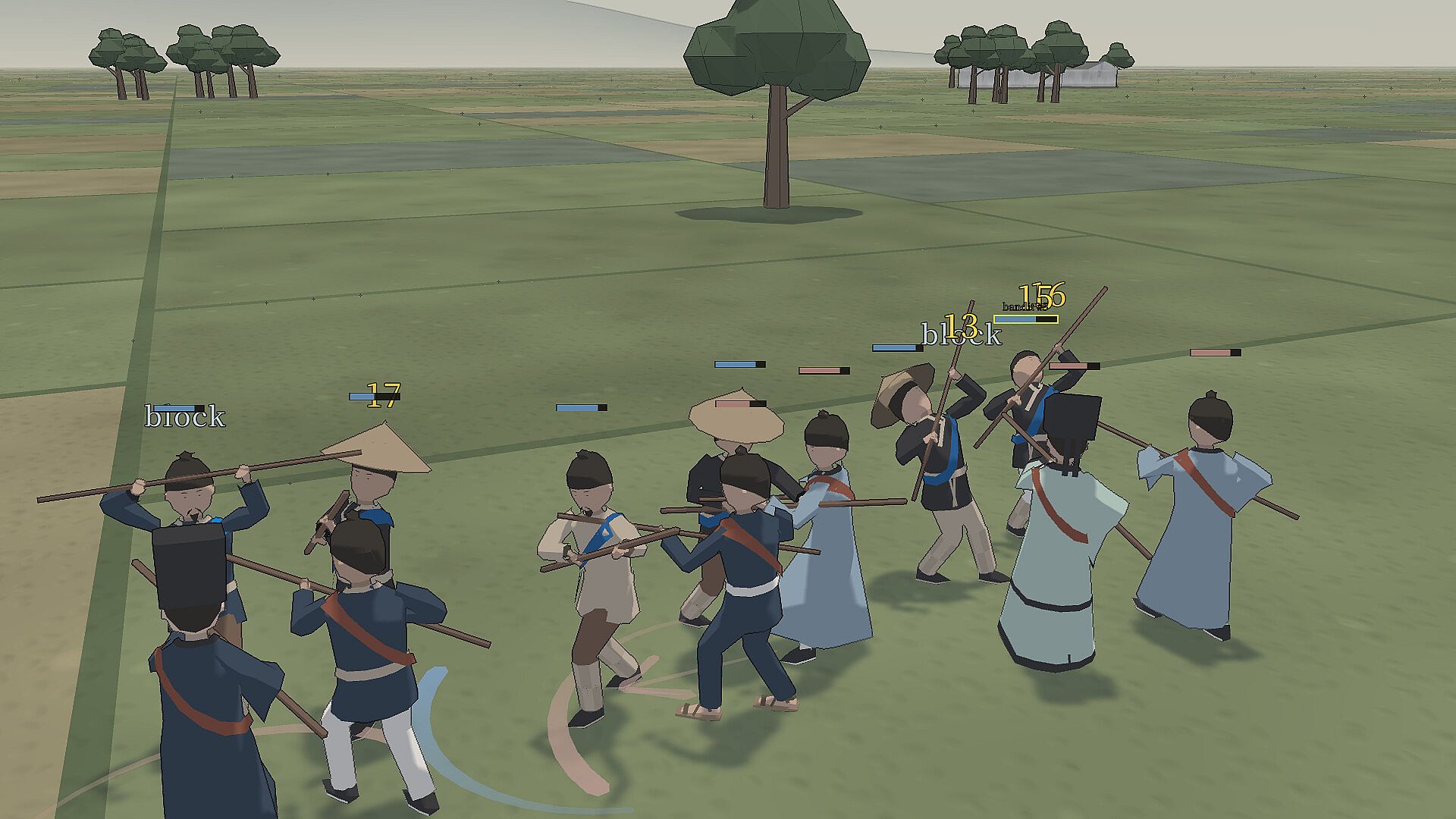
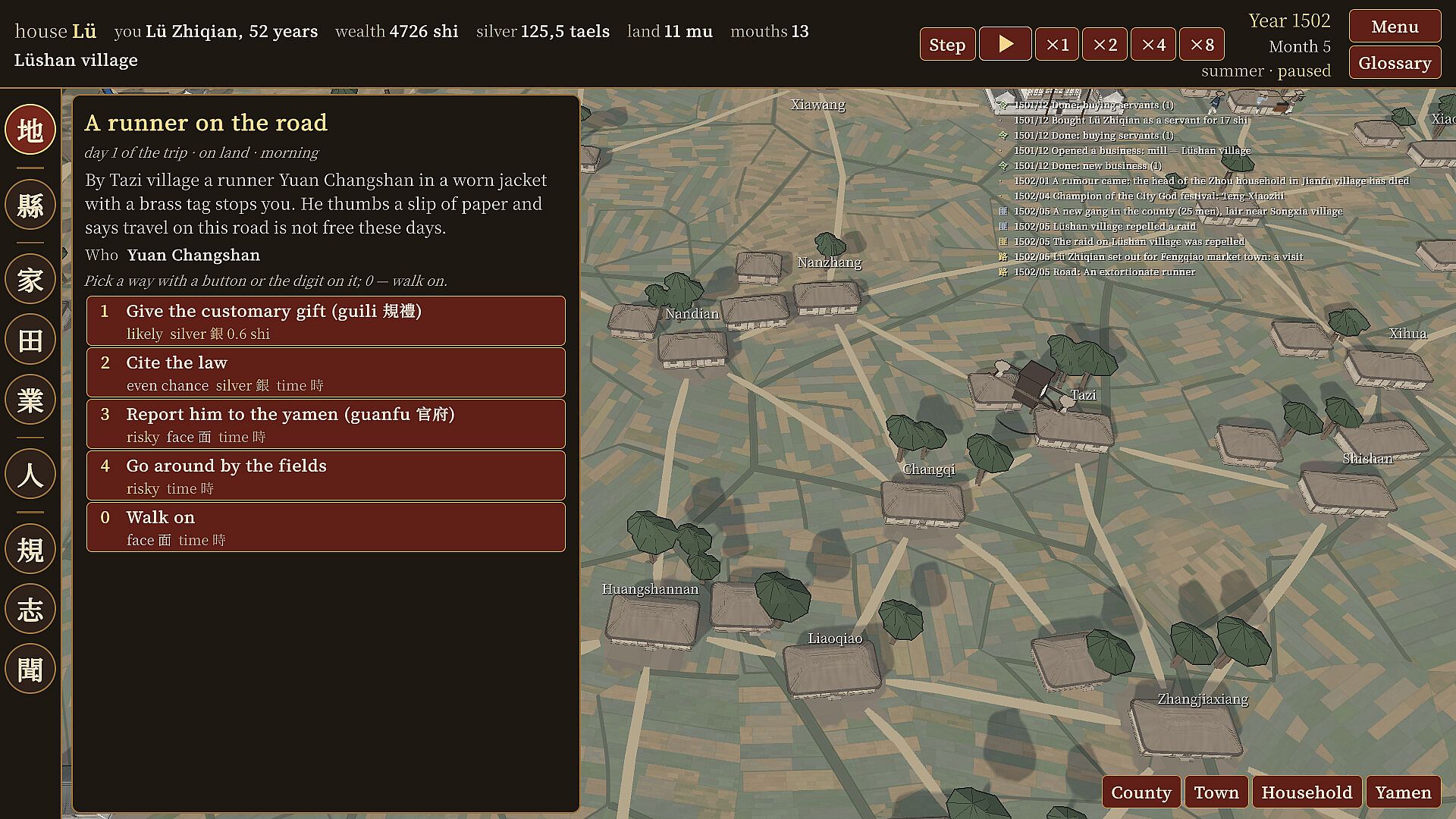
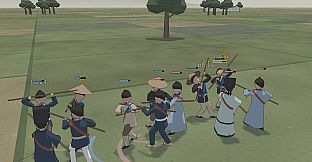
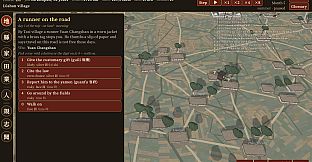
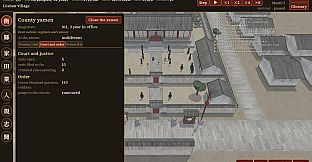
Lineage management covers ancestral halls, funds for the family line, strategic marriages, funerals conducted according to period rituals, and occasional conflicts with neighboring lineages that may lead to confrontations. Travel across the county occurs on foot or by sedan chair, with encounters that can turn to real-time combat involving retinues, armed servants, directional strikes, and blocks. The yamen handles trials and sentencing under authentic Ming and Qing legal codes, including neighbor disputes and opportunities for informants or bribes.
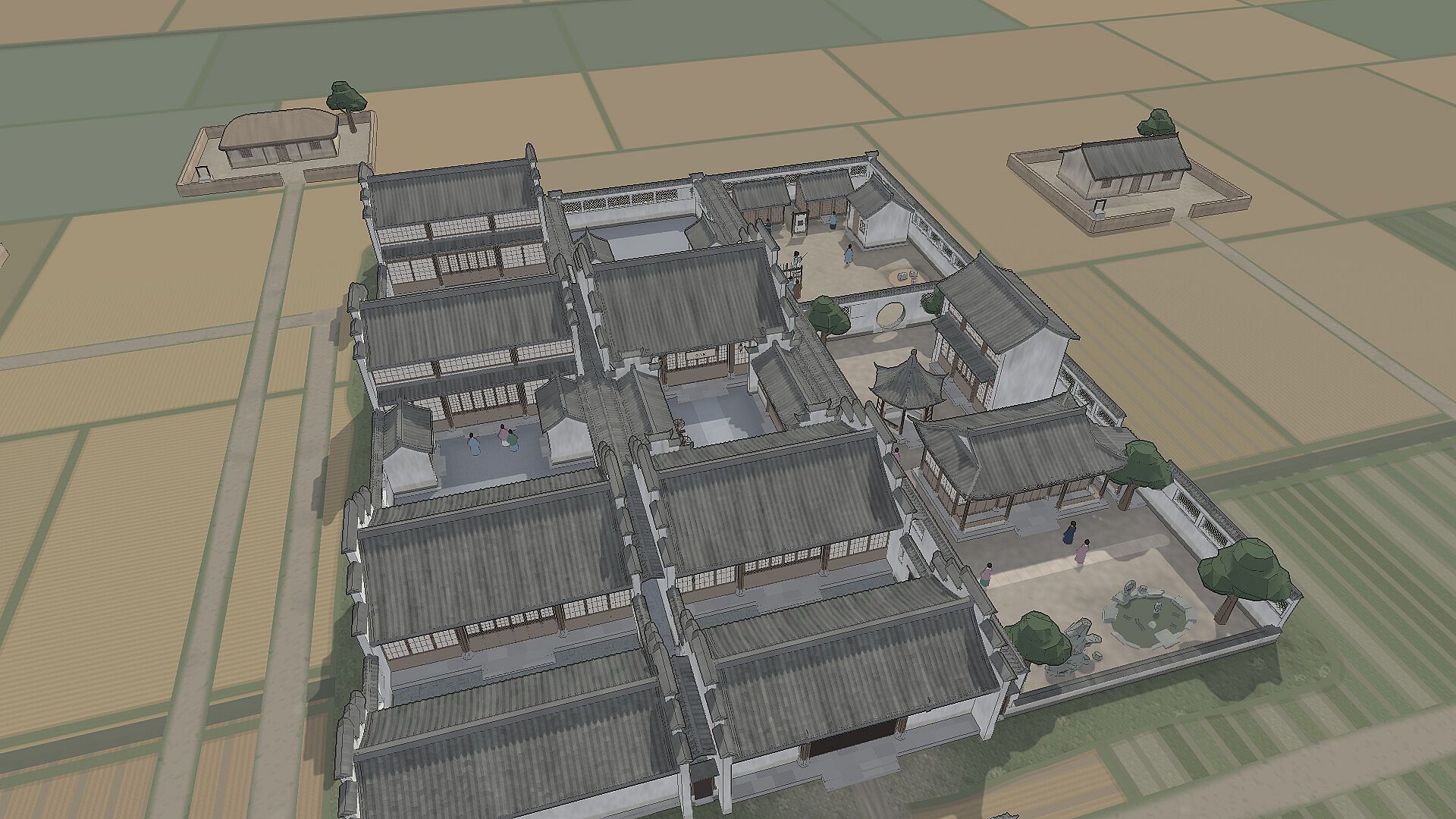
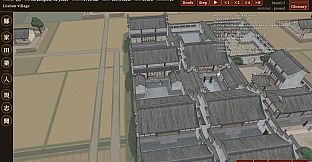
The estate itself expands with halls, wings, a study, and an archery range. Inhabitants perform tasks such as studying, shooting arrows, carrying infants, and conducting burials, all rendered in an ink-wash style inspired by historical scrolls like Prosperous Suzhou and Pictures of Tilling and Weaving.
Game Modes
The experience unfolds as a single continuous single-player simulation. Players select a starting year from 1500 onward, after which historical events such as the Qing conquest of 1644-1645 proceed on their own timeline. Exam quotas, dress codes, and legal requirements align with the chosen period without player intervention in the broader historical flow.
Progression occurs through generational handovers, where the household persists under new leadership as individuals age and pass away. No separate competitive or cooperative modes exist; all systems integrate into the ongoing management of one lineage across decades or centuries.
Historical Accuracy and Setting
Every detail adheres to documented practices of the era. Funerals follow the Family Rituals, clothing and headwear change according to imperial edicts, and working poses draw from period albums. The game begins with the player assuming control of a household head and spouse, along with sons, daughters-in-law, servants, and retainers. Thousands of other simulated households across the county plant rice, sit examinations, and experience rises or bankruptcies independently.
Combat and travel reflect the realities of county roads, where bandits pose risks and sedan chair journeys introduce chance meetings. The ancestral hall serves as a focal point for lineage decisions, including alliances and disputes that can escalate to physical confrontations resolved in the courtyard.
Is It Worth Playing?
This title suits players interested in detailed historical simulation combined with strategy and light RPG elements. The emphasis on generational household management, authentic period mechanics for farming and examinations, and real-time combat during travel creates a distinctive loop focused on long-term lineage survival rather than immediate action or combat dominance.
Those who enjoy overseeing interconnected systems of agriculture, bureaucracy, commerce, and family politics will find depth in the simulation of aging characters, inheritance, and external pressures like taxes or lawsuits. The single-player structure rewards careful planning across decades, with the world continuing regardless of individual decisions.
Availability in English, Russian, and Simplified Chinese broadens access for different audiences. The game runs on PC and presents a self-contained experience without additional modes or seasonal content updates confirmed at this time. It appeals most to enthusiasts of slow-burn strategy simulations grounded in specific historical contexts.