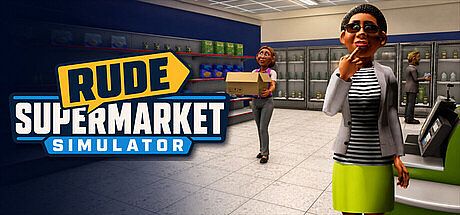


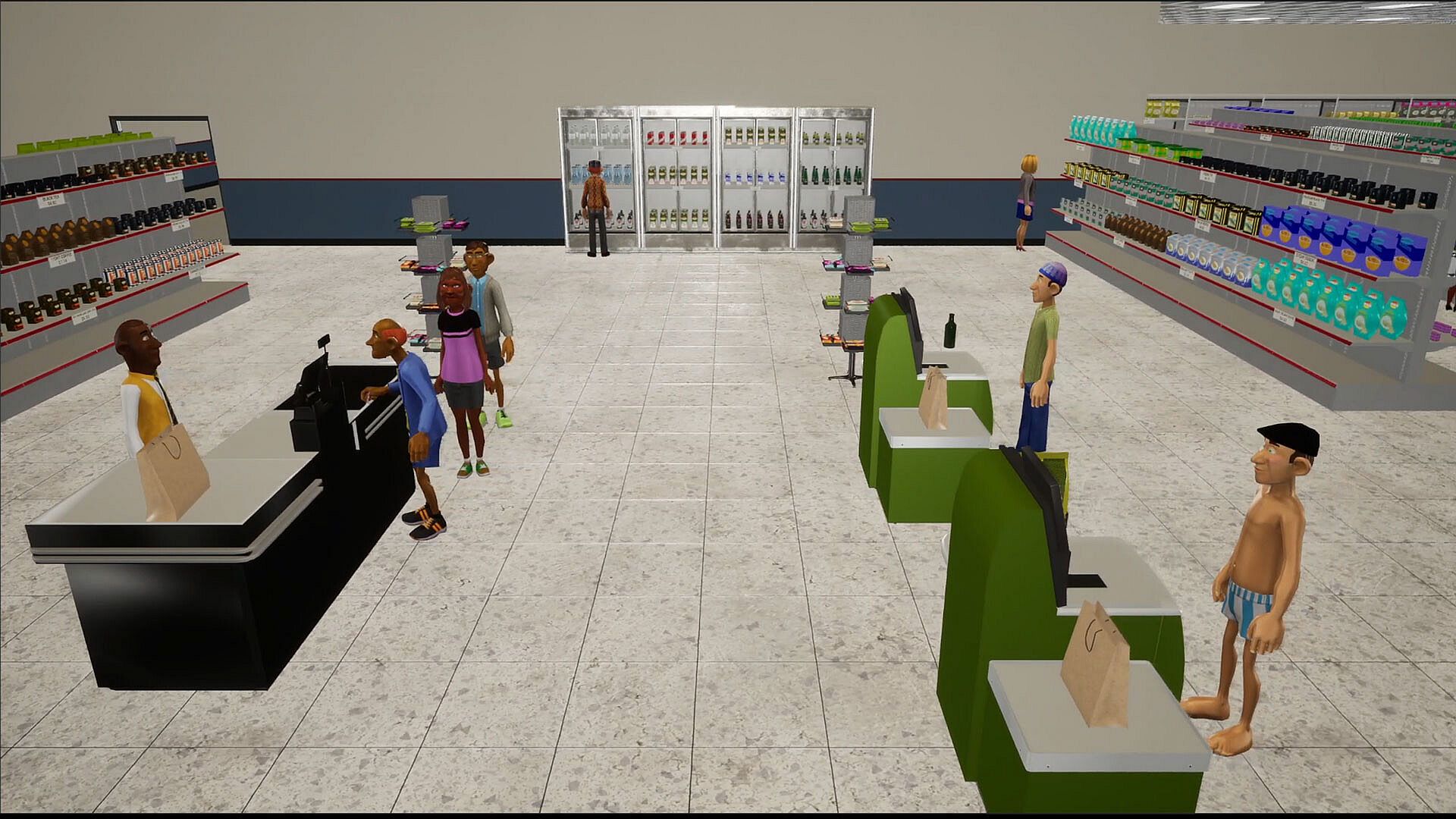
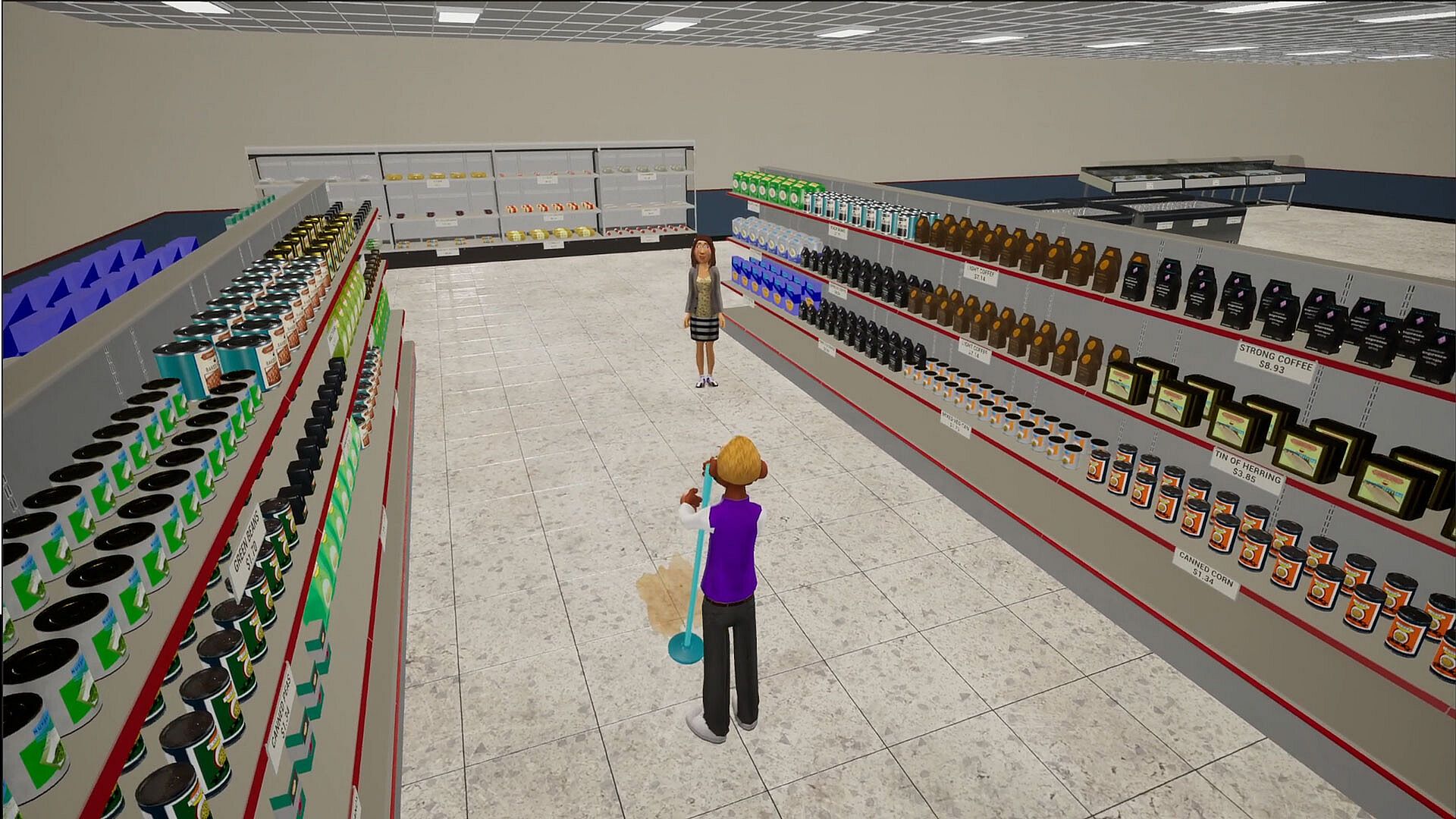
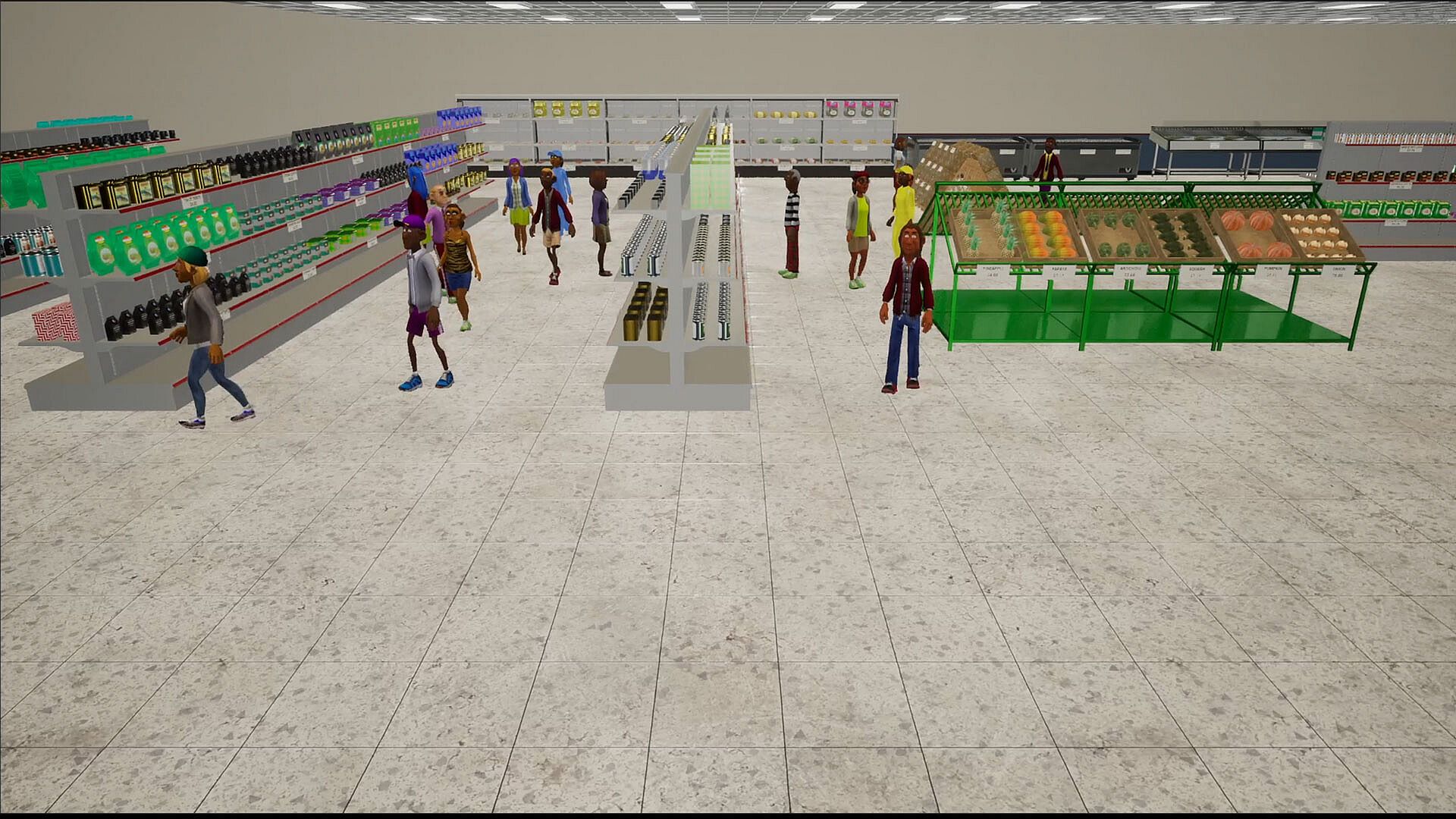
Rude Supermarket Simulator is a first-person simulation game set in a retail environment where players handle every aspect of running a supermarket. The core experience centers on ordering stock, stocking shelves, managing prices, processing sales at checkout, and maintaining cleanliness while dealing with a steady stream of customers who comment on everything from product availability to personal observations. Available on PC, the title supports solo play or cooperative sessions with up to three additional players sharing the same store instance.
Gameplay
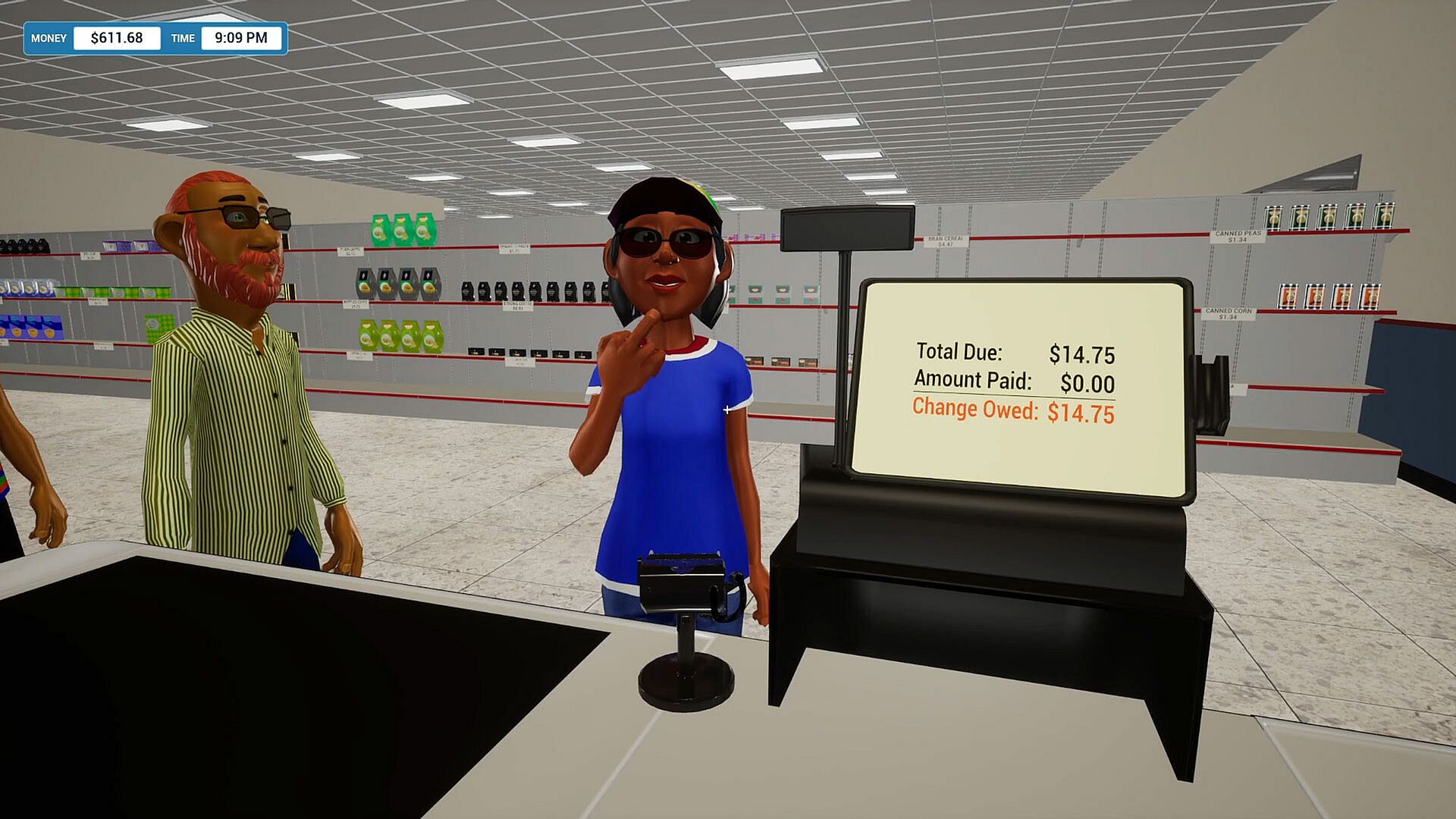
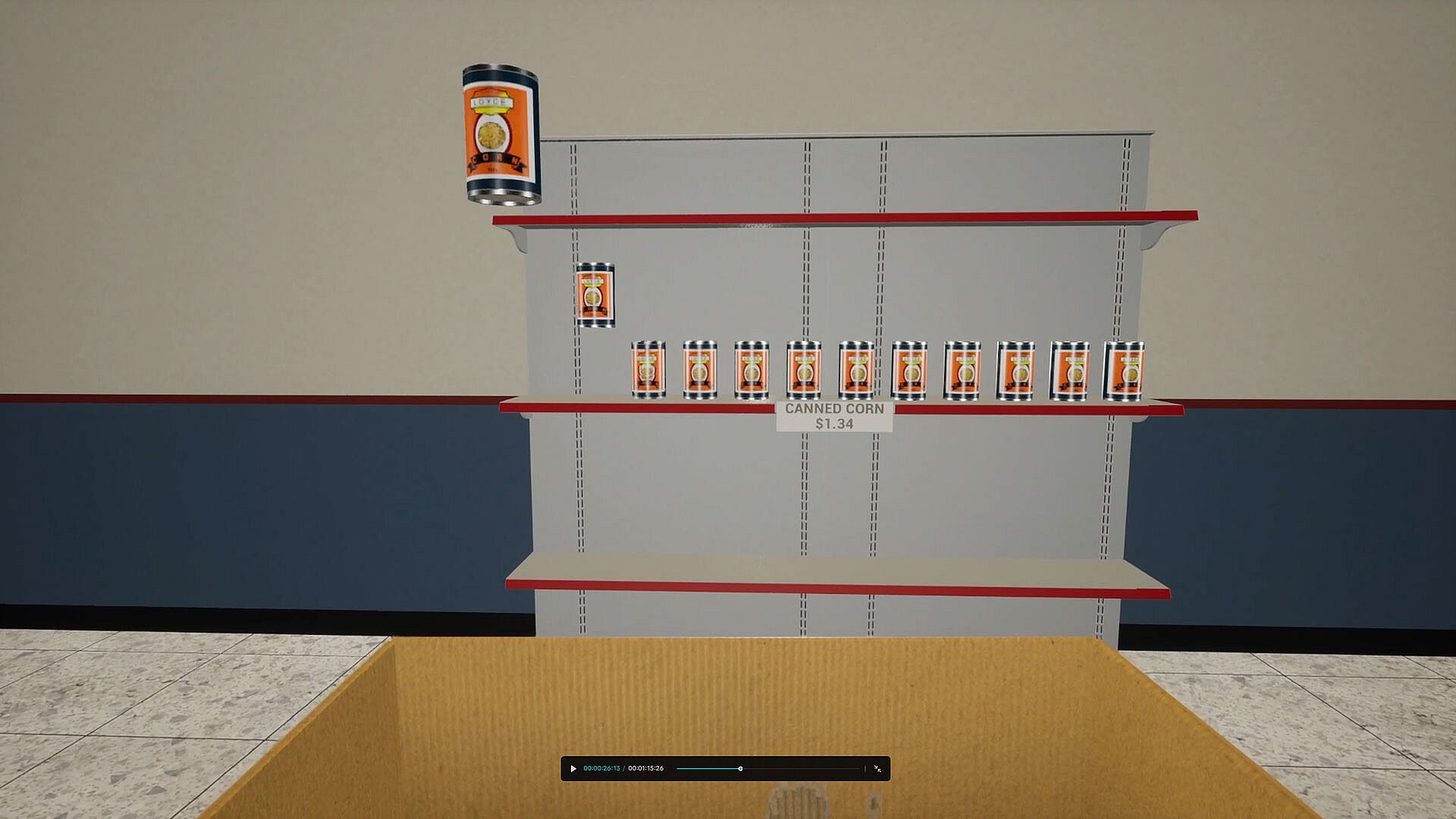
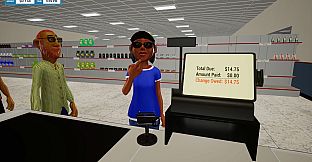
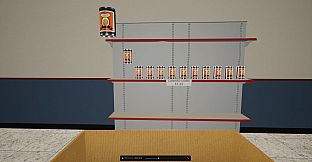
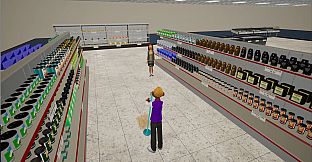
The daily routine begins with preparation before opening hours. Players use store funds to order delivery boxes containing products, then physically carry those boxes through the sales floor and backroom areas to place items on compatible shelves, refrigerators, or freezers. Extra stock moves into storage for later use when displays run low. Pricing decisions affect customer willingness to purchase, with overpricing leading to lost sales and underpricing reducing profits. At checkout, individual items require scanning and bagging, followed by accurate cash handling for change. Cleanup tasks address spills, discarded items, and other messes left by shoppers to prevent negative impacts on subsequent visitors.
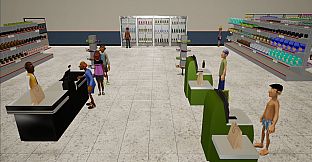
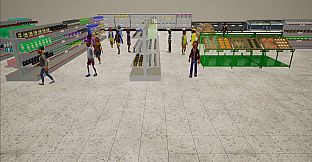
Customer flow drives much of the activity. Shoppers enter, browse for specific goods, react to stock levels and prices, form lines, complete transactions, and exit. Shortages, high costs, dirty conditions, or slow service lower individual satisfaction, which in turn influences overall store reputation and the volume of future foot traffic. A distinctive element involves the voiced customer remarks, which range from blunt complaints to odd personal statements delivered without any player input or branching dialogue.
Progression involves unlocking new product lines along with the necessary display fixtures. Additional equipment such as registers, storage units, and specialized coolers can be purchased and positioned to expand capacity. Employees become available for hire to handle stocking, cashier duties, or cleaning, allowing the operation to scale while balancing ongoing expenses like wages, utilities, and rent against revenue.
Game Modes
The game operates primarily through a shared-store model rather than separate named modes. Players can run the supermarket alone or join an online session with up to three others, dividing responsibilities such as ordering, stocking, pricing, checkout, and cleaning across the group. All participants access the same inventory, finances, customer traffic, employee roster, and physical layout, with changes persisting for the host between play sessions. This setup encourages coordination during peak hours when multiple tasks compete for attention, though the underlying systems remain consistent whether working solo or in a team.
Managing Customers and Reputation
Customer behavior forms a feedback loop that shapes long-term success. Positive experiences from well-stocked shelves, fair prices, and efficient service increase the likelihood of repeat visits and higher daily volume. Negative factors accumulate into complaints that reduce reputation scores and limit new arrivals. The voiced commentary adds an ongoing layer of interaction, requiring players to continue working amid the stream of remarks without options to respond or alter the dialogue. End-of-day summaries track sales figures, expense breakdowns, profit margins, reputation shifts, and any stock or service issues to inform adjustments for the next opening.
Is It Worth Playing?
Rude Supermarket Simulator suits players who enjoy hands-on management simulations that combine physical tasks with economic decision-making. The cooperative option extends the experience for groups interested in dividing labor across a persistent store, while solo sessions emphasize personal planning and multitasking under time pressure. The emphasis on customer commentary and reputation management adds personality to the routine without introducing combat, exploration, or narrative branches. Those drawn to steady progression through store expansion and automation via hired staff will find meaningful depth in balancing daily operations against growth costs. The title remains in active development following its recent Steam listing, with core systems focused on the described retail loop rather than seasonal events or additional factions. Individuals seeking a straightforward yet detailed supermarket sim with multiplayer sharing will likely appreciate the focused scope and persistent world elements.