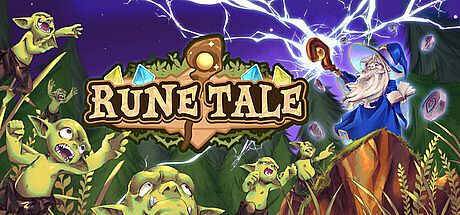


Rune Tale is an indie casual adventure game available on PC that centers on incremental auto exploration. Players step into the role of a budding wizard who harvests rune energy through set matching on a grid that grows over time, using the gains to level up and pursue greater magical mastery.
Gameplay
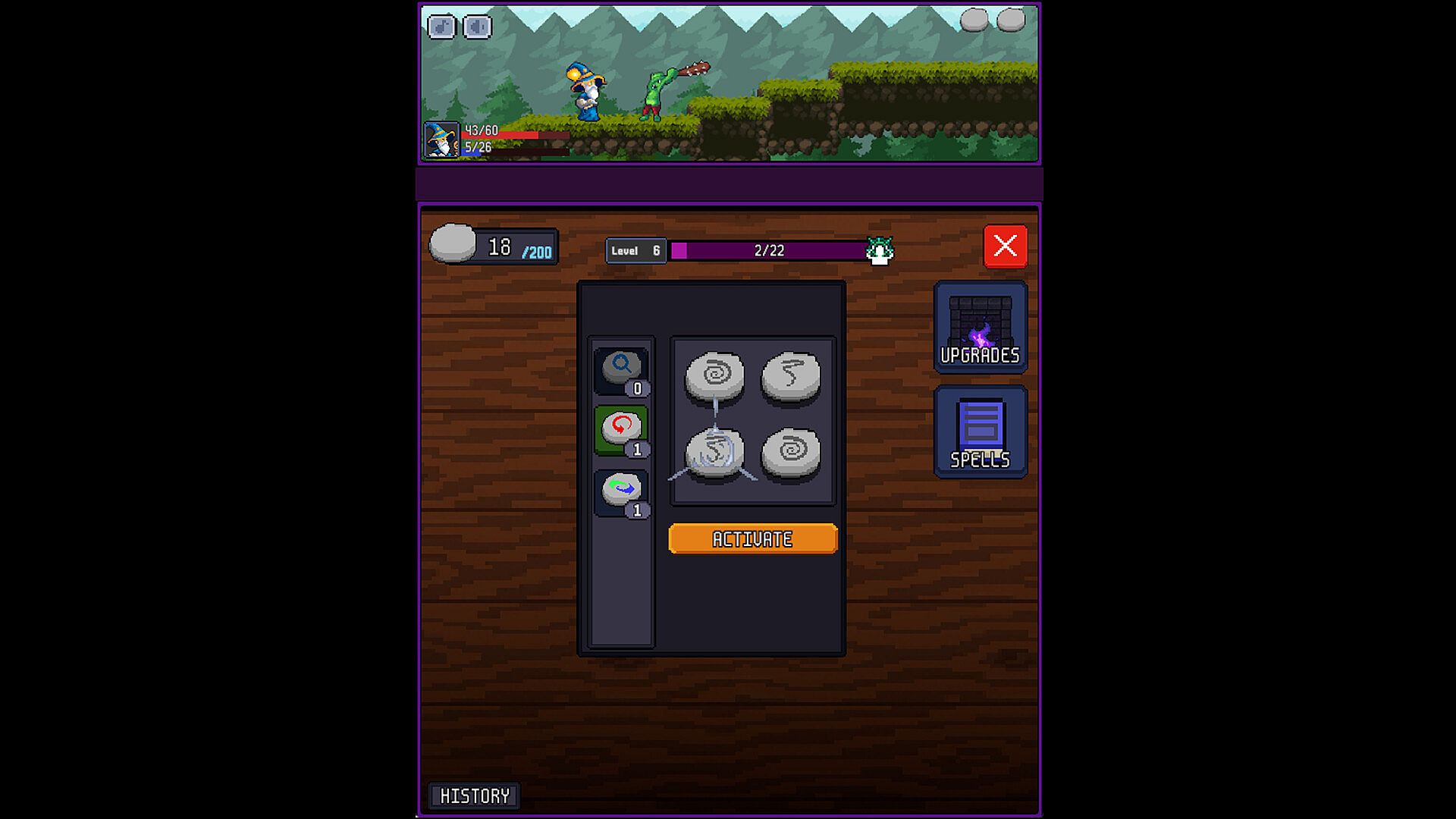
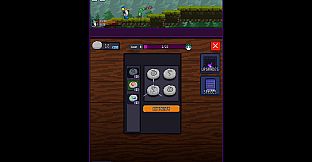
The core experience revolves around matching runes on an expanding grid to collect experience points and advance levels. This process drives steady progression while the grid itself evolves to introduce new challenges and opportunities for efficient harvesting. Combat integrates directly into exploration as players encounter and defeat enemies scattered throughout the world.
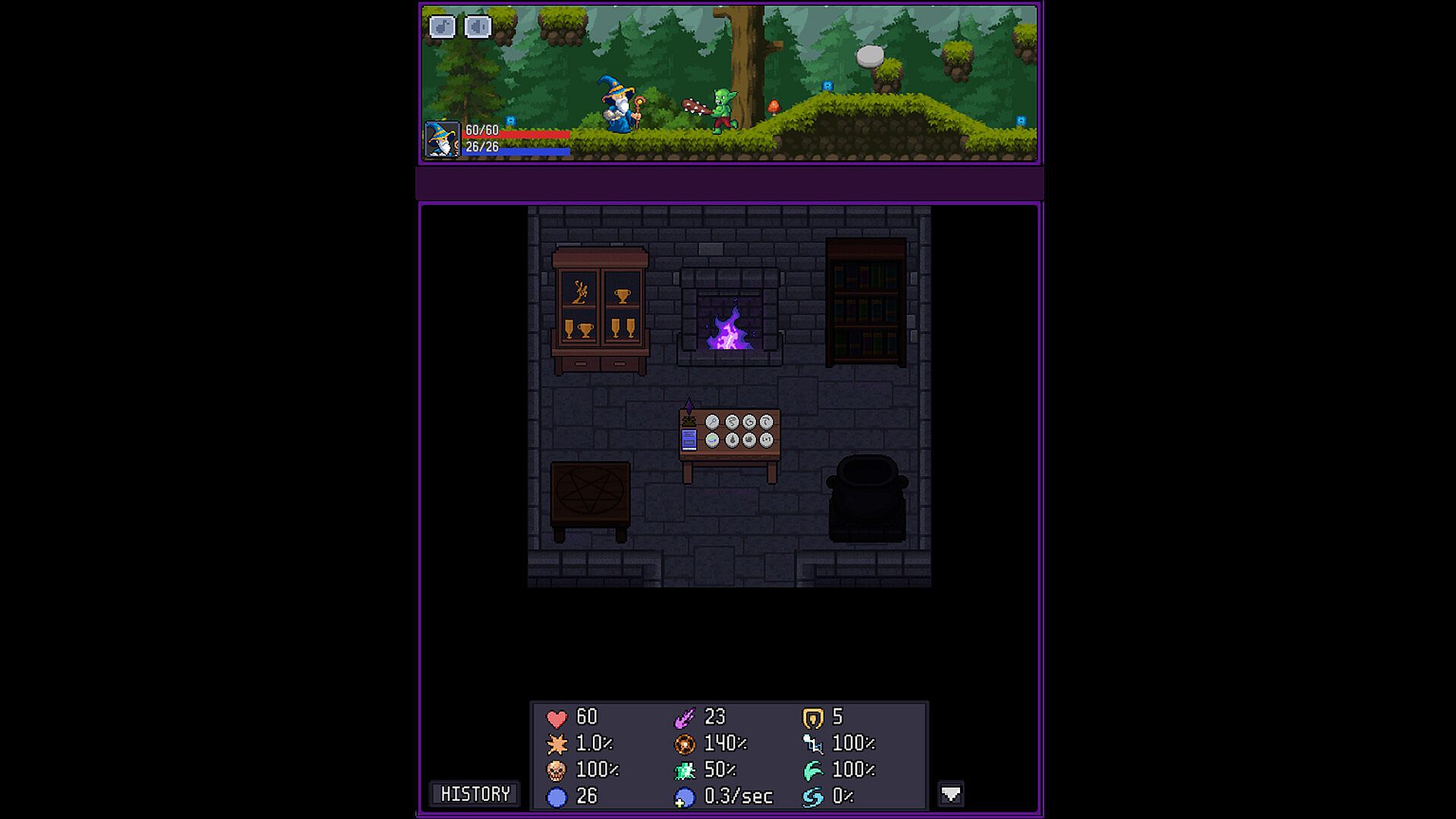
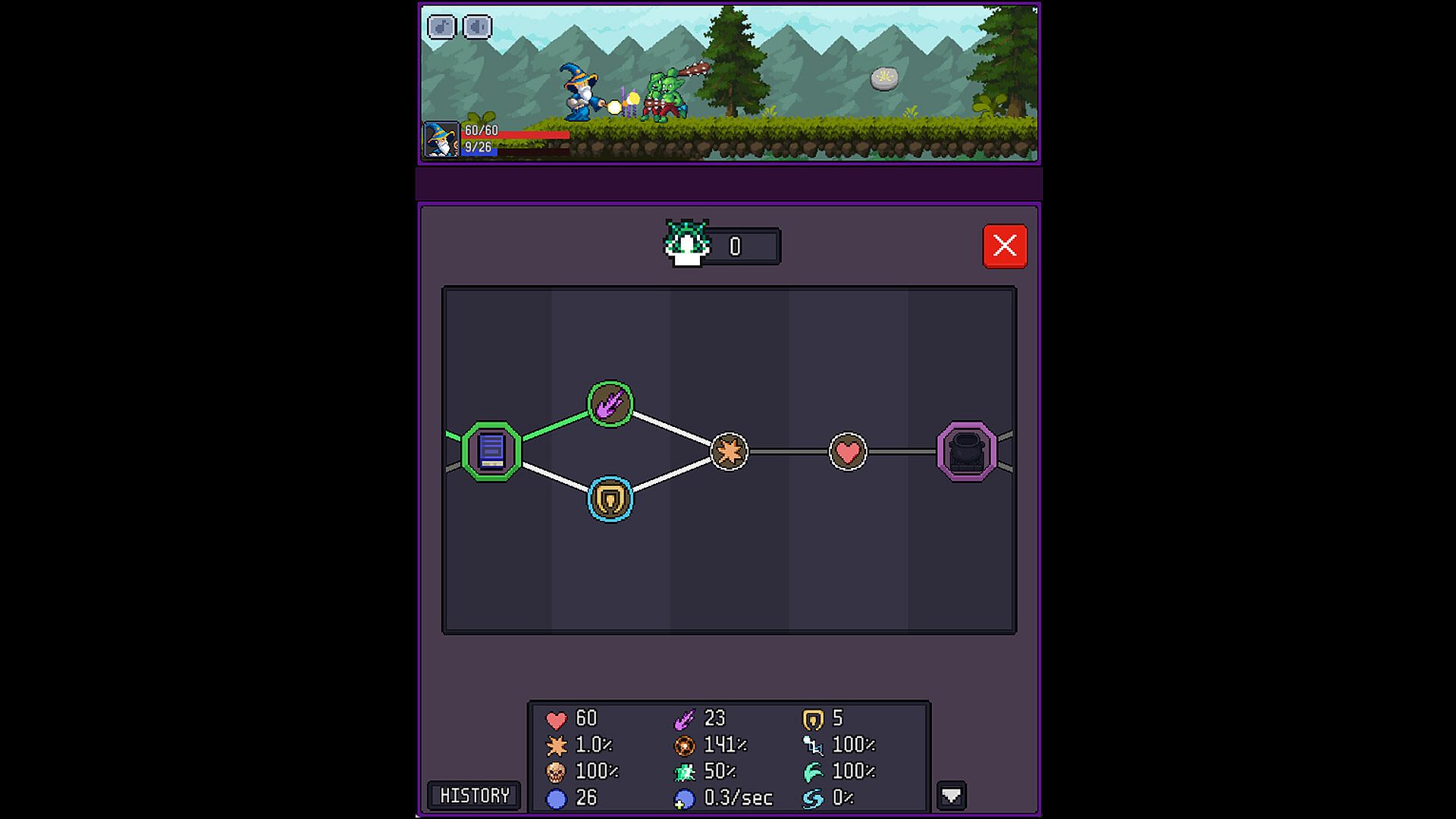
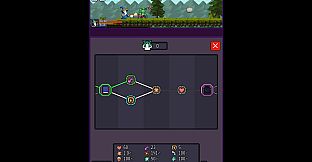
Skill points earned from leveling feed into a dedicated upgrade tree that allows targeted growth in different areas of power. The tree structure supports varied paths, letting players emphasize certain abilities or balance their wizard's capabilities according to preference. Exploration unfolds automatically in many respects but rewards active engagement through strategic decisions about resource use and advancement.
Game Modes
Rune Tale operates as a single-player experience that weaves incremental mechanics, exploration, and light combat into one continuous flow. There are no distinct multiplayer or competitive modes; instead, the adventure unfolds through repeated sessions of grid matching, enemy encounters, and world traversal. The design keeps focus on personal progression rather than external competition or cooperative play.
Within this framework, players shift between passive auto elements and hands-on puzzle solving without switching separate modes. The result is a unified loop suited to casual sessions where advancement happens steadily even during lighter play.
Progression and Exploration
Leveling serves as the foundation for long-term growth, with experience flowing directly from rune matches. The expanding grid encourages players to adapt strategies as new spaces and combinations appear, keeping the matching activity fresh across multiple runs. Exploration of the game world ties into this system by presenting enemies to overcome and areas to uncover.
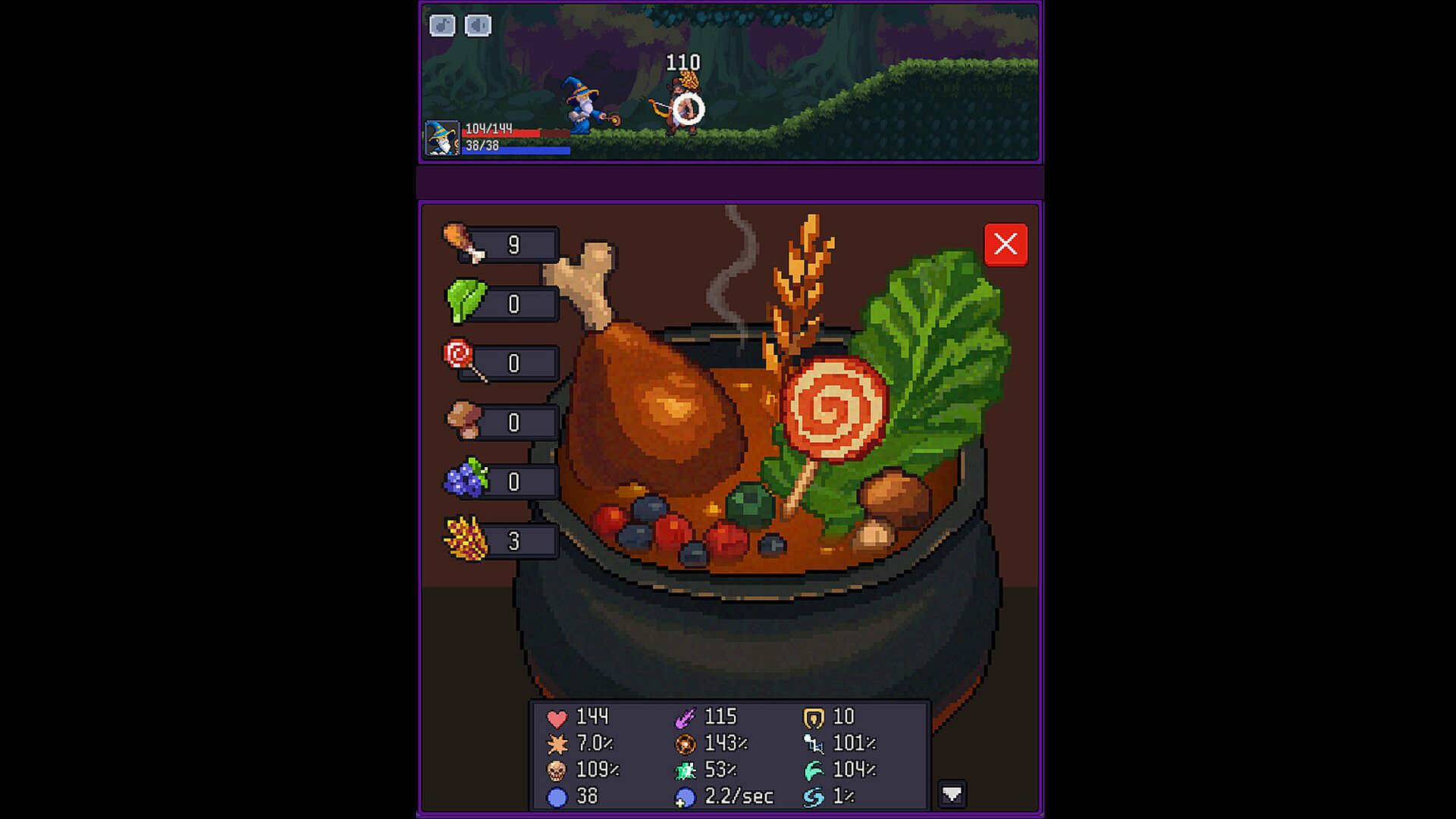
Archiving knowledge in the library provides another layer of advancement. Players store insights gained during adventures, which in turn boosts potential in subsequent playthroughs. This creates a sense of cumulative improvement that rewards consistent engagement with the game's systems.
Spell Customization
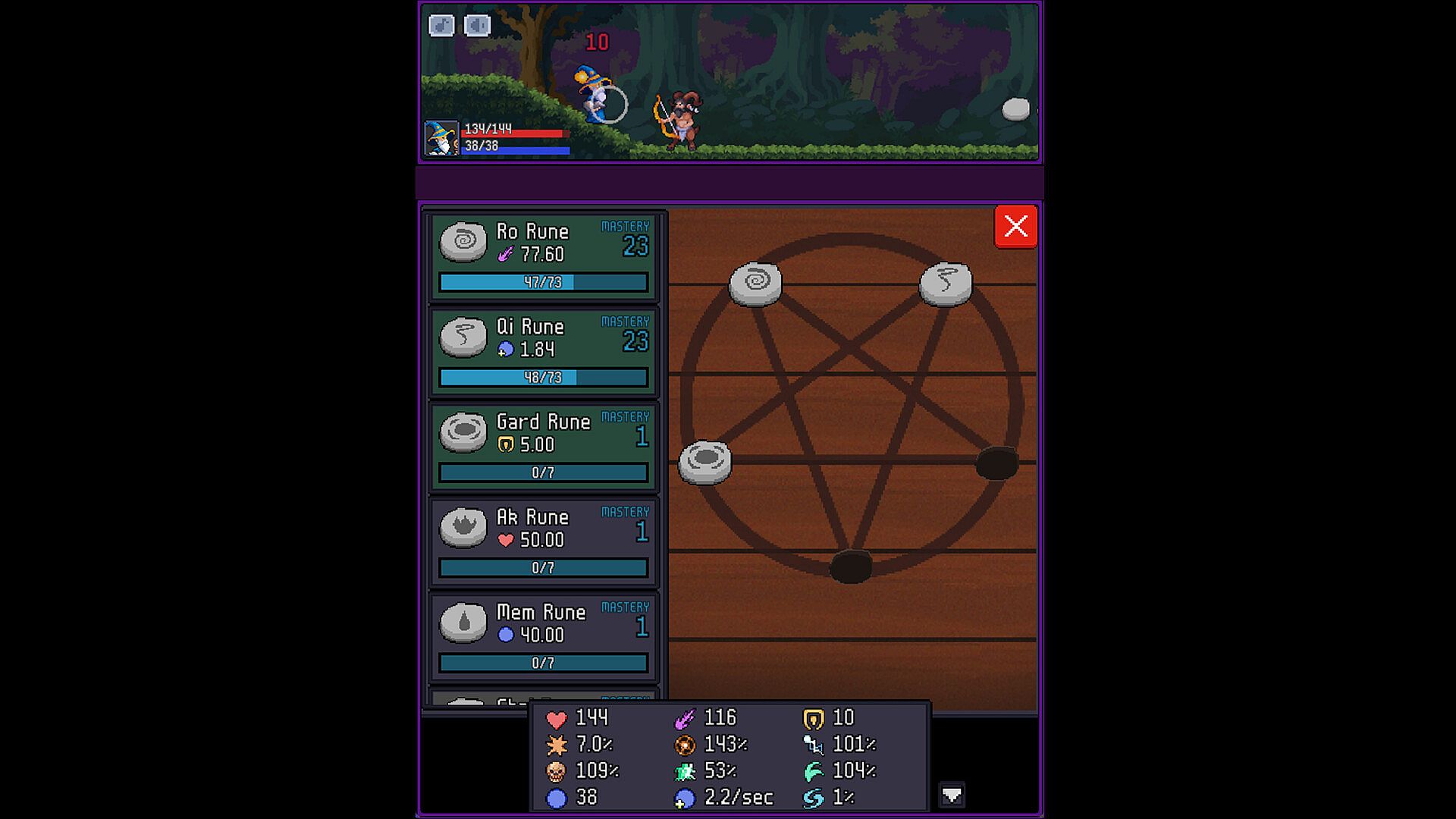
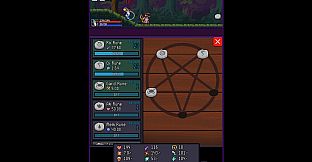
Rune word puzzles form a key creative outlet. Solving these puzzles unlocks customizable spells that players can tailor to fit their preferred style of play. The process blends puzzle logic with magical outcomes, offering tangible rewards that enhance both combat effectiveness and overall progression.
These spells integrate with the upgrade tree and rune energy harvesting, allowing players to experiment with different combinations. The emphasis remains on thoughtful matching and puzzle resolution rather than rapid reflexes, aligning with the game's casual adventure tone.
Is It Worth Playing?
Rune Tale suits players who appreciate incremental games that combine simple matching mechanics with steady character growth and light puzzle elements. The upgrade tree and library archiving add meaningful depth without overwhelming complexity, while the auto exploration aspect supports relaxed sessions alongside more active puzzle solving.
Those drawn to casual adventures centered on wizard themes and rune-based systems will find the core loop consistent and focused. The single-player structure delivers a self-contained experience built around personal power scaling and world interaction. If incremental progression paired with spell customization appeals, the game offers a straightforward path to repeated engagement through its verified mechanics.