

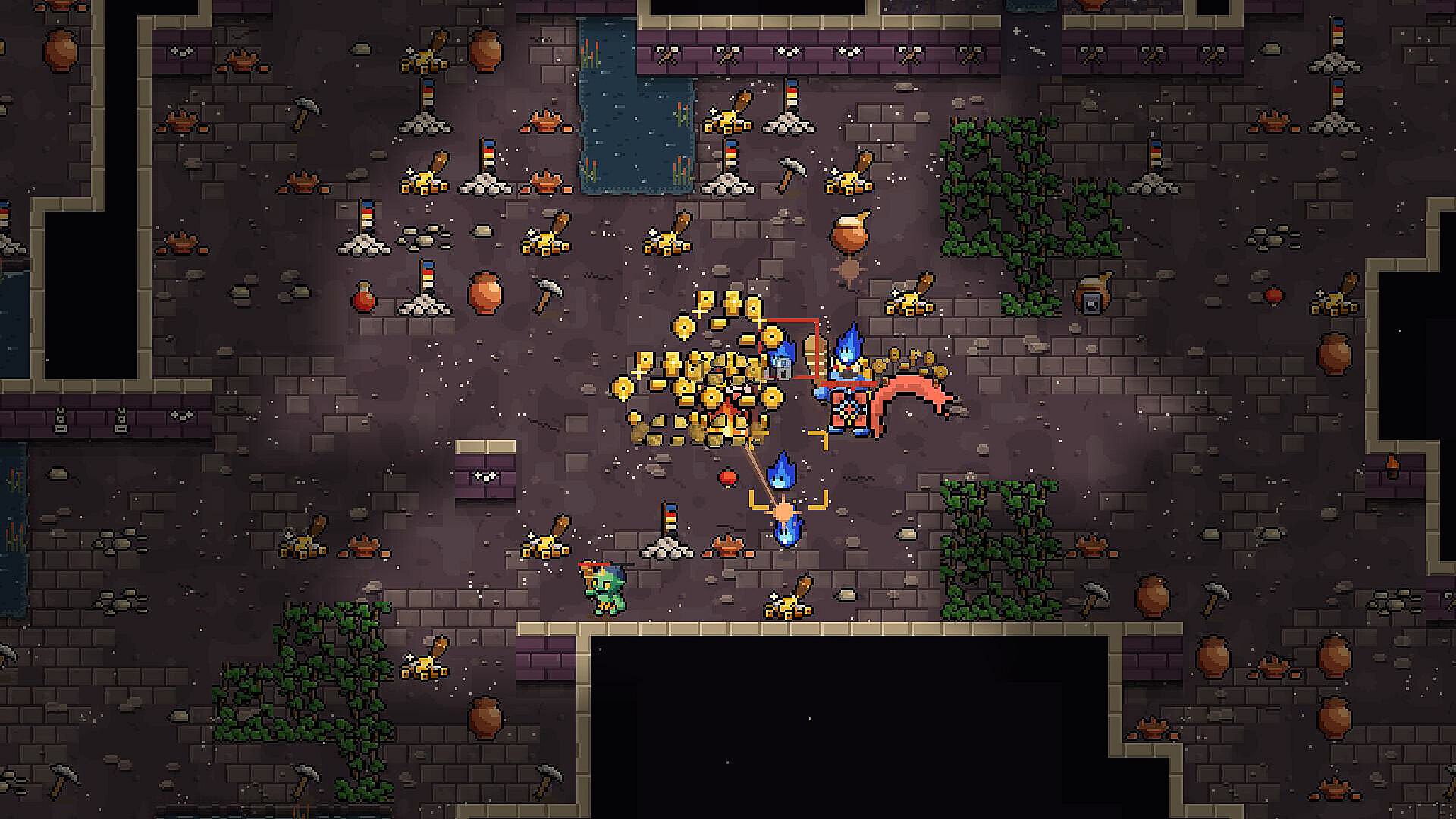
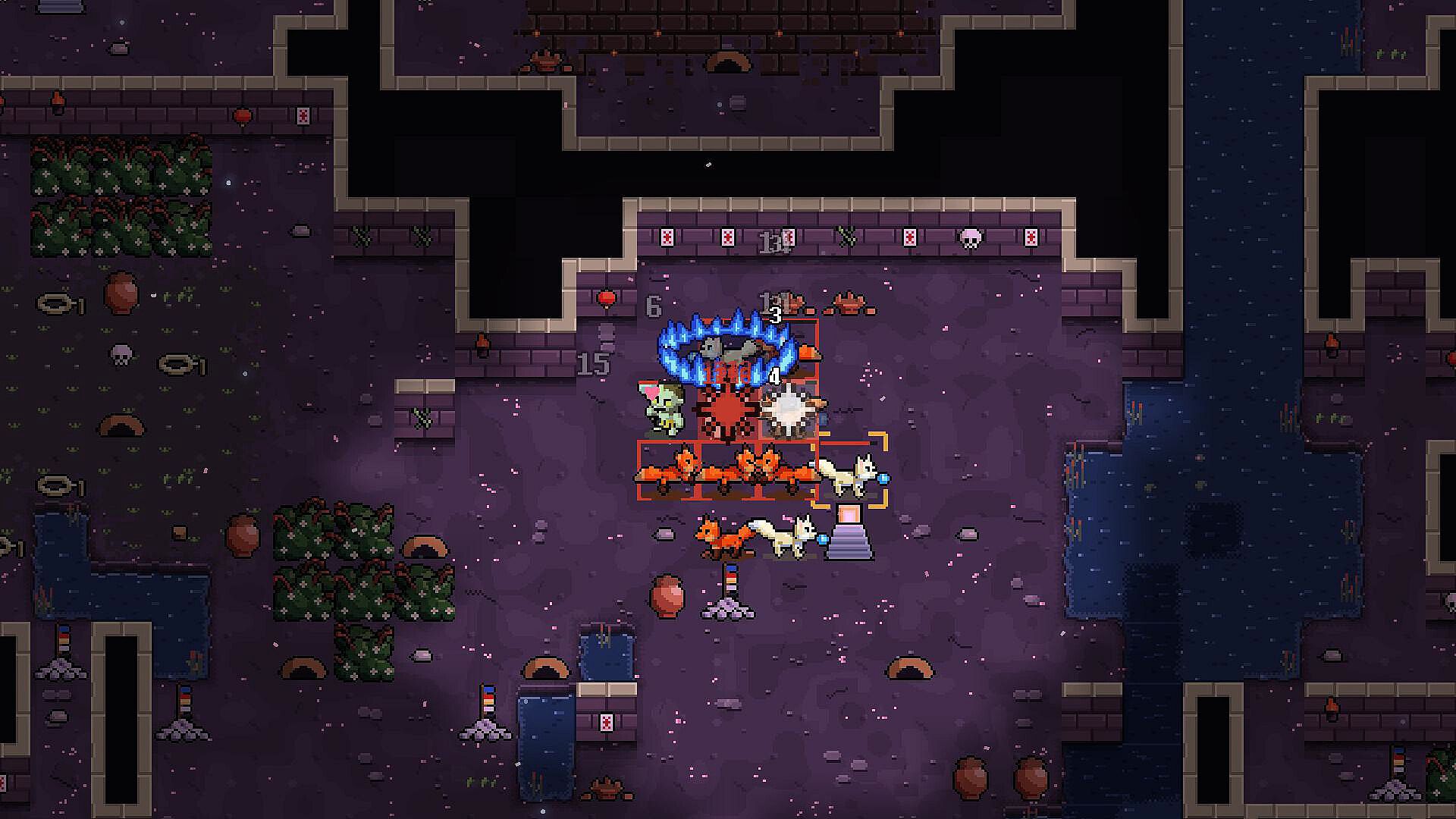
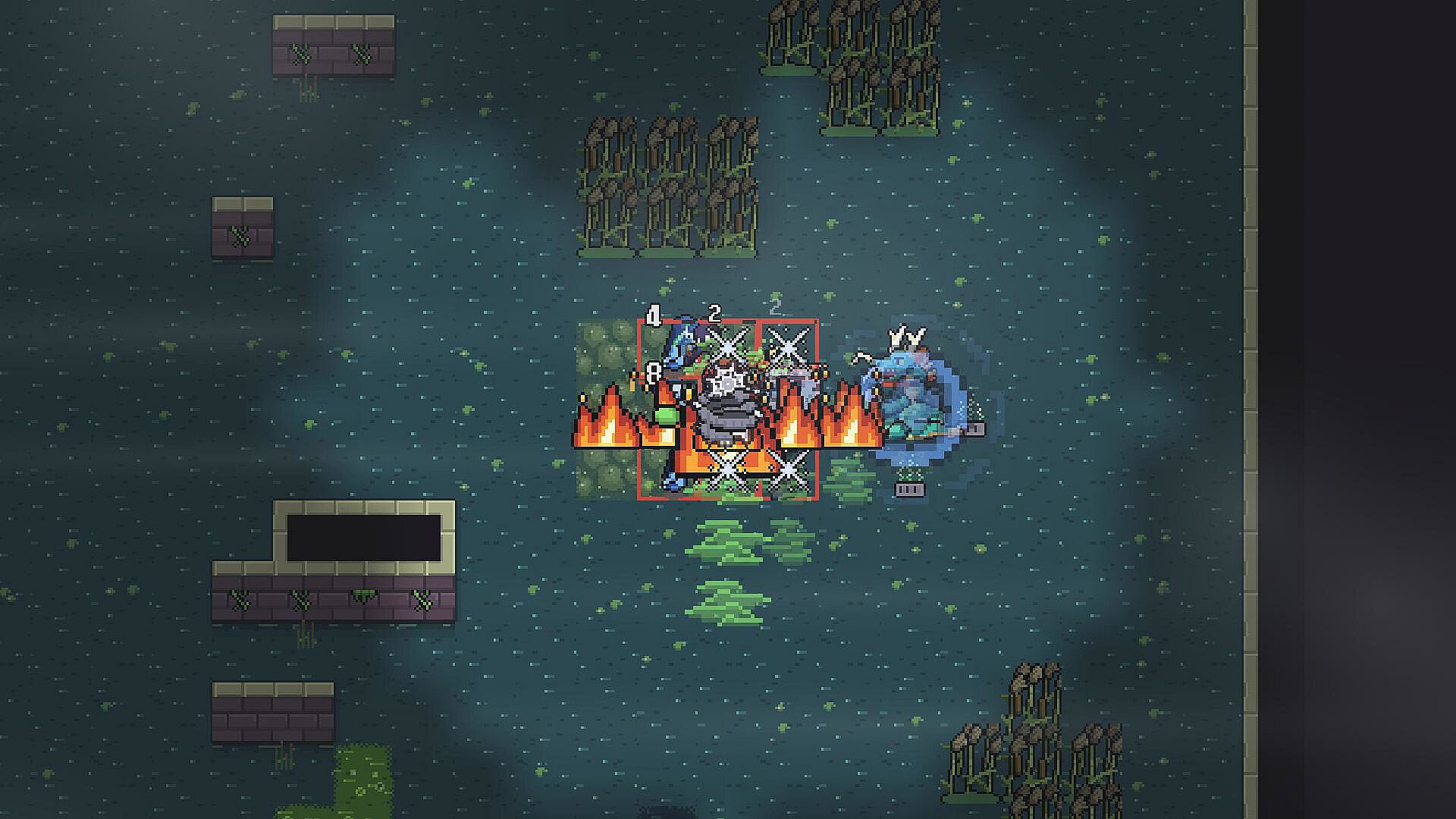
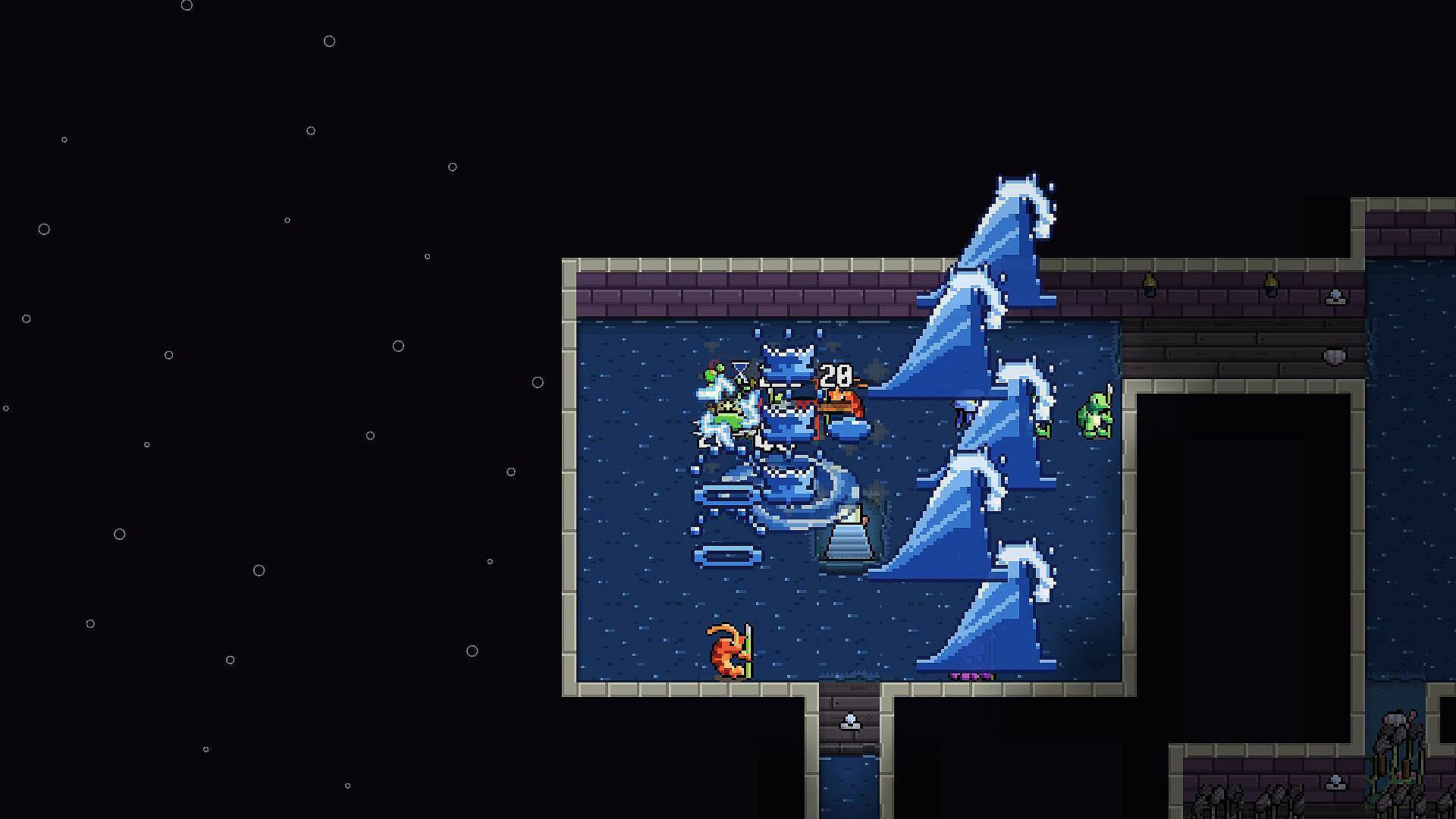
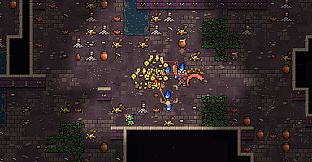
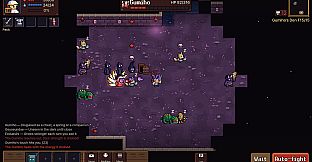
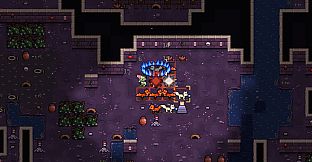
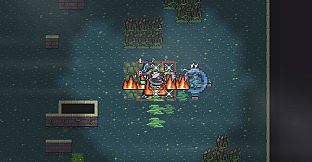
Seolhwa Dungeon is a turn-based roguelike RPG developed as an indie title for PC. Players explore procedurally generated dungeons filled with monsters drawn directly from Korean folktales, where each creature's behavior follows the logic of its original story rather than generic combat patterns.
Gameplay
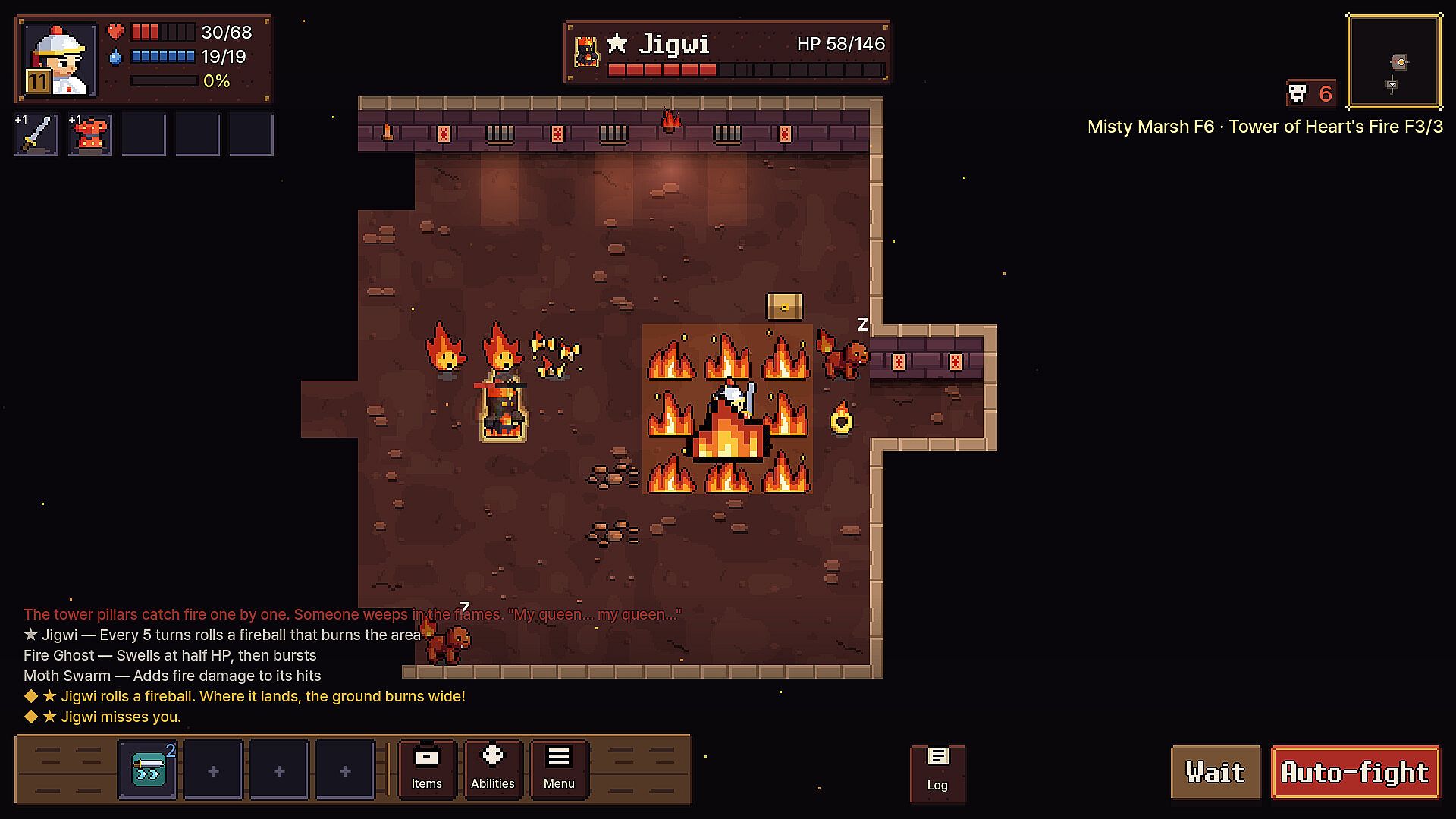
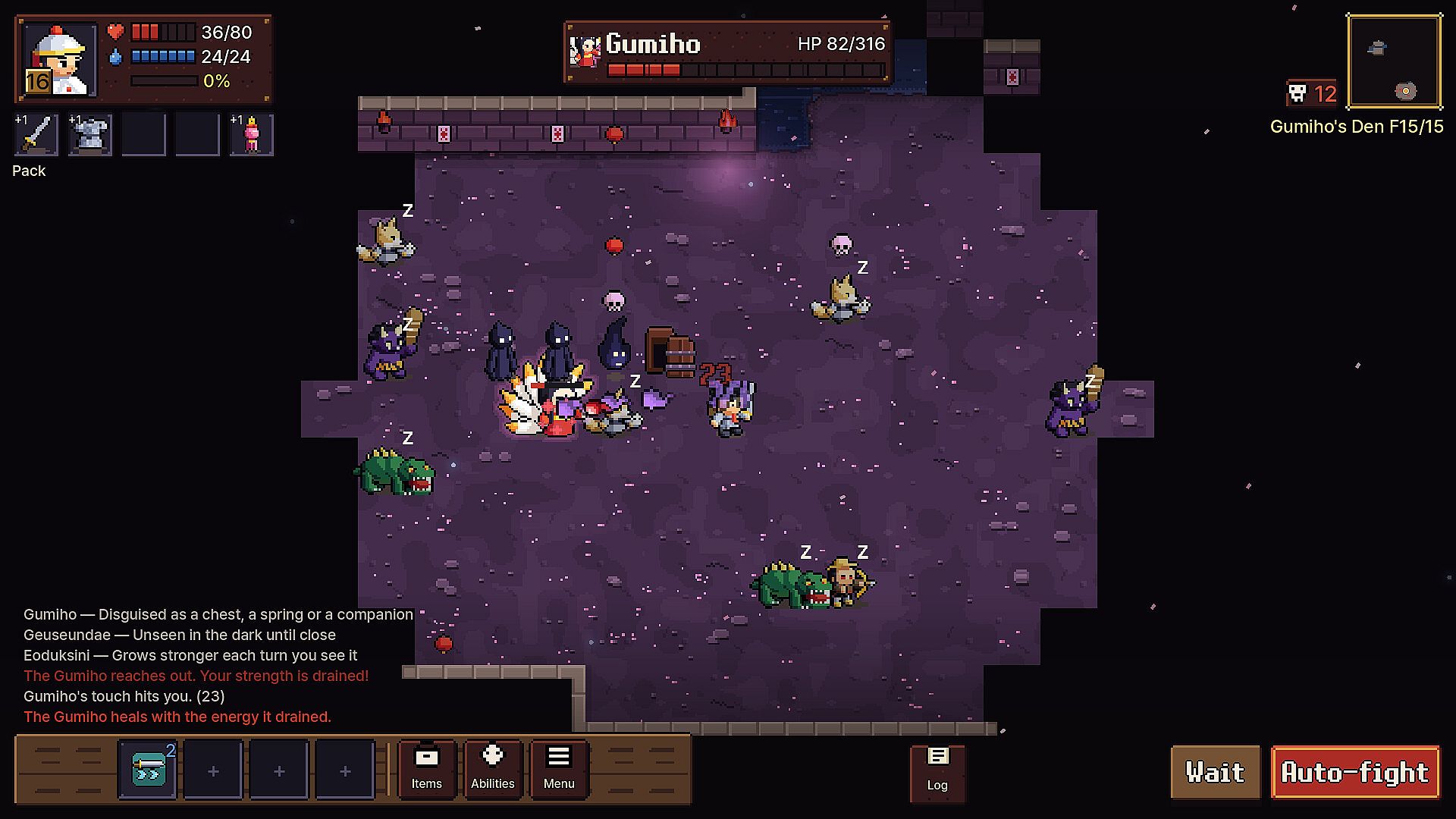
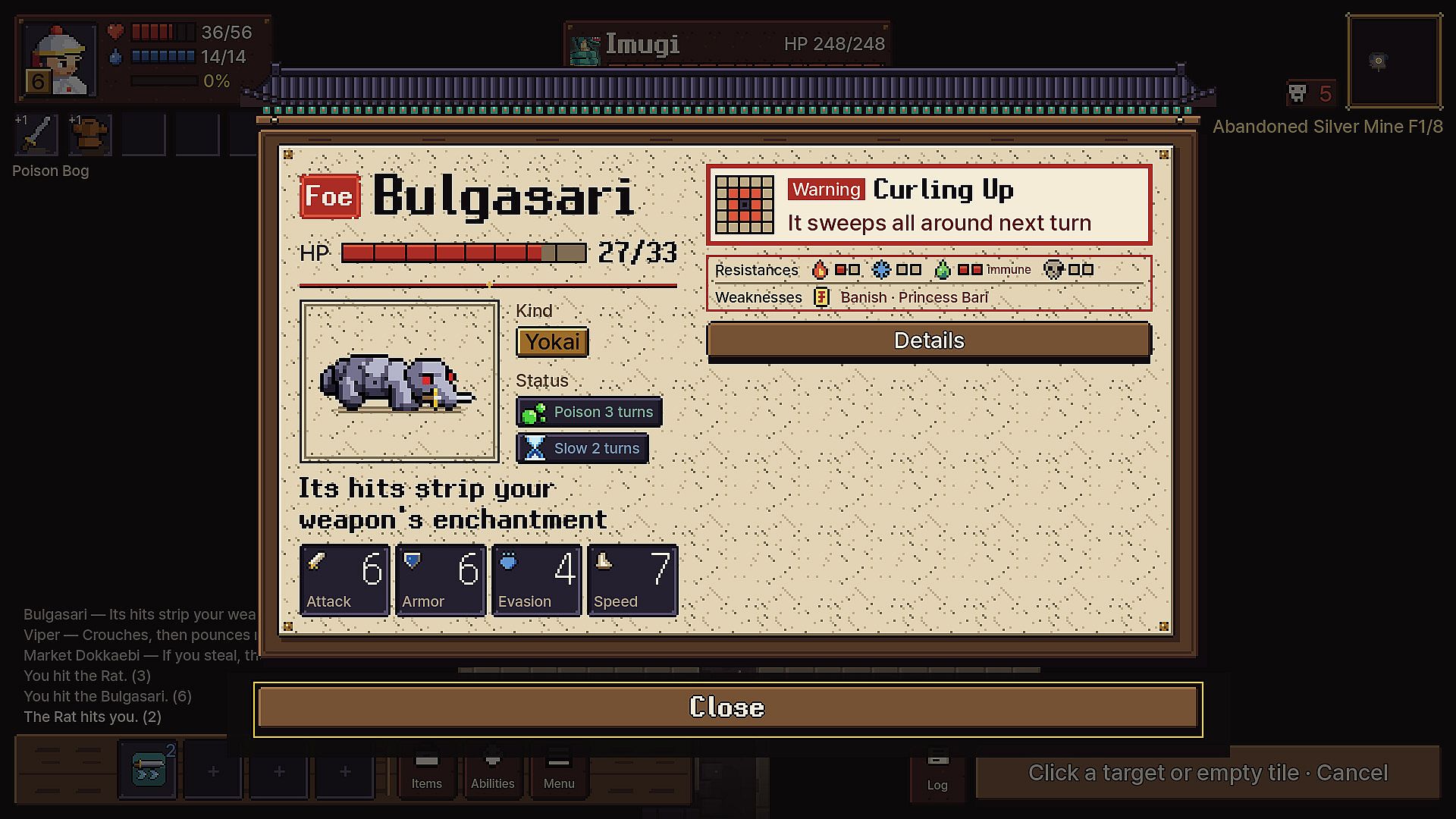
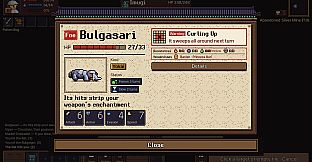
The core loop centers on careful movement and decision-making in a grid-based environment. Moving one square grants enemies one action in return, with no option to undo mistakes. Death resets the run entirely, and every attempt features a fresh dungeon layout. Combat emphasizes foresight, as right-clicking any enemy reveals its resistances, weaknesses, and planned action for the next turn. This system turns fights into puzzles of positioning and timing.
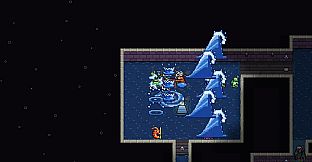
Spells number in the dozens and follow elemental interaction rules. Wood strengthens fire, fire strengthens earth, and similar chains extend through underworld and water elements. Casting in sequence amplifies effects, while environmental combinations matter, such as flooding a floor before striking with lightning to spread damage or igniting poison clouds with fire. Tools including caltrops and grappling ropes appear on floors to support tactical play.
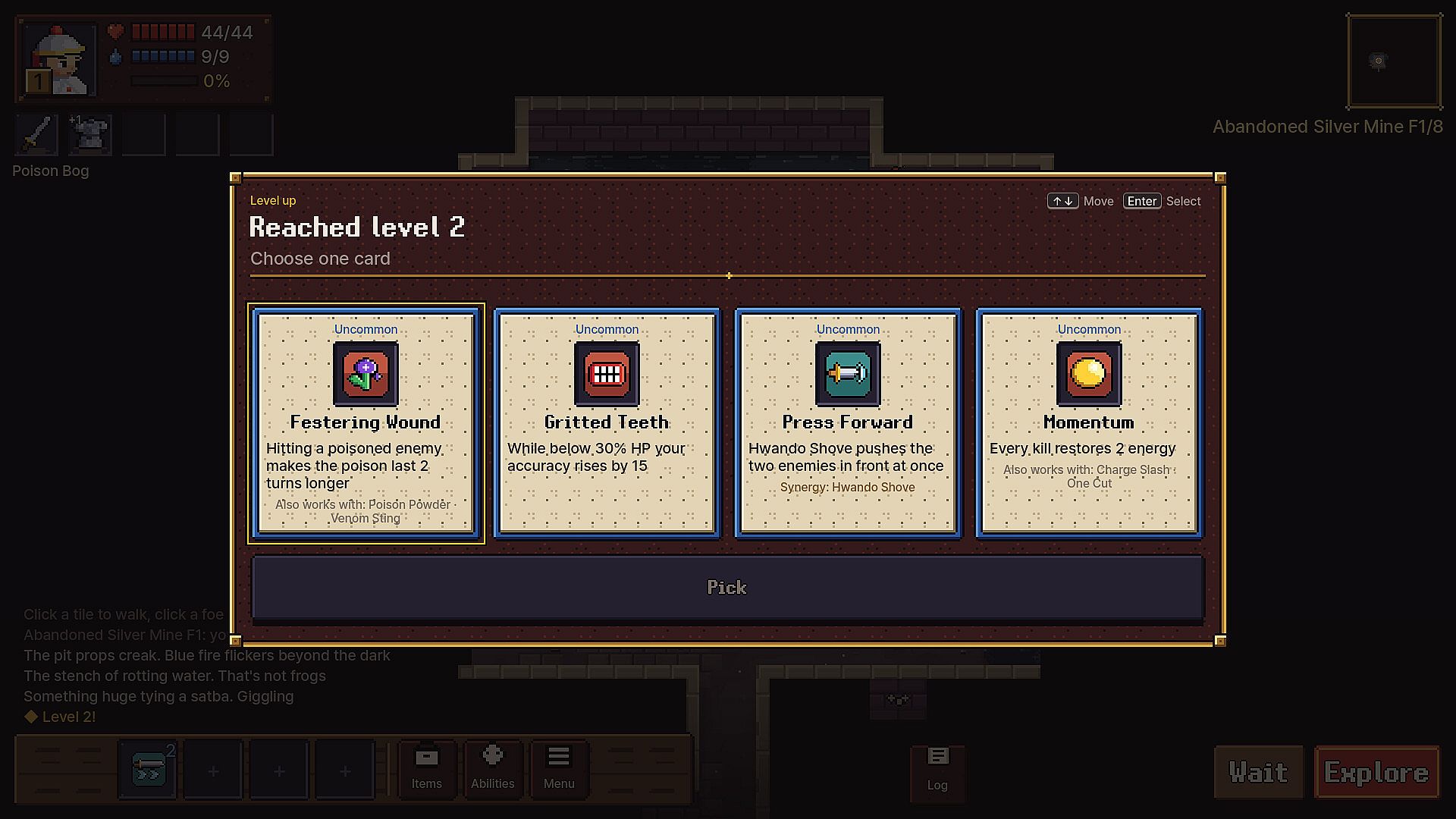
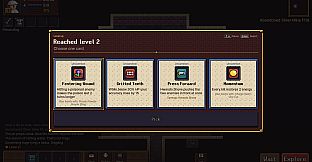
Character creation offers 14 species and 12 classes at the start of each run. Options range from Bear Folk Monk to Dol Hareubang Geomancer, with additional combinations unlocked through achievements. Leveling presents card choices that shape growth differently every time. Eight gods stand available at shrines, each imposing a unique taboo. Serving Sanshin summons a tiger cub companion, yet harming tigers or deer provokes anger. The Dragon King summons rain that slows foes but increases damage taken on dry land.
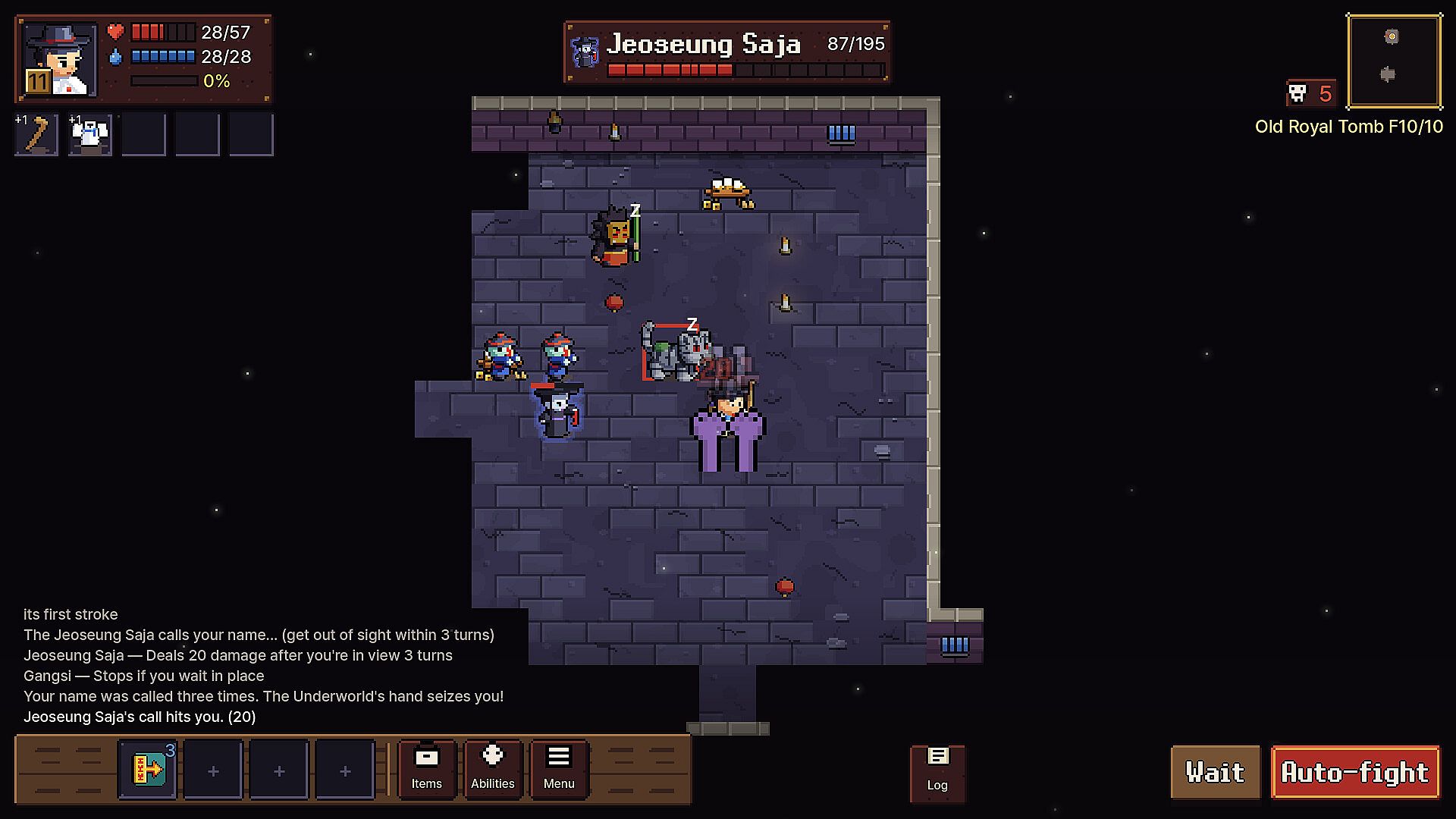
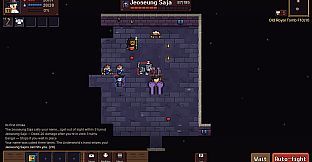
A codex records every yokai encountered along with the folktale that inspired its mechanics. Specific examples include the Imugi, which enlarges every ten turns until it transforms into a dragon, the Jihaguk Daejeok whose vitality hides in a distant jar that must be shattered first, the Jeoseung Saja whose three turns of line of sight trigger a lethal name call unless interrupted by rice on an offering table, and the Rat King that midway assumes the player's form and abilities until a trapped cat is freed to break the illusion.
Game Modes
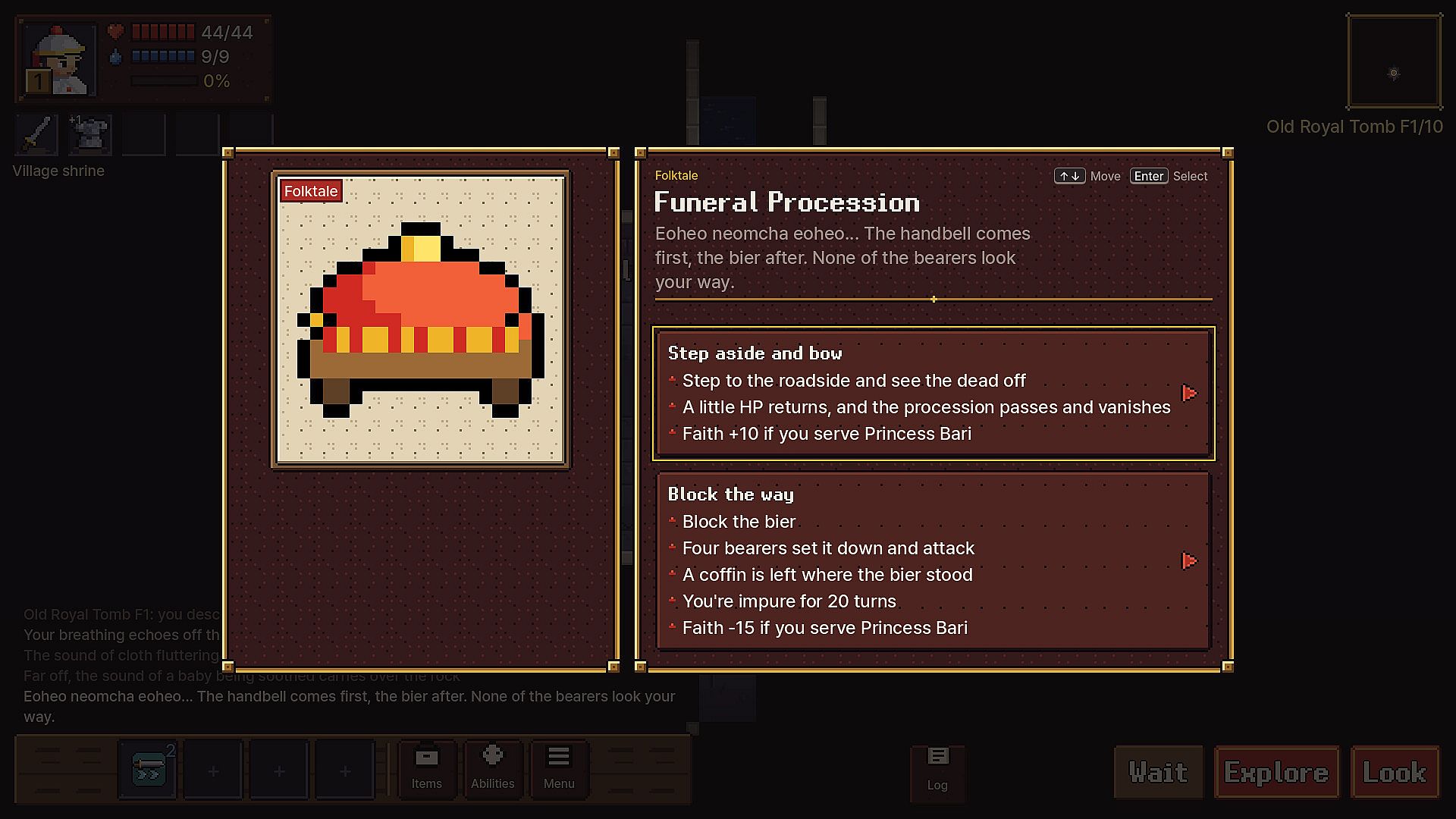
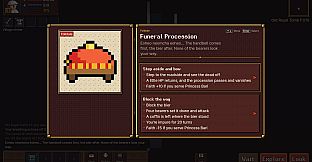
Progression follows four primary dungeons that conclude in the Underworld. Seven branch paths diverge from the main routes, each centered on a distinct folktale boss. Examples include the Dragon Palace, where players may intervene to save a hare, and the summit of Mt. Jiri, where a rock splits to release Uturi the Child Hero. Random encounters such as funeral processions force immediate choices between bowing or blocking the path, each carrying separate consequences.
These structures create varied run experiences without altering the fundamental roguelike rules of permadeath and procedural generation. Runs typically span multiple floors, with branch access depending on collected orbs or exploration depth. The single-player focus keeps attention on individual decision chains rather than shared or competitive elements.
Character Progression and Systems
Species and class pairings produce distinct starting capabilities, while card-based leveling ensures no two Bear Folk Monks or similar builds follow identical paths. God selection adds another layer of constraint and reward, as taboos influence risk assessment throughout a run. The yokai codex encourages reading the attached stories, turning mechanical learning into cultural discovery.
Controls rely on keyboard and mouse. Arrow keys, numpad, or hjkl handle movement, with Tab enabling auto-explore. The game runs entirely offline aside from an optional Hall of Fame feature. No advertisements or additional purchases appear in the base experience.
Is It Worth Playing?
Seolhwa Dungeon suits players who enjoy deliberate, high-stakes roguelikes modeled on classics like Dungeon Crawl Stone Soup. Its strength lies in the tight integration of folklore into rules, where enemy behaviors feel purposeful rather than arbitrary. The combination of species, classes, gods, and spell interactions supports repeated runs with meaningful variety. Those who appreciate reading enemy intentions, managing elemental chains, and navigating taboos will find consistent depth. The absence of undo or save states demands focus, rewarding patience and pattern recognition over reflexes. For fans of single-player turn-based exploration on PC, the title delivers a focused experience built around its thematic core.