


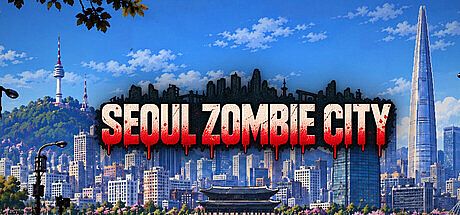




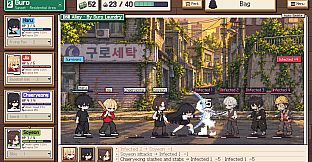
Seoul Zombie City is a single-player indie RPG adventure set in a zombie-overrun version of Seoul. Players navigate time loops to escape eastward while scavenging resources, building relationships with companions, and uncovering multiple story conclusions in a compact playtime.
Gameplay
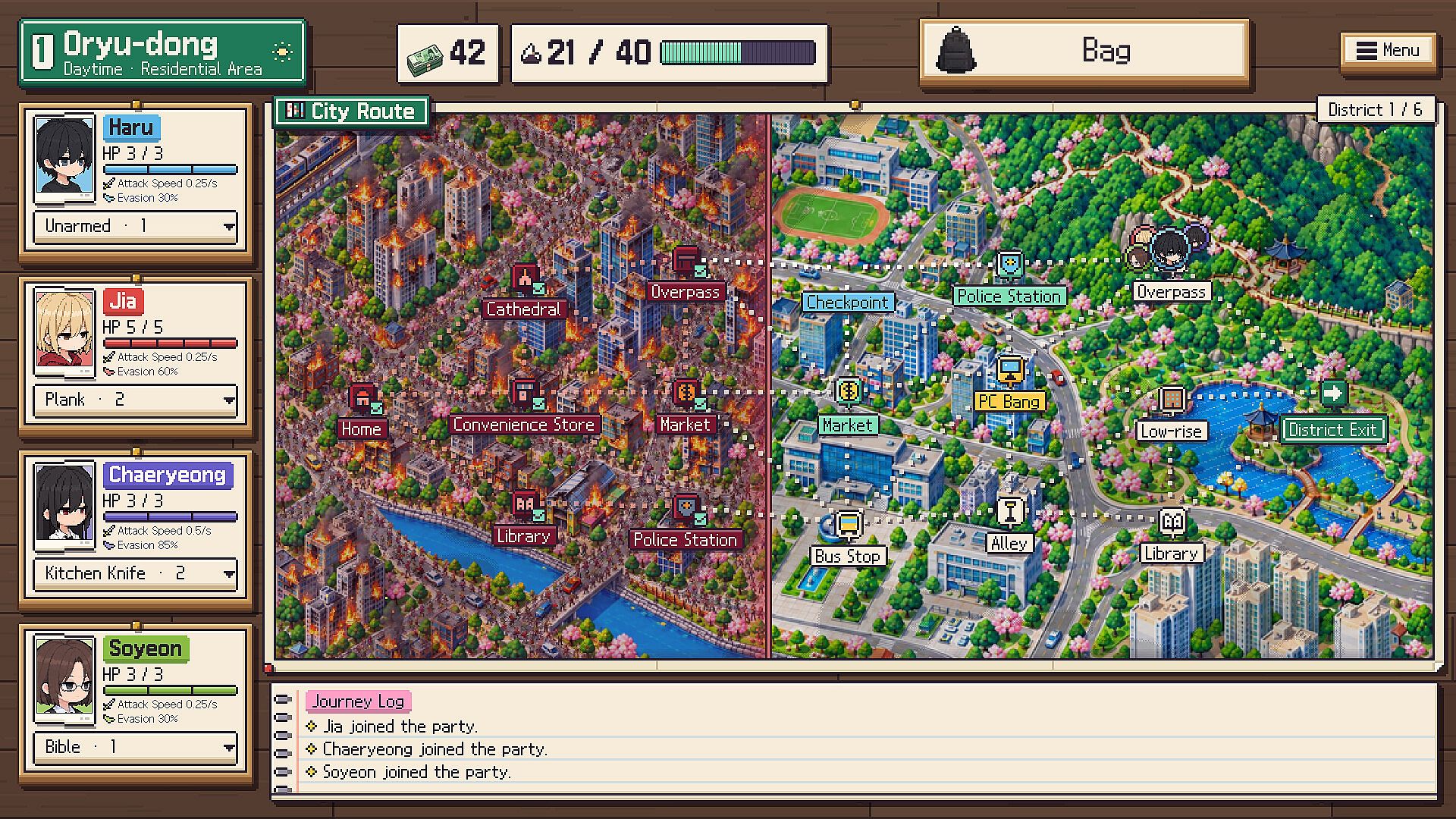
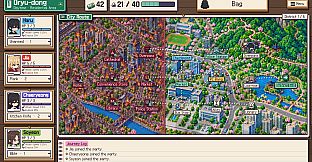
The core loop centers on repeated runs through a shifting Seoul landscape where the zombie threat advances steadily from the west. Each loop begins with basic survival needs like obtaining a driver's license to operate abandoned vehicles or using a jetpack to bypass hazardous areas. Exploration mixes vehicle travel with on-foot movement through familiar Korean locations turned post-apocalyptic.
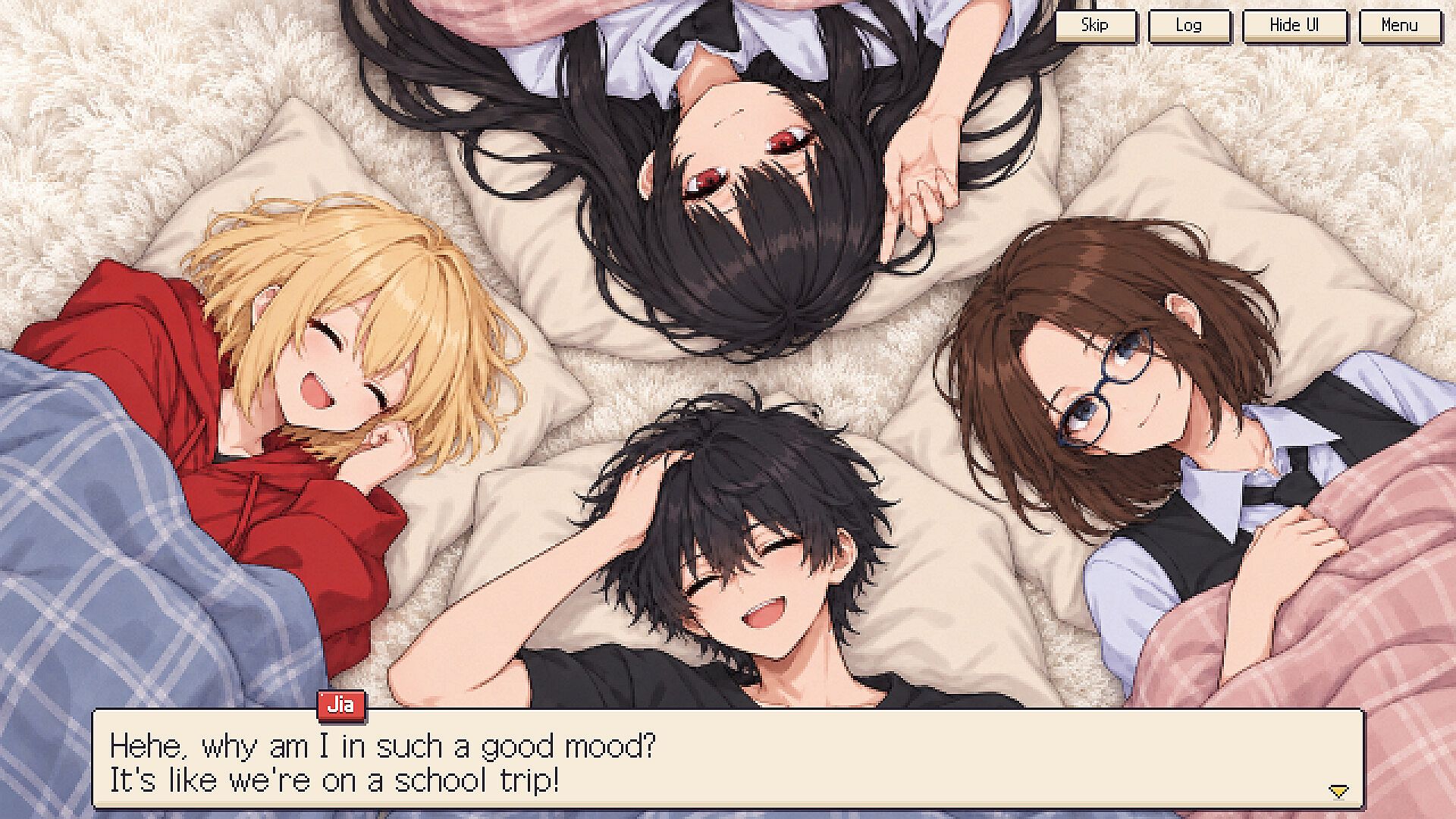
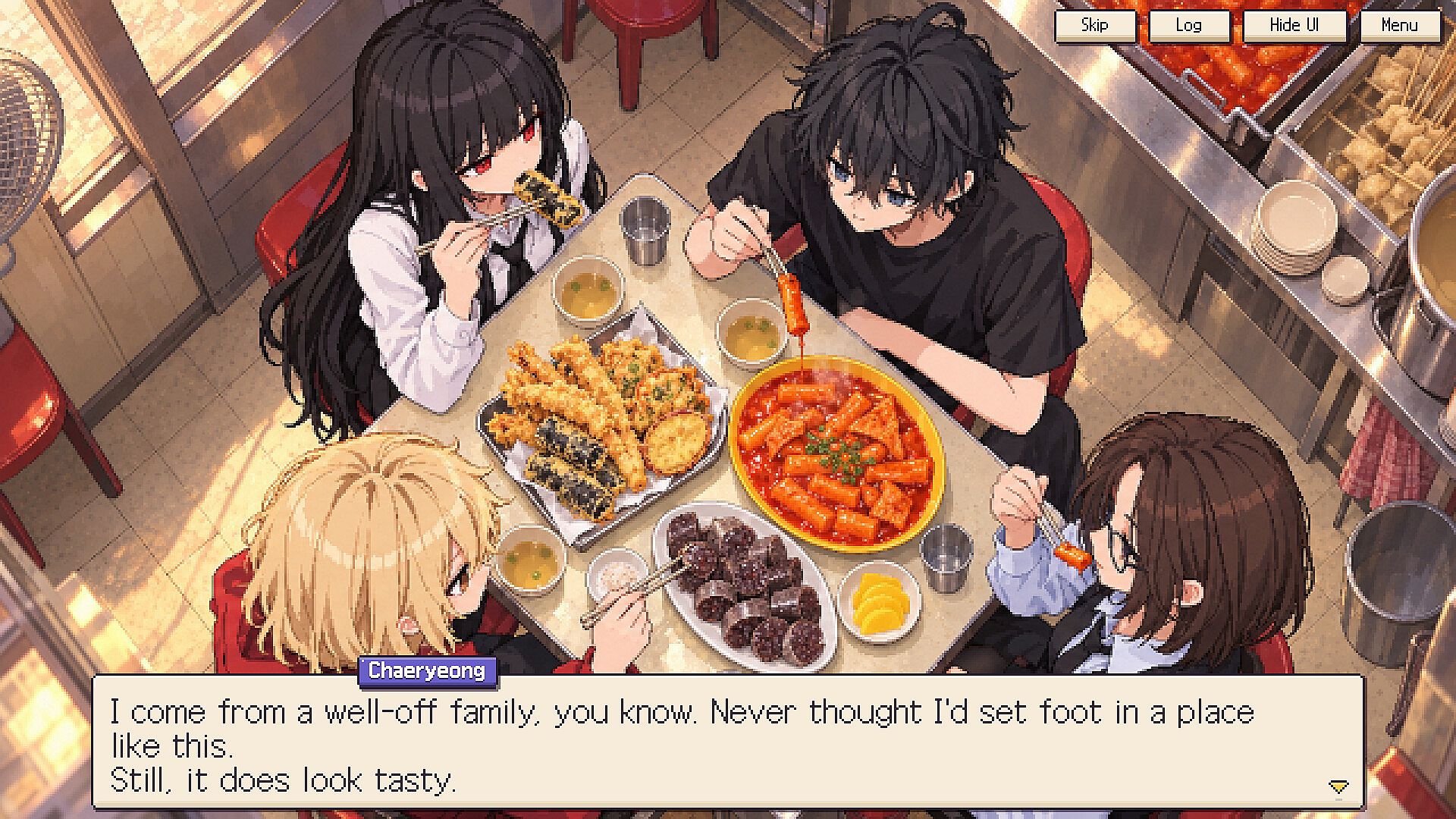
Daily Korean activities provide both buffs and story moments. Players visit coin-operated noraebang booths to sing for temporary advantages, relax in jjimjilbang saunas while wearing a sheep-head towel, train at taekwondo dojang facilities to unlock powerful abilities, and eat at all-you-can-eat Korean barbecue spots. Additional stops include bunsik snack bars, PC bangs, and photo booths where companions gather to strengthen bonds and trigger affection events that can lead to confessions.
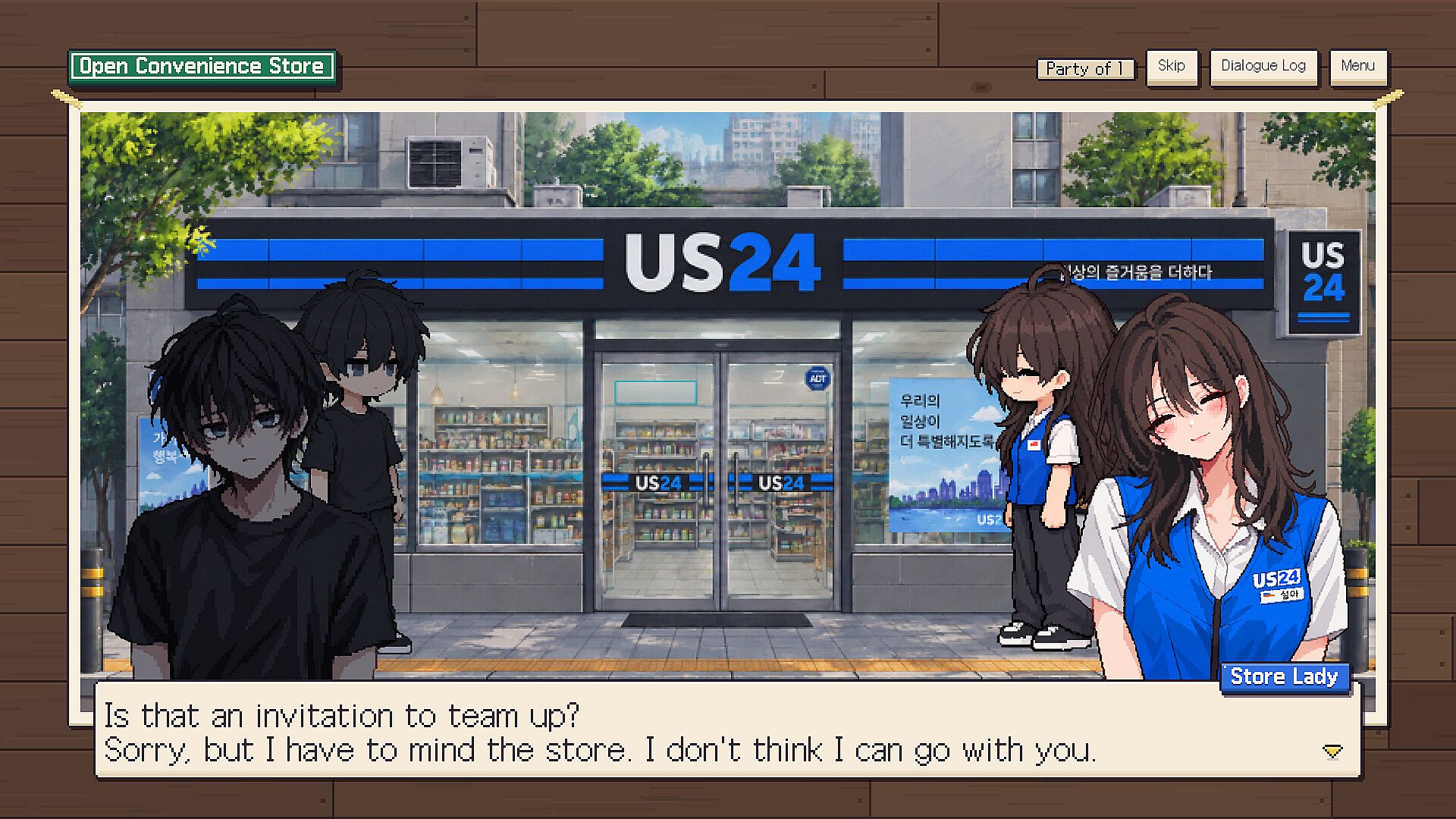
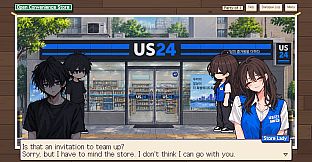
Inventory management involves packing convenience store snacks alongside weapons. In the lawless environment without police, players dismantle everyday objects such as cafe coffee machines, PC bang computers and monitors, movie projectors, and noraebang singing equipment to sell at a survivor market for cash and supplies. These resources fund better gear for subsequent loops.
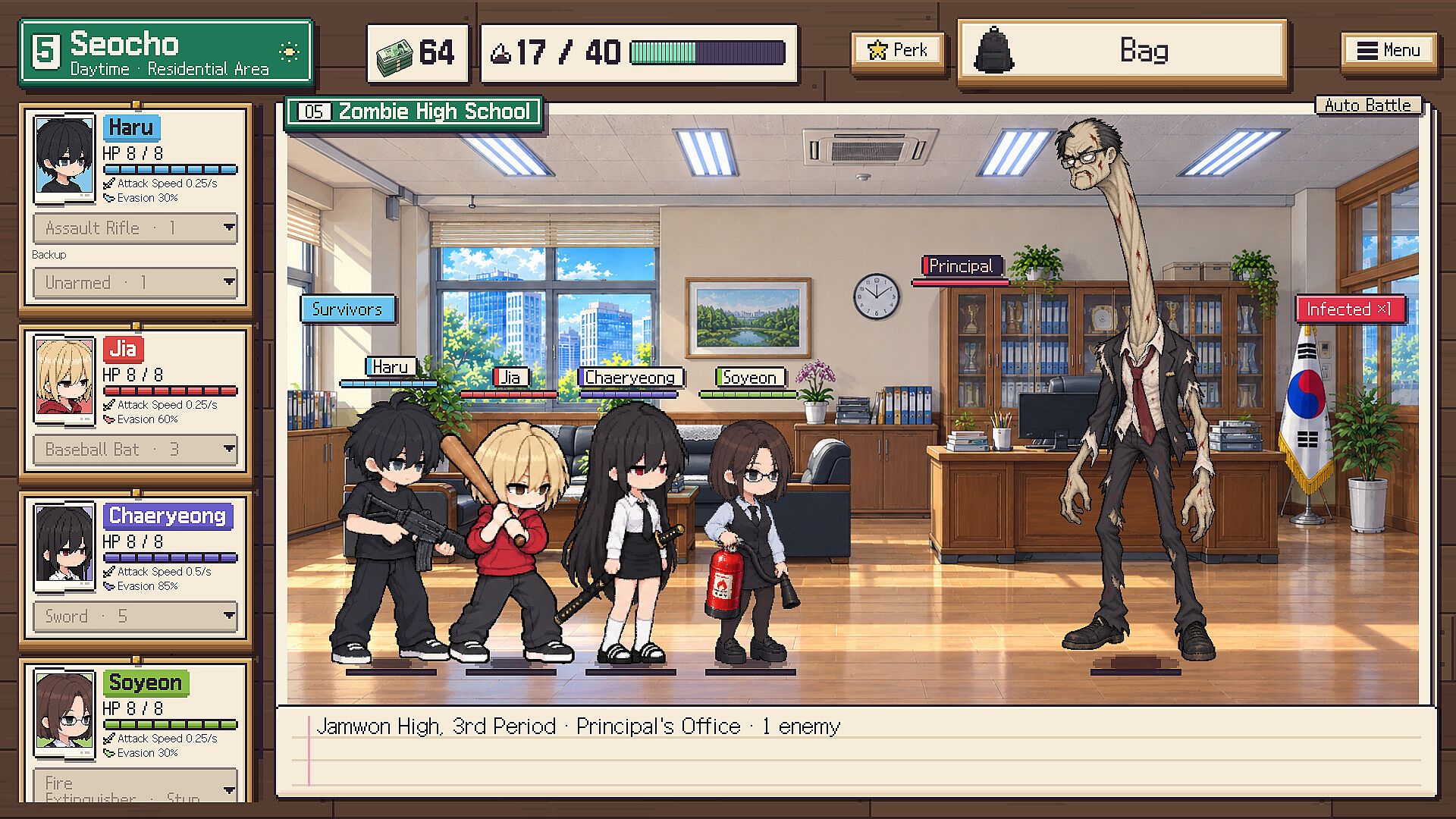
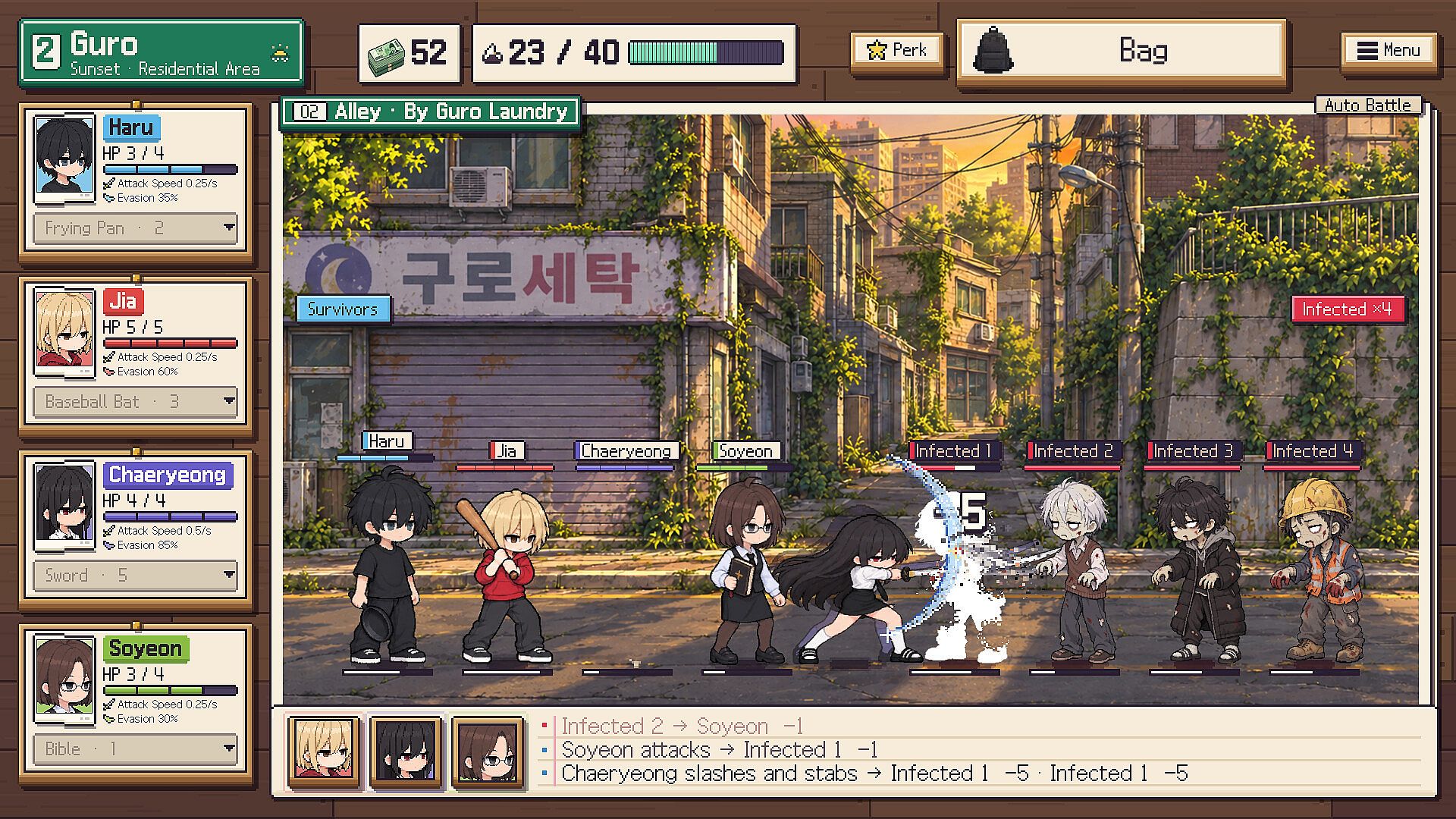
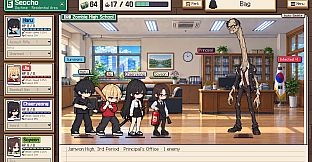
Combat operates on an automatic system that handles basic zombie encounters, allowing players to watch pixel-art enemies break apart into satisfying particle effects. After acquiring ultimate skills through training or progression, manual intervention becomes available to deploy them at key moments. Support from a cult faction can also summon additional aid during fights.
Game Modes
The game runs entirely as a single-player experience built around roguelite time-loop progression. Death resets the current run but carries forward permanent perks, stat improvements, and rewards that enable new routes and strategies on future attempts. No separate multiplayer or competitive modes exist.
Progression emphasizes exploration variety rather than distinct named modes. Players experiment with different paths, vehicle choices, and companion interactions across loops while collecting event artwork. The structure supports replay for story branches without requiring long sessions per attempt.
Story and Progression
Time-loop mechanics treat each death as a source of new information rather than failure. Accumulated offerings and upgrades open bolder approaches to crossing the ruined city. Companions join runs and develop relationships through shared visits to iconic Seoul spots, adding personal stakes alongside the main survival objective.
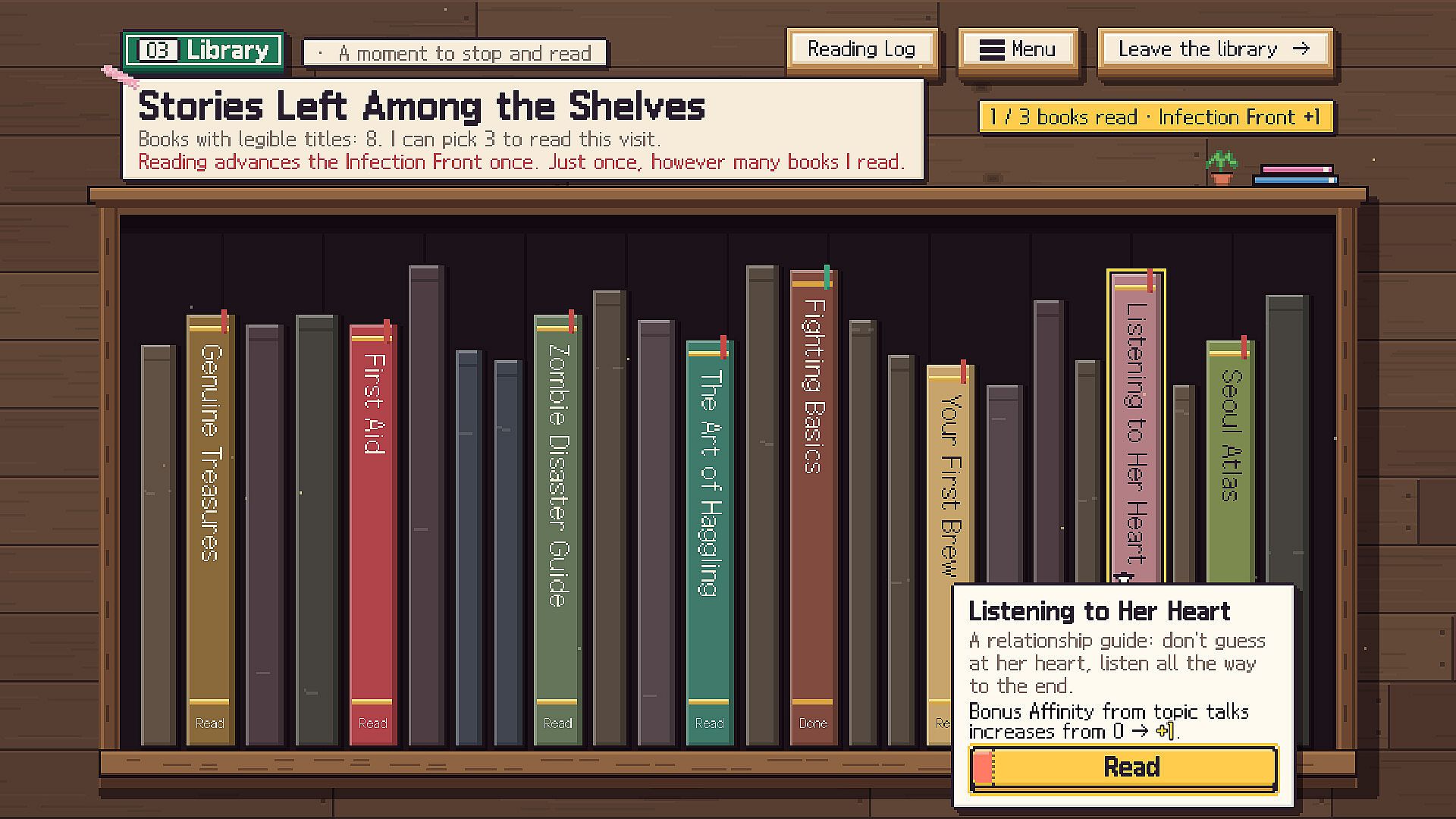
Visual presentation uses a distinctive board game-style tabletop interface. Maps, cards, receipts, and paper tickets appear arranged on a wooden surface, delivering pixel visuals that reinforce the roguelite structure. A total of 189 colorful event CGs illustrate key moments across the narrative.
Is It Worth Playing?
Seoul Zombie City targets players who enjoy short-to-medium roguelite runs with strong cultural flavor and multiple endings. The entire set of five endings plus the true ending fits into roughly four hours, making it accessible for those who want to experience every branch without a heavy time commitment. Automatic battles reduce frustration during routine encounters while still offering skill-based intervention once ultimate abilities are learned.
The blend of everyday Korean locations repurposed for survival, combined with scavenging and relationship systems, creates a focused loop that rewards experimentation across loops. Permanent progression ensures each run feels more capable than the last. With a planned release in late November 2026 and no reviews available yet, the game suits fans of indie RPG adventures seeking a compact, culturally specific take on zombie survival and time-loop storytelling. Those drawn to tabletop-inspired interfaces and light management elements will find the systems align closely with the described mechanics.












