


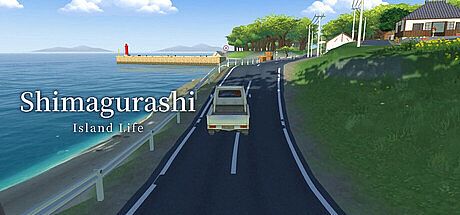


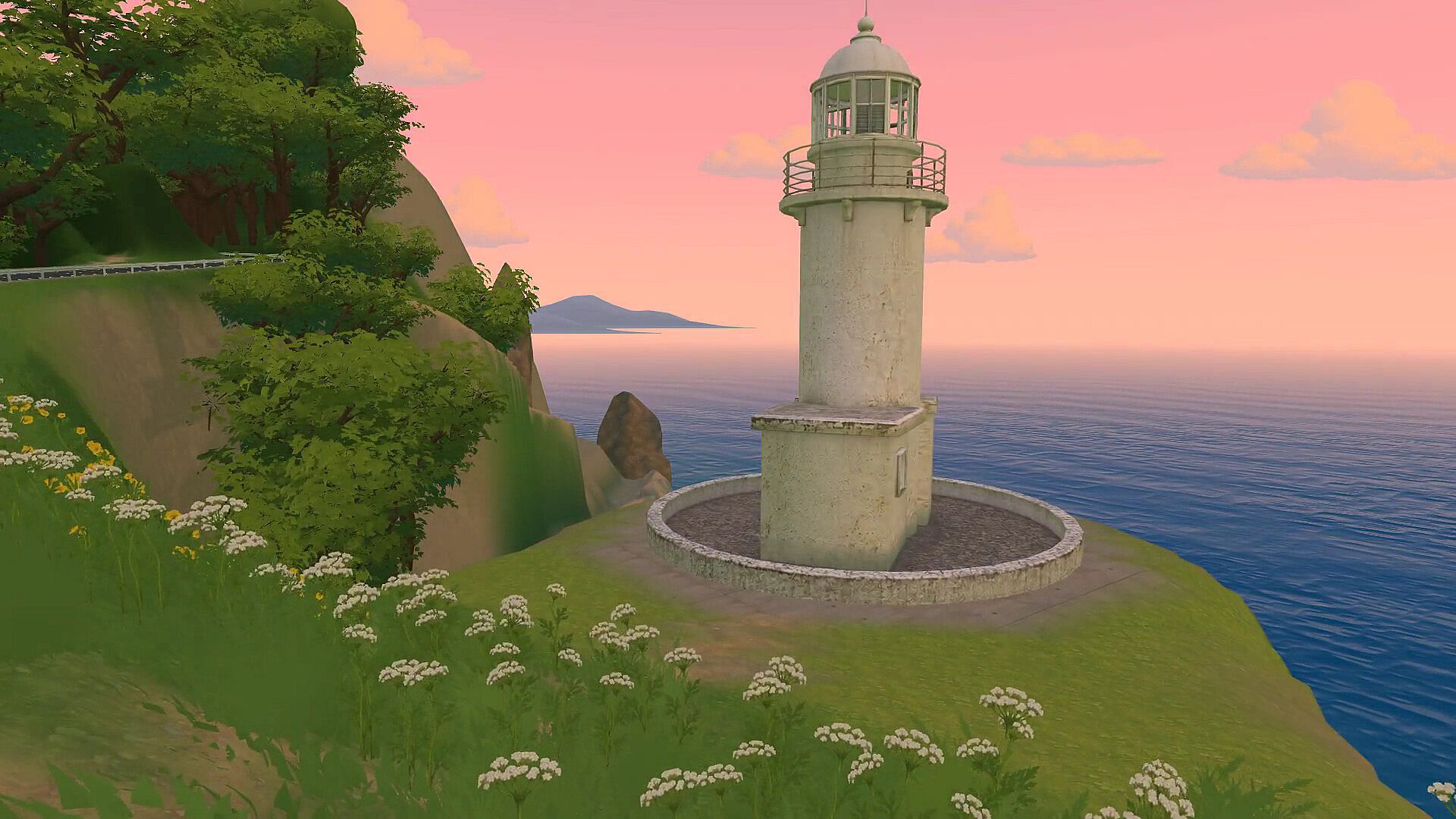
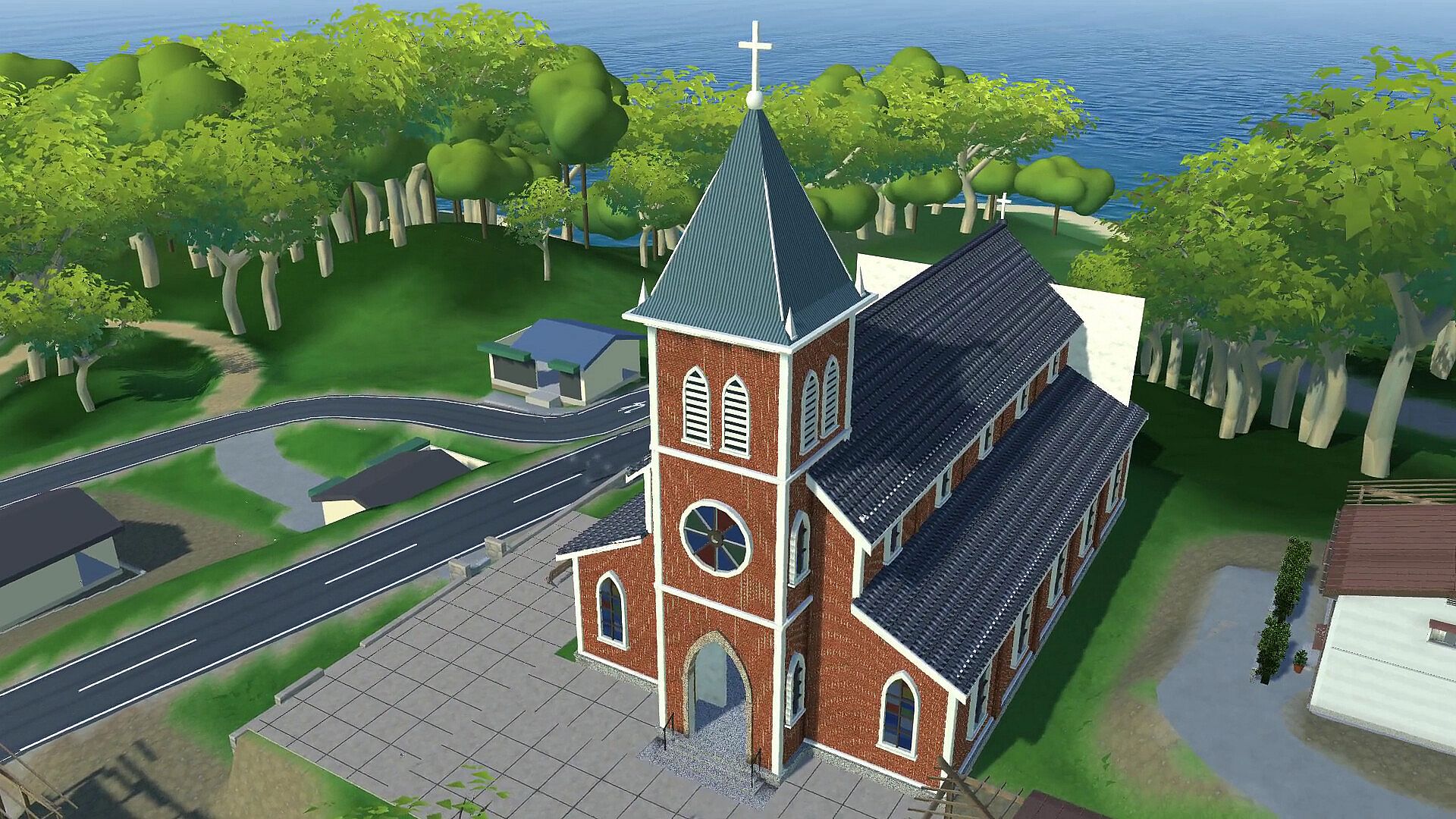
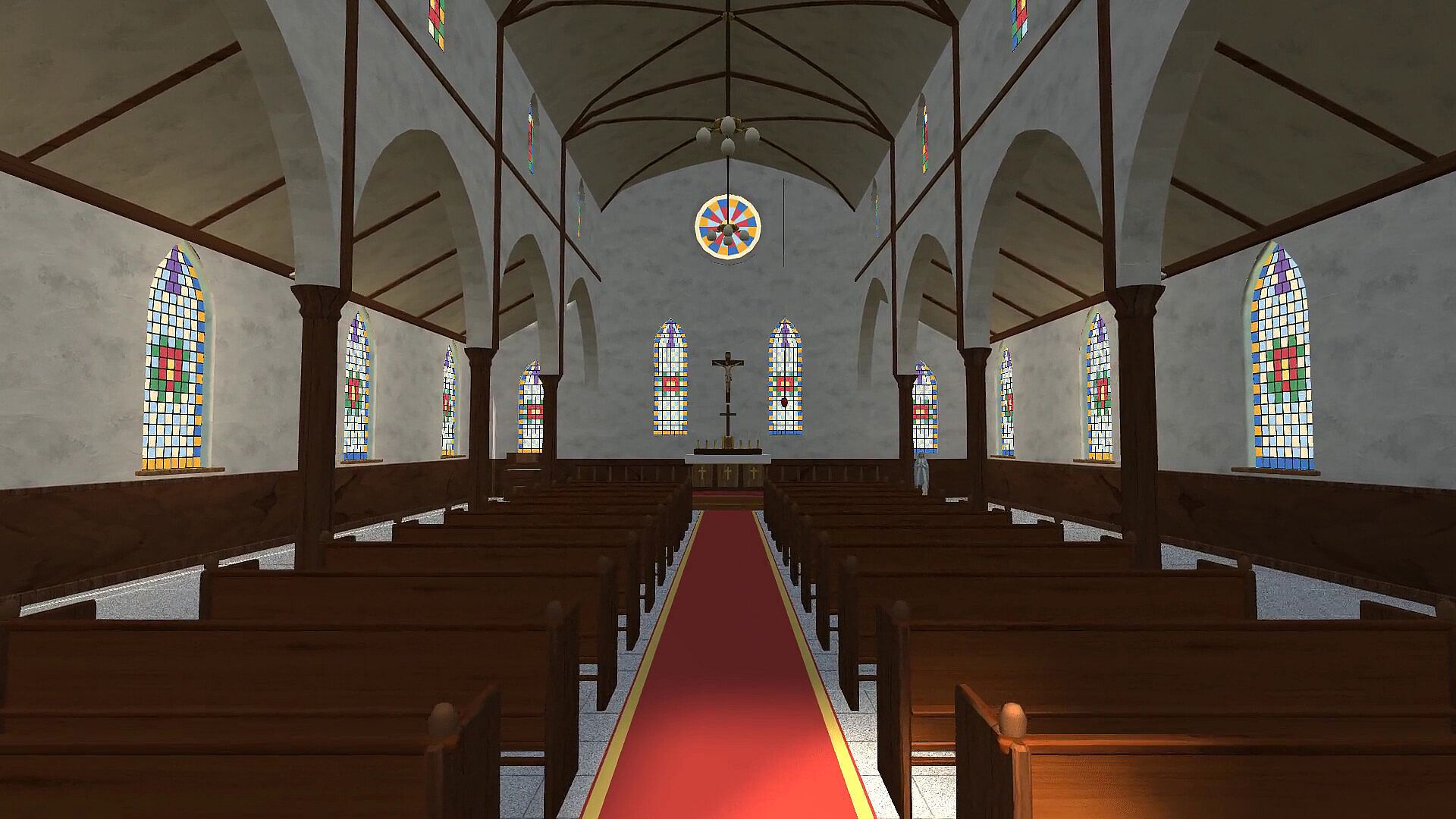
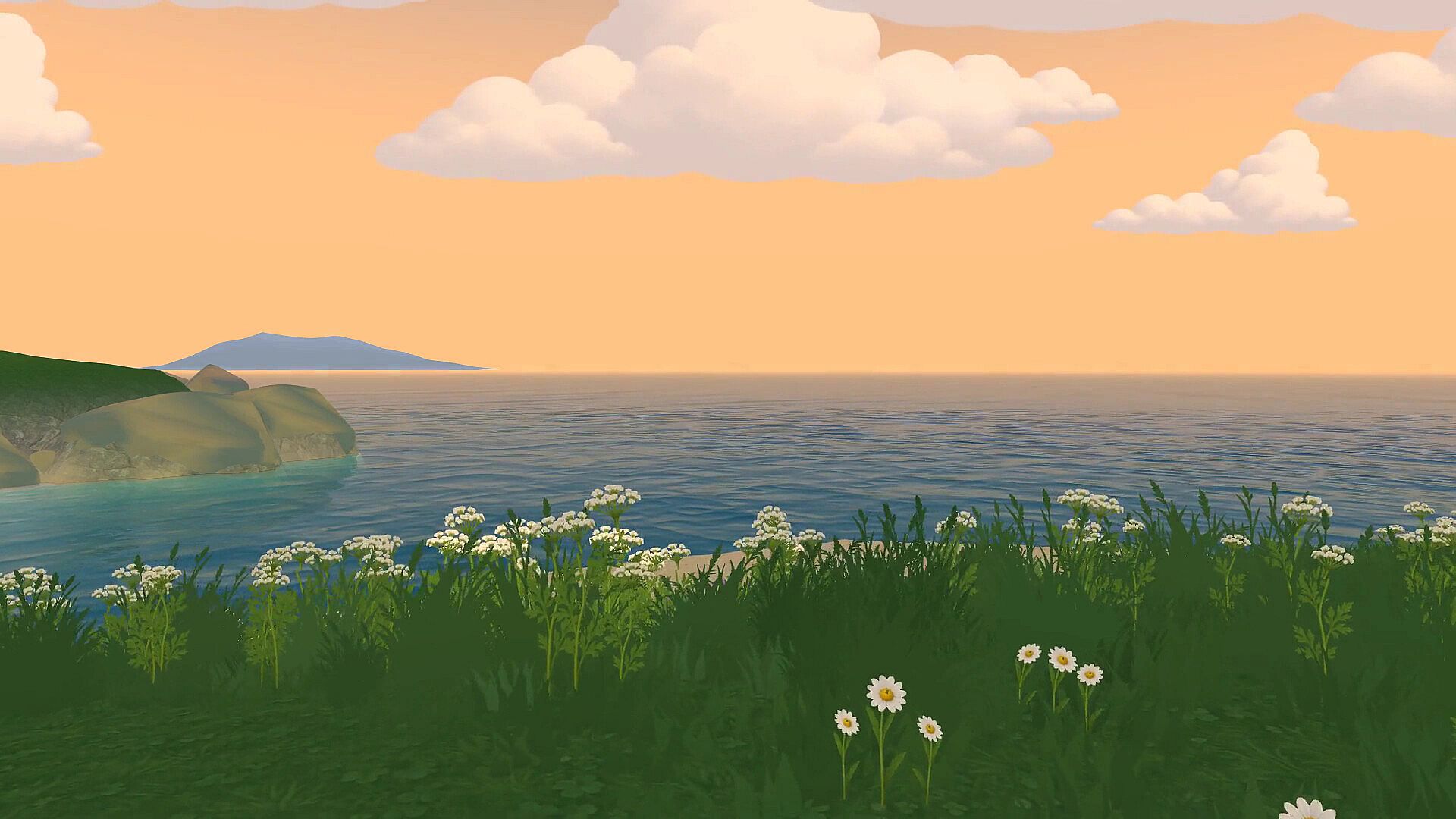
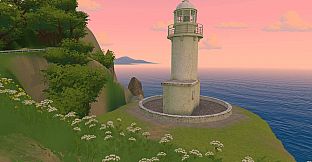
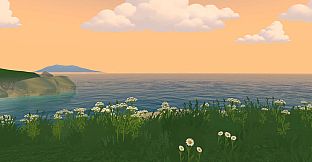
Shimagurashi: Island Life is a single-player indie simulation game centered on relaxed island living. Players move to a quiet coastal community in southern Japan and shape their days around everyday routines without pressure or timers. The experience draws from real memories of the Goto Islands, where empty roads, local shops, and changing seasons create a sense of place that evolves gradually as homes gain lights once more.
Gameplay
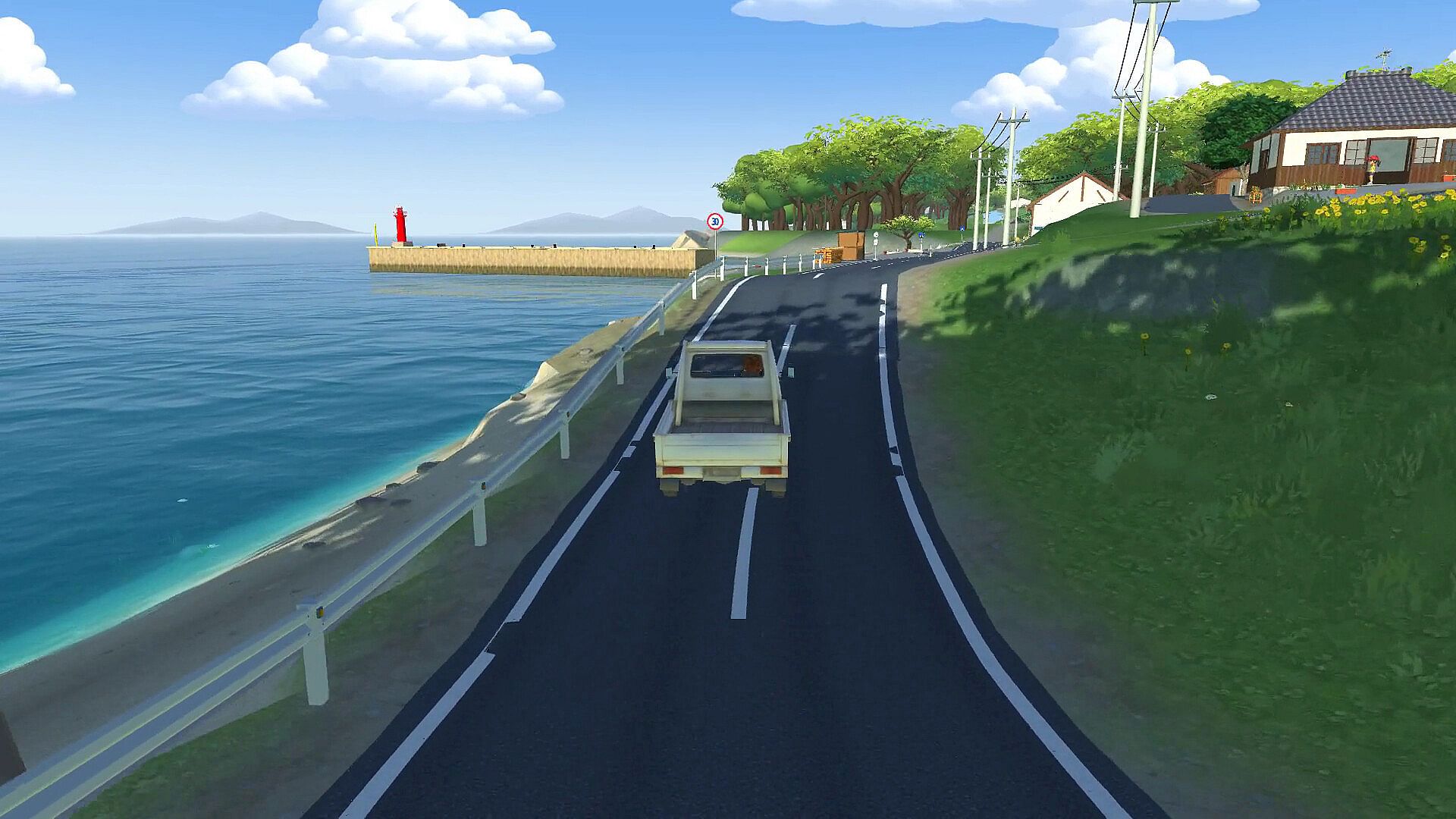
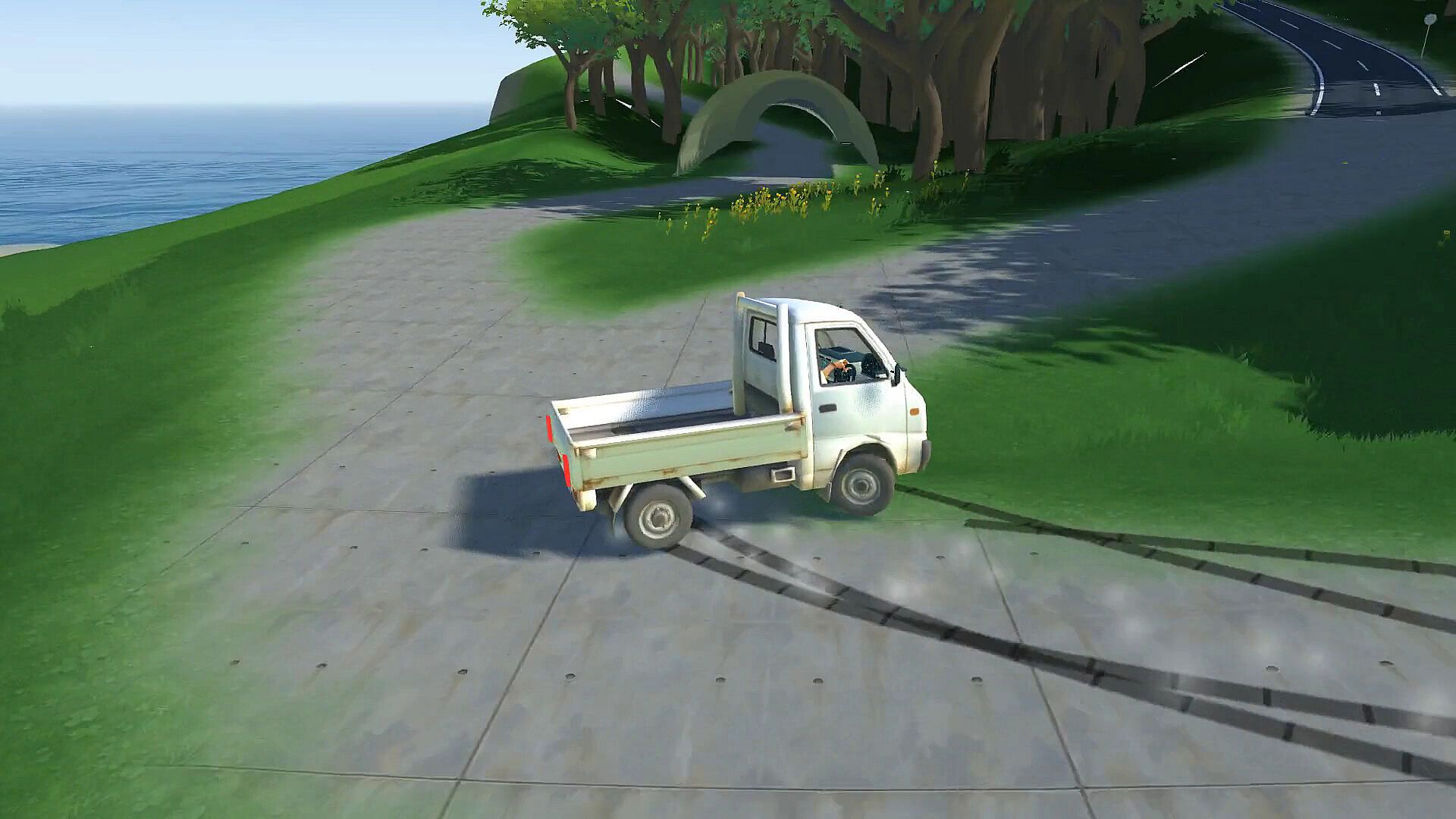
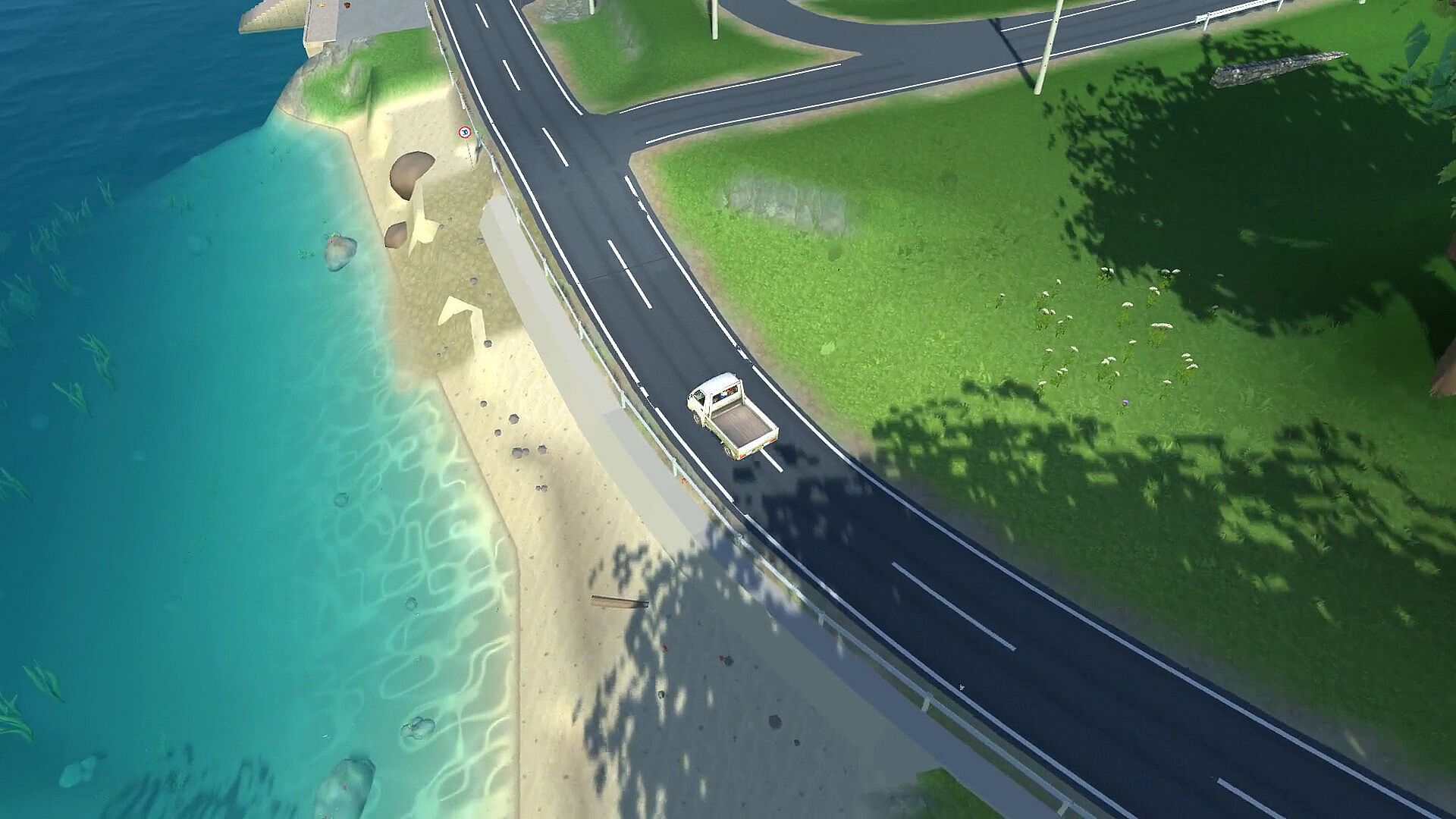
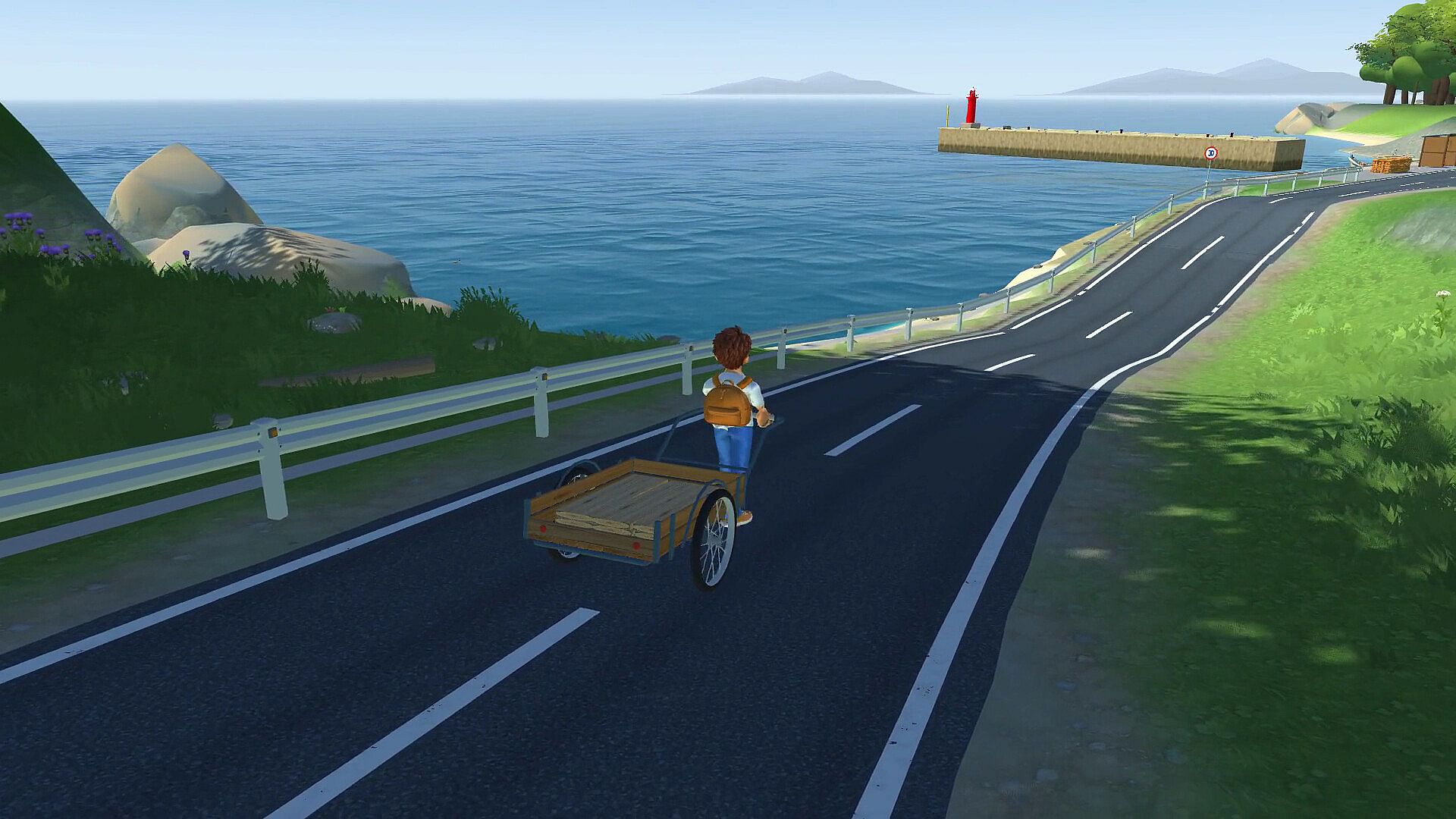
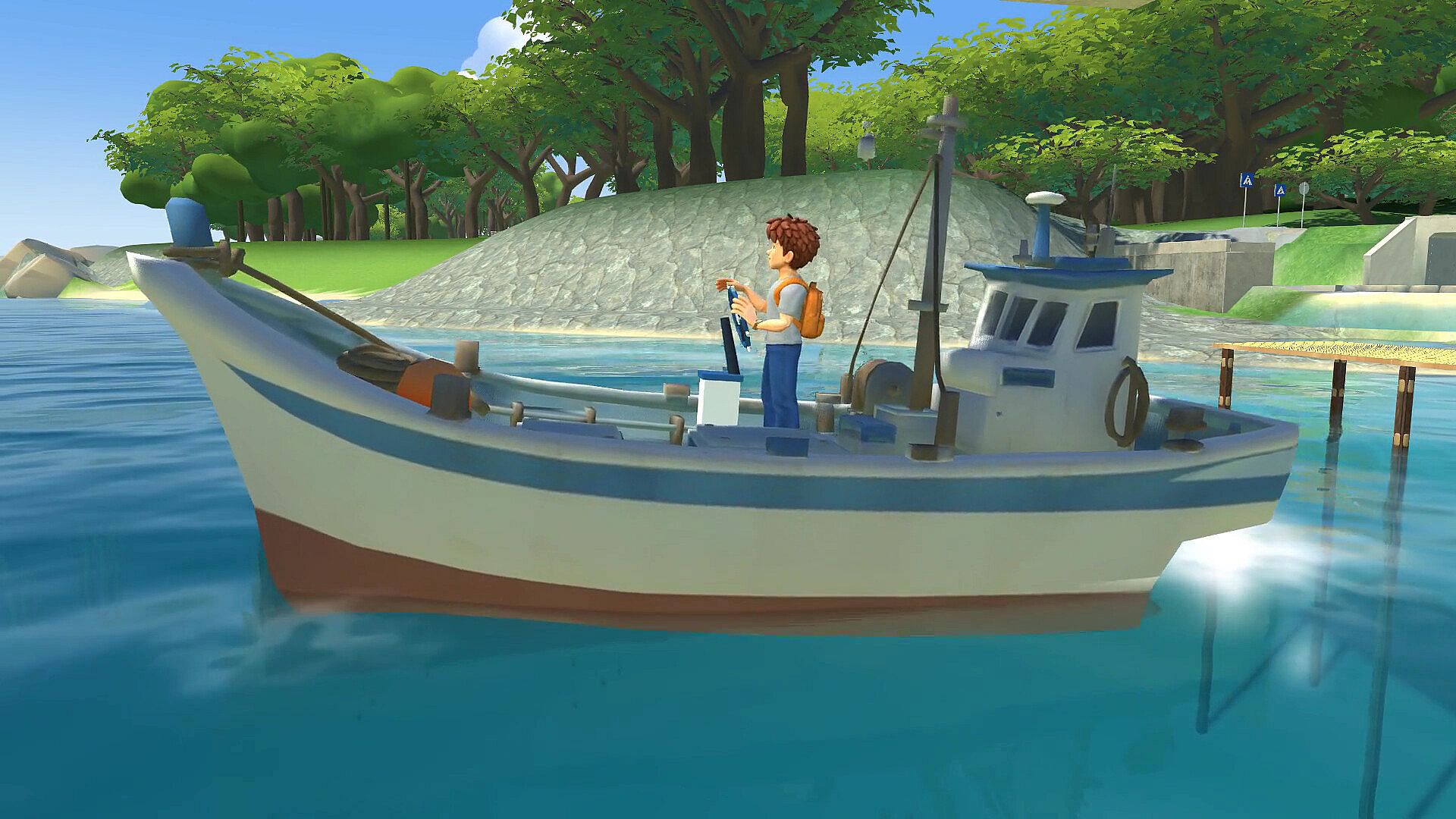
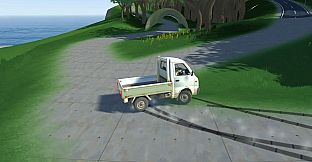
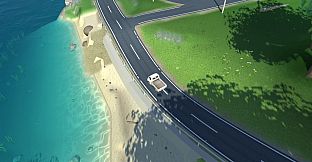
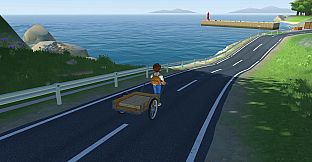
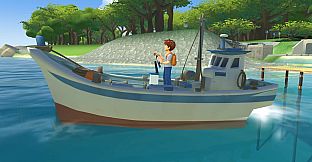
The core loop revolves around simple, hands-on tasks performed at a deliberate pace. Driving forms a central part of exploration, with a compact kei truck suited for winding coast roads, a bicycle for downhill coasts, and a boat for crossing open water. Players can follow any path that looks interesting and stop whenever something catches their attention.
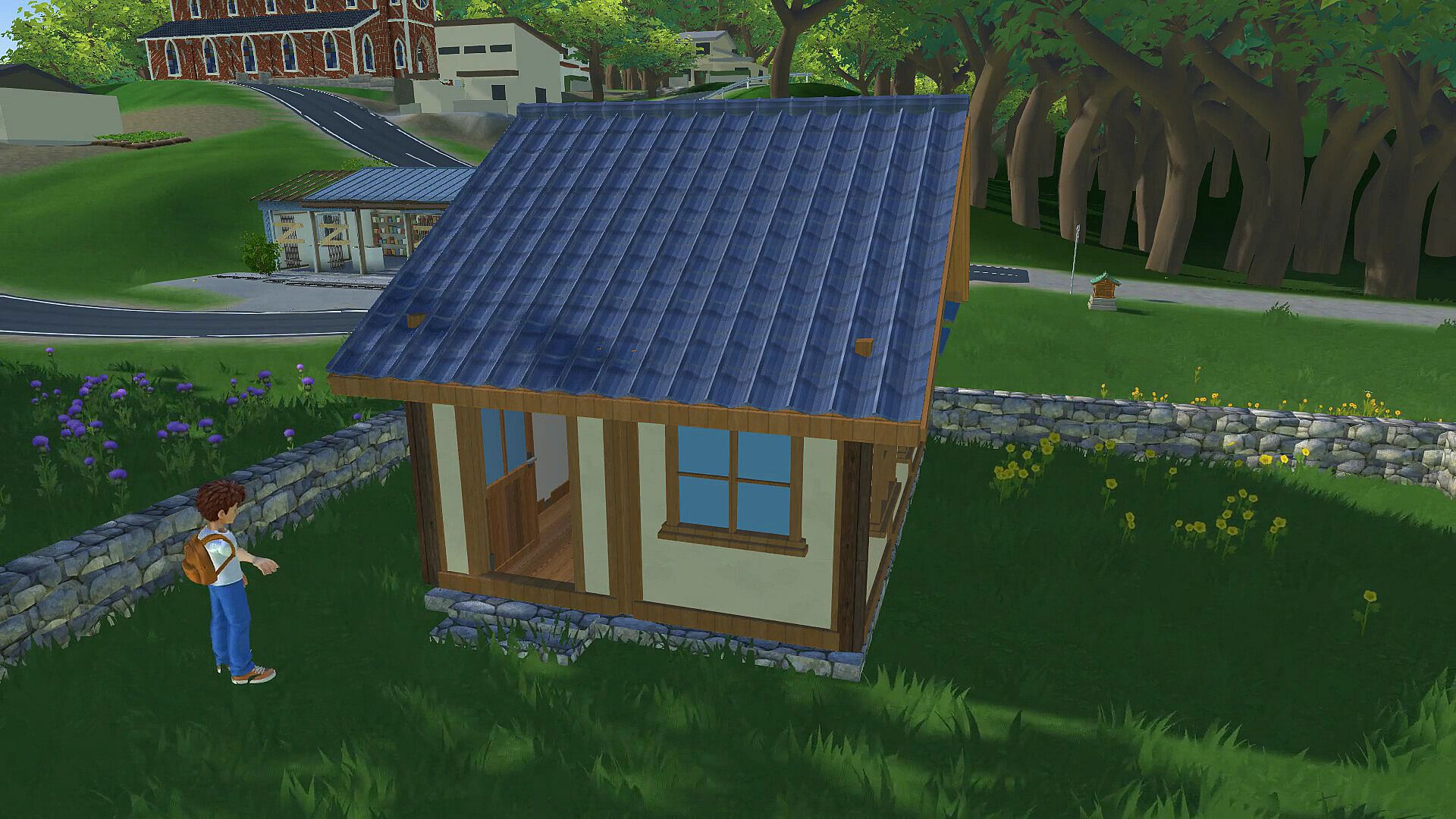
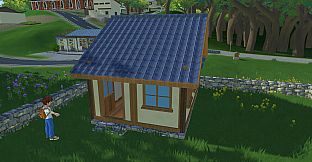
Fishing offers another steady activity. Lines drop from breakwaters or rocky shores, and the catch can be eaten or taken to sell. The wait itself becomes part of the rhythm, with time spent watching the water. Building requires carrying materials by hand and assembling structures piece by piece until a finished home switches on its lights at dusk.
Shopping and selling happen at the Shiokaze Store, where fresh fish brings in money and shelves hold everyday tools and goods. Orders placed there arrive later by ferry. Growing crops involves tilling fields and planting rice in paddies, with the island landscape shifting color as seasons progress. Playful moments arise naturally through lining up cans to knock down with stones, skipping rocks across the surface, or stacking and floating objects found nearby.
Islanders follow their own schedules and appear in different spots over time. Rainy days open different options while sunny ones favor longer drives or extended fishing sessions. The day ends by returning to a house whose lights now glow in the dark.
Game Modes
Shimagurashi: Island Life offers a single continuous experience without separate named modes or structured campaigns. Progress comes from personal choices about how to fill each day rather than from completing objectives or advancing through levels. Players decide whether to spend hours on the water, focus on construction projects, tend fields, or simply cruise roads and observe the surroundings.
Time passes naturally, and the island scenery along with resident routines shift accordingly. There are no competitive elements, no combat systems, and no branching story paths that lock out content. The entire game functions as one open sandbox where repetition of favorite activities or quiet exploration both count as valid ways to play.
The Island Setting
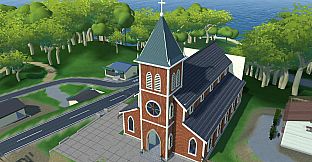
The environment reflects a small community that has seen residents gradually leave. Scattered homes stand ready for new lights as the player builds, and the overall layout encourages detours along side roads or shorelines. Seasonal changes affect crop growth and the visual palette, while daily weather influences available tasks without ever halting progress.
Local details such as the ferry schedule and store inventory tie directly into the activities. Everything stays grounded in ordinary routines rather than dramatic events, creating a consistent atmosphere of unhurried presence on the island.
Is It Worth Playing?
This title suits players who enjoy single-player simulation experiences focused on routine and atmosphere. Those drawn to fishing, light construction, driving, and farming mechanics will find consistent support for those interests across long sessions. The absence of pressure or failure states makes it accessible for anyone seeking a low-stress way to spend time in a virtual setting inspired by real Japanese island life.
Because the game remains in development with a planned 2027 release, current information centers on the described systems rather than completed player feedback. Individuals who value personal pacing and everyday island activities over traditional progression or multiplayer features will likely find the approach rewarding once it launches.












