

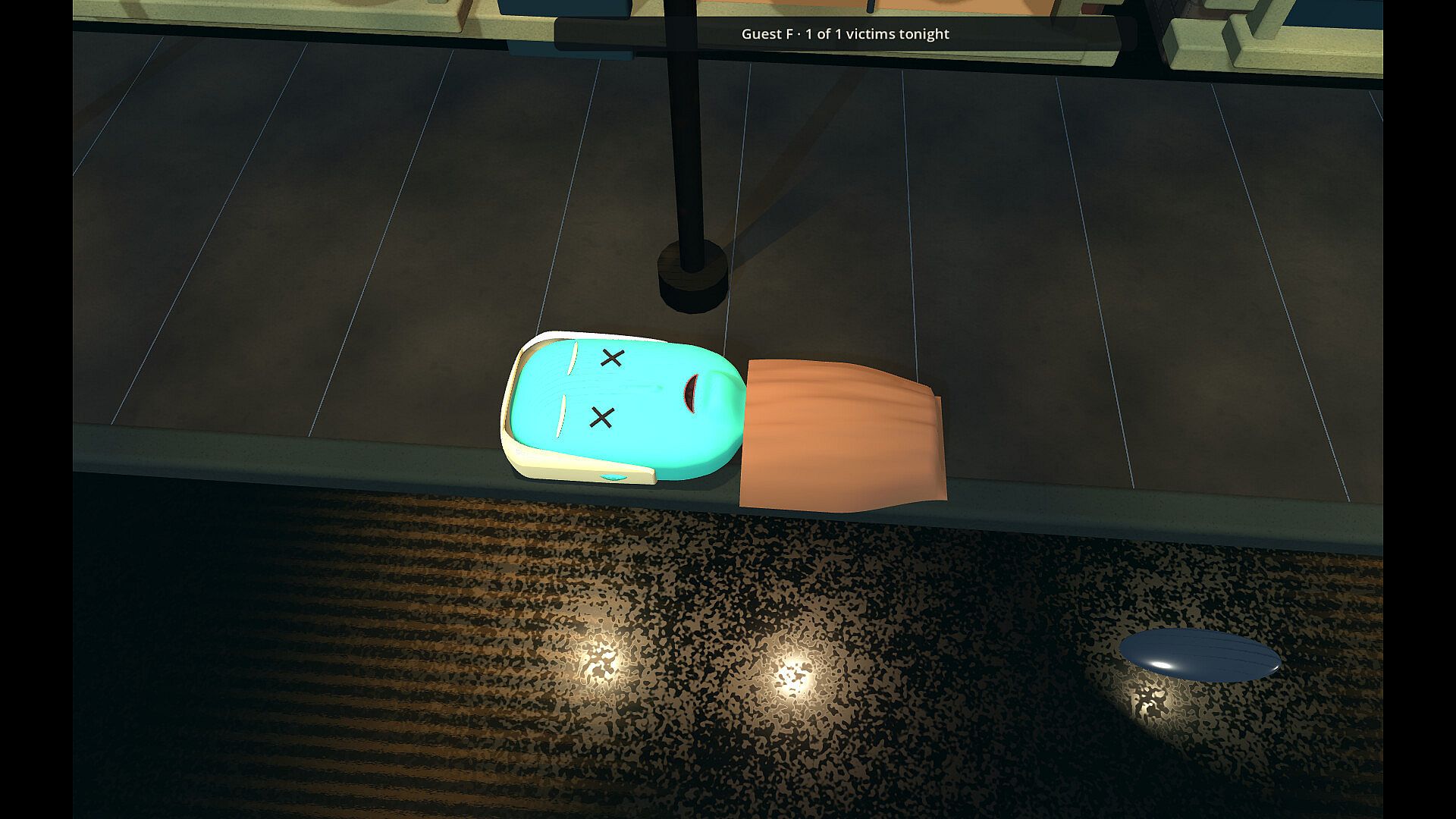
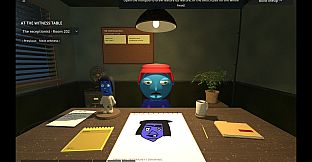
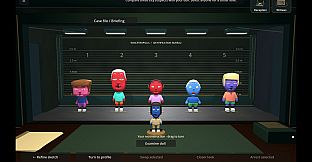
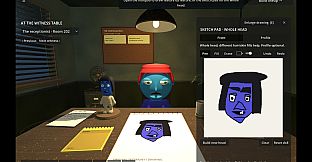
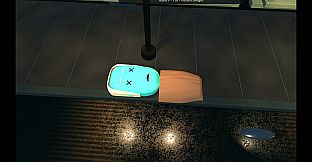
Sketch to Arrest is a social deduction game that blends drawing, testimony, and deception in matches set across the city of Wincetropolis. Players take on hidden roles while one or two killers attempt to avoid detection through misleading statements and disguises. The core loop involves witnesses describing what they saw, a designated sketcher interpreting those details into a suspect drawing, and the group debating the evidence before voting on an arrest. Incorrect votes allow the killers to continue their actions into the next round.
Gameplay
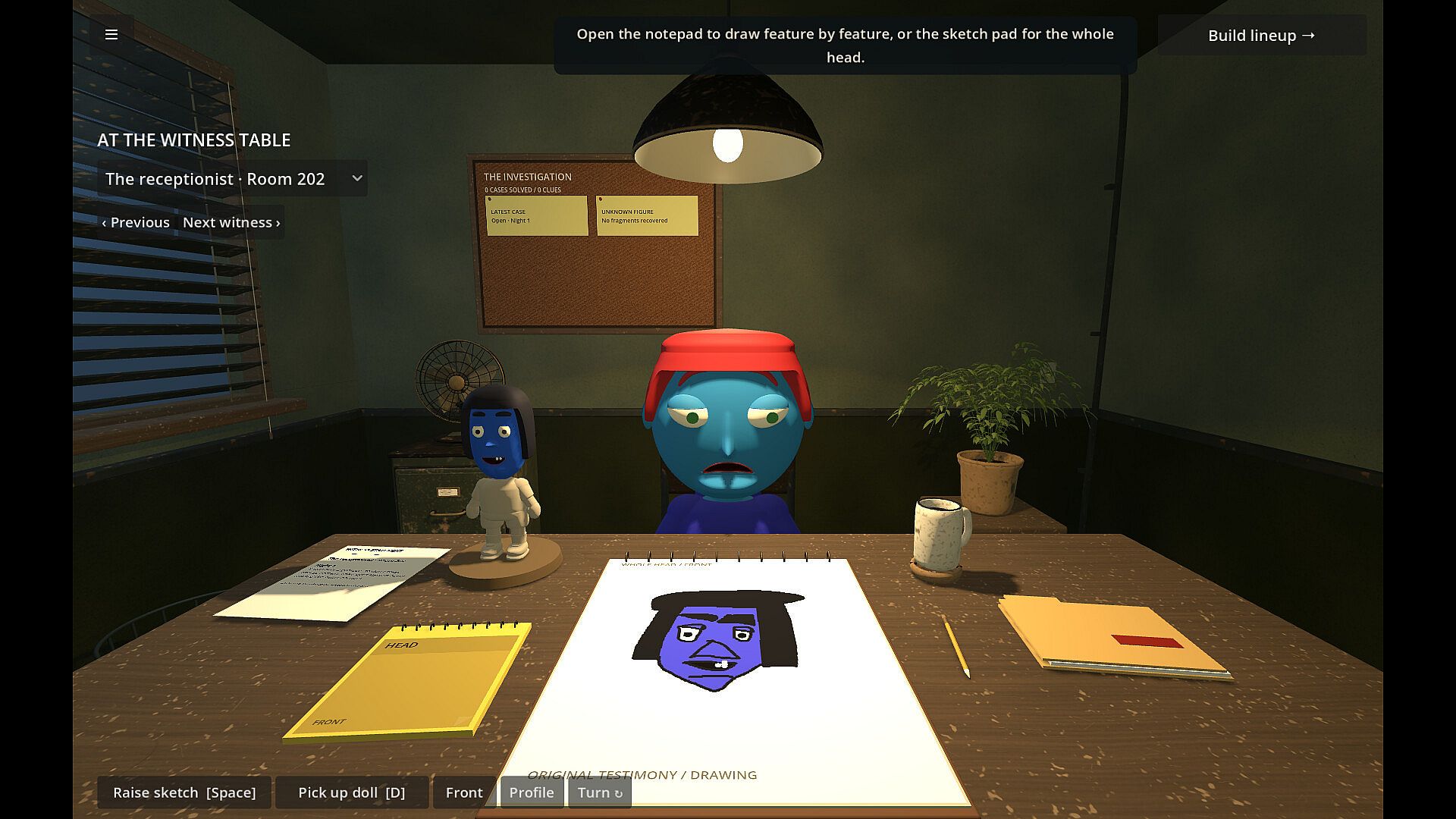
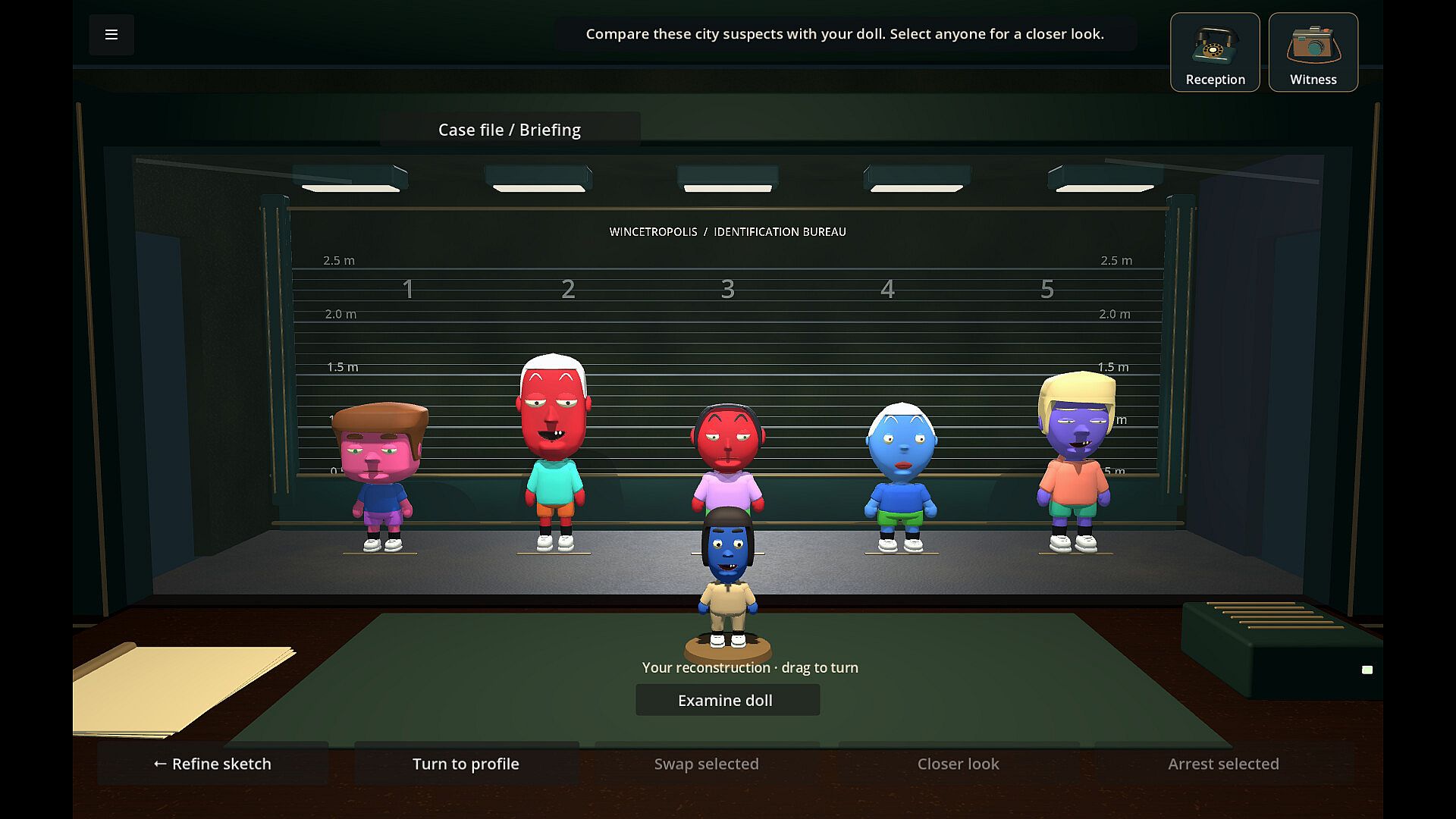
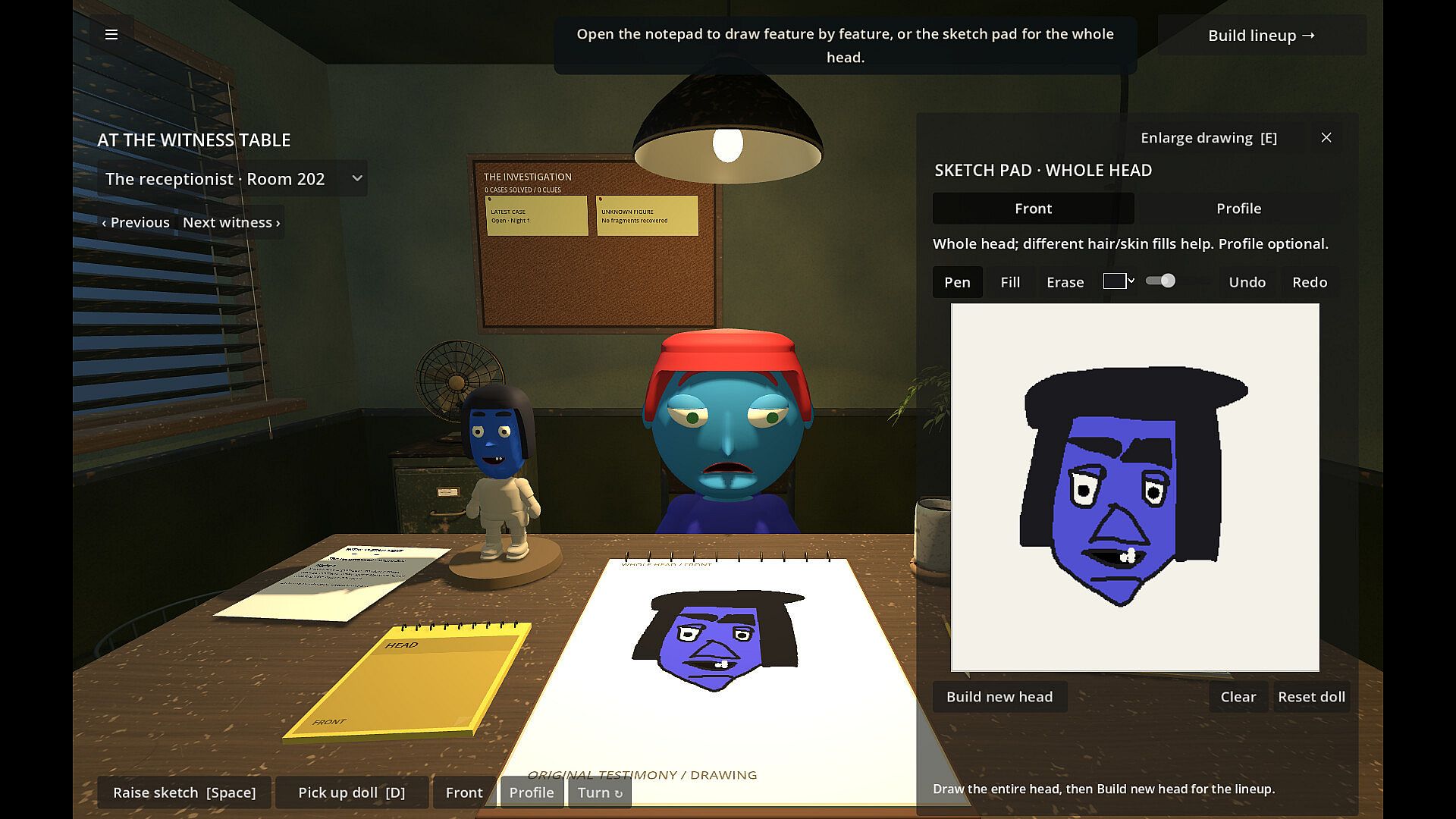
Matches unfold through rounds of discussion and drawing. Witnesses provide descriptions that can be incomplete, mistaken, or intentionally false. The sketcher converts spoken details into a visual suspect using available tools. Everyone then examines the resulting drawing against possible lineups, arguing over inconsistencies and voting on who to arrest. Killers blend into conversations, steer suspicion away from themselves, and use disguises between rounds to alter their appearance. Private evidence and specialist roles add layers, giving certain players unique information or abilities that influence the investigation. Configurable rules let groups adjust timers, lineup options, and other settings for custom experiences. Voice and text chat support coordination, while a Witness Protection mode keeps identities hidden during play.
Game Modes
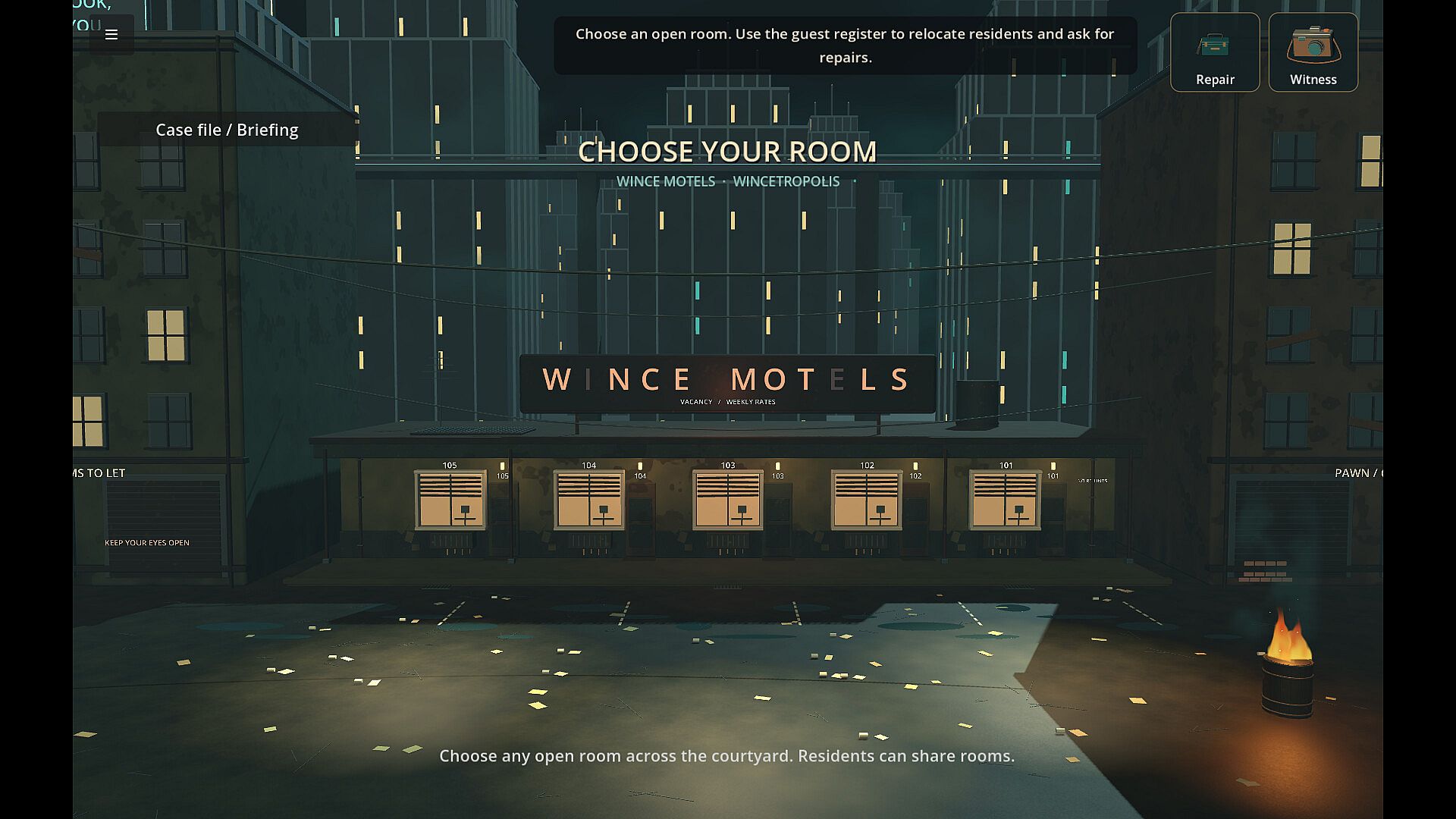
Multiplayer supports four to eight participants in online or local network sessions. Secret roles distribute among the group, with killers aiming to evade capture over multiple nights. Single-player options include Story mode, which follows seven chapters set in distinct locations throughout Wincetropolis. Each location features unique layouts, sightlines, and blind spots that affect how testimony and drawings play out. Endless mode lets players accept ongoing investigation jobs, earn resources, and upgrade an office while facing jobs at varying difficulty levels. Three interview styles shape how drawings happen: one player acting as the primary sketcher, an open table format, or simultaneous sketching by all participants.
Locations and Roles
Seven distinct areas in Wincetropolis serve as backdrops for matches. These environments influence witness accounts through their specific sightlines and areas where visibility is limited. Secret roles extend beyond basic killers and witnesses to include specialists who hold private evidence. Killers receive tools to disguise themselves between nights, forcing investigators to adapt their sketches and deductions. The drawing system accounts for real variations in how players interpret and render testimony, which can lead to accurate identifications or deliberate misdirection.
Is It Worth Playing?
Sketch to Arrest targets players who enjoy social deduction games that incorporate creative elements like drawing and interpretation. The mix of unreliable testimony, group debate, and hidden roles creates tension in both multiplayer sessions with friends and solo Story or Endless play. As the game enters Early Access, it offers a fully playable experience focused on multiplayer balance and drawing mechanics, with plans for further refinements based on feedback. No user reviews are available yet, and the final Story chapter remains in development. Those drawn to deduction titles with a twist on evidence gathering and artistic input will find the current build worth trying, particularly in groups that appreciate discussion and creative problem solving. Single-player modes provide an alternative for those preferring structured progression or repeatable jobs without relying on other participants.