

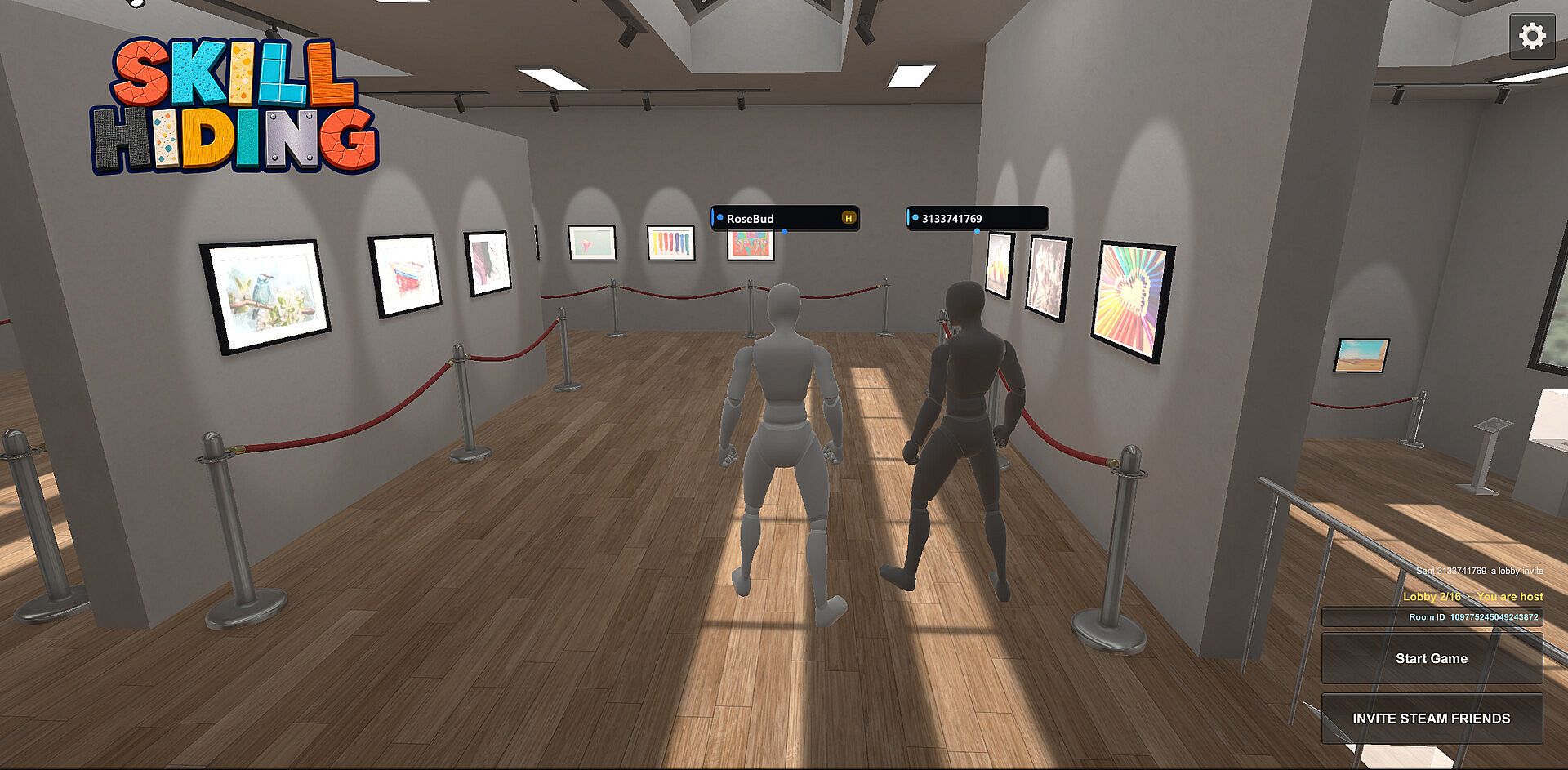
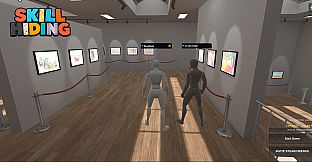
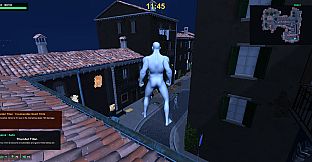
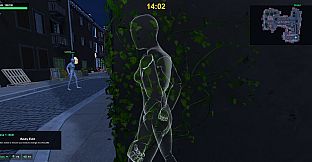
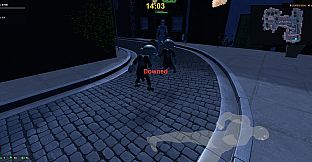
Skill Hiding is a casual asymmetric online hide-and-seek game for PC that blends deception, supernatural abilities, and task completion across matches supporting 2 to 16 players.
Gameplay
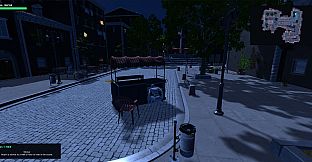
Matches pit one to four Hunters against a larger group of Hiders in a moonlit environment filled with alleys, courtyards, and scattered objects. Hiders receive a 30-second preparation phase at the start of each round to examine the layout, select an ability, and position themselves before the pursuit begins. The core loop requires Hiders to complete specific tasks during the match, which forces movement and creates opportunities for discovery. These objectives cannot be ignored, turning quiet spots into brief respites rather than permanent shelters.
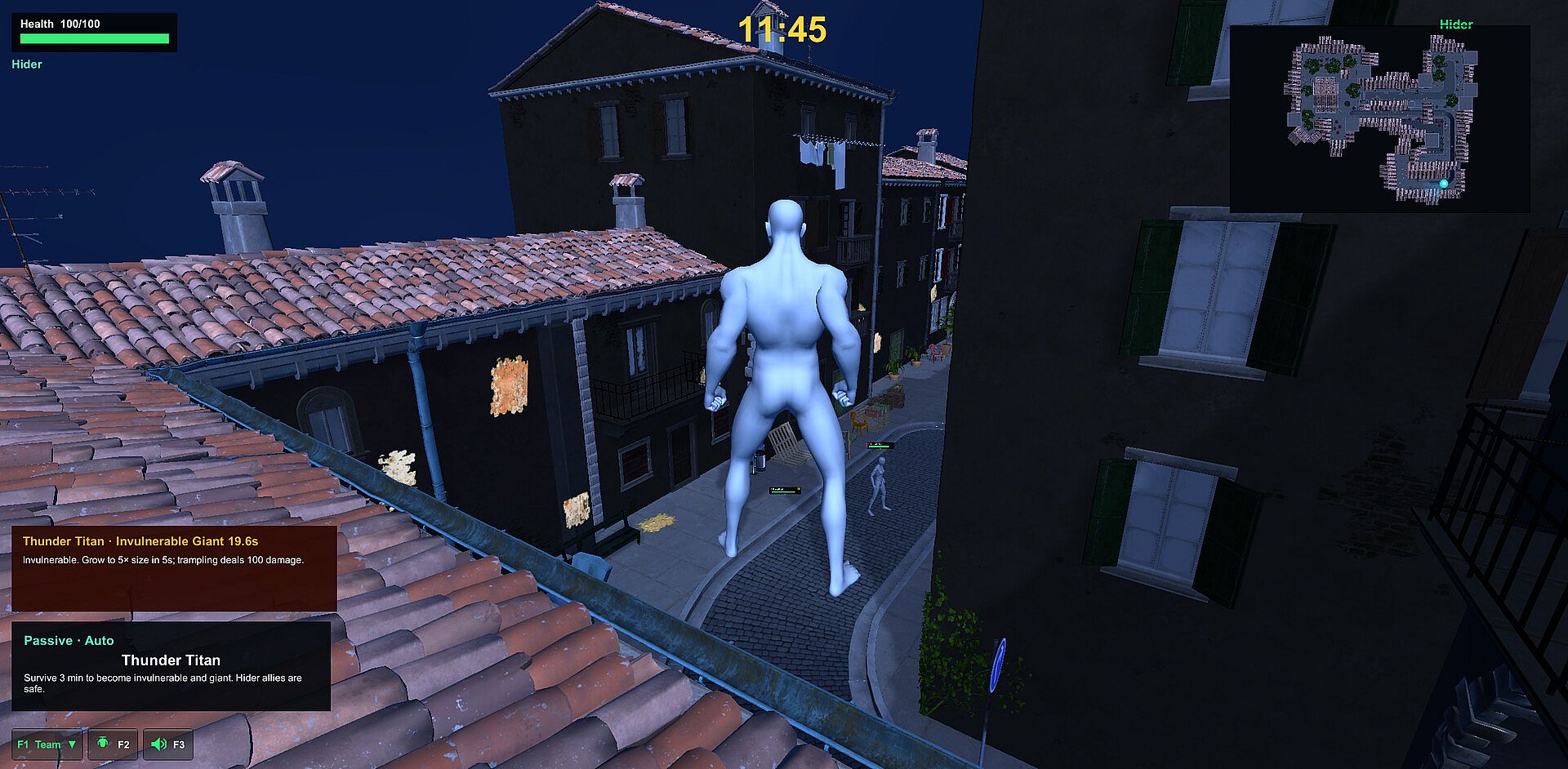
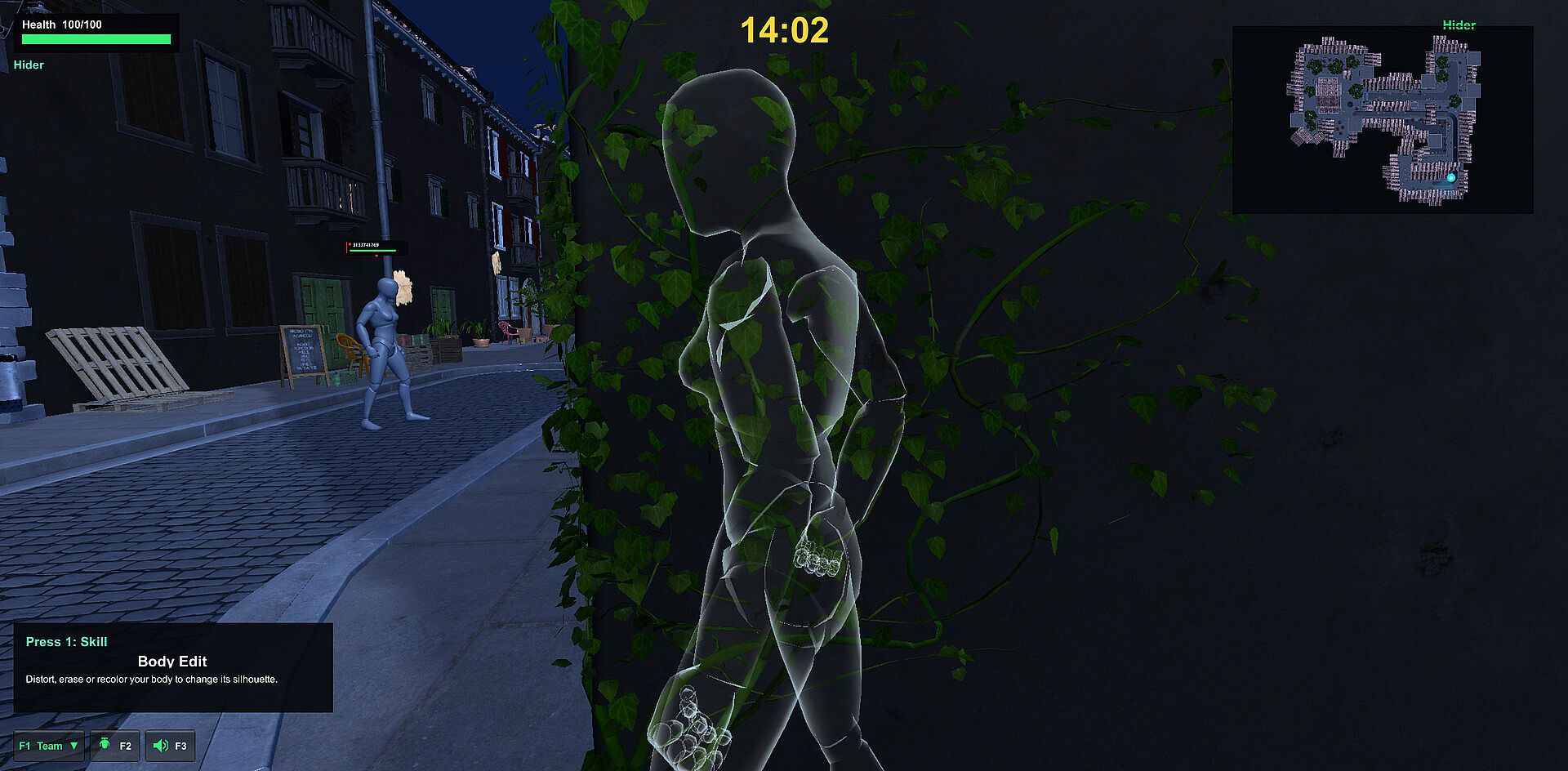
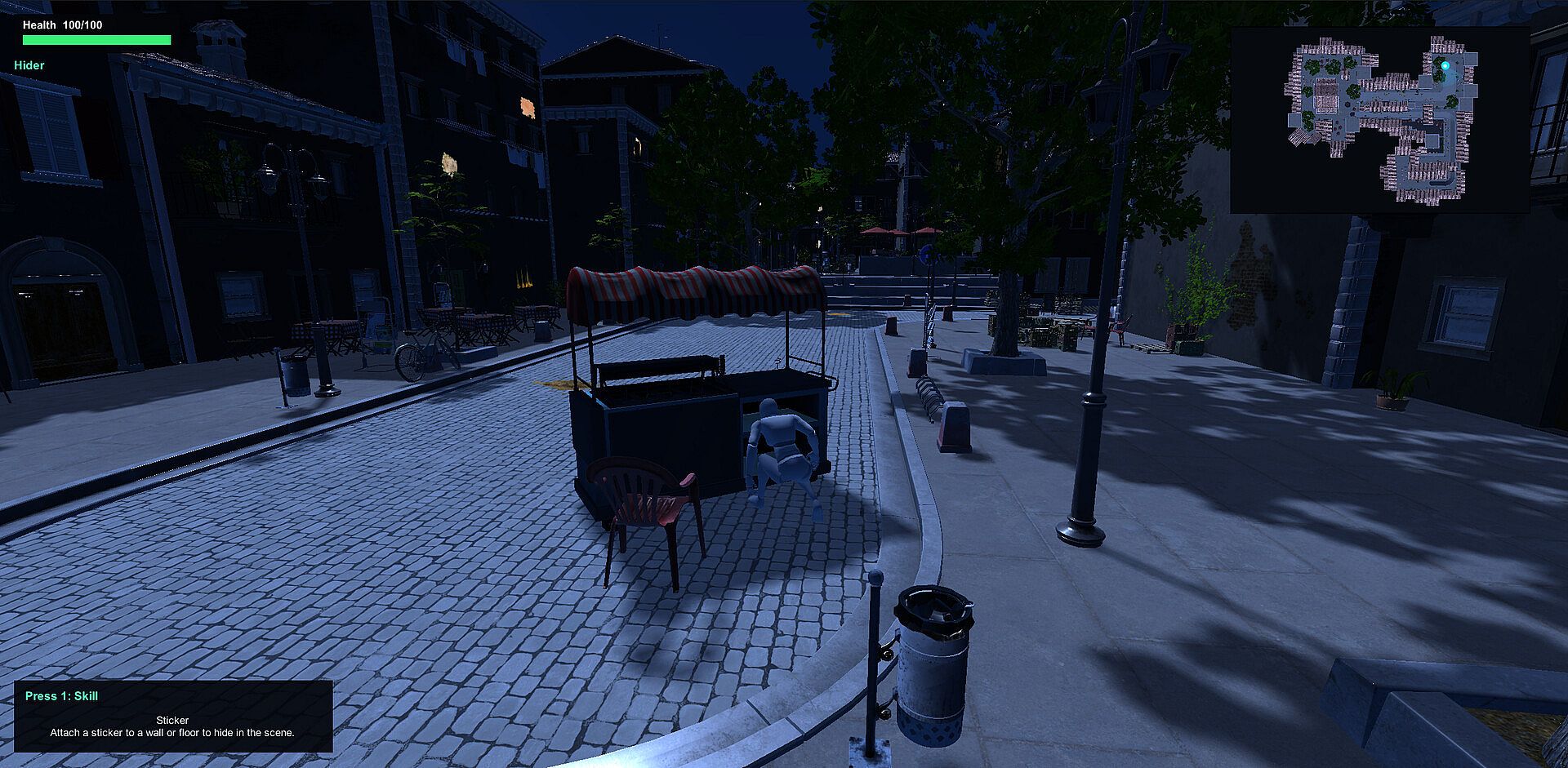
Disguise options form the foundation of Hider survival. Players can copy nearby surface textures, flatten into wall stickers, mimic prop shapes, possess NPCs, alter body form, or move through shadows cast by Hunters. Effective use of these tools allows Hiders to remain unnoticed while advancing objectives. Hunters counter with their own set of tools, including sonar pulses, eye glyphs for detection, tracking traps, position swaps, personal stealth, dice-based duels, toxic areas, and a giant transformation. Each ability set introduces distinct counters and mind games, where intentional noise or false trails can mislead opponents into committing resources.
Game Modes
Skill Hiding centers on scalable asymmetric matches that adjust Hunter numbers automatically based on lobby size. Players form friends-only groups that expand or contract team compositions as participants join. The structure emphasizes coordination on both sides: Hunters share information to separate real clues from distractions, while Hiders combine stealth with timely task execution and group support. No separate named modes appear in the available details, so all play revolves around these variable hide-and-seek encounters that reward planning and adaptability over raw reflexes alone.
Abilities and Counterplay
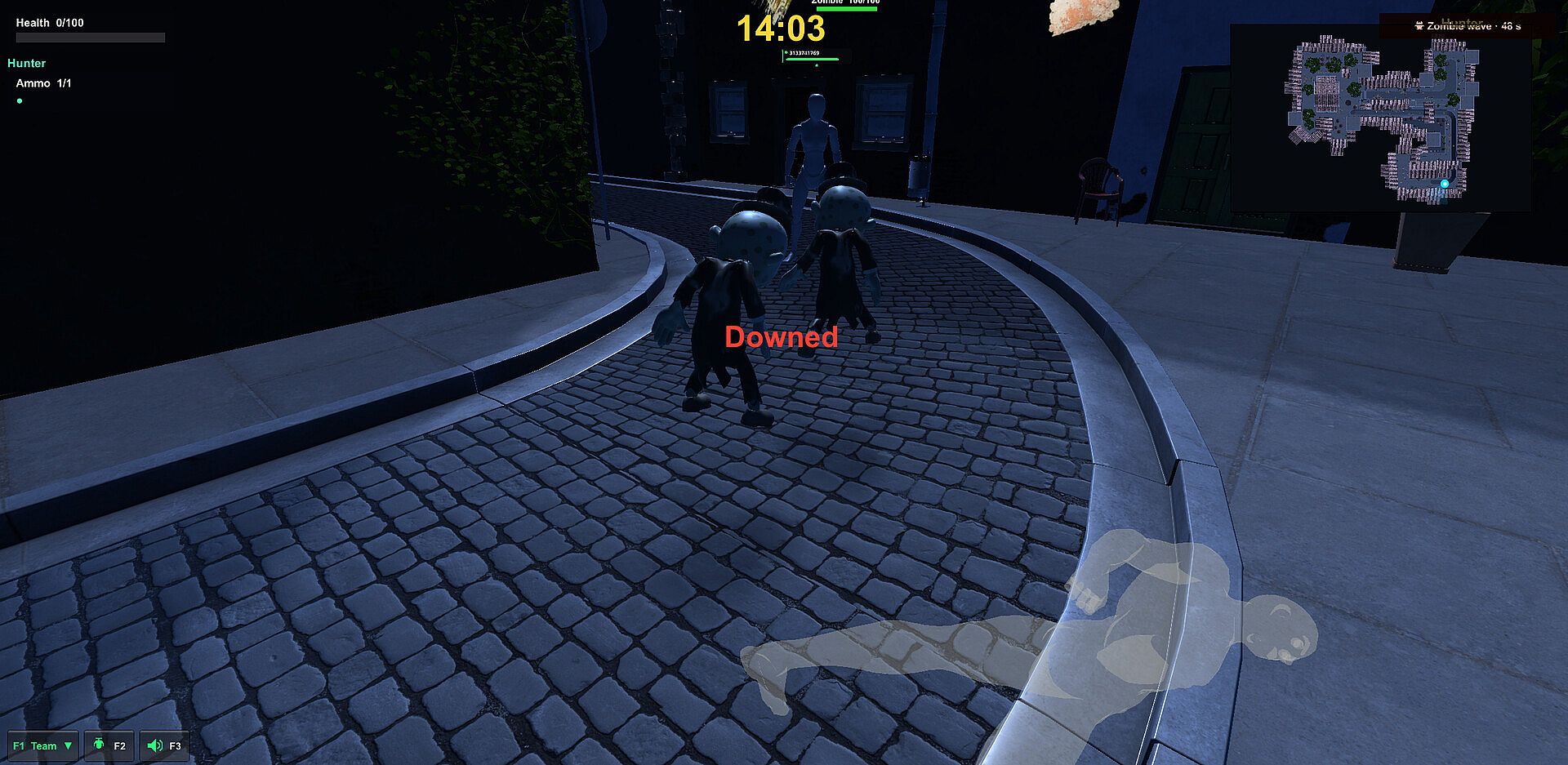
Hiders access eleven distinct abilities that alter survival and disruption tactics. Examples include growing into a thunderous giant, gambling for an extra life, initiating a Wooden Man challenge, summoning zombie waves, revealing Hunters on radar, or projecting a mobile concealment field for the team. Hunters respond with eight powers focused on location and control, such as permanent traps, area denial zones, and high-stakes confrontations. Matchups shift with every ability combination, encouraging players to bait specific counters and exploit assumptions made by the opposing side.
Is It Worth Playing?
Skill Hiding targets players who enjoy asymmetric multiplayer experiences where one side focuses on evasion and objectives while the other conducts searches with supernatural tools. The emphasis on task-driven movement, layered disguises, and ability-based mind games creates repeated sessions built around communication and quick decisions. With a planned release in the near future and no reviews available yet, the game suits groups seeking casual yet strategic sessions that scale with party size. Those drawn to hide-and-seek formats with added powers and objectives will find the described systems align closely with that preference, though final judgment awaits launch and community feedback.