


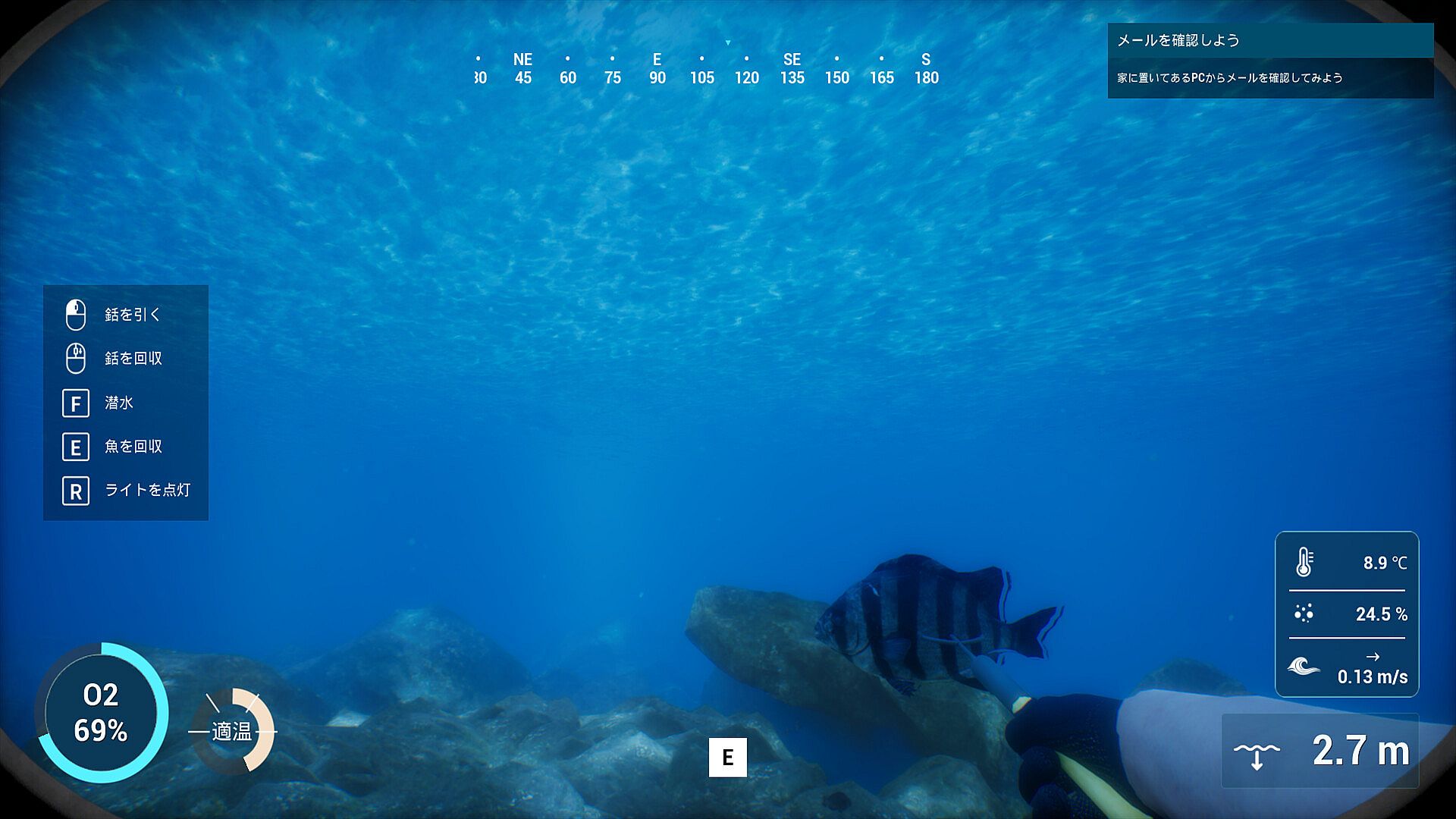
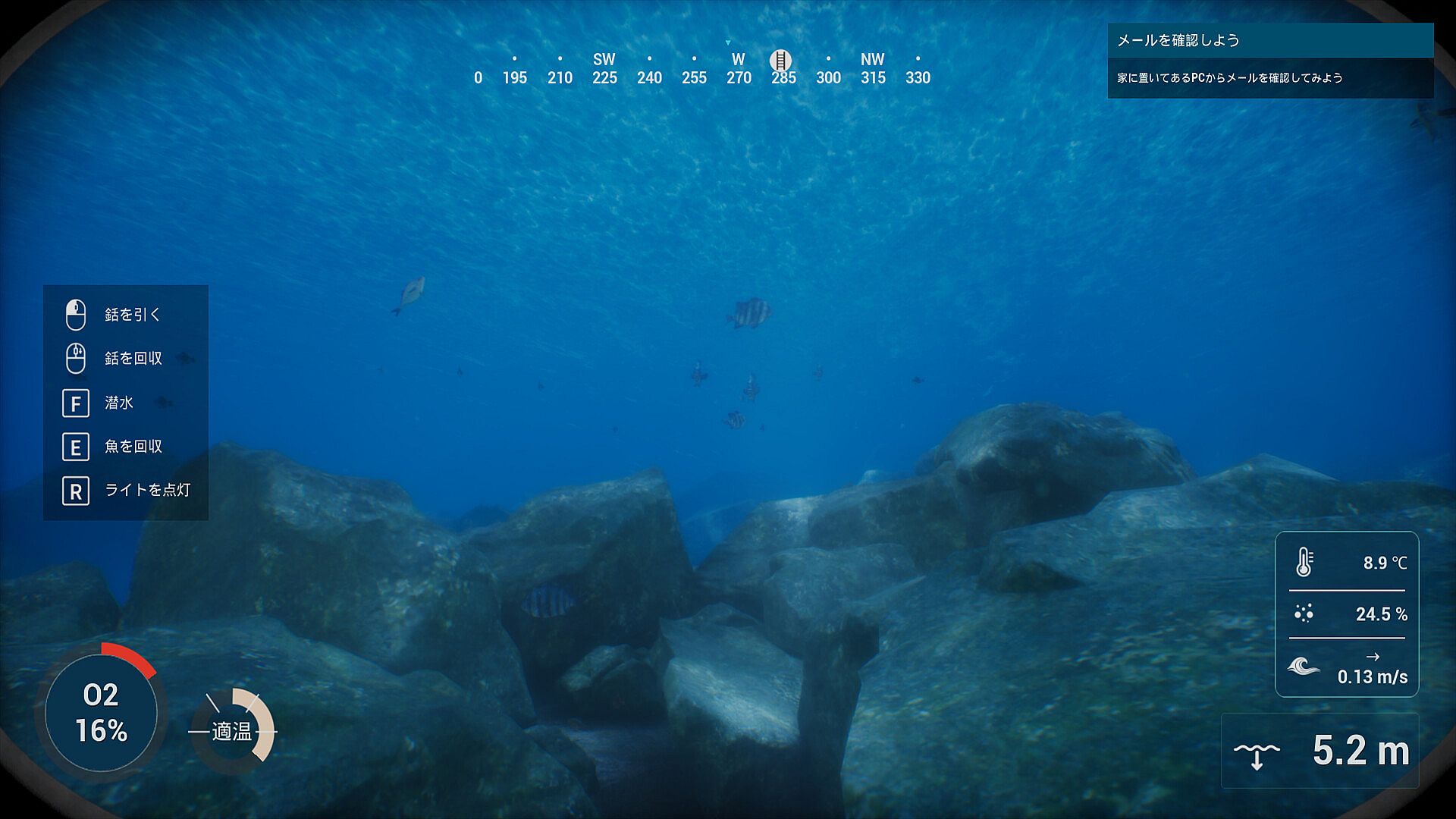
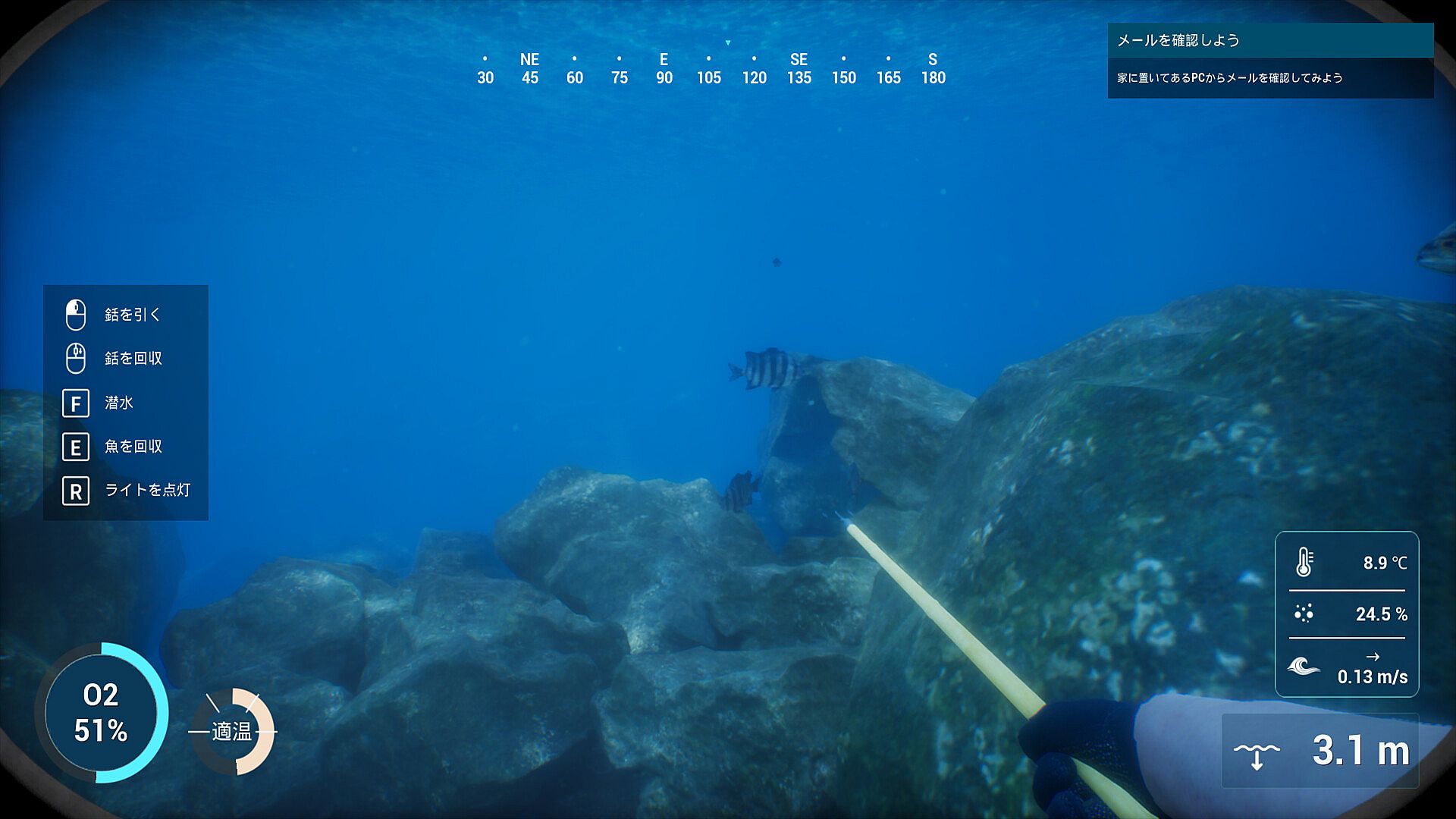

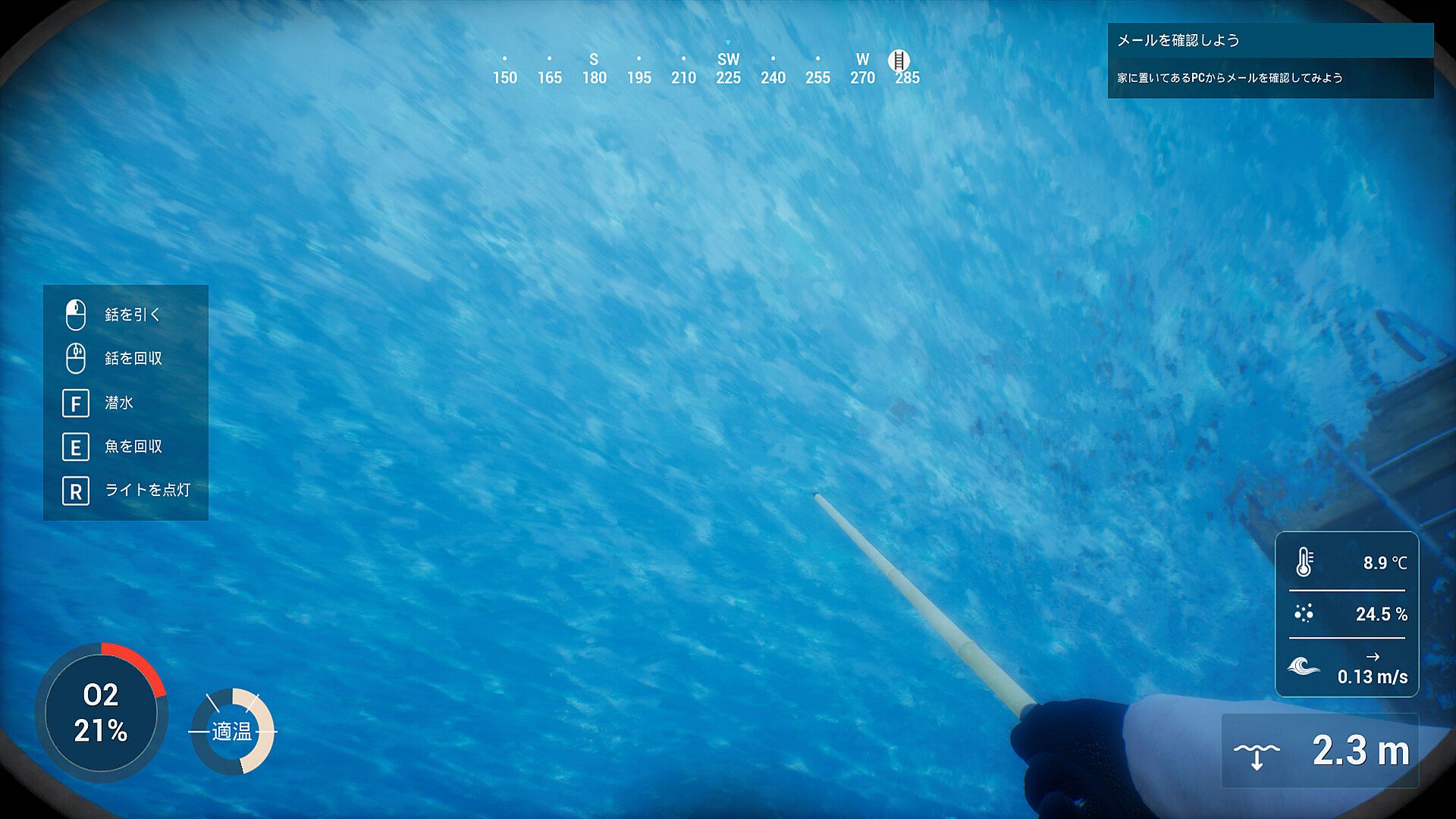
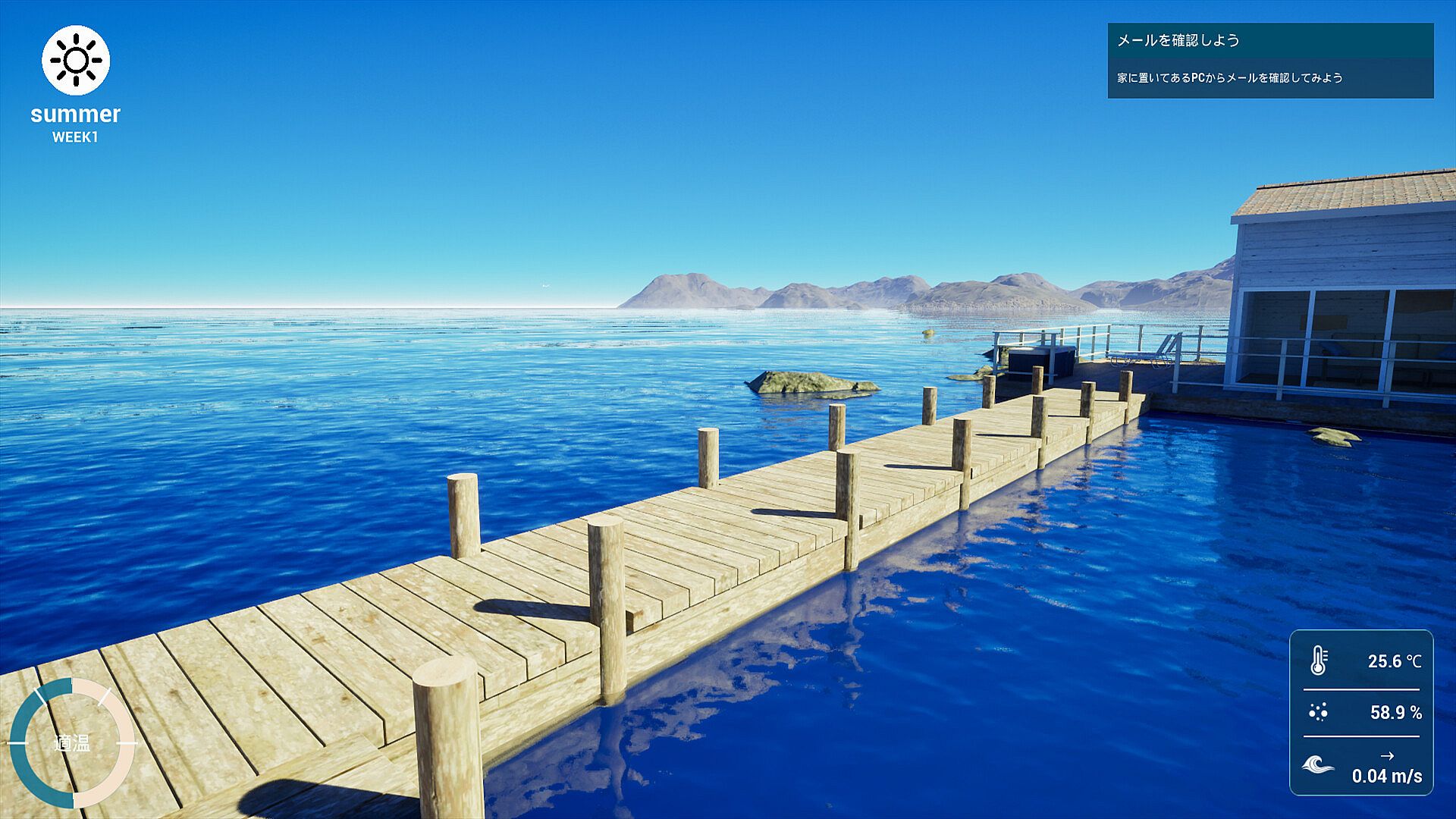
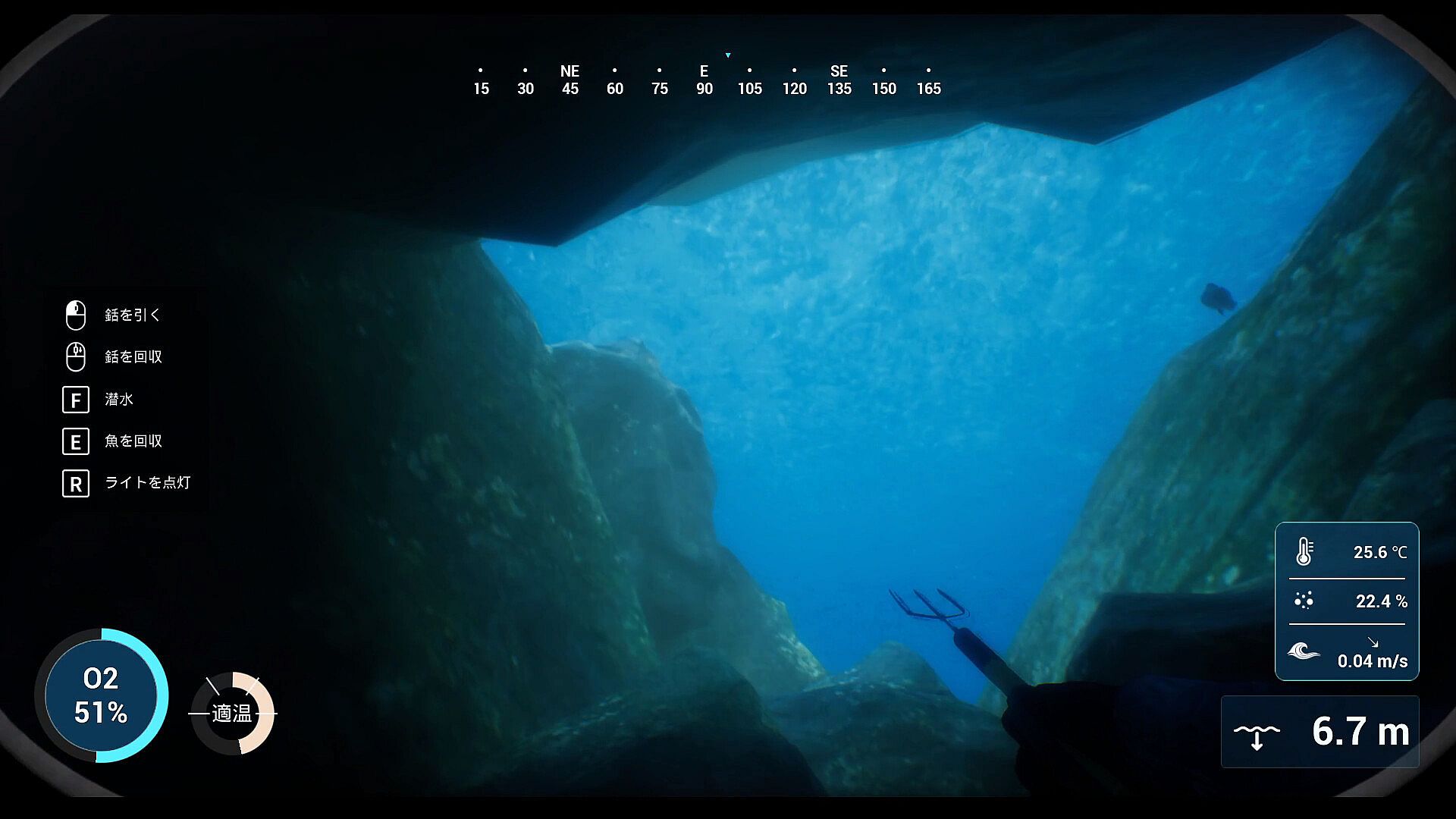
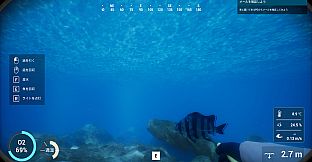
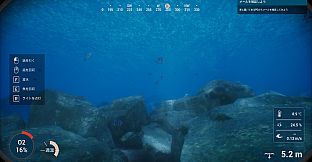
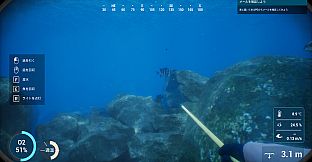

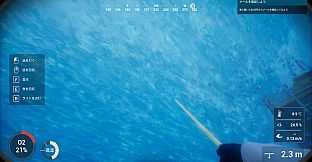

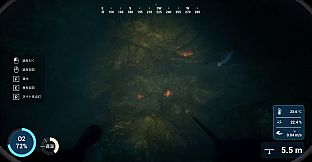
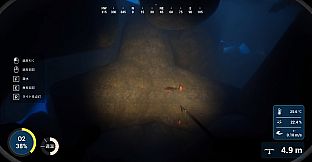
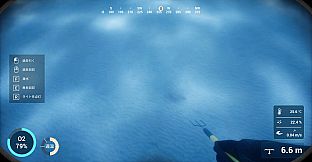
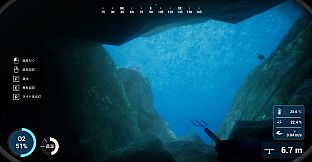
Spear Dive is a first-person simulation sports game developed as an indie title for PC. Players take on the role of a spearfisher who enters the water with basic gear and returns with a secured catch after careful observation and precise strikes. The experience emphasizes realistic underwater tension, fish study, and environmental awareness rather than fast action or combat.
Gameplay
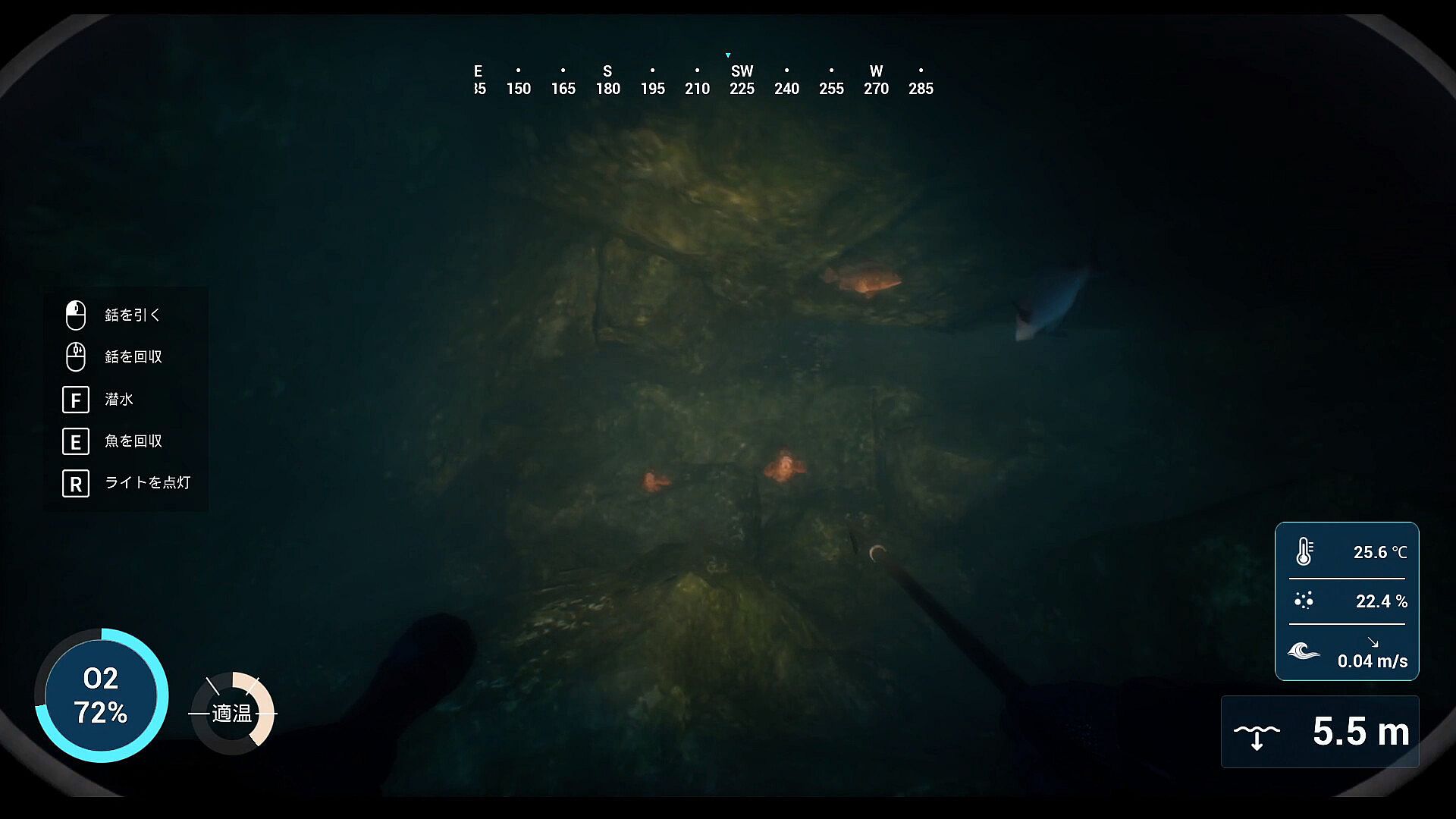
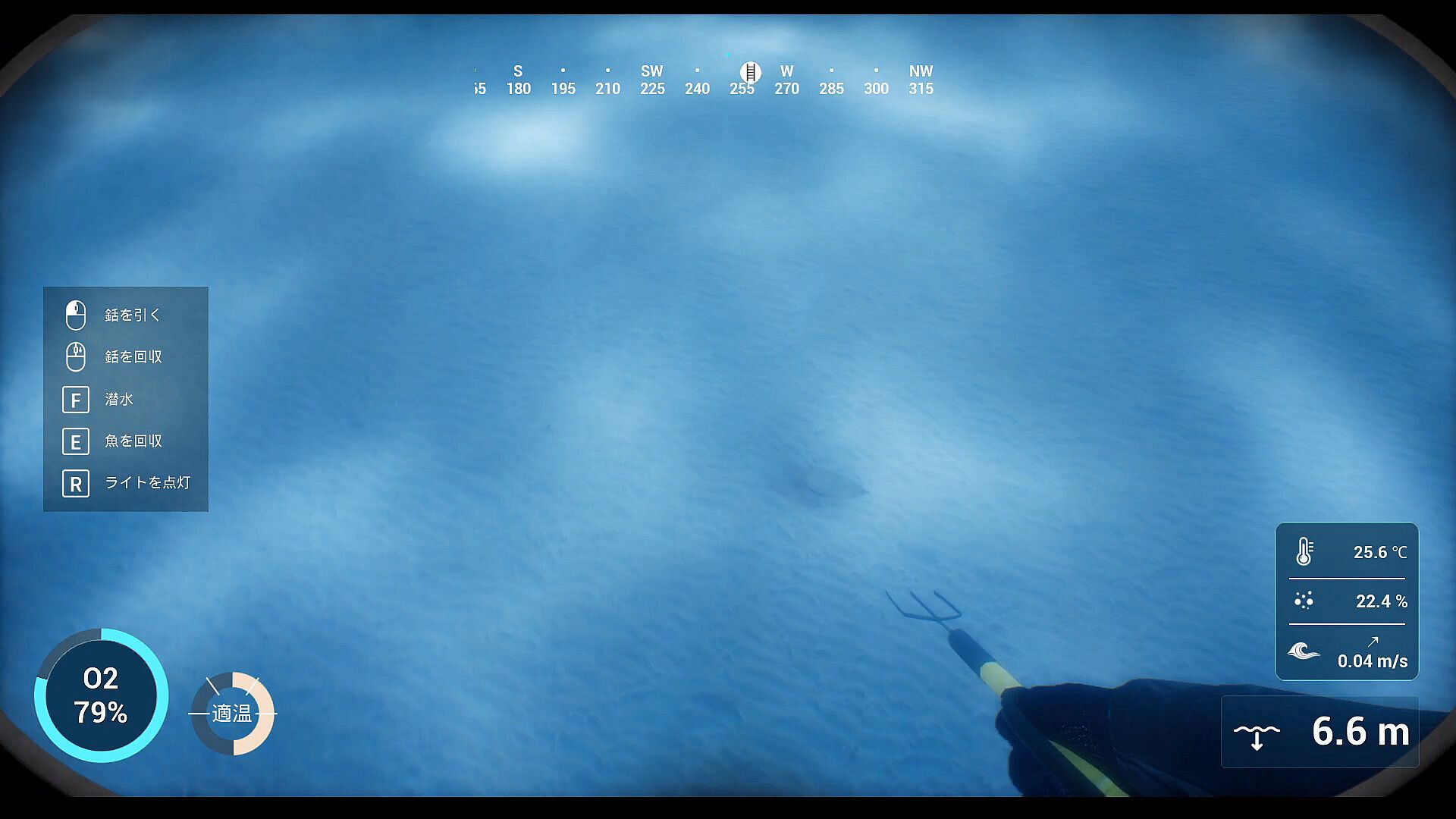
The core loop begins with selecting equipment suited to the target species and conditions. Players descend into varied underwater settings where fish exhibit distinct patterns, such as schooling together, guarding rocky territories, or burying themselves in sand. Approaching too quickly alerts targets and causes them to flee, so success depends on watching movement cycles and habitat preferences before lining up a shot.
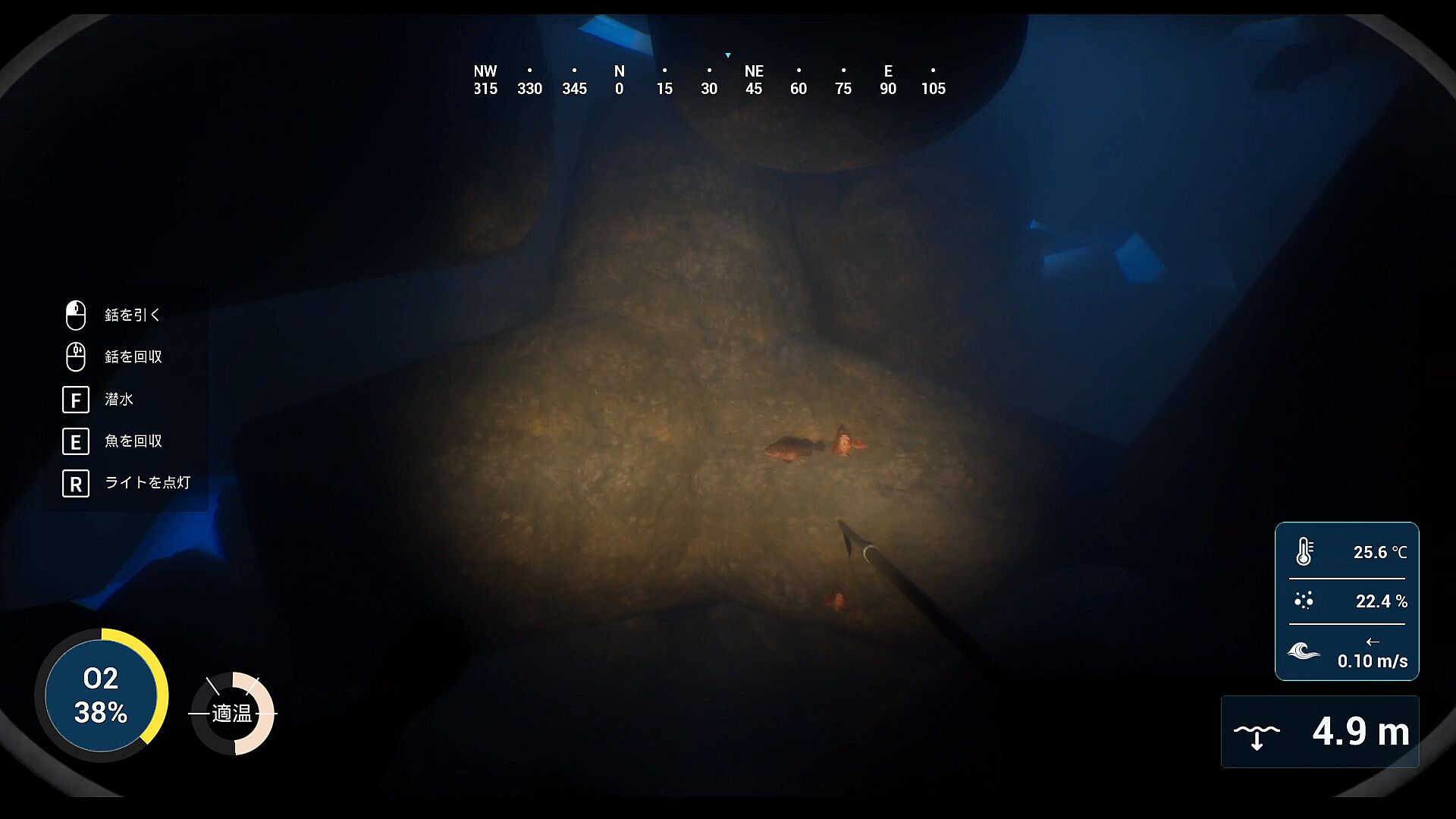
Environmental factors shift constantly. Water temperature, clarity, and wave action change with the seasons, altering visibility and the effort required to maintain position. Oxygen supply and body temperature must be monitored closely, forcing decisions about when to surface and end a dive. These elements create a measured pace where planning and patience determine outcomes more than reflexes.
After a successful hunt, fish are brought to the surface and either sold at the harbor or delivered to meet specific requests. Earnings fund better spears, tips, fins, wetsuits, and lights that improve reach, stealth, or thermal protection. New permits open additional locations, expanding the range of species available for study and capture.
Game Modes
Spear Dive operates as a single-player simulation without separate competitive or multiplayer modes. The primary activity revolves around repeated dives in familiar and newly unlocked waters, with progression tied to equipment upgrades and an expanding encyclopedia of recorded catches. Players adapt strategies across different fish behaviors and seasonal conditions rather than switching between distinct game types.
Exploration of new fishing grounds serves as the main advancement path. Each area presents unique combinations of terrain, species, and environmental variables that reward prior observation and gear choices. The loop of dive, catch, sell or deliver, and upgrade continues across these locations without branching into unrelated activities.
Equipment and Progression
Choice of gear directly influences performance. Different spear tips affect accuracy at range, while fins improve maneuverability and wetsuits help retain heat during longer sessions in colder water. Lights extend visibility in murky conditions, and players experiment to develop a personal approach suited to preferred targets.
Progression occurs through earnings spent on permits and tools. Unlocking new grounds introduces fresh species and challenges, while the encyclopedia tracks every fish returned safely. This system encourages repeated visits to earlier areas with improved equipment to refine techniques and fill out records.
Environmental Challenges
Seasonal shifts affect every dive. Warmer periods may improve visibility but increase fish alertness, while colder seasons demand better thermal management and shorter sessions. Turbidity and wave strength further complicate aim and positioning, requiring players to adjust timing and approach based on current conditions.
Oxygen and temperature management add another layer. Overstaying underwater risks blackout or hypothermia, so divers learn to read their own limits alongside fish behavior. These mechanics reward preparation and discourage reckless extended hunts.
Is It Worth Playing?
Spear Dive suits players who enjoy deliberate, observation-driven simulation experiences in the sports and casual genres. The focus on fish behavior, seasonal changes, and equipment experimentation creates a consistent loop centered on skill refinement rather than story or competition. Those interested in realistic spearfishing mechanics and gradual progression through new locations will find the systems rewarding. The game remains a niche indie title with no confirmed large-scale updates or additional modes beyond the core single-player structure described.