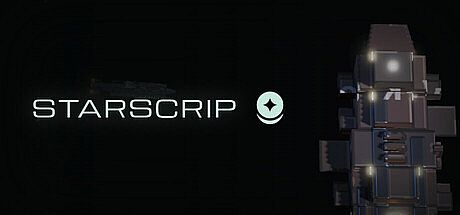


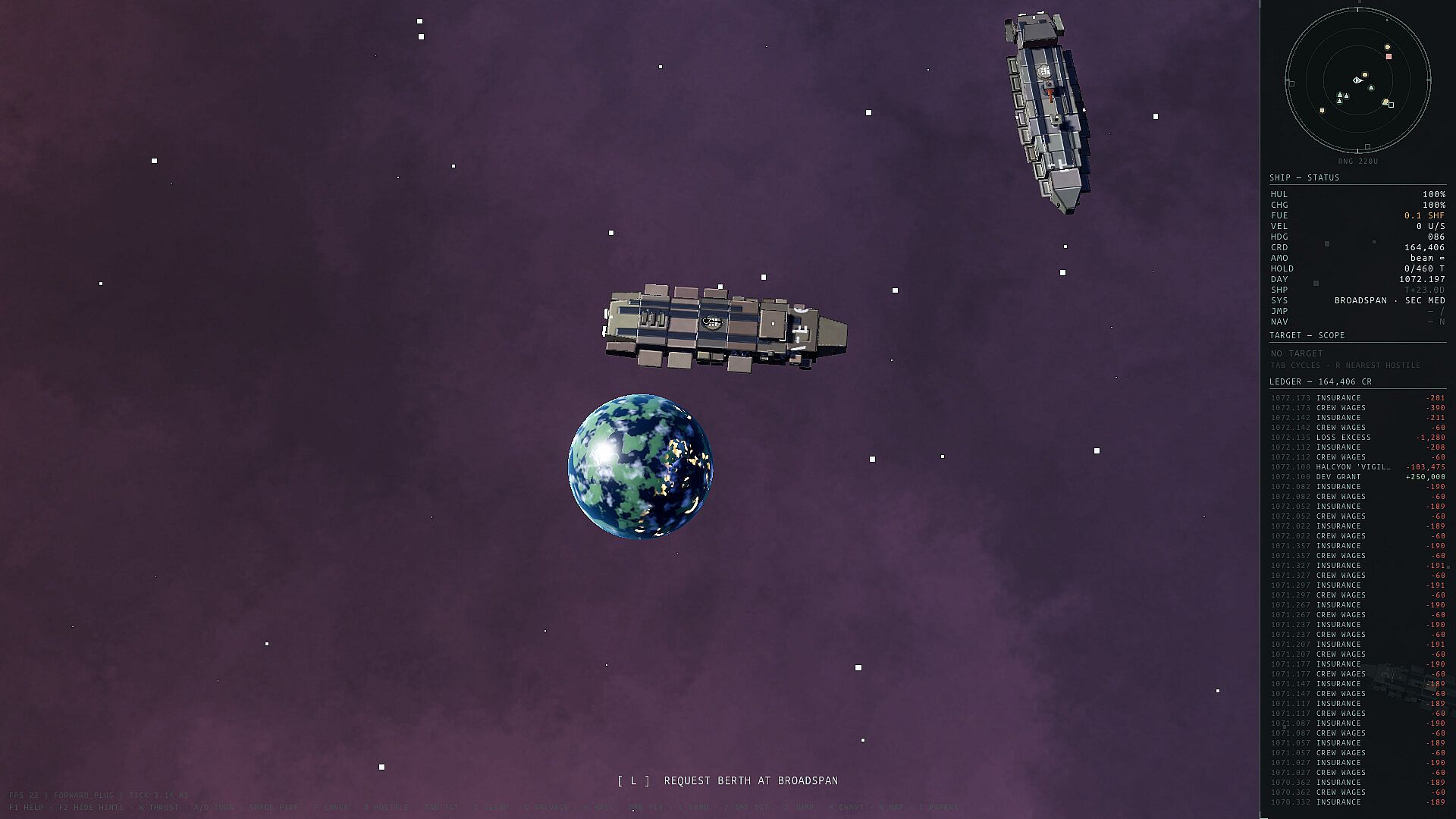
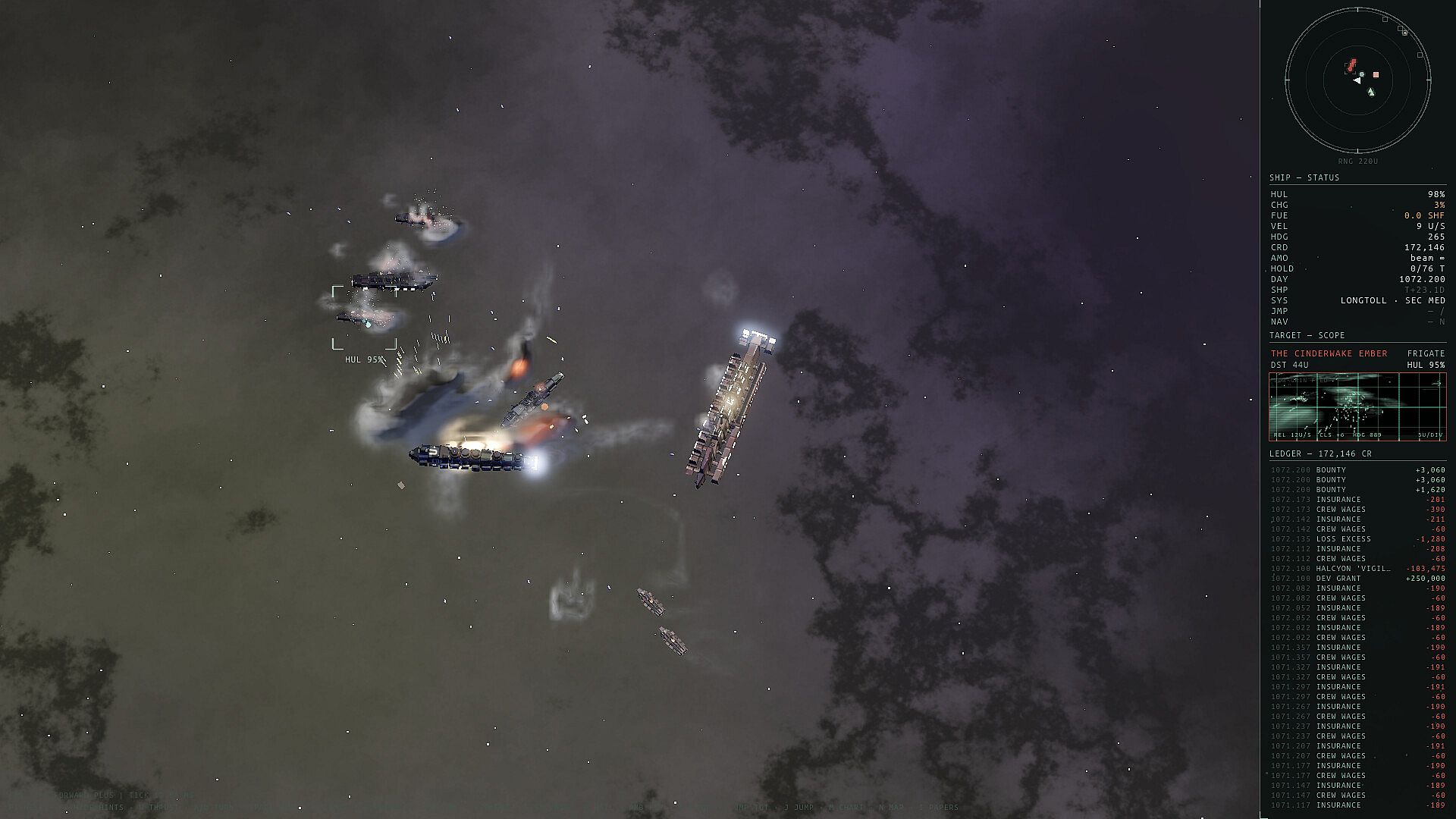
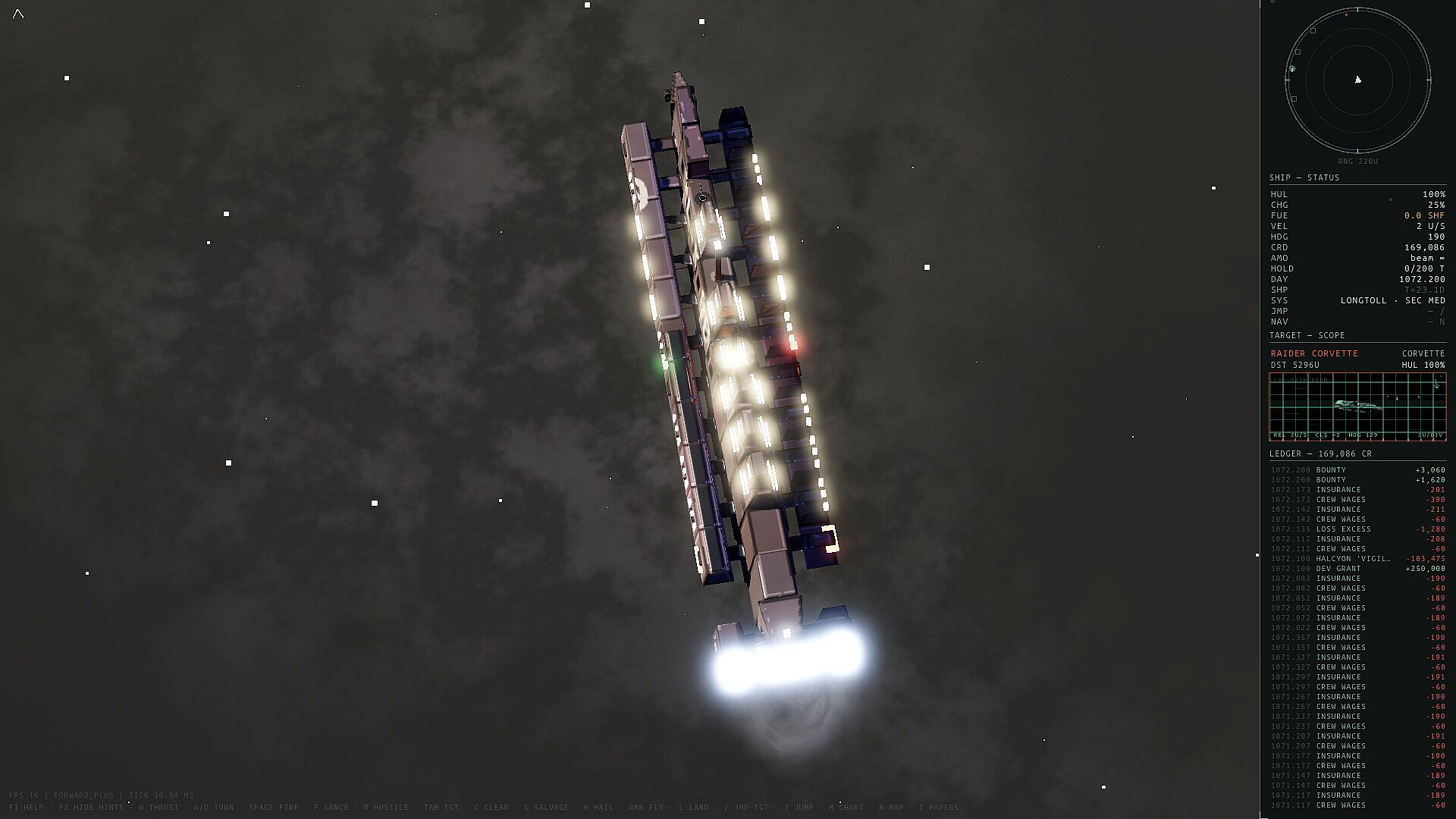
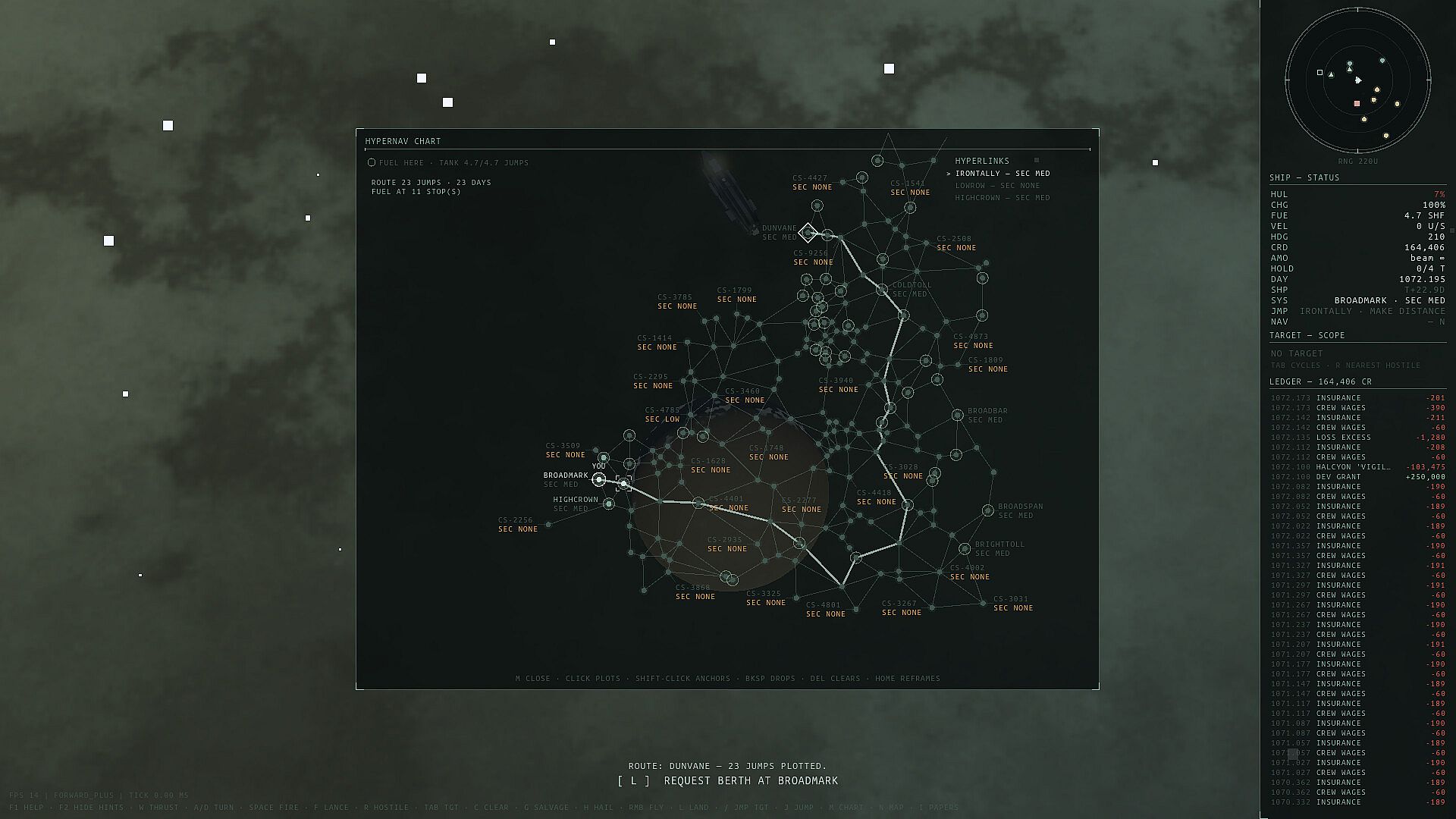
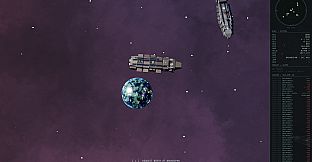
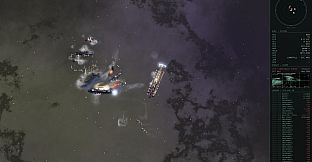
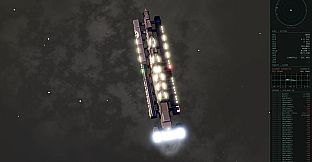
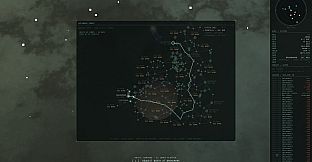
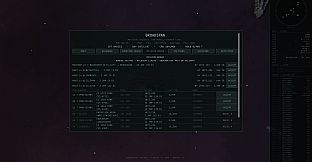
Starscrip to symulacja handlu i walk kosmicznych dla jednego gracza, osadzona w generowanej proceduralnie galaktyce. Gracz zaczyna z niewielkim statkiem i ograniczonym budżetem, trafiając do żywej gospodarki ukształtowanej przez lata wcześniejszej symulacji. Rozgrywka polega na przelotach między rynkami, realizacji kontraktów, walkach statków oraz zarządzaniu zasobami, podczas gdy systemy ekonomiczne i społeczne ewoluują niezależnie.
Rozgrywka
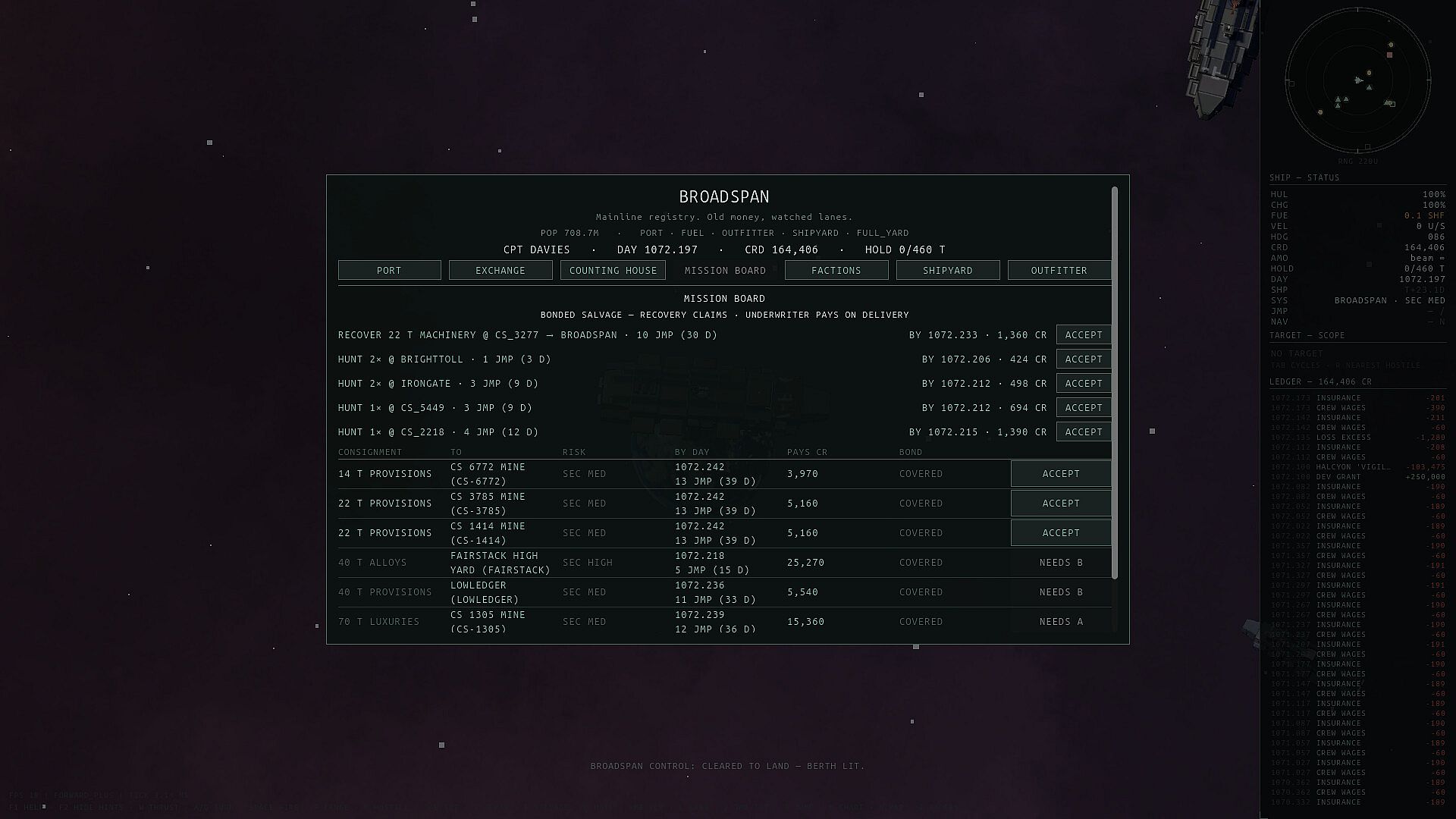
Podstawą jest sterowanie modyfikowanym statkiem w układach gwiezdnych, gdzie podaż, popyt, poziom bezpieczeństwa i liczba mieszkańców wpływają na każdą transakcję. Zlecenia pojawiają się na lokalnych tablicach i odzwierciedlają aktualny stan rynku - od niedoborów podbijających ceny po zagrożenia, które zmieniają trasy. Ulepszenia statku pochodzą ze stoczni, których oferta zależy od symulowanej gospodarki, umożliwiając stopniowy rozwój poprzez lepsze kadłuby, uzbrojenie i systemy obronne. Zarządzanie kredytami obejmuje polisy ubezpieczeniowe chroniące przed stratami, a ranking bojowy odzwierciedla skuteczność w starciach - od działań defensywnych po ofensywne operacje.
Postęp wiąże się bezpośrednio z symulacją. Ceny towarów zmieniają się w zależności od bieżącej produkcji, konsumpcji i wydarzeń nagromadzonych w historii galaktyki. Gracz może zajmować się piractwem, atakując słabo chronione transporty, działać jako kaper na określonych warunkach, pozyskiwać części i ładunki z wraków lub ścigać nagrody wyznaczone za konkretne cele. Wszystkie te działania wpływają na te same systemy kredytów i rankingów, które regulują legalne szlaki handlowe.
Tryby gry
Starscrip działa wyłącznie w trybie jednoosobowym. Główna rozgrywka osadza gracza w jednej z wcześniej zasymulowanych galaktyk, gdzie codzienne cykle trwają po dwutysiącletnim okresie przygotowawczym. Tablice zleceń aktualizują się zgodnie z lokalnymi warunkami, a gospodarka reaguje na działania gracza bez zewnętrznych ingerencji. Osobne narzędzie pozwala generować dodatkowe galaktyki z własnymi parametrami, z których każda prowadzi niezależną symulację opartą na tych samych regułach.
Brak elementów wieloosobowych. Cały postęp, walki i handel odbywają się w obrębie wybranej instancji galaktyki, a symulacja zachowuje spójność między sesjami dzięki trwałym rejestrom i danym bezpieczeństwa.
Symulacja i tworzenie galaktyk
Galaktyka rozpoczyna się od dwutysiącletniego modelowania dzień po dniu, które ustala centra populacji, salda bankowe, ceny surowców i poziom bezpieczeństwa granic, zanim gracz się pojawi. Te dane określają warunki wyjściowe każdego rynku i nadal ewoluują po rozpoczęciu rozgrywki. Wbudowany generator pozwala tworzyć nowe galaktyki z eksperymentalnymi ustawieniami, generując za każdym razem świeże krajobrazy ekonomiczne i bezpieczeństwa.
Każda transakcja, umowa i konflikt oddziałuje na te wartości. Rynek z niedoborem towarów podnosi ceny, a zwiększone bezpieczeństwo w jednym regionie może skierować handel ku mniej patrolowanym układom. Symulacja śledzi te zmiany bez potrzeby ciągłego udziału gracza, tworząc tło niezależne od pojedynczej sesji.
Czy warto zagrać?
Starscrip jest przeznaczony dla graczy ceniących metodyczny handel kosmiczny z elementami walk i zarządzania zasobami. Format jednoosobowy i trwała symulacja zapewniają samowystarczalną rozgrywkę, w której decyzje dotyczące tras, wyposażenia i kontraktów mają znaczenie w wielu sesjach. Ponieważ gra nie została jeszcze wydana i nie ma recenzji użytkowników, jej atrakcyjność opiera się na opisanych mechanikach misji zależnych od gospodarki, rozwoju statku oraz narzędzi do tworzenia galaktyk.
Osoby zainteresowane szczegółowymi symulacjami jednoosobowymi mogą docenić możliwość generowania wielu galaktyk i obserwowania, jak różne warunki początkowe wpływają na długoterminową rozgrywkę. Brak trybu wieloosobowego i aktualizacji sezonowych na tym etapie skupia uwagę wyłącznie na podstawowej pętli handlu i walk w każdym symulowanym środowisku. Potencjalni gracze mogą dodać tytuł do listy życzeń, aby otrzymać powiadomienie o premierze.