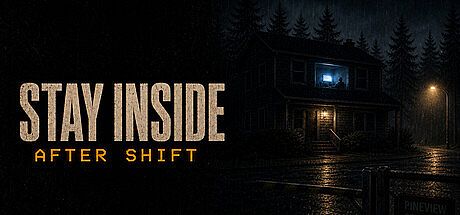


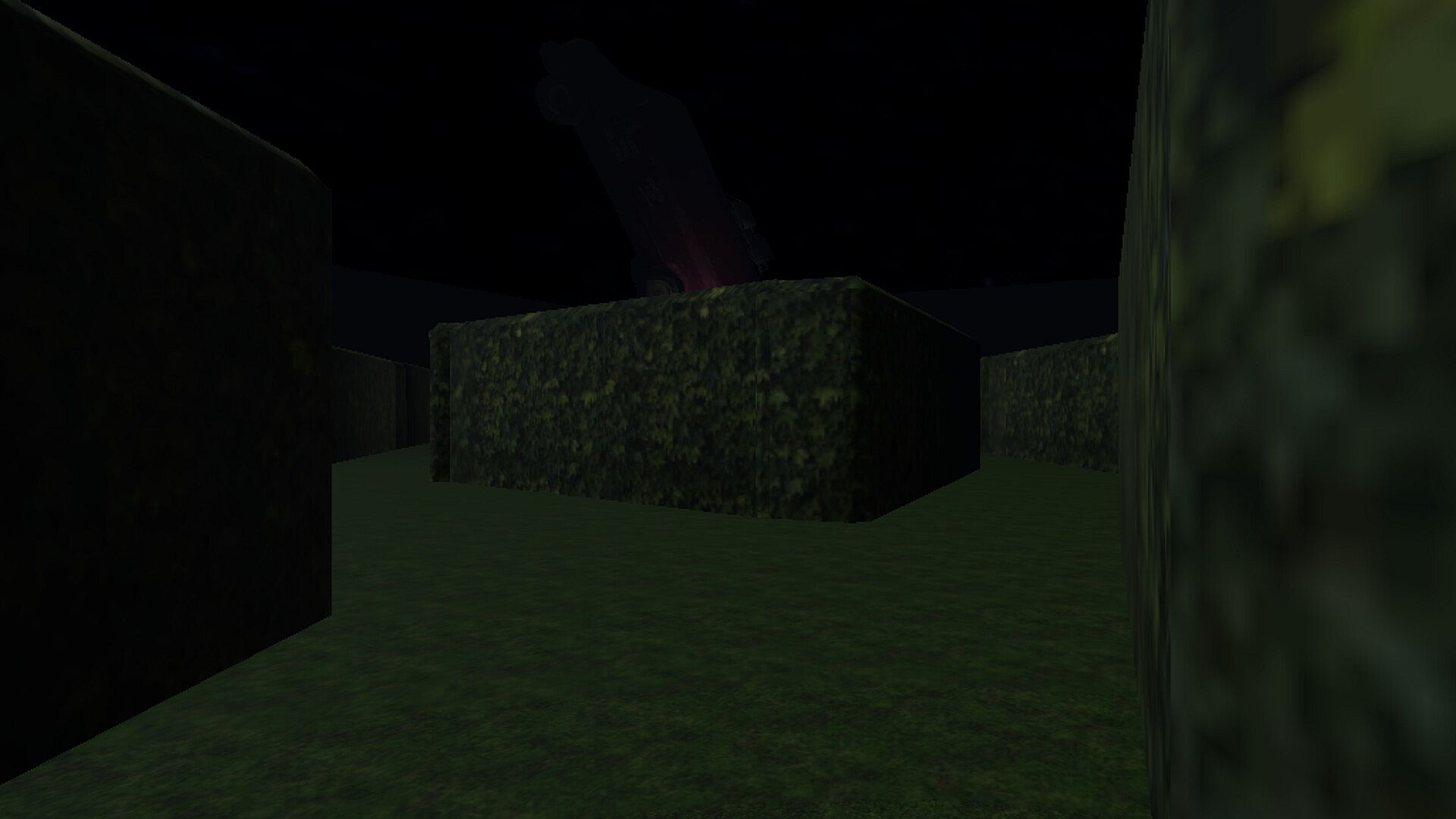
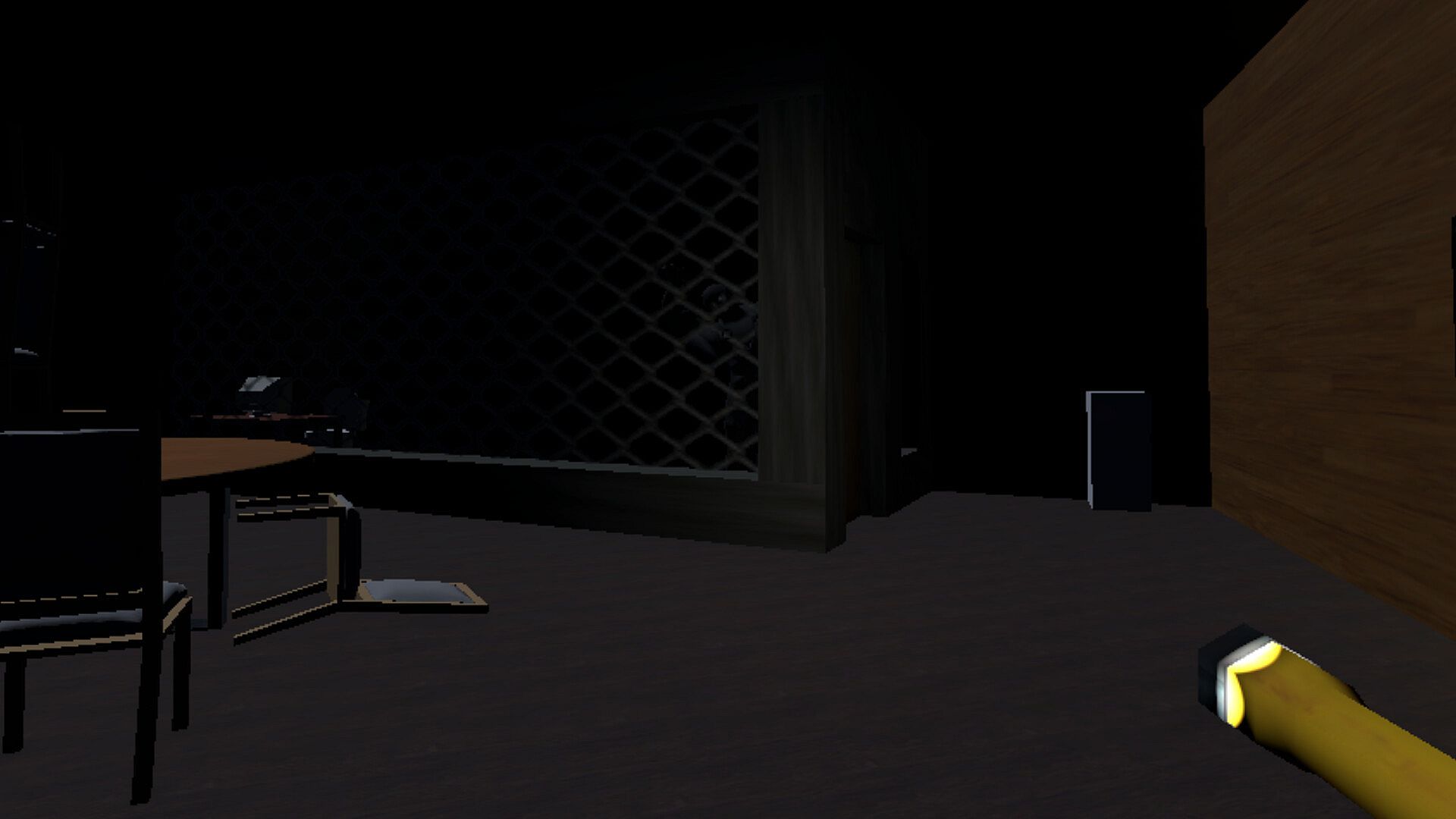
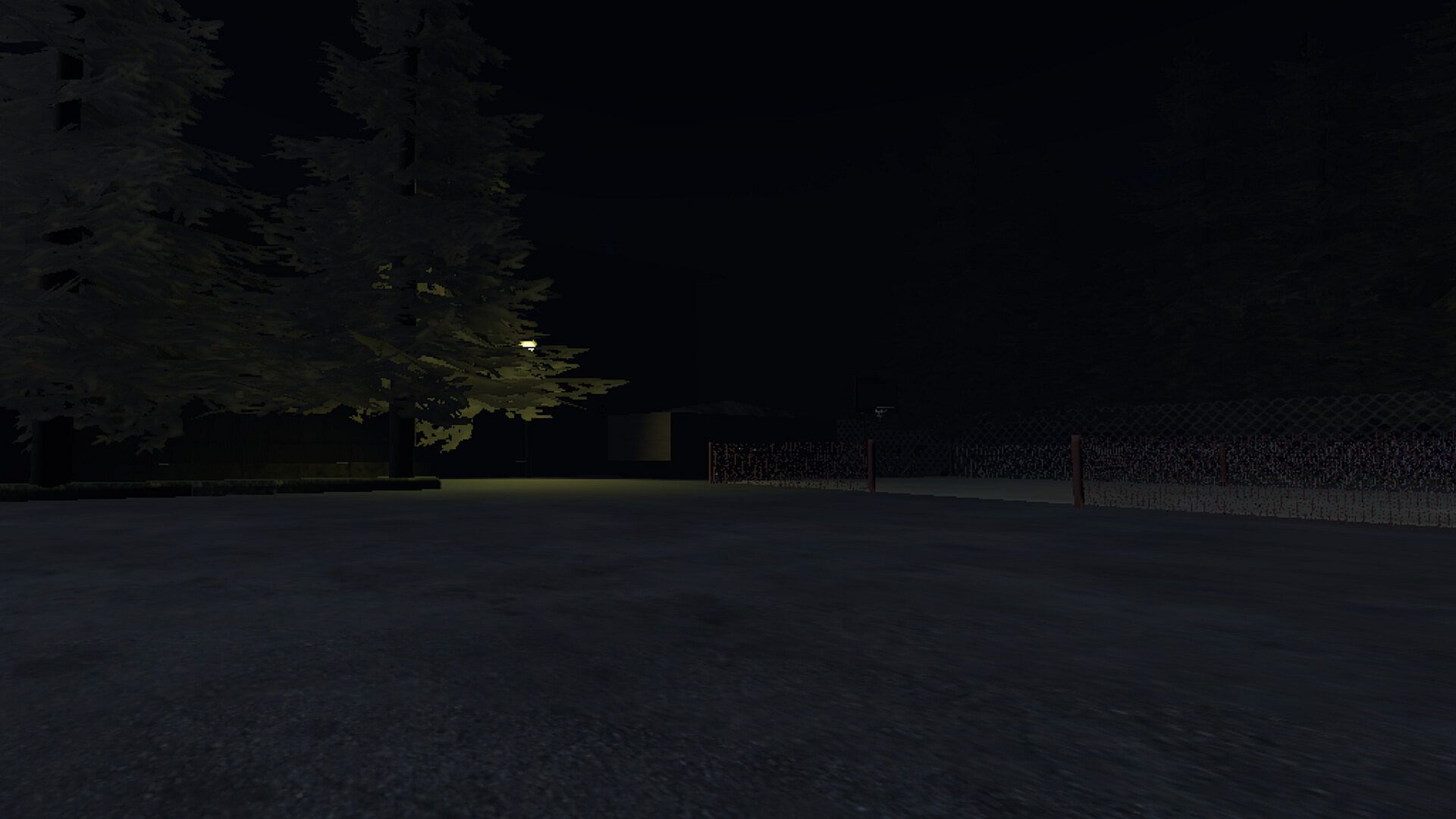
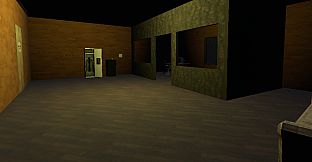
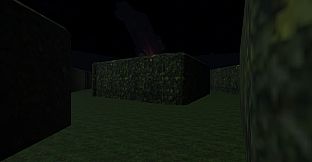
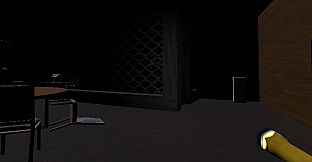
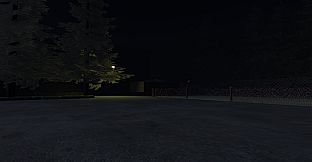
Stay Inside: After Shift is a first-person psychological horror simulation game set on PC. Players take on the role of a night watchman in 1996, handling an isolated industrial post surrounded by pine trees. The experience centers on routine duties that gradually give way to unease as the shift extends beyond the workplace into the drive home and the quiet of the house.
Gameplay
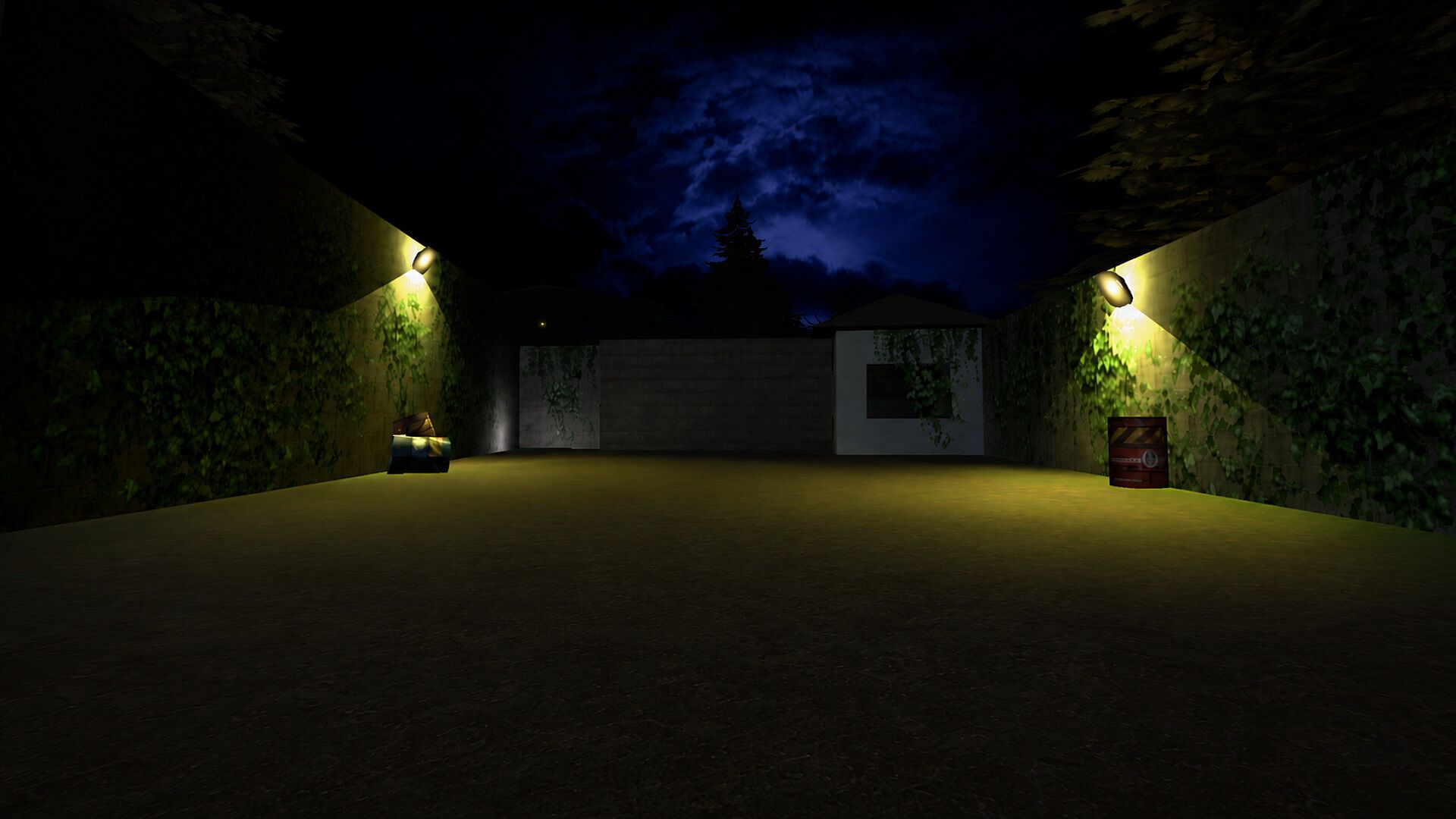
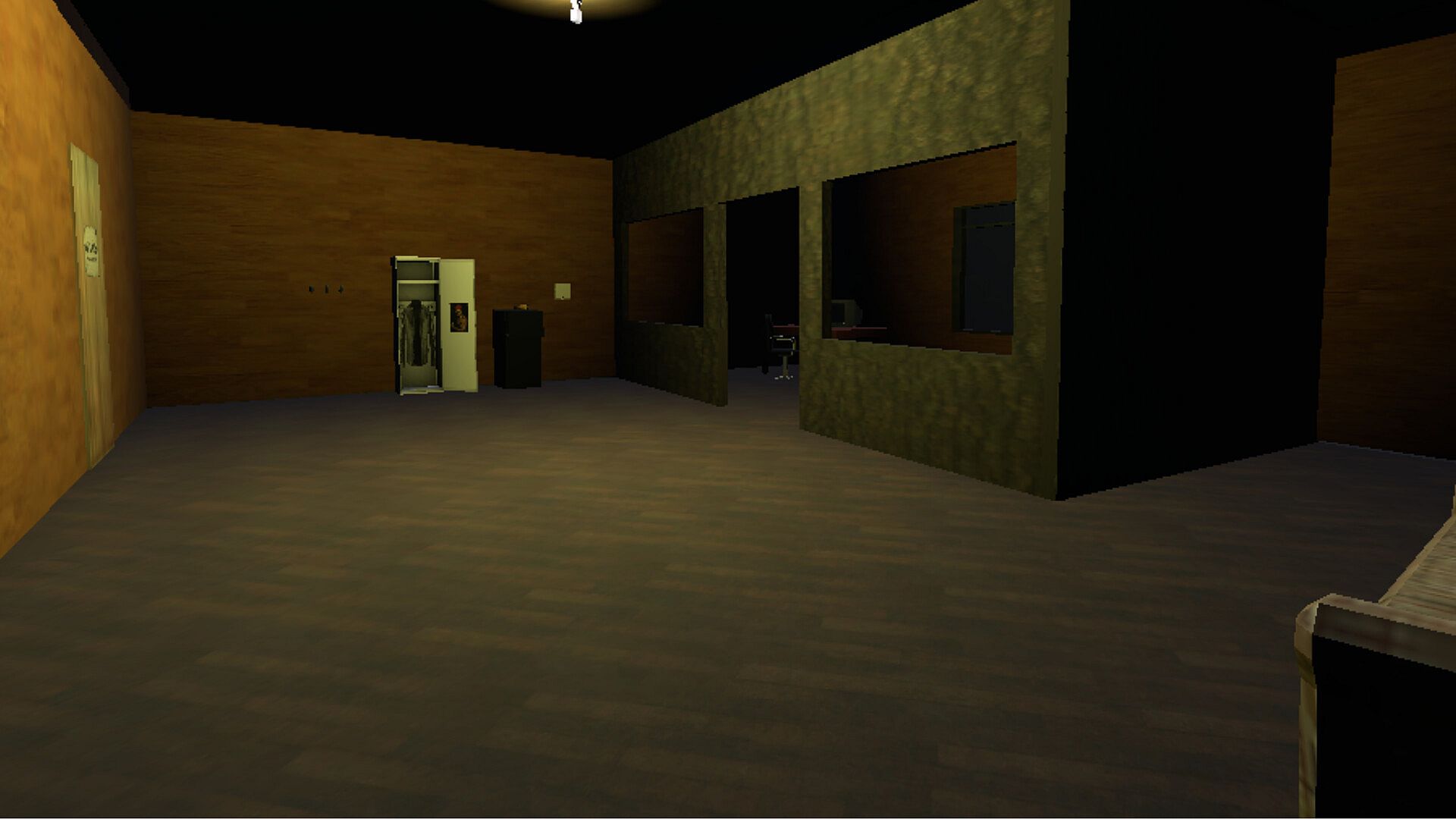
The core loop revolves around completing checklists during each of four night shifts on specific dates. Early shifts emphasize professional tasks such as foot patrols around the guardhouse, monitoring the yard, warehouse, and perimeter, and operating cameras and gates. Interaction stays grounded in everyday items including keys, a flashlight, groceries, and a radio or beeper. Players control doors, light switches, and inspect objects while managing a realistic inventory that holds only practical supplies.
After clocking out, the game continues with a drive along wet roads through forest and asphalt. At home, the focus shifts to domestic routines like turning off lights, dealing with the hum of the fridge, and using a retro computer that includes a first-person shooter minigame with global leaderboards. Environmental details build tension through analog aesthetics inspired by the PS2 era, complete with screen filters and grain. Sound design emphasizes natural elements such as wind, footsteps, and silence to heighten the sense of isolation without any action-oriented music.
Progression follows a narrative and time-based structure. Each completed night unlocks the next date on the calendar. The challenge comes from noticing subtle changes, fulfilling duties precisely, and navigating moments of investigation in low light or the persistent feeling of being observed. A save system allows pacing across the short-to-medium campaign length of several hours.
Game Modes
The game offers a single-player campaign divided into four night shifts. Each shift breaks into three connected phases: the job at the industrial post, the commute home by car, and the time spent in the house afterward. The structure begins with straightforward, mundane objectives that evolve as the calendar advances, introducing elements out of place or camera feeds showing unexpected details. No additional modes exist beyond this linear narrative experience.
Objectives remain consistent with shift checklists that include refueling the car, purchasing groceries, locking gates, and performing post duties. Full interaction with the environment supports exploration without combat systems or skill progression. The connected map links the workplace, road, and home, making the after-shift portion integral to the unfolding events.
Atmosphere and Immersion
Visuals draw from found-footage materials and retro hardware, creating a grounded feel through detailed first-person exploration. Players manage analog tools and observe CCTV feeds from an isolated guardhouse, where silence and distant sounds replace high-energy effects. The design avoids fast-paced action, instead relying on the weight of repeated routines and the gradual introduction of unsettling anomalies.
Inventory management stays limited to ordinary objects, forcing careful attention during patrols and inspections. The home section adds layers through interactions with household items and the in-game computer minigame, providing a brief nostalgic contrast within the overall tension. This setup reinforces the psychological focus on isolation and the transition from work to personal space.
Is It Worth Playing?
Stay Inside: After Shift suits players who appreciate slow-building psychological horror centered on routine and attention to detail rather than combat or jump scares alone. The single-player campaign delivers a contained story across four nights with no required additional content. Those drawn to first-person exploration, checklist-driven tasks, and atmospheric sound in a simulation framework will find the experience aligns with its described emphasis on immersion and narrative progression. The game contains mature themes and disturbing elements, so it targets fans of the genre who value tension derived from everyday settings turning unfamiliar.