

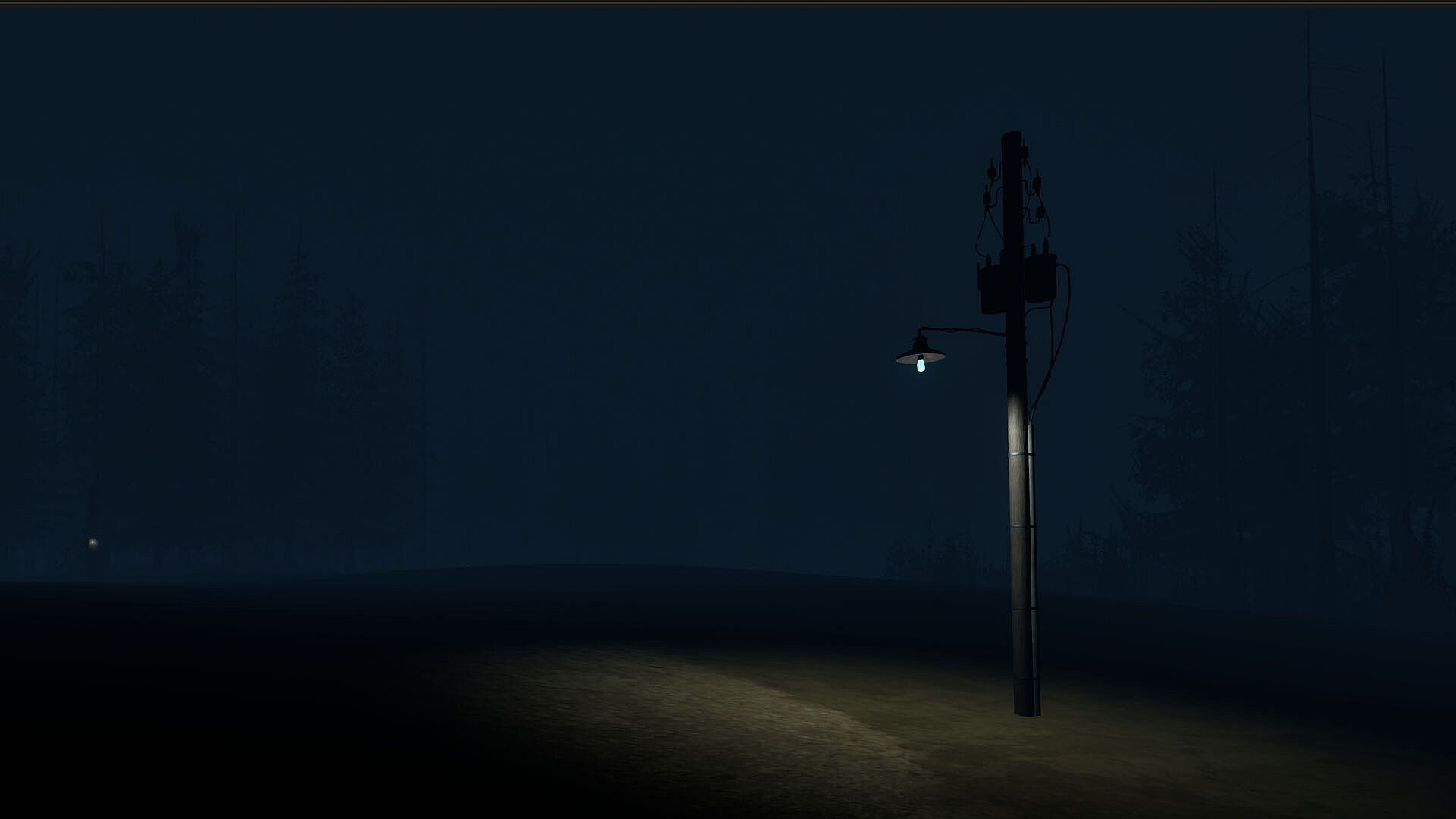
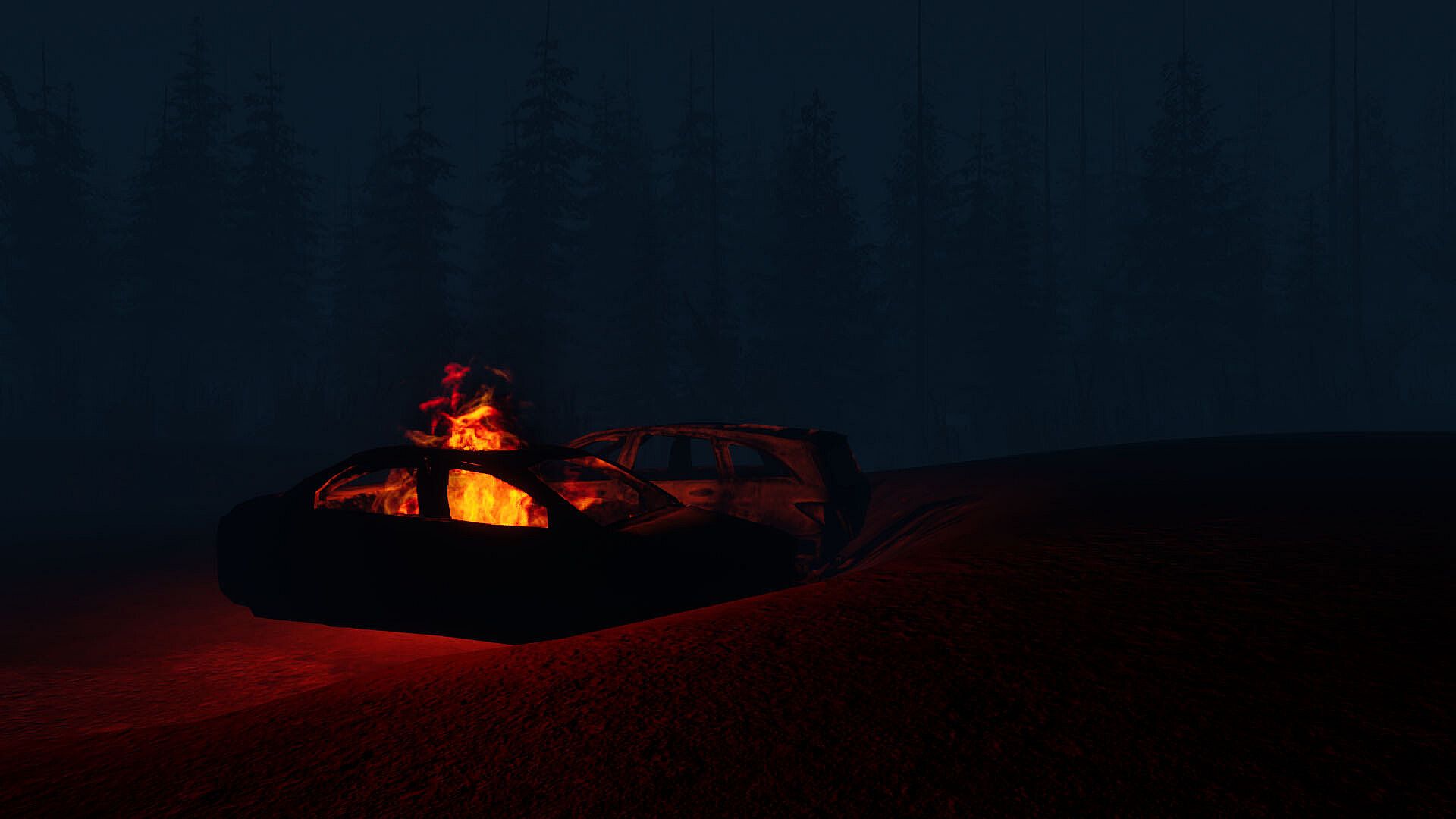
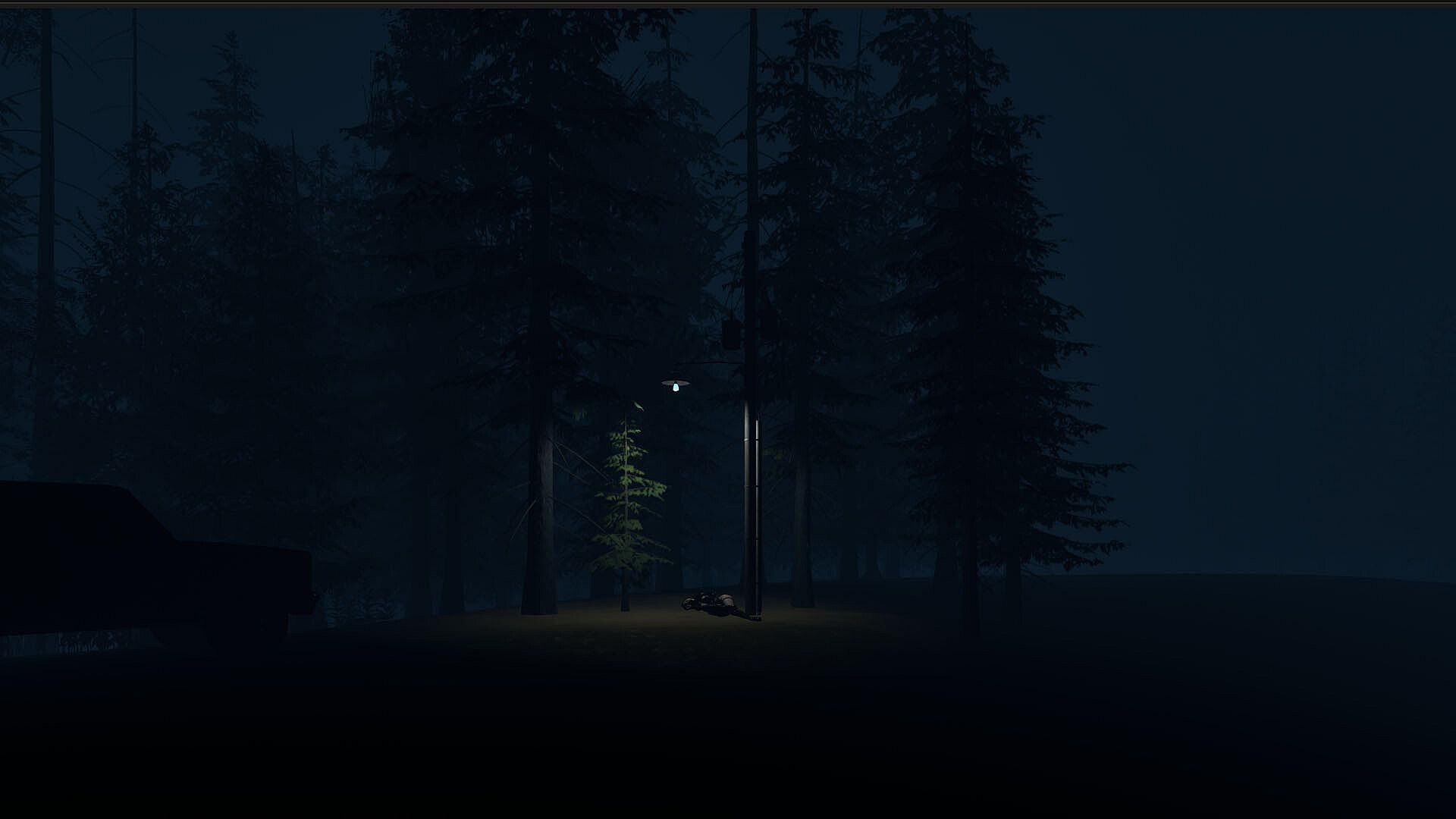
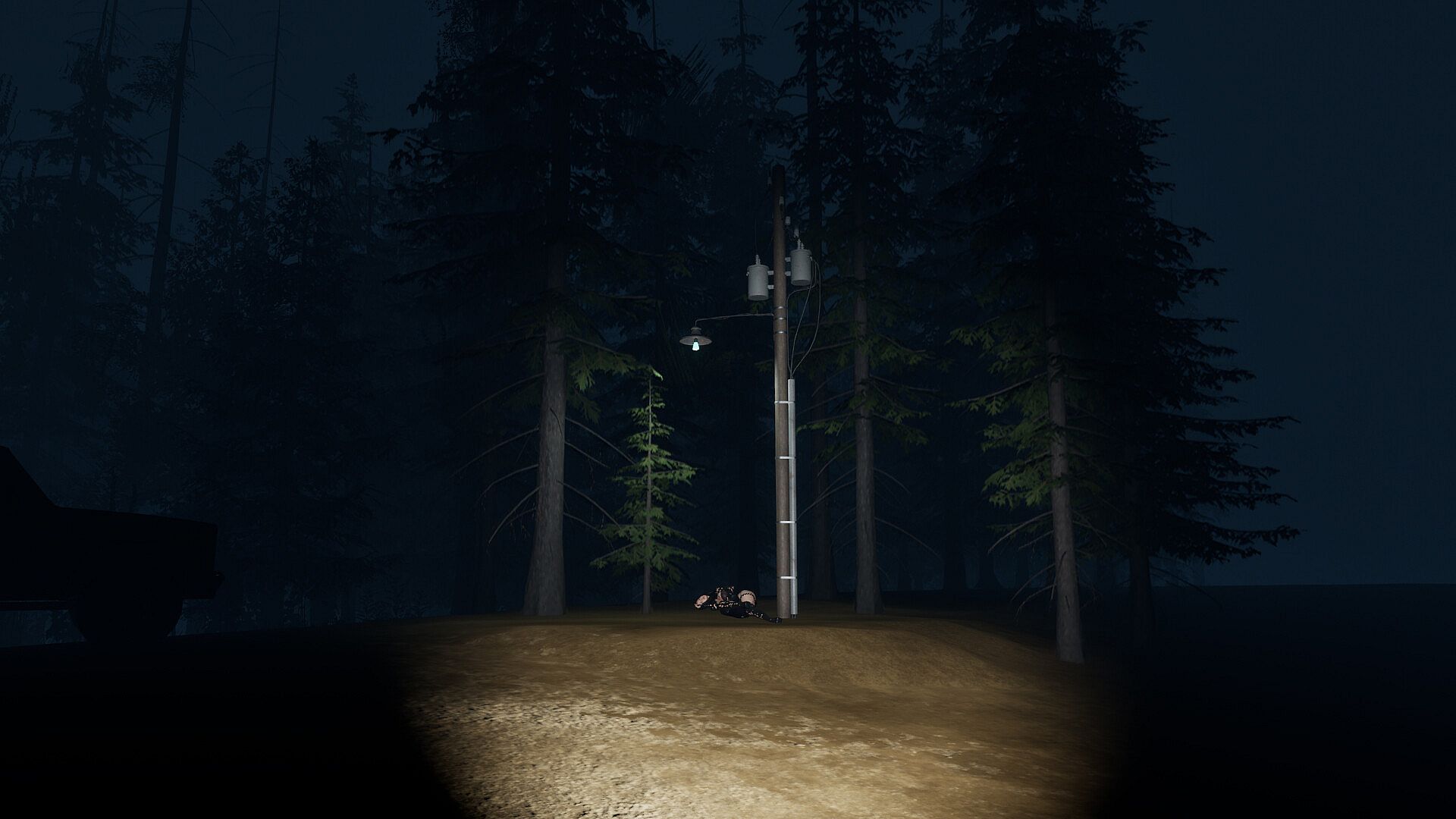
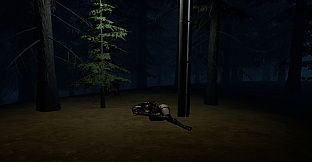
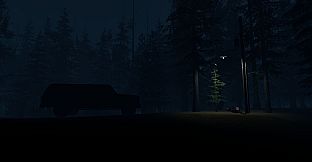
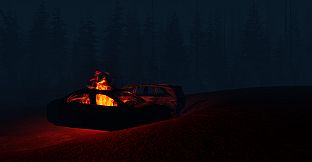
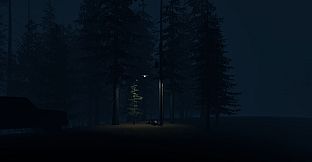
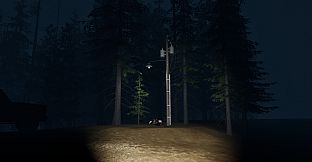
Stray Light is an indie RPG set on PC that places players in a forest trapped by eternal darkness. The experience centers on exploration, puzzle-solving, and resource management as the player navigates a shrinking safe zone while uncovering the history of the cursed woods through environmental storytelling.
Gameplay
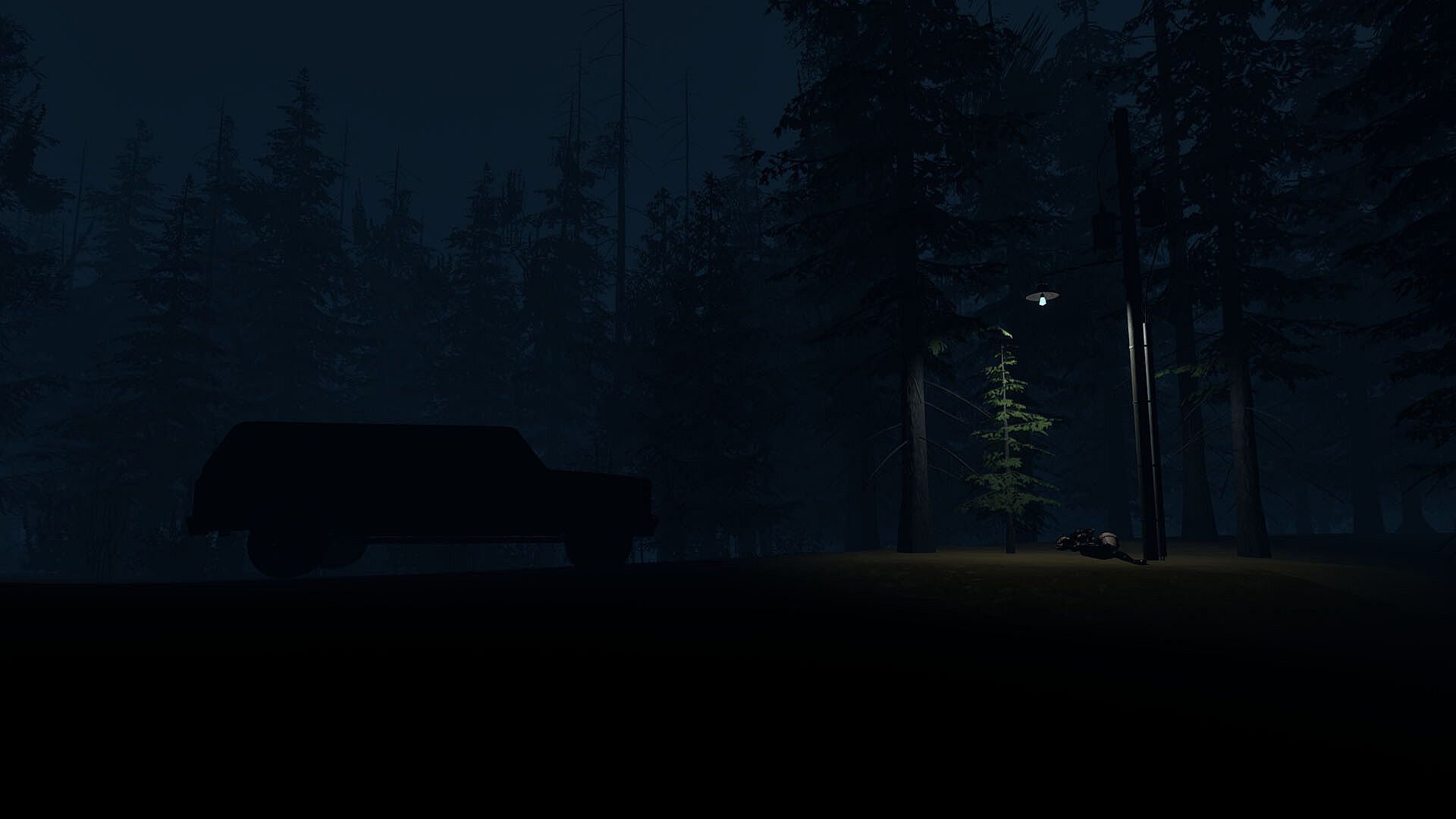
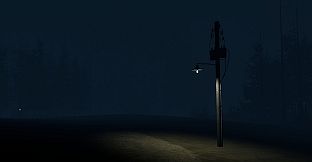
The core loop revolves around dual-world switching. Ancient lampposts serve as gateways that allow instant travel between the Harsh Reality of the present forest and the Beautiful Memory of its past state. A blocked path or impassable obstacle in one realm often opens in the other, requiring players to alternate perspectives to progress.
Light-and-shadow logic puzzles form the main challenge. Players examine objects and their histories across both worlds, then adjust conditions in the Memory realm to alter outcomes in Reality. This system demands careful observation of cause and effect rather than direct combat or simple item collection.
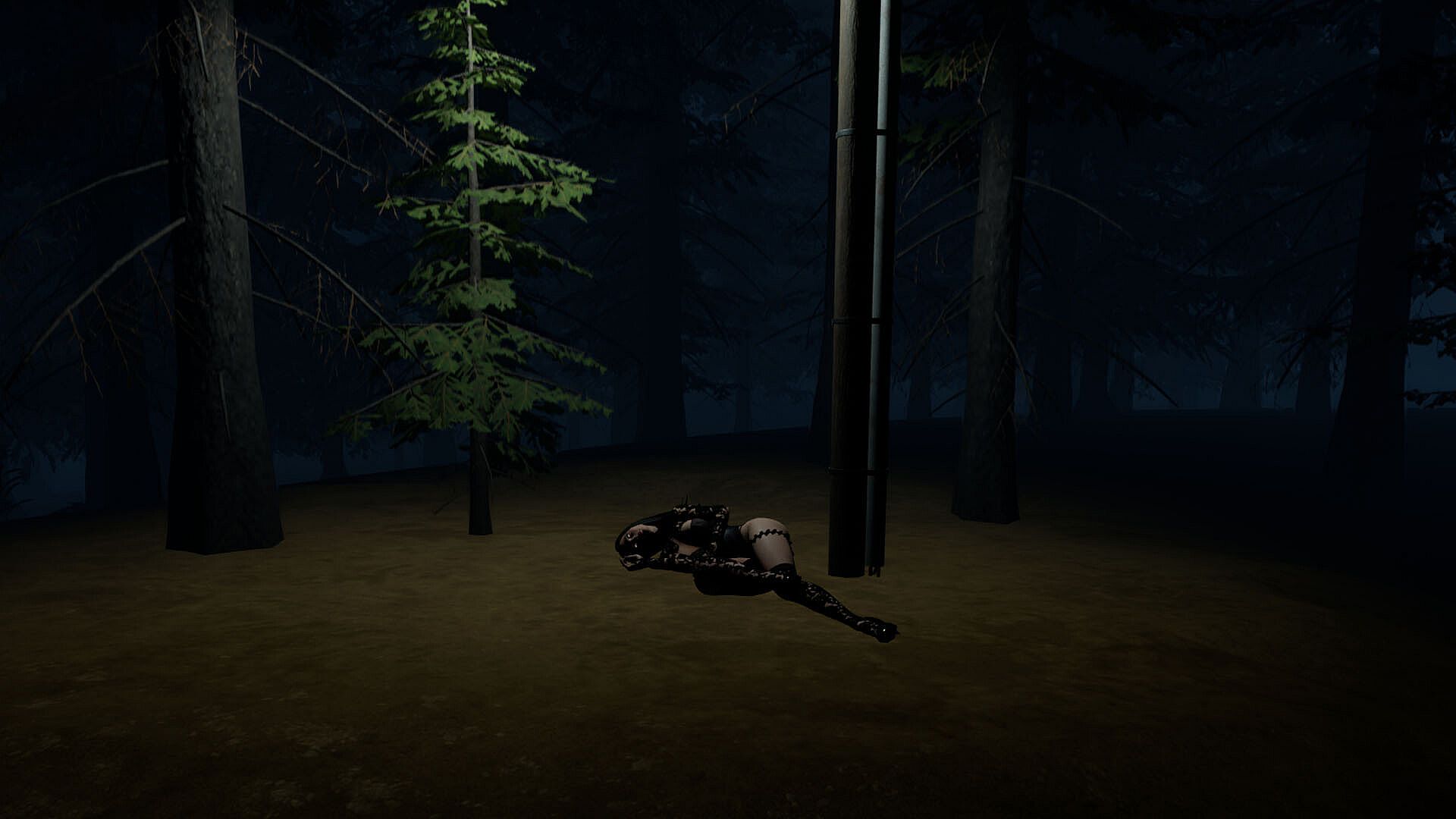
High-pressure survival elements add tension. The protective light from each lamppost fades over time, forcing players to scout the shortest safe route to the next sanctuary while shadows close in. Limited visibility outside the glow heightens the need for planning and quick decisions during travel segments.
Fragmented storytelling emerges through notes, ruins, and remnants scattered throughout the forest. These clues gradually reveal how the area became a cage with no exit, rewarding thorough exploration without relying on cutscenes or dialogue trees.
Game Modes
Stray Light operates as a single-player experience with no separate competitive or cooperative modes. Progression follows a linear path through the forest, guided by the placement of lampposts and the dual-world mechanics. Players advance at their own pace, balancing puzzle resolution with the constant pressure of the encroaching darkness.
The design emphasizes solo navigation and deduction. There are no factions to join, no team-based objectives, and no branching campaign paths that alter the fundamental loop. Every session focuses on the same core systems of world switching, object manipulation across realms, and light management.
Story and Setting
The narrative unfolds in a forest where eternal darkness has eliminated any visible exit. Scattered warnings from previous visitors hint at the rules governing the two worlds, including the idea that certain barriers in the present simply do not exist in the past. Players piece together the forest's transformation into its current state through environmental details rather than direct exposition.
Atmosphere relies on extreme contrast between the grim present and the luminous memories. The dual realms create visual shifts that highlight decay and restoration, reinforcing the central theme of hidden truths revealed only through the light.
Visuals and Technology
Stray Light uses Unreal Engine 5's Lumen system for dynamic lighting. This technology produces sharp shadow boundaries and textured illumination that change dramatically when switching between realms. The effect emphasizes the collapse and reconstruction of the environment during transitions.
Textures and lighting work together to make the difference between the two worlds immediately apparent. Players notice how light sources behave differently across realms, which directly informs puzzle solutions and route planning.
Is It Worth Playing?
Stray Light suits players who enjoy methodical puzzle-solving combined with light survival tension in an atmospheric indie setting. The dual-world mechanic provides a consistent hook that differentiates it from standard horror or exploration titles, rewarding observation and planning over reflexes or combat skill.
Those seeking fast-paced action or multiplayer features will find the deliberate pace and solo focus less appealing. The game rewards patience with its fragmented narrative and the satisfaction of unlocking paths through cross-realm manipulation.
Availability on PC allows easy access for anyone interested in the described systems. The experience stands alone without reliance on prior entries or additional content, making it a self-contained option for fans of indie RPGs that blend logic puzzles with environmental storytelling.