




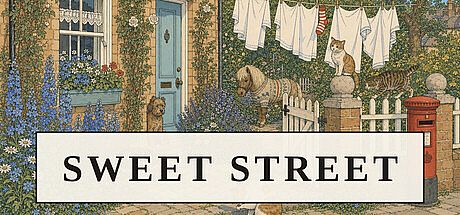


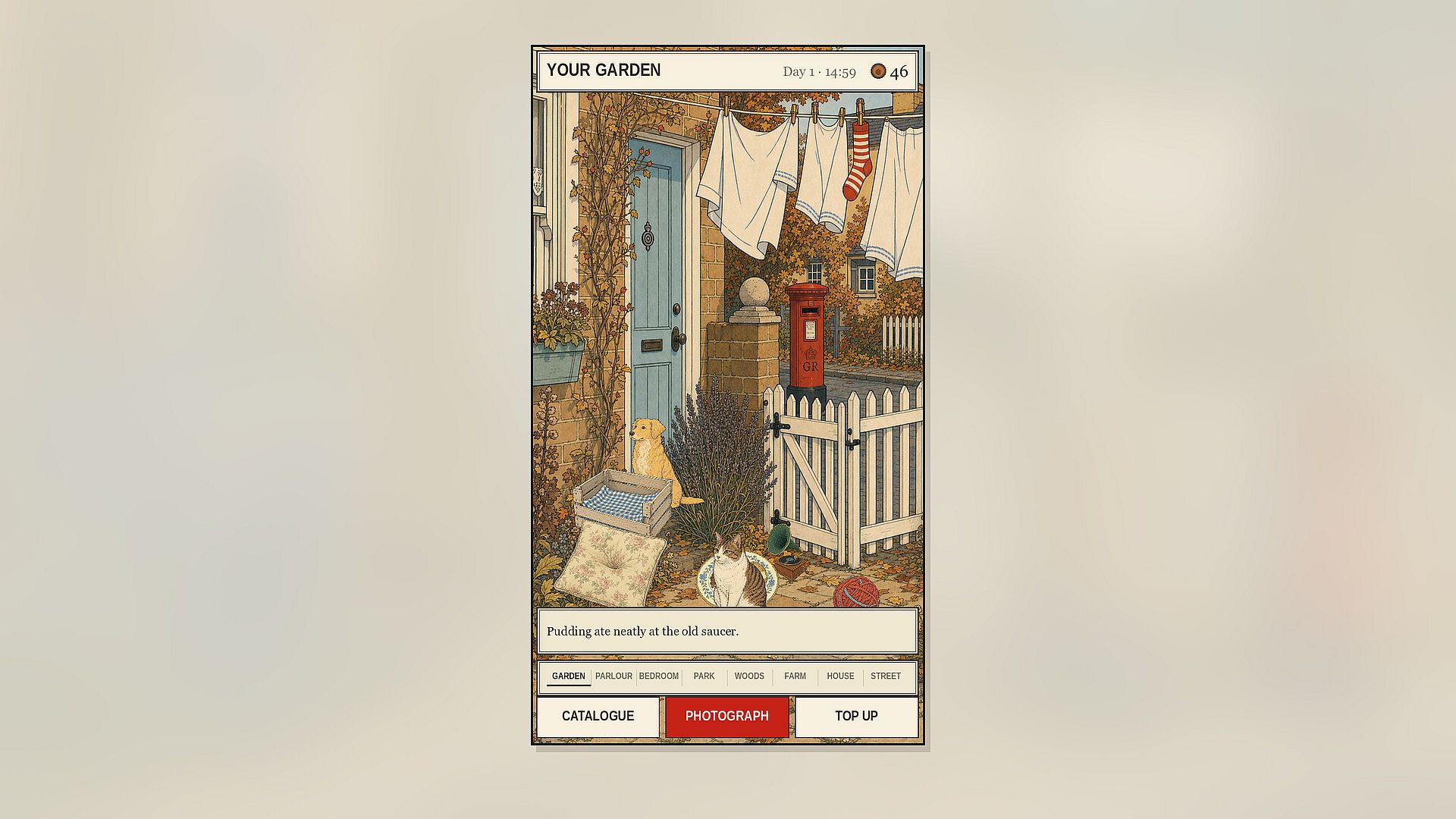





Sweet Street is an indie casual simulation game set on PC that invites players into a peaceful Edwardian front garden where animals come and go at their own pace. The experience centers on arranging objects to attract cats and other visitors, observing their preferences, and collecting keepsakes over time without any pressure or penalties for absence.
Gameplay
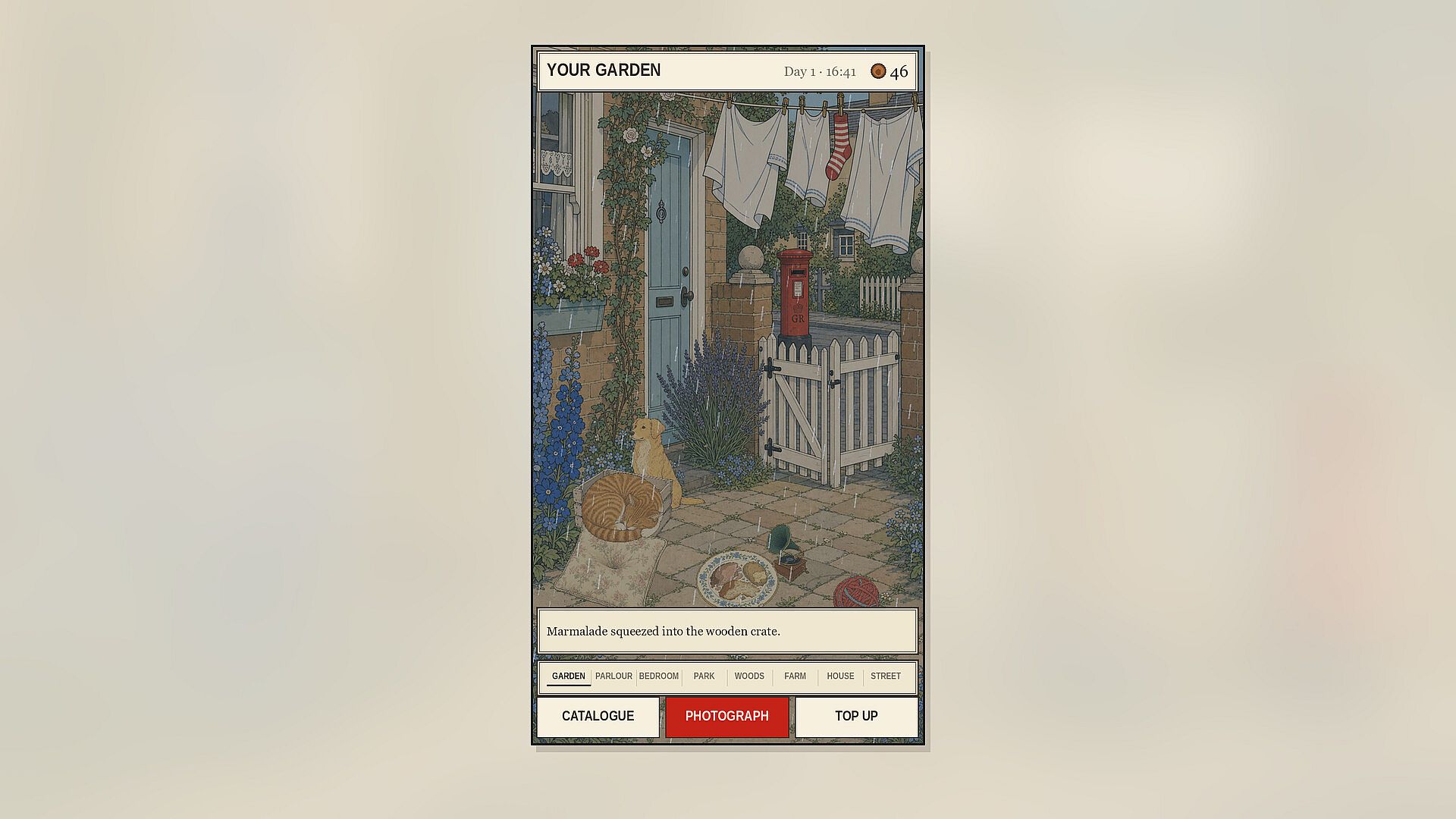
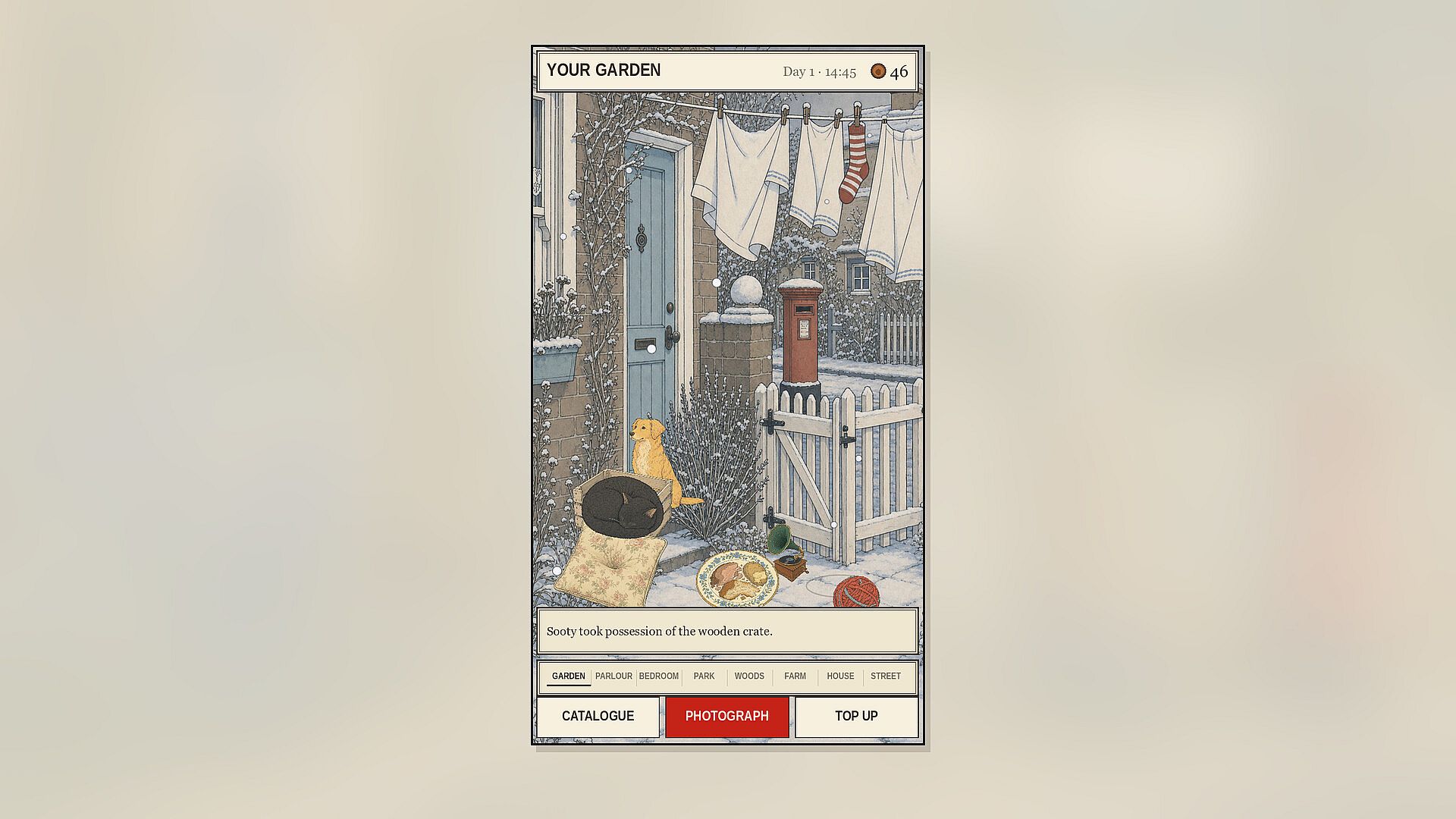
The core loop involves placing up to eighty distinct objects in the garden, each serving as a unique invitation for animals. Some provide resting spots, others offer food, and a few stand out as curious items worth investigation. Thirty individual cats appear, each with personal likings that players discover through direct observation rather than explicit instructions. A catalogue records pencil notes only from visits actually witnessed, while shopkeeper gossip about objects supplies additional clues to piece together the preferences.
Feeding options range from everyday kitchen scraps that reliably draw local street cats to more specialized items like sardines or cream that appeal to distant or particular visitors. Frequent visitors leave behind keepsakes that fill both the catalogue and a physical shelf display. The garden continues its activity even when the player steps away, so returns reveal new developments in a relaxed, unhurried rhythm.
Game Modes
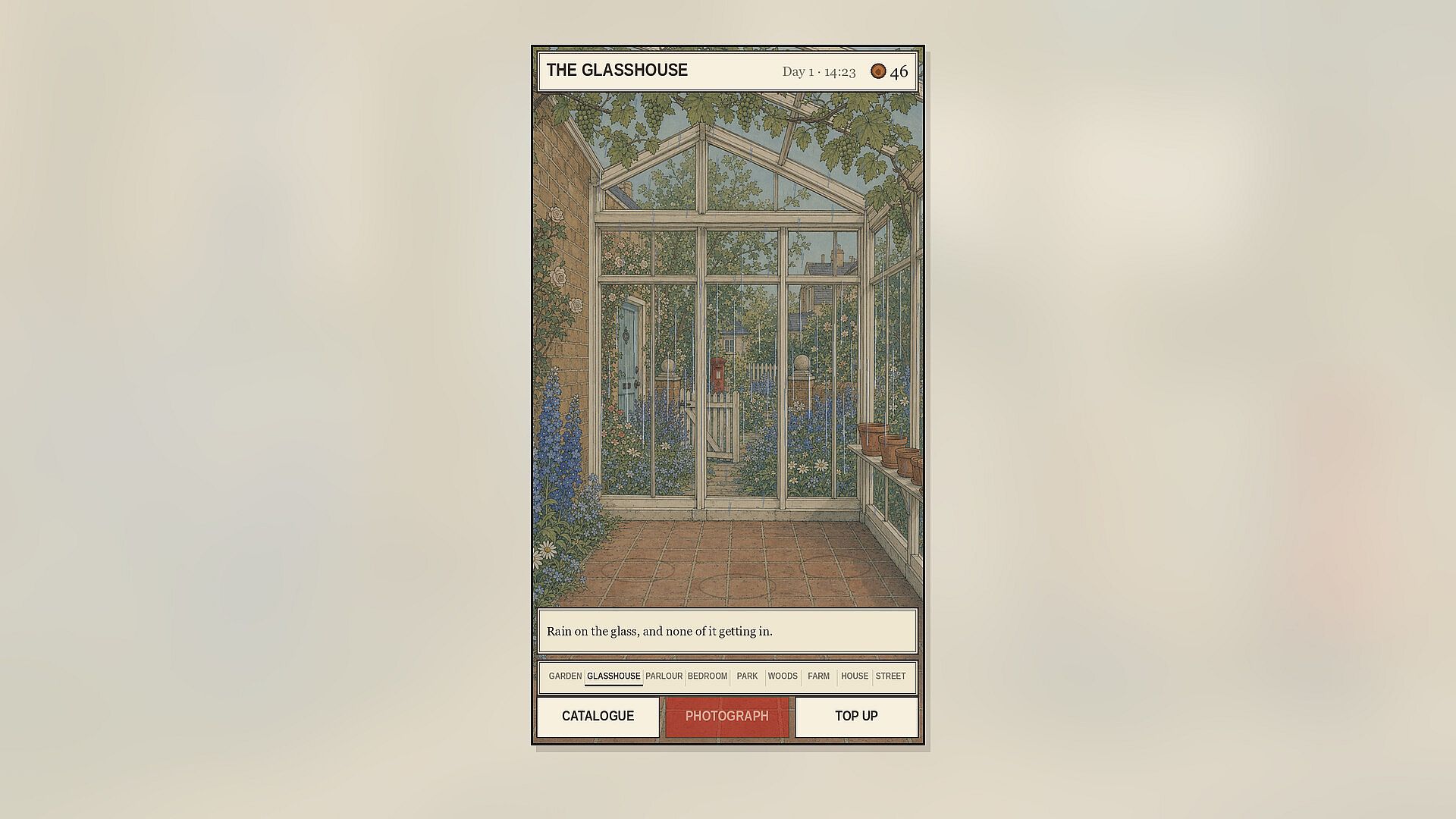
Progression unfolds through seasonal changes that occur in fortnights, with winter bringing snow that lingers and encourages longer stays from visitors. Wet weather shifts from a quiet period to an opportunity once a glass lean-to is constructed, turning rain into a reason for the garden to fill with activity. The experience expands across nine distinct locations that open new possibilities for observation and interaction.
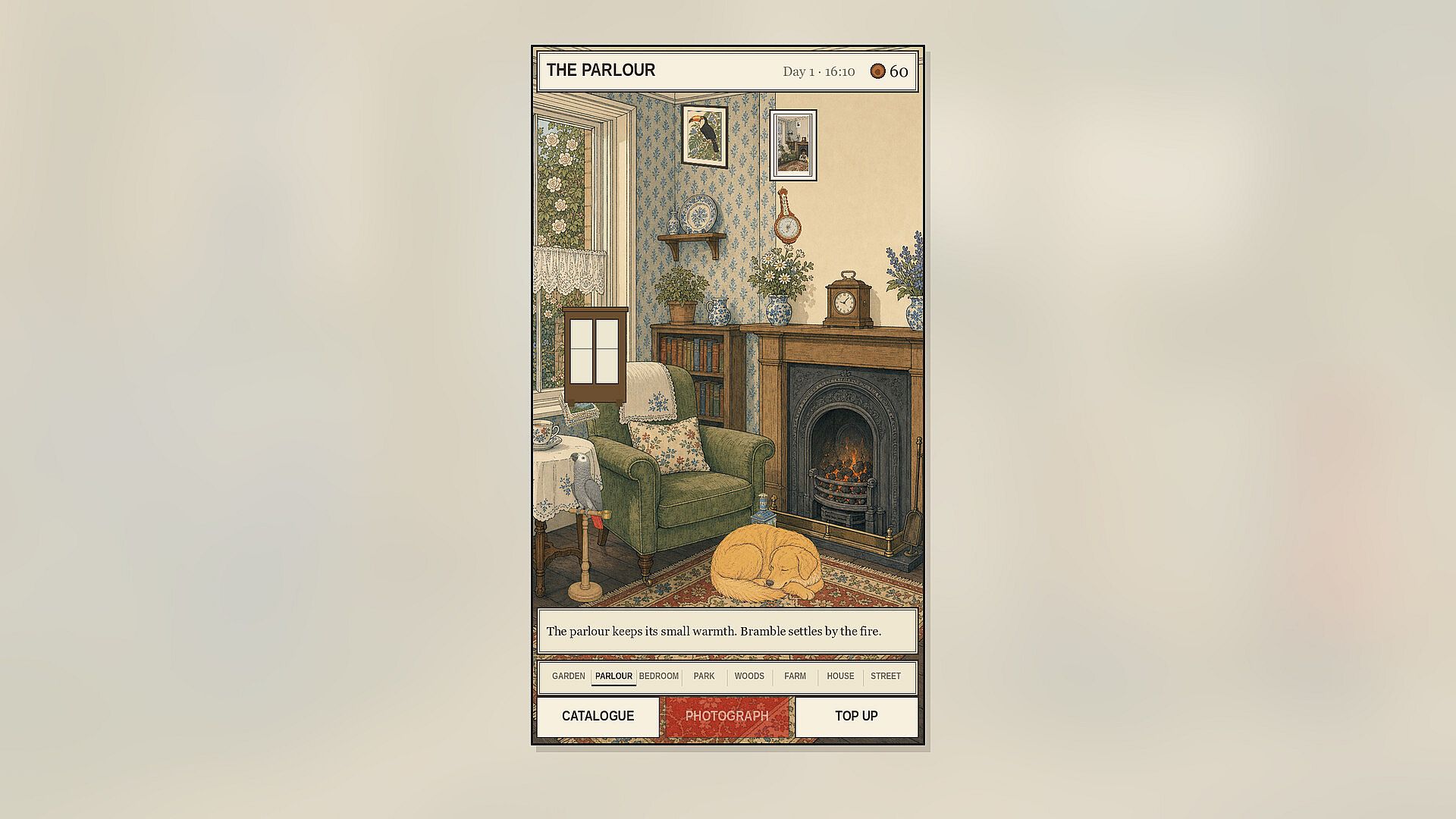
These include the starting garden, a parlour warmed by a fire, a bedroom where familiar cats settle on the quilt, a park featuring a bandstand, a wood suited for walking a dog, a farm with ponies in knitted jumpers, and a self-built glass lean-to that shelters against the elements. Sound design draws from published measurements of animal vocal anatomy to create authentic meows, barks, whinnies, and birdsong without relying on sample libraries, while background music uses public-domain Edwardian pieces heard through walls or under rain.
Exploration and Discovery
Players gradually unlock deeper understanding of each animal through repeated, unguided visits rather than guided tutorials. The absence of timers or energy systems means attention can focus entirely on noticing patterns and refining the garden layout. Objects serve dual roles as functional items and sources of gossip that help solve the puzzle of what each cat prefers.
Building the glasshouse transforms how weather affects the space, demonstrating how earlier choices continue to influence later seasons. Keepsakes accumulate naturally from consistent visitors, rewarding patience and careful attention without any competitive or punitive elements.
Is It Worth Playing?
Sweet Street suits players seeking a low-pressure simulation focused on observation, collection, and gentle experimentation. Its design ensures nothing dies or incurs penalties, and time away never sets progress back. Every catalogue entry and rare animal condition remains independent of purchases, with the underlying code structured to maintain that separation. The result is a contemplative experience built around seasonal rhythms and animal behaviors that rewards repeated, thoughtful returns to the garden.











