


Swift Cultivation is an indie casual simulation game set in a cultivation world where progress unfolds through the passage of time rather than constant player input. On PC, it places players in the role of a novice cultivator who manages a single action queue to handle daily tasks while balancing the steady drain of satiety. The core loop revolves around arranging activities that run automatically, with survival hinging on timely meals and strategic decisions about work versus rest.
Gameplay
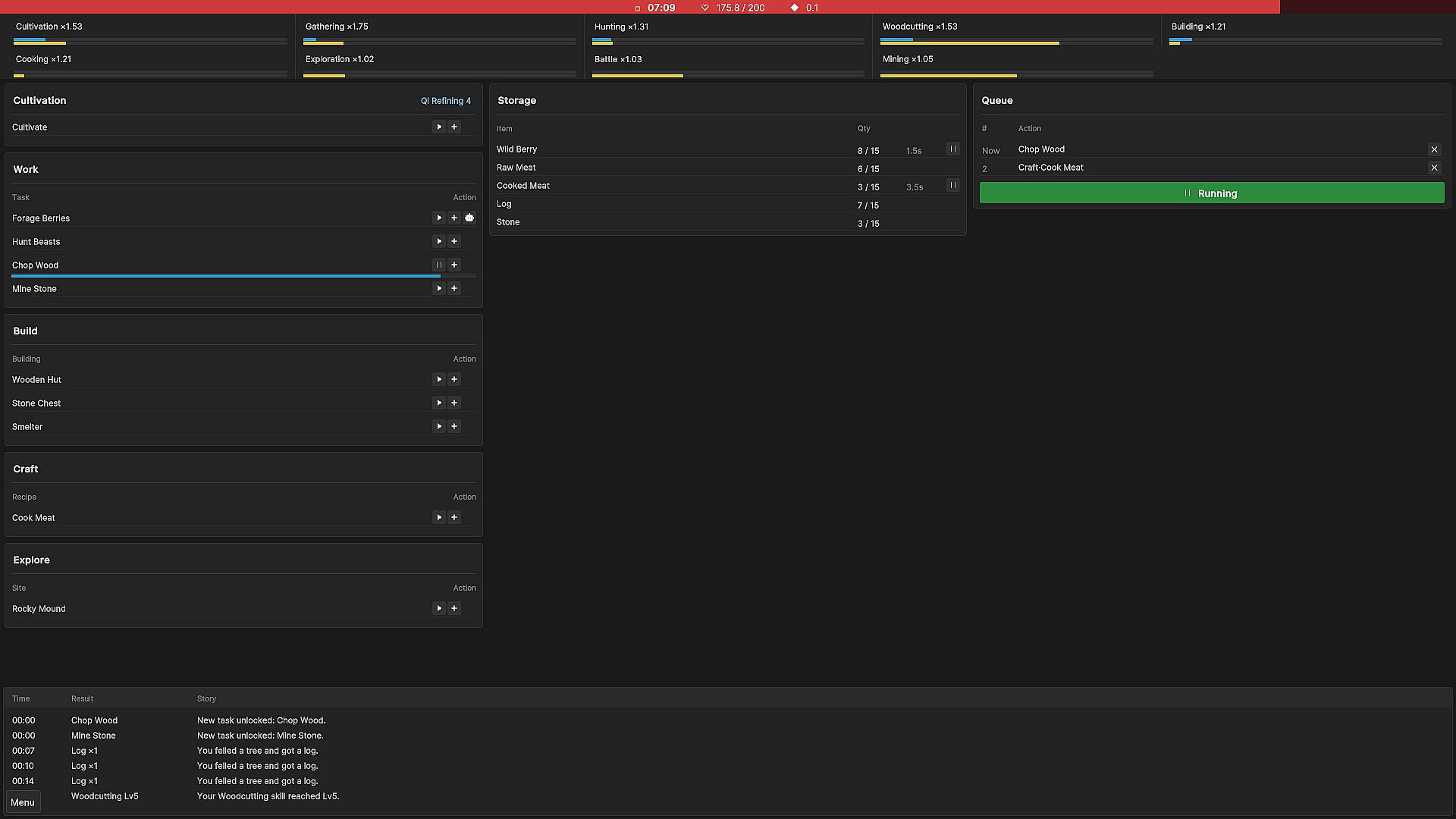
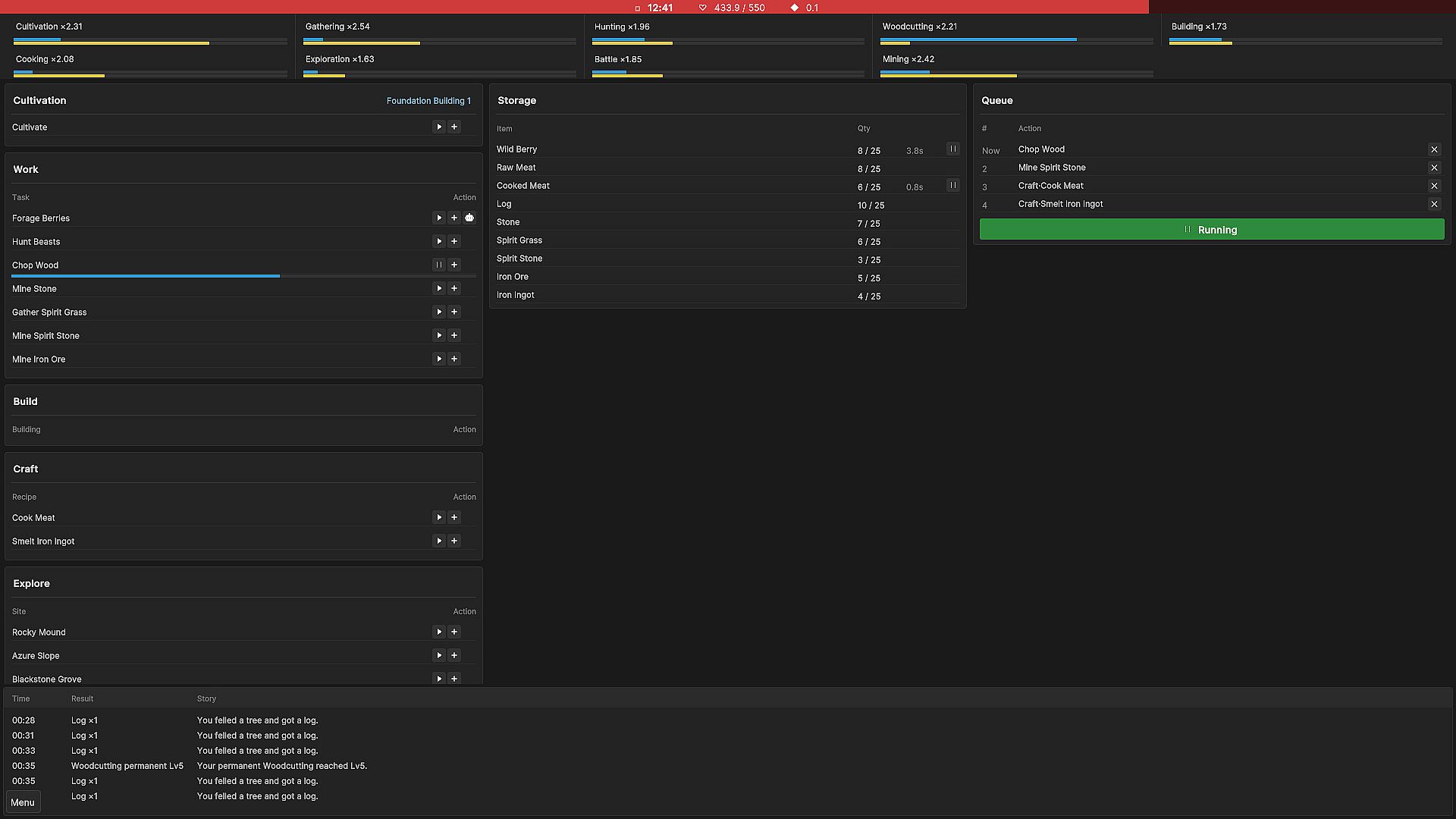
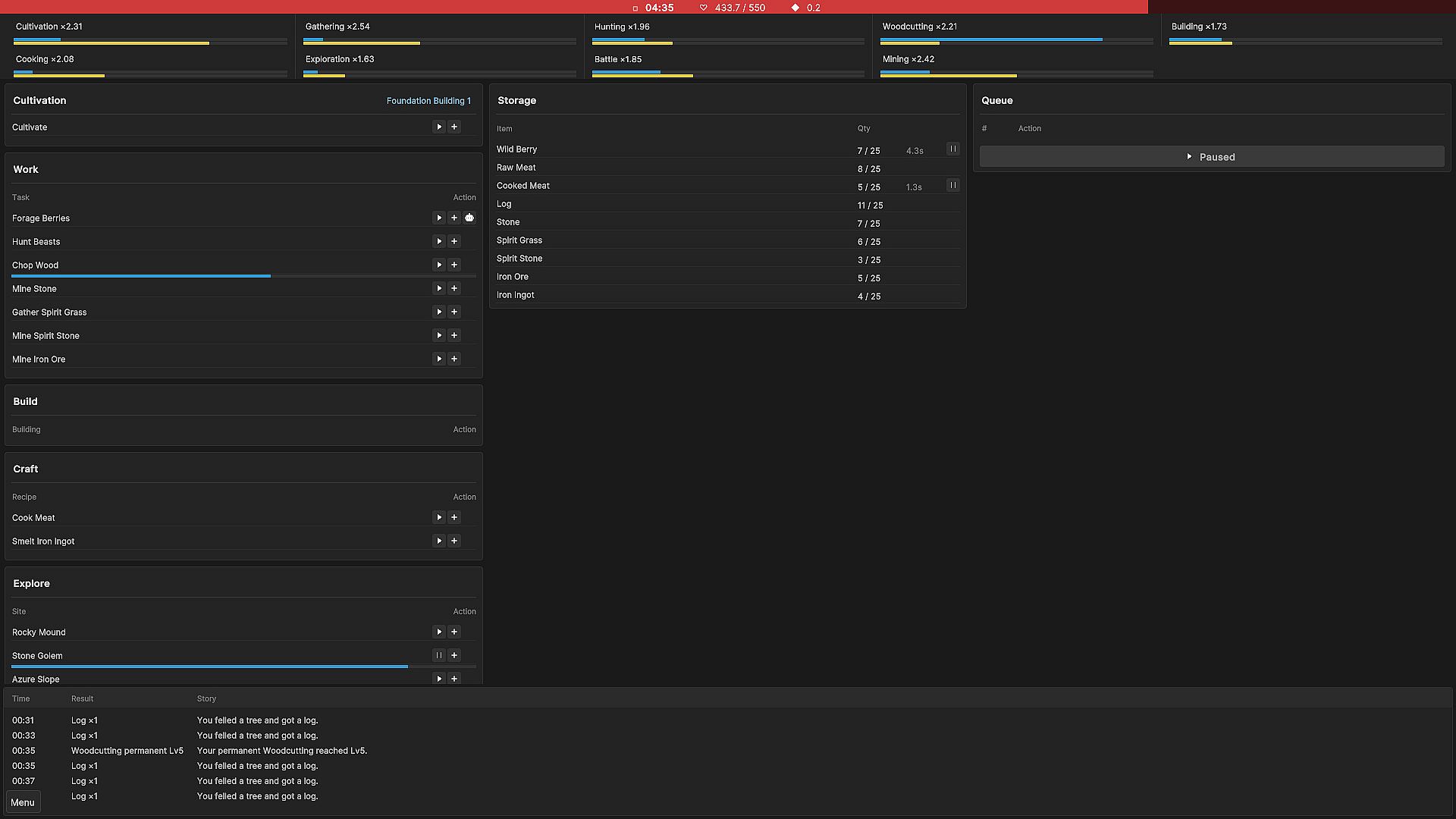
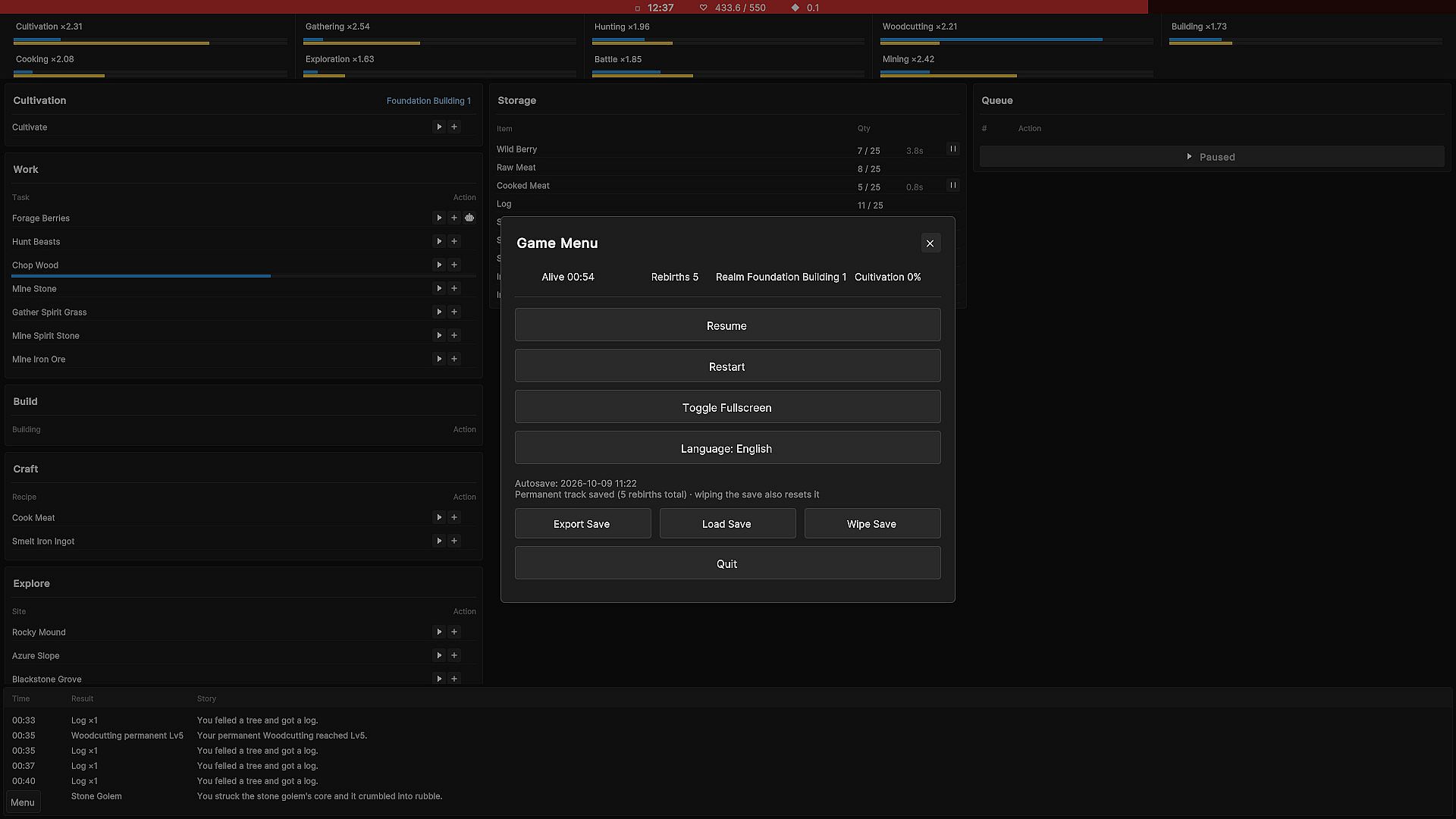
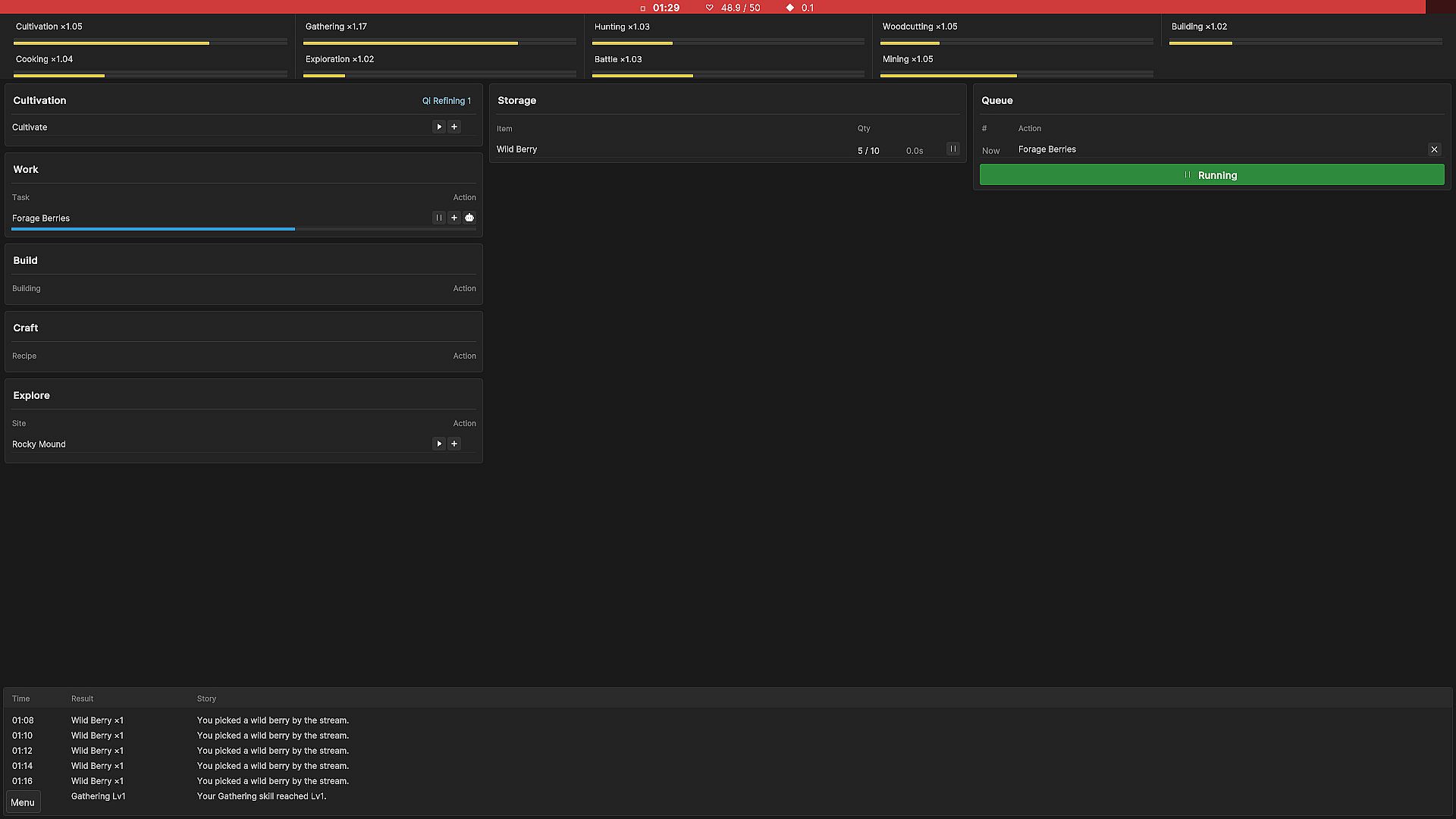
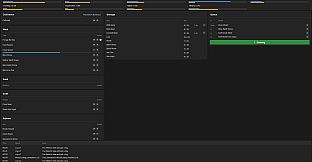
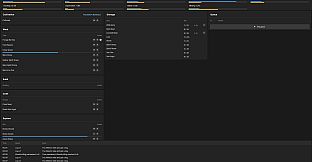
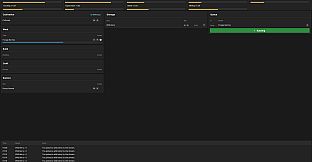
The central system is an action queue that holds entries for five categories of work. Players add tasks to the end of the queue or insert them at the front for immediate execution. A master switch pauses or resumes the entire sequence. Labor covers meditation for cultivation gains, gathering wild fruits, chopping wood, mining stone, hunting beasts, and collecting spirit herbs along with spirit stones and iron ore. Building focuses on constructing structures such as campfires, wooden or stone huts to lower satiety use, storage boxes, and a furnace required for smelting. Crafting turns raw meat into cooked portions that restore twenty satiety points and produces iron ingots from ore and logs. Exploration sends the cultivator to three distinct locations, each protected by a specific monster. Combat pits the player directly against discovered foes, granting experience at the expense of accelerated satiety drain during fights.
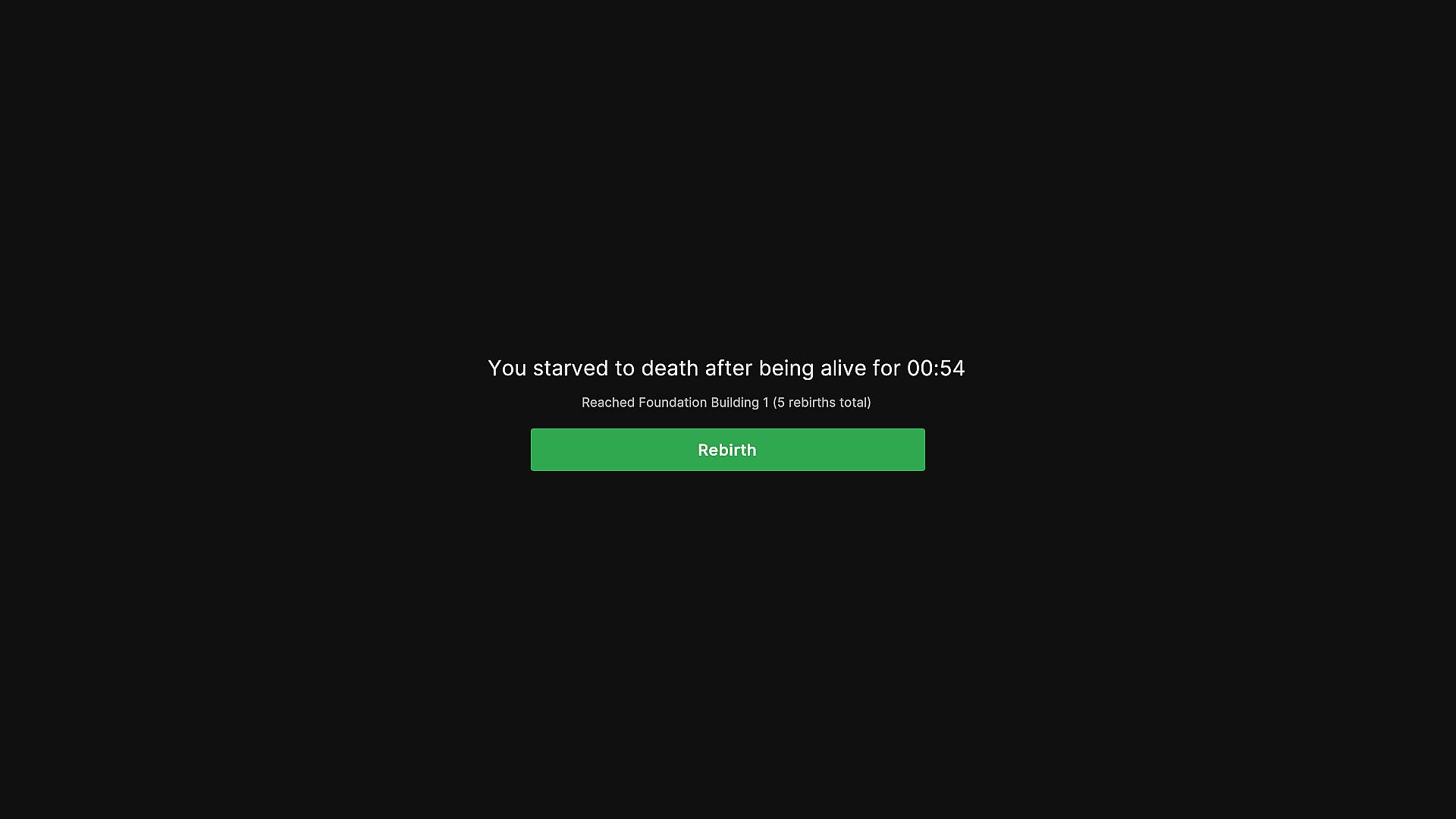
Satiety decreases only during active work and accelerates with accumulated time spent. Wild fruits restore five points while cooked meat provides twenty, with automatic consumption available unless disabled. When satiety reaches zero the run ends. Controls allow quick insertion, appending, or removal of queue items. After sufficient cumulative completions of a task or recipe, an auto-execute feature unlocks that refills the queue when empty without forcing actions lacking materials.
Permanent elements persist across runs. Each skill maintains a track that levels up to grant lasting speed bonuses, and the total count of auto-executions carries forward. Realm advancement occurs automatically once cultivation fills, progressing from Qi Refining Layer 1 through Foundation Establishment Layer 10. Defeating monsters progressively unlocks new resources and locations, such as iron ore after the Stone Golem or spirit herb gathering after the Wild Wolf.
Game Modes
The game operates through a unified queue system rather than distinct modes. Labor, Building, Crafting, Exploration, and Combat all feed into the same sequence and execute in order from top to bottom. Exploration features three fixed locations guarded by monsters, while combat occurs on demand against discovered threats. The reincarnation mechanic effectively creates repeated runs that reset most progress yet retain skill experience and execution counts, allowing each attempt to reach further with accumulated advantages. No separate multiplayer or competitive formats exist; the experience remains a single-player loop centered on queue management and incremental realm climbing.
Progression and Systems
Twenty realm levels form the backbone of advancement, with automatic breakthroughs once cultivation thresholds are met. Content unlocks form a chain: early buildings enable smelting, monster defeats reveal new gathering options, and later areas provide spirit stones. Nine dual-track skills offer permanent speed improvements that stack across reincarnations. The auto-execute robot toggles on or off per task to conserve resources when desired. Storage management through boxes and the pouch becomes relevant as runs lengthen and material needs grow.
Is It Worth Playing?
Swift Cultivation suits players who enjoy idle and incremental simulation experiences with light survival pressure. The time-based mechanics and single-queue design minimize active clicking while still requiring thoughtful planning around satiety and task order. Reincarnation provides a roguelike layer of permanent upgrades that rewards repeated runs without punishing failure harshly. Because the title remains in active development, additional content is expected beyond the current twenty realms, eight labor tasks, six buildings, two recipes, three exploration sites, three monsters, and nine skills. Those drawn to cultivation themes combined with relaxed automation and long-term progression tracking will find the systems align closely with that preference. The absence of constant manual input makes it accessible for shorter sessions or background play on PC.