


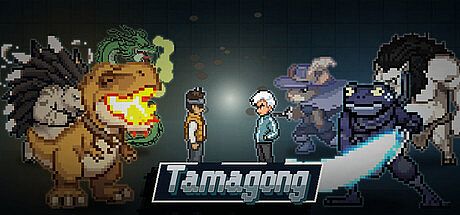


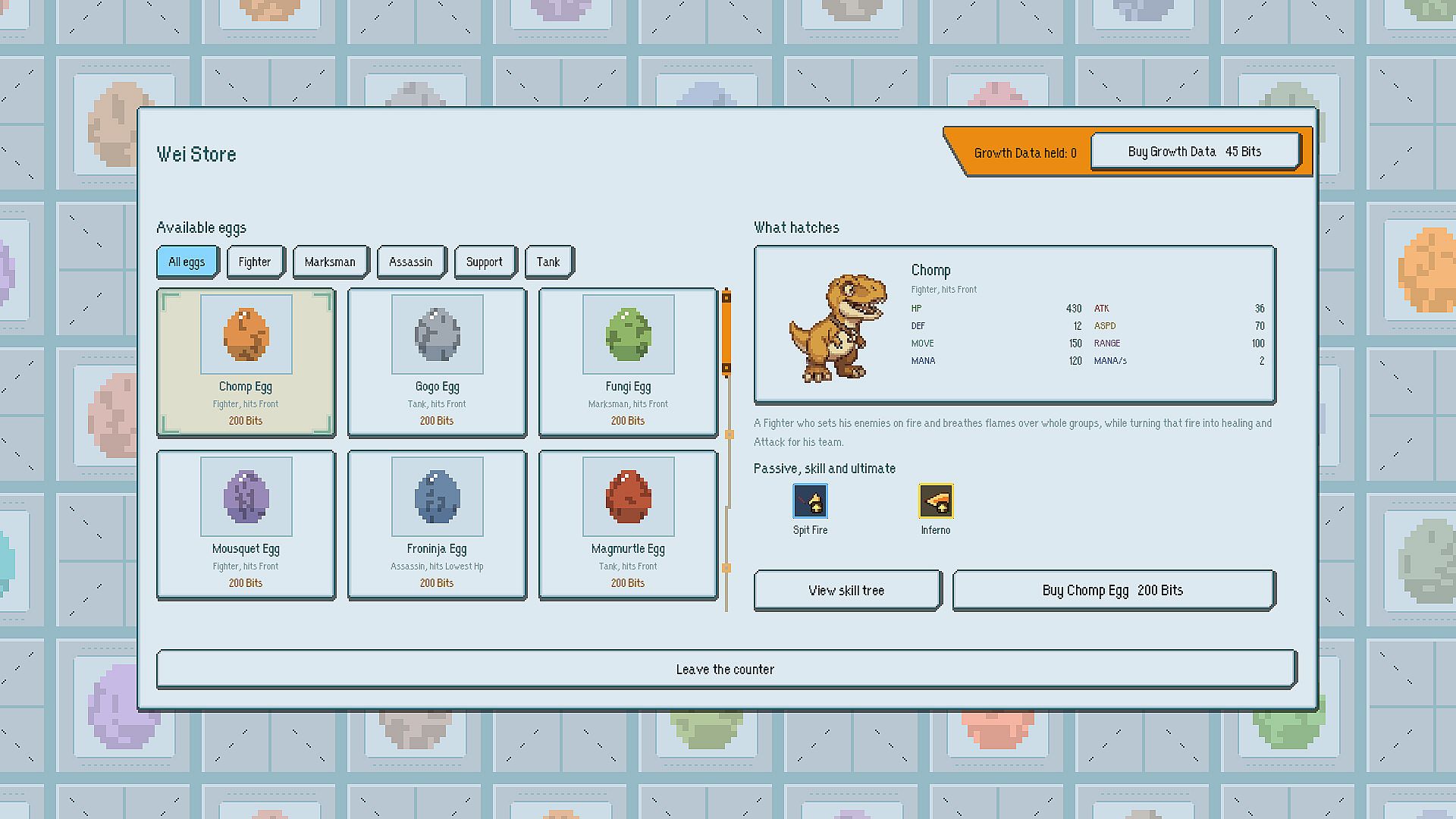
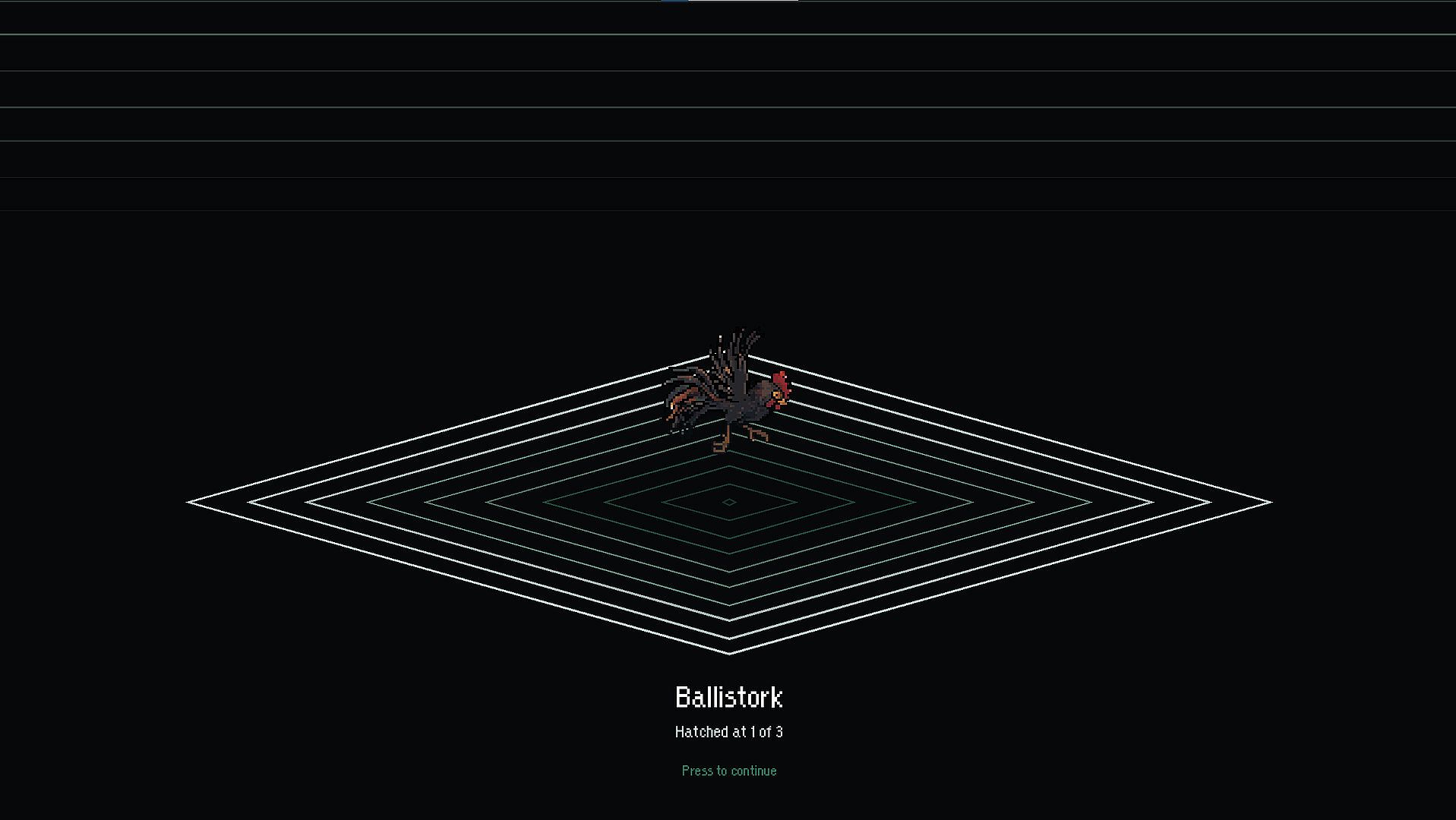
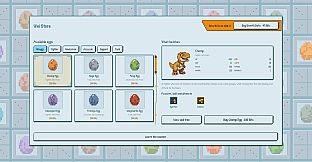
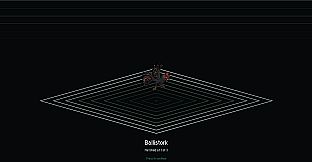

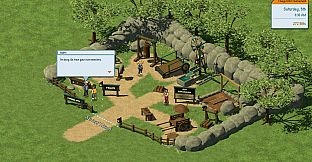
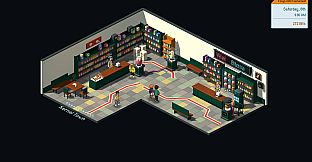
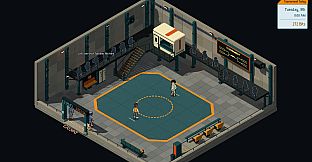
Tamagong is a single-player strategy indie RPG simulation game centered on hatching, raising, and battling monsters through careful preparation rather than direct control. Players manage a roster of creatures across daily routines that lead toward a major tournament, where teams compete in hands-off fights determined entirely by prior decisions on training and team composition.
Gameplay
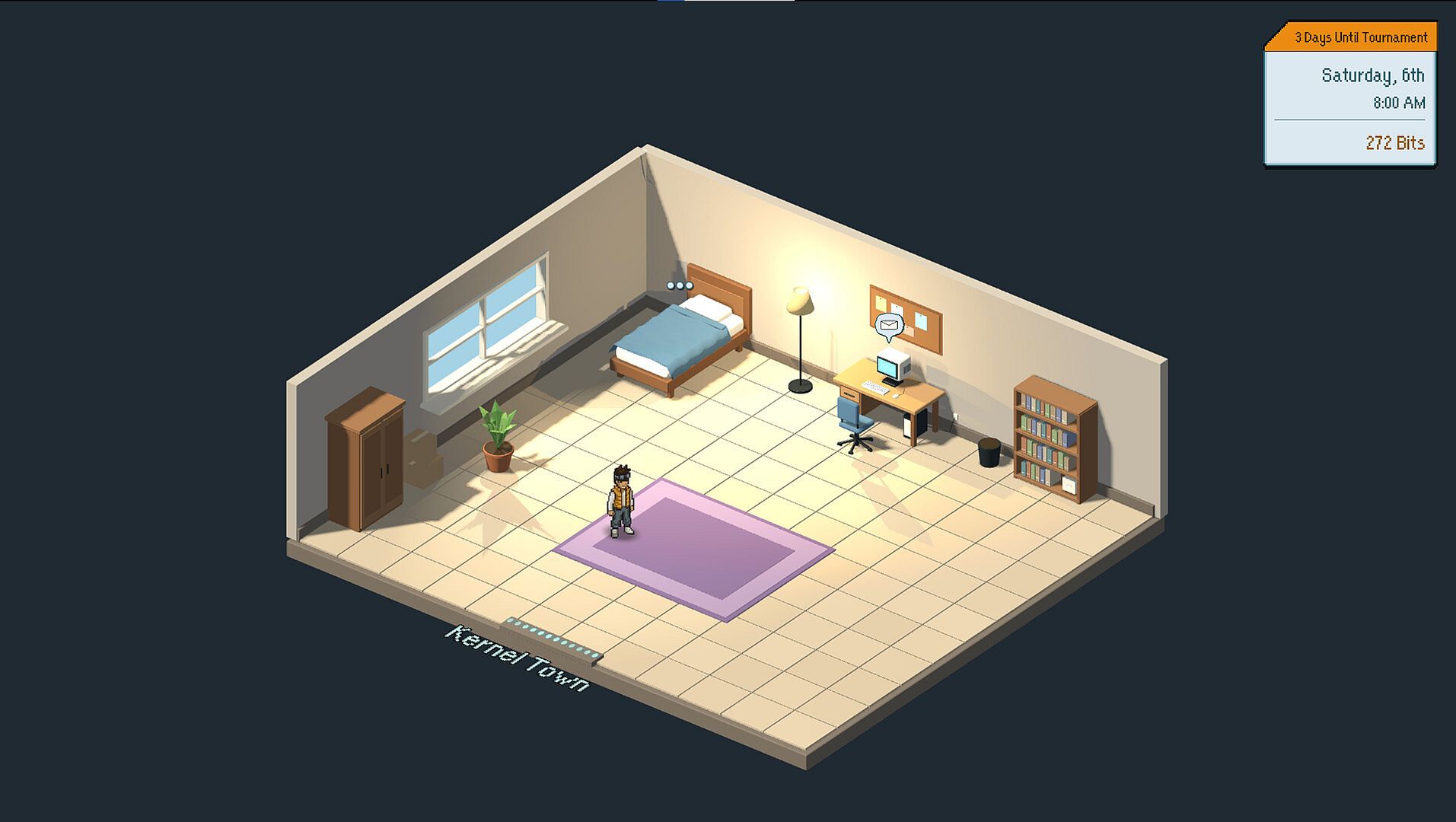
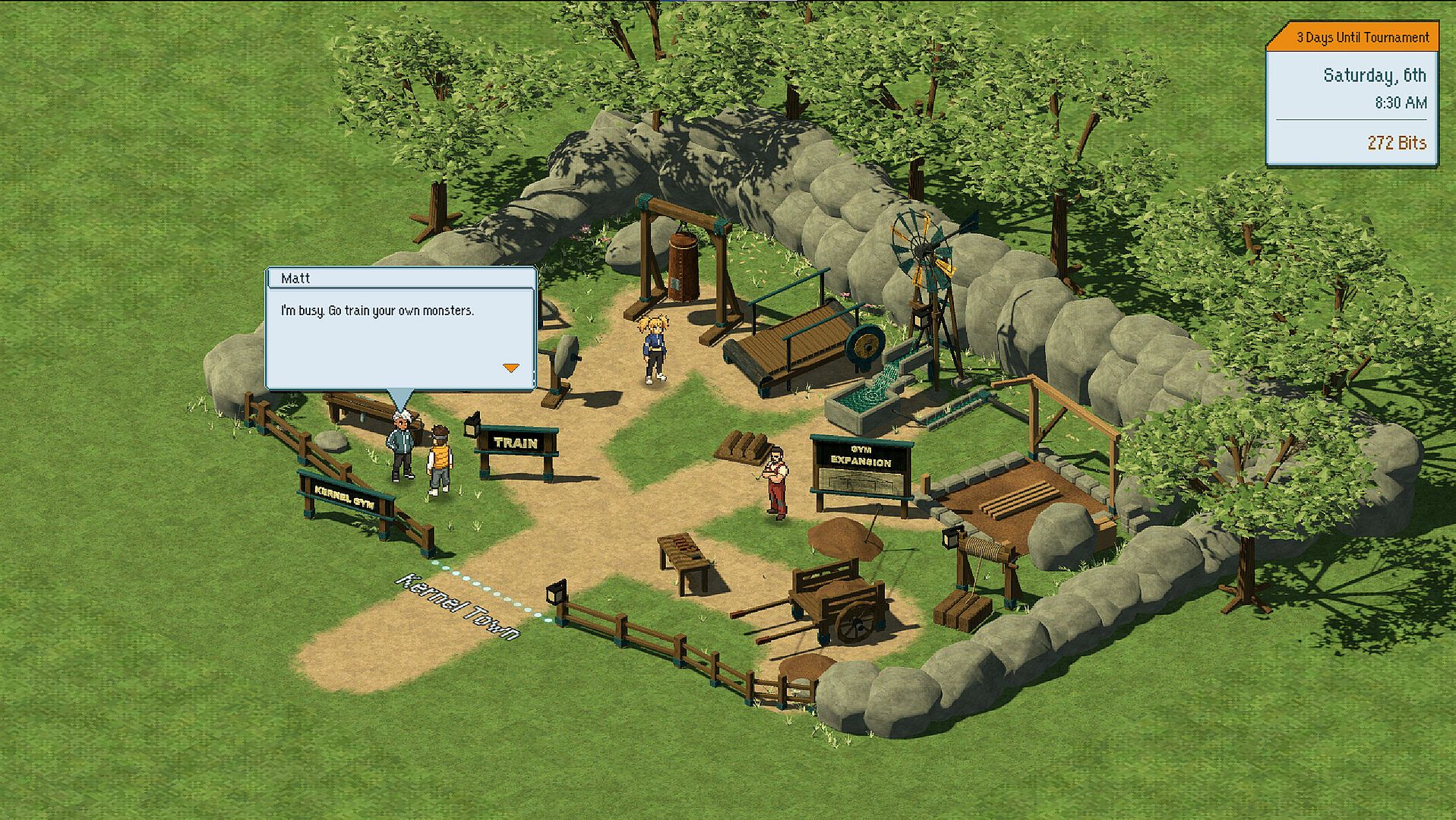
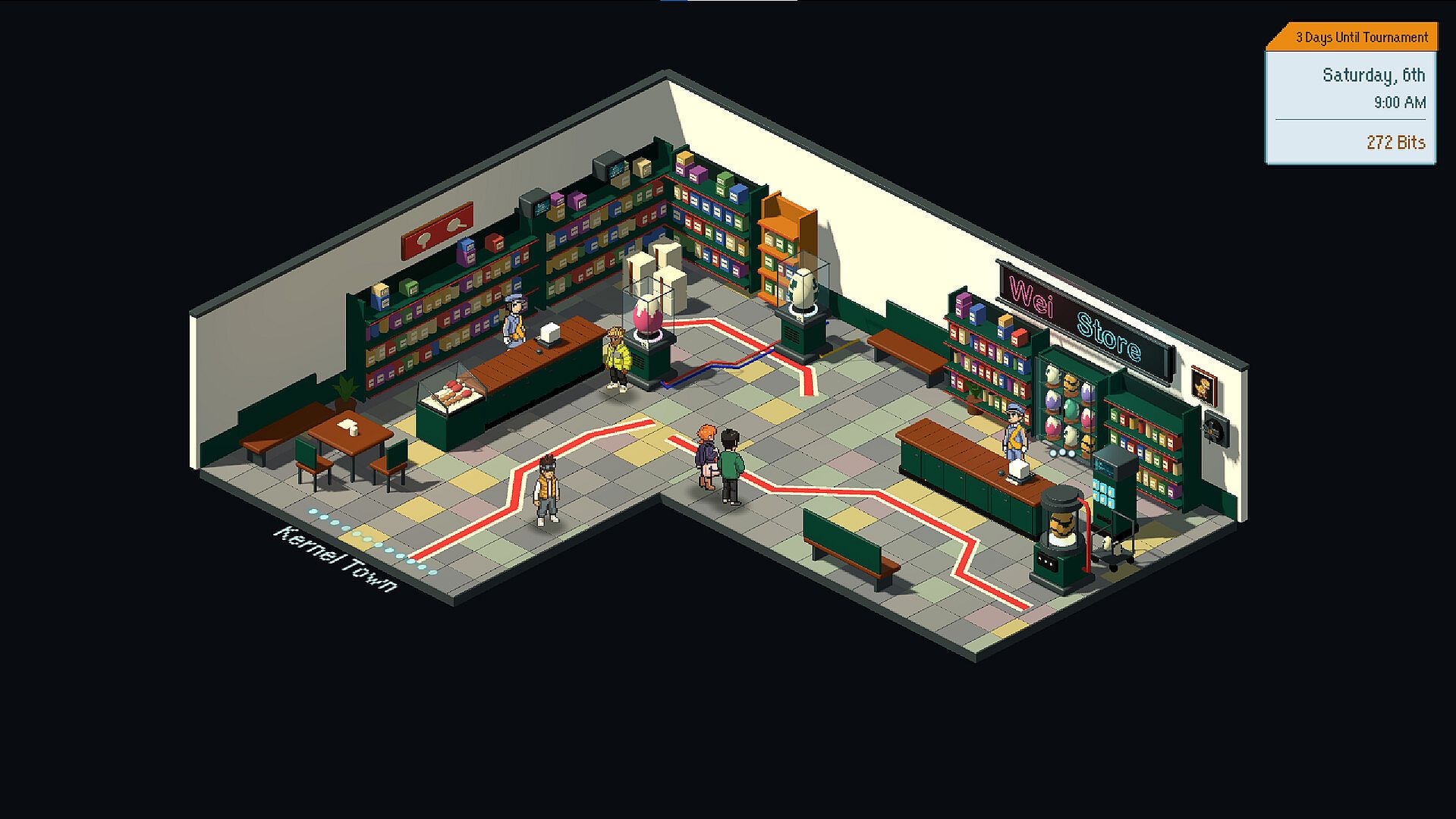
The core loop revolves around daily time management and monster development. Each day offers limited actions such as training for stat gains, feeding to maintain strength, resting to recover stamina, working for resources, or exploring for new opportunities. Stamina limits how much training a monster can handle, while hunger directly weakens performance if neglected. Monsters gain power only through these structured activities, forcing players to balance short-term needs against long-term team readiness before the season ends.
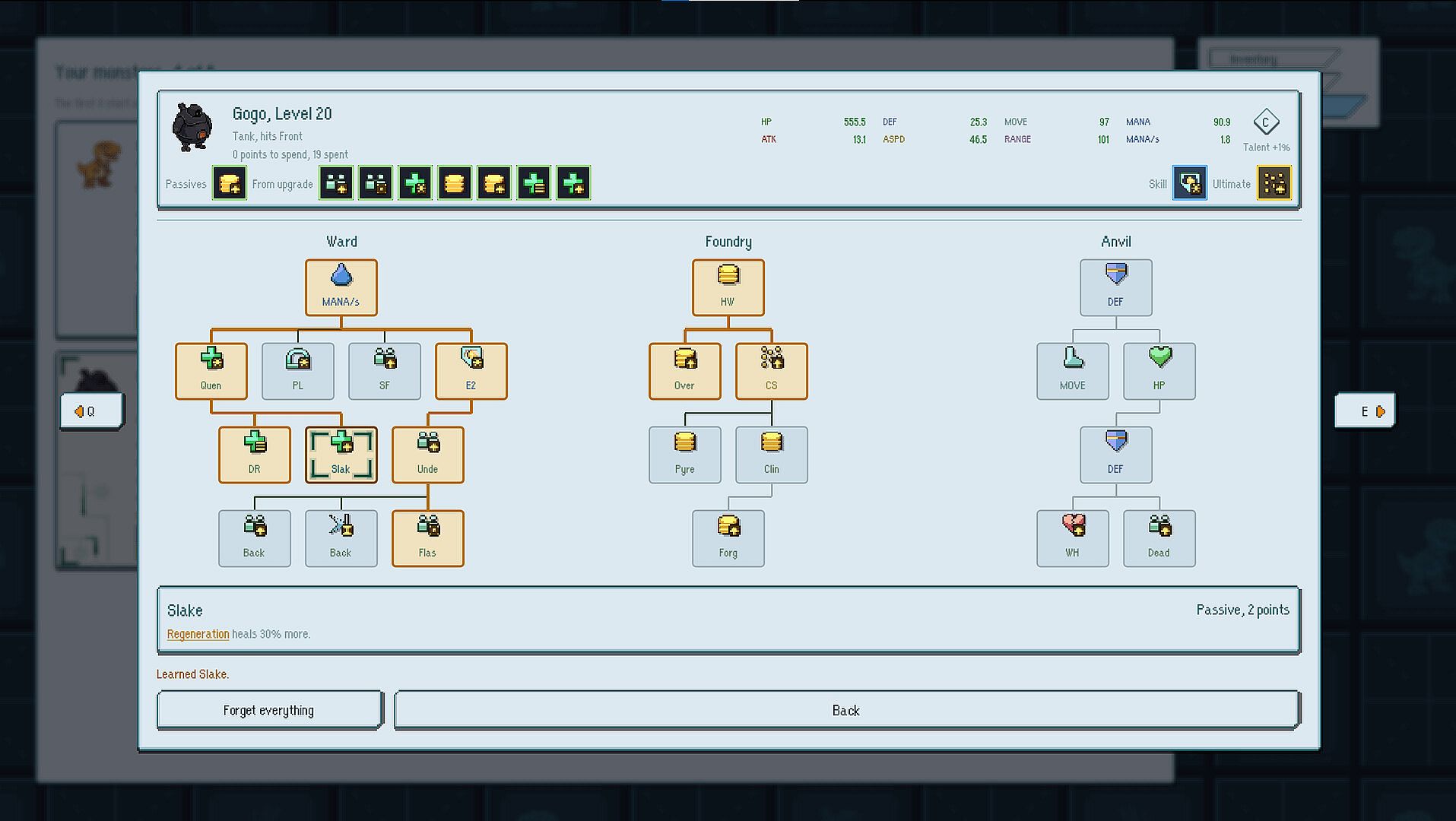
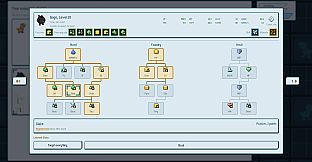
Individual monsters feature a passive ability, an active skill, and an ultimate, all supported by a branching skill tree. The tree contains more upgrades than any single monster can acquire, so choices shape distinct builds even among creatures of the same species. Two players working with identical starting monsters can produce very different results depending on the paths selected. This customization extends to team synergy, as the way monsters are raised influences how they perform together once combat begins.
Game Modes
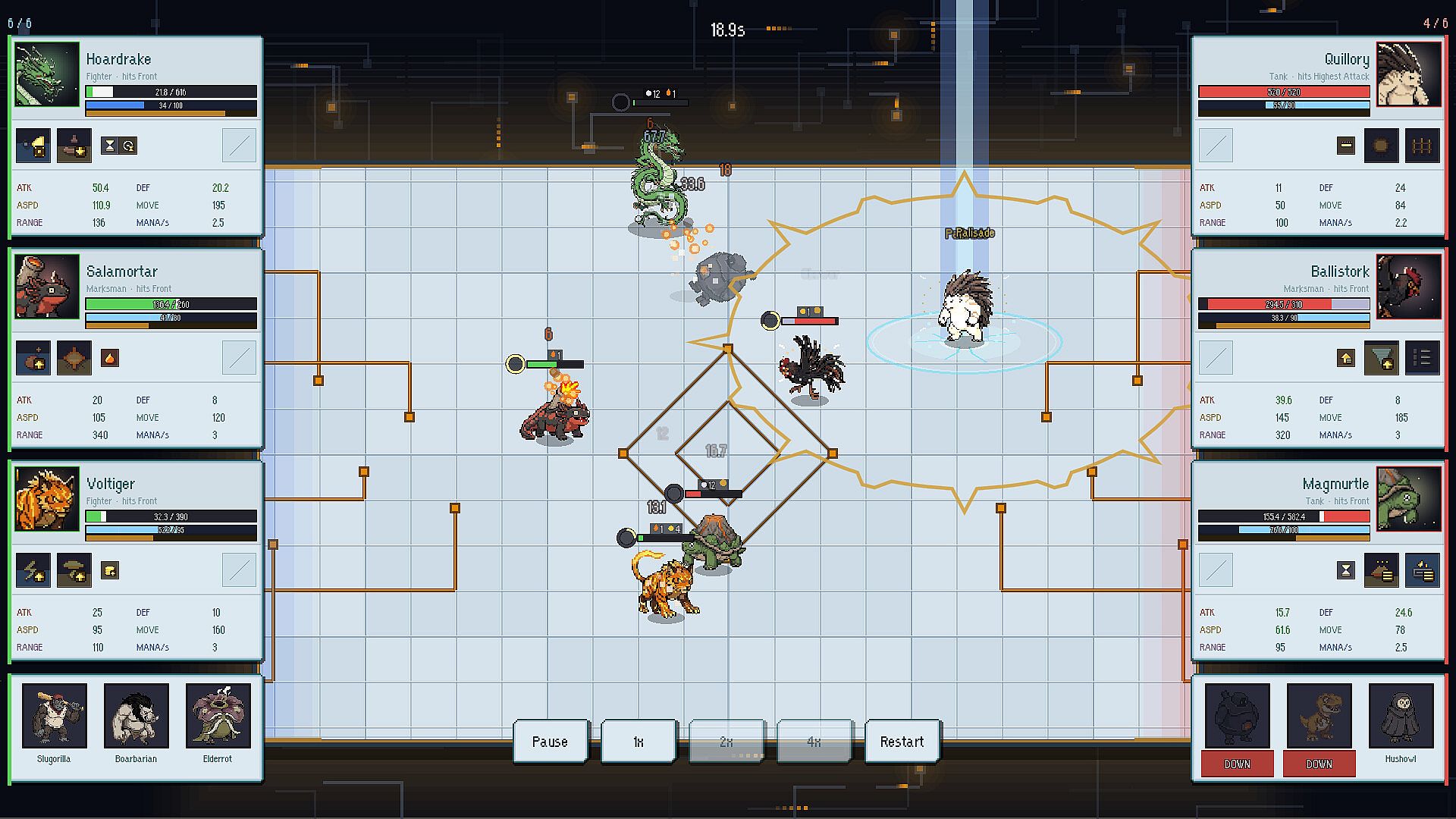
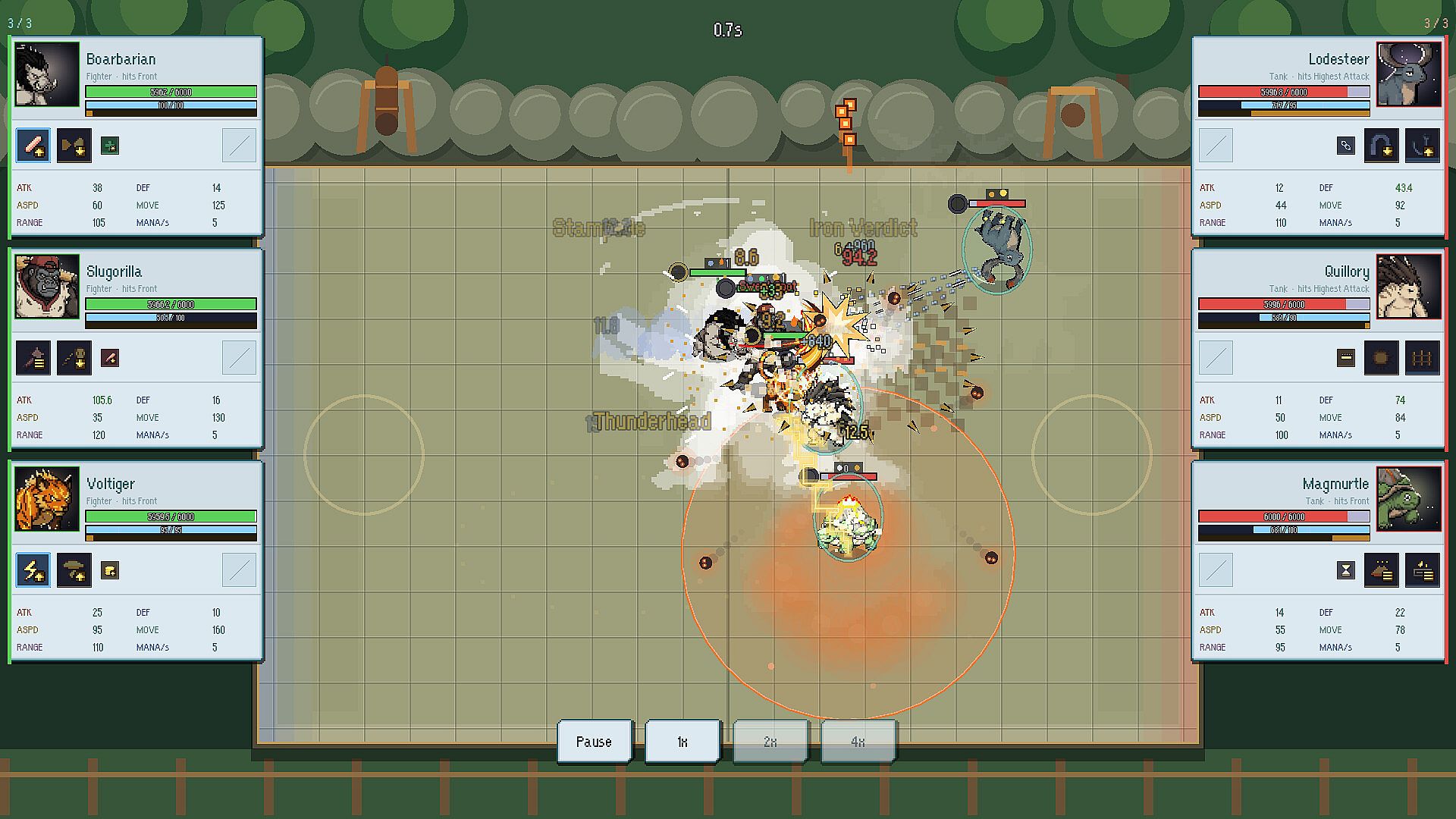
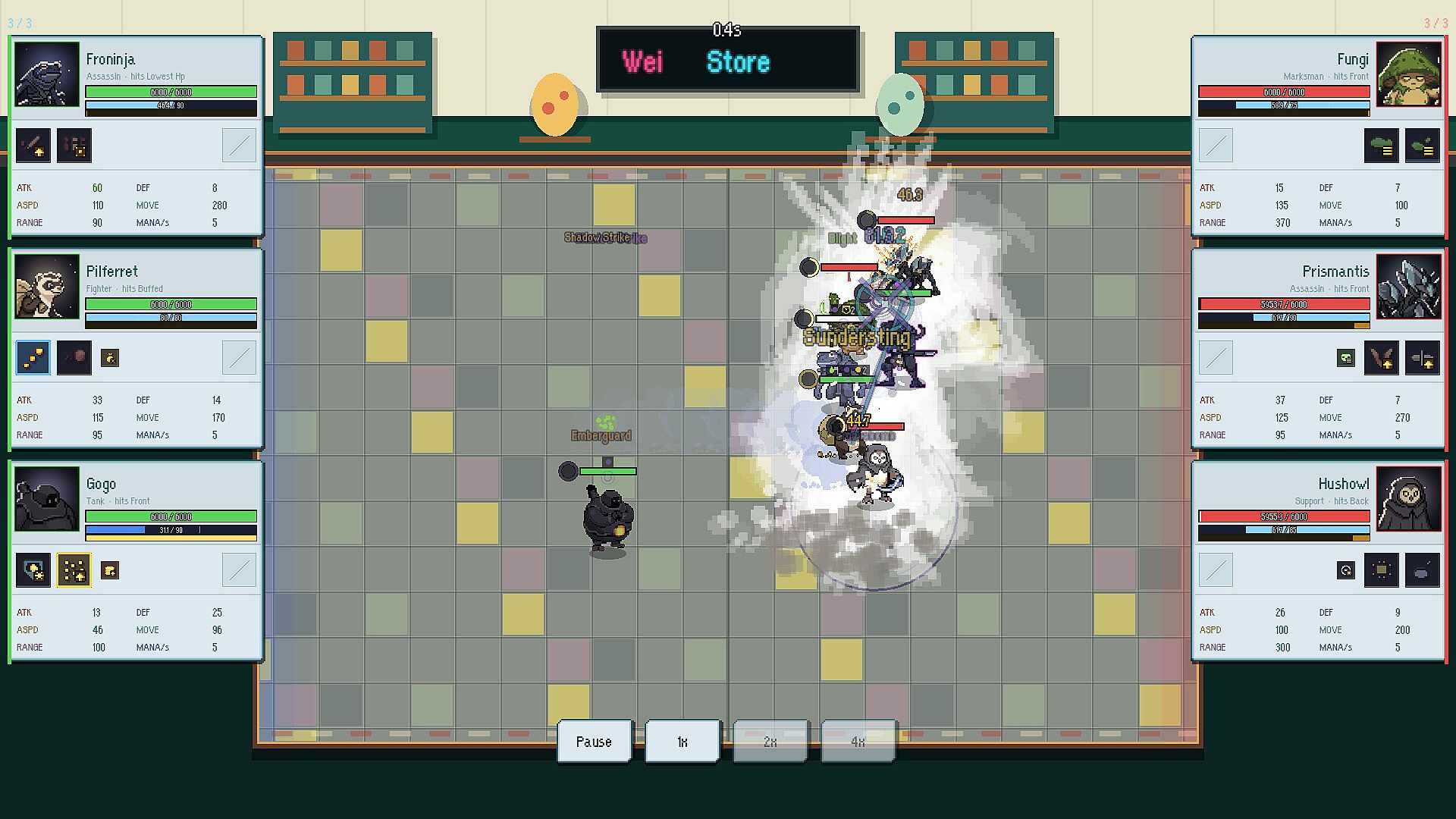
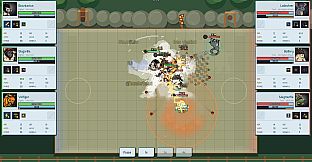
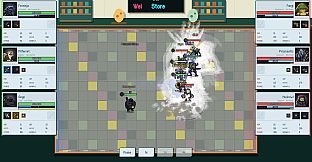
Combat follows an auto-battle format where three monsters enter the field and handle targeting, skill usage, and ultimate activation independently. No commands are issued after the fight starts, placing full emphasis on the team assembled and the builds developed beforehand. Each player brings a roster of six monsters but fields only three at a time. When one falls, the battle pauses briefly for a substitution choice, and defeat occurs only after all six have been eliminated.
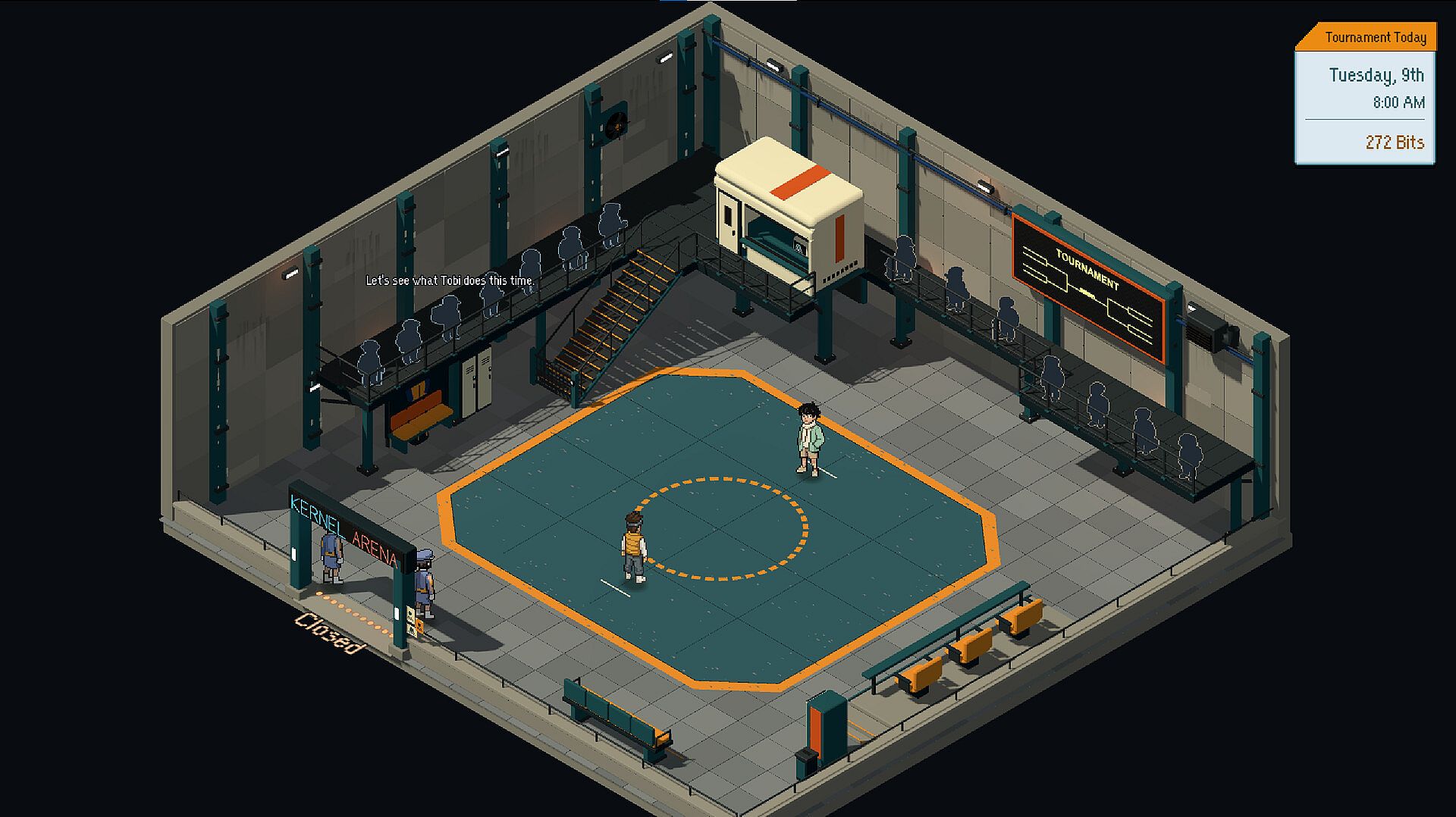
The overall structure builds toward a tournament where prepared teams compete. Daily activities feed into this goal, with time constraints preventing players from completing every possible task in a single day. The season timer adds pressure to prioritize training, resource gathering, and team refinement efficiently.
Monster Raising and Team Building
Raising focuses on practical care alongside progression. Training improves stats at the cost of stamina, while hunger mechanics require regular feeding to keep monsters effective. Rest periods help manage fatigue, and players must decide when to push development versus allowing recovery. These systems create trade-offs that affect both individual monster strength and overall roster depth for tournament entry.
Team composition matters because synergies emerge from the specific passives, skills, and ultimates chosen during raising. With six monsters carried into each engagement, substitution decisions during fights add a layer of reactive strategy even within the auto-battle framework. The emphasis remains on preparation, as outcomes depend on the monsters brought and how their abilities interact without ongoing input.
Is It Worth Playing?
Tamagong targets players who enjoy deliberate strategy and simulation elements over real-time action or direct combat commands. The auto-battle system rewards thoughtful team construction and resource allocation across limited daily turns, appealing to those who like planning builds and managing multiple creatures. As an unreleased title planned for 2027, its reception remains to be seen, but the described mechanics align with fans of monster-raising simulations and turn-based strategy who prefer preparation and synergy over moment-to-moment control. Availability on PC with single-player focus makes it accessible for solo play sessions centered on progression and tournament preparation.











