





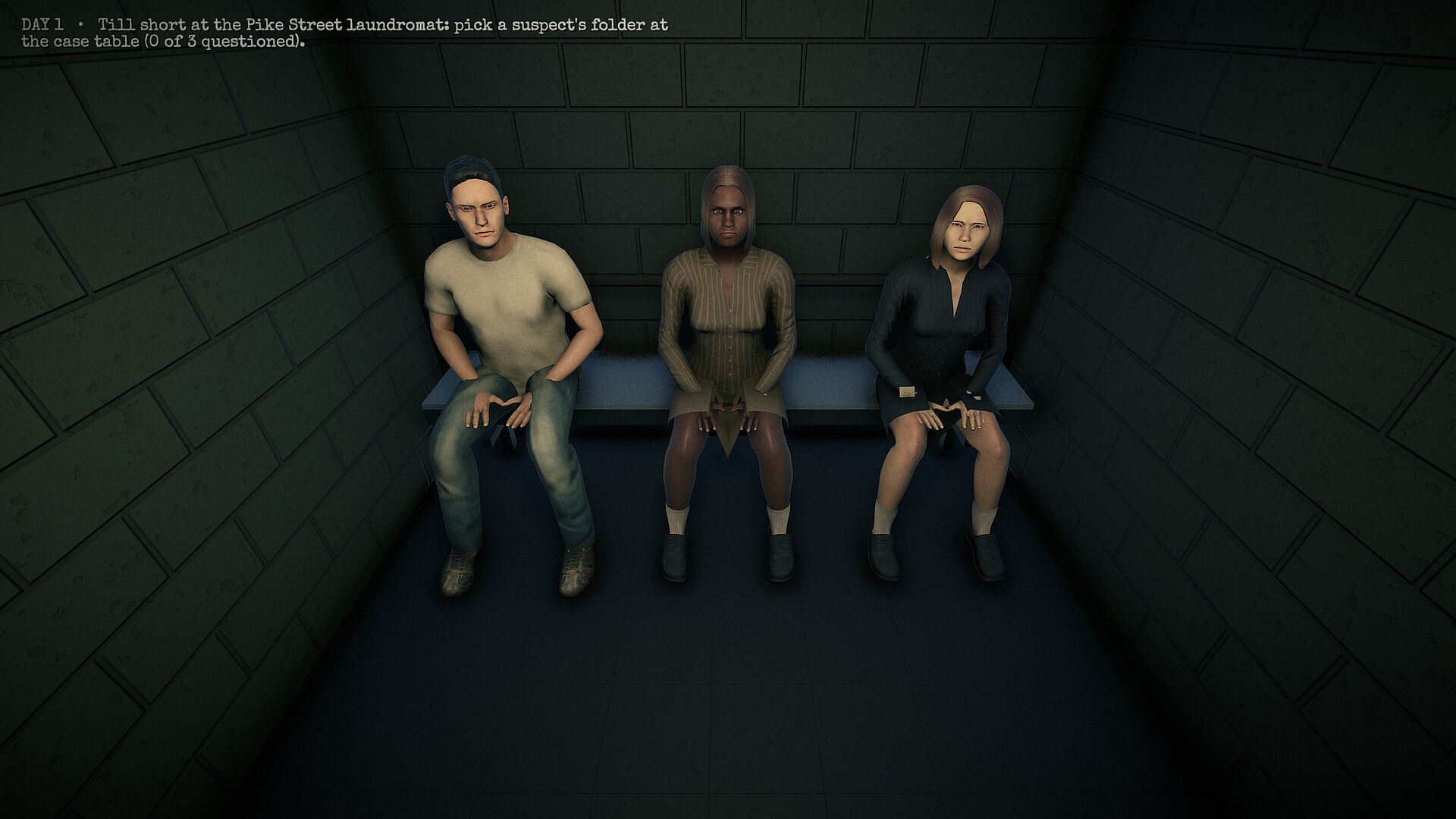
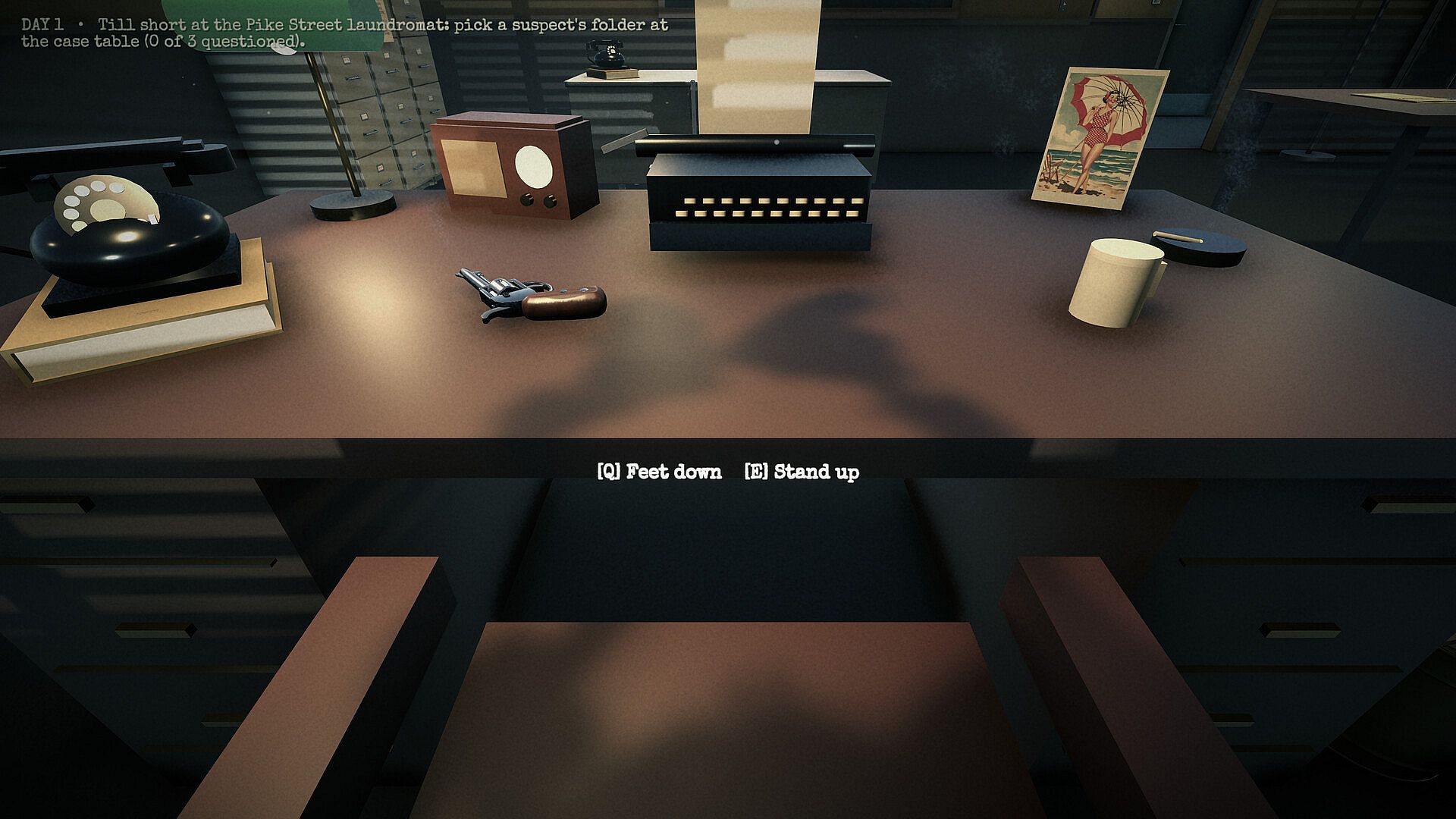
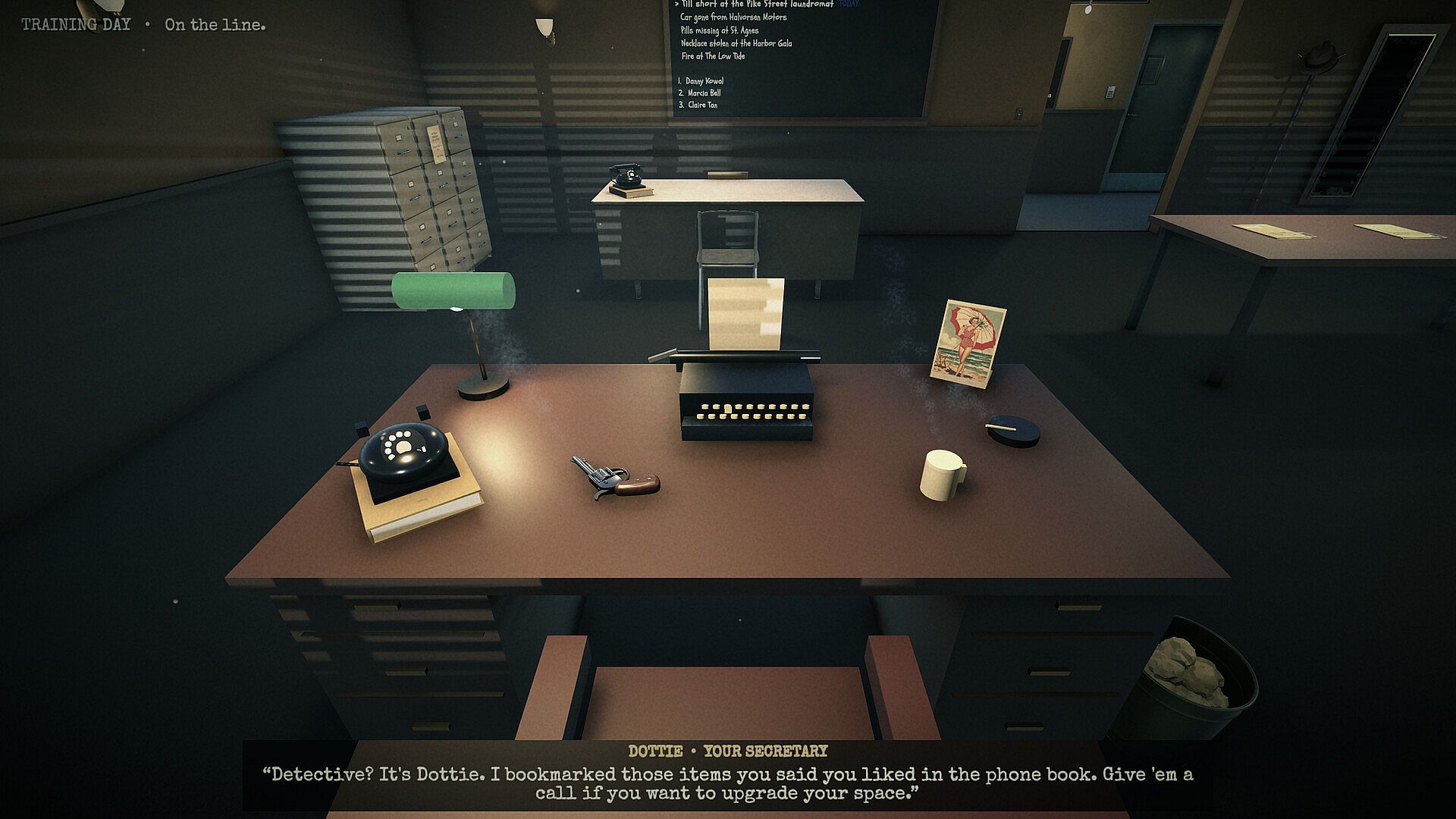
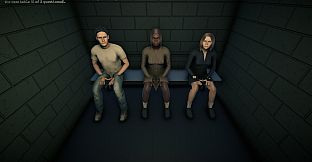




Tells is a first-person co-op detective game in the indie casual simulation genre for PC. Players take on the role of detectives in a 1950s police precinct, handling one case per shift with three suspects in holding. The core challenge involves questioning each suspect while observing facial expressions and mannerisms for signs of deception rather than relying on spoken words alone.
Gameplay
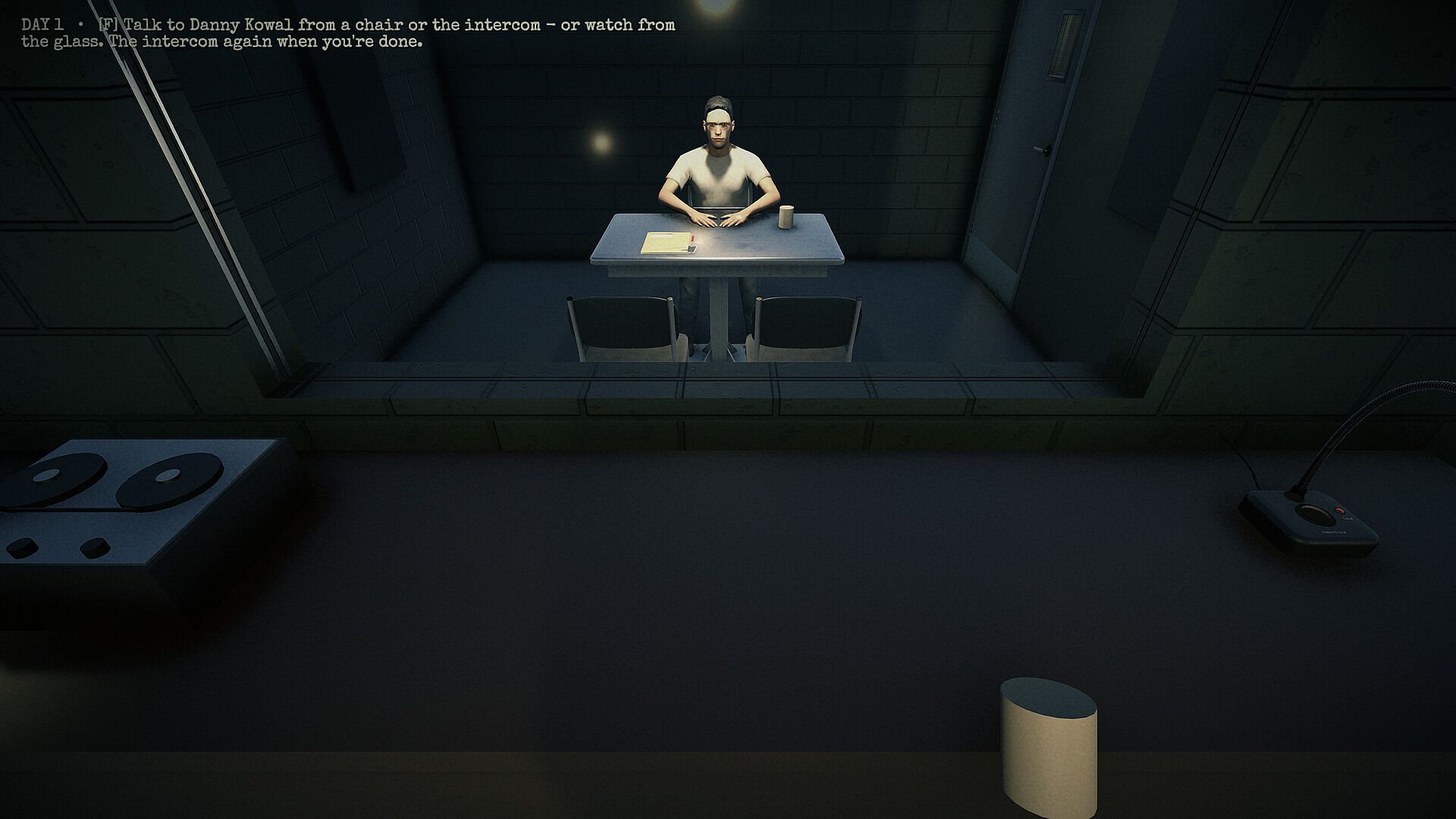
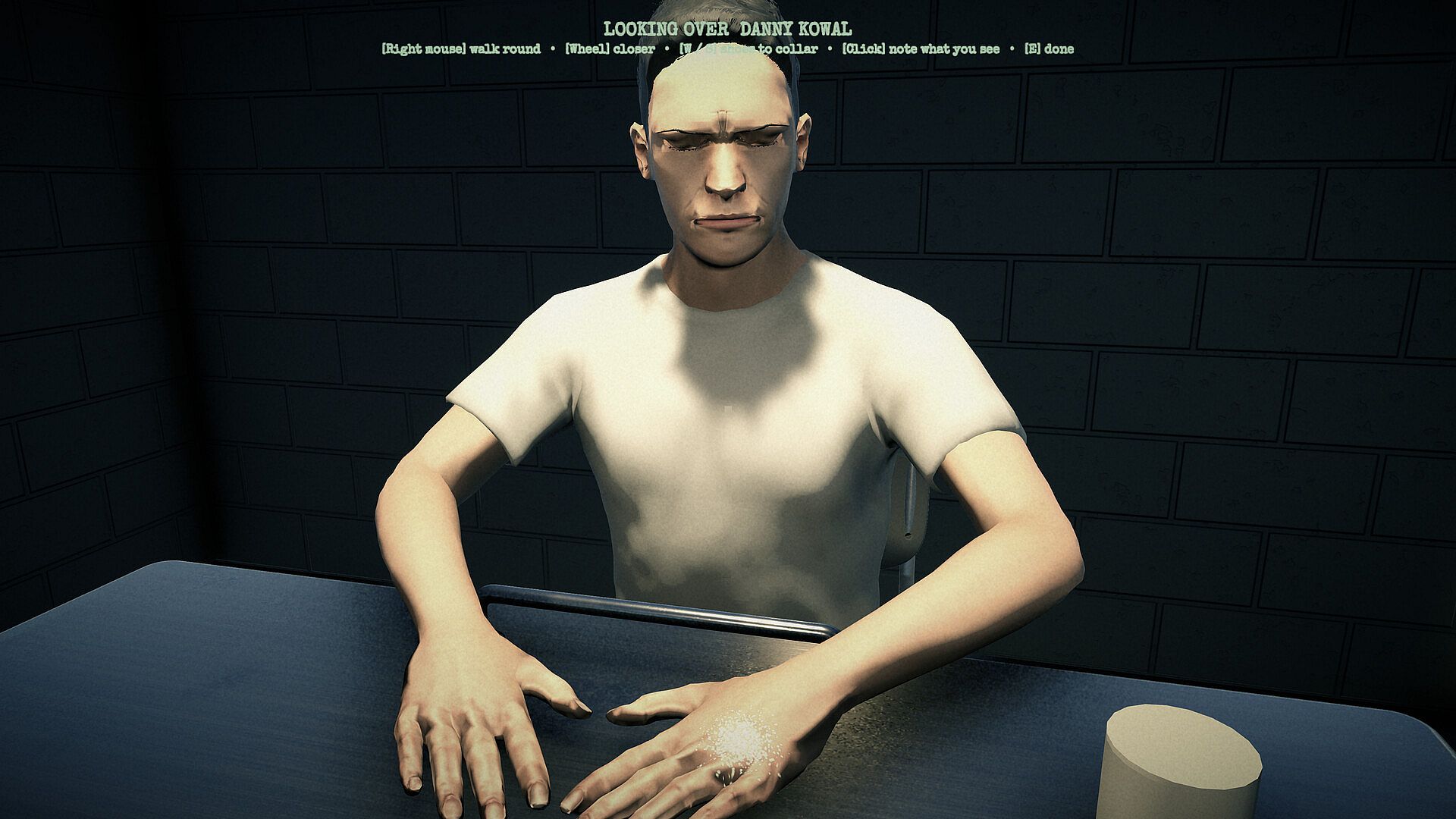
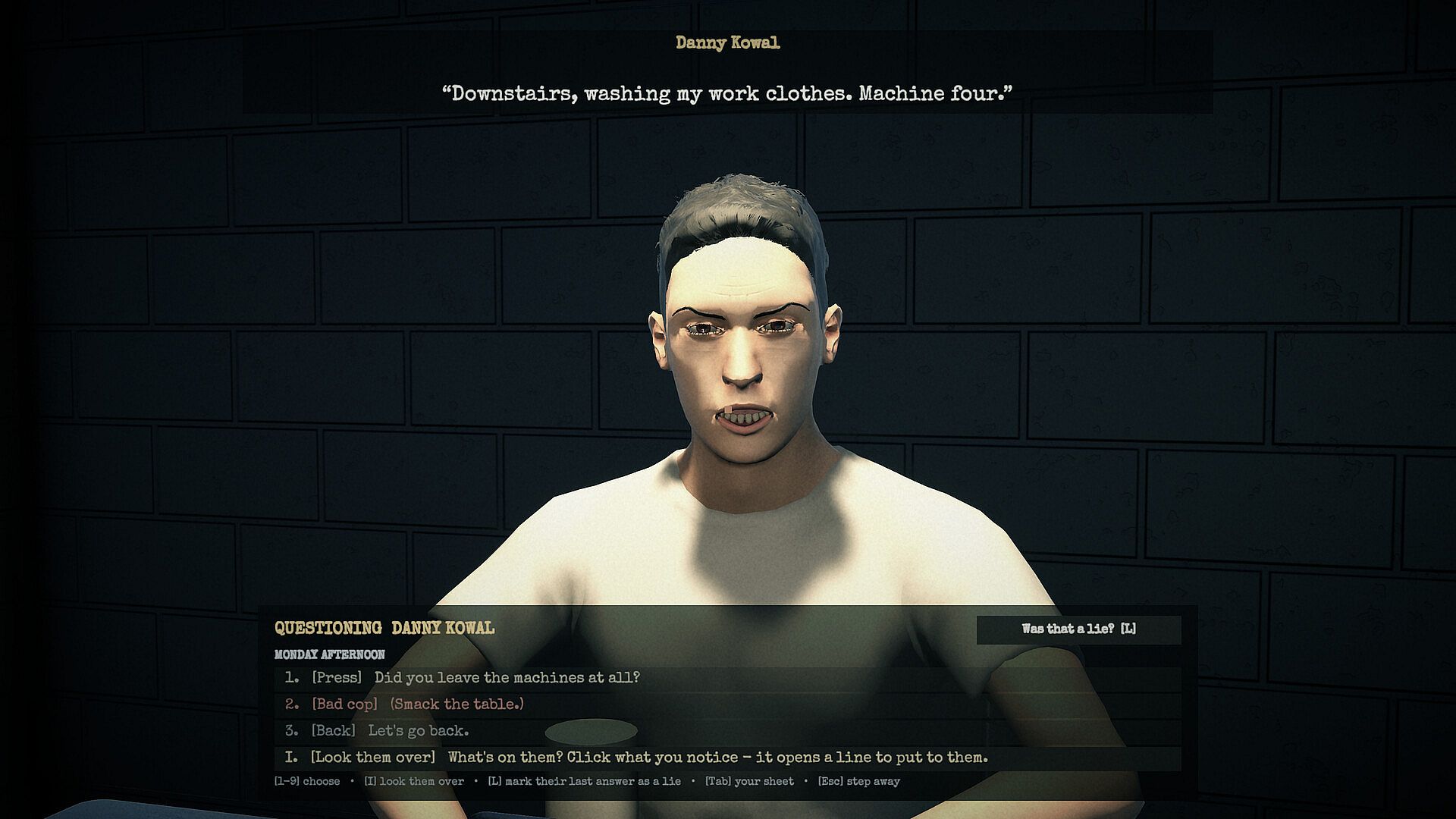
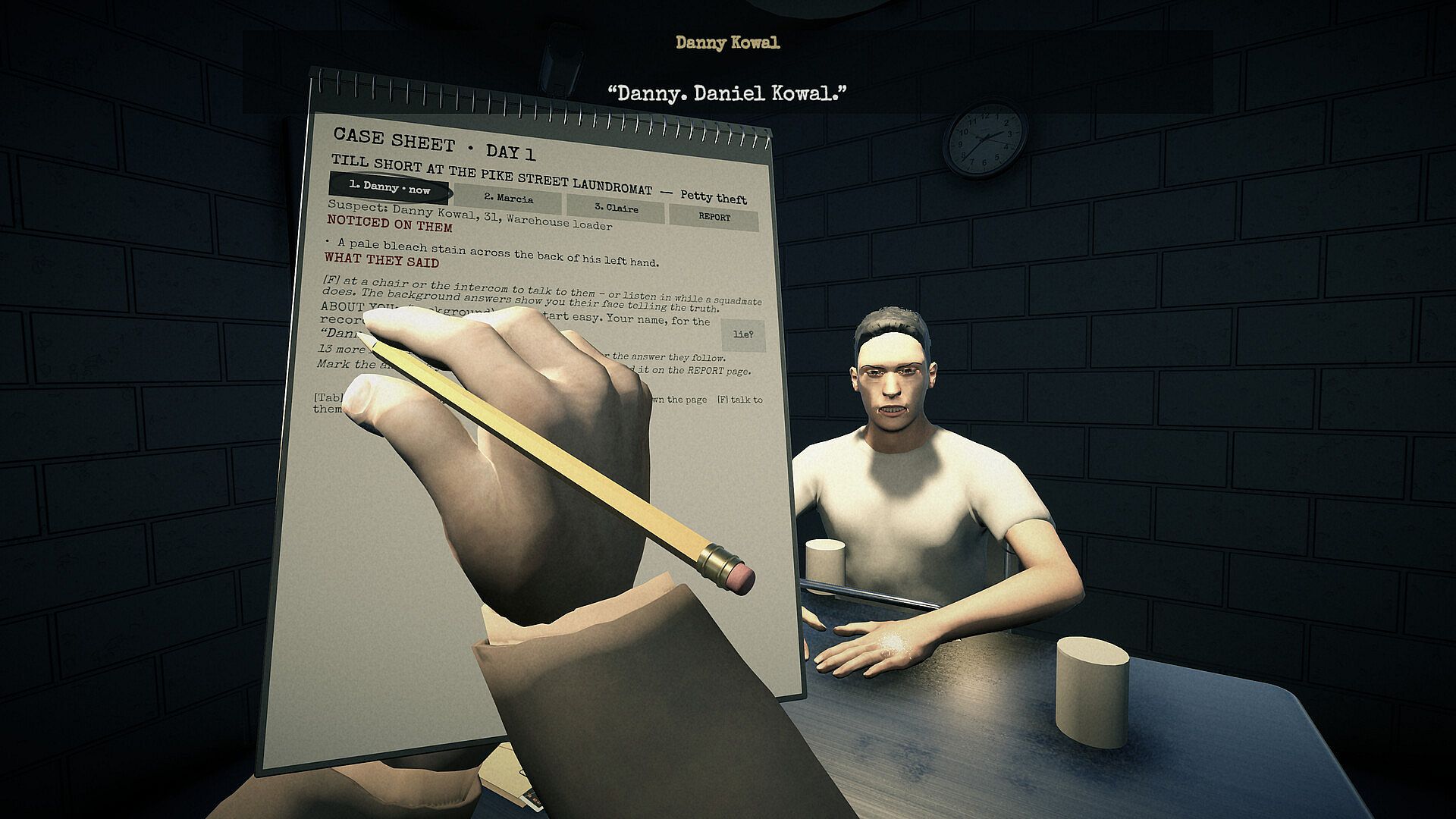
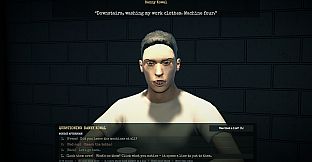
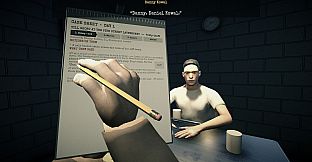
The gameplay centers on reading individual tells that appear on suspects' faces during interviews. Each suspect maintains a personal baseline of expressions, and certain habits may appear whether the statement is true or false. Detectives examine case files beforehand to prepare questions. One player sits at the table to select and deliver questions while others observe through the one-way glass, noting reactions and suggesting follow-ups. Repeating a question triggers a response like "I already told you," allowing the team to check consistency in the story. Suspects are fully voiced with expressive animations that convey these personal tells. Branching paths emerge from pressing on details or returning to earlier points, creating opportunities to catch inconsistencies without altering the underlying statements.
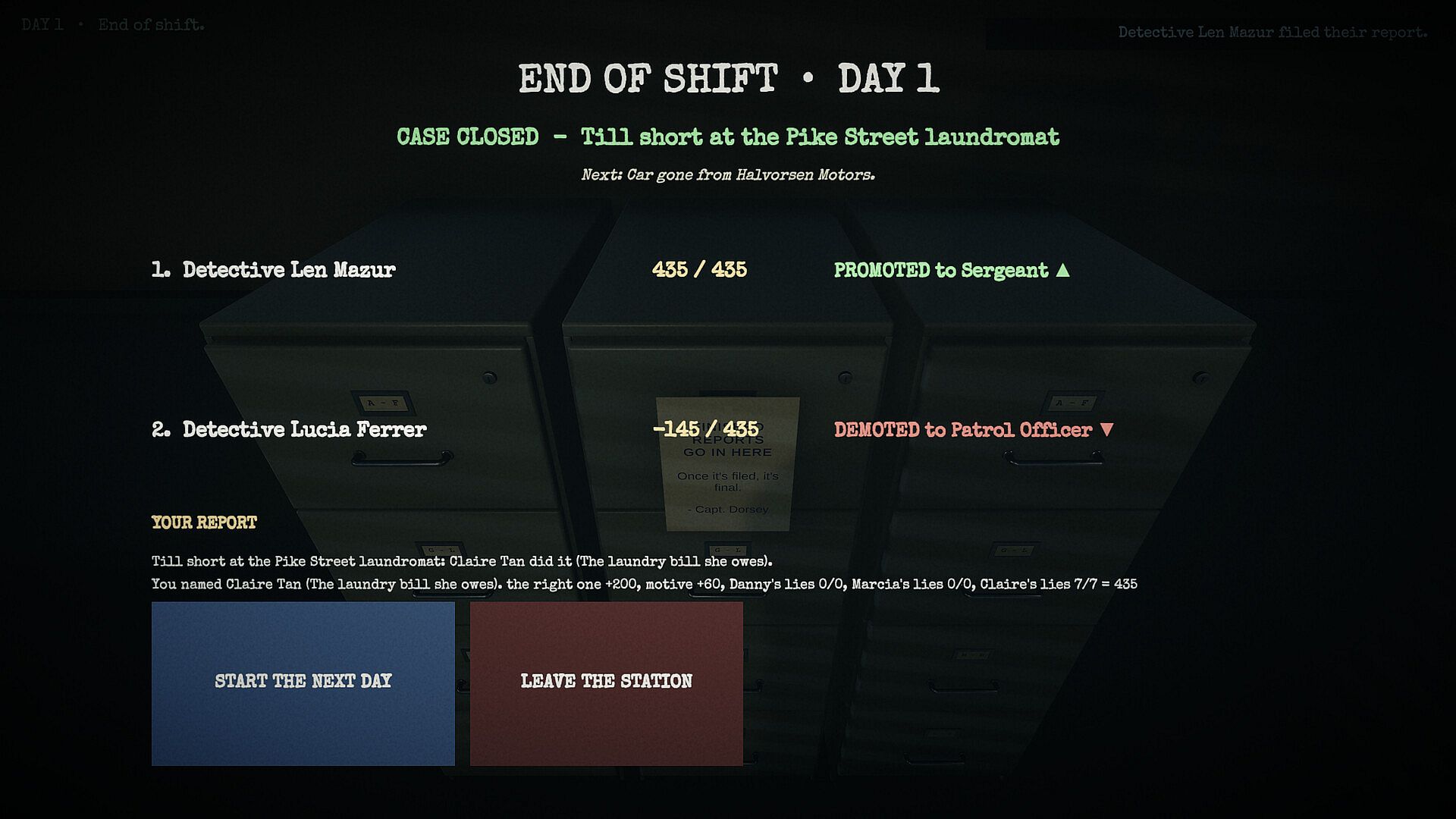
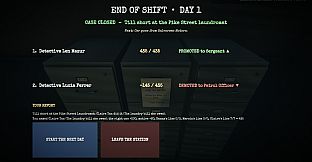
After questioning all three suspects, each player submits a sealed report at the filing cabinet. The report identifies the culprit, the motive, and specific lies observed. Scoring occurs individually, leading to promotions toward Chief for accurate reports or demotions to Janitor for errors. Cases progress through a campaign that begins with minor incidents such as a short till at a laundromat or a stolen car and escalates to theft, arson, and more serious crimes. Later cases feature subtler tells, sharper deceptions, and additional red herrings. Unresolved cases return in future shifts with the same culprit available for re-examination.
Game Modes
The primary experience revolves around the shift-based case structure, playable solo or with up to three additional players in co-op. A single detective can handle all roles internally, or the group can divide responsibilities with one player conducting the interview and the others monitoring from the observation area. The campaign mode sequences cases in increasing difficulty, with each completed shift unlocking the next. No separate competitive or versus modes exist; the focus remains on collaborative deduction and individual report accuracy within the shared precinct setting.
Key Mechanics and Progression
Interrogation mechanics emphasize pressure and repetition without scripted outcomes. Players choose lines of questioning, revisit topics, and observe whether stories hold under scrutiny. The one-way glass setup supports asymmetric participation, where observers provide real-time input without direct control of the interview. Report filing adds a layer of personal accountability, as each player's assessment is evaluated independently even in group play. Campaign progression ties directly to case resolution, with harder investigations demanding finer attention to baseline expressions and emerging habits.
Is It Worth Playing?
Tells suits players who enjoy methodical deduction and co-op communication in a simulation framework. The emphasis on facial cues and consistent suspect dialogue creates a focused loop of observation and verification that rewards careful attention across multiple shifts. Solo play allows full control of the process, while group sessions highlight divided roles and shared discussion. The campaign structure provides a steady increase in complexity without requiring external updates or seasonal content. Those interested in indie detective simulations with co-op elements will find the verified mechanics of tells, branching questions, and sealed reports deliver a consistent experience centered on identifying the single culprit among three suspects each shift.











