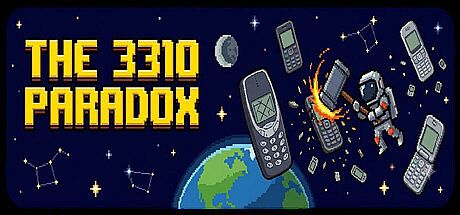


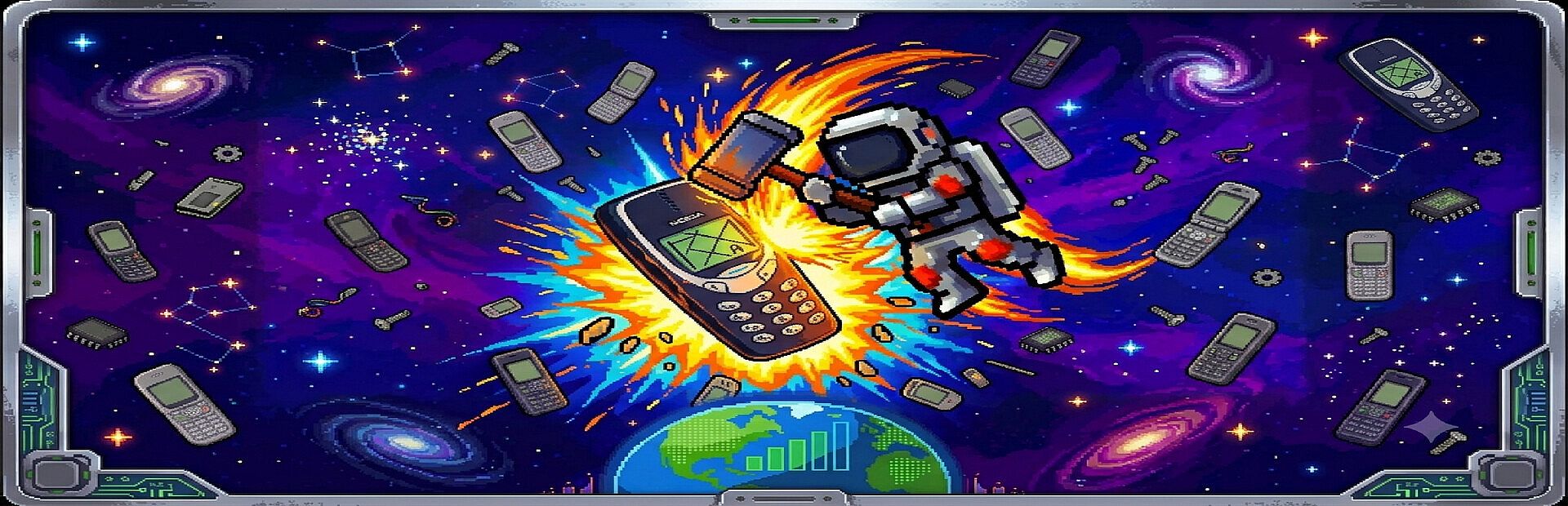
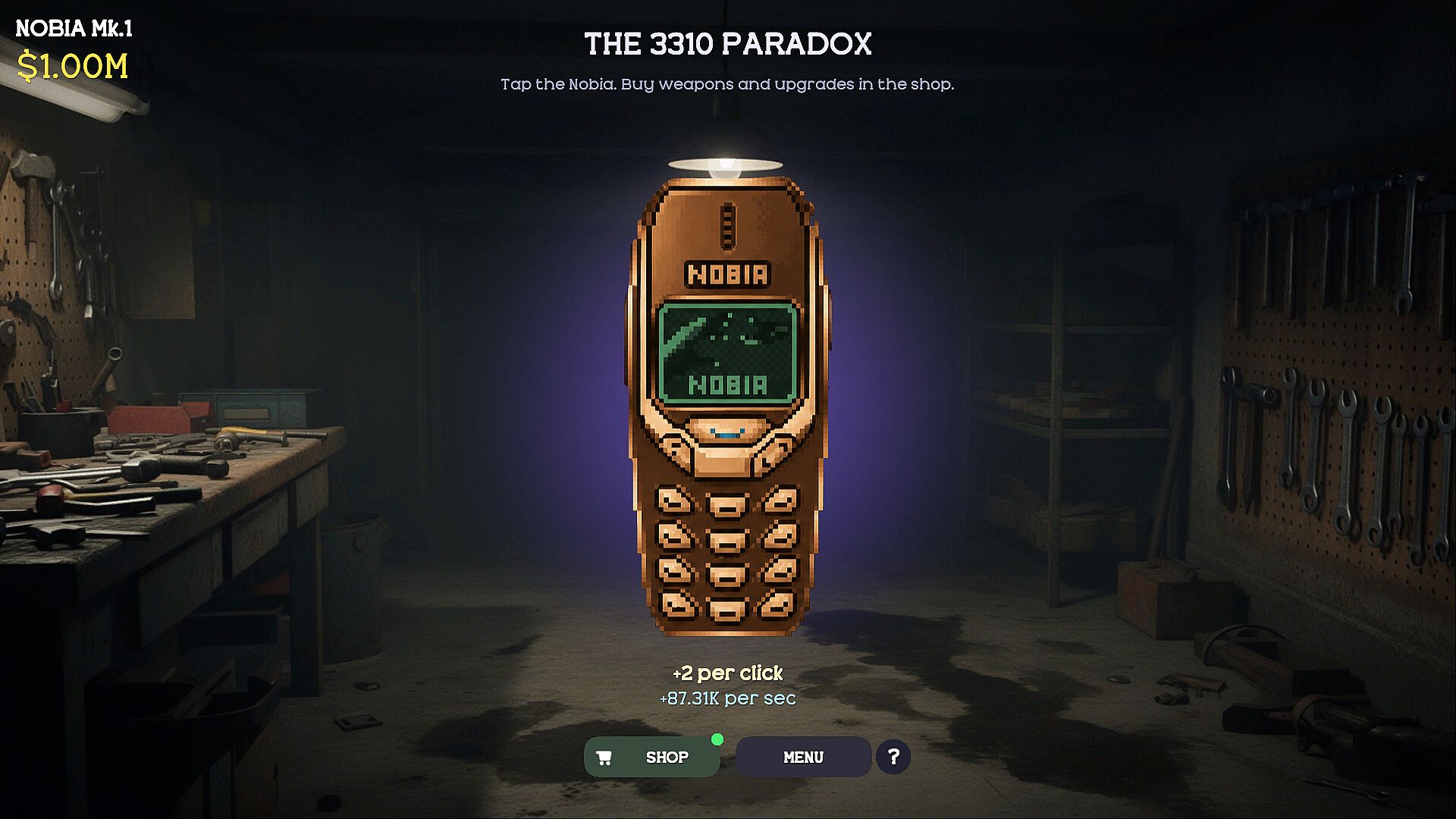
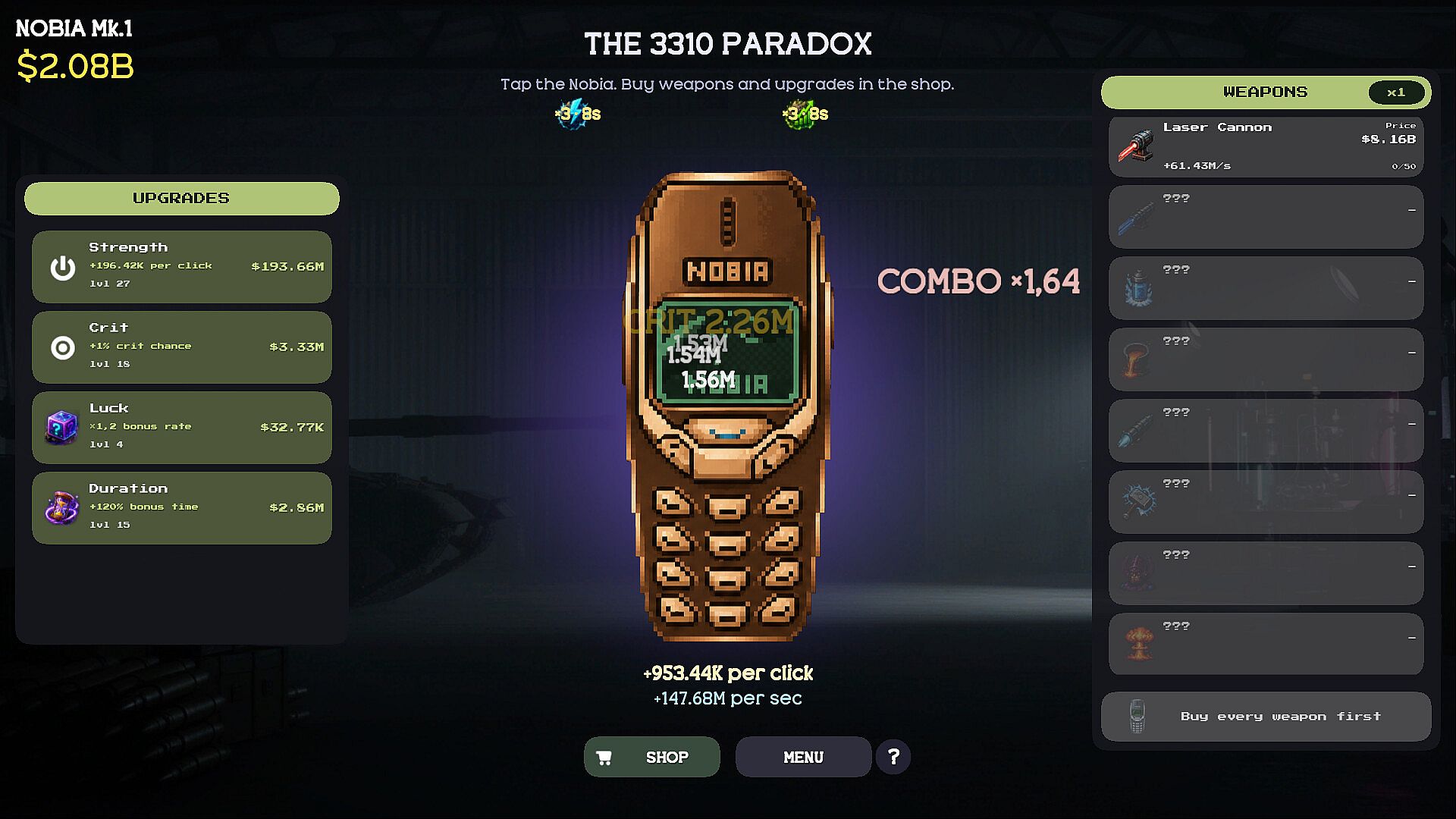
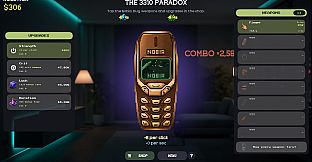
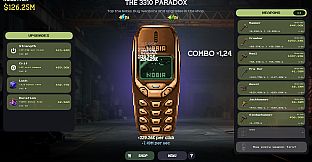
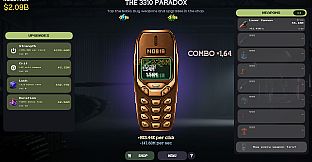
The 3310 Paradox is an indie casual game built around a single, escalating task: breaking an indestructible Nokia 3310 phone. Set on PC, the experience turns a familiar childhood object into the centerpiece of an incremental loop that mixes active clicking with passive progression. The premise stays grounded in the phone itself, never straying into unrelated themes or extra layers.
Gameplay
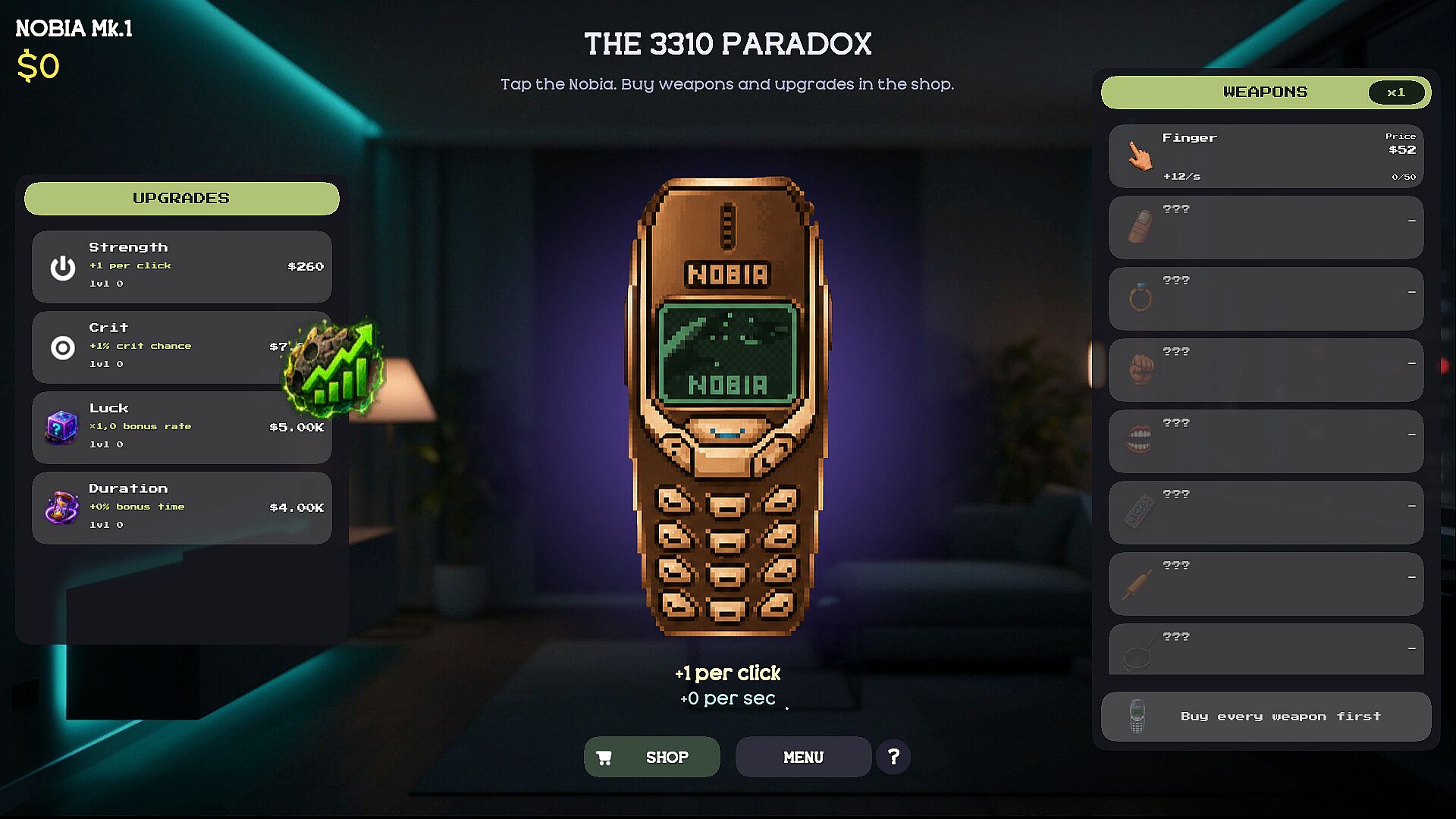
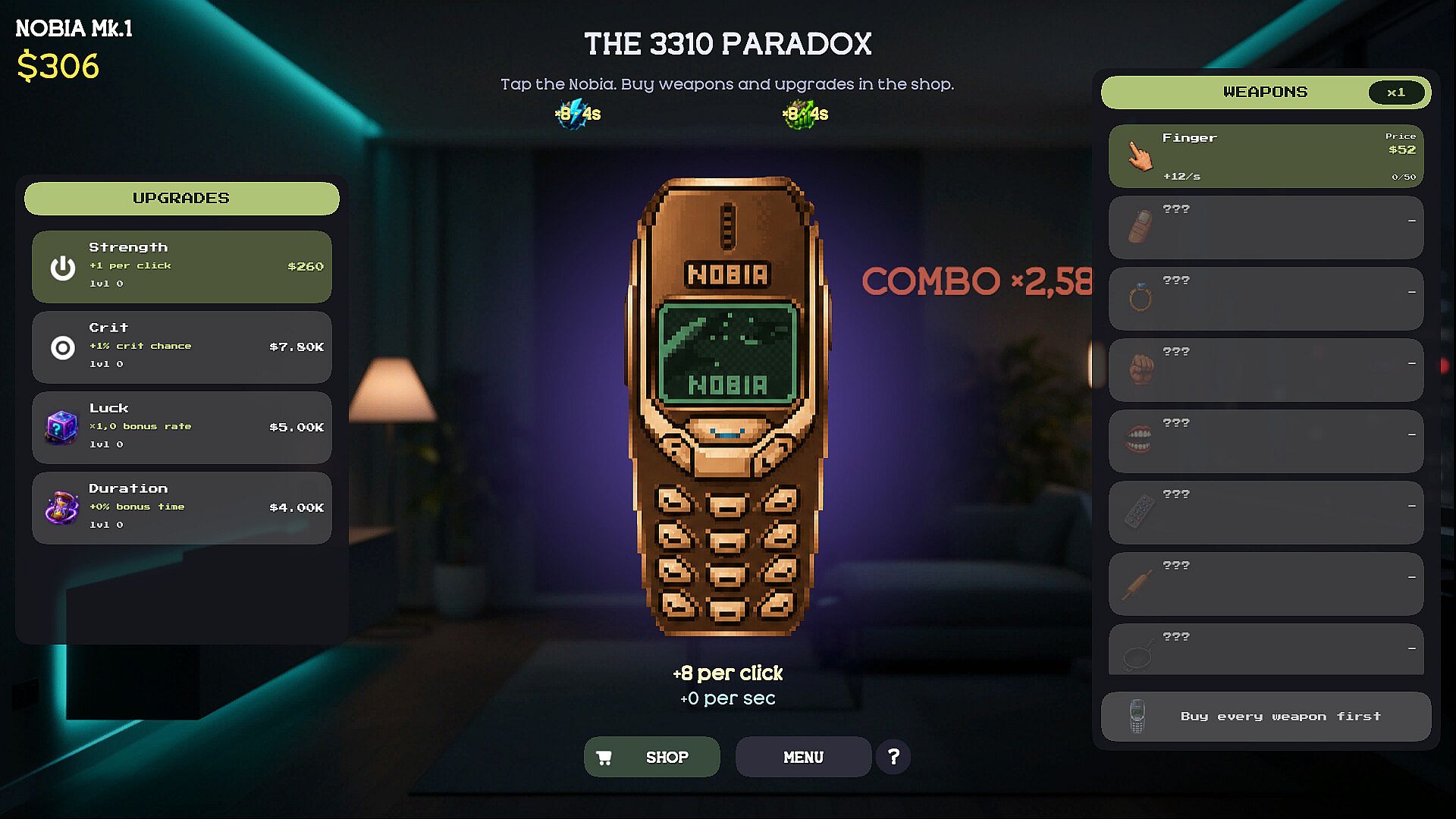
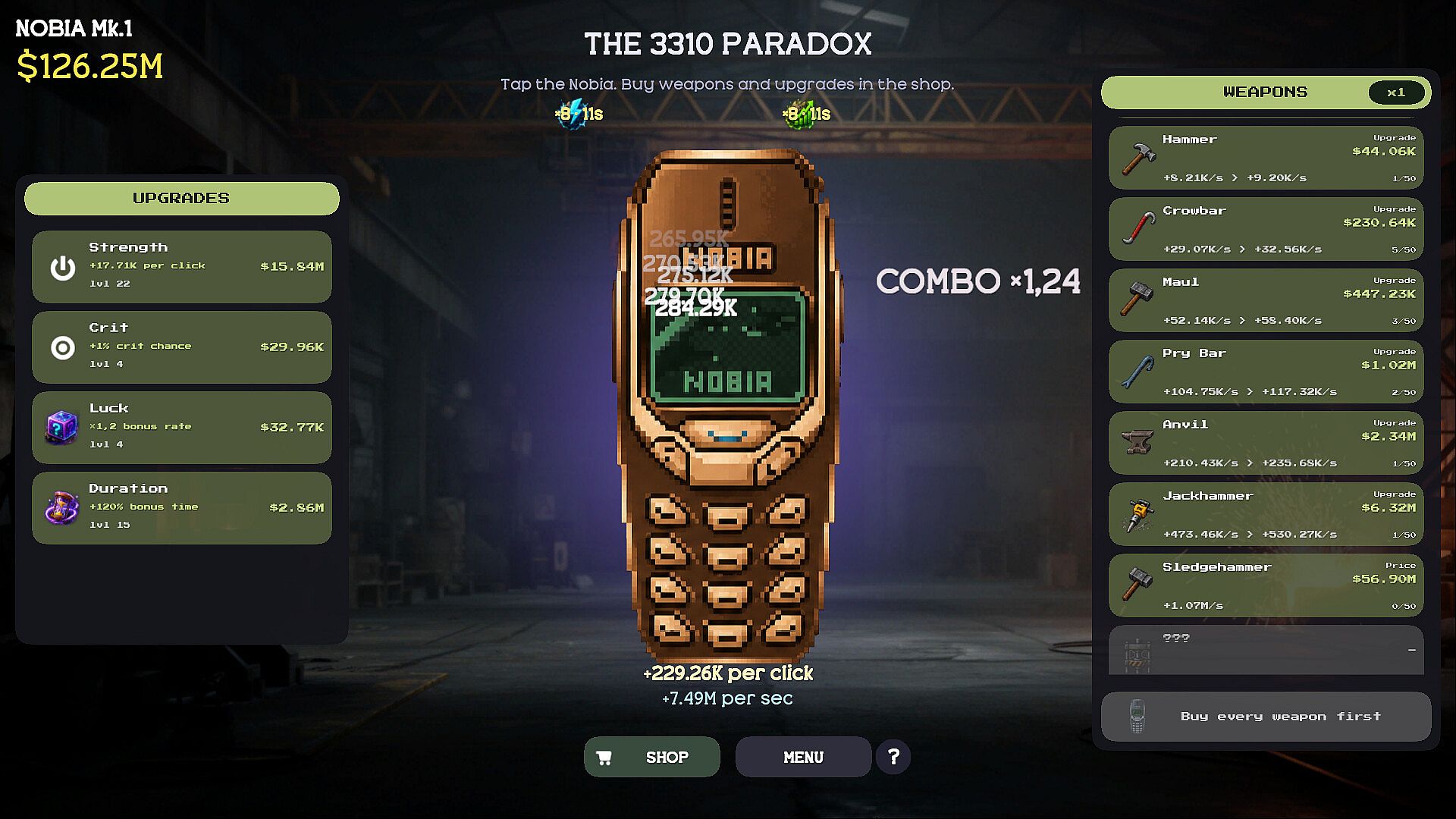
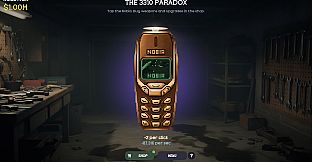
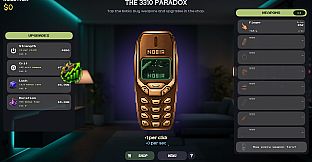
Core play revolves around tapping the screen to deal damage while numbers tick upward in the corner. Early efforts use a finger, then progress to household objects that increase output. Each escalation adds a new tool or method, and the interface tracks damage in real time. Sustained rhythm builds combos that multiply total damage, while breaks in tempo reset the streak. Occasional high-value moments appear and reward extra output if caught quickly.
Progress does not stop when the player steps away. The phone continues to take damage from prior upgrades, so returning later reveals hours of accumulated results. Fourteen achievements mark milestones, some tied to deliberate choices and others to unexpected outcomes. The room and available tools evolve as numbers grow, shifting what counts as an effective approach. Everything stays framed by the same monochrome LCD aesthetic, complete with green backlight and blocky pixels that mimic an early-2000s phone menu.
Game Modes
The game offers a single continuous experience without separate modes or branches. All activity centers on the phone on the table, and the loop remains consistent from start to finish. No multiplayer options, competitive ladders, or alternate scenarios appear. The structure keeps focus on incremental improvement and the satisfaction of watching numbers climb through repeated, escalating actions.
Interface and Presentation
Visual design replicates the exact limitations of an old mobile display. Menus scroll with the deliberate pace of early phone navigation, and every element stays within the grey-on-grey palette. This choice reinforces the subject matter rather than serving as decoration. Sound design stays minimal, emphasizing the physical taps and impacts that mark each stage of escalation. The overall presentation avoids modern polish in favor of fidelity to the device being featured.
Is It Worth Playing?
Players who enjoy idle and incremental titles will find a focused loop that rewards both short sessions and longer returns. The concept stays narrow, which suits those who prefer clear goals over open-ended systems. Because the game builds entirely around one object and its escalating destruction, it appeals most to fans of casual progression mechanics rather than narrative-driven or competitive experiences. Availability on PC makes it accessible for quick checks between other activities, and the idle element means progress continues without constant attention. Those seeking variety in game modes or social features will not find them here, but the tight execution of the core idea delivers exactly what the premise promises.