


The Last Dry House is an indie simulation adventure game set on PC in which a catastrophic flood isolates a single farmhouse as the last dry ground for miles. Players take on the role of the resident who must decide who to shelter while piecing together clues about the living and the dead who arrive at the door after dark.
Gameplay
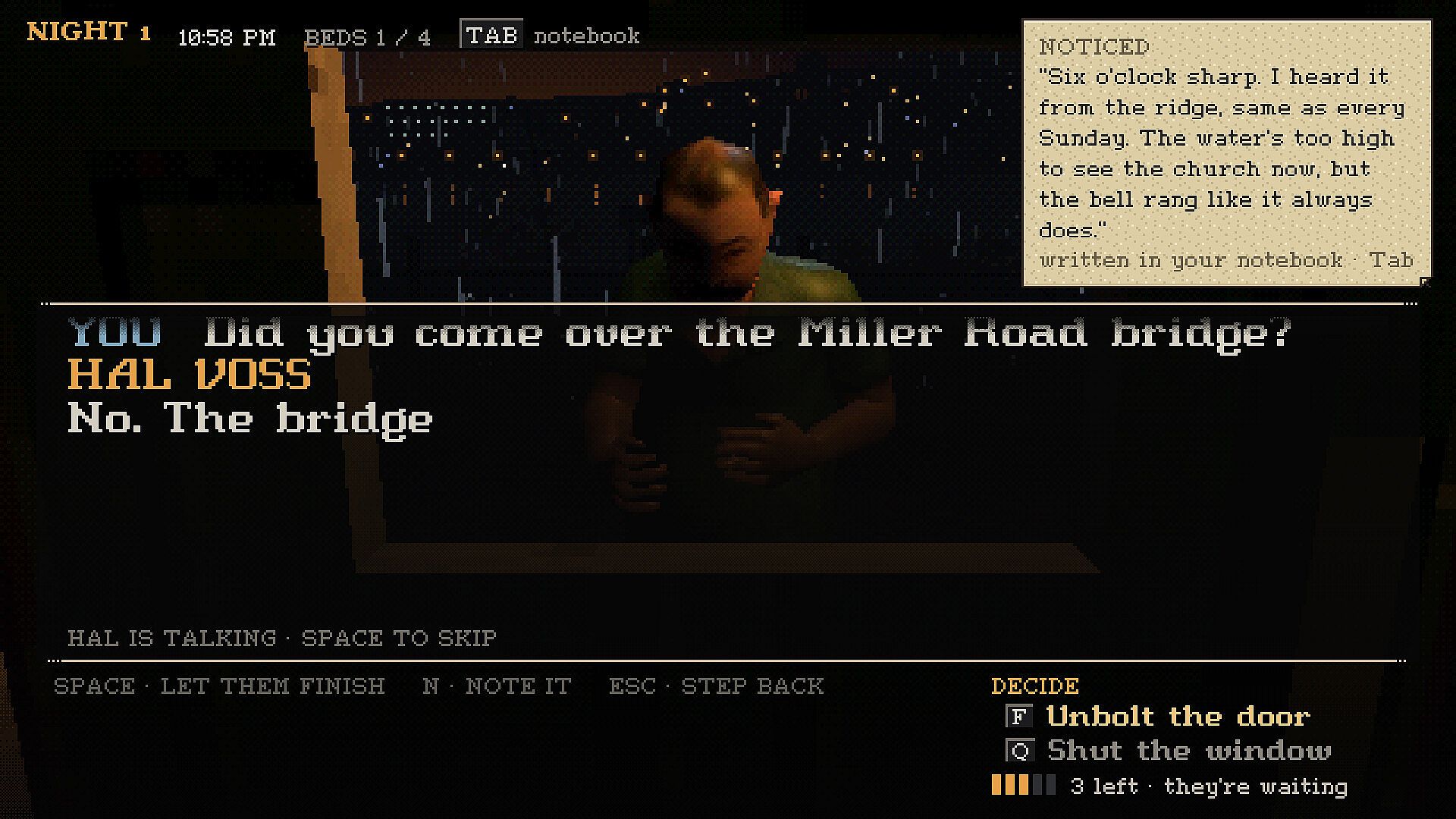
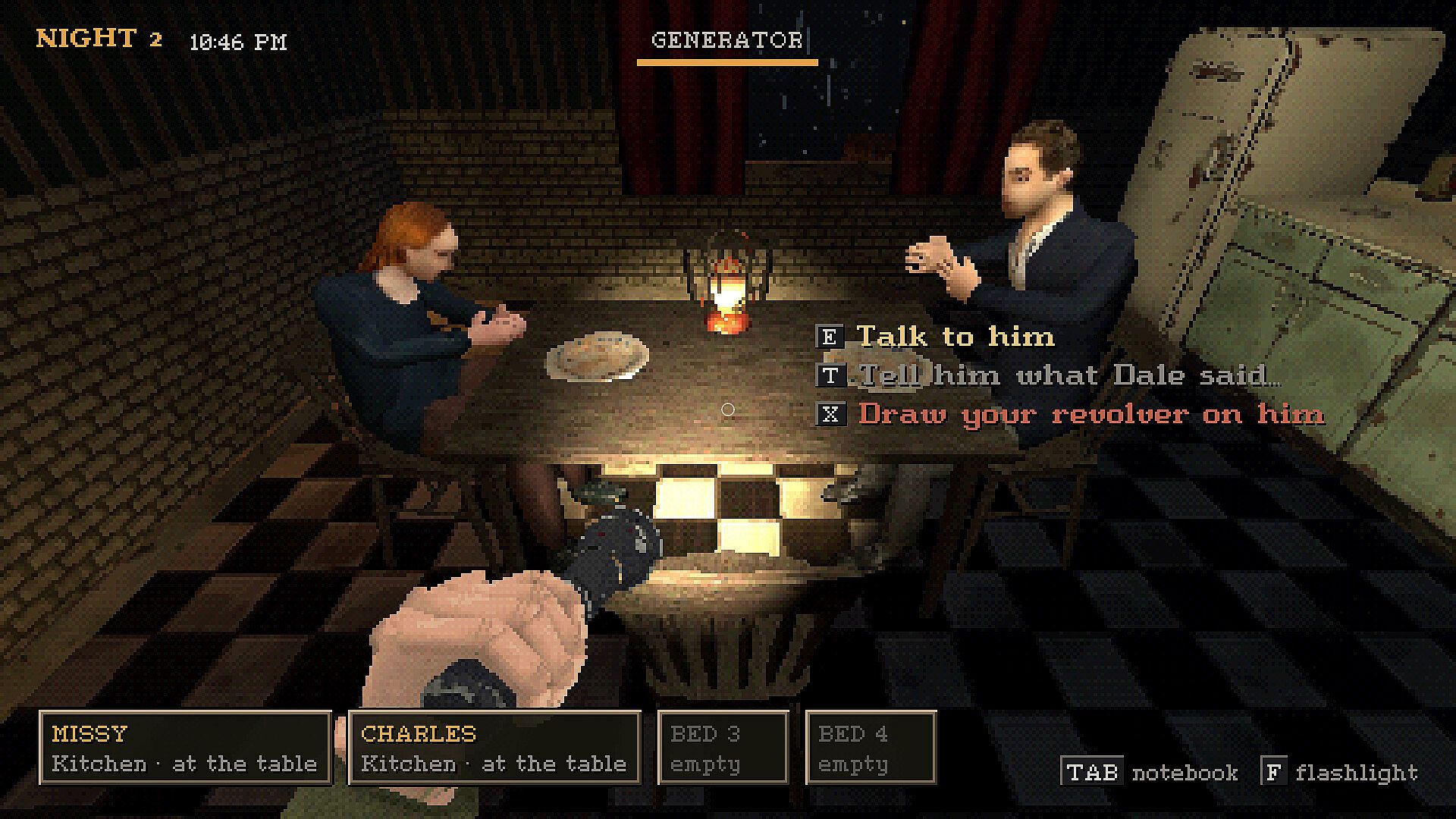
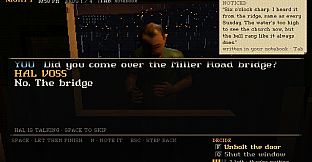
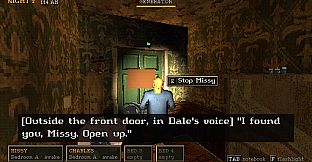
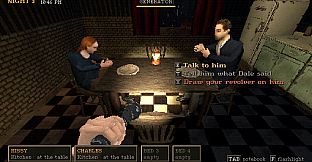
The core loop centers on managing limited resources inside the isolated house while gathering information through conversation. Each night strangers knock, and players open a small window in the door to type any questions they choose. Responses come from the strangers own lives, covering where they were when the water rose, who they seek, and how they reached the hill. Some visitors are survivors with accurate details. Others are the Drowned, wearing a dead neighbors face and recalling that neighbors life up to the moment the water closed over them, yet unaware of their own death.
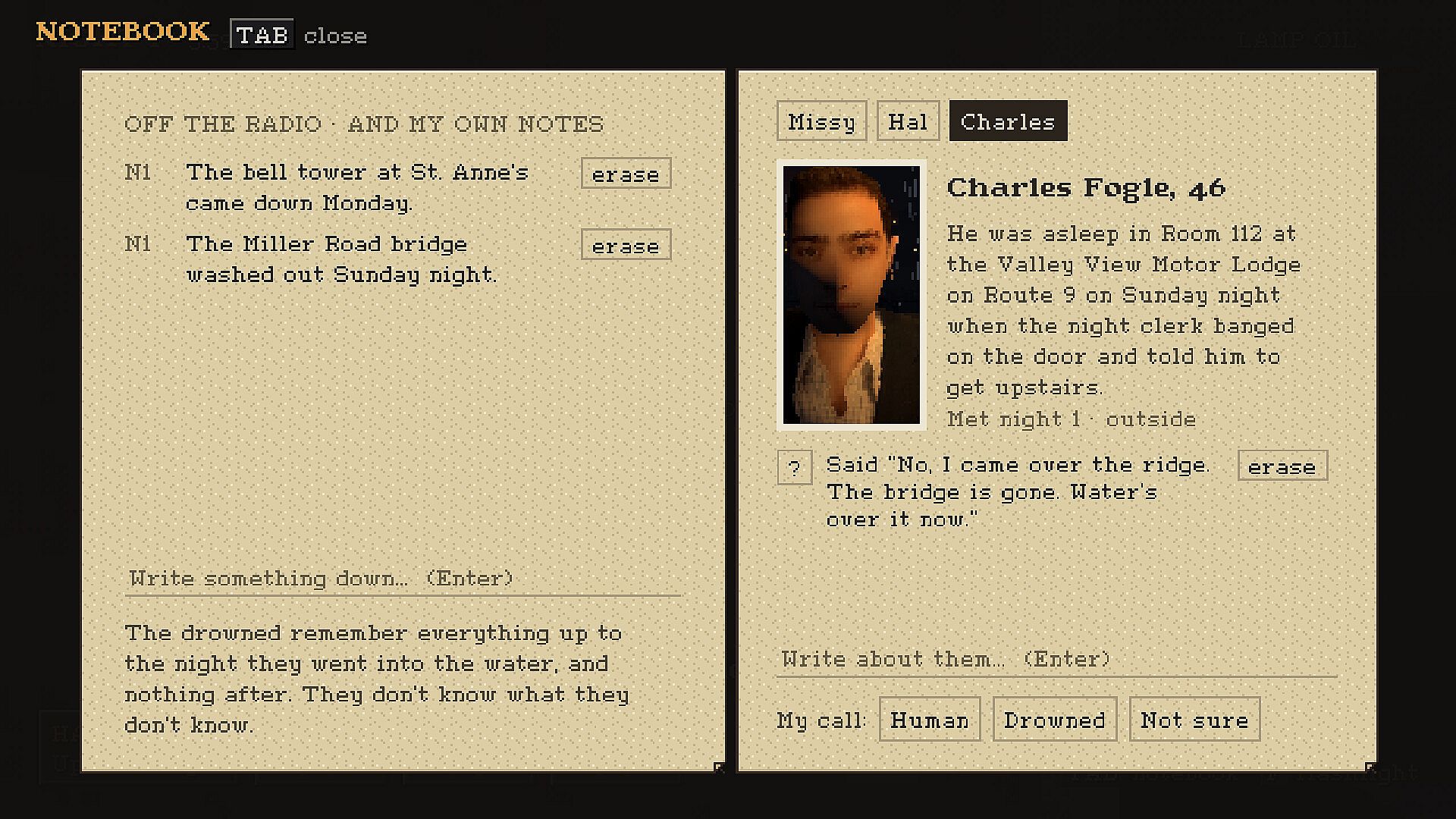
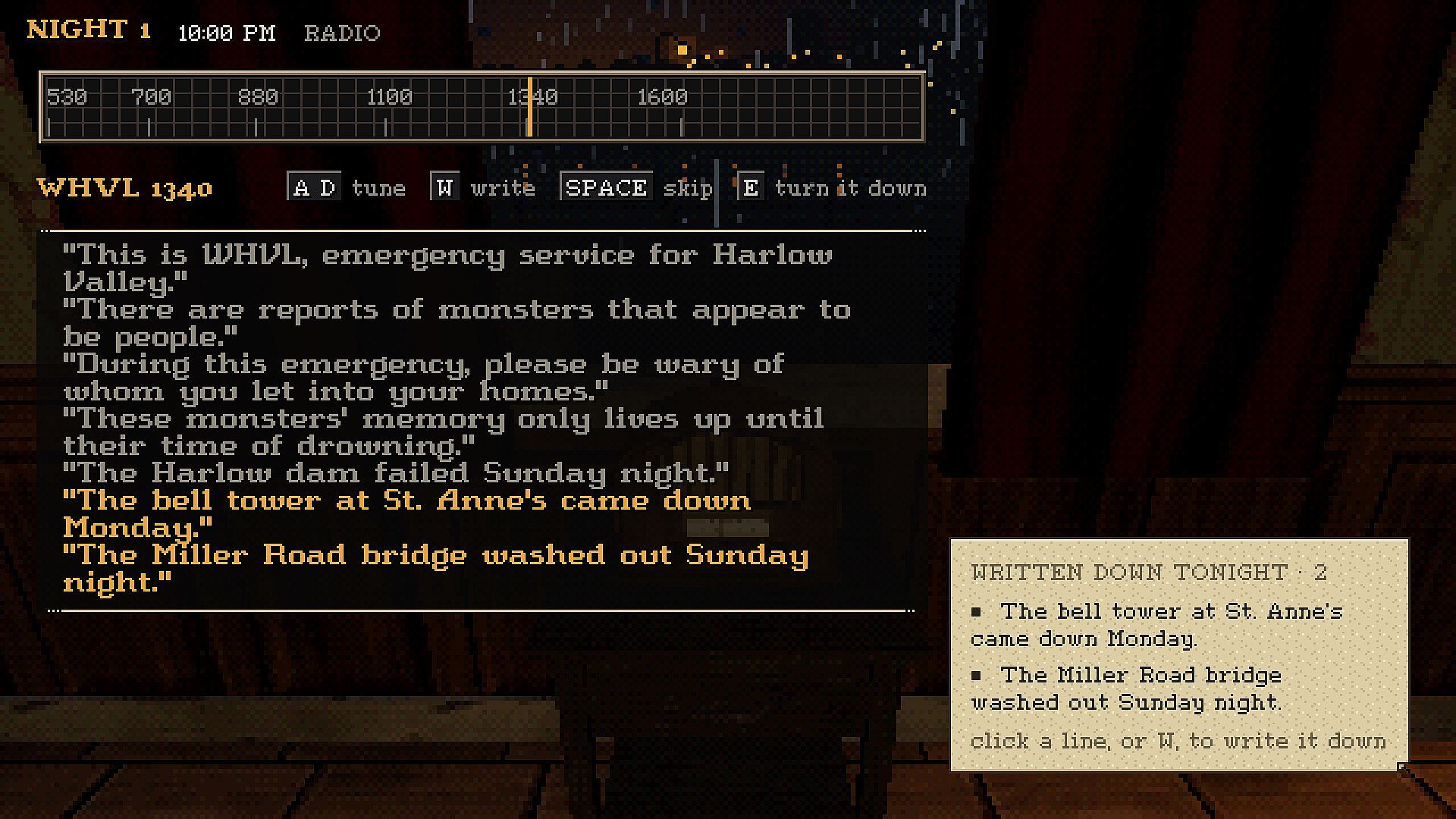
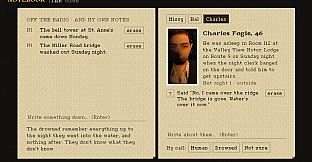
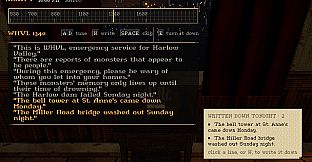
The emergency radio broadcast each night provides verified facts about destroyed infrastructure such as the Miller Road bridge or St. Annes bell tower. Players cross-check statements against these updates because the Drowned always contradict at least one confirmed detail. Living guests can also be mistaken if they have been cut off from news. Notes, license checks, and questions to other guests help build a reliable picture before deciding who enters.
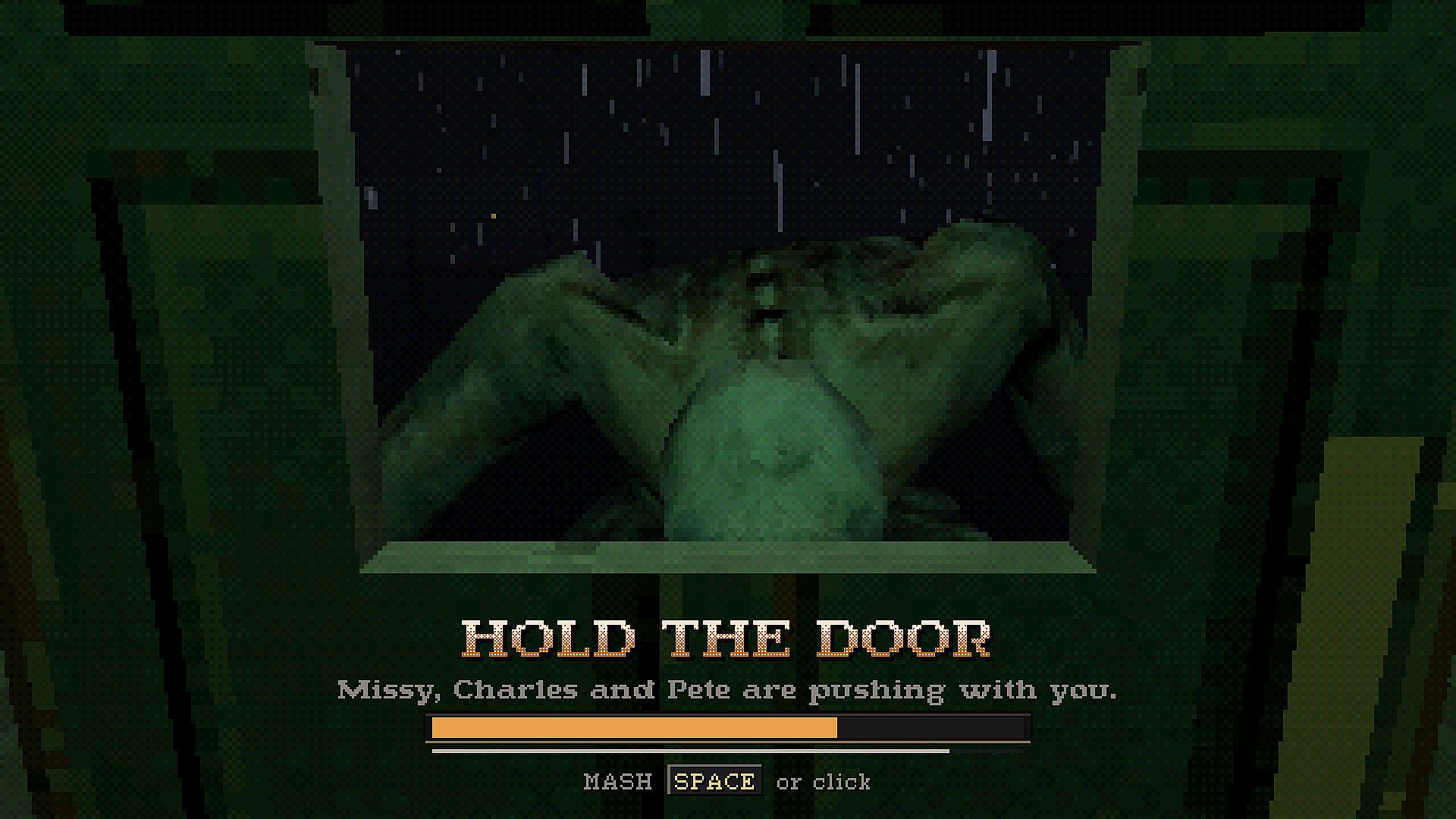
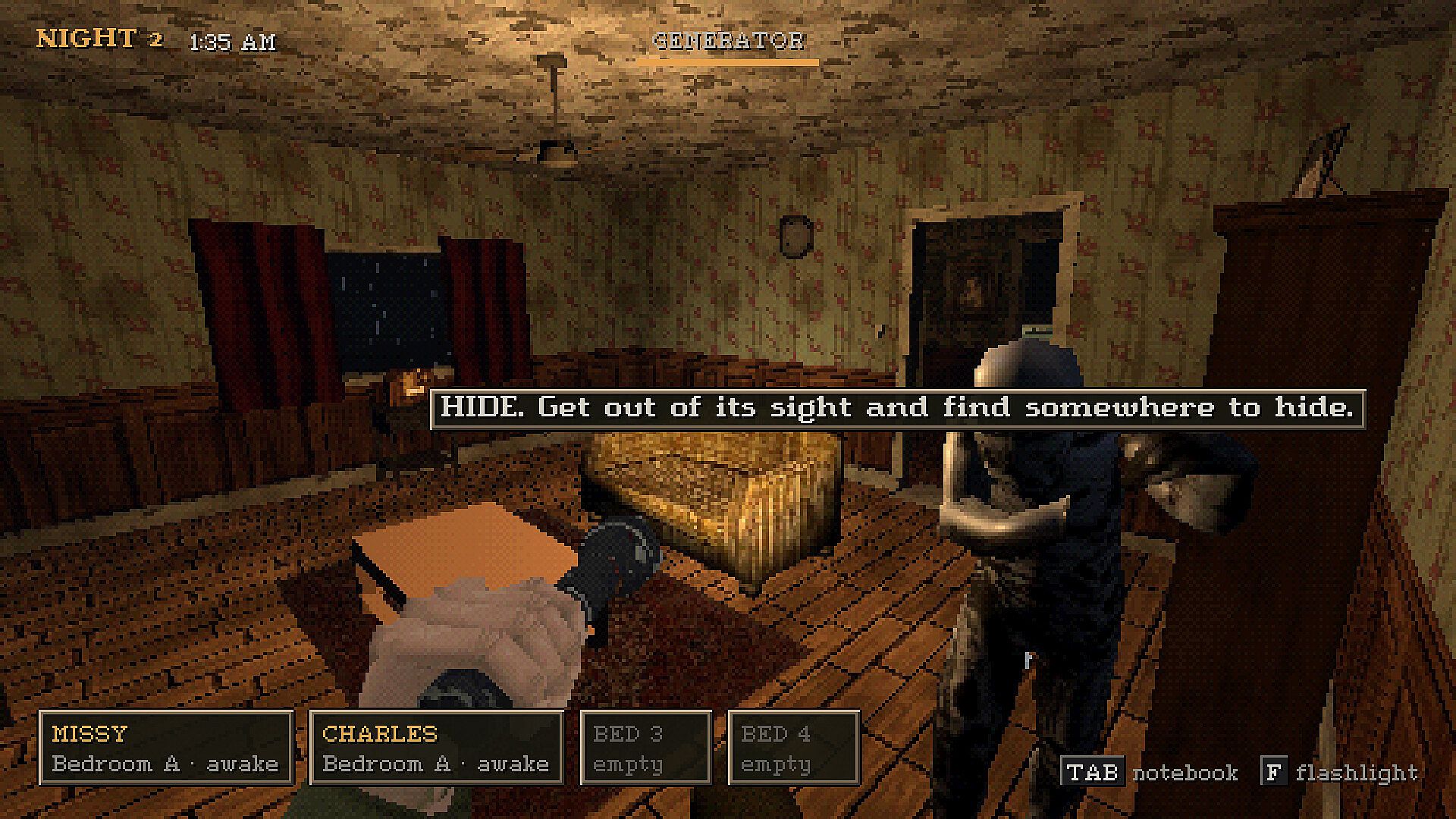
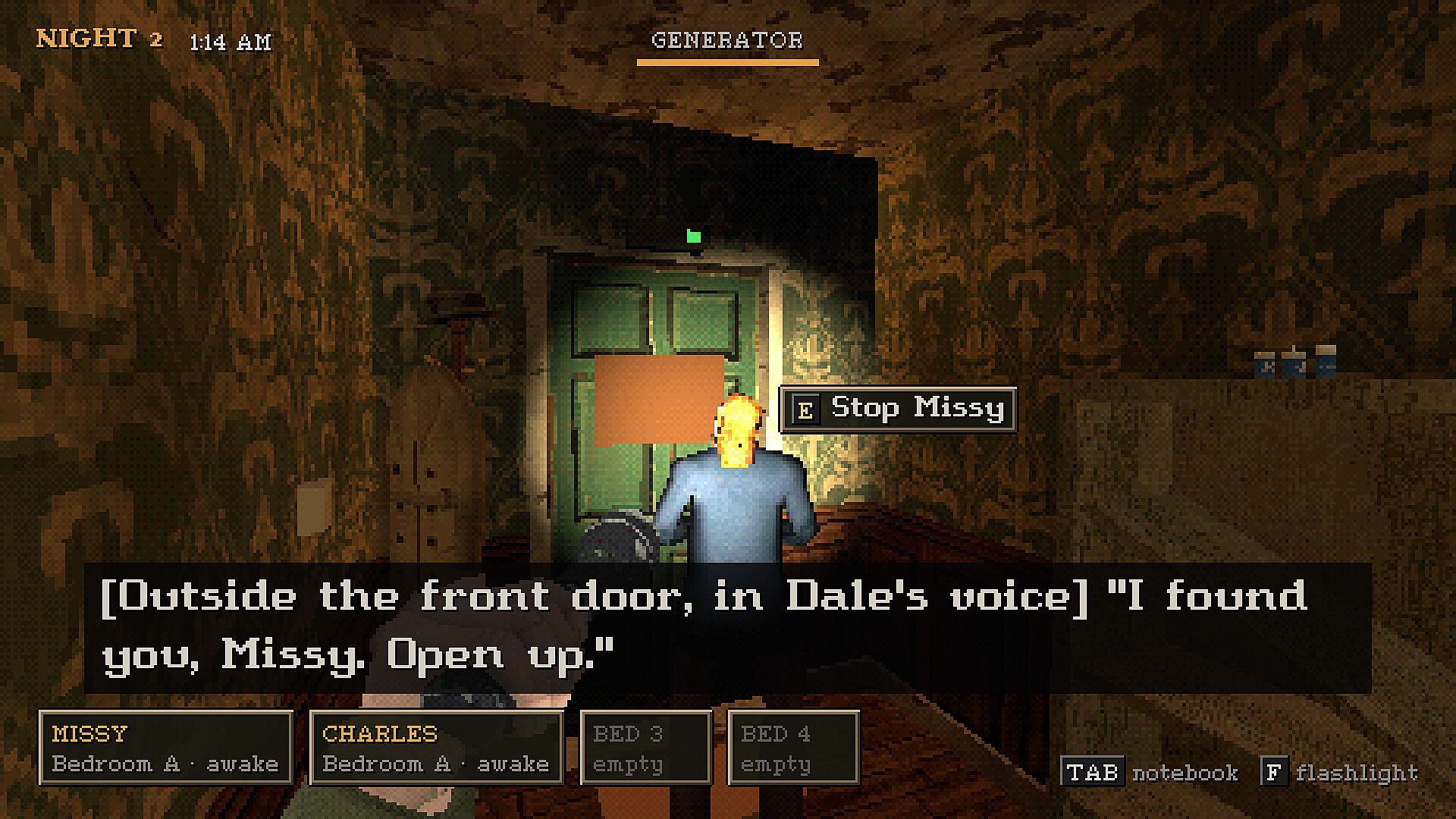
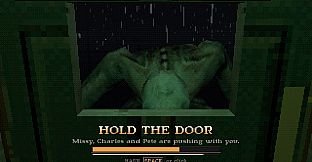
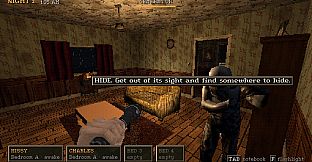
Four beds limit capacity. Letting someone in when full requires sending another guest out into the flood. Accepting a Drowned risks losing a resident by morning. Turning away a survivor can mean hearing their name listed among the dead on the next broadcast. A Drowned turned away may linger and call a guest by name once the house sleeps. The generator must stay running or the door lock fails, forcing players to patrol the dark rooms, question occupants, and brace the door against attempted entry. When something breaks through, hiding and holding breath becomes necessary.
Game Modes
The experience runs as a single-player procedural simulation with no separate named modes. Each playthrough generates a fresh cast of 65 strangers and a different selection of the Drowned. Lives and clues are authored for the game in advance, while an offline AI language model running on the players graphics card generates spoken dialogue in real time. The model receives instructions on who is Drowned, what each person knows, and which clues matter, then converts those facts into natural speech using a synthesized voice on the processor. Nothing typed leaves the computer, and no internet connection is required after launch.
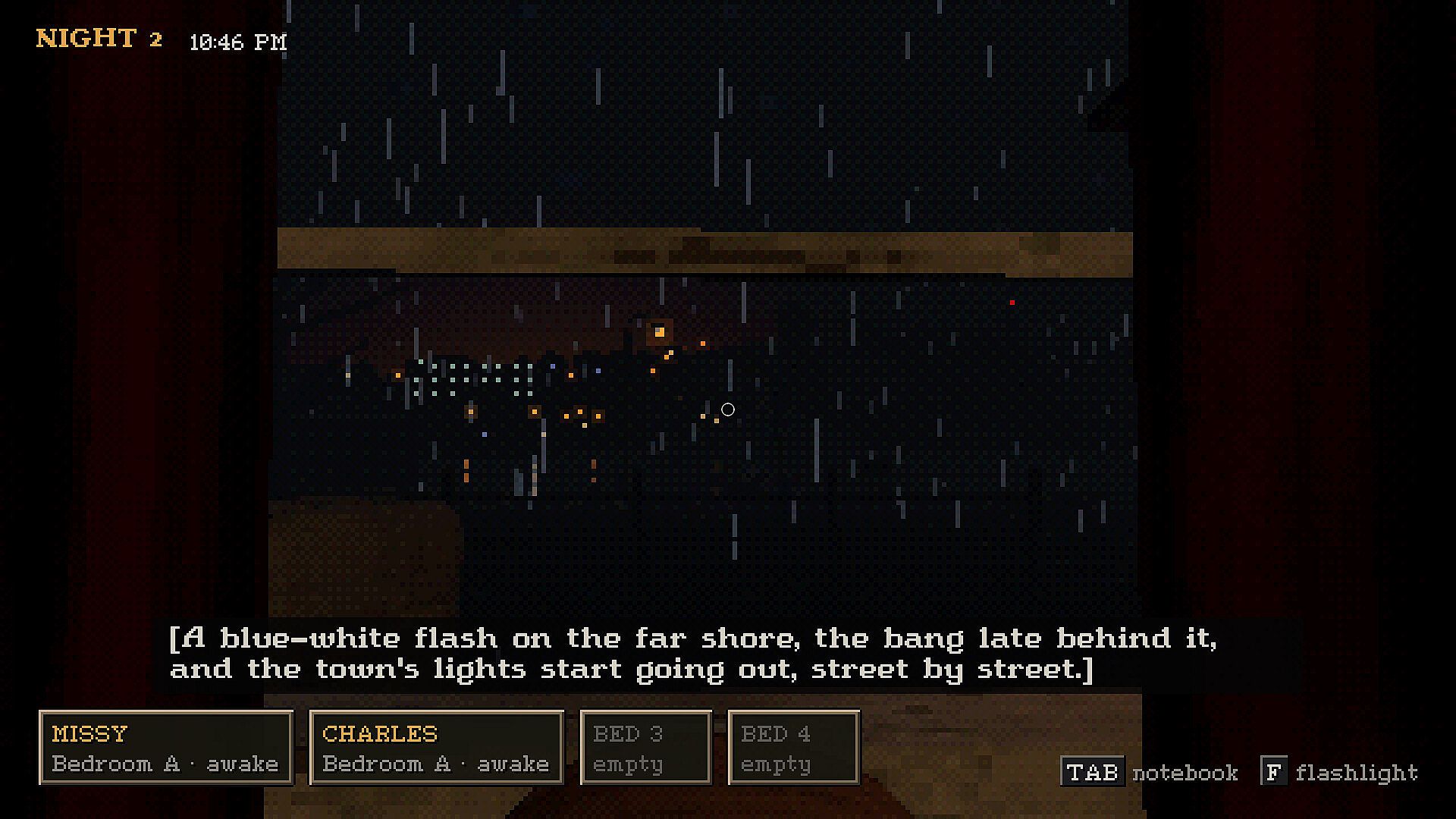
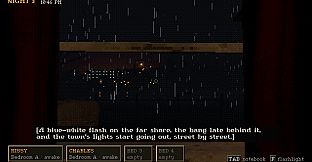
Procedural variation comes from the changing roster of visitors, their individual knowledge gaps, and the random selection of house events that occur each night. Deduction remains consistent across runs because every Drowned contradicts radio information in a verifiable way. The PS1-style farmhouse visuals place the flood at the base of the hill with the town lights going dark across the water, reinforcing the isolation without requiring external servers or updates.
Key Mechanics and Features
Typing any question receives context-appropriate answers drawn from pre-written character backstories. Players track inconsistencies between statements and the nightly radio updates to identify the Drowned. Resource management extends beyond beds to the generator and physical security of the house. The system supports repeated playthroughs through entirely new combinations of guests and clues while preserving the same core rules for survival and deduction.
Visual and audio presentation stays deliberately low-fidelity to match the storm-bound setting. The house itself reacts with more than a hundred possible events that shift nightly, keeping each session distinct even when the same structural rules apply.
Is It Worth Playing?
The Last Dry House suits players who enjoy narrative deduction, resource tension, and open-ended conversation within a tightly scoped simulation. Its strength lies in the freedom to ask anything and receive coherent replies that still require verification against external facts. The offline AI dialogue system delivers varied speech without compromising privacy or requiring an internet connection. Those who prefer fast action or traditional combat will find the deliberate pace and emphasis on observation less engaging. The game rewards careful note-taking and repeated runs to explore different combinations of survivors and the Drowned. Availability remains limited to PC with no additional modes or expansions confirmed at this time.