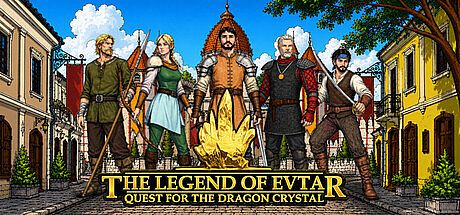


The Legend of Evtar: Quest for the Dragon Crystal is a tactical RPG that blends grid-based combat with the exploration and story elements of classic computer role-playing games. Set on PC, it places players in the shoes of Paul, an amnesiac protagonist drawn into a fragile peace among humans, dwarves, and elves that threatens to collapse into open conflict. The central quest revolves around locating the ancient Dragon Crystal to avert war, while uncovering personal history along the way. This single-player experience emphasizes meaningful choices that shape encounters, alliances, and available content throughout the journey across Evtar.
Gameplay
Core gameplay centers on recruiting and managing a party of more than twenty unique characters. Each brings distinct classes, strengths, and racial abilities, such as those exclusive to elves or dwarves, allowing players to test varied team setups against different threats. The hero begins as either a warrior or a mage, unlocking separate ability trees, promotion paths, and narrative branches that alter events, recruitable allies, and quest outcomes depending on the chosen perspective.
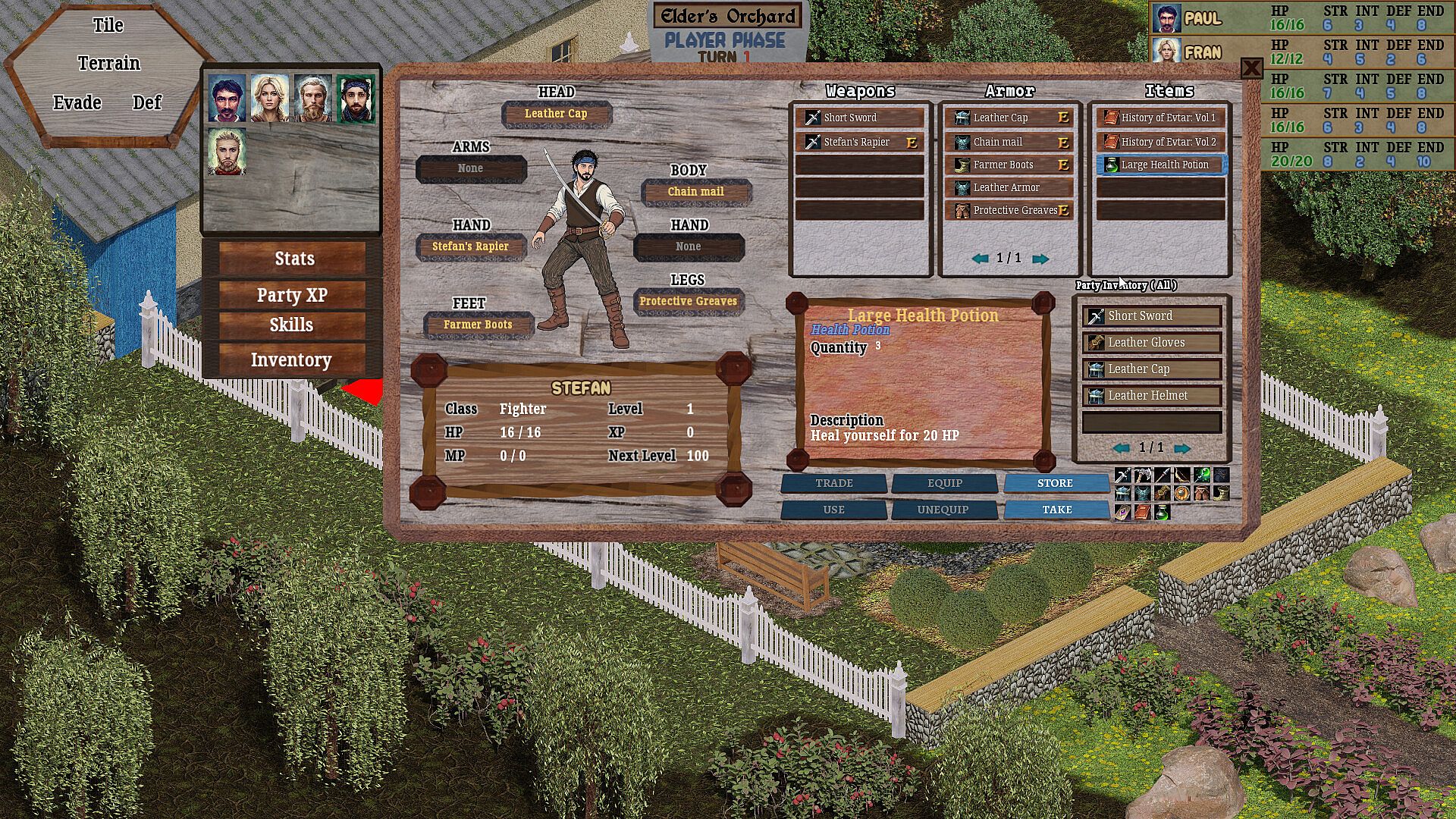
Party development extends beyond initial selections through branching class promotions and a flexible skill system. A fighter might advance into a swift sword master or a heavily armored knight, while additional skills let players tailor abilities to preferred combat styles. Experience accumulates from story missions, optional fights, or side quests, supporting flexible progression that does not require constant mandatory battles.
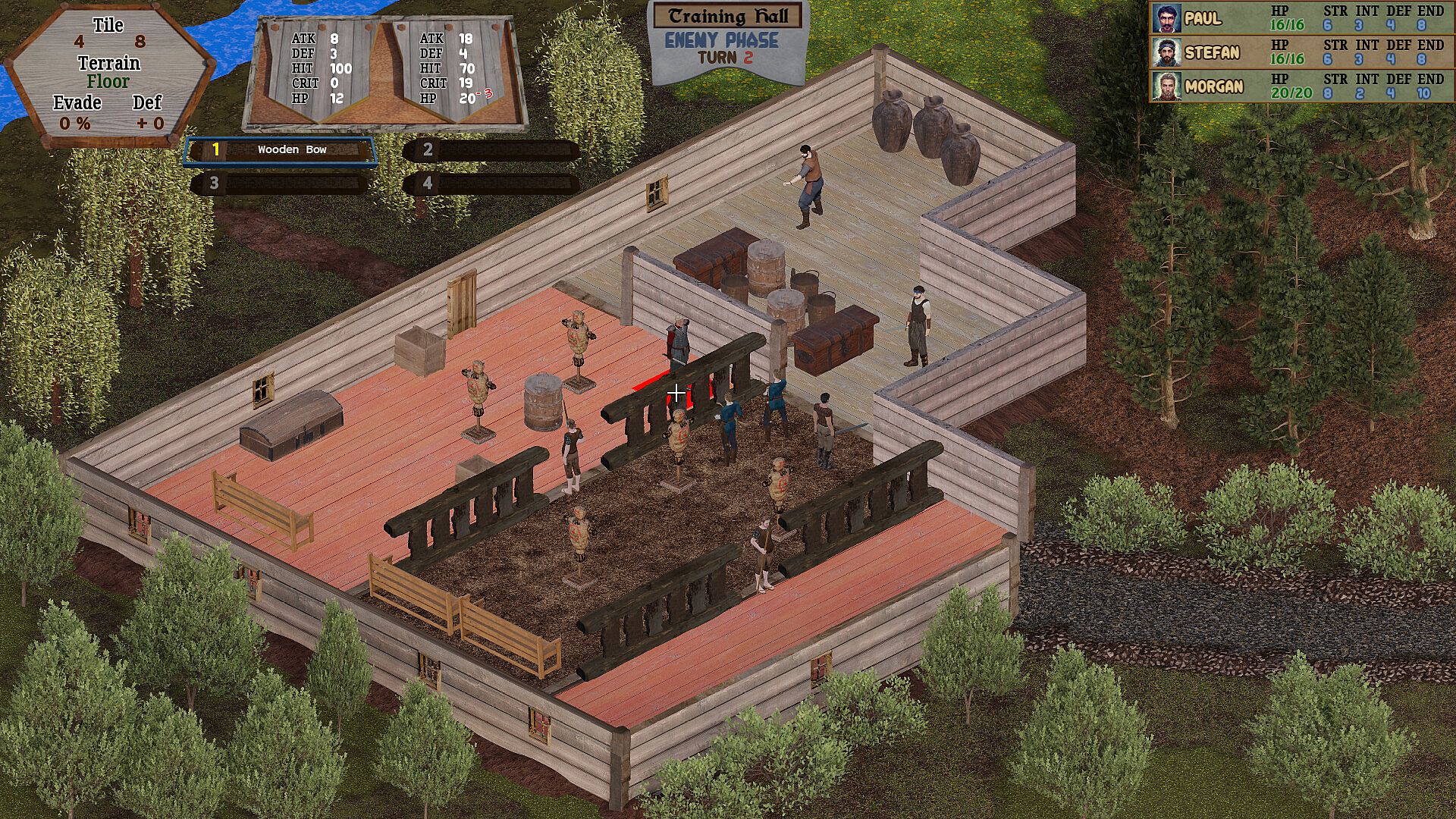
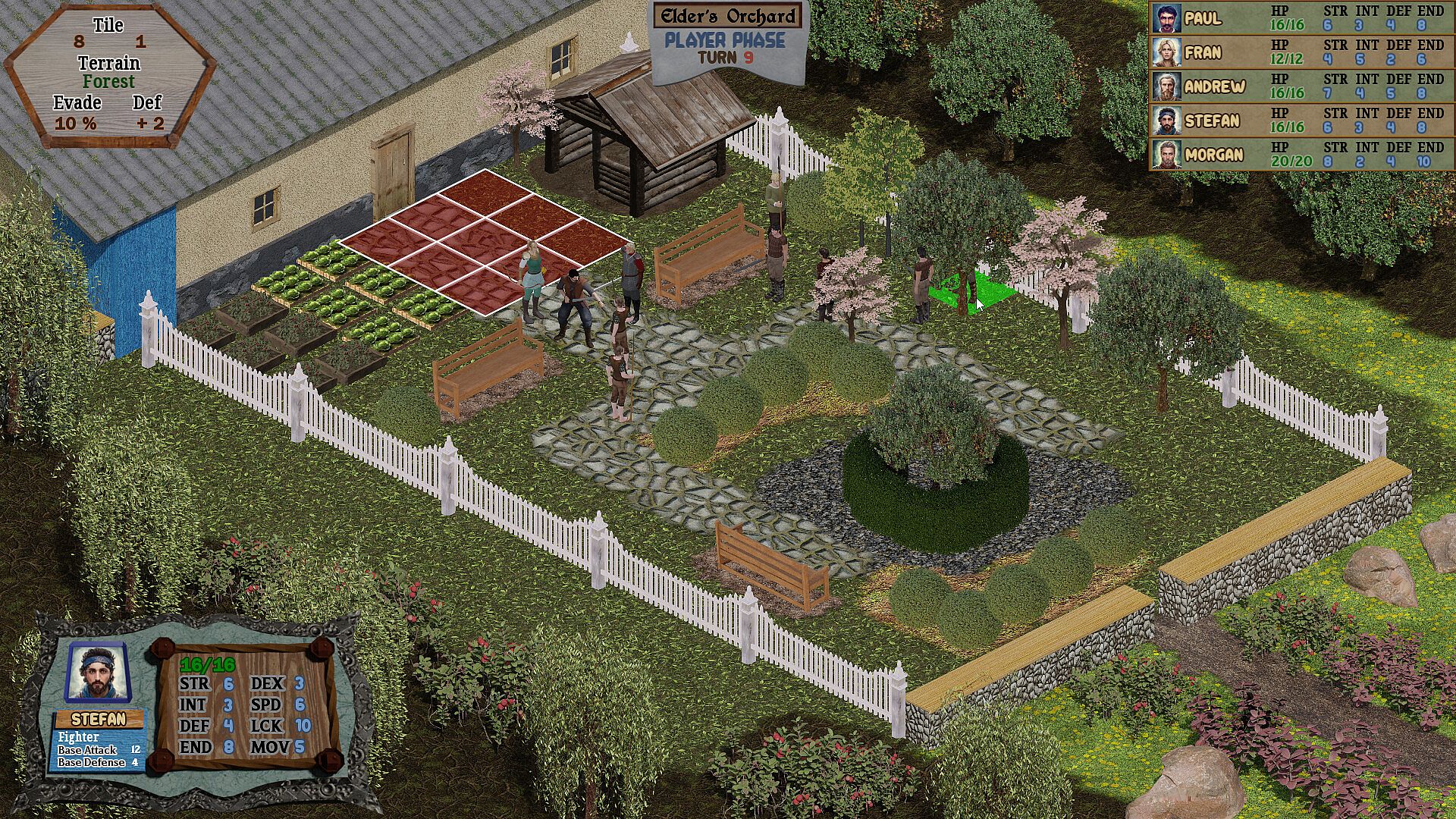
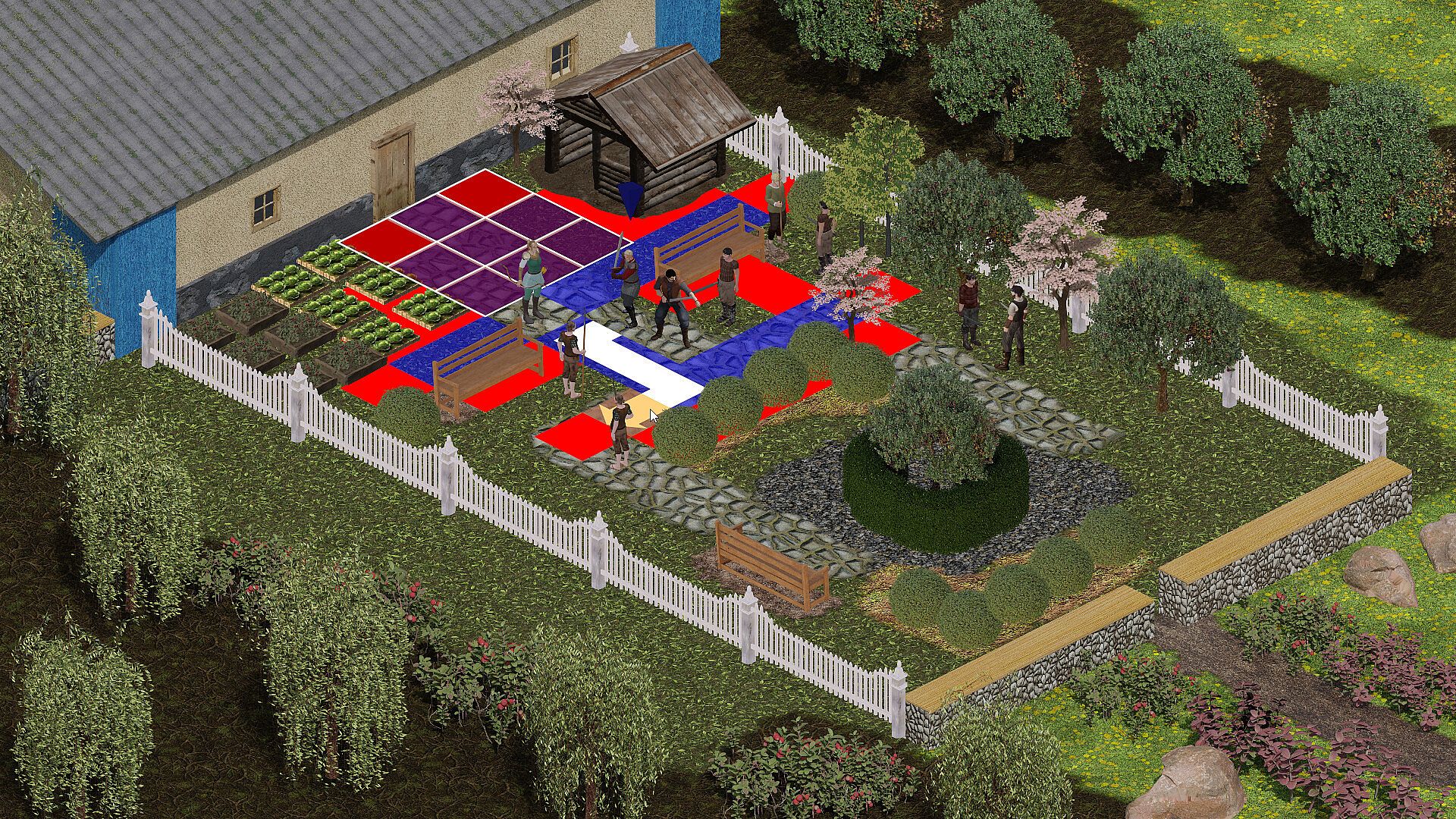
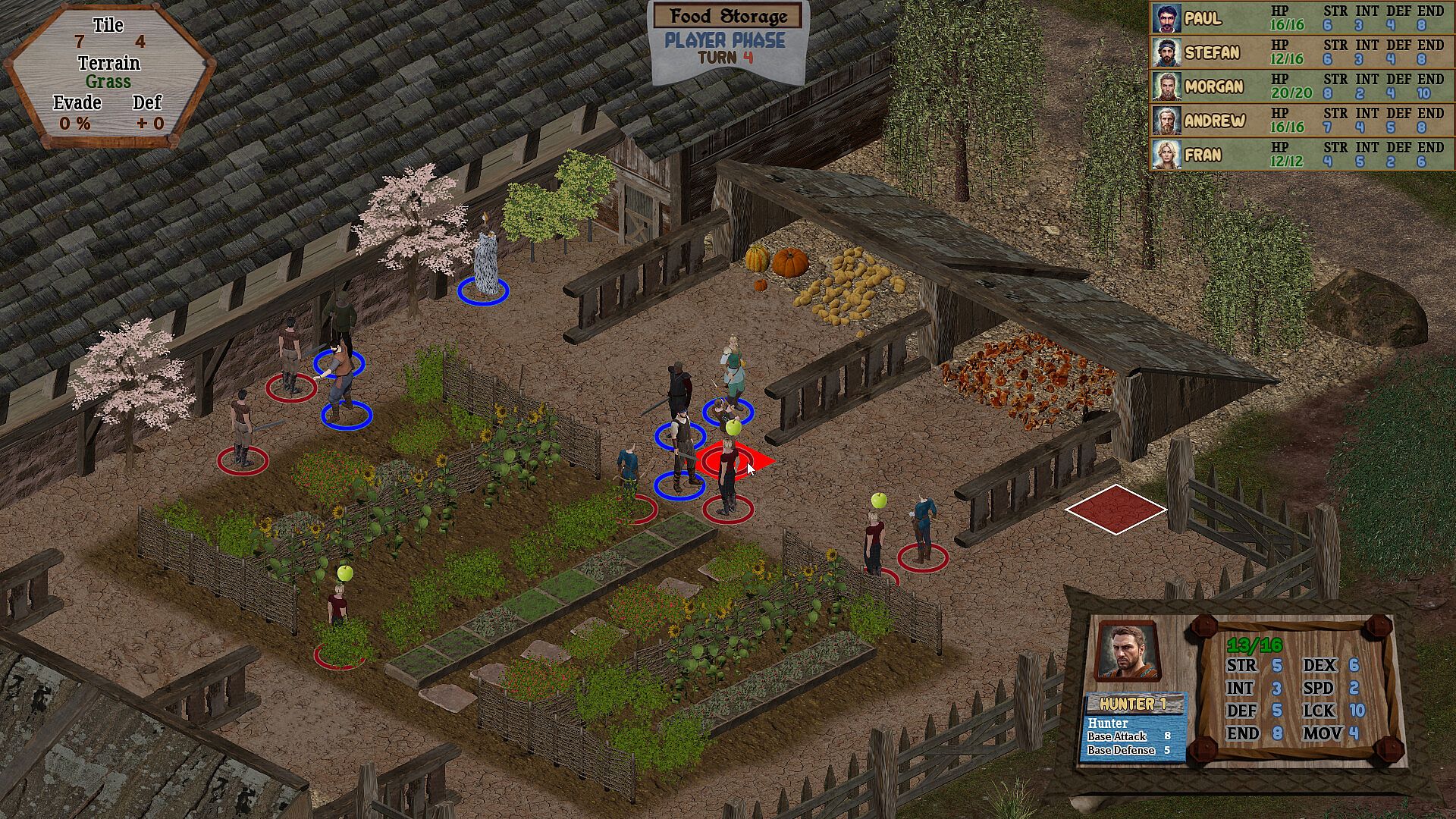
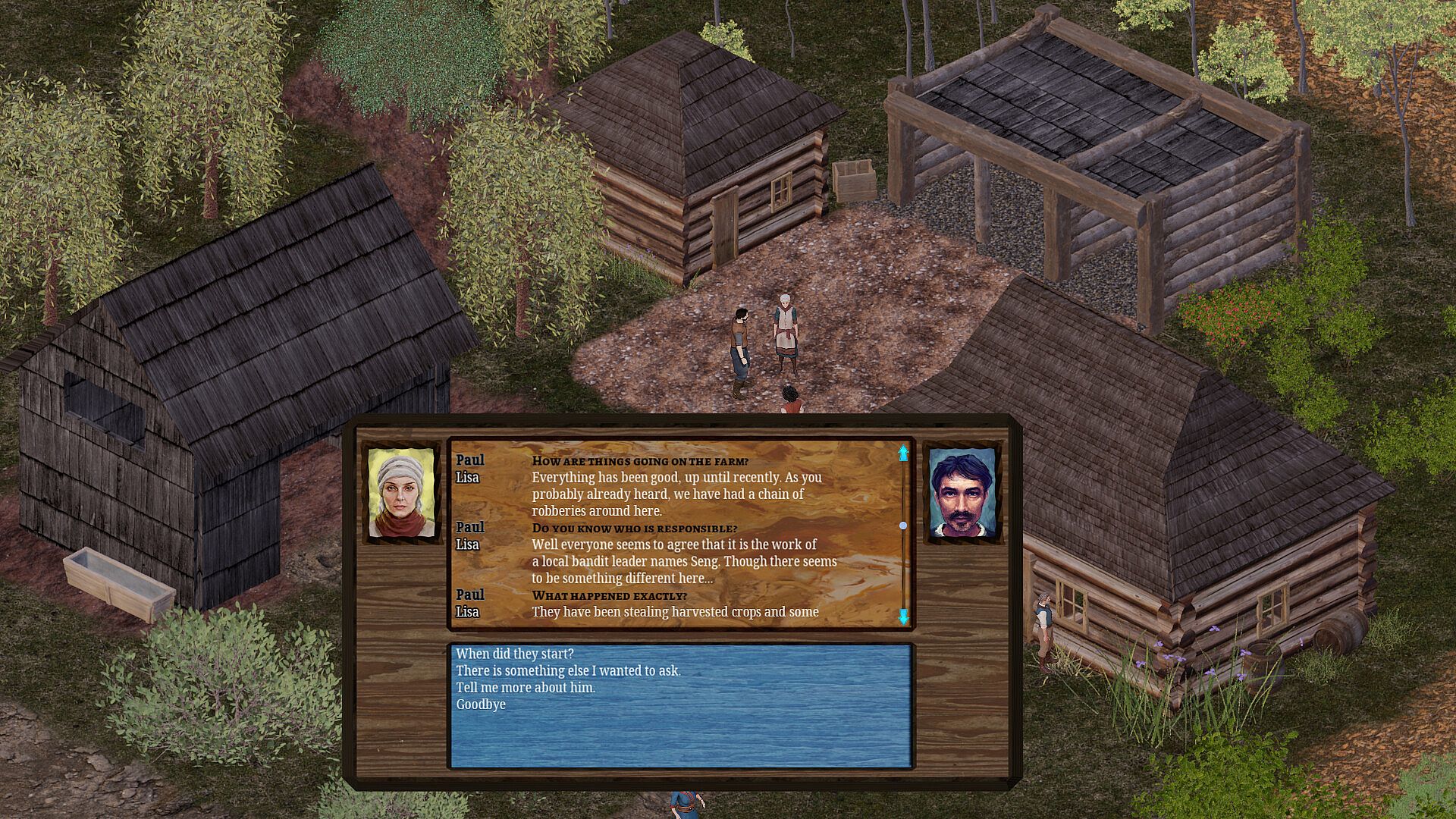
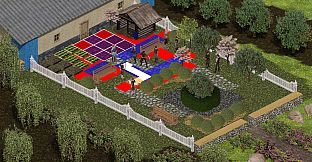
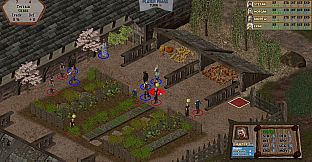
Turn-based tactical battles unfold on an isometric grid. Terrain, positioning, and coordinated actions determine success in story-driven fights that feature changing objectives, enemy varieties, and layouts to maintain variety. Outside combat, exploration covers towns, villages, dungeons, and wilderness zones where players converse with residents, examine books, locate secrets, and pursue optional quests that reveal Evtar's history. Player decisions influence which battles occur, which characters join, which items appear, and which quests remain accessible.
Equipment and magic receive ongoing upgrades via dedicated forging and enchantment mechanics. Weapons gain power and additional statistics through forging, while spells receive enhancements that boost their impact in later encounters. These systems provide steady tools for handling escalating challenges without relying solely on character levels.
Game Modes
The game operates entirely in a single-player format focused on a narrative campaign. Players advance through the main story while engaging optional side content that expands the world and party options. No separate multiplayer or competitive modes exist, keeping emphasis on solo progression through tactical encounters and exploration. The structure supports replayability via the two starting hero paths, each producing distinct story events, recruitable characters, and quest lines that encourage multiple playthroughs to experience alternate outcomes.
Progression remains consistent across runs in core systems like party customization and grid battles, yet the choice-driven elements create meaningful differences in available content and battle compositions. Side quests and hidden discoveries further layer the experience, rewarding thorough exploration without altering the fundamental single-player loop.
Story and World
Ev tar's setting draws from generations of peace among three races that ended with the War of the Kings. Recent tensions have escalated after an elven noble's death during a clash with rogue dwarf raiders, positioning the Dragon Crystal as a legendary artifact tied to the unrest. Paul enters this environment without memories, recruited to locate the crystal and stabilize the region while piecing together his own background through interactions and discoveries.
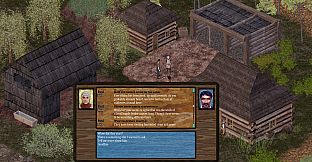
The narrative integrates directly with gameplay systems. Choices affect recruitable companions, accessible quests, obtainable items, and the specific battles encountered. Books, conversations, and optional content expand on the world's history and inhabitants, providing context that enriches the central conflict without requiring completion for main progress.
Is It Worth Playing?
This title suits players who enjoy tactical RPGs that combine grid-based combat with CRPG-style freedom in exploration and character development. The branching hero paths, extensive companion roster, and choice consequences deliver replay value for those interested in experimenting with party compositions and story variations. Systems for forging, enchanting, and skill customization support varied play styles across the single-player campaign.
With release still pending, the game currently offers no completed player reviews or ratings. Its feature set aligns closely with established preferences in the genre, particularly for those who value strategic positioning in battles alongside narrative depth and world interaction. Availability on PC through standard digital storefronts will determine access once the date is confirmed.