


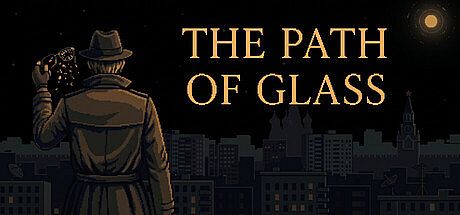



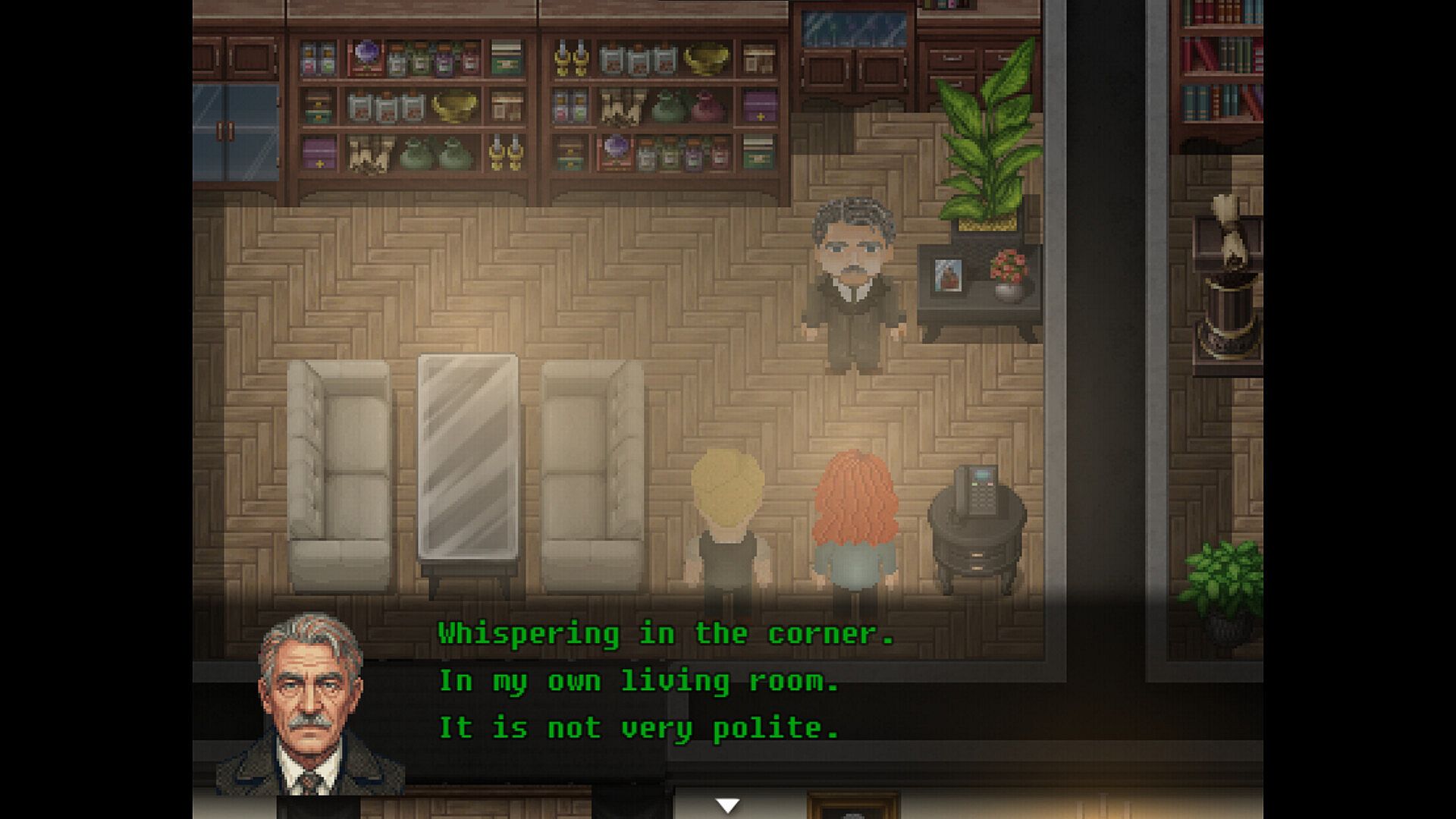
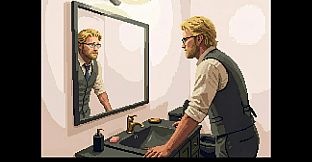
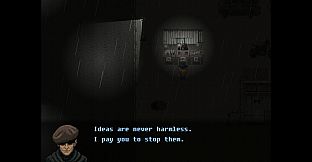
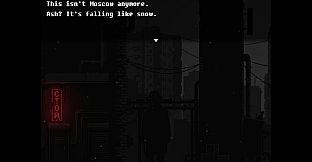
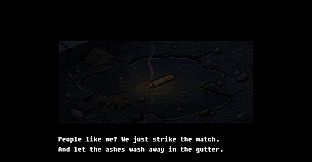
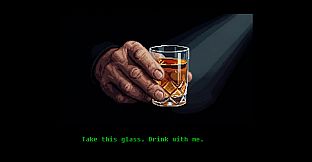
The Path of Glass is a free to play indie adventure game built around a compact, single-player narrative experience on PC. Players follow Jacob as he joins his partner Olga for what begins as a formal dinner with her parents in the Volkov family home. The evening quickly shifts into a tense confrontation marked by silence, scrutiny over family history, and questions of obedience and lineage.
Gameplay
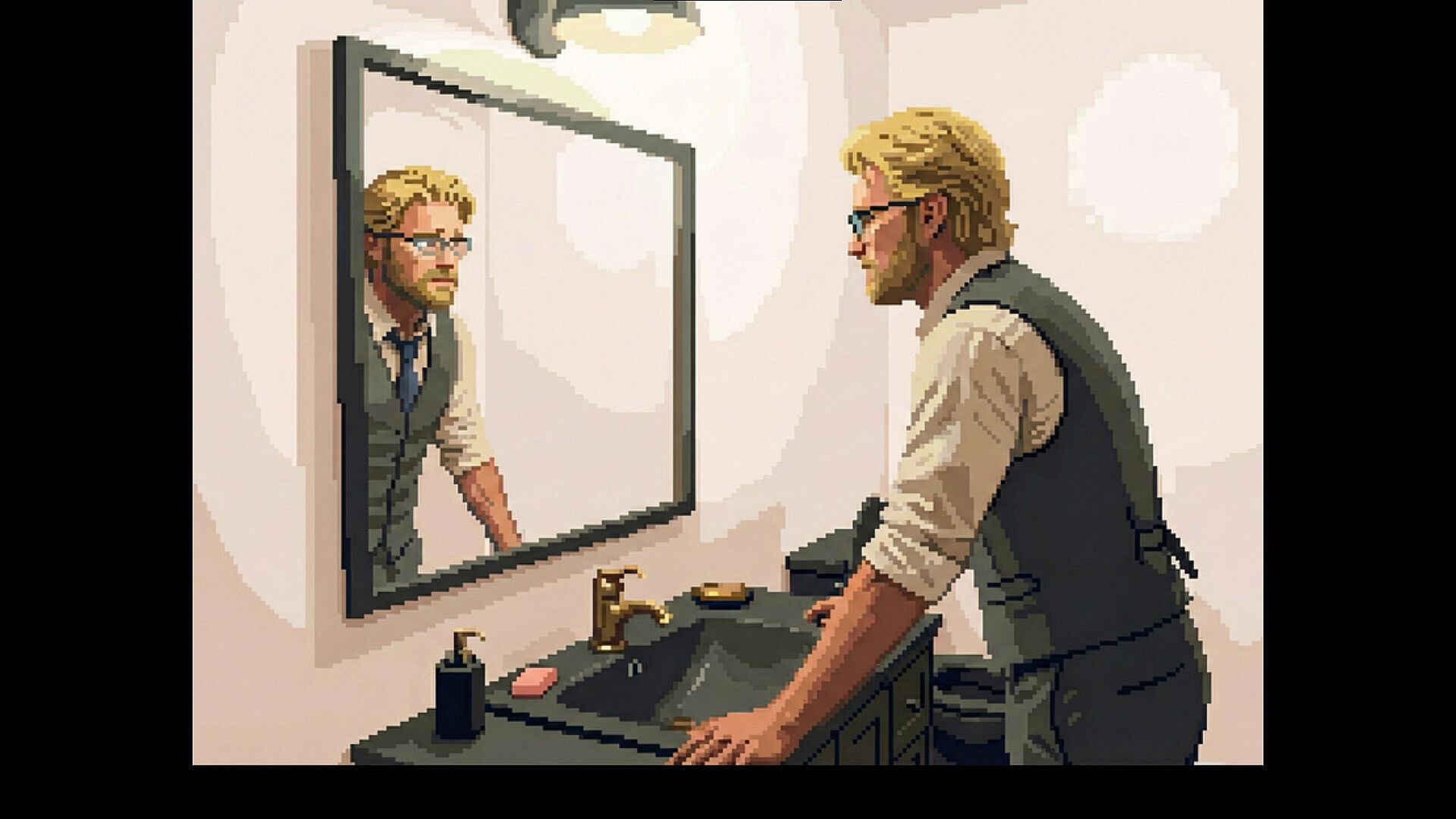
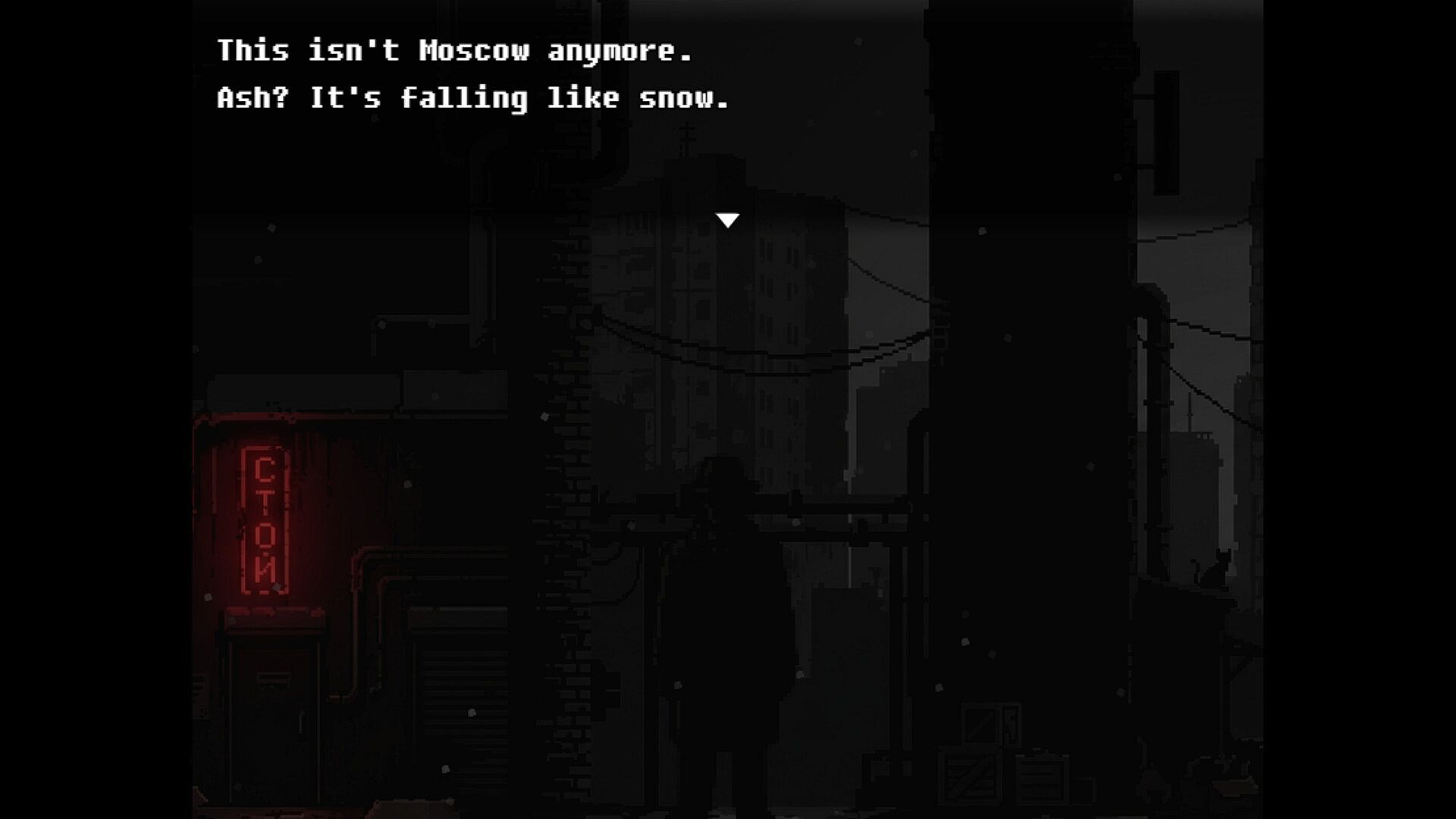
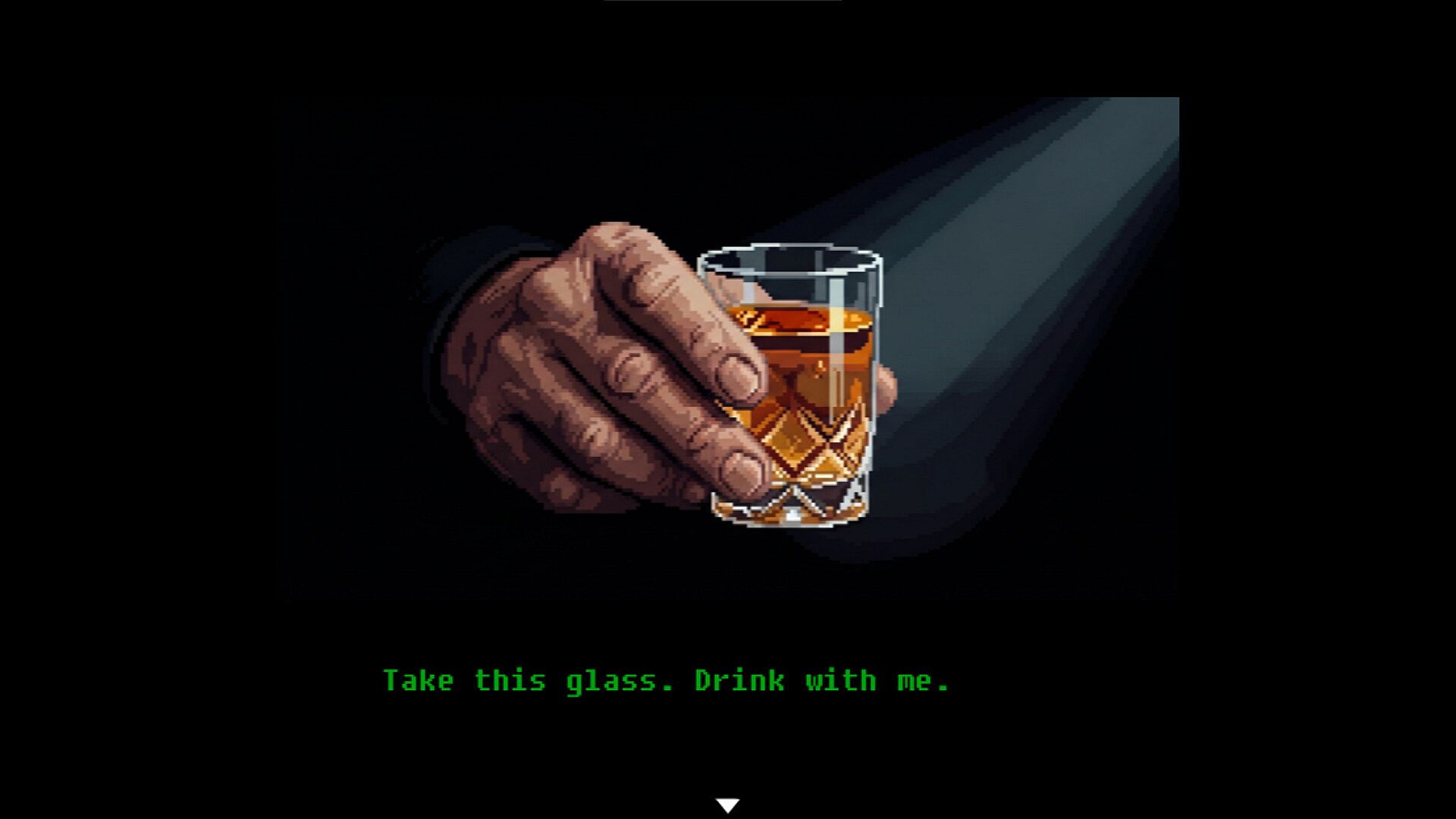
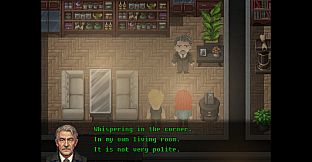
Core play centers on exploration through the confined stone halls of the residence, which functions like a bunker with its heavy walls and isolated rooms. Movement and interaction drive the experience forward as Jacob encounters cold stares, measured conversations, and moments of quiet that heighten the sense of unease. Unprescribed medicine affects perception, causing buried memories from Jacob's past to surface in fragments that players witness through the unfolding scenes. Dialogue choices and environmental details reveal layers of guilt and personal history without relying on combat, puzzles, or resource management. The design keeps the focus narrow, encouraging close attention to tone, pauses in speech, and subtle visual cues in the sombre pixel art style.
Game Modes
The game offers no separate modes or branching multiplayer options. It presents one continuous, linear narrative path designed for uninterrupted play from start to finish. This structure removes any need for restarts, difficulty selections, or side activities, keeping the entire session centered on the dramatic tension of the single evening and its psychological aftermath.
Atmosphere and Presentation
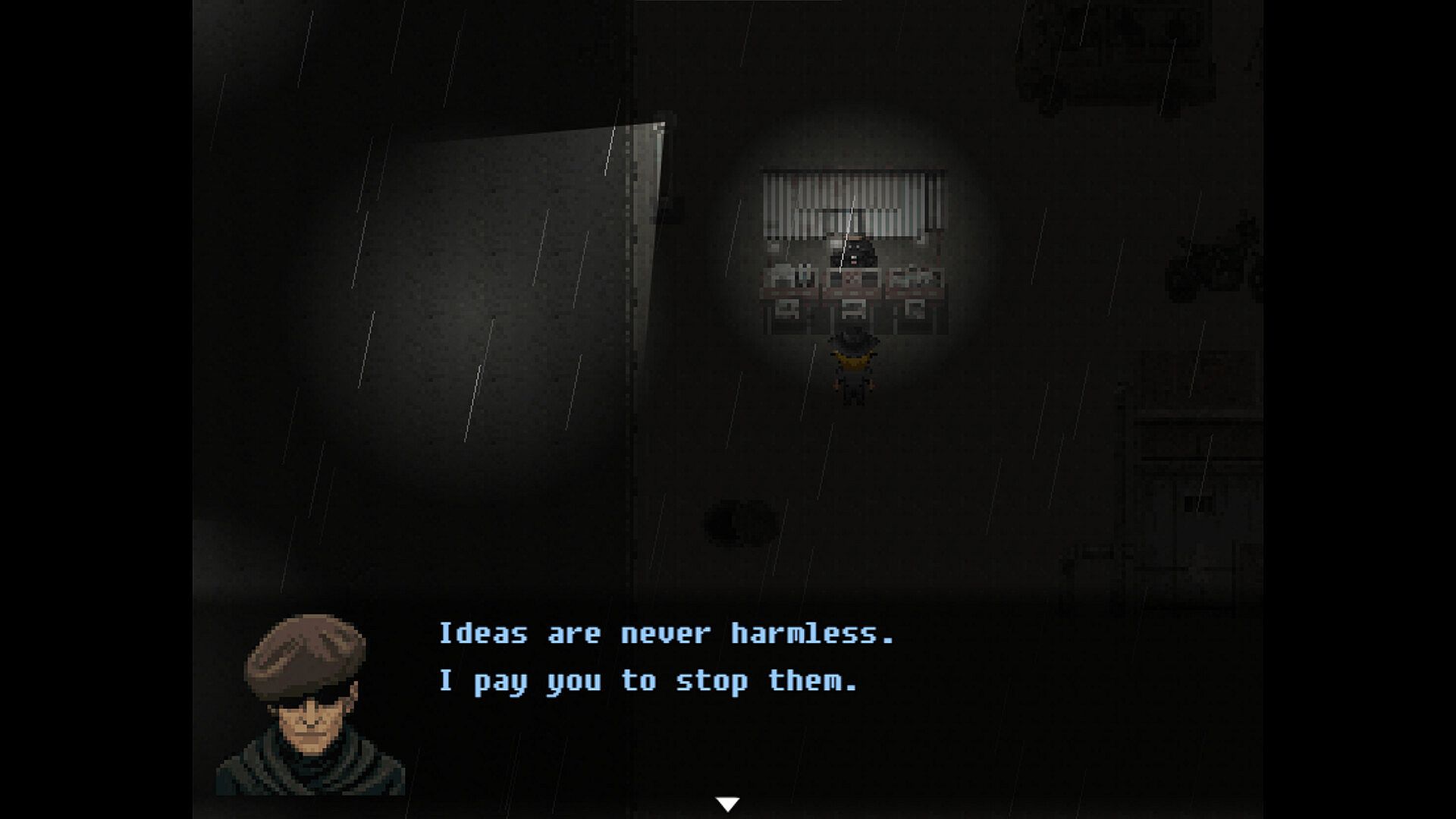
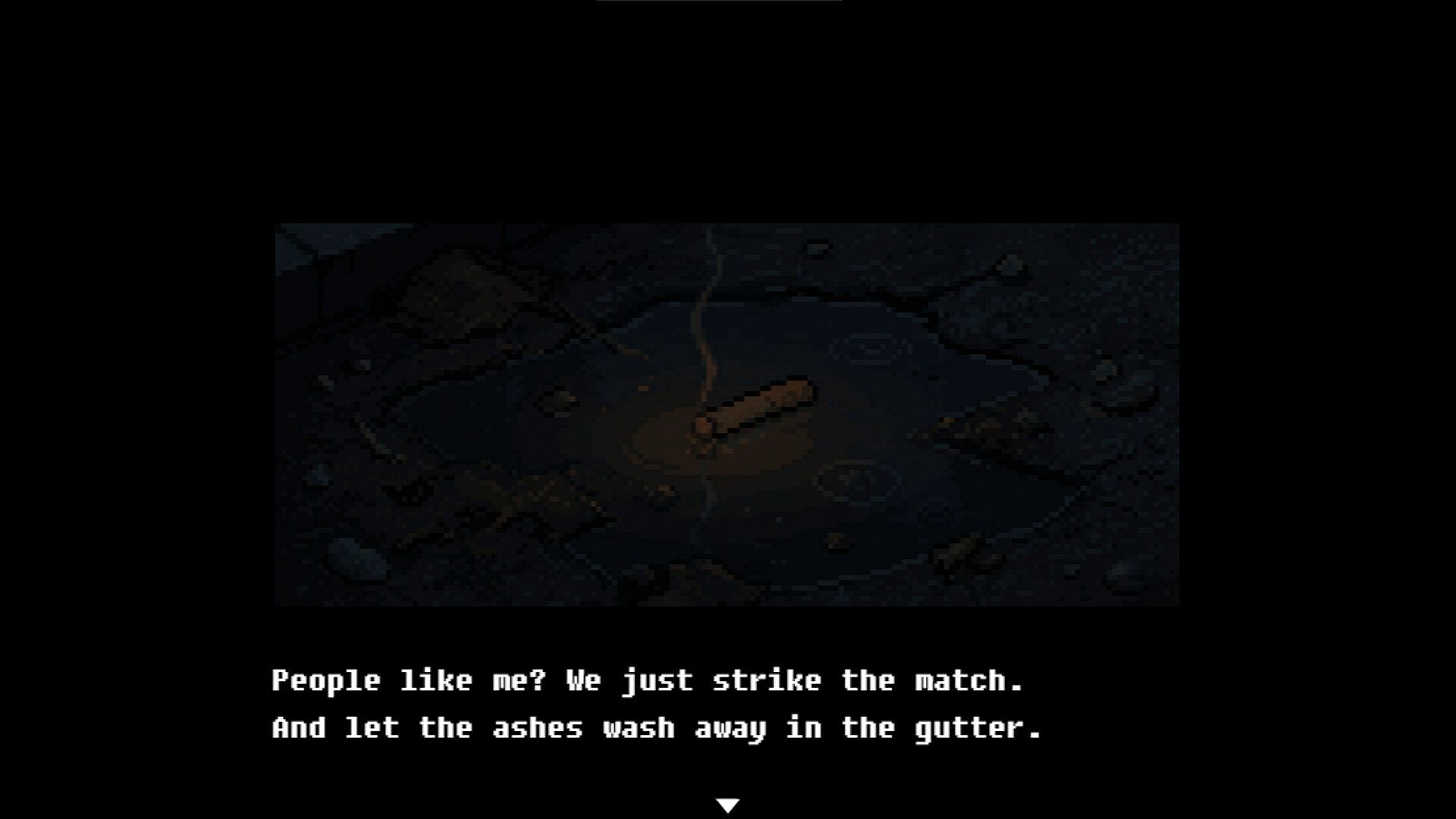
Original piano compositions score key emotional shifts, underscoring the cold, claustrophobic tone without external tracks or licensed music. The pixel art remains deliberately restrained, using muted colors and tight framing to reinforce the oppressive setting rather than distract with elaborate visuals. Every element supports the story's emphasis on fragile memories and the weight of past decisions, creating an intimate setting free of commercial padding or extended content.
Is It Worth Playing?
This title suits players seeking a focused psychological narrative adventure that can be completed in roughly one and a half hours. Its strength lies in the deliberate use of silence and dialogue to build dread from internal conflict rather than external threats. The absence of microtransactions, ads, or filler content keeps the experience self-contained and author-driven. Those who value short, story-first games with mature themes around guilt and family dynamics will find a direct match here, while players looking for longer campaigns, action sequences, or replayable systems may prefer other options. Streaming and recording remain fully supported with no copyright concerns on the soundtrack.












