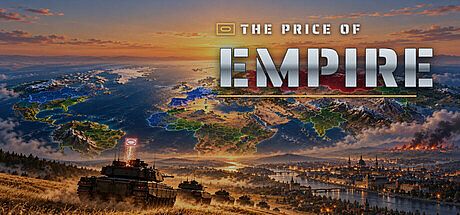


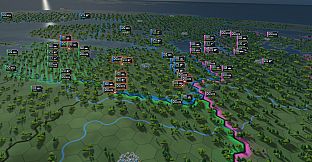
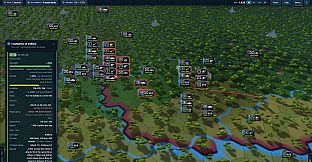
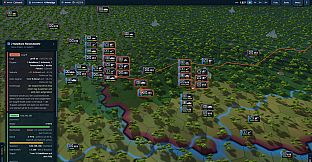
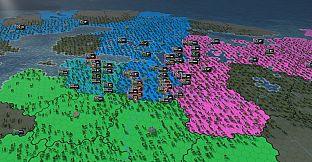

The Price of Empire is a grand strategy game set on a detailed recreation of the real Earth. Players select any unoccupied territory, name their nation, choose its color, and expand it through conquest and development while competing against up to 20 AI opponents who follow the same rules. The experience emphasizes careful growth because every added territory increases administrative costs that can outpace revenue if expansion moves too quickly.
Gameplay
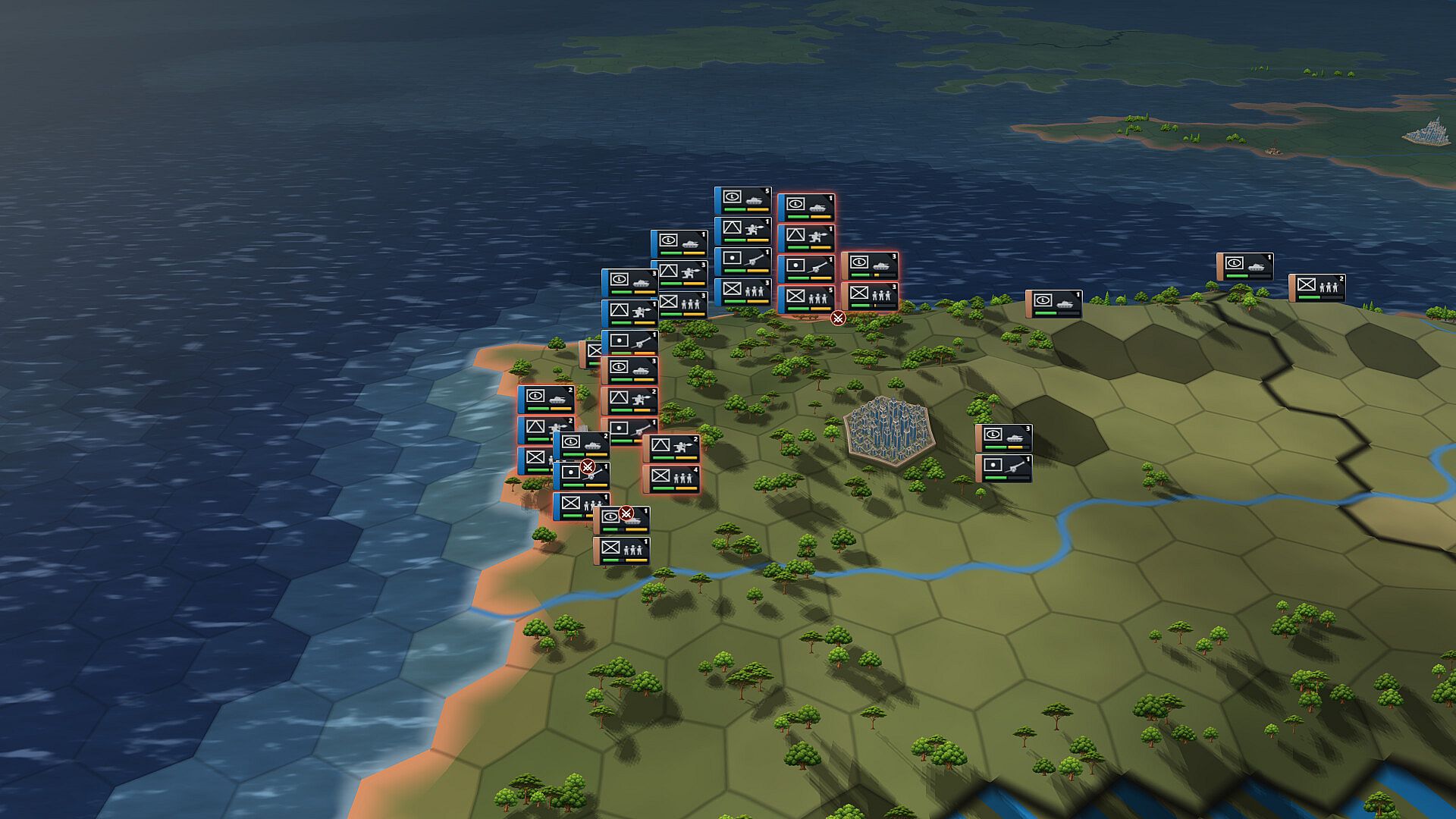
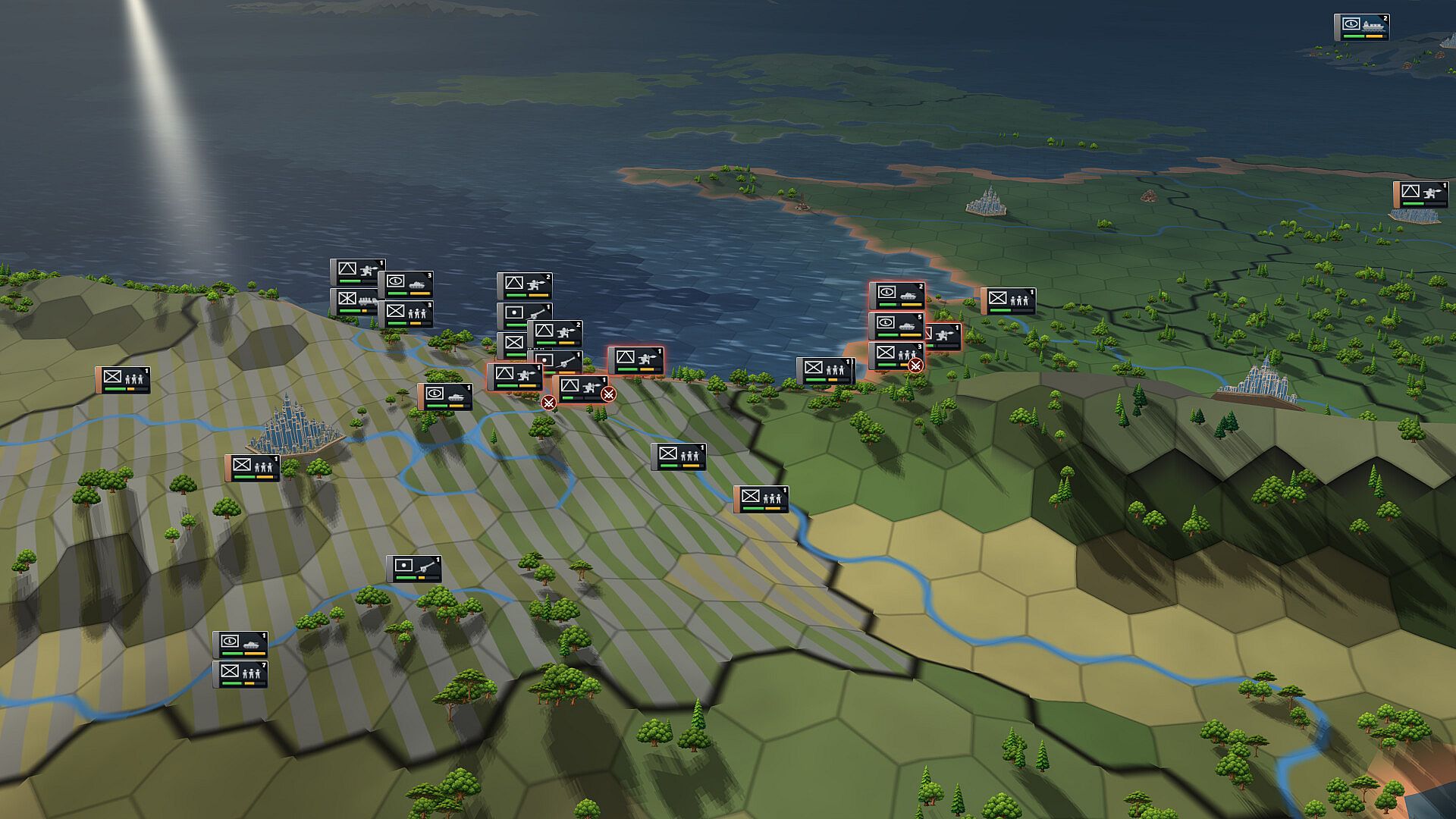
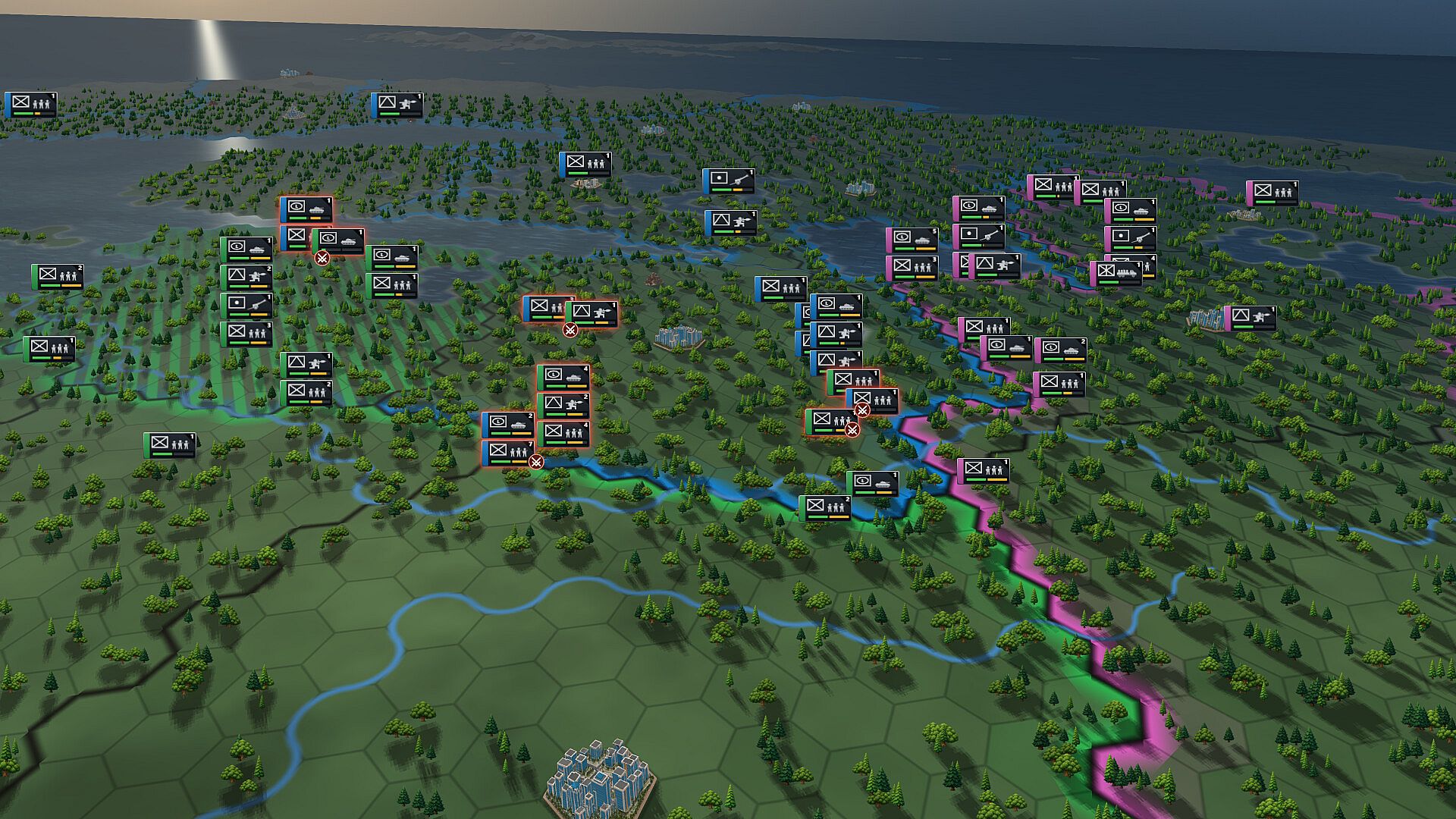
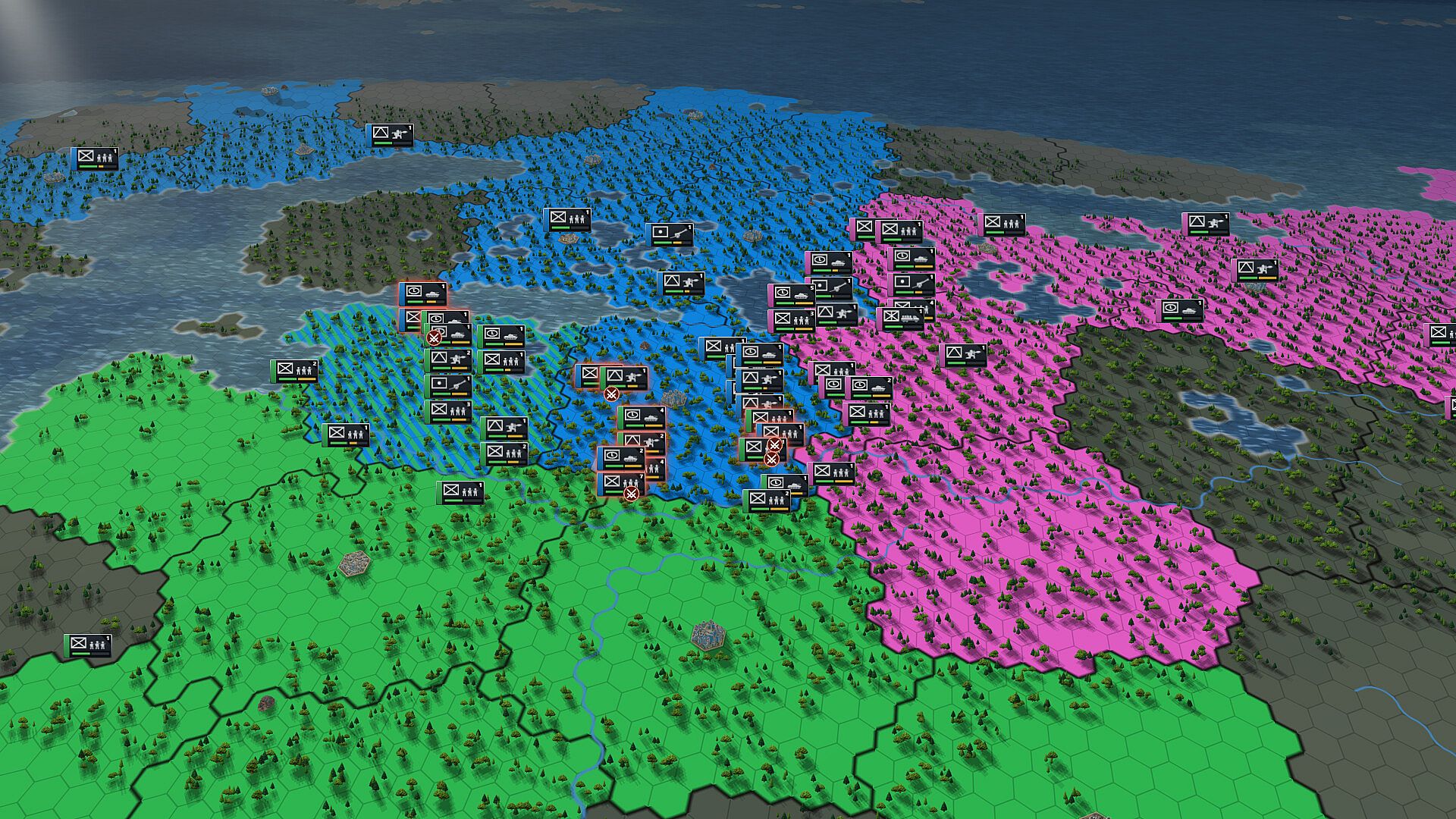
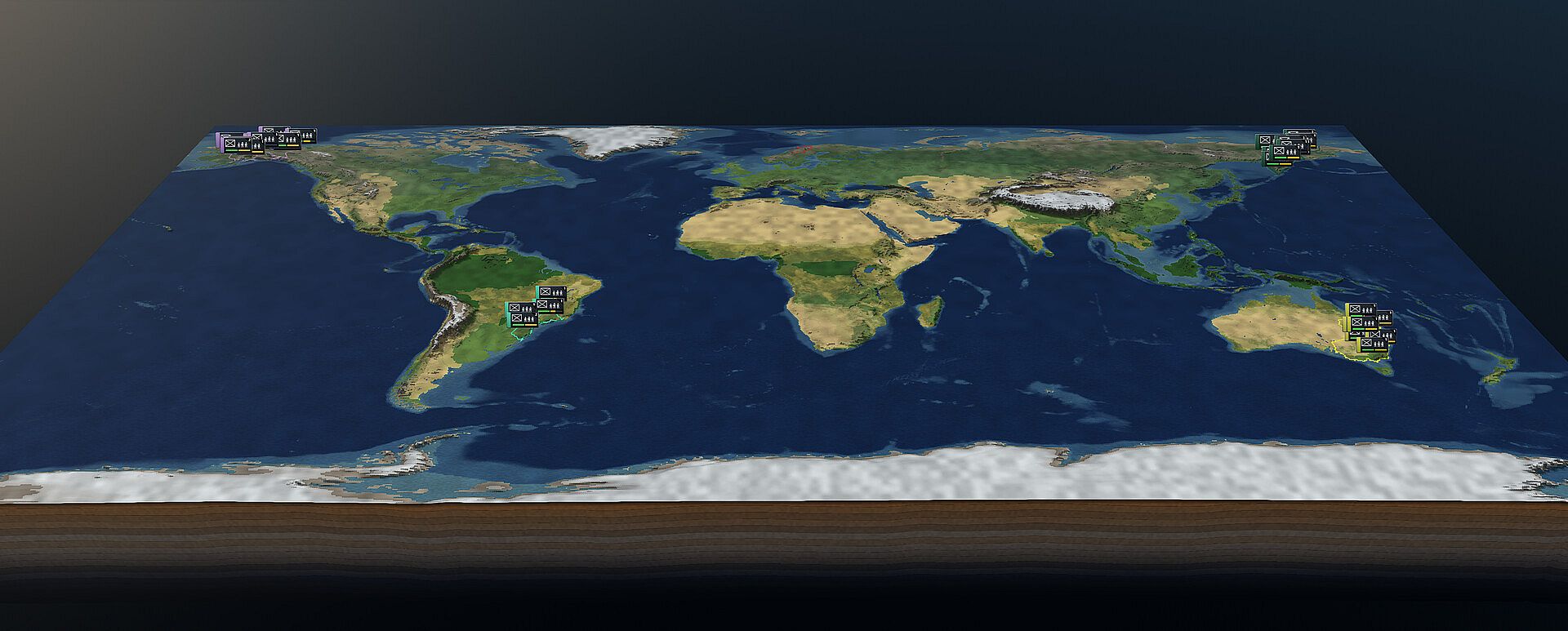
The world map consists of more than 150,000 land hexes, each roughly 40 kilometers across and drawn from real elevation, climate, forest, river, and lake data. Terrain types such as mountains, deserts, rainforests, and tundra directly affect army movement speed and defensive advantages. A freely rotating 3D globe view wraps from east to west, and territories do not respect modern borders, leaving the entire planet open for claims.
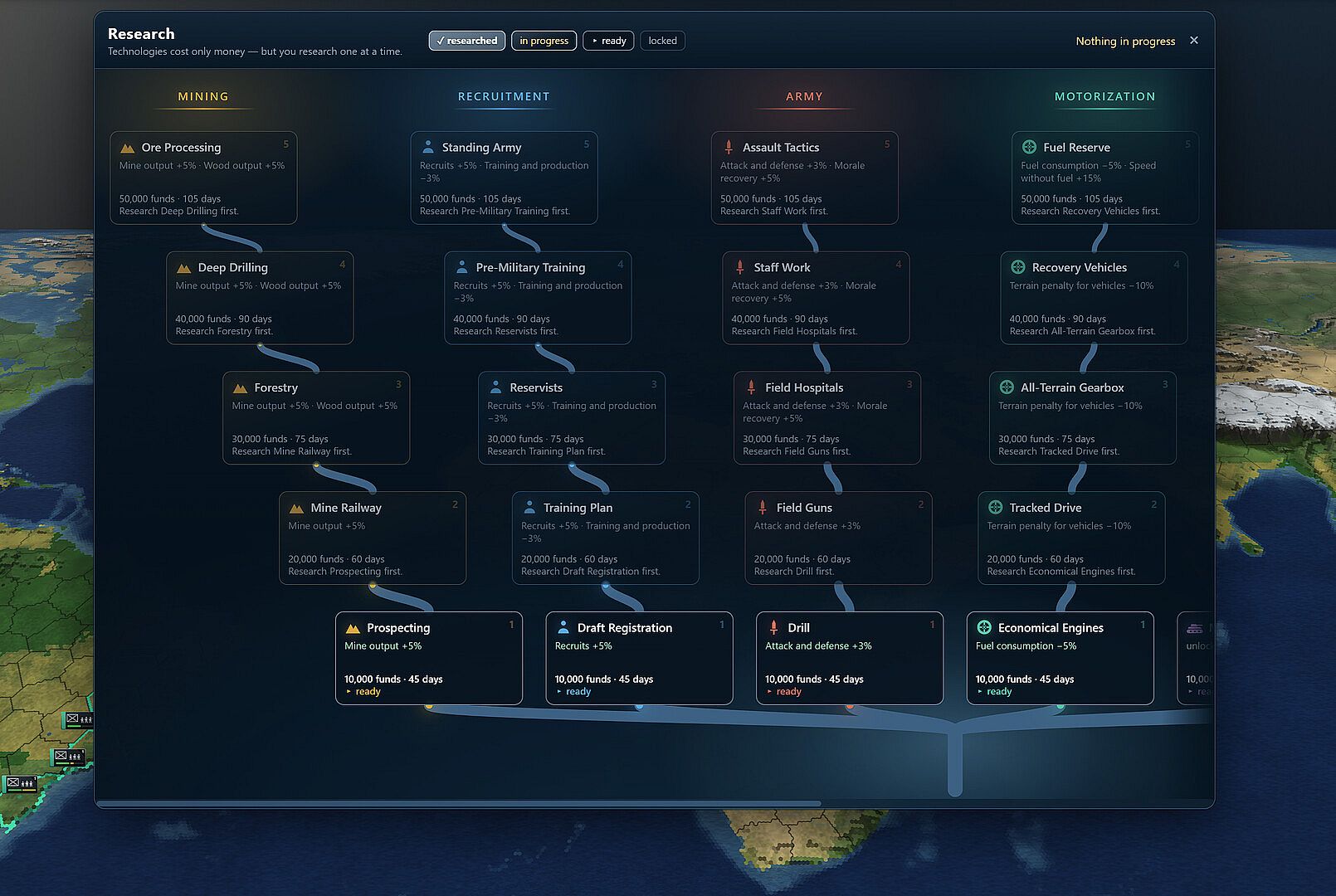
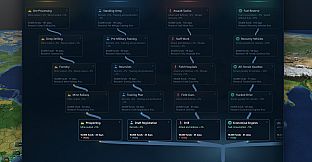
Economy revolves around producing wood, iron, coal, and oil. Cities grow through five distinct stages, and players construct mines and harbors to support trade. A dynamic world market reacts to player actions, with buying pushing prices higher and selling driving them lower. Research branches into six areas that unlock improvements ranging from basic mining to advanced armored warfare and reconnaissance capabilities.
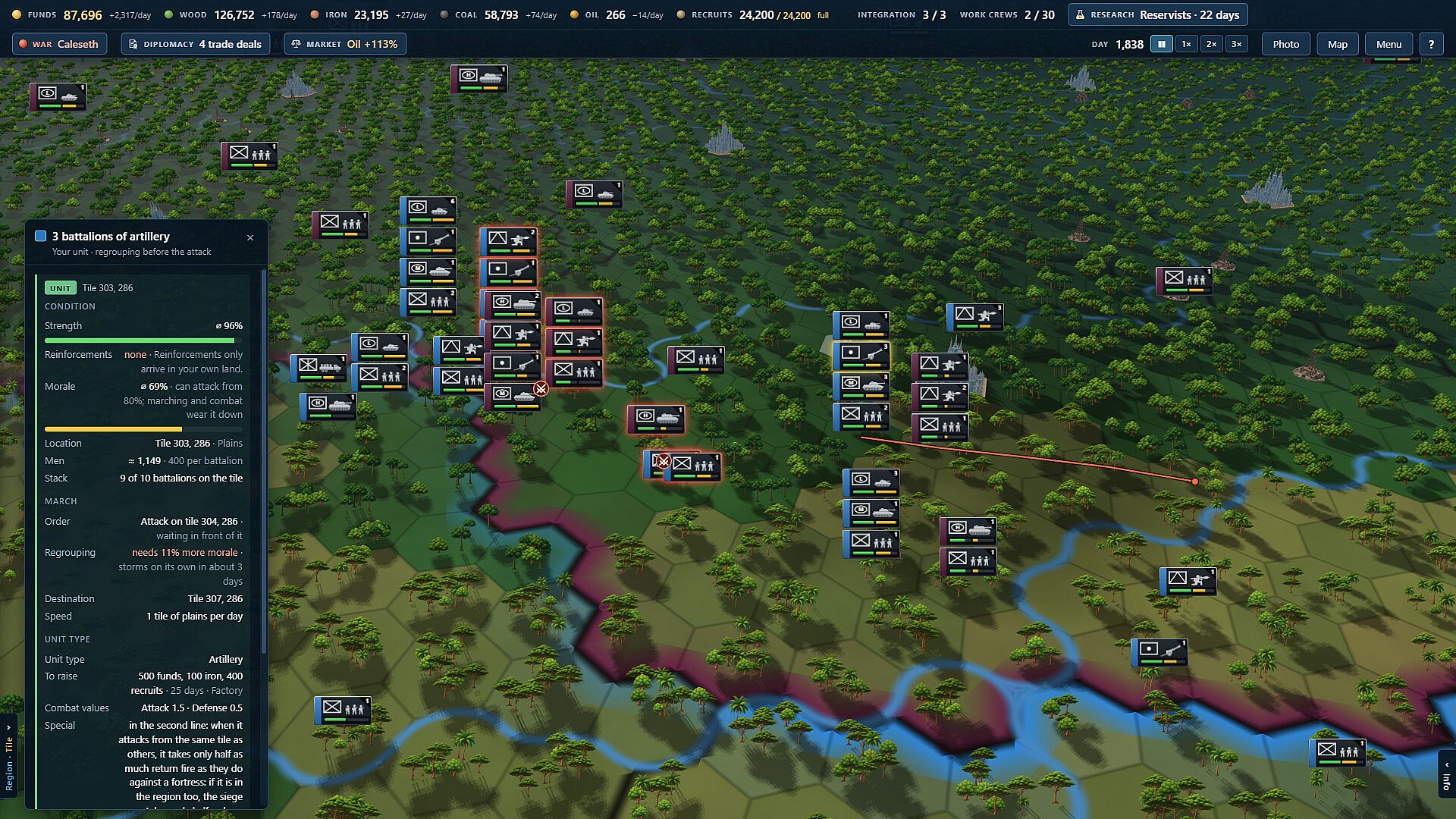
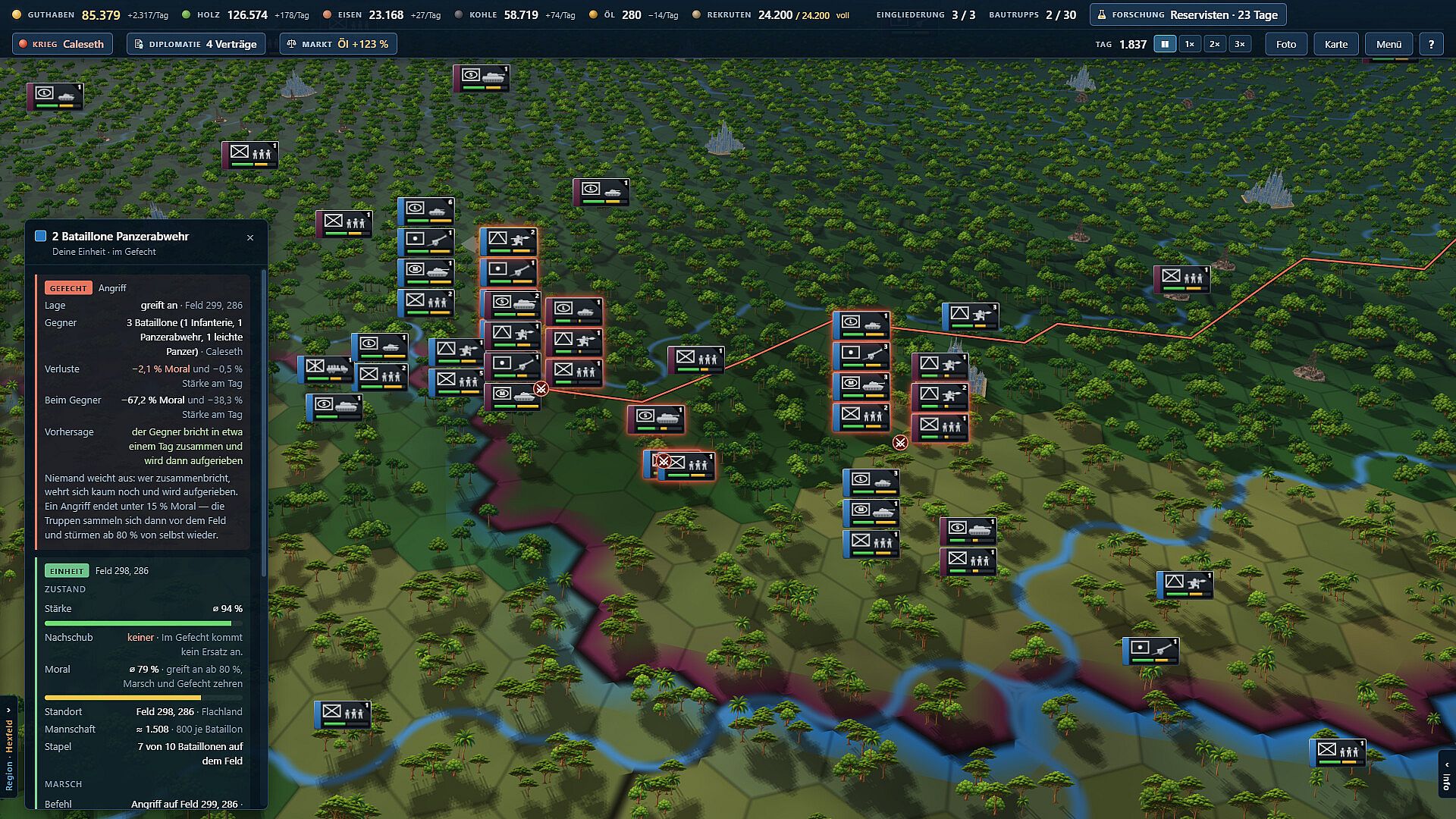
Combat involves eight unit types: infantry, motorized infantry, artillery, anti-tank units, light tanks, medium tanks, heavy tanks, and reconnaissance forces. Outcomes depend on relative strength, morale, and supply levels. Rivers and certain terrain favor defenders, and a broken force is eliminated. Supply lines must be maintained, fortifications can be built, and sieges occur when armies encircle positions. Naval transport from harbors allows overseas operations, while fog of war hides unexplored areas.
Diplomacy options include defensive alliances, non-aggression pacts, rights of passage, and supply contracts. AI opponents operate on four difficulty levels from Easy to Hardcore, each with distinct personalities such as conqueror, builder, or balanced approaches.
Game Modes
Singleplayer campaigns pit the player against the full roster of AI rivals. Multiplayer supports up to four human participants over Steam or LAN connections, with AI filling remaining slots. Matches can be saved and resumed later by the group. Three victory conditions exist: holding the most territories, conquering other nations outright, or accumulating the highest point total. An open-ended mode removes any victory timer and allows play to continue indefinitely. A guided starting sequence and detailed in-game manual help new players learn the systems.
Empire Management and Costs
Expansion delivers resources and space for new cities but steadily raises administrative overhead. Rapid growth often leads to insufficient funds for troop maintenance, forcing players to balance conquest with economic stability. This core tension shapes long-term strategy across every campaign.
Is It Worth Playing?
The Price of Empire suits players who enjoy grand strategy titles that combine large-scale map control with granular economic and military decisions. The real-world geography and lack of scripted history create varied starting positions and emergent conflicts. Multiplayer works well for small groups seeking cooperative or competitive sessions alongside AI, while solo play offers deep singleplayer challenges. As an Early Access title, the game continues to receive development attention, and its systems reward careful planning over rushed expansion. Those who appreciate hex-based warfare, supply management, and the long-term consequences of empire size will find substantial depth here.