






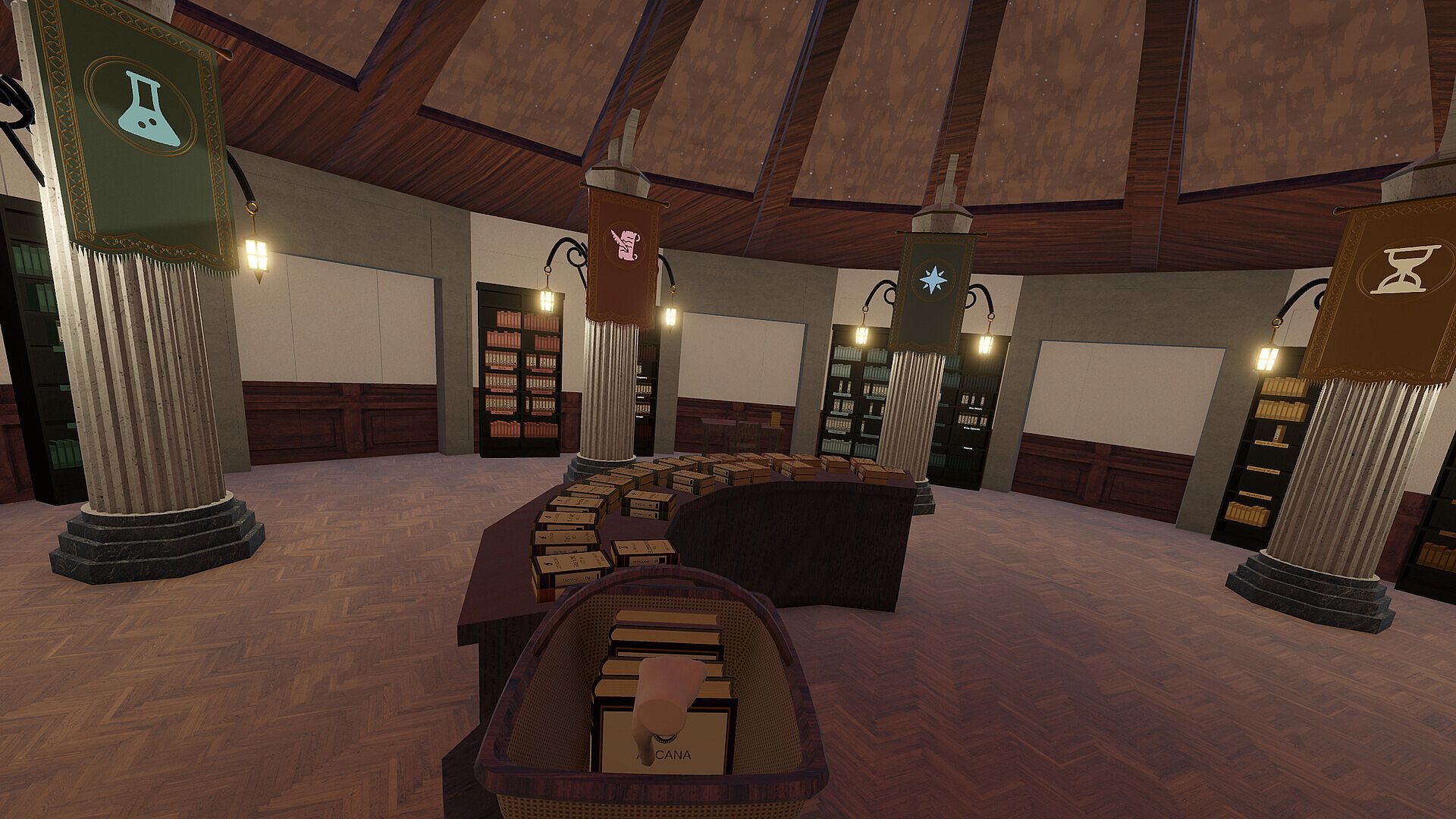
The Returns Desk: A Cozy Library is a VR-only indie simulation game centered on the quiet task of returning books to their proper places in a long-closed Victorian library. Players step into the role of the librarian at the returns desk, where 864 books await sorting across eight wings of a grand rotunda. The experience emphasizes deliberate, hands-on interaction with no timers, scores, or failure conditions, making it a focused single-player activity suited to those who appreciate methodical organization in a serene setting.
Gameplay
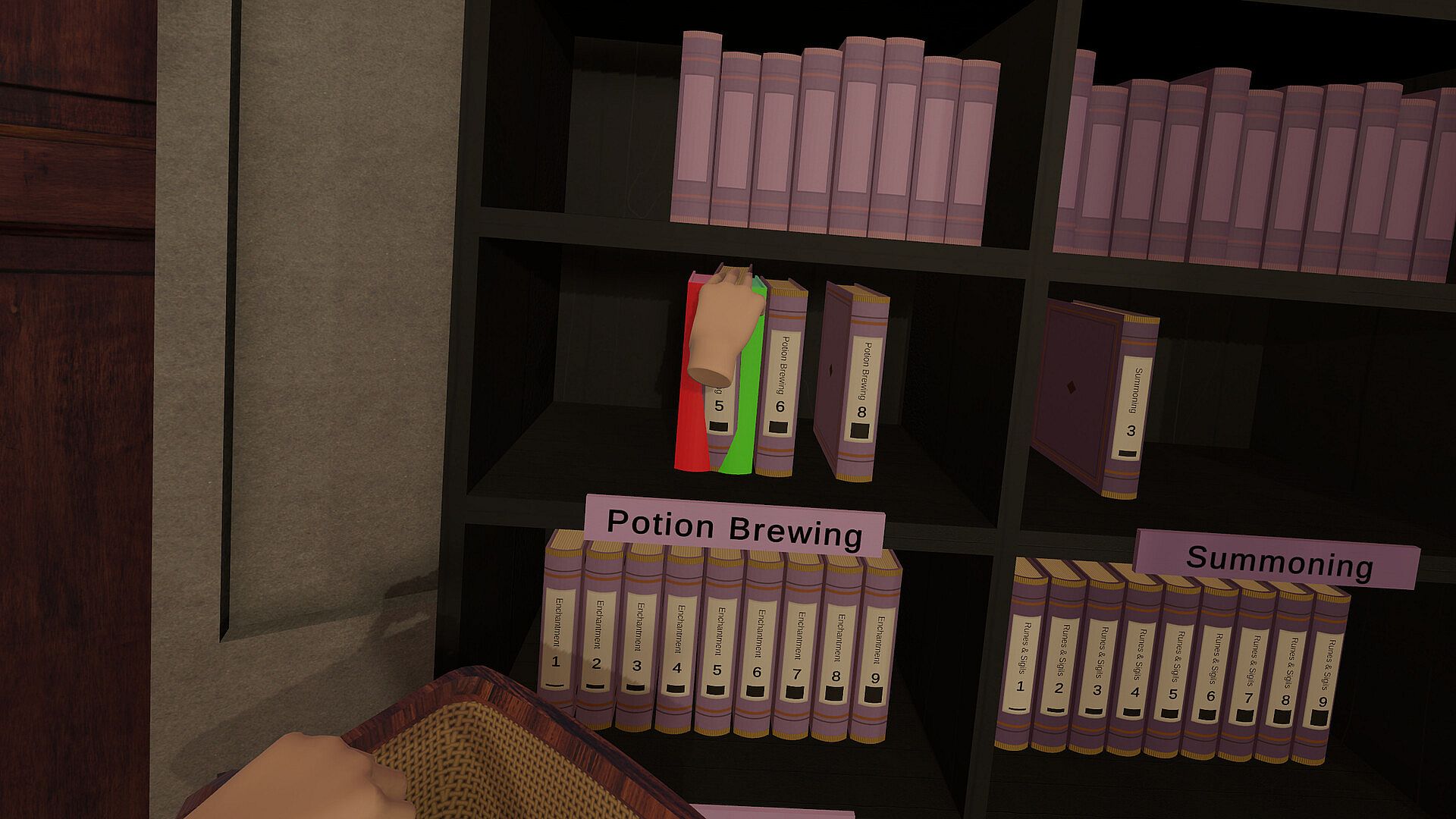
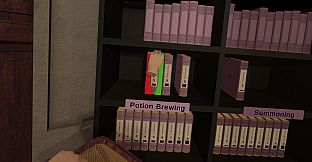
Core gameplay revolves around examining each book cover to determine its destination. The emblem and color indicate one of the eight wings, while the shade refines the location further. The title identifies the specific row on labeled shelves, and the volume number specifies the exact slot from one to nine. Players physically pick up books, carry them across the space, and slide them into position by hand, with no automatic assistance or glowing highlights to guide placement.
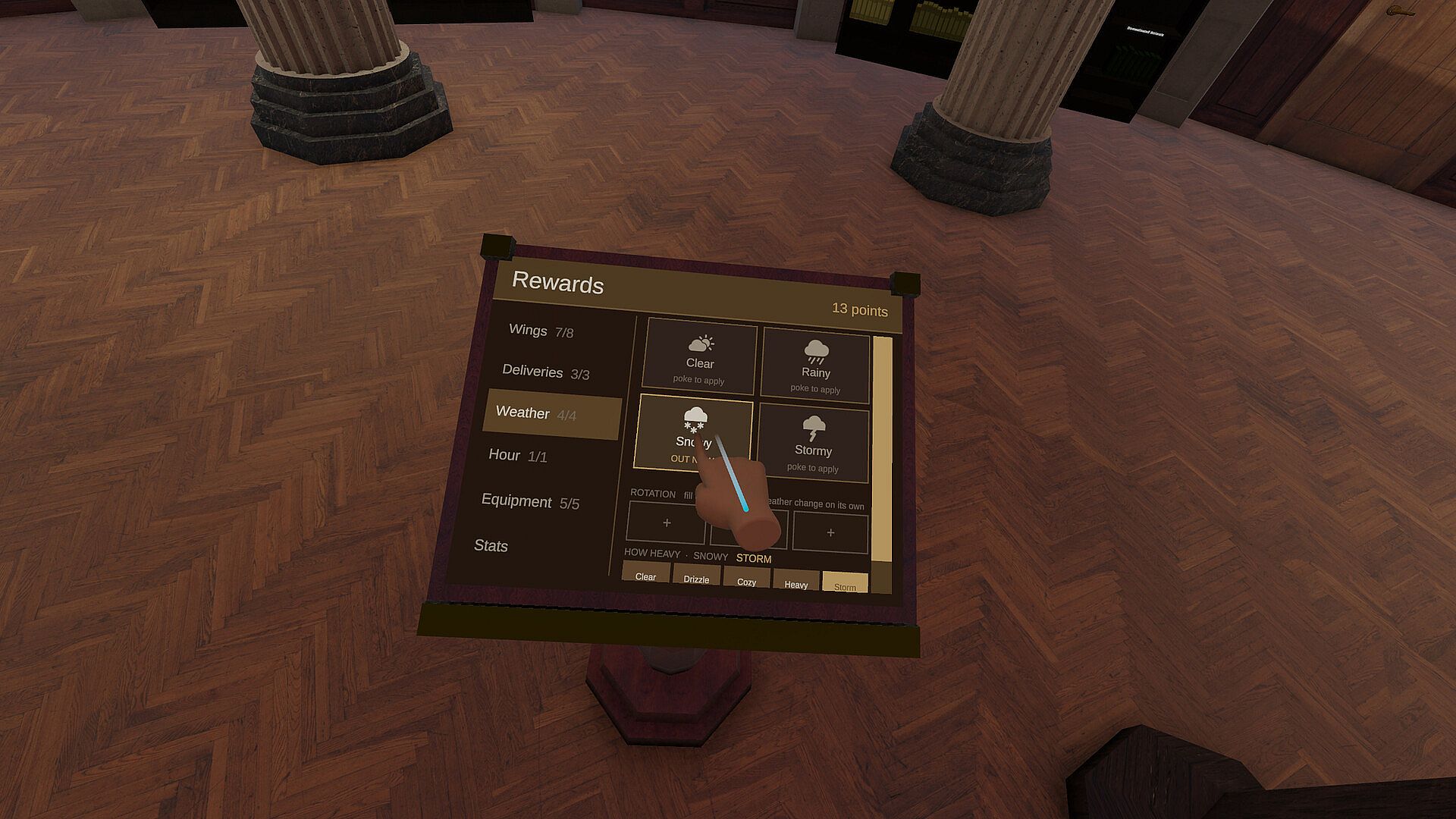
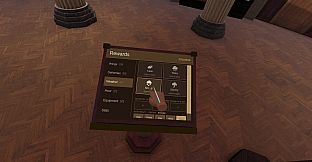
Damaged books require manual cleaning before shelving. Progression comes from completing rows, which earns points spent at a rewards lectern to unlock additional wings. These points also purchase carrying aids such as a basket that holds four books, larger deliveries of 30 to 40 or 50 books at once, a repair brush, the ability to summon items from a distance, and quick hands for instant cleaning. The library opens gradually, with each new wing lighting its lanterns and displaying its banner color as chosen by the player.
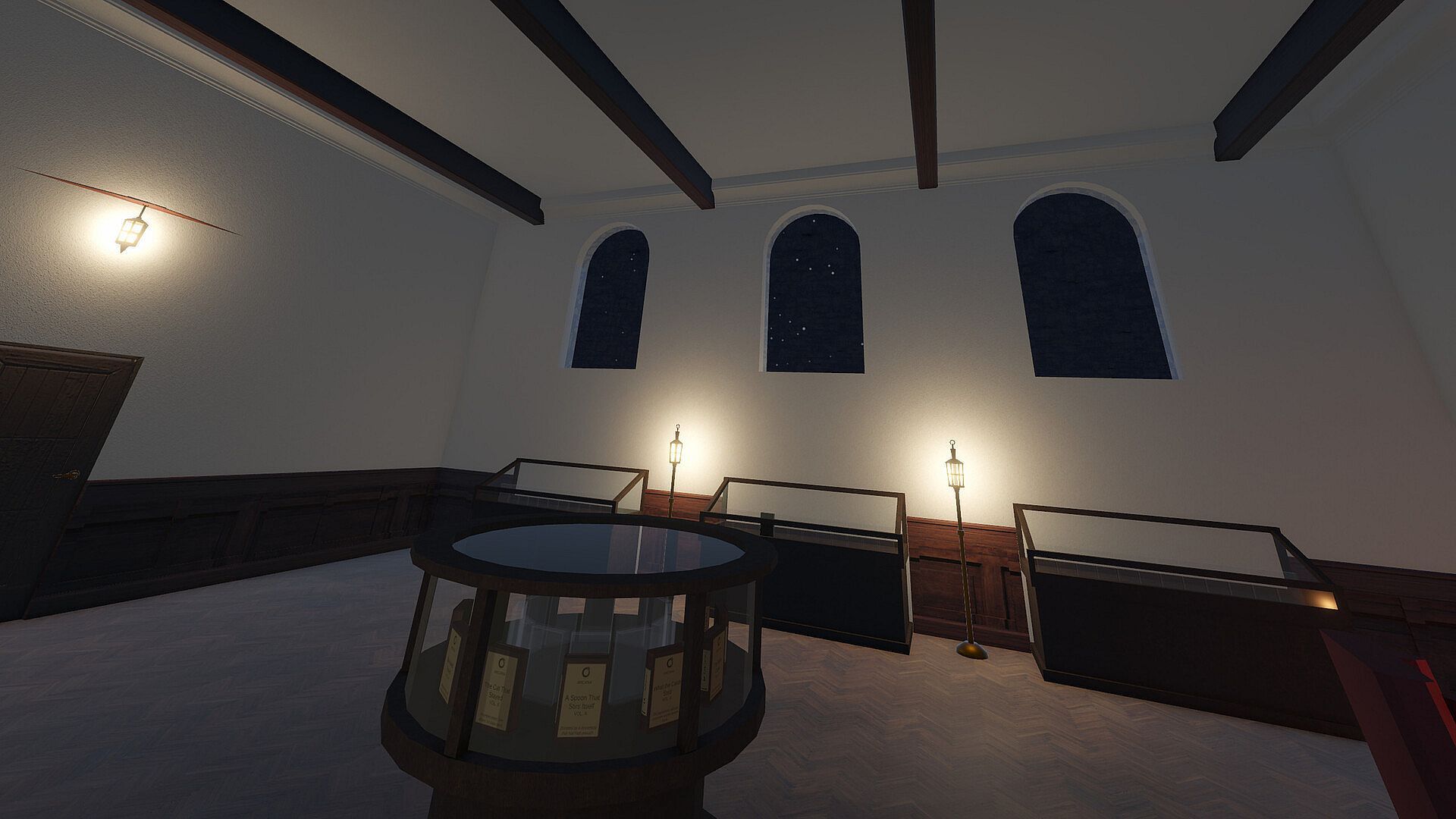
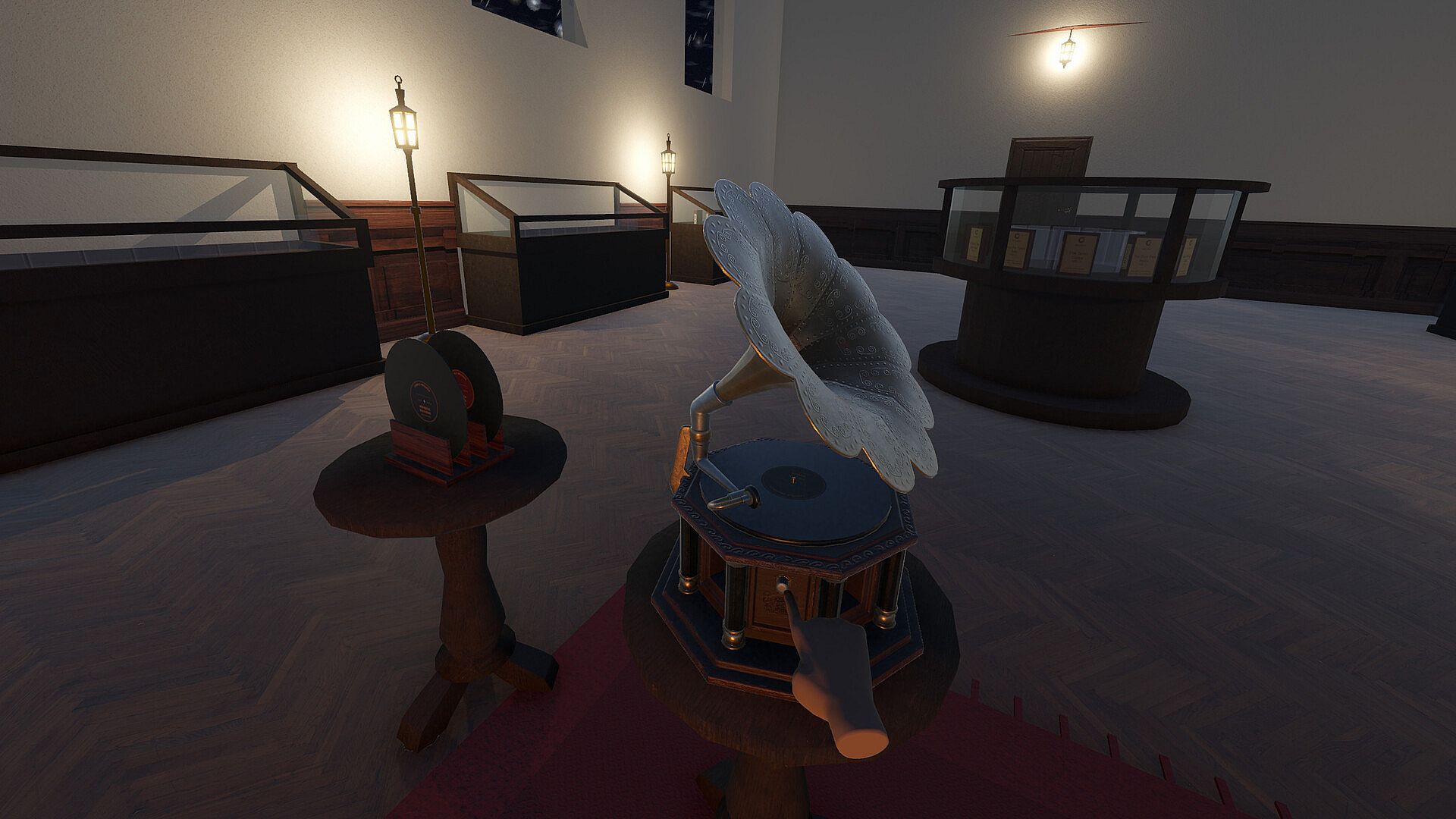
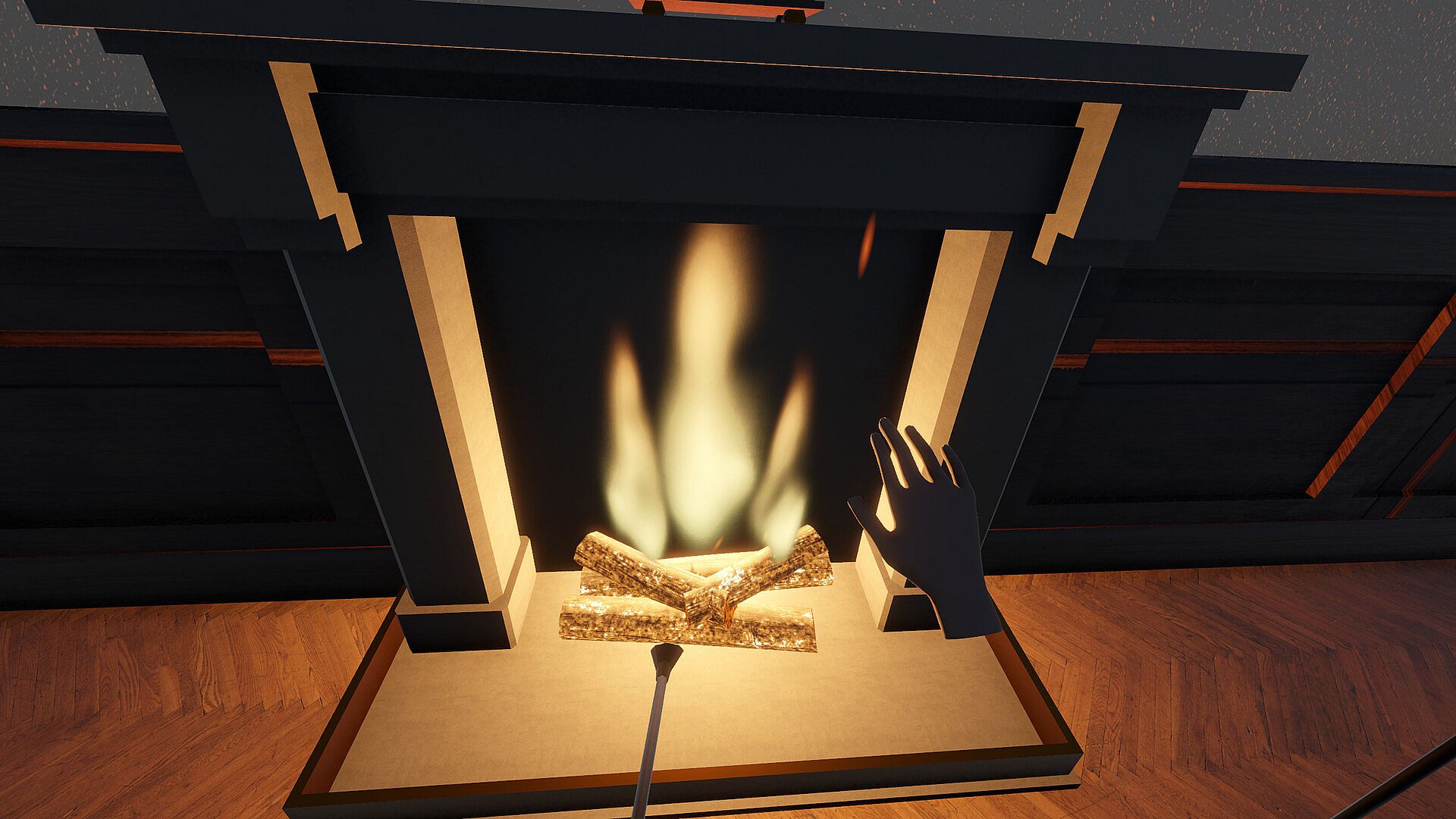
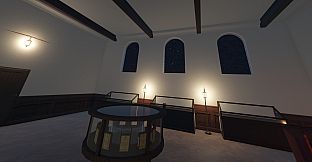
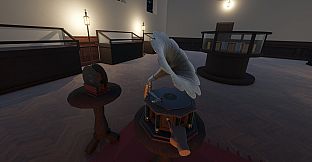
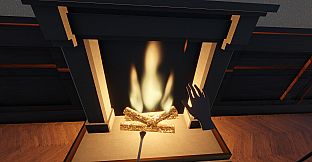
Atmospheric elements return through earned weather and time-of-day options. Rain, snow, wind, or storms with thunder can appear on the dome or glass, with adjustable intensity or automatic changes. Time advances across five hours from dawn to night, or players can set a preferred hour. A separate reading room offers further personalization, including a fire to tend with irons, a gramophone with four records that can be wound and played, and display cases plus a trophy shelf that fill with volumes and trophies as rows and wings are completed.
Controls prioritize physical presence. Hands interact realistically with books by their edges or corners, the basket by its handle, records by their rims, and fire irons by their shafts. Comfort options include seated or standing play with crouch support, teleport or smooth locomotion, snap or smooth turning with adjustable speed and angle, a vignette of variable strength, left- or right-hand preference, optional haptics, and separate volume controls for master, ambience, and effects. Graphics settings allow tweaks to shadows, anti-aliasing, textures, and detail levels. The game saves automatically, supporting session breaks at any point.
Game Modes
The game operates as a single continuous single-player experience without separate named modes or multiplayer components. All activity centers on the library's gradual restoration through book sorting and wing unlocking. Players decide the order of wing access and customize environmental elements like weather and time at the lectern, but the fundamental loop remains consistent: sorting returns, earning points for progression and tools, and unlocking personal spaces such as the reading room.
No competitive elements, co-op features, or alternate scenarios exist. The design stays fixed on solitary, unhurried progress in the Victorian rotunda setting, with all mechanics tied directly to the core book-returning activity and its associated rewards.
Atmosphere and Progression
The Victorian rotunda and its wings create a consistent, enclosed environment that expands as play continues. Lanterns and banners activate with each new section, while the reading room provides a quieter contrast with its fire, music, and accumulating collectibles. Weather effects on the dome and glass, along with shifting daylight hours, add subtle variety without altering the central task. Points spent at the lectern directly influence both the library's state and available assistance, rewarding steady completion of rows.
Everything builds from the initial returns desk full of books. Early sessions focus on color-based navigation, shifting toward direct number recognition as familiarity grows. The absence of other characters or external pressures keeps attention on the physical placement and occasional cleaning of volumes.
Is It Worth Playing?
This title suits players seeking a relaxed VR simulation focused on precise, repetitive organization without pressure or narrative urgency. Its strengths lie in the tactile book handling, gradual library expansion, and customizable atmosphere that reward patience and attention to detail. Availability is limited to VR setups with motion controllers on PC, with no flat-screen option or hand-tracking support.
Those who enjoy cozy, methodical tasks in simulation games will find the deliberate pace and hands-on mechanics align well with the genre. The single-player structure and automatic saving support flexible play sessions. As an upcoming release planned for November 2026 with no reviews available yet, interest depends on preference for VR-based sorting experiences over faster-paced or multiplayer alternatives.











