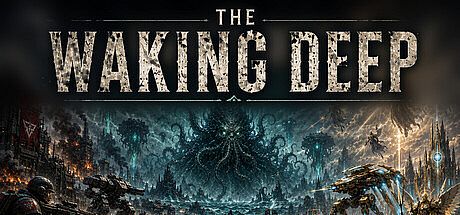


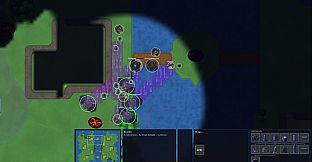
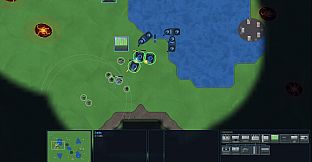
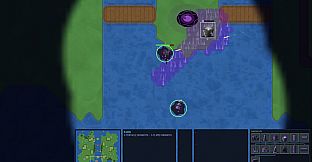
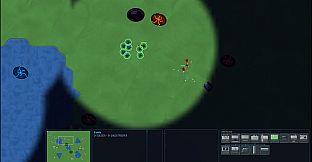
The Waking Deep - No Gods Above Nor Below is a real-time strategy game set in a world where recurring waves of madness threaten humanity. Players take command of either the militaristic Church of Hope or ancient horrors from the sea, building bases, managing resources, and directing armies across maps dominated by water. Matches unfold in real time with a focus on terrain control, resource claims, and faction-specific units that reward thoughtful positioning over sheer numbers.
Gameplay
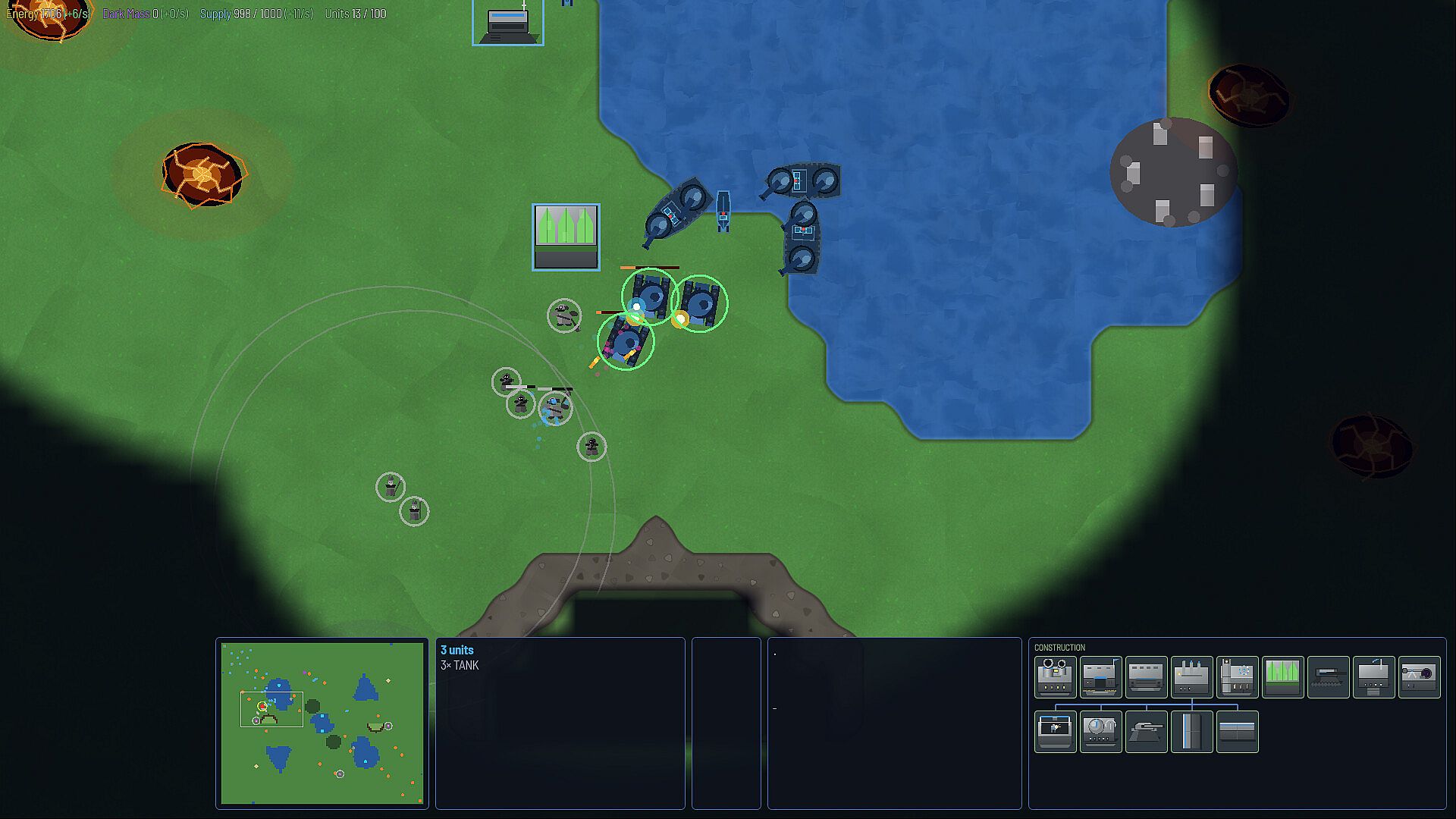
Core play revolves around classic base-building real-time strategy loops. Players expand across procedurally generated or hand-crafted maps, claim resources, research technologies, and field armies in engagements that last fifteen to thirty minutes. Water shapes every battlefield, forcing commanders to blend land and naval operations. Warships strike supply lines from the coast, seize water rifts for income, and control areas unreachable by ground forces. Bridges can be constructed to create new paths or demolished to isolate enemies, with collapsing structures carrying any units still on them into the water below. Chokepoints such as bridges, land bridges, and hill ramps become focal points for defense or flanking maneuvers by sea. Every change to the map affects both sides, turning terrain into a dynamic element that rewards adaptation.
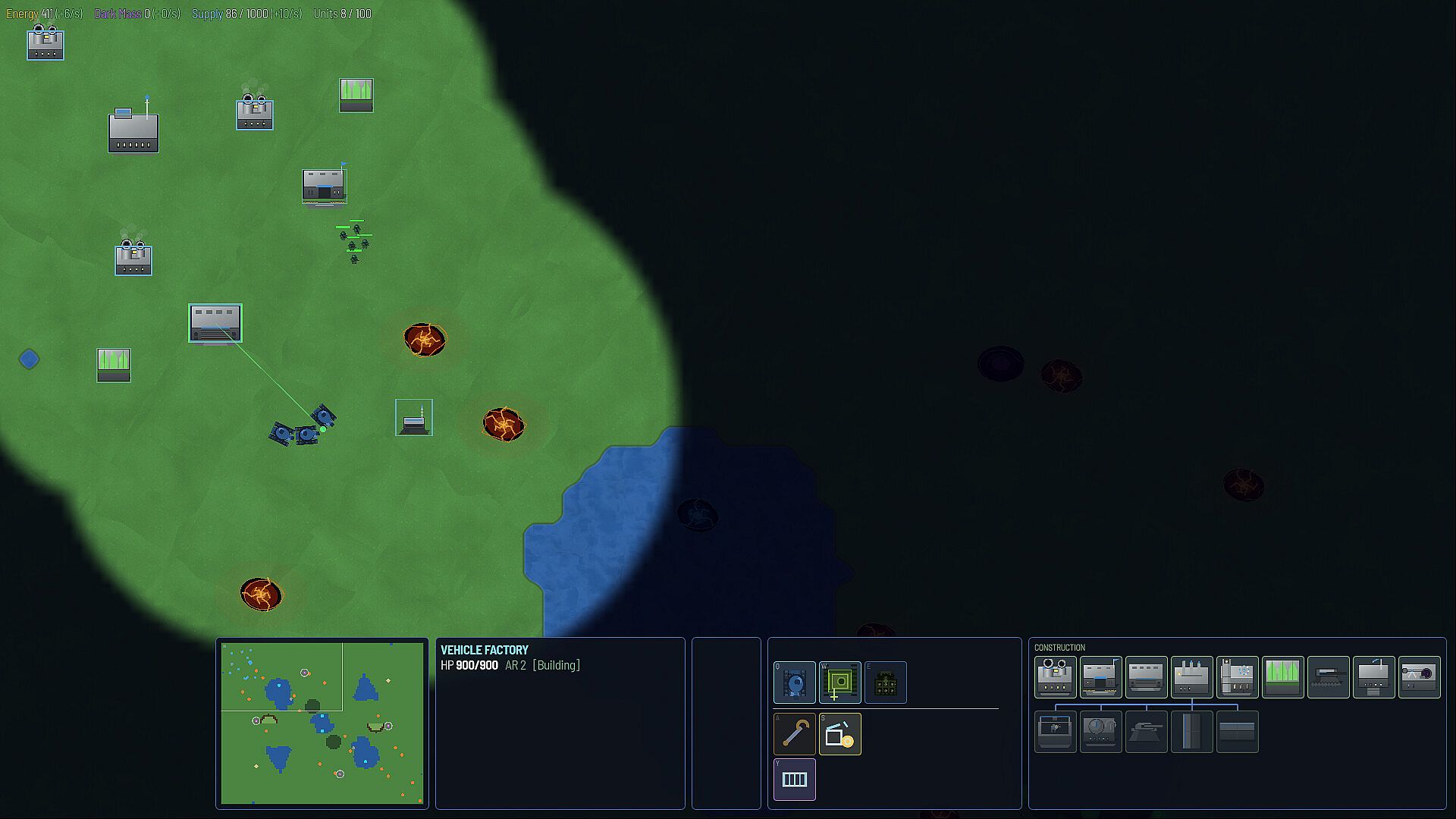
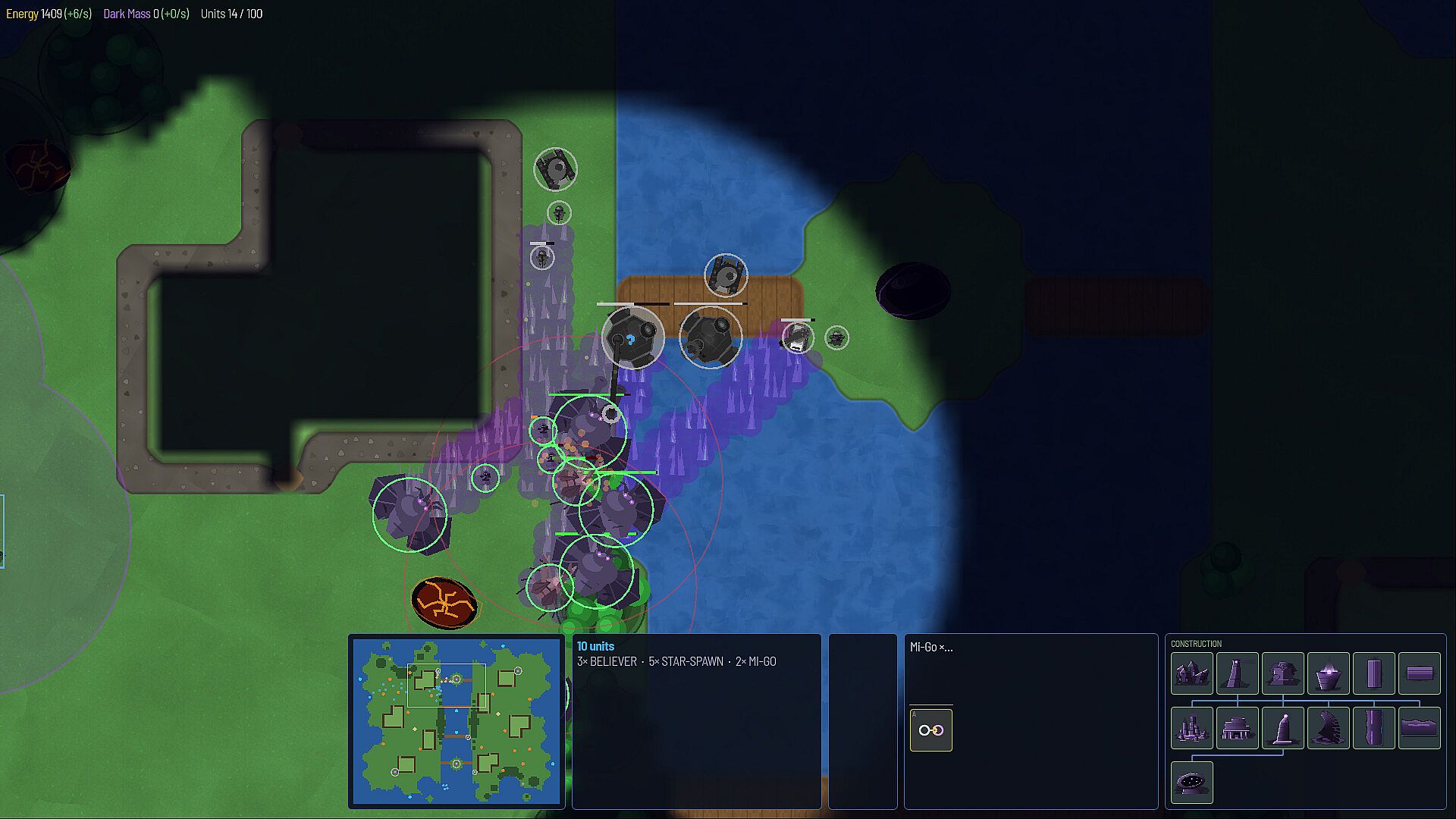
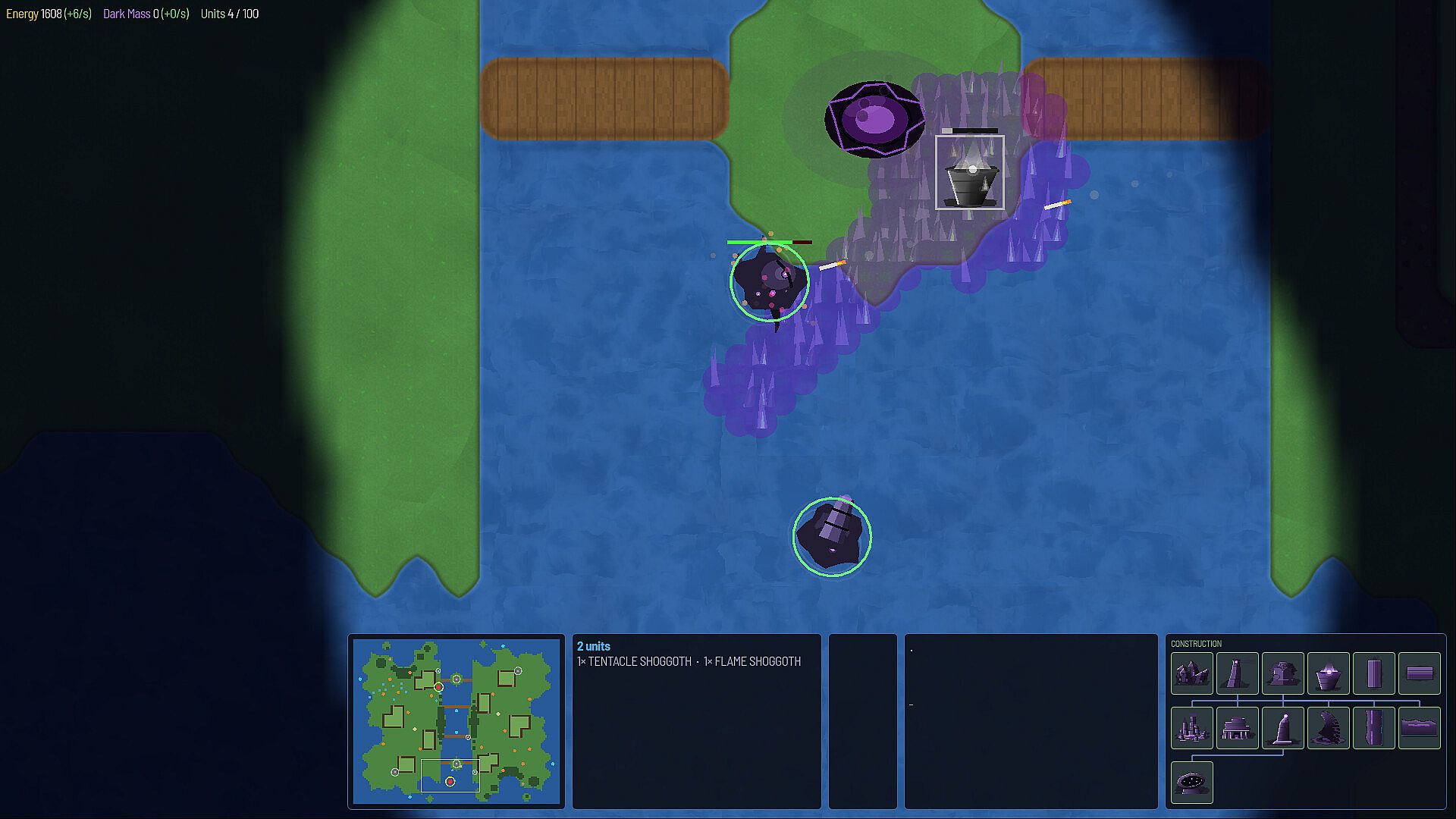
Three resources drive decisions. Humans rely on Energy, scarce Dark Mass drawn from contested central pools, and Supply that must be maintained or troops suffer. The Deep operates without power plants or traditional supply lines, instead spreading corruption that serves as its economy. Enemy units standing on corrupted ground take damage, while swallowed rifts provide income. Both factions feature deep tech trees with dozens of upgrades and abilities that define their playstyles.
Game Modes
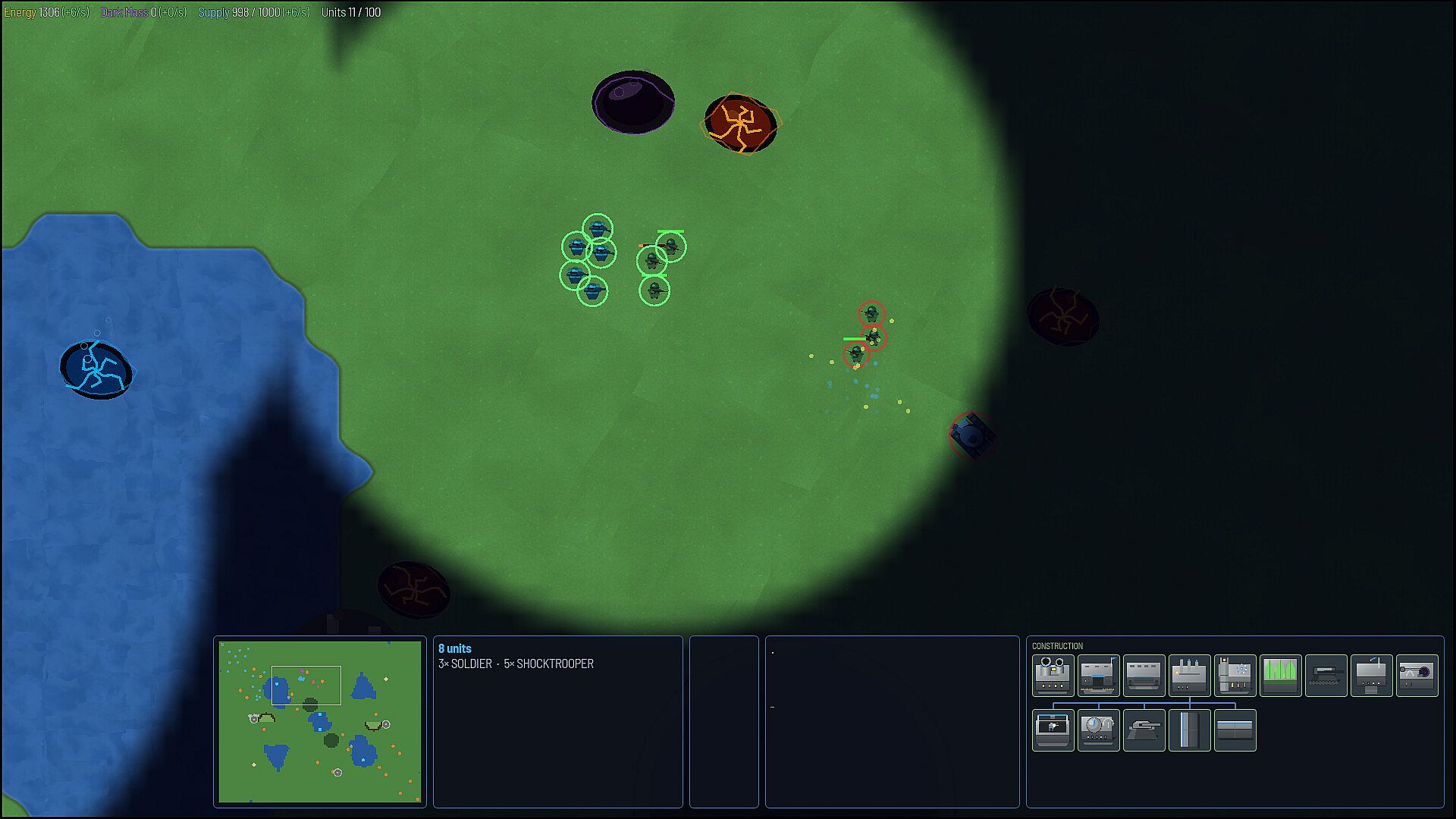
Skirmish matches pit players against trained AI opponents of either faction. The AI learns from thousands of self-play matches rather than following rigid build orders, adapting its expansions, raids, and unit counters based on observed enemy forces. Online multiplayer supports 1v1 matches through Steam. Every match can be recorded for later viewing at up to eight times speed from either perspective, and save games allow resuming progress. Procedural map generation offers five map types including central waterway, lakes and rivers, lane network, open plains, and islands, all rotationally symmetric. Five additional hand-crafted maps provide consistent alternatives. Living map elements such as neutral guardian camps, capturable villages, line-of-sight blocking forests, and high-ground hills add layers of strategic depth.
Factions and Units
The two factions play distinctly. Humans field tanks, infantry, war machines, and a navy supported by the Church of Hope. Key structures include geothermal rift power plants and mobile outposts for expansion, while engineers construct bridges. Units range from soldiers and snipers to rocket launchers, chainsaw-armed walkers, the colossal War's End, gunboats, zealots, artillery, and shield-bearers. The Deep summons ancient sea horrors whose buildings spread corruption. Amphibious creatures cross shorelines freely, sunken cities emerge from water, and stone causeways grow with the corruption. Masses of believers and Deep One hybrids, priests of Dagon and Mother Hydra, teleporting Mi-Go, shoggoths, and towering Star-Spawn summoned via star gate overwhelm opponents through sheer presence and environmental damage.
Is It Worth Playing?
Players seeking a focused real-time strategy experience with strong emphasis on map manipulation and asymmetric factions will find clear value here. The trained AI provides consistent opposition without predictable patterns, while the short match length suits repeated sessions. Procedural symmetry and hand-crafted options ensure varied terrain each time. Replays and saves support analysis and continuation. The game remains in Early Access, with the provided features forming a complete core loop for skirmish and 1v1 play. Those who enjoy terrain-driven decisions, naval integration, and contrasting faction mechanics over large-scale empire building will likely appreciate the design. Availability on PC allows direct access to the described systems without additional requirements.