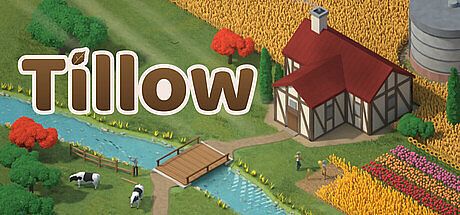


Tillow is an isometric farm builder and casual simulation game for PC that lets players transform overgrown river valleys into productive farms. The experience centers on clearing land, planting crops, managing livestock, and processing goods while the simulation continues in the background even when minimized.
Gameplay
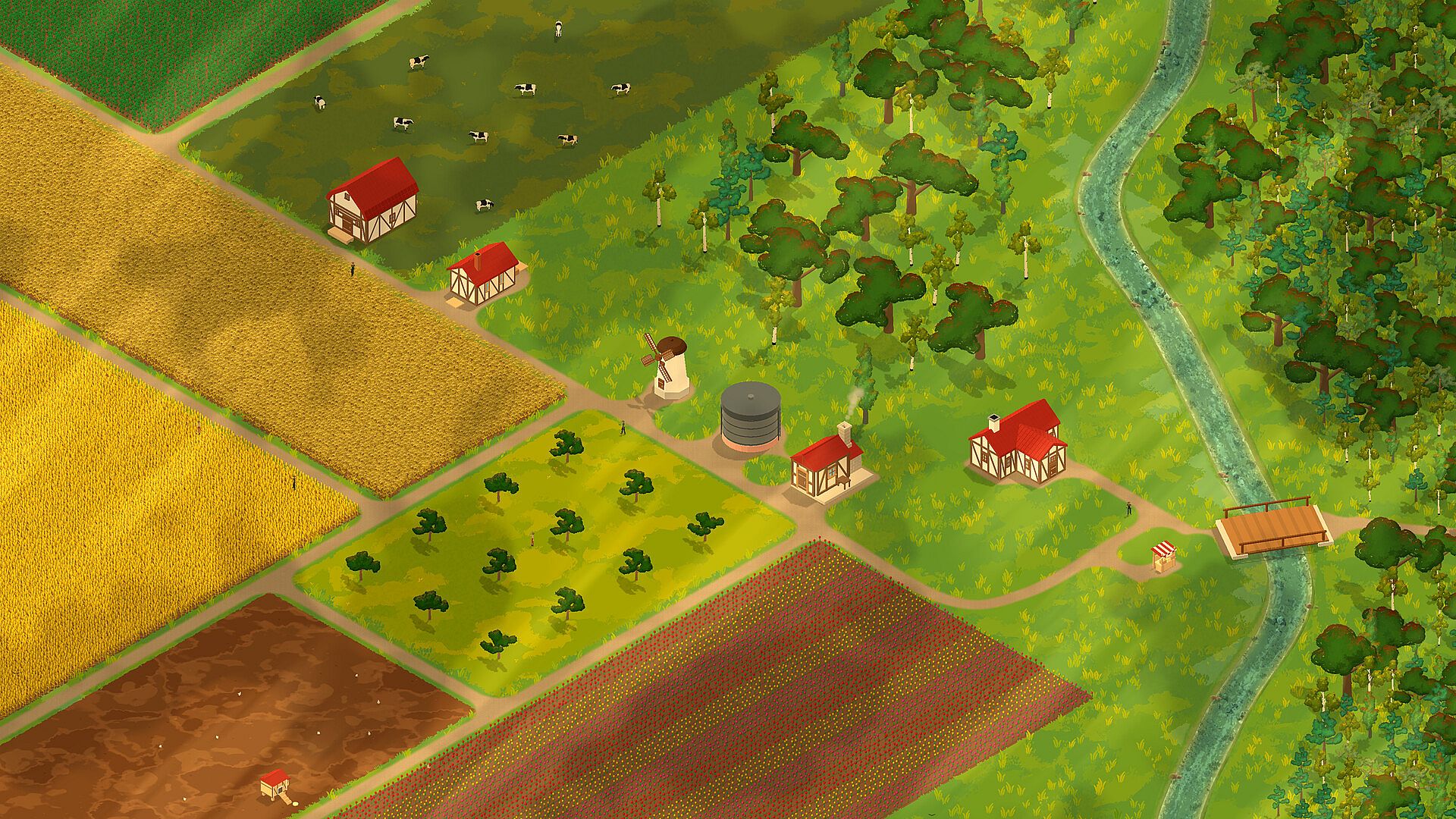
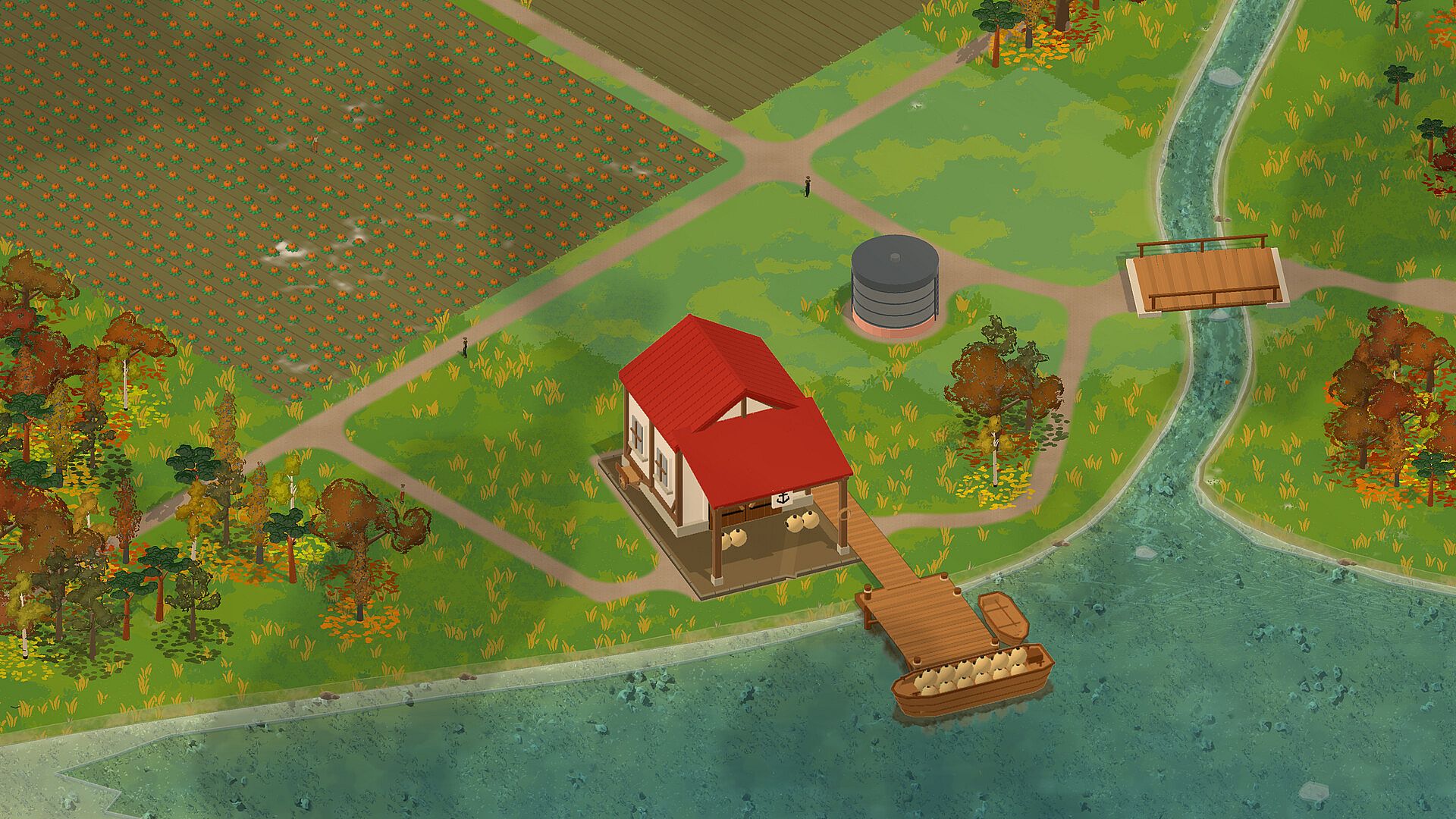
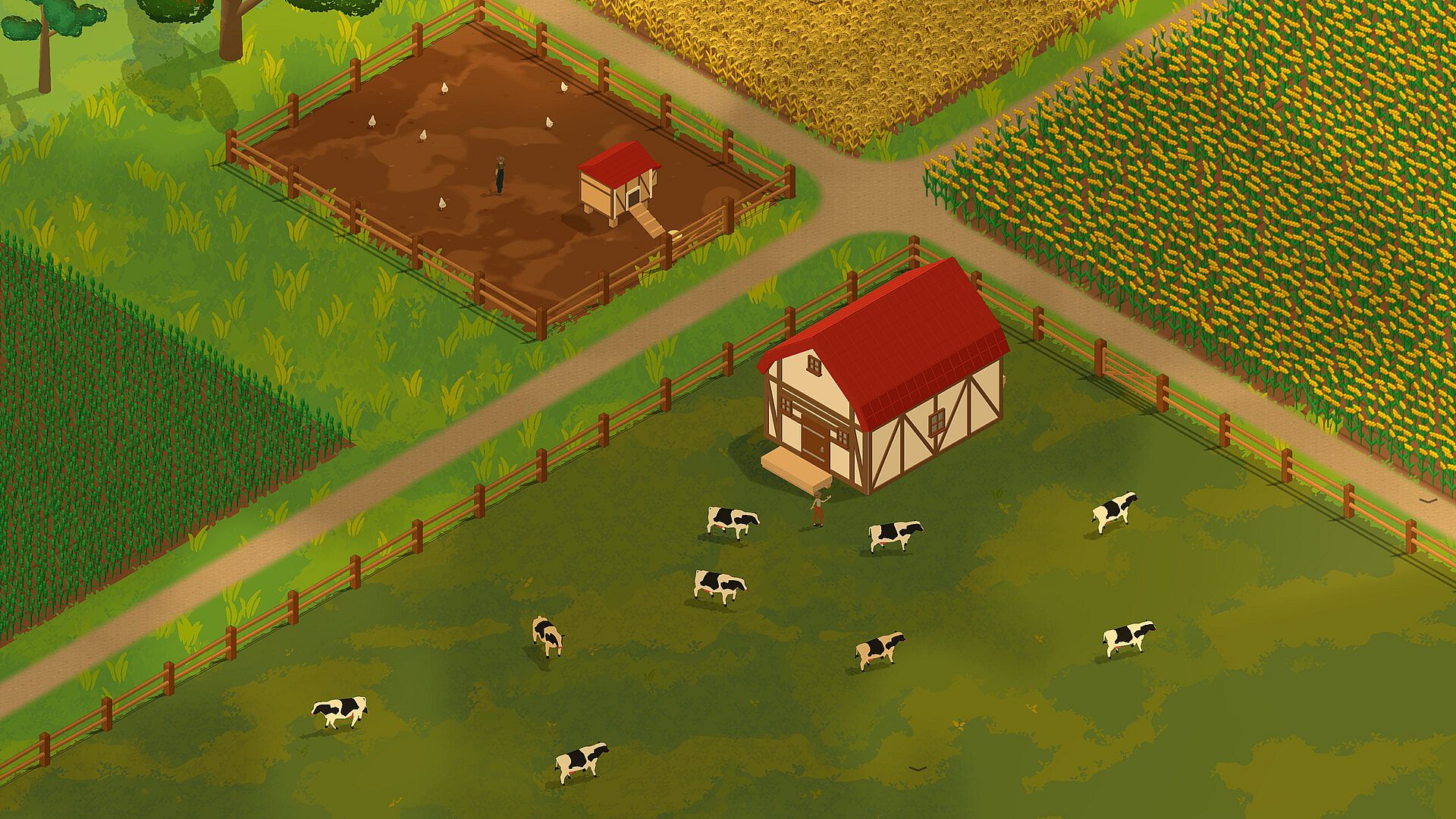
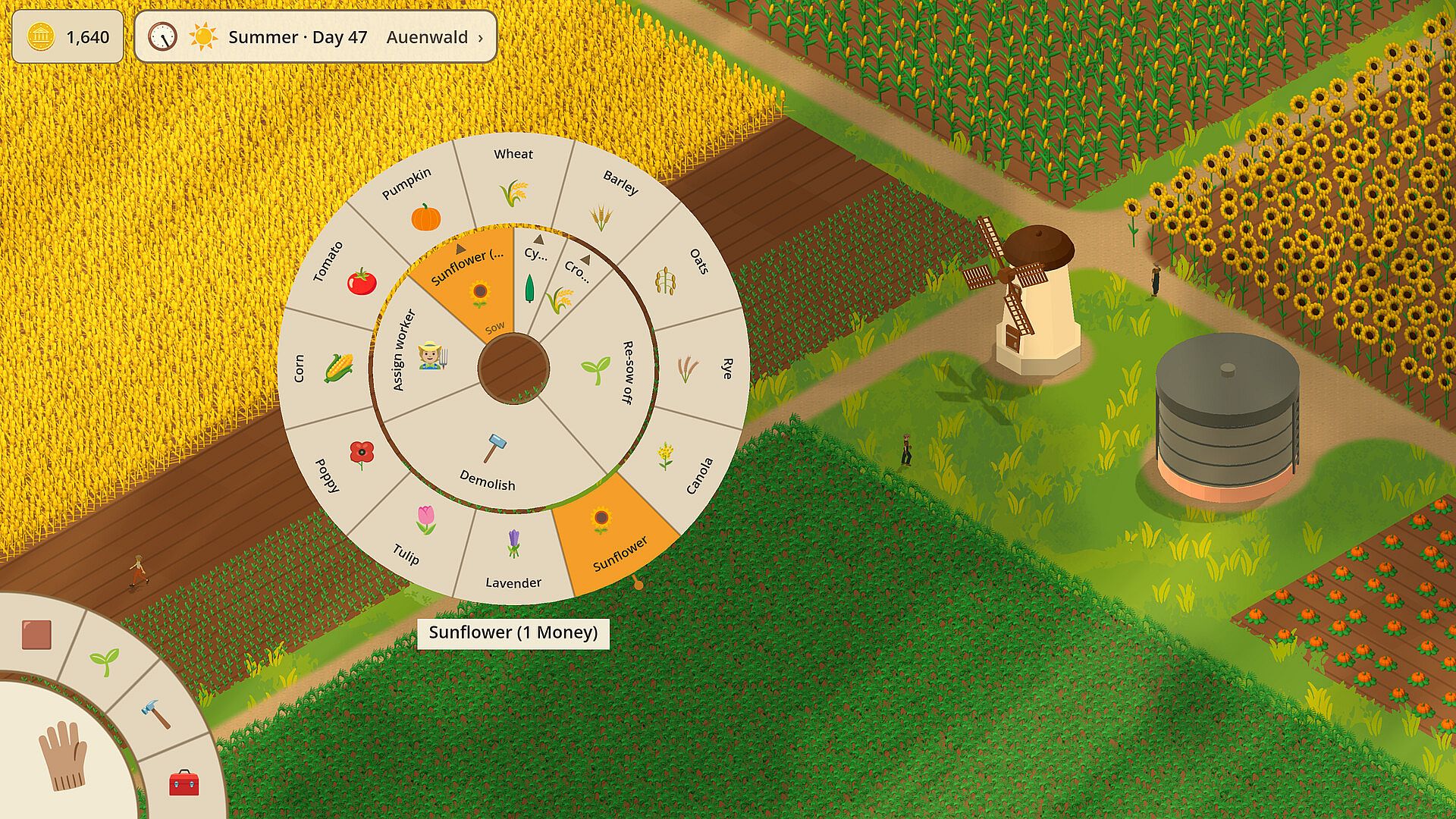
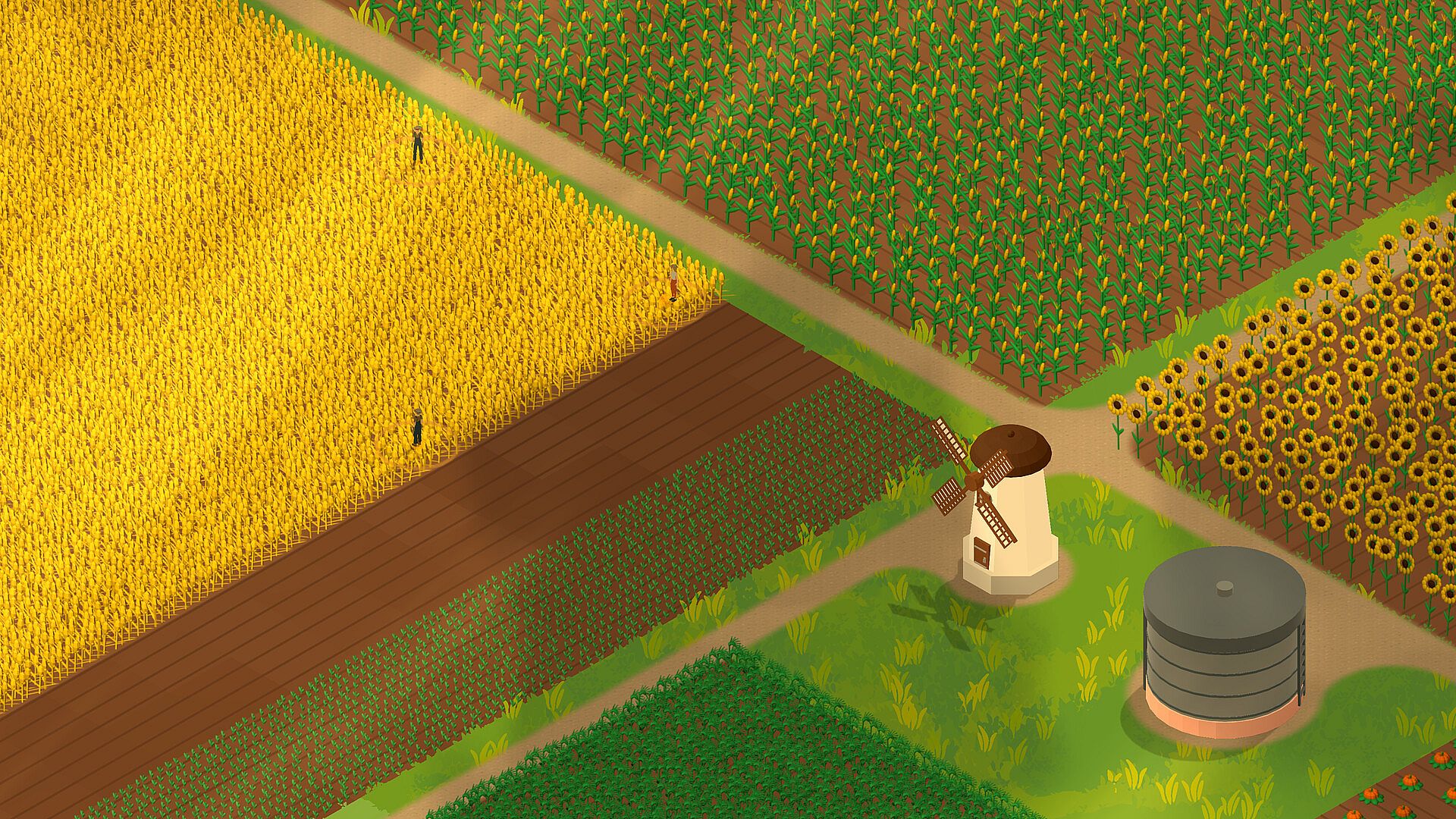
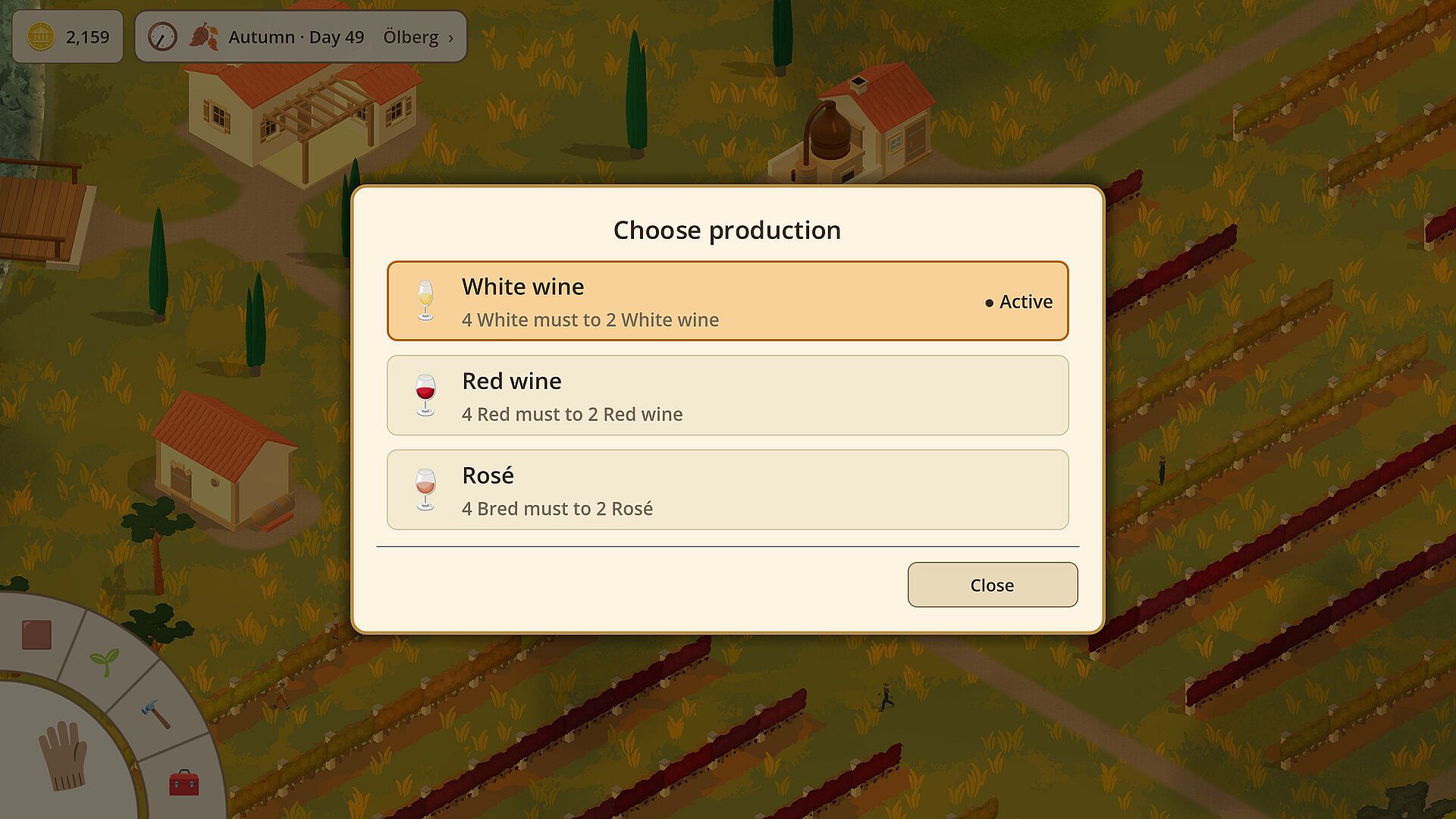
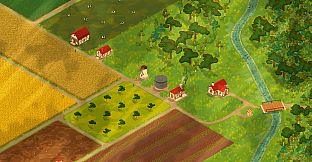
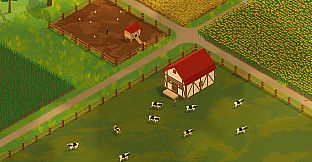
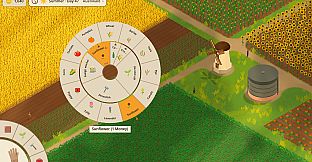
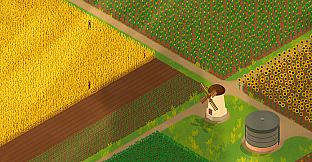
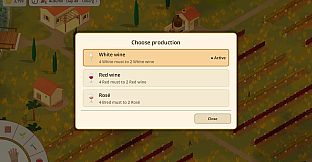
Players begin by manually clearing wild grass from a valley to establish the first wheat fields. This initial hands-on work yields resources to hire the first workers, after which automated sowing, harvesting, and transport to storage take over. Fields can be grouped to follow consistent sowing plans, with harvests moving directly to barns and excess sold at market. Research unlocks new crops, animals, and processing options such as turning grain into flour, milk into cheese, or grapes into wine that ages in cellars with vintage details. Livestock including cows, sheep, pigs, and poultry graze pastures and raise young, while orchards, vines, and vegetable plots follow seasonal cycles. The isometric view shows the entire valley at once, highlighting progress across cleared plots, growing fields, and constructed buildings.
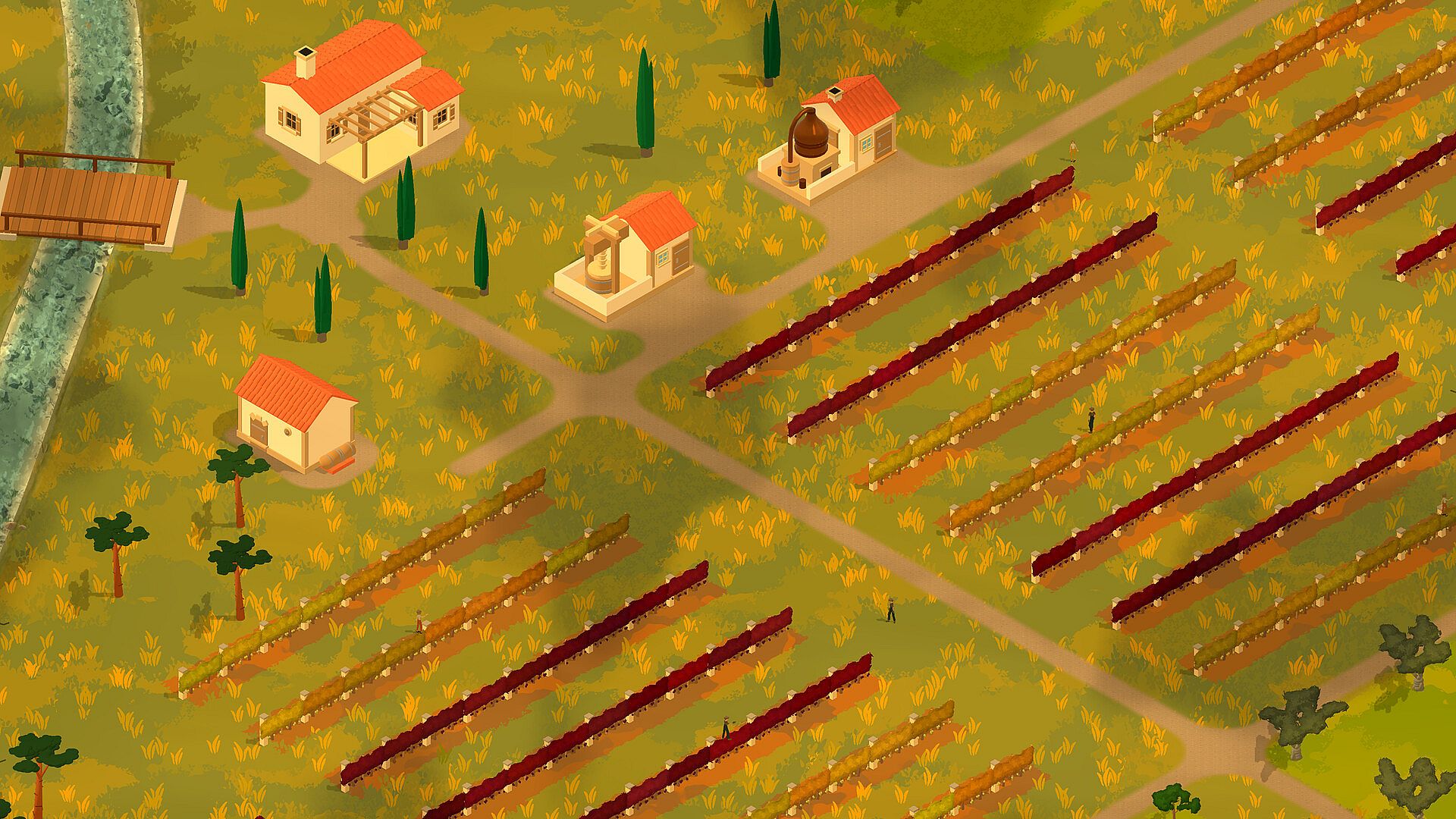
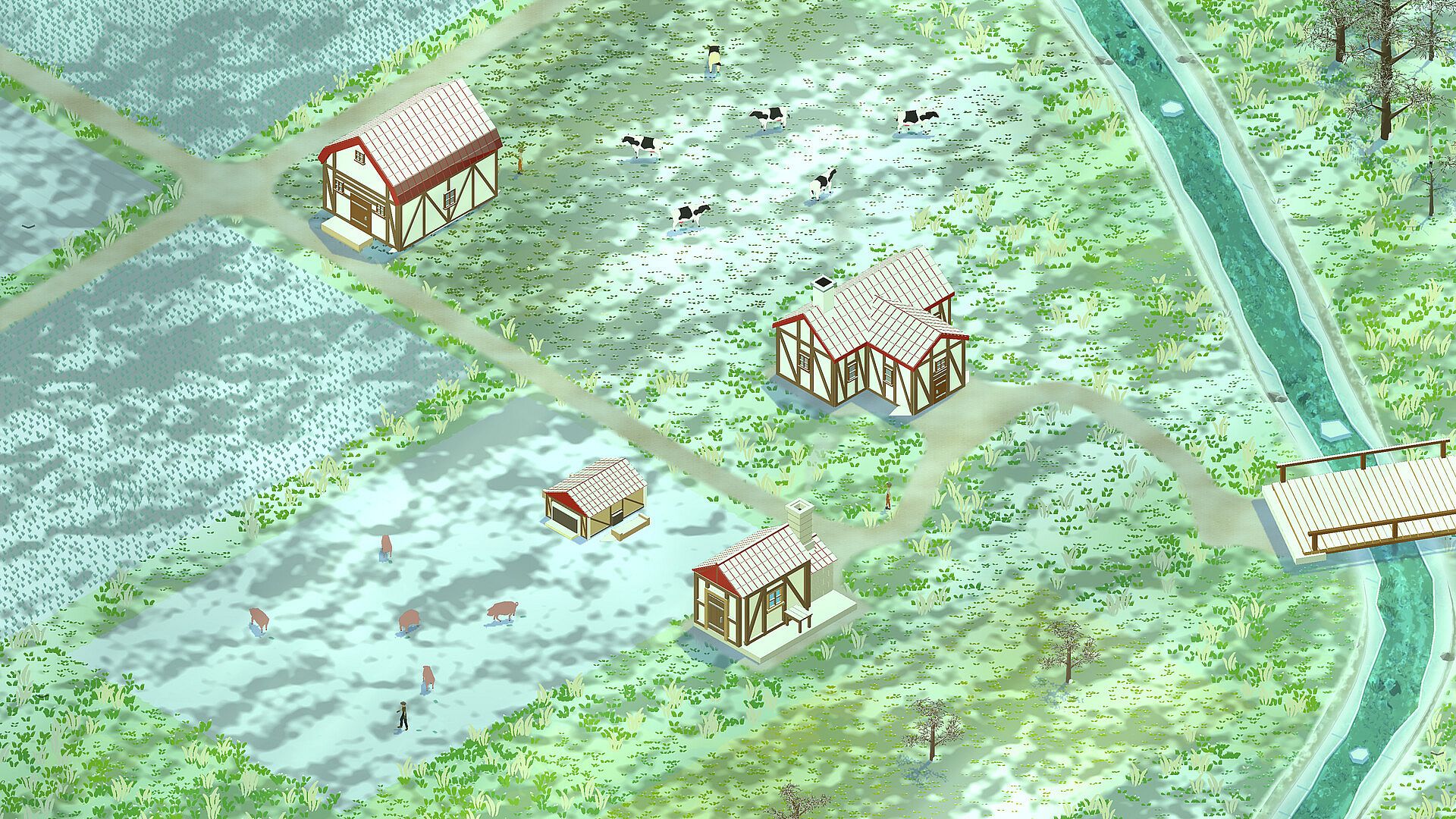
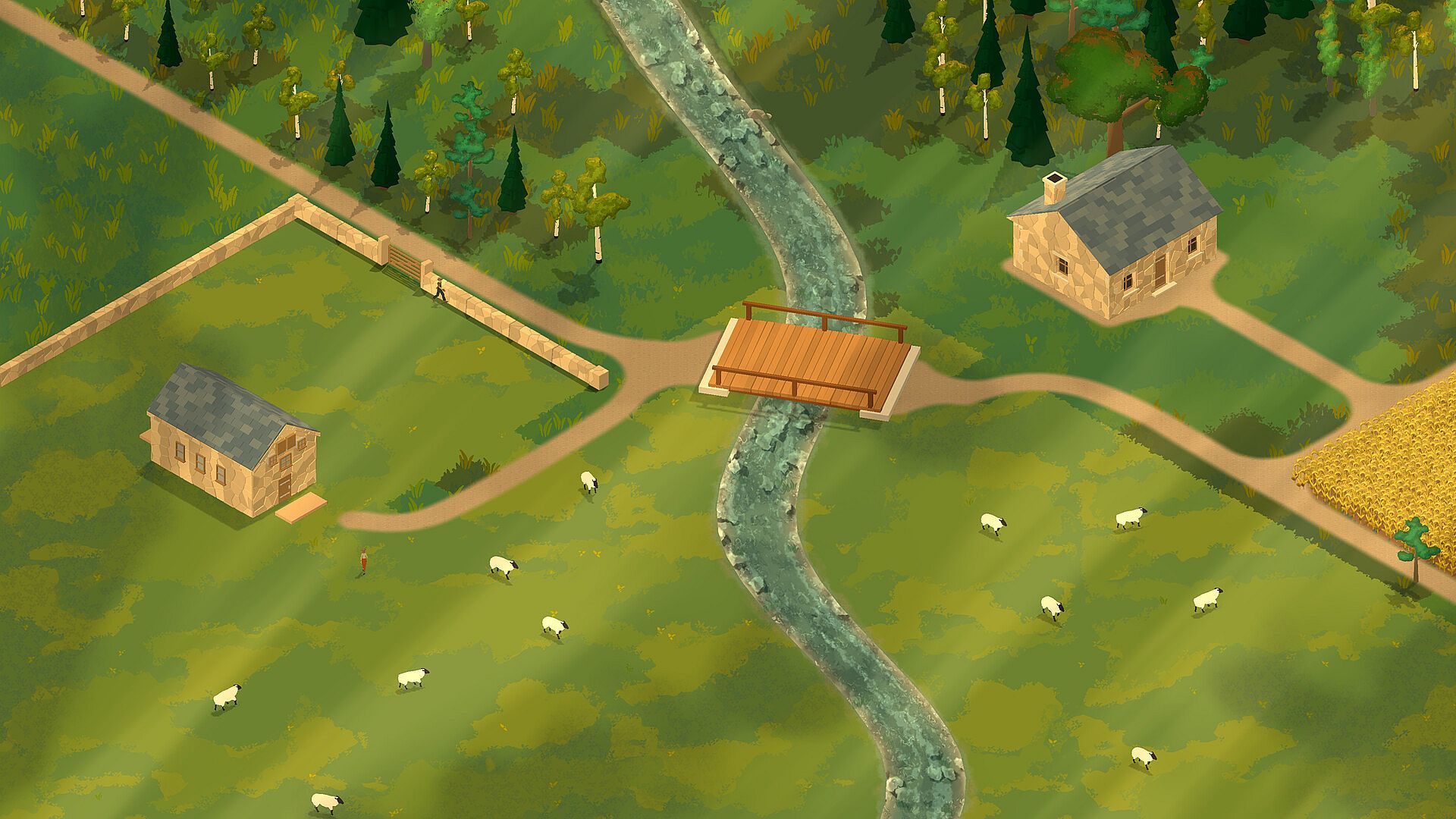
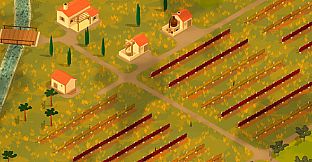
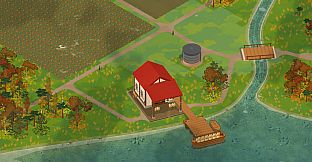
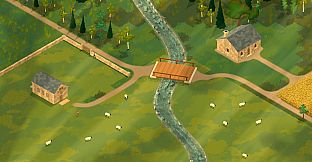
Three distinct farms operate simultaneously in separate valleys with unique climates and aesthetics. The starting floodplain features half-timbered houses and mixed forests suited to mixed crops. The warmer olive hill supports Mediterranean produce like vines and olives. The cooler moor farm uses natural stone structures and accommodates larger herds. All three share a single economy and research progression, allowing goods to be shipped between locations for balanced production.
Game Modes
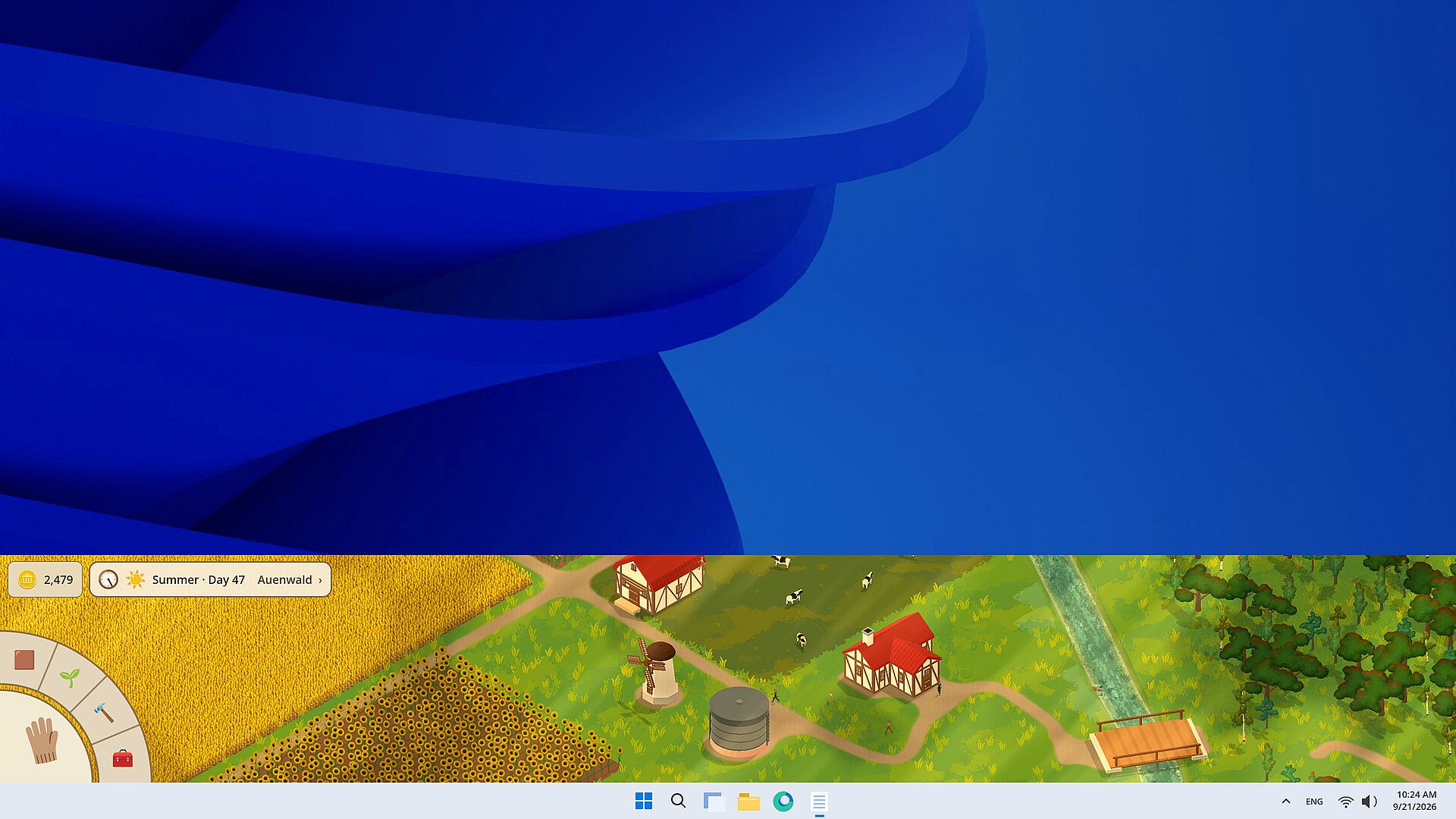
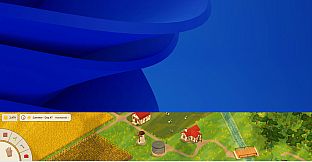
Tillow runs as a single-player simulation with no separate competitive or multiplayer modes. The core experience revolves around steady farm expansion and automation in one continuous world. A distinctive bar mode shrinks the game into a narrow vertical or horizontal strip that docks to any edge of the desktop. In this format the farm continues advancing in real time while the player works on other tasks, with visual cues indicating when decisions or actions are needed. Switching back to full screen restores the complete isometric view without interrupting ongoing progress. Time passes naturally across seasons whether the window is open or minimized, allowing months of simulated farm activity during extended sessions away from the screen.
The Three Valleys and Production Chains
Each valley offers different growing conditions that influence crop and animal choices. Grain and vegetables occupy specific seasonal windows, while orchards and vines require longer cycles. Processing expands options through research, producing items such as honey, spirits, and aged wines that carry specific vintage years. Some rarer elements appear only after exploration in the valleys. Buildings and infrastructure support these chains, with barns storing harvests and markets handling sales. Workers handle routine tasks once hired, freeing the player to focus on planning layouts and unlocking new systems.
Seasons and Long-Term Progression
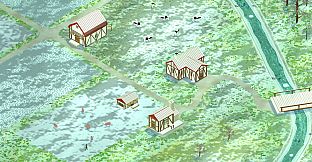
The game cycles through four seasons that affect visuals and activities. Spring brings sprouting seeds and blossoming trees. Summer fills fields and casts moving cloud shadows across the landscape. Autumn turns leaves and starts grape harvests. Winter covers roofs and rivers in snow and ice, shifting focus to construction and research. Crops left standing in autumn reseed naturally for the following year. This rhythm encourages planning around yearly patterns while the shared research tree and economy across the three farms provide ongoing goals.
Is It Worth Playing?
Tillow suits players who enjoy relaxed, long-term farm management without pressure from timers or failure states. The background bar mode adds a unique idle element that keeps the simulation active during other computer use, making it appealing for those who like passive progress alongside active play. With its focus on automation, seasonal cycles, and cross-farm trading, the game rewards steady expansion and thoughtful crop and livestock decisions. As a single-player title scheduled for release in early 2027, it offers a self-contained experience centered on building and observing a living farm system. Those drawn to casual simulation games with visual feedback on progress across multiple environments will find the mechanics align closely with that preference.