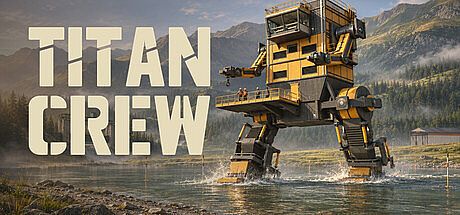


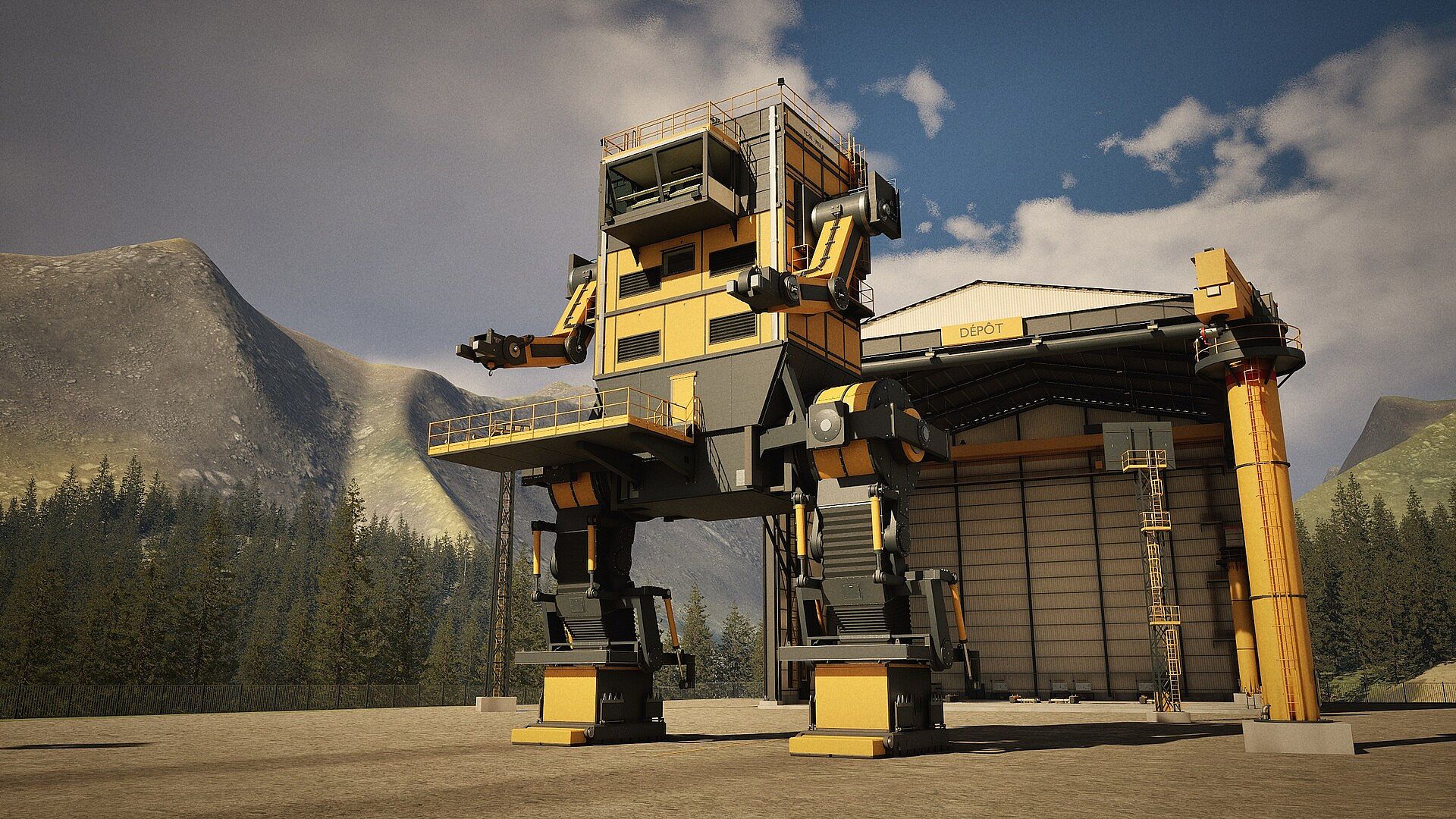
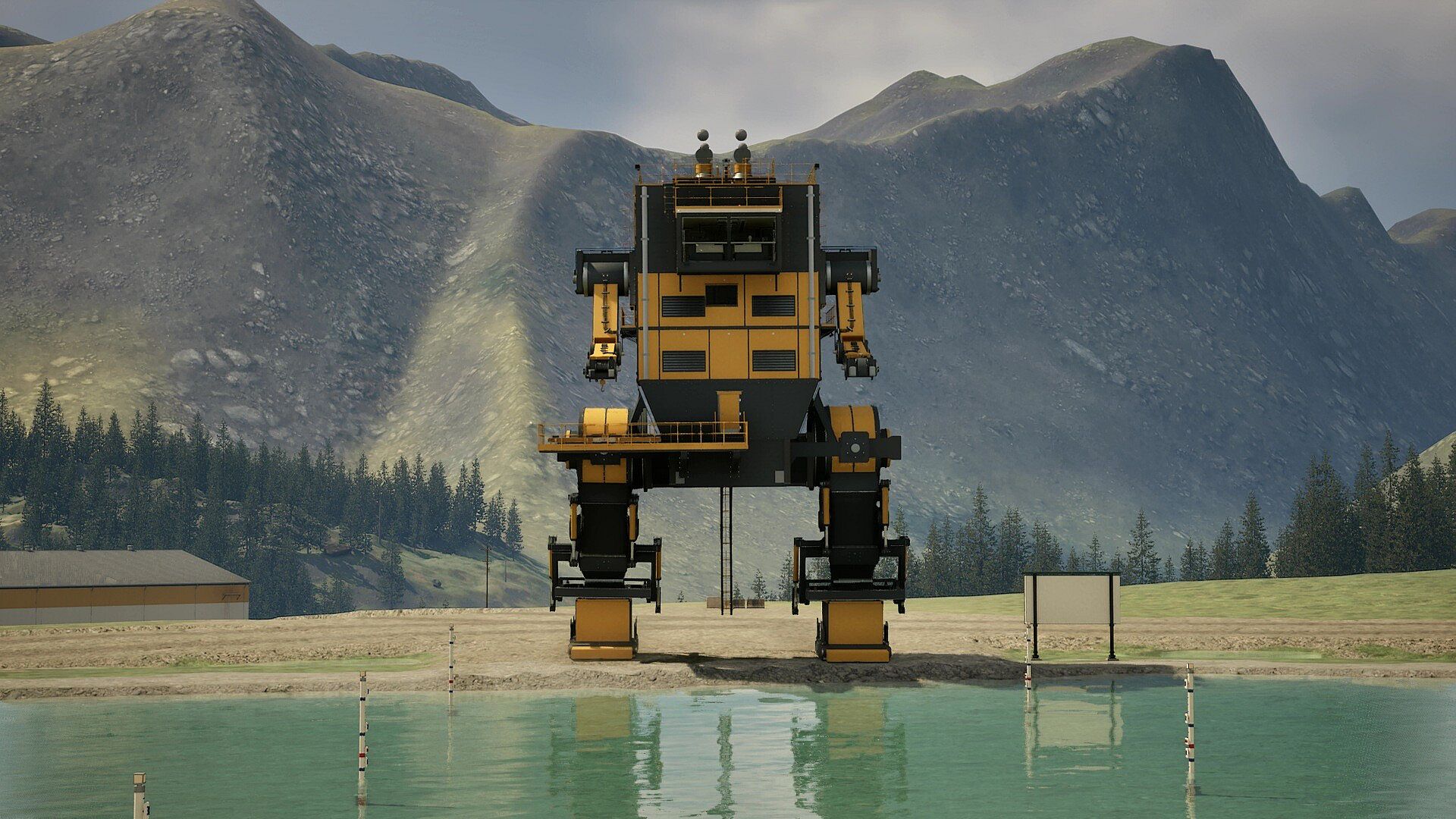
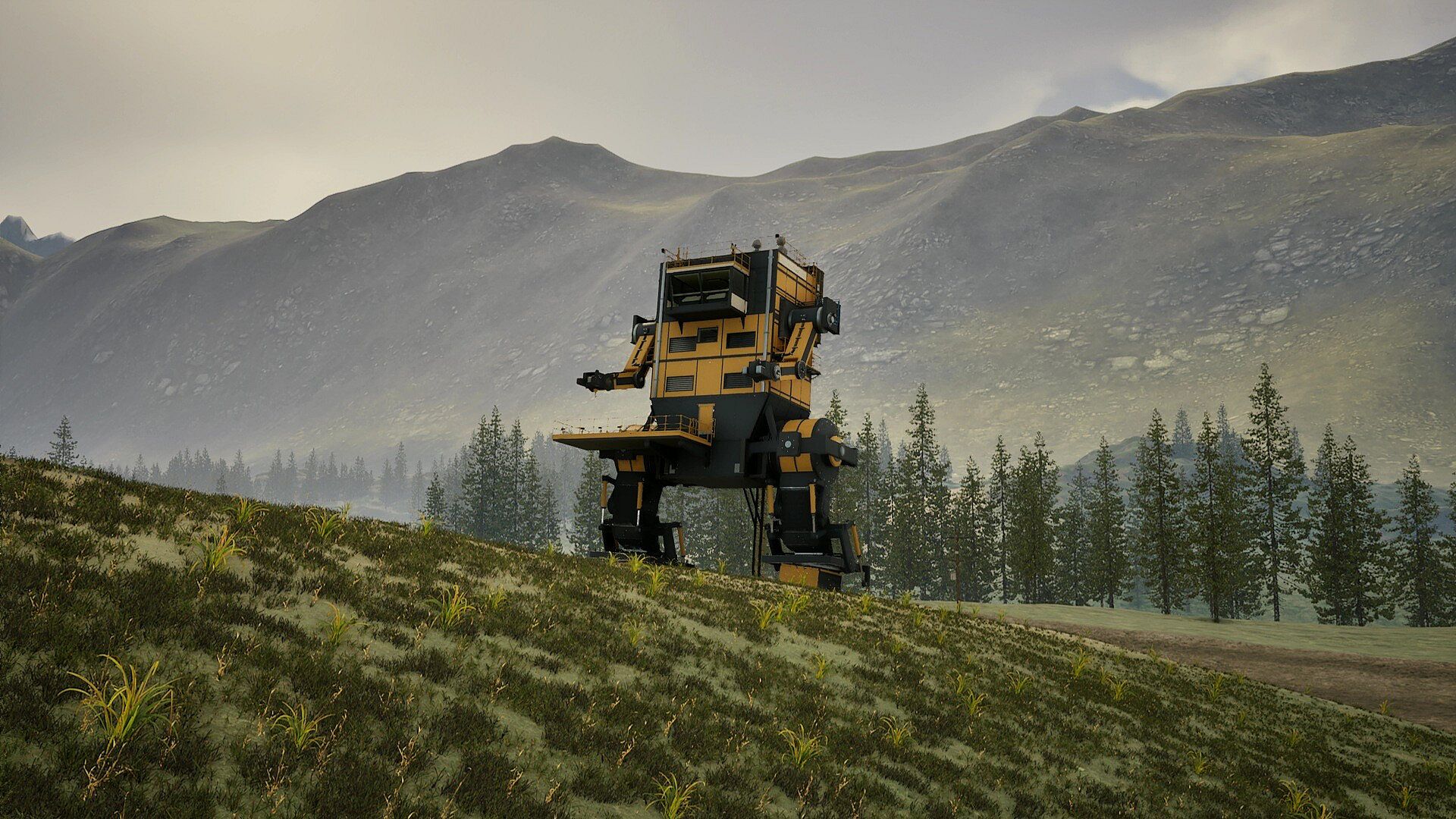
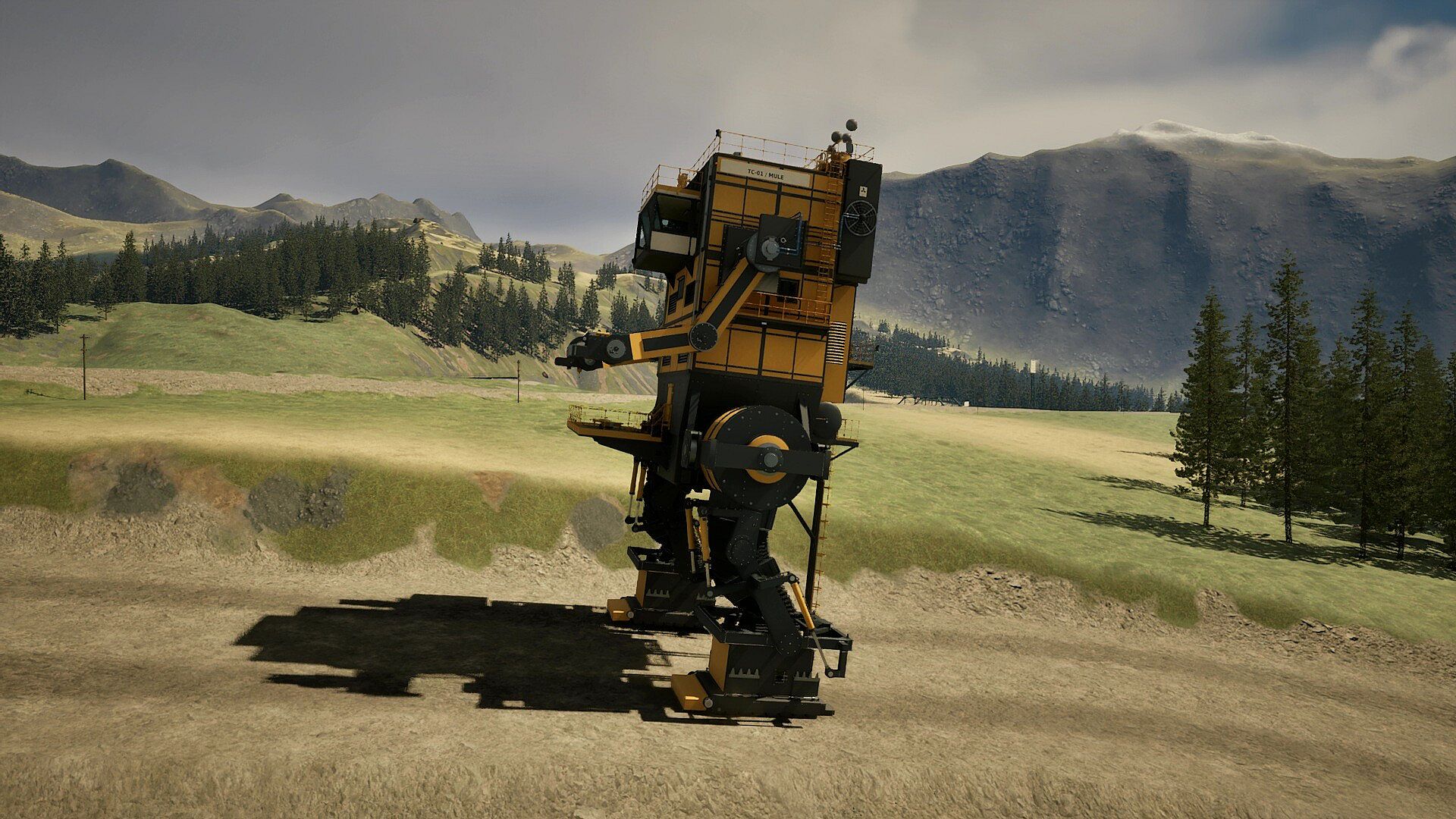
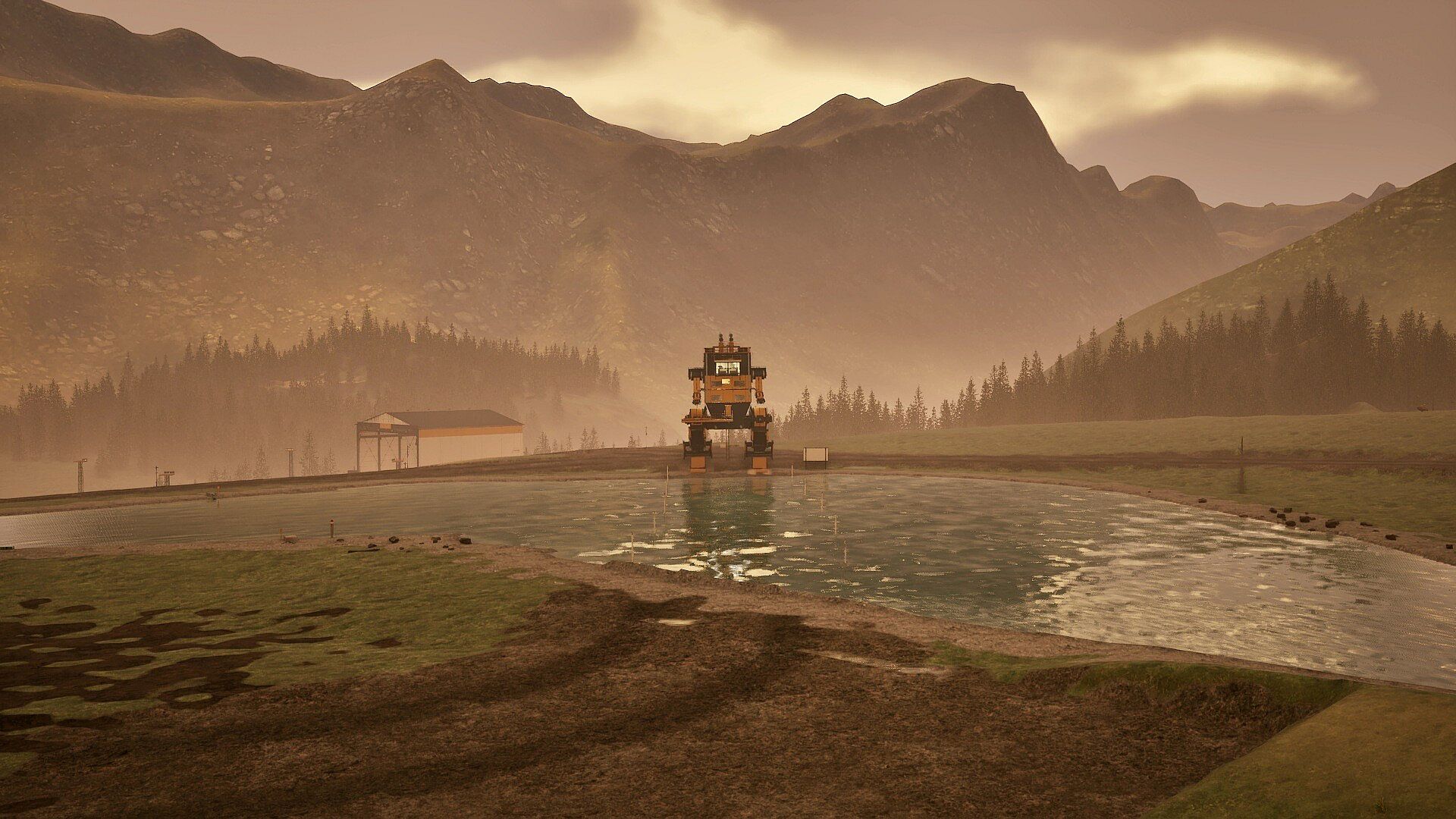
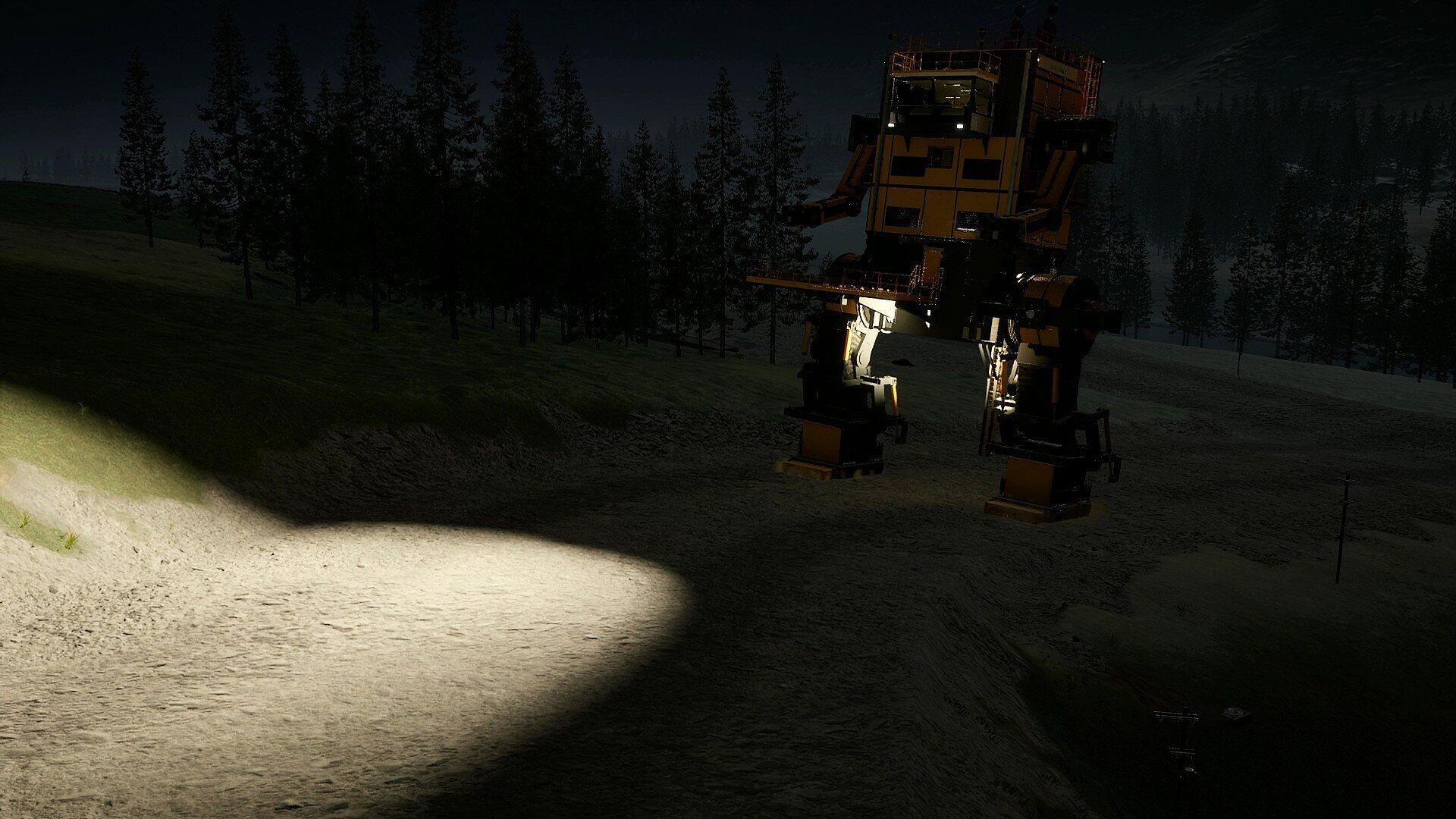
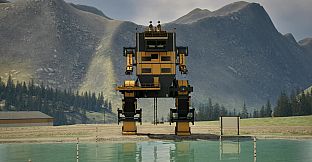
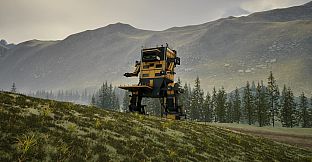
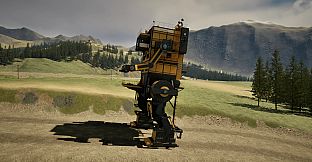
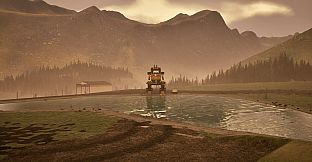
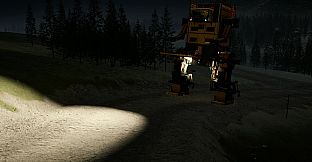
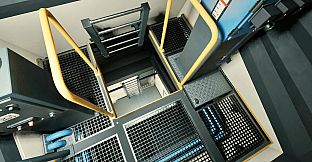
Titan Crew is an indie simulation game set in a flooded valley where players operate a massive two-legged walking machine known as the MULE. This twenty-seven-meter structure serves as both transport and home, requiring careful management of its systems to move cargo and complete tasks across abandoned industrial sites. The experience emphasizes realistic mechanical operation, crew coordination, and environmental challenges like varying water levels and weather, all without any combat elements.
Gameplay
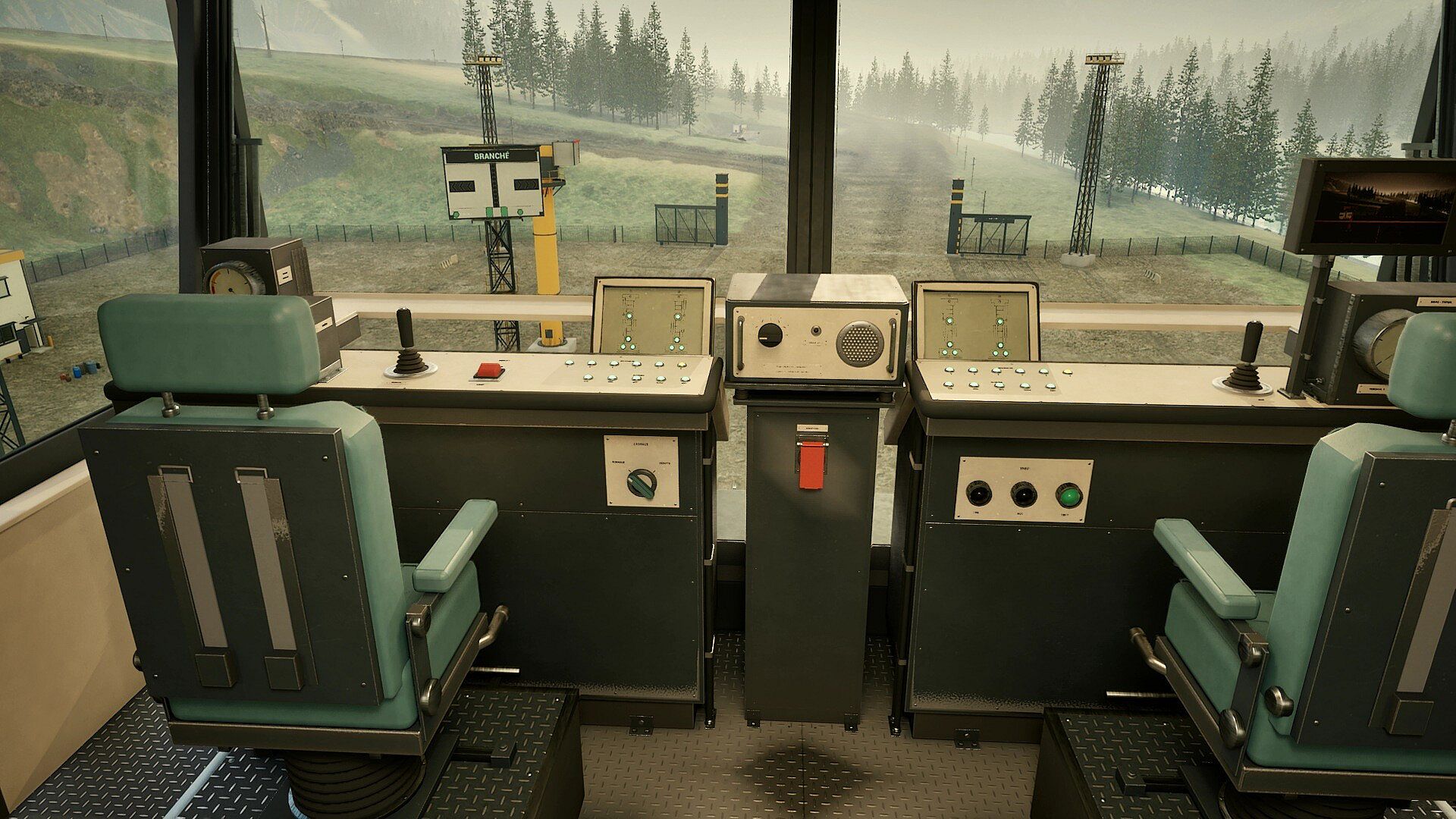
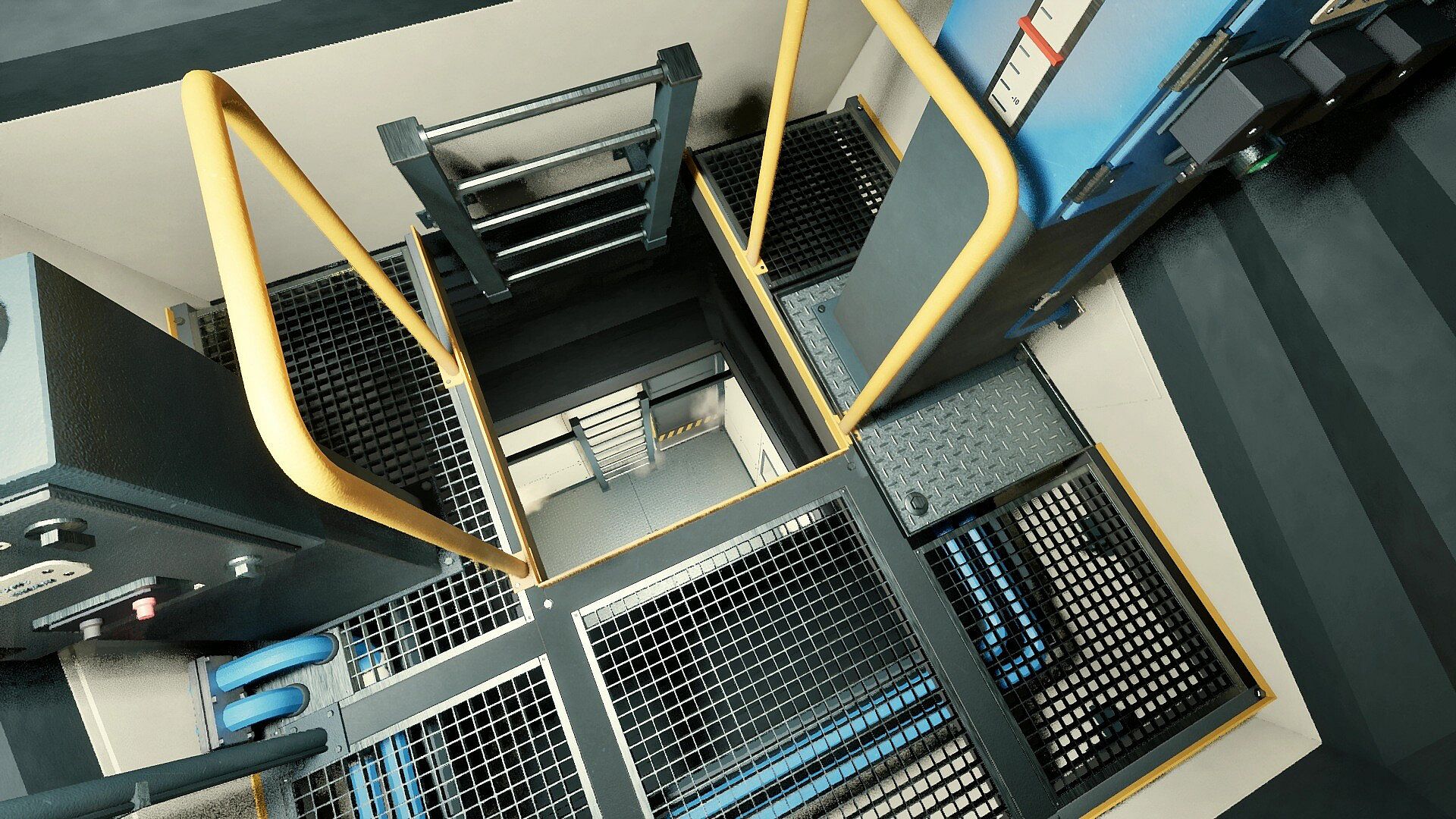
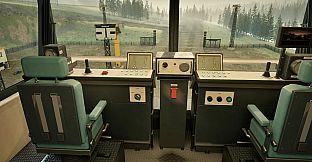
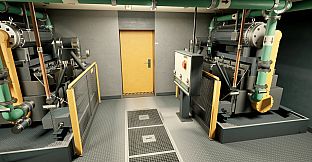
The core loop centers on piloting and maintaining the MULE across a post-flood landscape. One player steers from the pilot station while others monitor generators, pressure levels, and mechanical components. Faults often announce themselves through sounds such as whistling bearings or pumps drawing in gravel, prompting quick responses like bleeding lines, greasing parts, or swapping cartridges using tools from the onboard workshop. The machine's state appears through analog needles, lamps, and an extensive 112-page manual that guides cold starts and repairs. Crew members also track personal needs including hunger, thirst, and fatigue, which shift with day-night cycles and conditions. Navigation involves choosing routes on a table, such as crossing a leaning bridge supported by the rear winch or fording a river, while the lifting arm handles heavy modules up to eight tons. If a leg slips in mud, the crew must work together to right the machine.
Game Modes
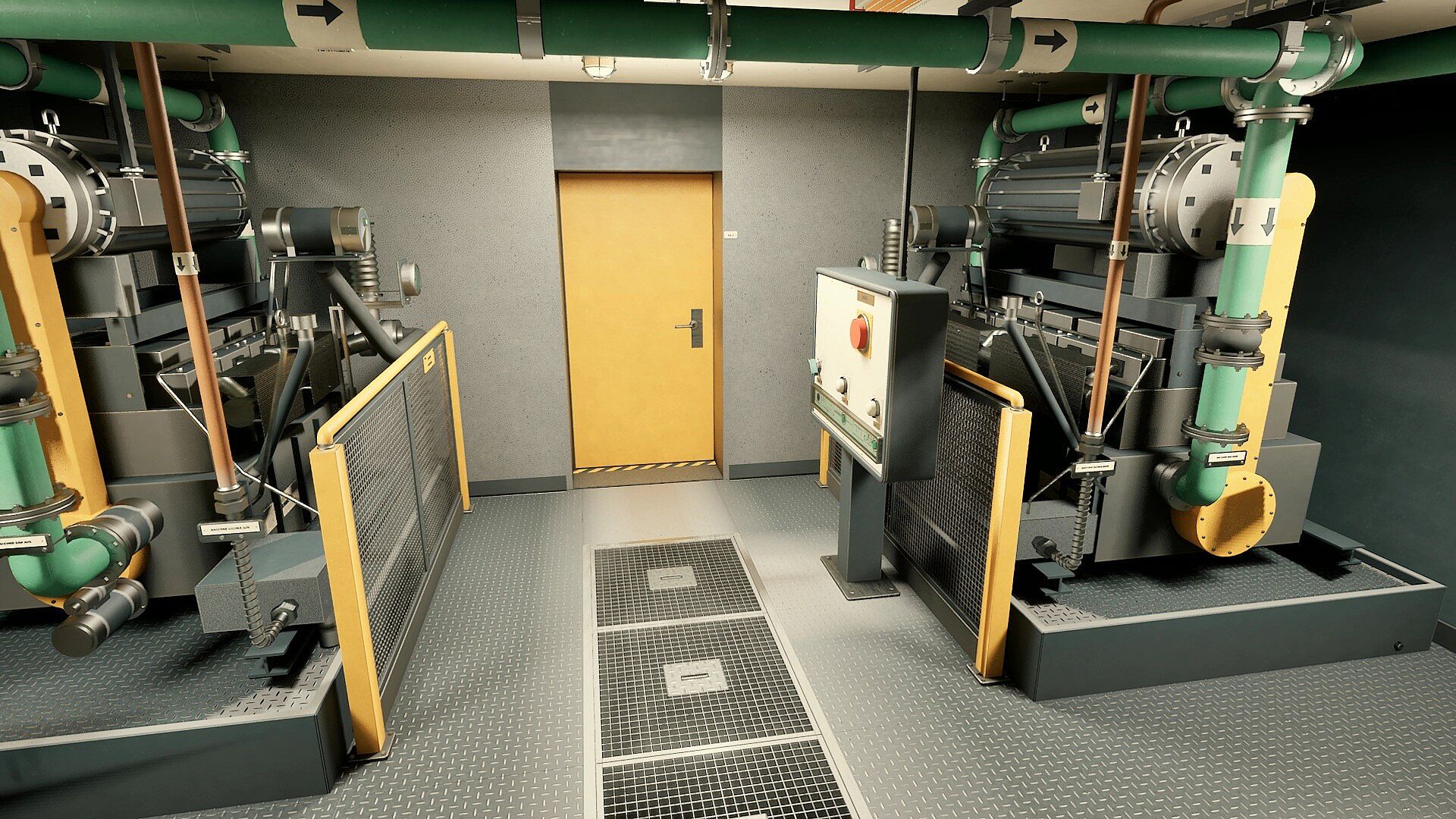
Support exists for one to four players through co-op sessions accessible via Steam invites. Keyboard and mouse or Xbox and PlayStation controllers work for input. In solo play, a single person shifts between stations across the machine's length. Multiplayer divides responsibilities among the pilot station, mess area with bunks and coffee machine, workshop, engine room, and leg junction. The setup encourages communication, as neglecting a station can halt progress. Both French and English language options include full voice acting.
Early Access Content
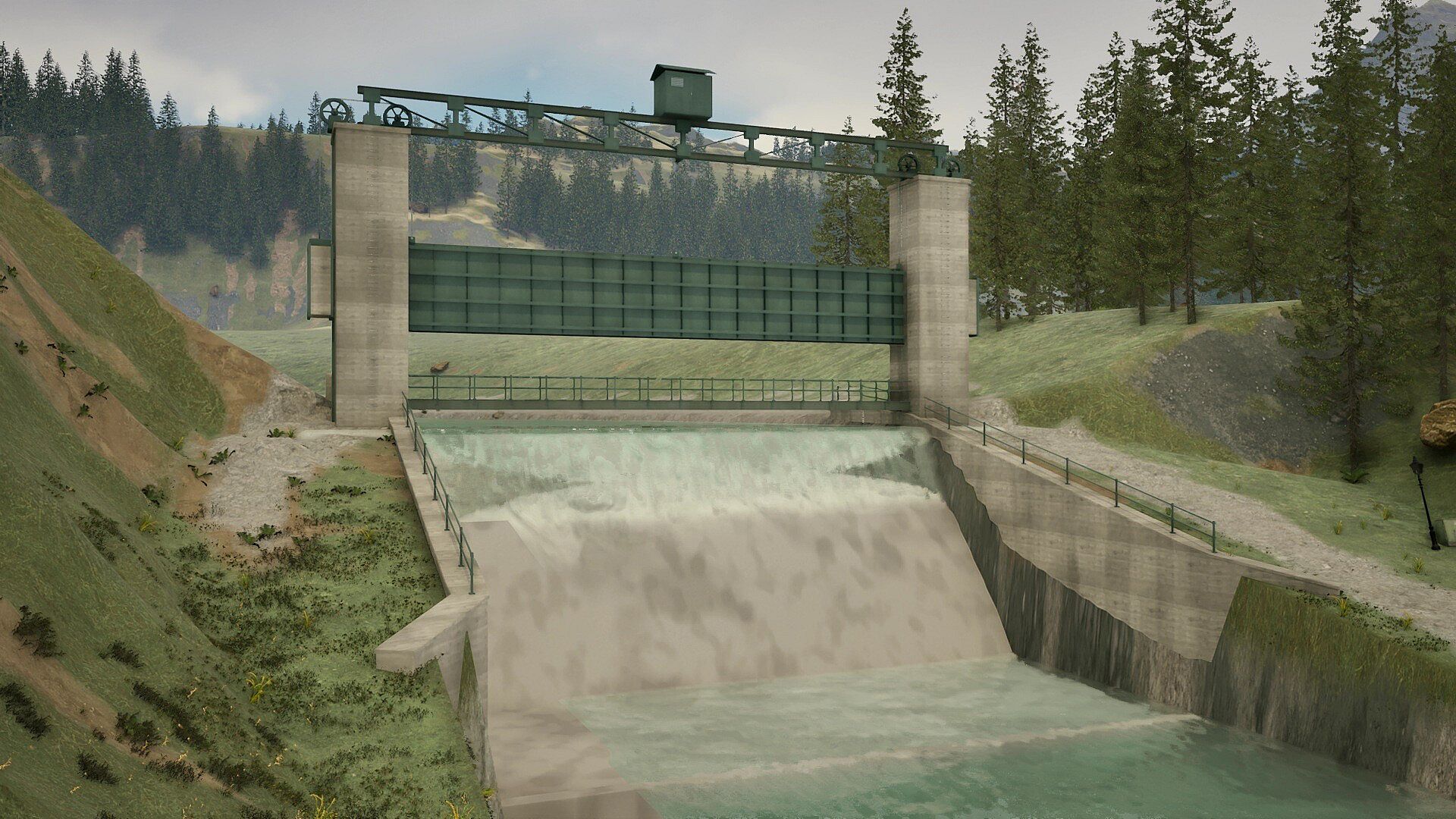
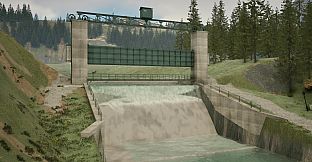
Act I delivers five story missions, three side quests, and two discoveries for an estimated four to six hours of play. The initial region includes the depot, Semelles ford, Contrepoids bridge, locks, a village built in abandoned train wagons, the Relief relay station, and the Antennes refuge. All MULE systems are functional, covering generators, cooling, hydraulics, fuel, legs, balance, winch, and lifting arm. Environmental factors such as changing weather and water levels affect operations, while the onboard recorder preserves logs from previous crews. Agnès provides radio guidance from the depot.
Is It Worth Playing?
This simulation suits players who value methodical machine operation and cooperative problem-solving over action or combat. The detailed systems and need for divided attention in groups create a focused experience that rewards attention to mechanical sounds and instrument readings. Early Access currently offers a complete first act with substantial content for the price of entry, and the absence of combat keeps the emphasis on realistic logistics and environmental navigation. Those drawn to intricate co-op management in a grounded setting will find the current build engaging, while the planned expansion to five acts across the full Veyre basin suggests ongoing development based on player input.