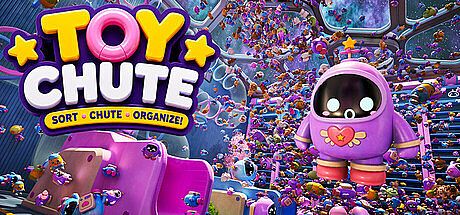


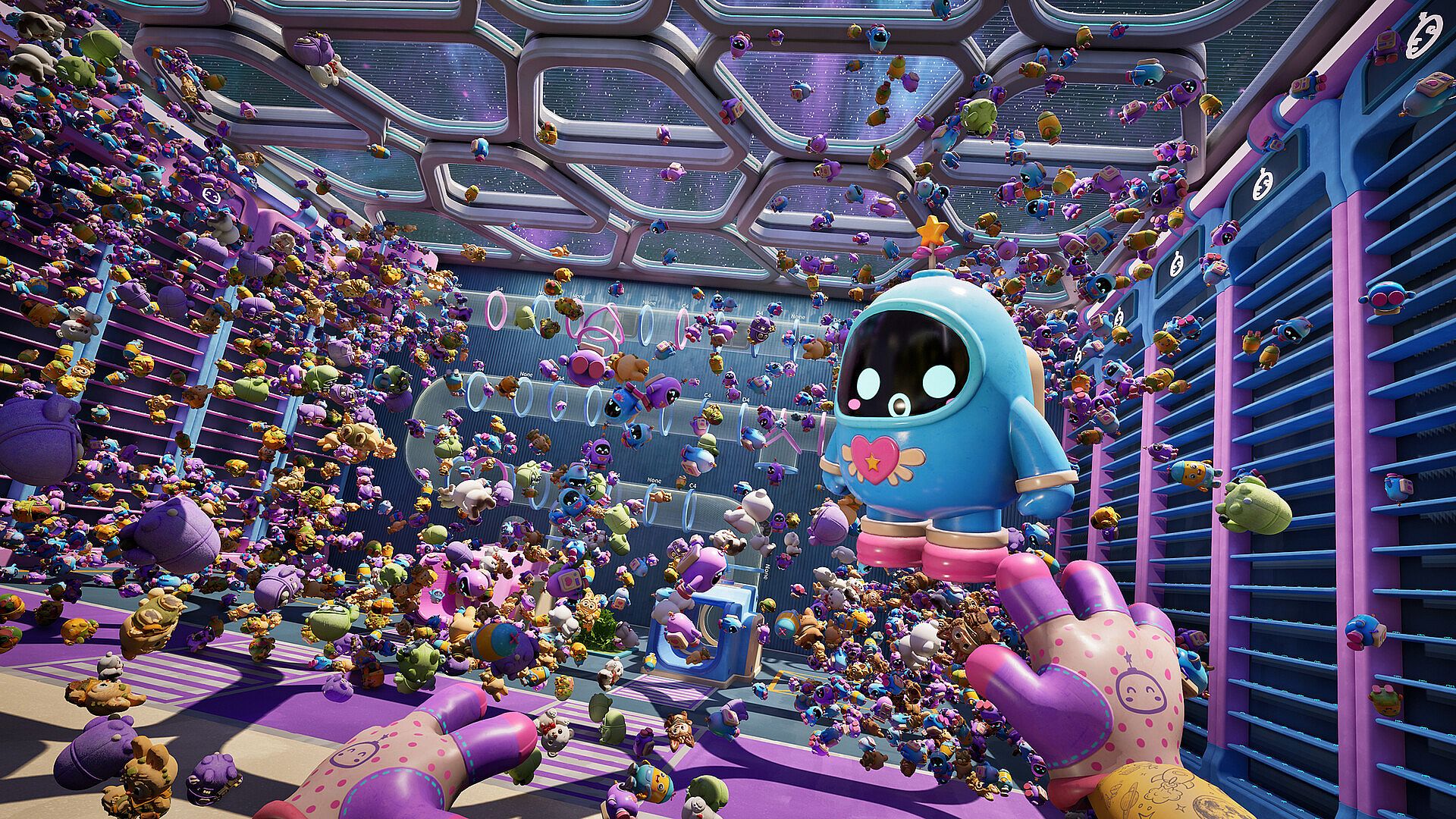
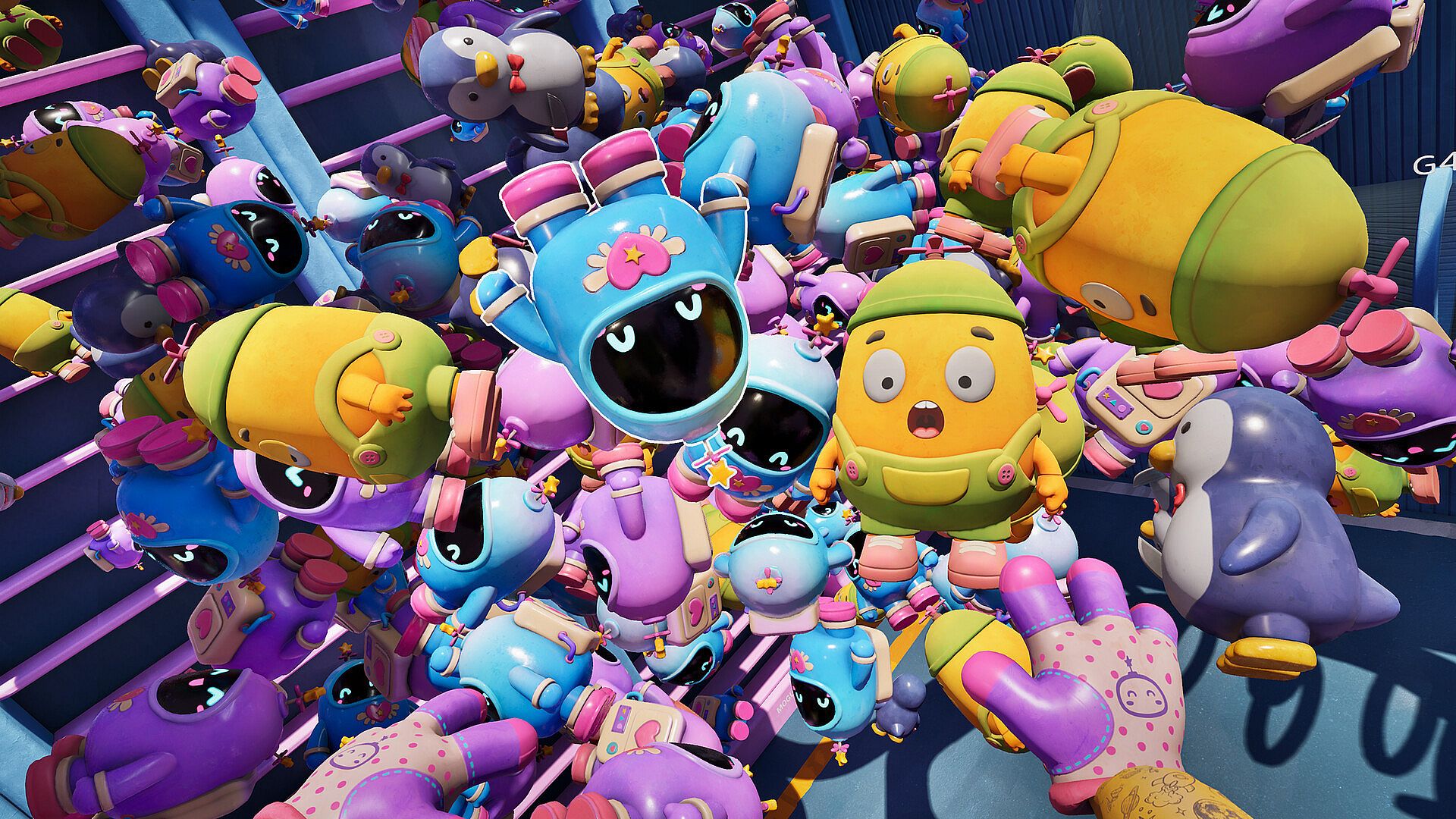
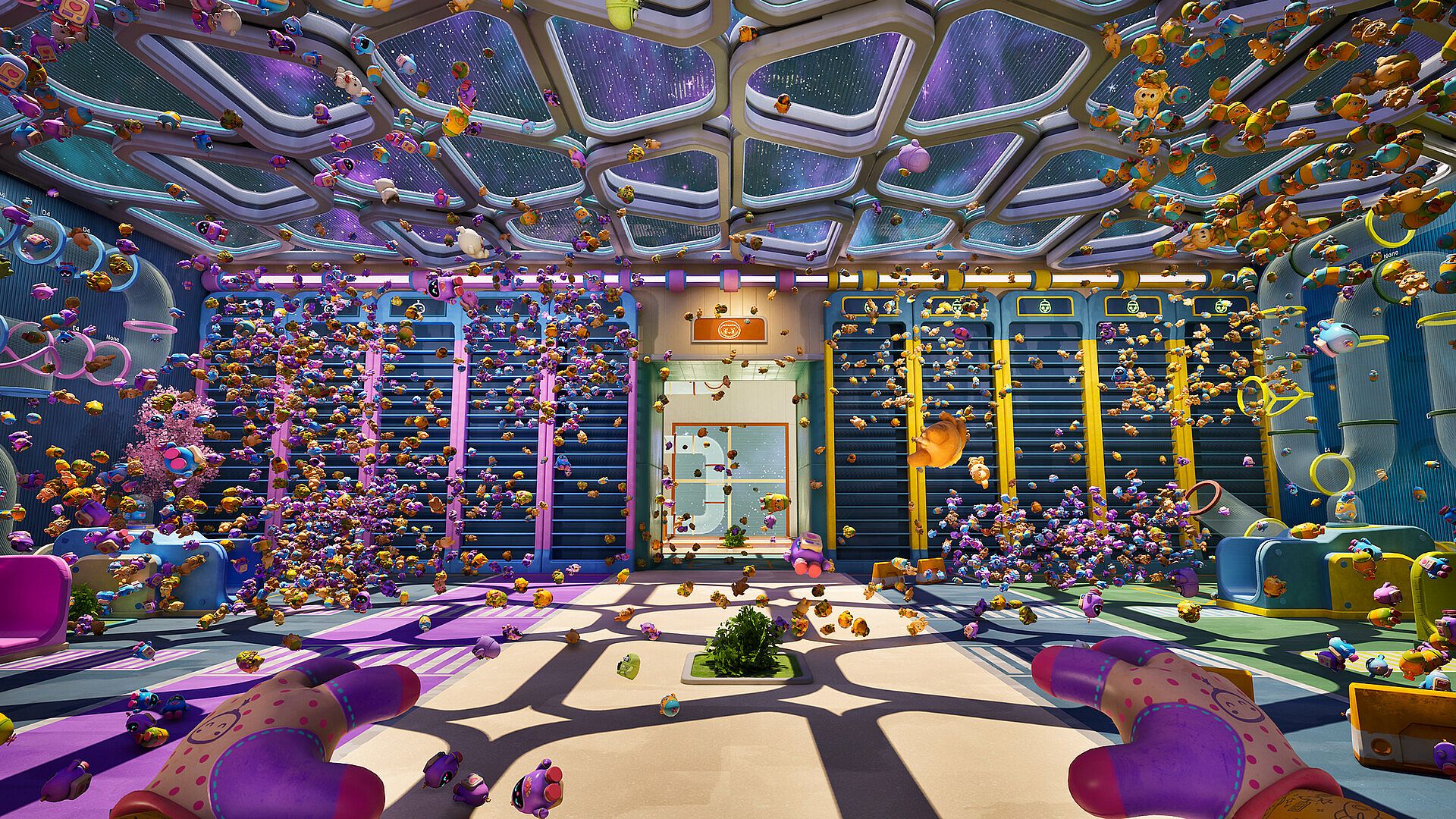
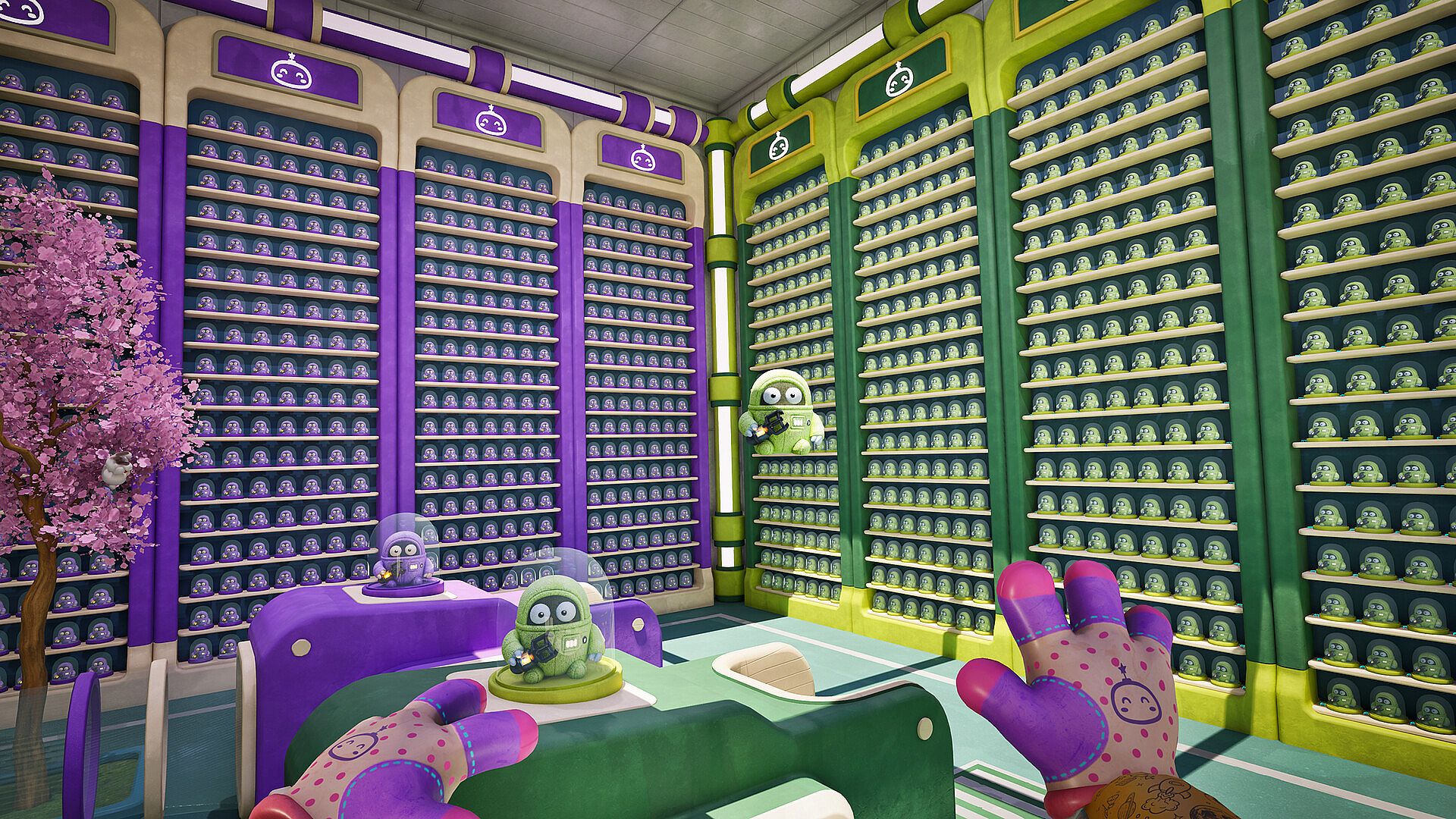
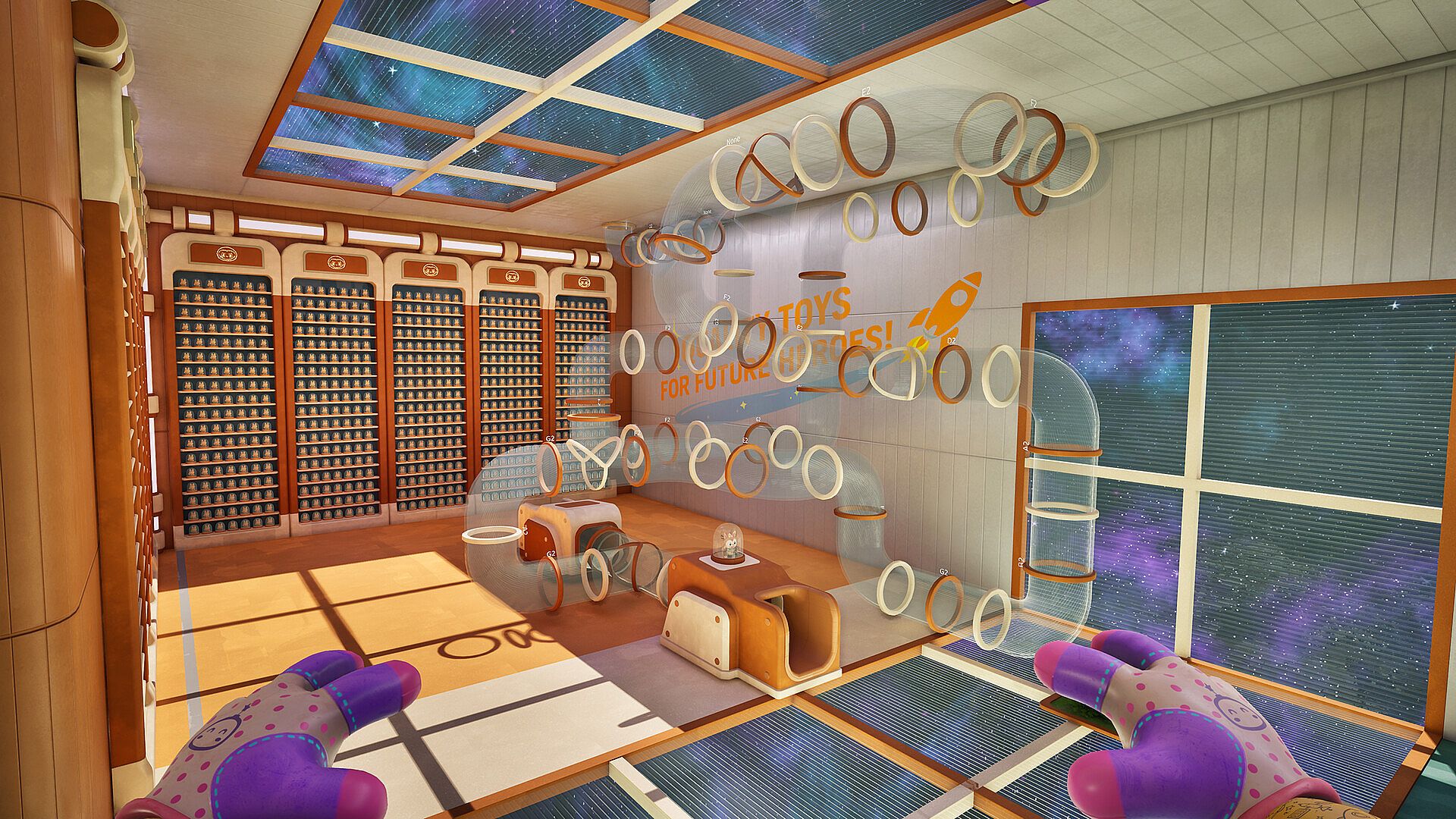
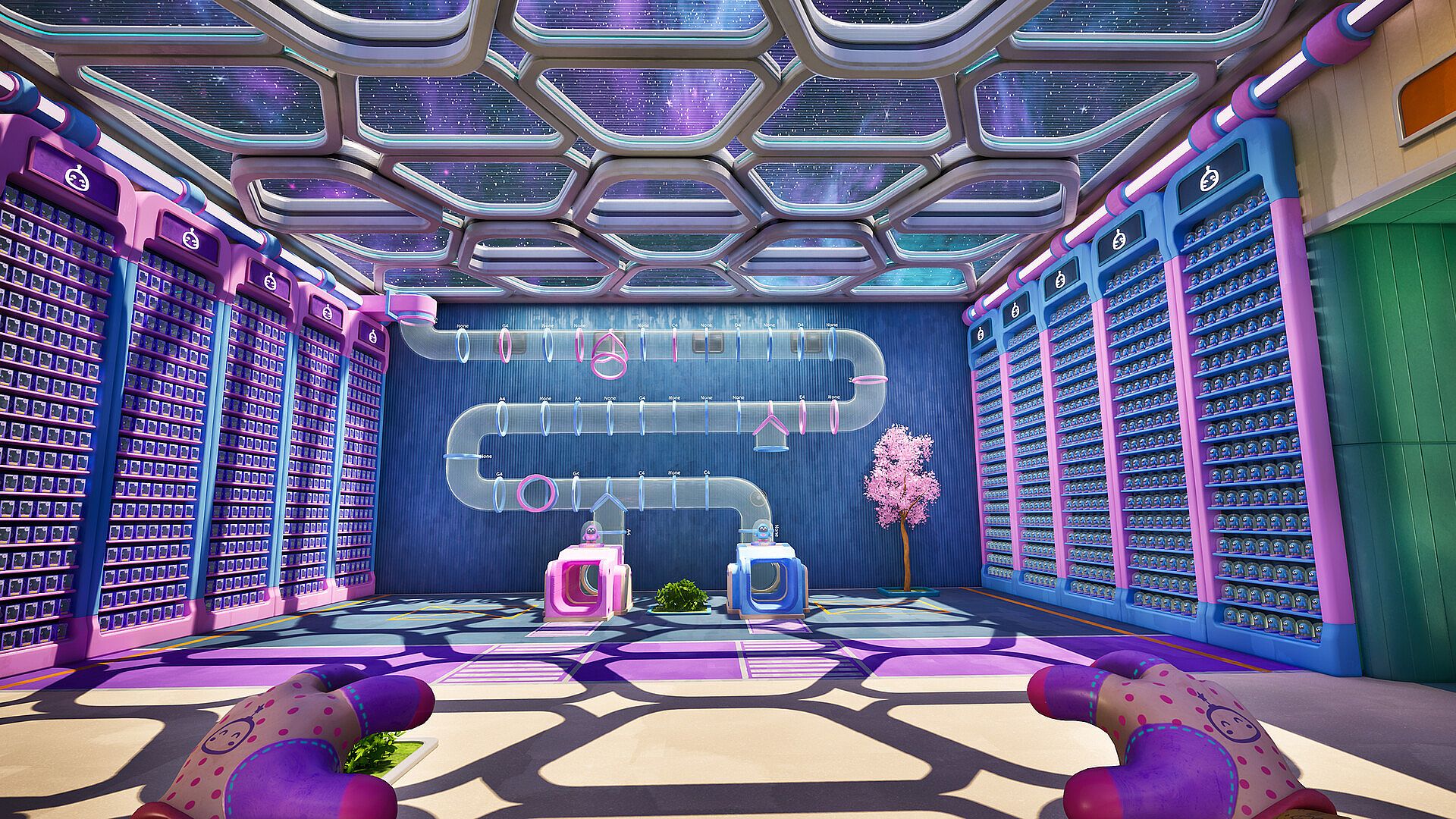
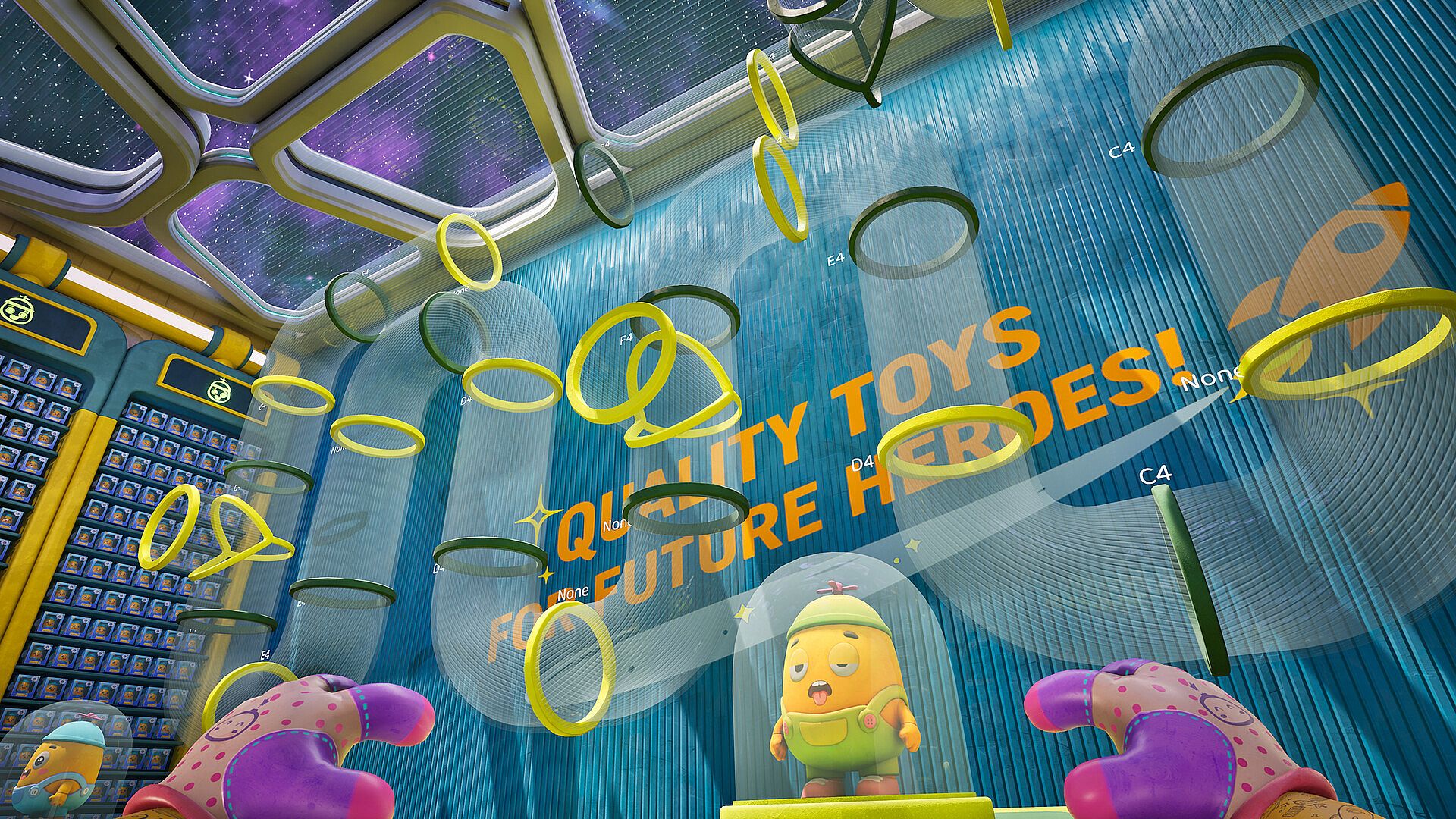
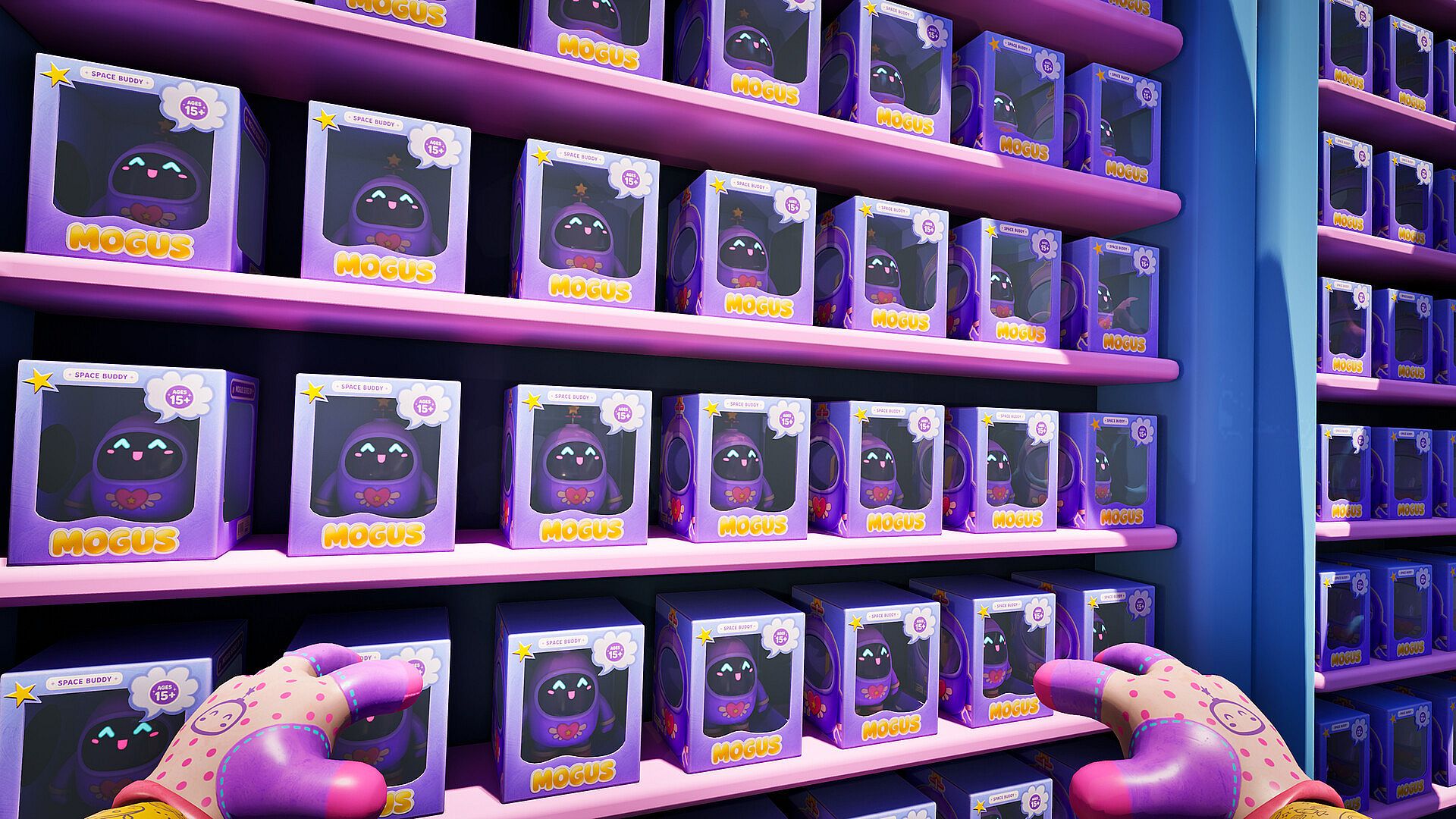
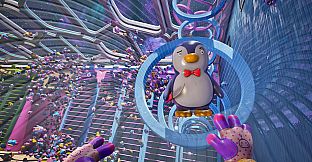
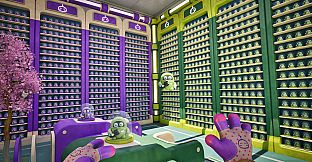
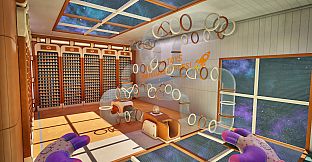
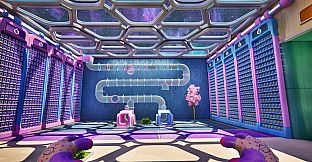
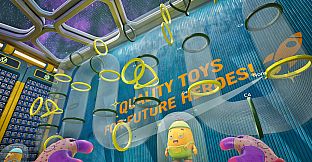
Toy Chute is a casual simulation game built around zero-gravity sorting and music creation on PC. Players drift through an abandoned station filled with thousands of lost toys, catching each one and routing it through the correct chute while using floating Combo Rings to generate notes and build original melodies.
Gameplay
The core loop centers on free movement in open space. Players push off surfaces, drift with momentum, boost for speed, and reach out to grab toys that float past. Each toy carries weight and feels distinct during the haul-in and release. Once secured, the player identifies its category and charges a throw to send it spiraling toward the matching chute. The physics system rewards precise timing and trajectory planning, turning every successful placement into a satisfying click.
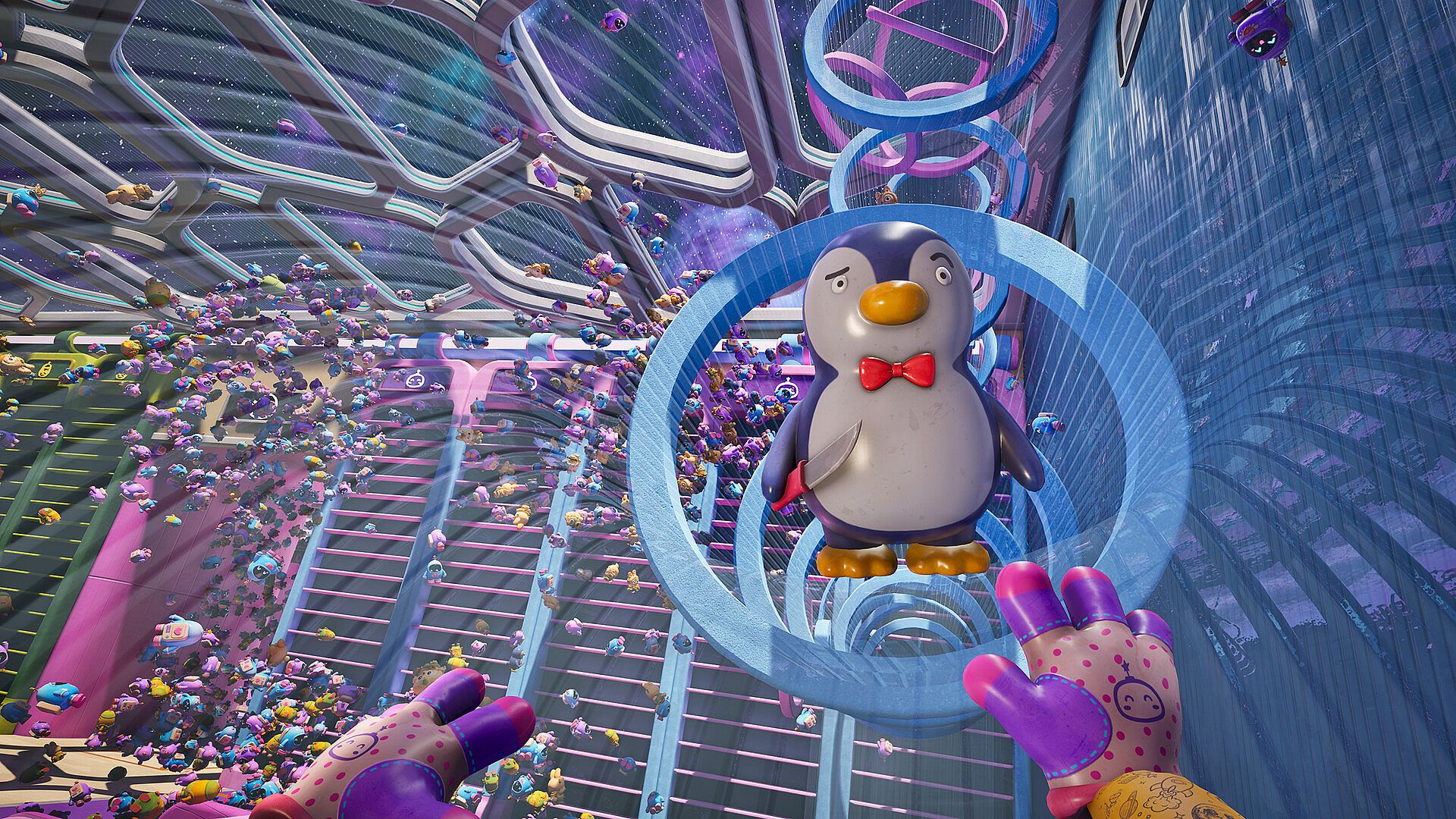
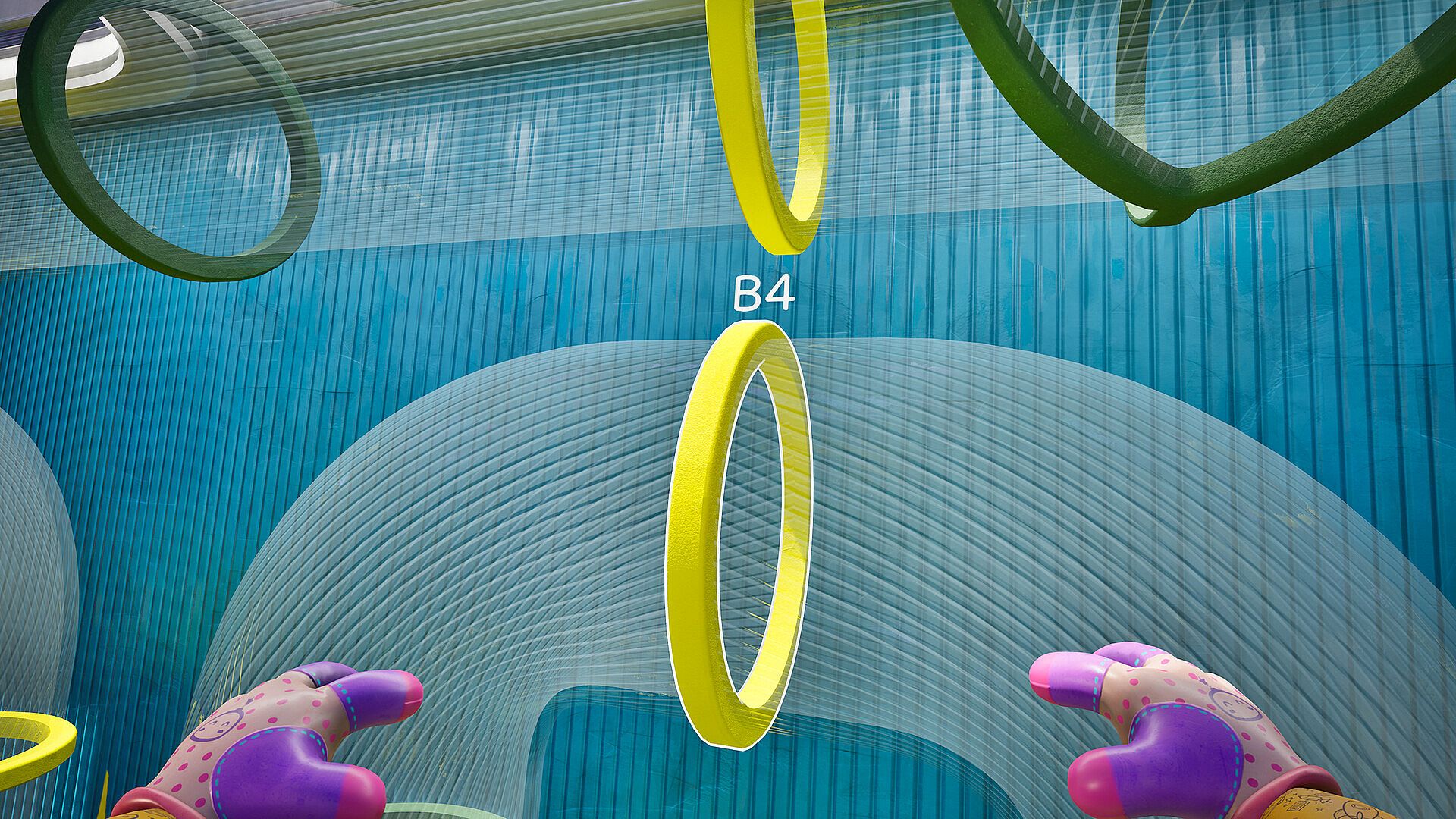
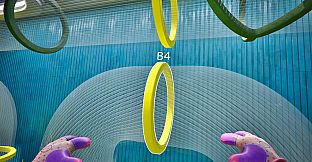
Scattered throughout each area are Combo Rings. Passing a toy through one or more rings in sequence triggers musical notes. Players can chain throws to follow specific paths through the rings, cycling through scales and layering sounds into longer melodies. The station gradually fills with the music created by these routes, adding a second layer of engagement beyond the sorting itself. A growing collection log tracks every unique toy encountered, encouraging repeated visits to discover new collectibles.
Movement and throwing feel weighty and deliberate. There is no timer pressure or penalty for experimentation, allowing players to pause, adjust paths, and refine throws until the desired note sequence emerges. The result is a loop that combines organizational satisfaction with creative sound design.
Game Modes
The game operates in a single relaxed mode focused on open-ended sorting sessions. Players explore the drifting station at their own pace, choosing which toys to prioritize and how to route throws through the rings. Levels contain fixed sets of chutes and ring placements, yet the freedom of movement and throw timing lets each session unfold differently. The absence of fail states means progress comes from personal discovery rather than completion metrics, and sessions can last as long or as short as desired.
Within this framework, players naturally shift between efficient sorting and deliberate music composition. Some focus on clearing categories quickly while others linger to experiment with ring sequences and build longer musical phrases. The same space supports both approaches without switching modes or loading separate areas.
Key Features
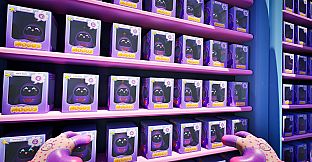
Thousands of unique toys appear across the station, each with its own visual design and category. Spotting and learning these collectibles adds variety to repeated play. The zero-gravity environment supports full three-dimensional movement, including wall pushes, mid-air adjustments, and controlled boosts that respect momentum. Chute categories expand gradually as new toys are logged, keeping the sorting challenge fresh without introducing artificial difficulty spikes.
Combo Rings serve as the main interactive instrument. Their placement encourages players to plan multi-throw sequences that thread multiple rings in rhythm. The resulting melodies emerge directly from gameplay actions rather than a separate composition tool, blending the two systems into one continuous experience.
Who It Is For
This title suits players who enjoy physics-driven puzzle games, cozy organization tasks, and light creative expression. Those drawn to satisfying click feedback and collection mechanics will find the core loop rewarding, while anyone interested in emergent music creation can treat the rings as an instrument built from the sorting process. The relaxed pace and lack of failure conditions make it accessible for short sessions or extended exploration alike.
Is It Worth Playing?
Toy Chute delivers a distinctive combination of tactile sorting and musical improvisation in a zero-gravity setting. The physics feel consistent and responsive, the toy collection provides ongoing variety, and the ring system turns routine throws into an expressive activity. Players who value deliberate pacing and personal creativity over competitive scoring or narrative progression will likely find the experience engaging for repeated visits. The game remains in a state where new toys and ring configurations continue to appear through natural exploration, supporting long-term interest without external updates or seasonal content. If the described blend of simulation and music appeals, the title offers a focused, self-contained loop worth trying.