




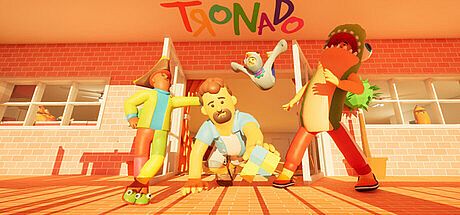



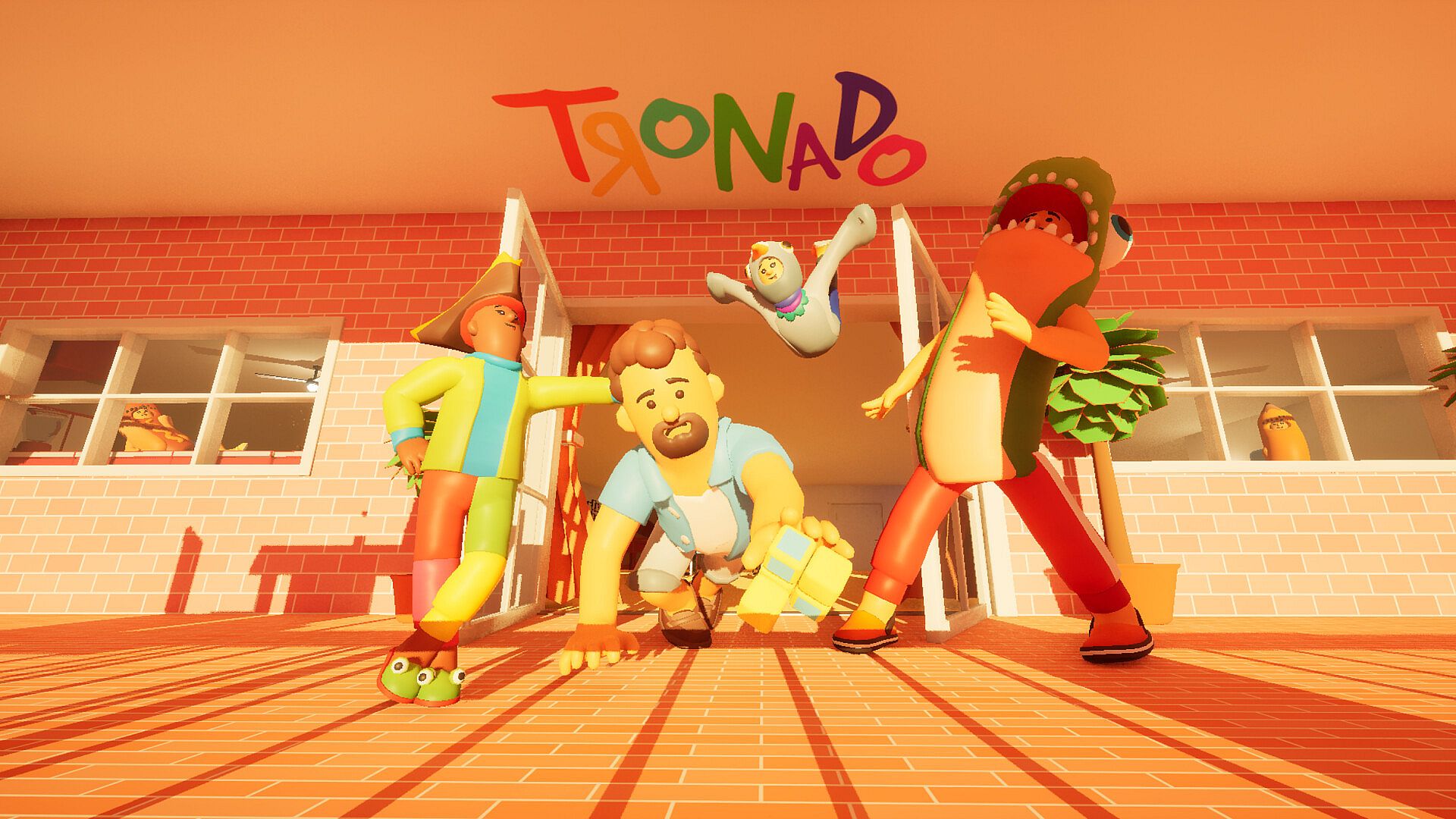
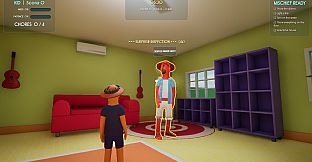
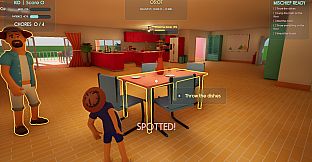
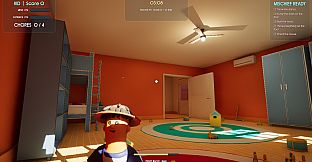
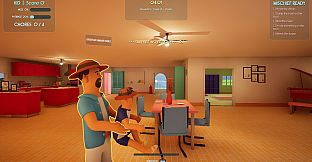
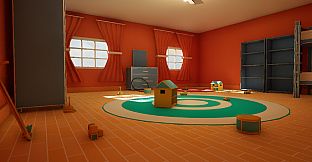
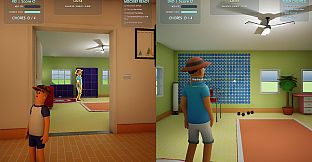
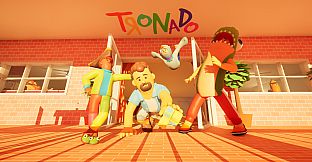
TRONADO to asymetryczna gra imprezowa od niezależnego studia, łącząca elementy luźnej symulacji z chaotyczną rywalizacją w trybie wieloosobowym. W tej produkcji na PC jedna lub dwie osoby wcielają się w rodziców, którzy starają się ogarnąć domowe obowiązki, podczas gdy od trzech do ośmiu graczy gra dzieciaki nastawione na psoty. Taka konfiguracja tworzy krótkie, napięte rundy, w których rodzinna codzienność zamienia się w starcie między bałaganem a porządkiem.
Rozgrywka
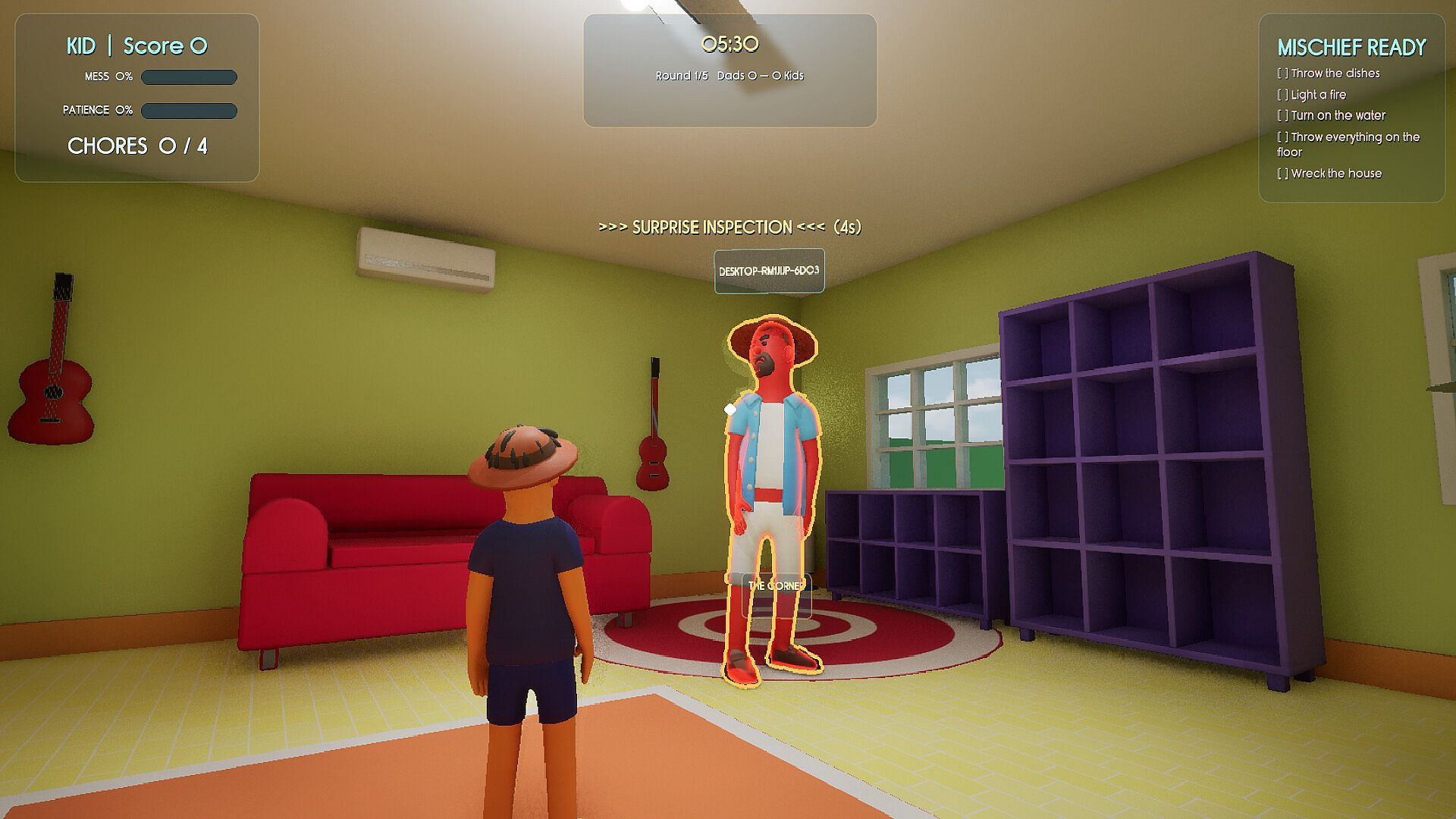
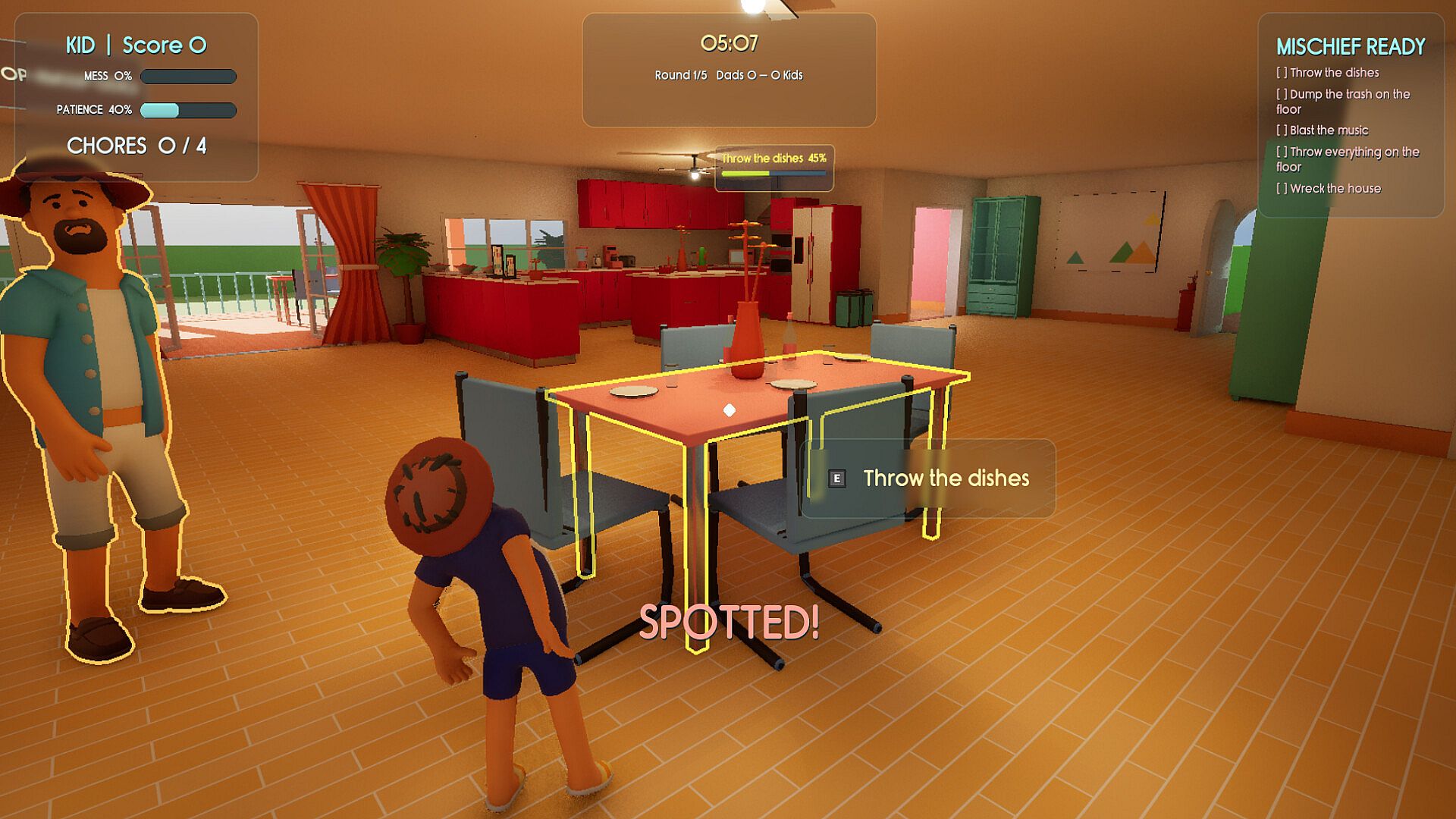
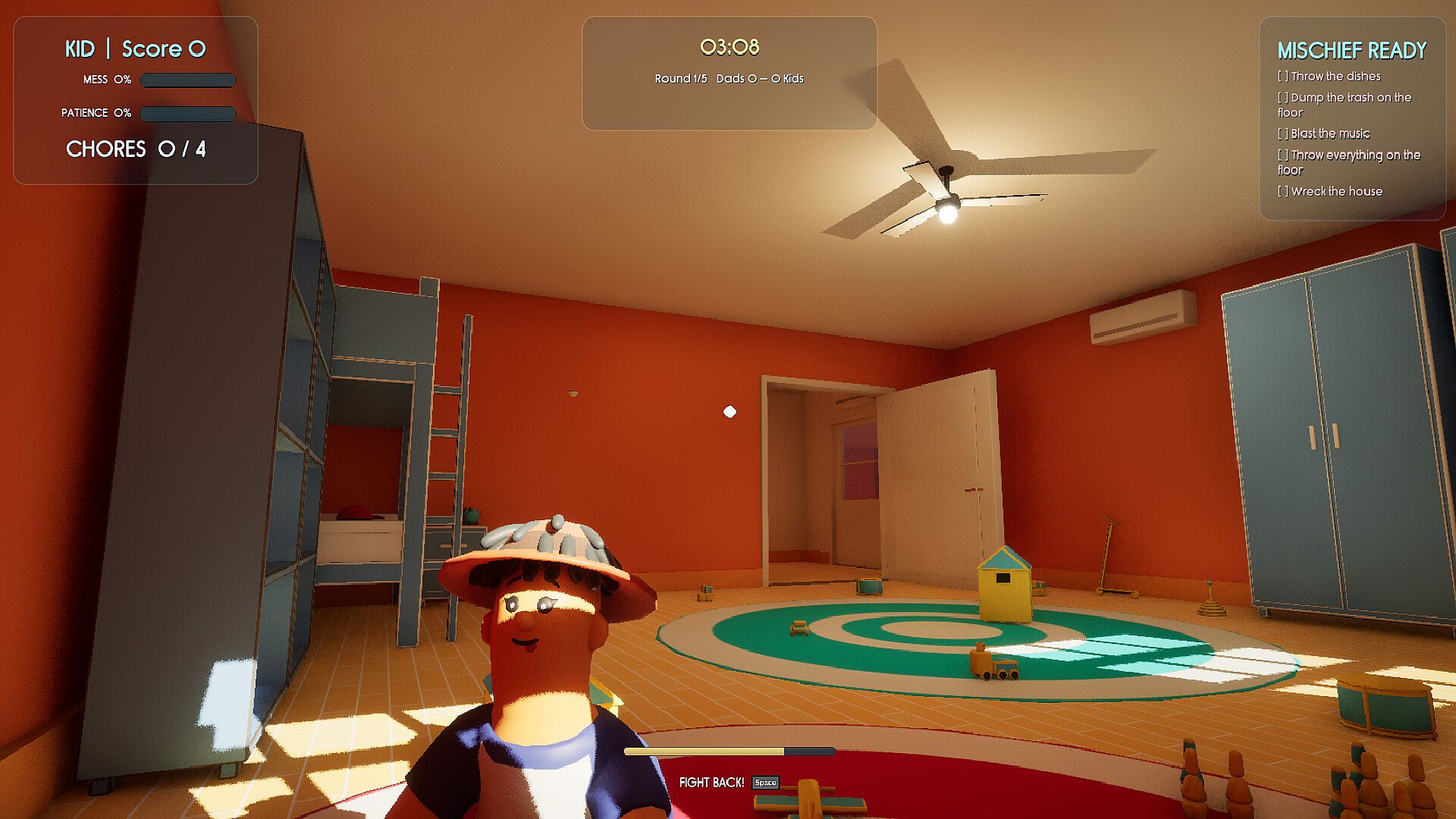
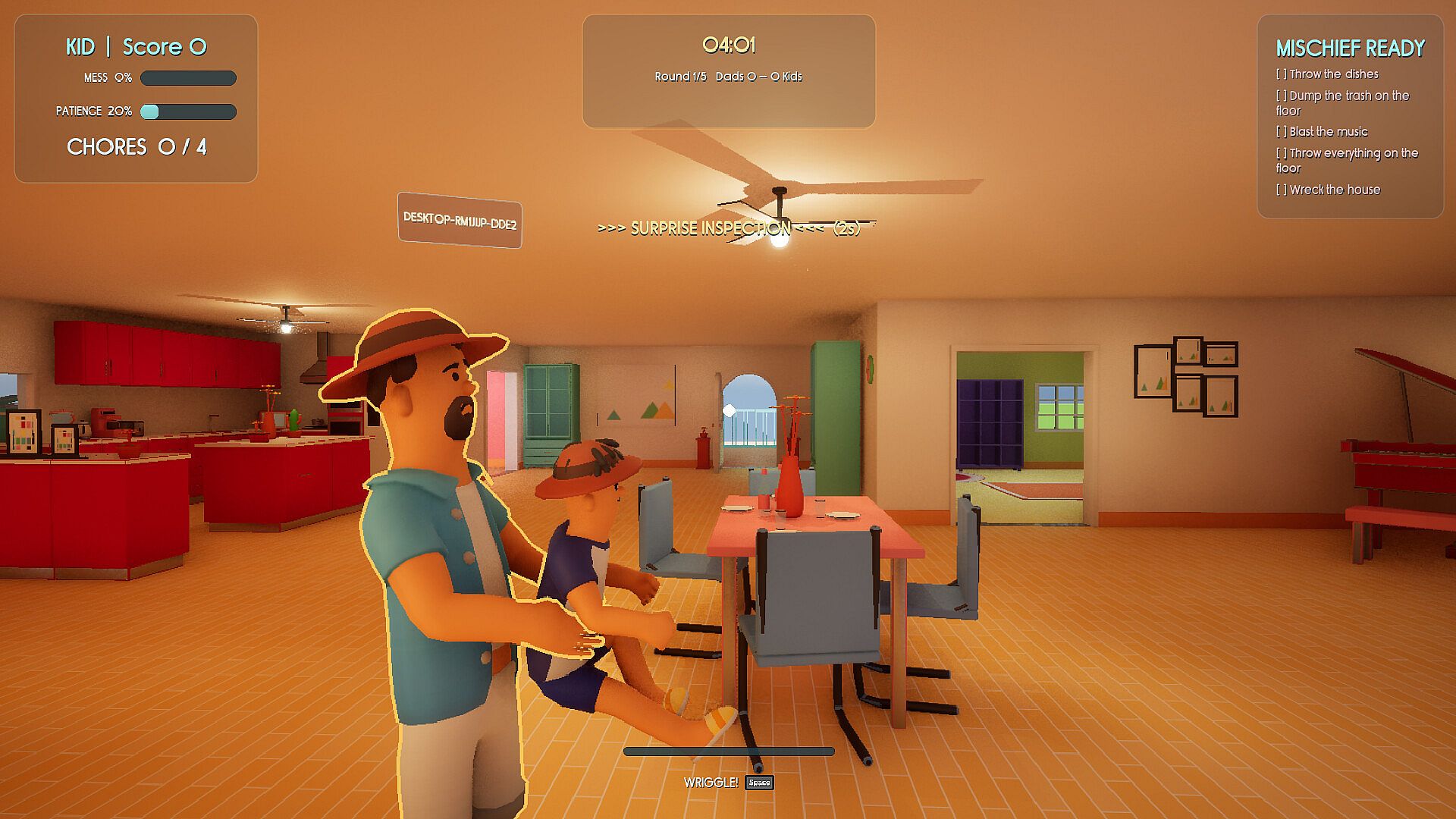
Podstawą mechaniki są trzy wskaźniki śledzące postępy obu stron: poziom chaosu wywoływanego przez dzieci, cierpliwość rodziców oraz liczba wykonanych obowiązków mimo rozpraszania. Dzieciaki napełniają pasek chaosu, skacząc po meblach, bazgrając po powierzchniach czy przeszkadzając w interakcji z przedmiotami w domu. Rodzice skupiają się na wykonywaniu zadań, jednocześnie pilnując rosnącego nieporządku.
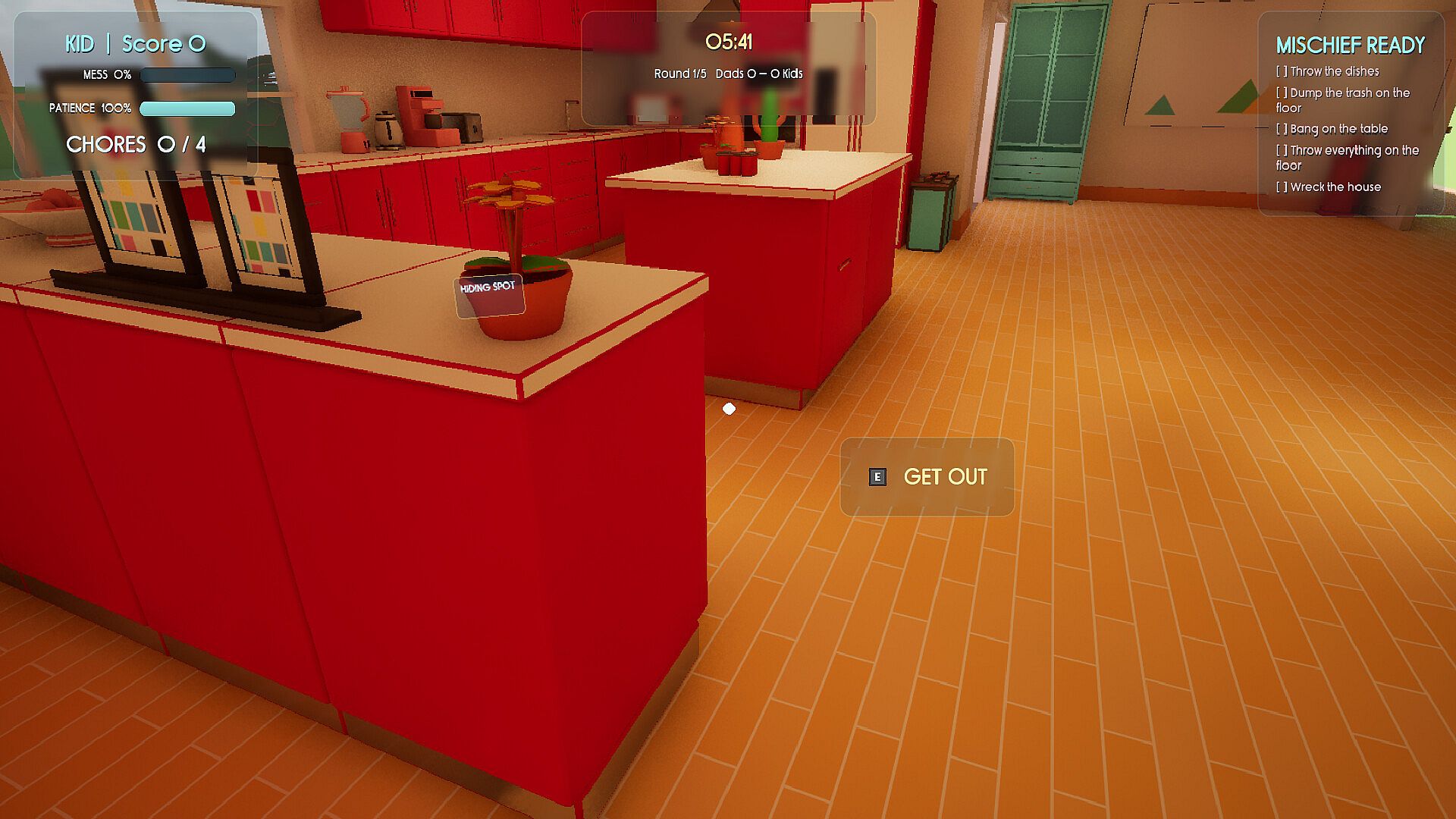
Jeśli dziecko zostanie przyłapane na gorącym uczynku, trafia do kąta. Aby się uwolnić, trzeba szybko walić w przyciski, co dodaje element paniki do ucieczek. Kryjówki, takie jak kosz na pranie, mają dodatkowy haczyk - trzeba wstrzymywać oddech, by pozostać niewidocznym, a głos przez czat proximity zdradza gracza znajdującym się w pobliżu. Ten mechanizm wymaga dobrego pozycjonowania i słuchu podczas rund.
Chwile przyłapania na gorącym uczynku pozwalają rodzicom wykrywać aktywność wyłącznie po dźwiękach, zamieniając otoczenie w system detekcji oparty na audio. Rundy pozostają krótkie i intensywne, zmuszając obie strony do szybkich decyzji, które decydują o tym, kto pierwszy zapełni lub opróżni swój wskaźnik.
Tryby gry
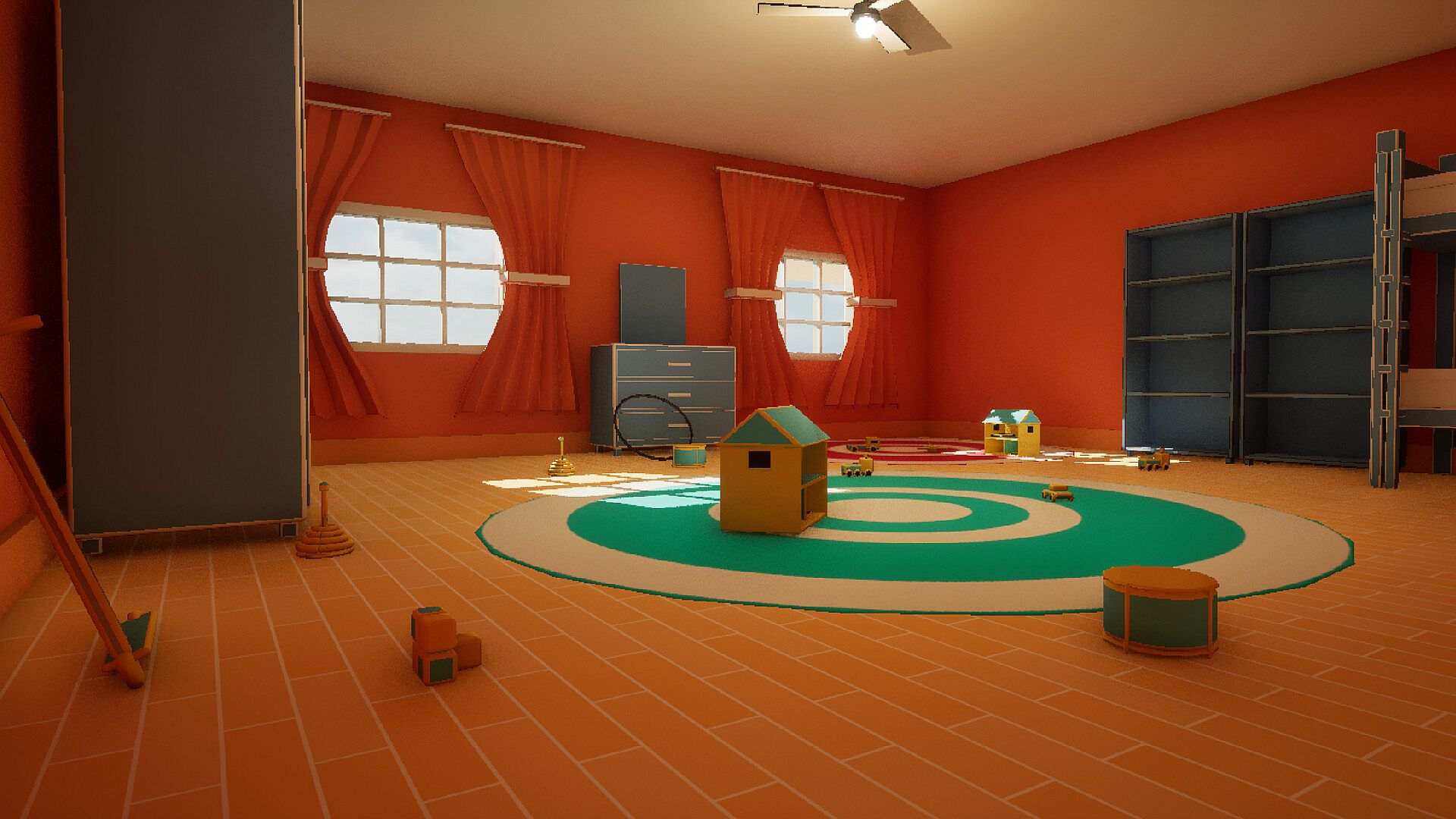
TRONADO opiera się na jednej głównej, asymetrycznej rozgrywce rozgrywającej się w rodzinnym domu. Jedna strona wykonuje obowiązki pod presją, druga zaś sieje zamęt, by przechylić szalę. Mechanika obsługuje elastyczną liczbę graczy - od dwóch do dziesięciu - pozwalając łączyć w jednej sesji rozgrywkę online z lokalnym split-screenem na tym samym ekranie.
Asymetria jest tu kluczowa: każda rola ma inne narzędzia i cele, co zachęca do kolejnych podejść i różnych rezultatów. Dom stanowi podstawowe środowisko tych potyczek, a krótkie sesje sprzyjają częstemu wchodzeniu i wychodzeniu z gry.
Multiplayer i sterowanie
Obsługa zarówno trybu online, jak i couch co-op pozwala grupom dołączać zdalnie lub grać na wspólnym ekranie bez zbędnych przygotowań. Gra działa na padzie lub klawiaturze, a proste sterowanie umożliwia nowym graczom szybkie dołączenie do rundy. Po zakupie podstawowej wersji nie ma żadnych dodatkowych opłat ani mikropłatności.
Elementy głosowe są bezpośrednio powiązane z ukrywaniem się i wykrywaniem, dzięki czemu komunikacja i cisza stają się strategicznymi wyborami, a nie opcjonalnymi funkcjami. Taki układ sprawdza się podczas luźnych spotkań, gdy gracze zmieniają role między rundami, by poznać obie perspektywy.
Przyszła zawartość
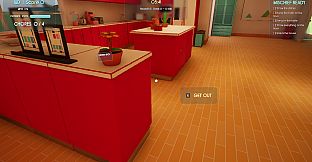
Deweloperzy zapowiedzieli rozszerzenie gry poza początkowe wnętrze domu. W przygotowaniu jest już supermarket, który przeniesie akcję między półki - rodzic będzie robił zakupy, a dzieciaki wymyślać nowe sposoby na przeszkadzanie. Ten dodatek ma rozwijać istniejącą strukturę asymetryczną o nowe lokacje i wyzwania.
Czy warto zagrać?
TRONADO kieruje ofertę do graczy lubiących szybkie, oparte na rolach gry imprezowe z wyraźnymi, przeciwstawnymi celami. Połączenie mechanik fizycznych psot, detekcji dźwiękowej i zarządzania wskaźnikami tworzy unikalny cykl rozgrywki, który nagradza zarówno skradanie się, jak i czujne rodzicielstwo. Brak dodatkowych opłat poza ceną bazową oraz wsparcie dla mieszanych sesji online i lokalnych sprawia, że gra pasuje do grup szukających przystępnej, powtarzalnej rozrywki bez ukrytych kosztów.
Ponieważ tytuł jest jeszcze w fazie „wkrótce" i nie ma wydanej wersji, potencjalni nabywcy mogą dodać go do listy życzeń, by śledzić postępy nad zawartością domu oraz planowaną ekspansją do supermarketu. Proste sterowanie i krótkie rundy czynią go odpowiednim wyborem dla grup mieszanych wiekowo lub znajomych chcących lekkiej rywalizacji opartej na domowych psotach.











